Cusco: The Navel of the World and Capital of the Inca Empire
Cusco, at 3,400 meters in the Peruvian Andes, was the capital of the largest empire in pre-Columbian history, the Tawantinsuyu of the Inca, which at its height in the early 16th century extended over 4,000 kilometers from present-day Colombia to Chile. The city was conceived as the navel of the world by the Inca, the sacred center from which the four quarters of the empire radiated. Spanish conquerors under Francisco Pizarro captured and ransacked the city in 1533 and built their colonial city directly over the Inca stonework, creating the distinctive hybrid architecture visible today: Spanish baroque churches and colonial mansions rising from massive Inca stone foundations. The result is one of the most historically layered cities in the Americas and the essential gateway to Machu Picchu.
1. The Plaza de Armas and the Layers of Inca and Colonial Cusco
- 1
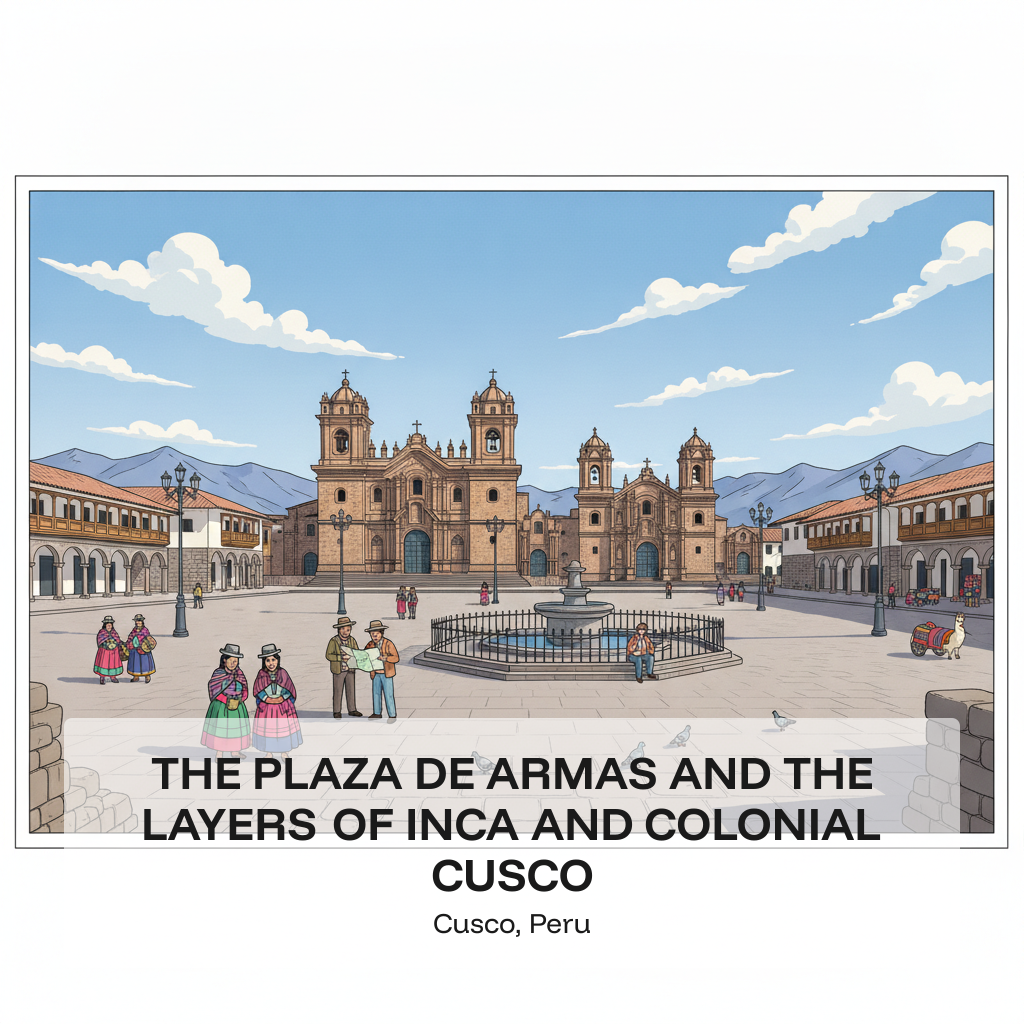
The Plaza de Armas and the Layers of Inca and Colonial Cusco
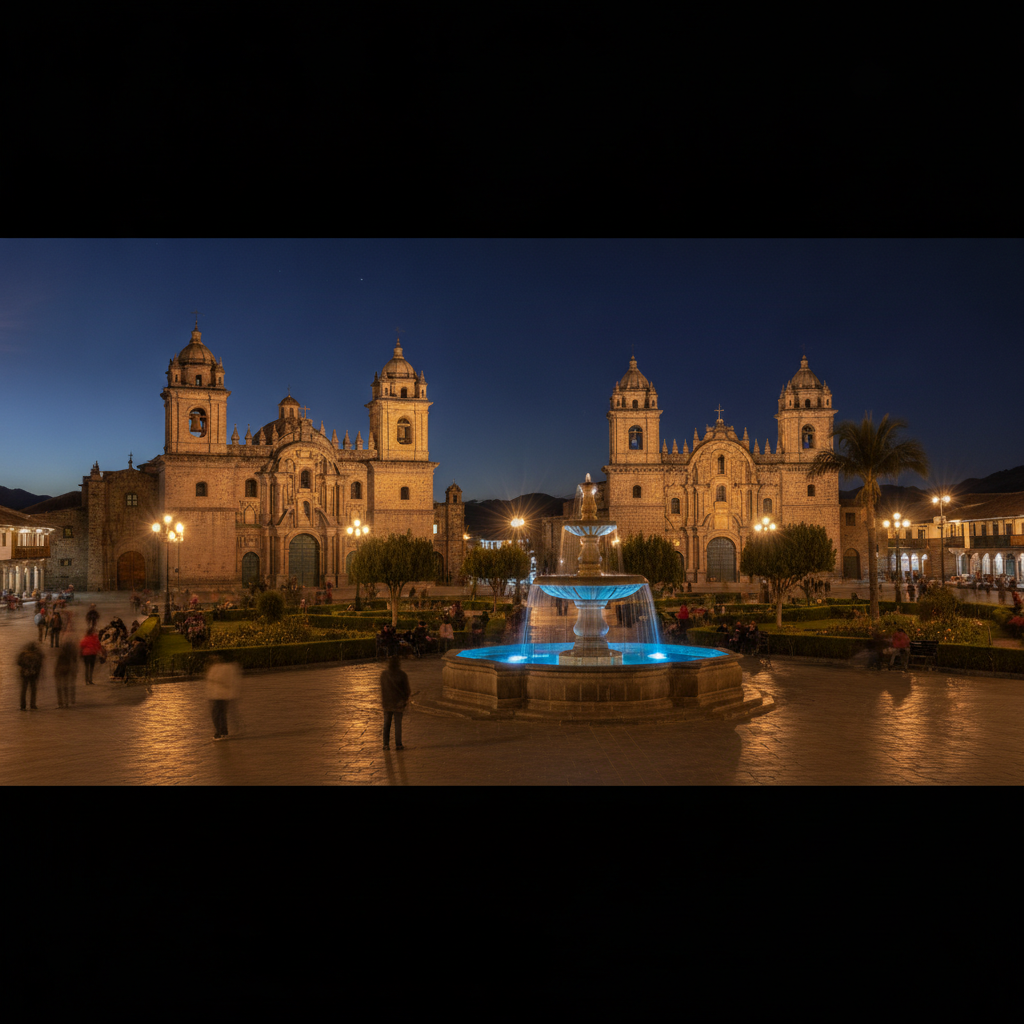
The Plaza de Armas at the heart of Cusco was the Huacaypata, the sacred ceremonial plaza of the Inca capital, where great feasts and sacrificial rituals were conducted in the presence of the mummified bodies of previous Inca rulers. The Spanish replaced the Inca ceremonial function with colonial institutions: the cathedral, built between 1560 and 1654 on the foundations of the palace of Inca Viracocha, faces the plaza from the north, and the Jesuit La Compania church occupies the site of the palace of Huayna Capac on the east side. The proportions and orientation of the plaza retain the Inca original. Beneath the colonial paving stones and building floors throughout the historic center, the perfectly fitted Inca stonework survives; the 1950 earthquake that severely damaged colonial buildings left the underlying Inca foundations largely intact, demonstrating the superior engineering of the pre-Columbian masonry.
- 2
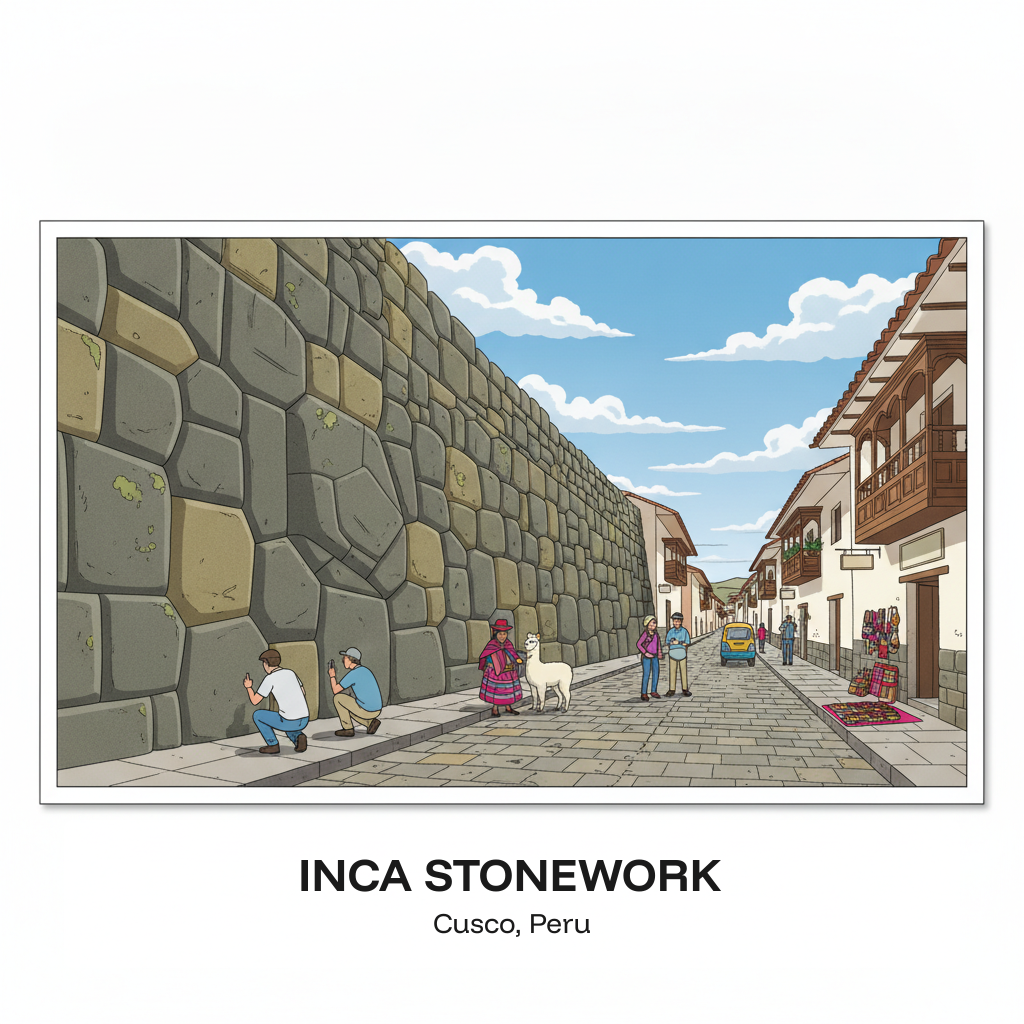
Inca Stonework: The Precision That Has Puzzled Engineers
The stone walls constructed by Inca builders throughout Cusco and the surrounding valley are among the most precisely fitted dry stone masonry in human history, with polygonal stones shaped to interlock without mortar in joints so tight that a razor blade cannot be inserted between them. The most celebrated example is the twelve-angled stone on Hatun Rumiyoc street, a single stone shaped to fit perfectly against twelve adjacent stones, now a tourist landmark. The mechanisms by which this precision was achieved remain not fully understood; the builders had no iron tools, no wheels, and no written plans, yet they moved and shaped stones weighing hundreds of tons with accuracy measured in fractions of a millimeter. Current understanding suggests extended periods of trial-fitting and abrasion using harder stones, with the weight of each stone helping press it into perfect contact with its neighbors. The walls are also engineered to flex during earthquakes rather than crack.
- 3
Qorikancha: The Temple of the Sun Under Santo Domingo
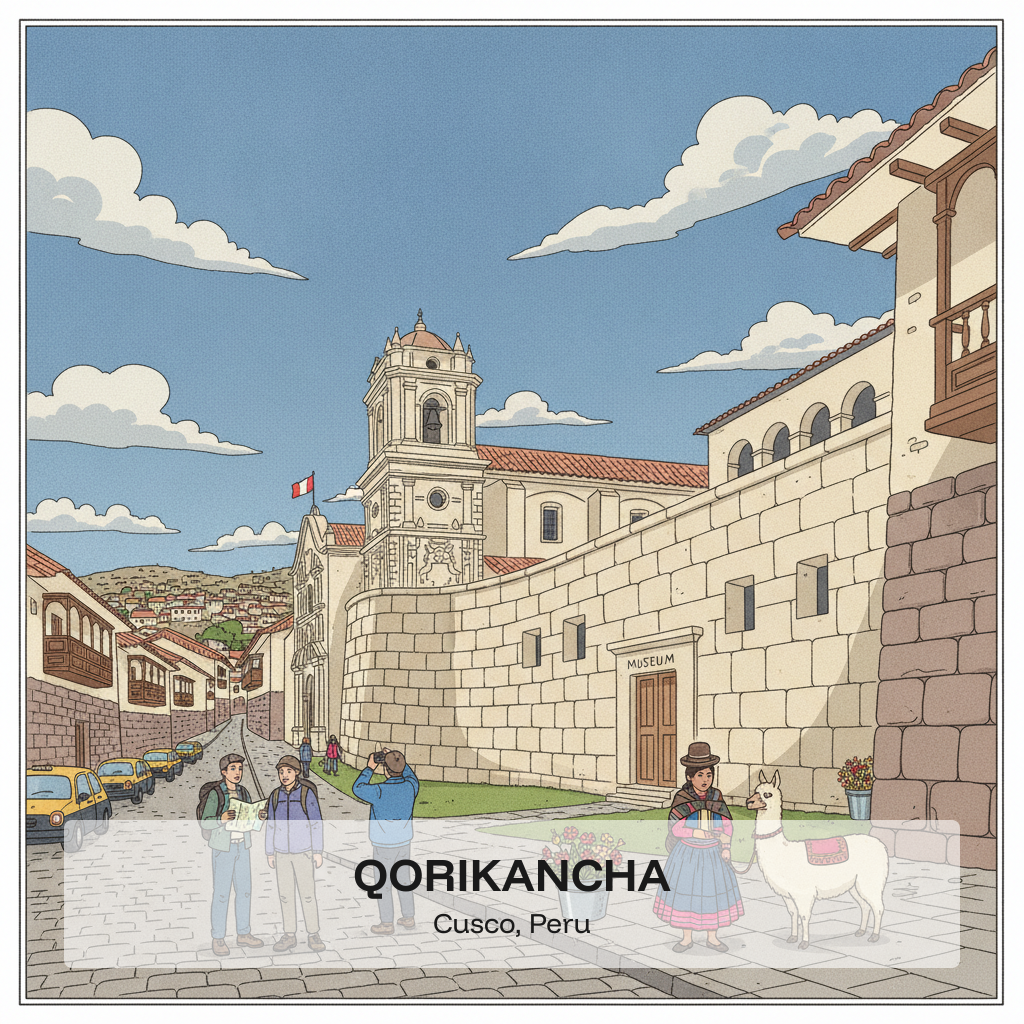
Qorikancha, the Temple of the Sun, was the most sacred building in the Inca empire, its interior walls once covered in sheets of gold and its gardens containing life-size golden figures of animals, plants, and people. Spanish soldiers stripped the gold immediately after the conquest, and the Dominican order built the Convento de Santo Domingo directly on and around the remaining Inca stone structure. The result is one of the most dramatic architectural fusions in the Americas: the curved Inca wall of the original temple, built with extraordinary precision in finely fitted andesite stone, curves through the interior of the convent, while the Spanish cloister and church rising above it display the baroque ornamentation of 17th century colonial religious architecture. The 1950 earthquake collapsed much of the colonial structure while leaving the Inca curved wall standing, revealing the underlying temple form. The site is now managed as both a museum and an active convent.
- 4
Sacsayhuaman: The Massive Fortress Above the City
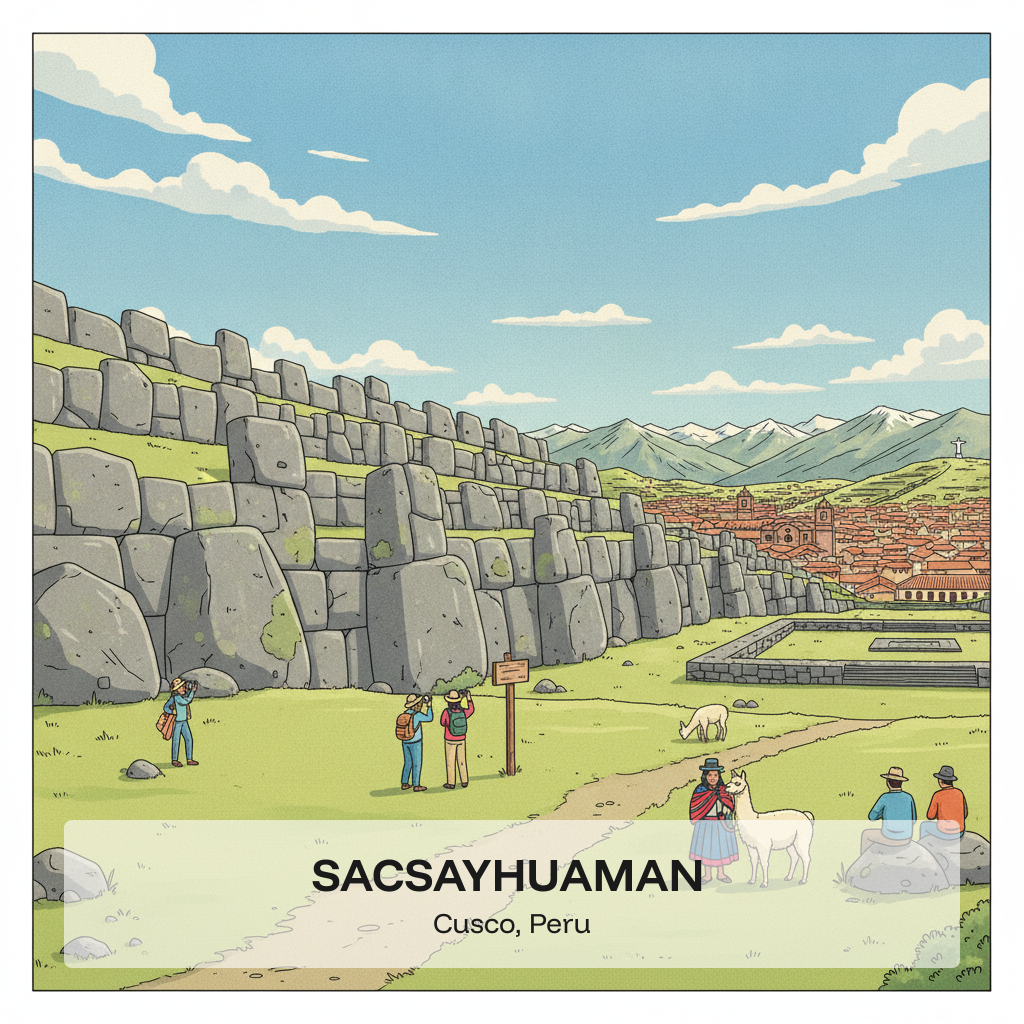
Sacsayhuaman, the massive Inca military and ceremonial complex on the hill directly above central Cusco, is the most imposing surviving example of Inca construction, with three parallel zigzag walls of limestone blocks, the largest exceeding 9 meters in height and estimated at 300 tons, fitted with the same mortarless precision as the city walls below. The complex covers approximately 3,000 square meters and was used both as a military installation and as a ceremonial site for the Inti Raymi sun festival. Spanish colonizers used it as a quarry for building material for much of the 17th century, removing the upper structures and the interior buildings; the walls that remain represent only a portion of the original construction. The site is still used for the Inti Raymi festival each June 24, when thousands of participants in period costume reenact the Inca sun ceremony on the terraced platform facing the main plaza of the fortress.
- 5
San Blas: The Artists Quarter and the Colonial Barrio
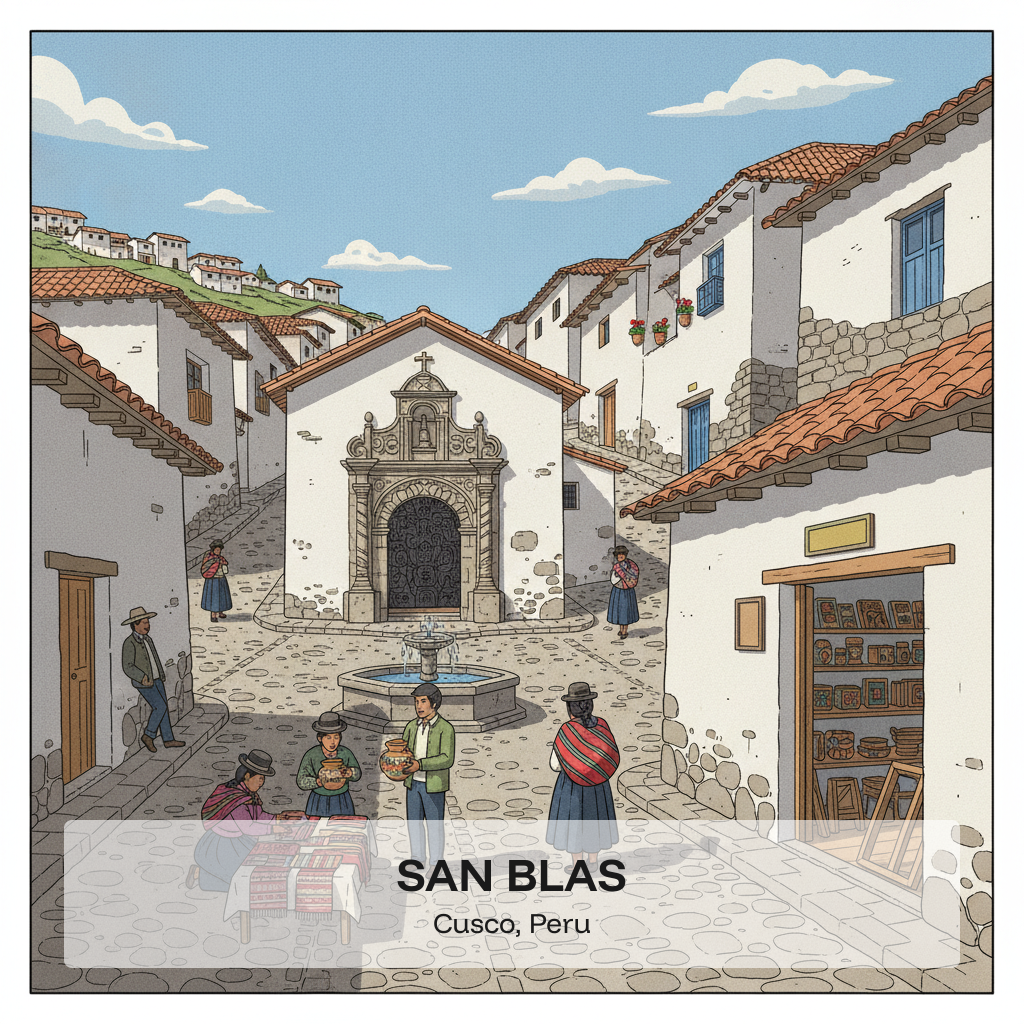
San Blas, the hillside neighborhood rising above the Plaza de Armas to the northeast, is the oldest and most characteristically colonial residential neighborhood of Cusco, a maze of steep cobblestone alleys lined with whitewashed walls opening into small plazas and workshop doorways. The neighborhood has been the center of Cusco artisan production since the colonial period, with woodworking, ceramics, textile, and painting workshops clustered in the streets above the main plaza. The San Blas church, the smallest in Cusco, contains the most celebrated piece of colonial wood carving in Peru: the carved wooden pulpit attributed to the indigenous artist Juan Tomas Tuyrutupac, a single cedar trunk transformed into an intricate baroque composition of skulls, angels, and saint figures. The Sunday market in the San Blas plaza is oriented toward high-quality artisan goods rather than the mass-produced souvenirs of the main market.
- 6
The Sacred Valley: From Cusco to Machu Picchu
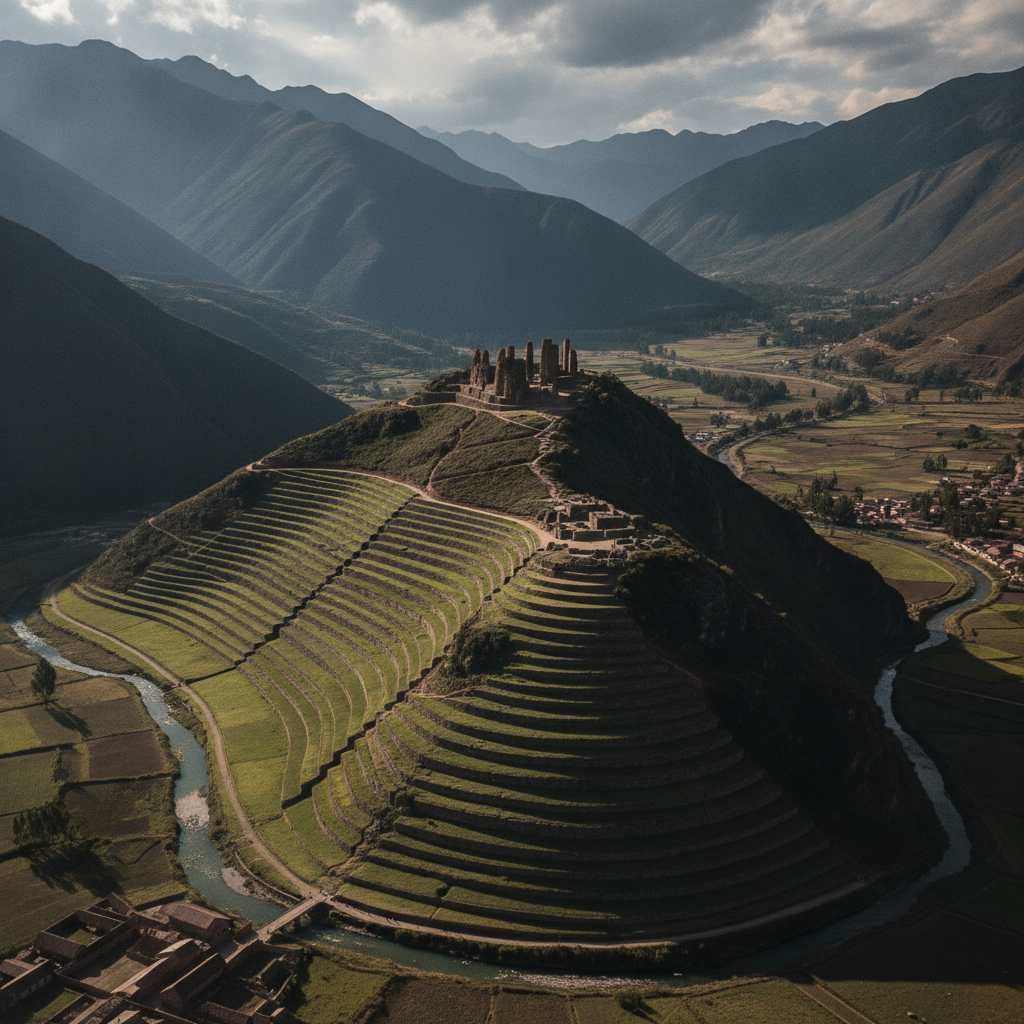
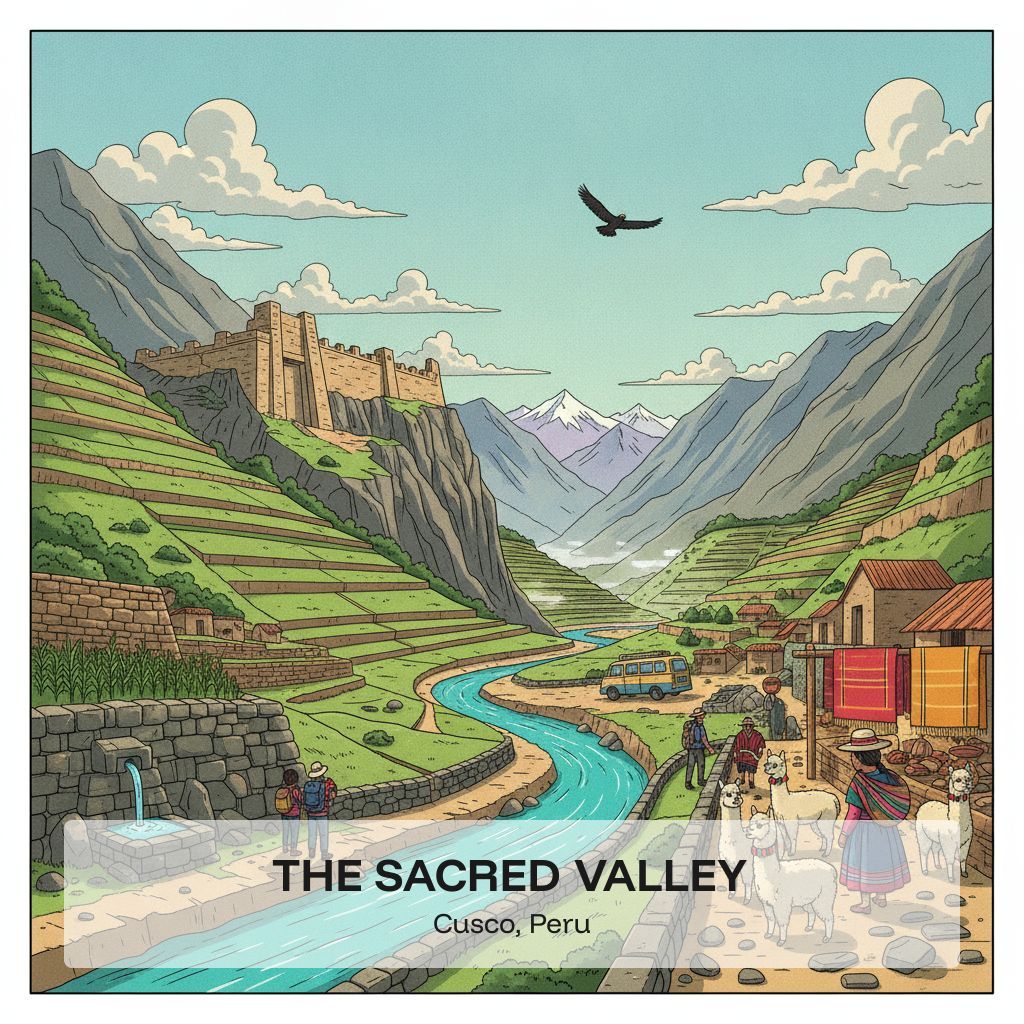
The Urubamba River valley northwest of Cusco, called the Sacred Valley by the Inca who built a series of royal estates and agricultural terracing sites along its length, serves as both the natural approach corridor to Machu Picchu and a significant attraction in its own right. The market town of Pisac at the valley entrance, with its Sunday market and impressive terraced ruins above the town, and the fortress of Ollantaytambo at the valley head, the only Inca town still inhabited on its original Inca street plan, are the primary Sacred Valley visits before the train to Aguas Calientes and Machu Picchu. The valley floor at 2,800 meters is lower and warmer than Cusco, with a different agricultural character; the Inca used it for growing corn at an altitude too cold for the Cusco basin. A dedicated Sacred Valley day tour from Cusco is the standard preparation for the Machu Picchu trip and provides essential Inca context before the main site.
Walk this route with audio
Stories play automatically as you reach each stop — no tapping needed.
More in Cusco
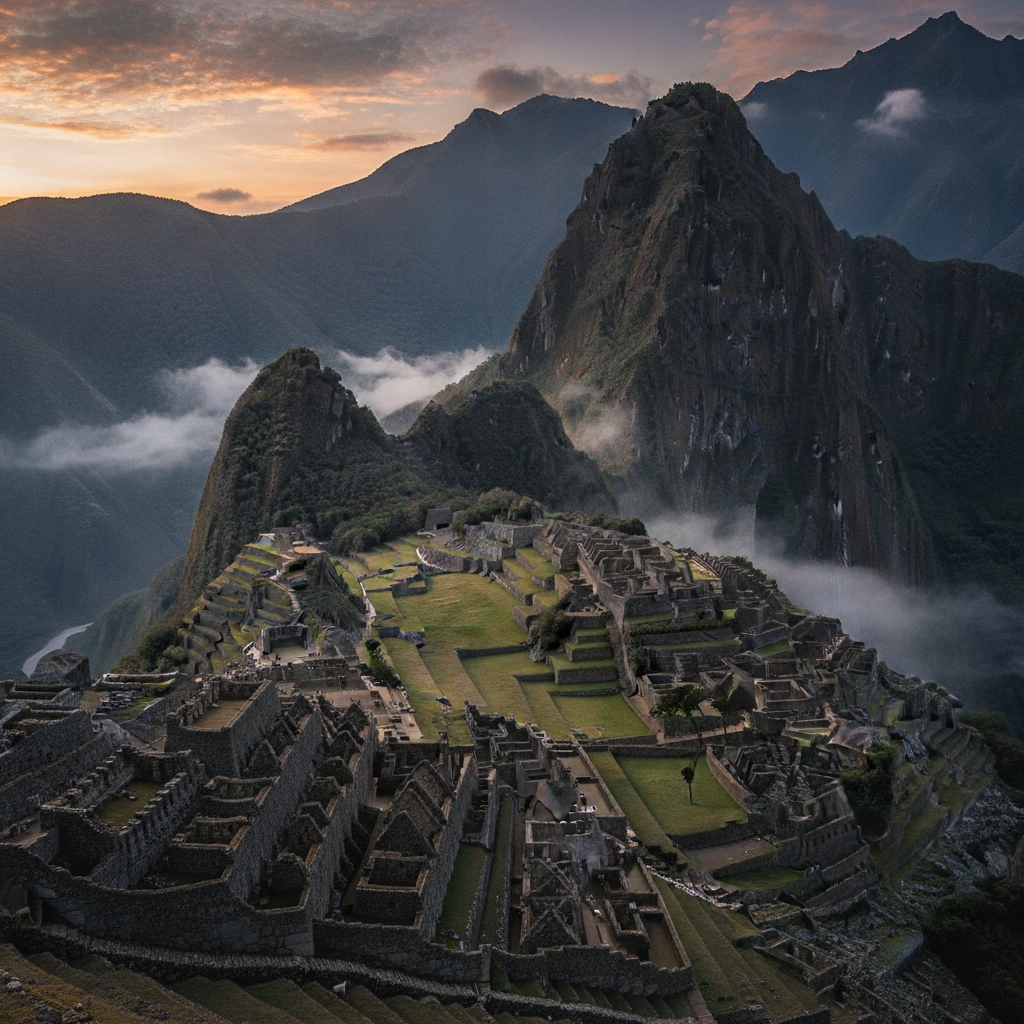
Machu Picchu: The Lost City of the Inca
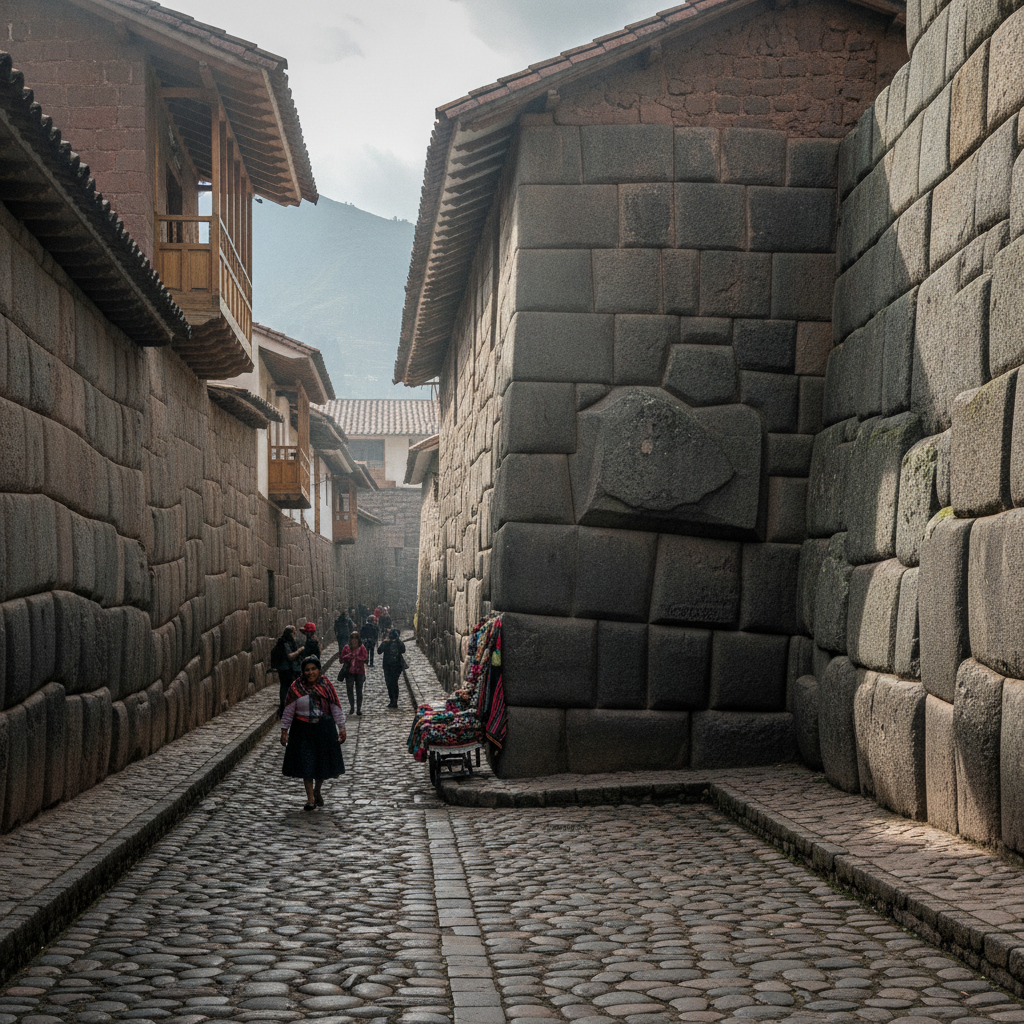
Cusco Practical Guide: Altitude, Getting There, Neighborhoods, and Costs

Cusco Beyond the Main Sites: Wari Ruins, Colca Canyon Connection, and the Amazon Approach
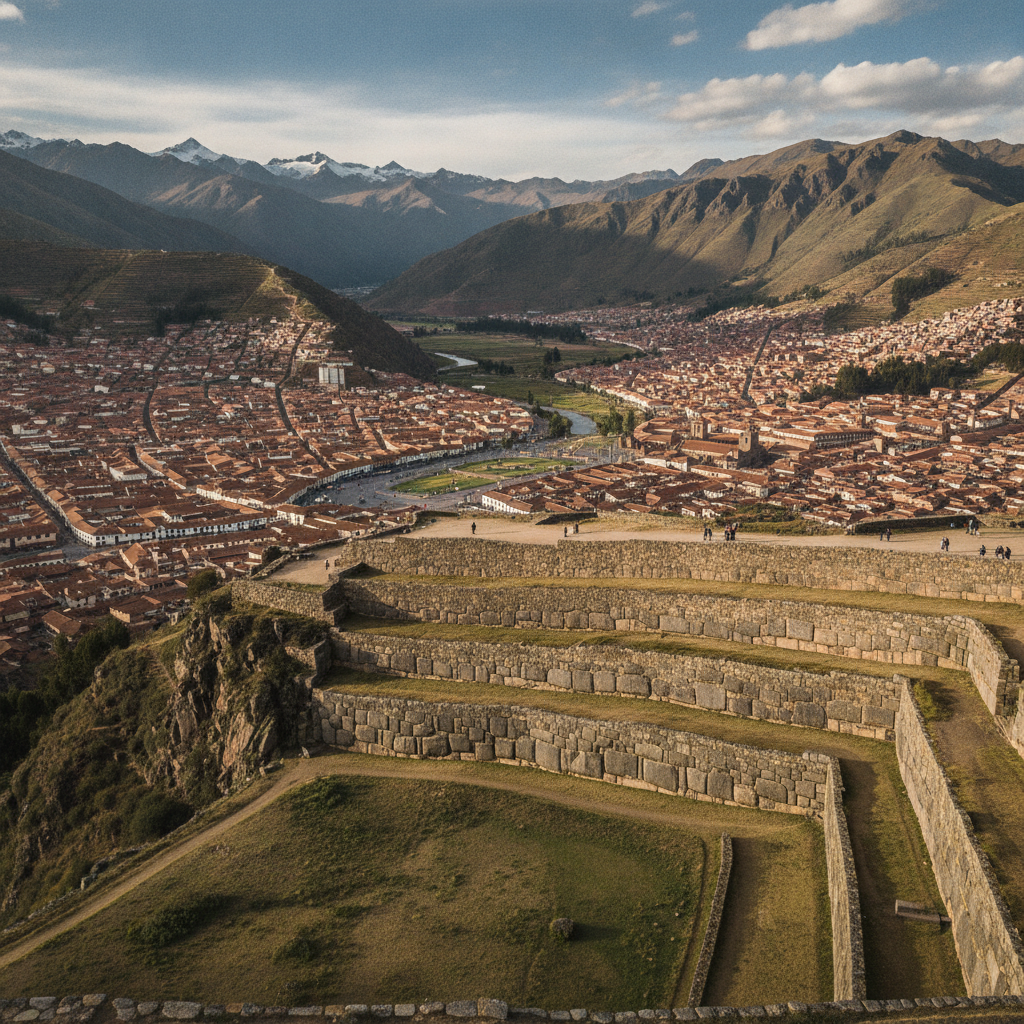
Cusco History: The Rise and Fall of the Inca Empire
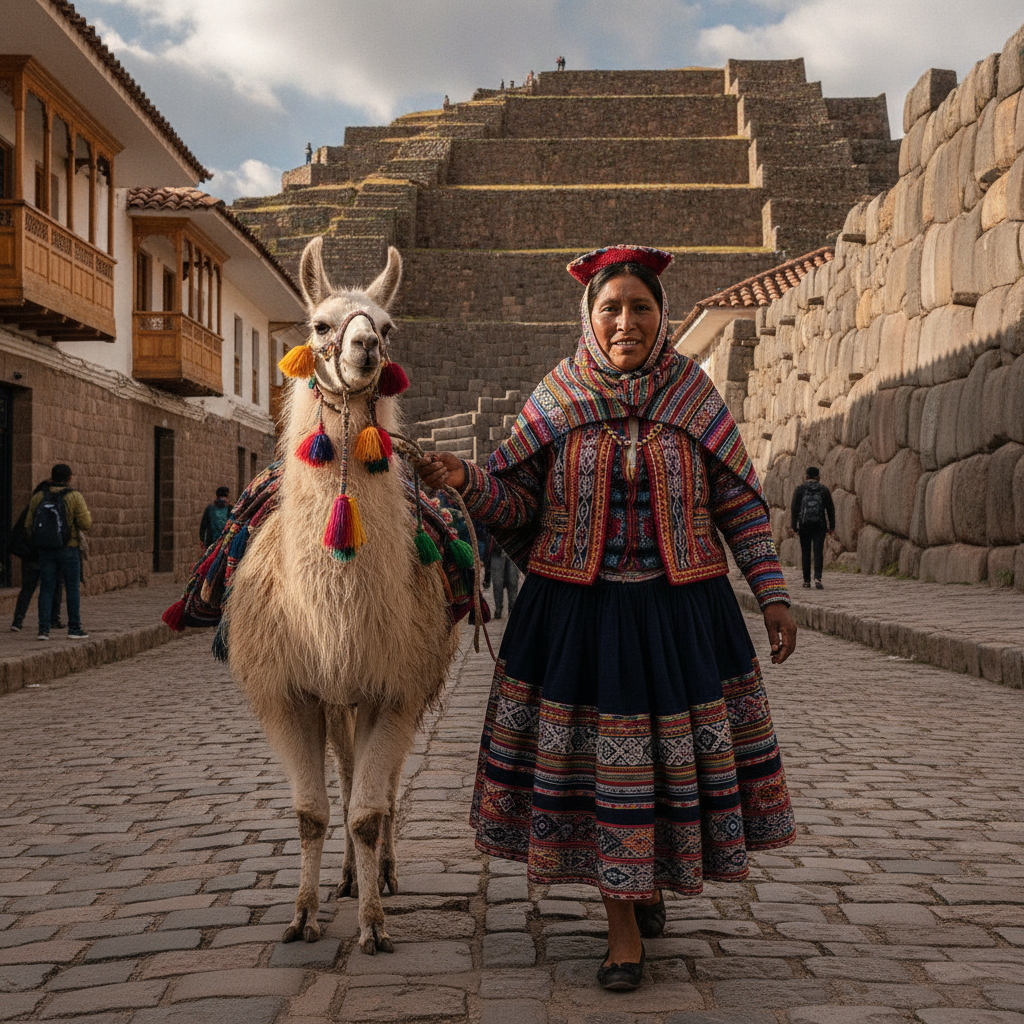
Quechua Culture: The Living Legacy of the Inca