Cusco Practical Guide: Altitude, Getting There, Neighborhoods, and Costs
Cusco at 3,400 meters presents significant altitude challenges for visitors arriving from sea level, and the acclimatization question dominates the first day of any visit. The city is reached by air from Lima in 80 minutes or by overnight bus in 20 hours. The two-week tourist circuit of Peru typically structures Lima, Cusco, Sacred Valley, Machu Picchu, Lake Titicaca, and Arequipa in various combinations. This route covers the essential practical information for navigating Cusco confidently.
- 1
Altitude Acclimatization at 3,400 Meters: The First 48 Hours
Cusco at 3,400 meters is high enough to cause significant altitude sickness in a substantial proportion of visitors arriving from sea level, with symptoms including severe headache, nausea, dizziness, fatigue, and sleep disruption. The standard medical advice is to spend the first day at rest, eating lightly, drinking large quantities of water, and avoiding alcohol. Coca tea, widely offered at hotels and available everywhere in the city, has mild altitude-alleviating properties and cultural significance. Acetazolamide prescribed before departure by a physician provides the most effective pharmaceutical prevention; over-the-counter soroche pills with acetazolamide are available in Cusco pharmacies. The oxygen-enriched pillow service offered by many hotels provides temporary relief for acute symptoms. Arriving via Lima and spending a day in the Sacred Valley at 2,700 meters before ascending to Cusco is the gentlest acclimatization sequence. Active sightseeing should be deferred until day three for most visitors arriving from sea level.
- 2
Getting to Cusco: Flights, Buses, and the PeruRail Options
Cusco is reached primarily by air from Lima, with LATAM, Avianca, Sky, and JetSmart operating frequent daily flights on the 80-minute route. Flights also connect Cusco directly with Arequipa, Juliaca near Lake Titicaca, and occasionally with international hubs. The Alejandro Velasco Astete airport is located within the city and receives only smaller aircraft due to the high altitude and surrounding mountains. Overnight buses from Lima operate on the 20-hour route through the Andes, used primarily by budget travelers and Peruvian domestic passengers; the comfort level of Cruz del Sur premium buses makes this more tolerable than the distance suggests. Within the Cusco-Machu Picchu circuit, PeruRail and Inca Rail operate the train service from Ollantaytambo or Poroy near Cusco to Aguas Calientes, the mandatory transport link to the Machu Picchu area. Train tickets sell out weeks or months ahead during high season and should be booked online as soon as travel dates are confirmed.
- 3
Cusco Neighborhoods: From the Historic Center to San Blas
The historic center around the Plaza de Armas concentrates the main archaeological and colonial attractions and the largest share of tourist accommodation, from budget hostels in colonial buildings to upscale boutique hotels in restored Inca-foundation mansions. The San Blas neighborhood, uphill to the northeast, is quieter, more atmospheric, and popular with travelers wanting a residential feel alongside proximity to the main sites. Miraflores in Cusco is a residential neighborhood rather than the Lima equivalent and of less tourist interest. The San Pedro neighborhood around the central market is more locally oriented with lower prices. The area around the Plaza Regocijo, one block from the Plaza de Armas, offers a slightly quieter alternative base. Accommodation prices in Cusco range from 20 soles per night in basic dormitory hostels to 1,500 soles and above in the finest converted colonial hotels; the mid-range of 150 to 400 soles provides comfortable private rooms with central heating, critical at Cusco altitude in the cold June-August months.
- 4
Machu Picchu Booking: Tickets, Entry Times, and Transport
Machu Picchu entry tickets must be purchased in advance online through the official Peruvian government ticketing portal, which imposes time-specific entry slots and circuit restrictions. The daily visitor capacity is set at 4,044 tickets across multiple entry times from 6 AM through 2 PM. High season tickets for June through August sell out months in advance; shoulder season availability is better but online booking remains necessary. The two main circuits, Circuit 1 and Circuit 2, cover different sections of the site; Circuit 1 offers the classic postcard view from the agricultural terraces above the urban sector, and Circuit 2 covers the more extensive urban and industrial sectors. The Huayna Picchu and Machu Picchu Mountain climbs require separate additional tickets with lower daily limits that sell out even faster. The train from Ollantaytambo is the main transport; the bus from Aguas Calientes to the site gate takes 25 minutes on a switchback road and requires a separate bus ticket.
- 5
Safety and Common Scams in Cusco
Cusco is generally safe for tourists during daylight hours in the tourist zones, but several common scam and crime patterns should be known. Taxi express kidnapping, in which a victim is forced into a taxi and taken to an ATM under threat, occurs in Cusco; using radio taxis called in advance or app-based services rather than flagging street taxis significantly reduces this risk. The overpriced taxi negotiation at the airport is a common first-day experience; fixed prices from the official taxi counter inside the airport terminal are the safest option. Altitude sickness makes visitors particularly vulnerable to poor decisions and scams in the first 24 hours; the combination of disorientation and unfamiliarity with the city creates vulnerability. Pickpocketing in crowded markets including San Pedro is the most common property crime. Altitude medication is commonly offered at elevated prices in tourist areas; purchasing it at the central pharmacy zone on Avenida El Sol provides better pricing.
- 6
Cusco Costs and Budget Planning for a Peru Andean Circuit
Cusco sits at the higher end of the Peru cost spectrum relative to coastal cities but remains substantially less expensive than comparable tourism destinations in Europe or North America. Budget accommodation runs 50 to 100 soles per person per night; mid-range 200 to 500 soles; upscale 600 to 2,000 soles. The tourist ticket, called the Boleto Turistico, provides access to 16 archaeological and museum sites around Cusco and the Sacred Valley for approximately 130 soles and is the most economical way to visit the main sites. Machu Picchu adds 152 soles to 200 soles depending on the circuit and optional mountain climbs, plus train costs and bus costs. The Inca Trail permit through a licensed operator costs approximately 550 to 700 USD including guide, porter, accommodation, and meals. Budget meal costs at the San Pedro market run 15 to 30 soles for a full lunch; restaurant meals in the tourist zone run 30 to 80 soles for a main course. The complete Peru circuit including Lima, Cusco, Sacred Valley, Machu Picchu, Lake Titicaca, and Arequipa runs approximately two to three weeks and 2,000 to 5,000 USD per person depending on accommodation class and travel pace.
Walk this route with audio
Stories play automatically as you reach each stop — no tapping needed.
More in Cusco
Machu Picchu: The Lost City of the Inca

Cusco Beyond the Main Sites: Wari Ruins, Colca Canyon Connection, and the Amazon Approach
Cusco History: The Rise and Fall of the Inca Empire
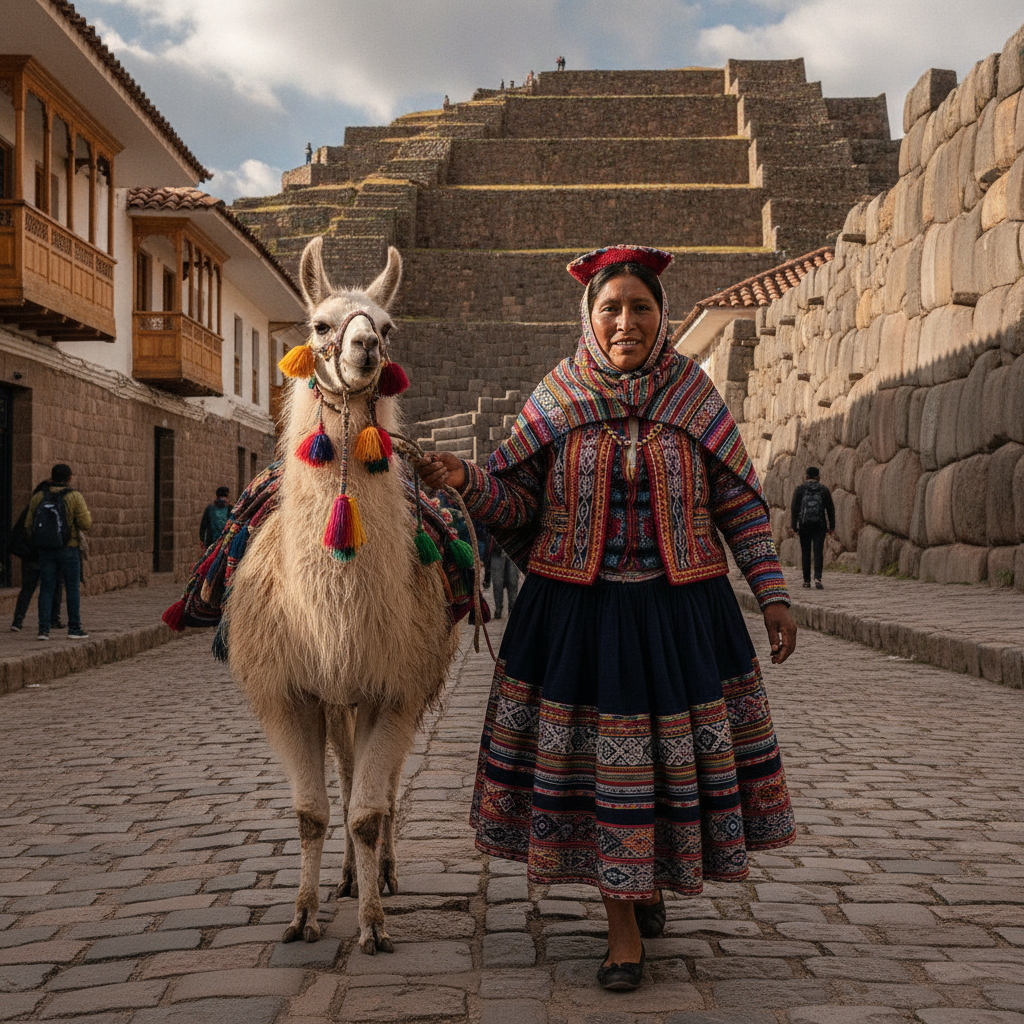
Quechua Culture: The Living Legacy of the Inca
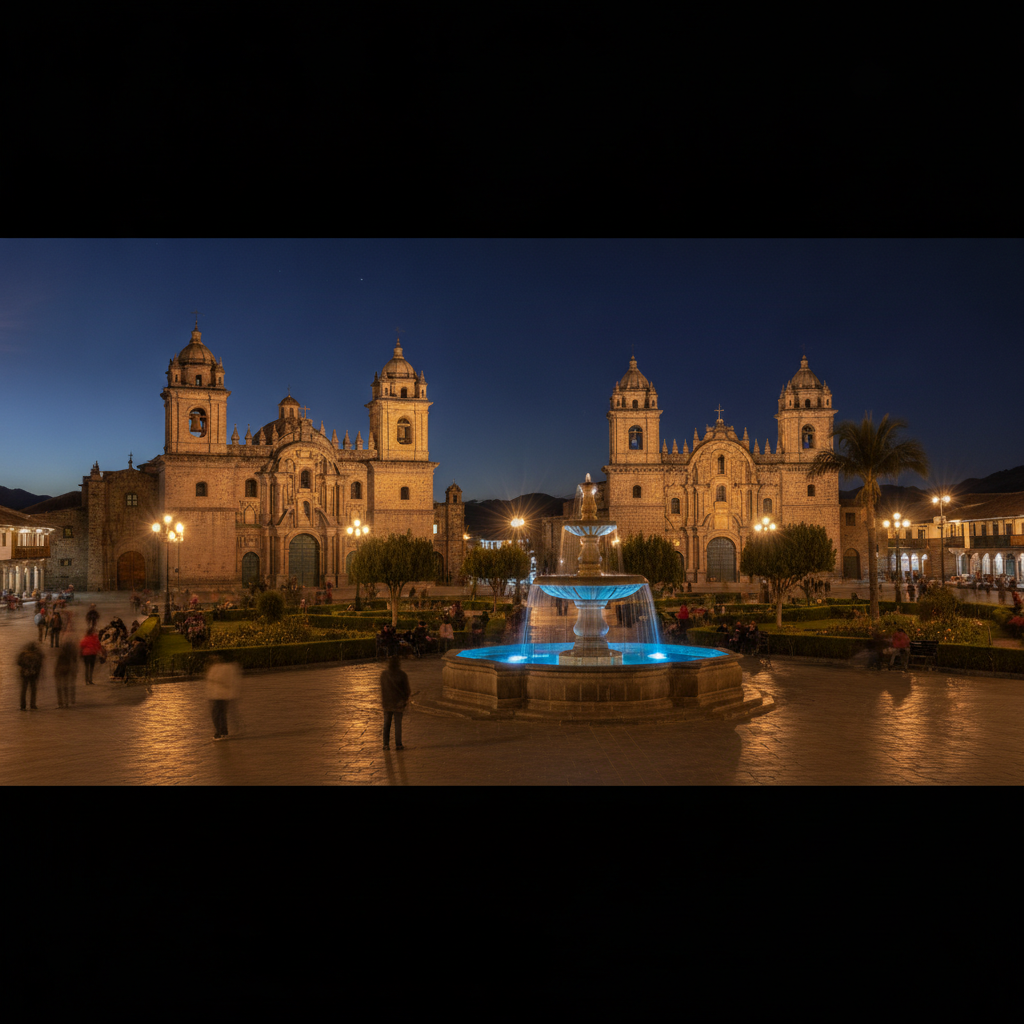
Cusco: The Navel of the World and Capital of the Inca Empire