Cusco Trekking and Adventure: Beyond the Inca Trail
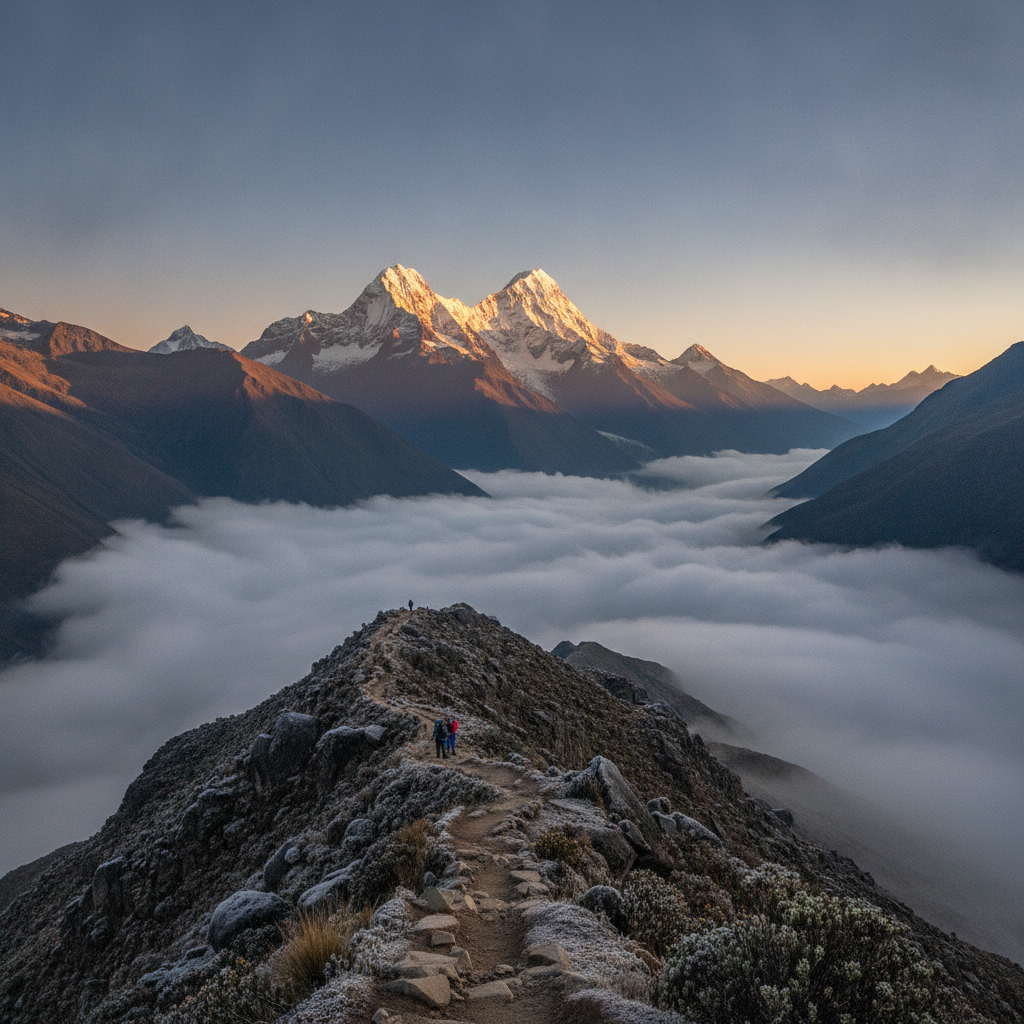
The Cusco region offers some of the most diverse high-altitude trekking in the world, from the classic four-day Inca Trail with its permit restrictions to multi-day alternatives reaching comparable or superior landscapes with far less competition for permits. The Salkantay Trek, named for the 6,271-meter snow peak it circles, is now more popular than the Inca Trail for independent trekkers. The Ausangate Circuit around the 6,384-meter peak that is the most sacred apu mountain deity in the Cusco cosmology, takes five to seven days through remote high-altitude terrain above 5,000 meters. The Choquequirao ruins, a major Inca site more extensive than Machu Picchu accessible only by a two-day trek each way, remains almost deserted compared to its famous counterpart.
- 1
Salkantay Trek: The Alternative Trail with Superior Mountain Scenery
The Salkantay Trek, a five-day route from Mollepata through the Salkantay Pass at 4,600 meters to Aguas Calientes and Machu Picchu, has become the most popular Inca Trail alternative since its promotion in National Geographic Adventure magazine in 2004. The route passes within close proximity of the Salkantay glacier, crosses a dramatic high pass with views of the 6,271-meter snow peak, descends through three distinct climate zones from puna grassland to cloud forest, and reaches the Machu Picchu area from the south rather than the traditional northern approach of the Inca Trail. No permit beyond the Machu Picchu entry ticket is required. The infrastructure along the route includes tea houses and simple lodges; luxury glamping options with heated tents have been developed along the standard camping zones. The five-day itinerary is the most commonly completed; a four-day version skips the highest section or uses a vehicle for part of the first day.
- 2
Ausangate Circuit: Sacred Peak and Rainbow Mountain
The Ausangate Circuit, a five-to-seven day high-altitude trek around the 6,384-meter Ausangate peak approximately 70 kilometers southeast of Cusco, is the most demanding and most rewarding multi-day trek in the Cusco region, passing through remote high-altitude terrain above 4,500 meters for most of its length with two passes above 5,000 meters. The circuit is a place of profound Andean spiritual significance; Ausangate is the most important apu (mountain spirit deity) in the Cusco cosmological system and is the destination of the Qoyllur Riti pilgrimage that draws tens of thousands of participants each year. Rainbow Mountain, the dramatically colored vinicunca ridge whose mineral-stained slopes of red, yellow, and green became a social media phenomenon after 2015, is typically approached from the Ausangate Circuit area and can be visited as a day trip from Cusco or as part of the longer circuit. The high altitude of Rainbow Mountain at 5,200 meters makes it strenuous for acclimatized visitors and genuinely dangerous for those arriving without adaptation time.
- 3
Choquequirao: The Machu Picchu Without the Crowds
Choquequirao, a major Inca ceremonial and agricultural site in the Vilcabamba range west of Cusco, is larger in extent than Machu Picchu and is accessible only by a two-to-three day trek each way involving a descent of over 1,500 meters to the Apurimac River canyon and a corresponding climb to the site at 3,033 meters. The combination of the long approach and no transportation alternatives means visitor numbers are a tiny fraction of Machu Picchu even though the site is comparable in archaeological significance and arguably more dramatic in its setting above the deep Apurimac gorge. The site includes residential terraces, ceremonial platforms, a main plaza, water channels, and an unusual section of terracing decorated with llama figures in relief. Plans to build a cable car to Choquequirao from the Apurimac valley have been repeatedly discussed and would transform visitor numbers dramatically if implemented.
- 4
Vinicunca and Other High-Altitude Day Hikes from Cusco
Several high-altitude hikes accessible as day trips from Cusco provide acclimatization training for longer treks and standalone landscape experiences. The Pachatusan hike to the summit at 4,843 meters, starting from the village of Oropesa east of Cusco, is a half-day challenge with panoramic views of the entire Cusco valley. The Huchu Qosqo ruins hike from the Sacred Valley to a lesser-visited Inca site above the valley wall provides excellent stonework viewing without the crowds of the main sites. The Pikillacta Wari ruins south of Cusco, pre-dating the Inca and representing the earlier Wari empire that preceded Inca political dominance, are accessible as a short day trip. The Tipon terracing site, with extraordinary functioning Inca water management systems still flowing 500 years after construction, is another undervisited day trip that rewards archaeology-focused visitors who have exhausted the main Cusco sites.
- 5
White Water Rafting on the Urubamba and Apurimac Rivers
The rivers draining the Cusco highlands offer white water rafting from beginner to expert difficulty within a half-day drive of the city. The Urubamba River through the Sacred Valley between Huaran and Ollantaytambo offers Grade III rapids in a spectacular Andean gorge setting and is the most accessible and commonly offered river trip from Cusco, appropriate for beginners and families. The section below Ollantaytambo toward Aguas Calientes increases in difficulty to Grade IV in the narrow gorge section. The Apurimac River, reached by a two-hour drive southwest of Cusco, offers multi-day rafting expeditions of two to five days through a remote canyon with Grade IV-V rapids; the Apurimac canyon below Cusco is one of the most dramatic river gorges in South America. Several Cusco-based adventure operators run both the single-day Urubamba trips and the multi-day Apurimac expeditions with full camping equipment included.
- 6
Mountain Biking and Zip Lines in the Cusco Region
The steep terrain of the Andes surrounding Cusco creates excellent conditions for mountain biking, with several established downhill routes descending from high-altitude passes to the Sacred Valley floor. The route from the Abra Malaga pass at 4,316 meters down through cloud forest to the town of Santa Maria is the most celebrated, combining extreme altitude descent with extraordinary cloud forest scenery and the transition from the cool highlands to the warm jungle zone in a single ride. Several operators run this as a full-day trip with van shuttle to the start and bike included. Zip line operations have proliferated in the Sacred Valley, with circuits in the Urubamba area offering multiple lines above the valley floor. Horse riding to archaeological sites in the Sacred Valley provides an alternative transport mode that connects to the historical Andean horseback culture introduced by the Spanish and now integrated into the rural transportation and leisure economy.
Walk this route with audio
Stories play automatically as you reach each stop — no tapping needed.
More in Cusco
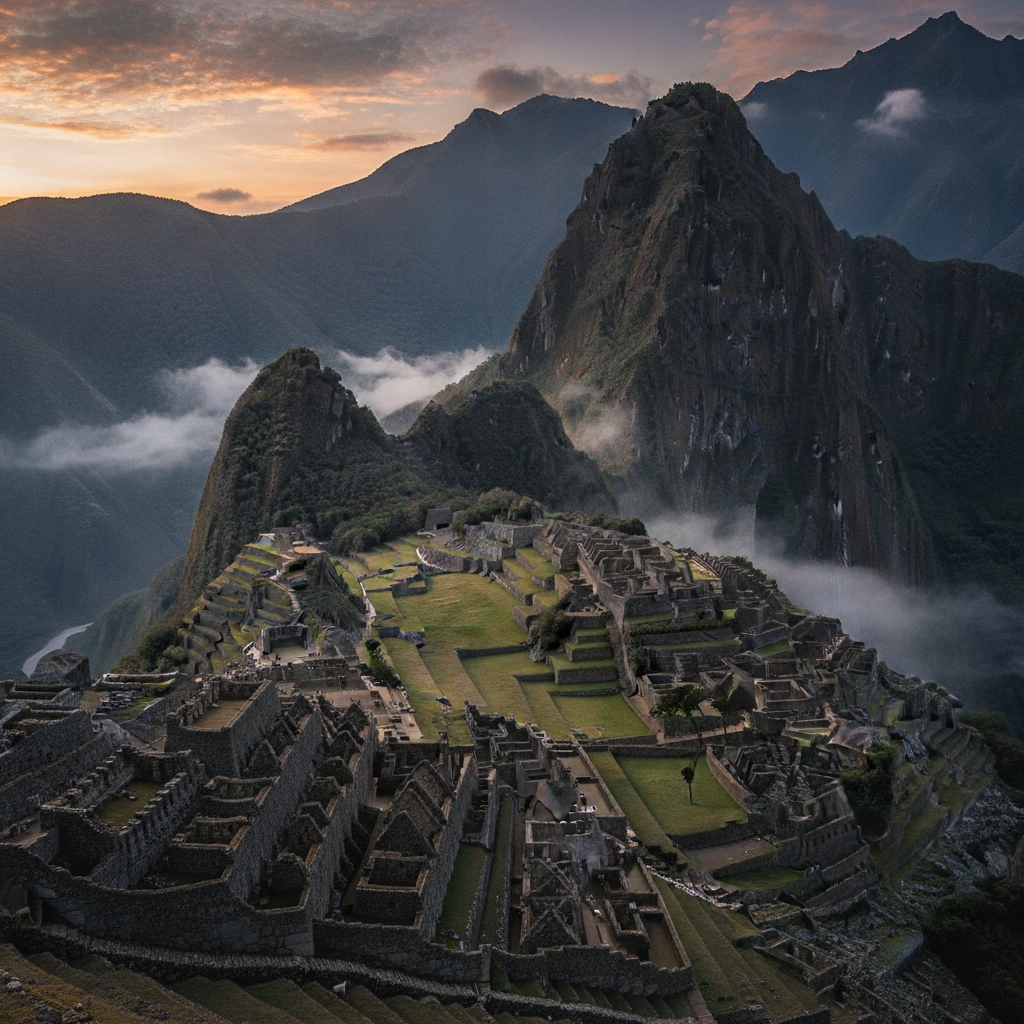
Machu Picchu: The Lost City of the Inca
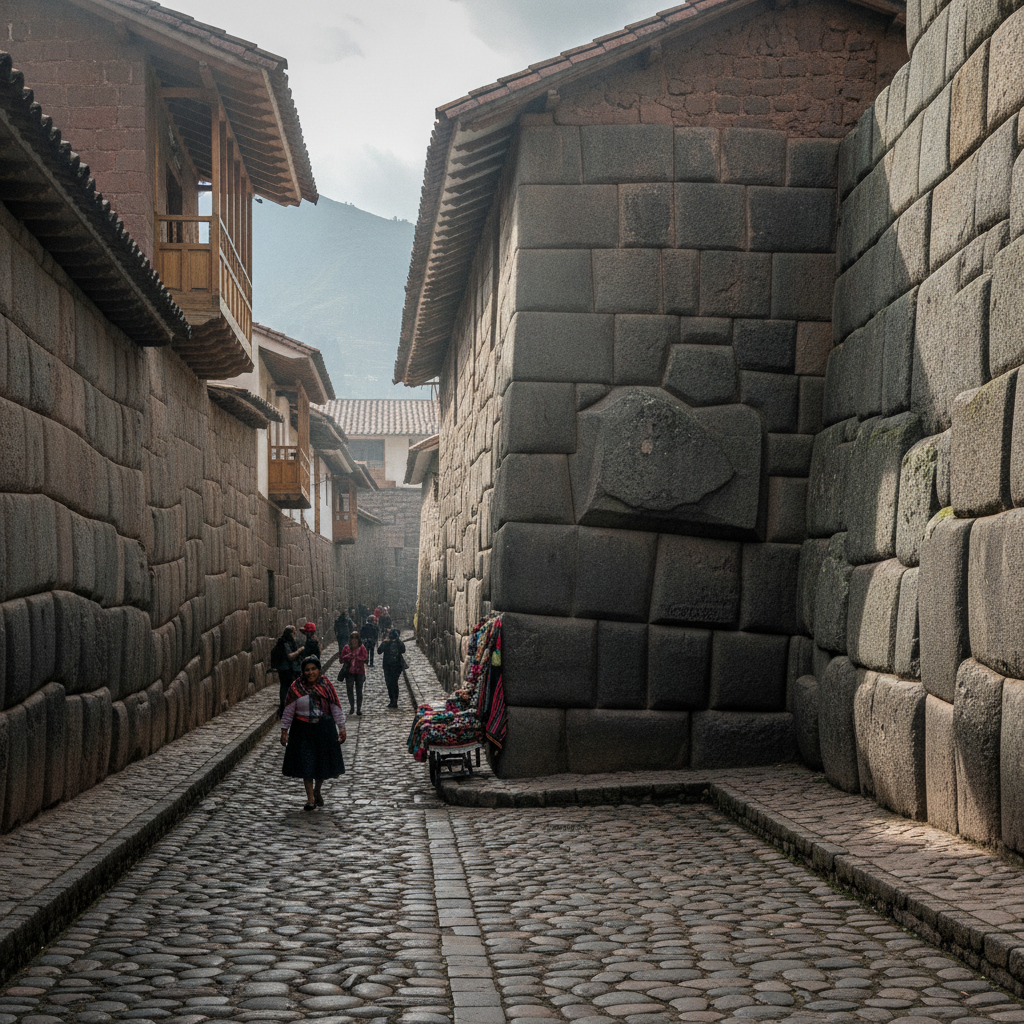
Cusco Practical Guide: Altitude, Getting There, Neighborhoods, and Costs
Cusco Beyond the Main Sites: Wari Ruins, Colca Canyon Connection, and the Amazon Approach
Cusco History: The Rise and Fall of the Inca Empire
Quechua Culture: The Living Legacy of the Inca