Dakar Textile Culture, Wolof Fashion, and the Everyday Life of Senegal
Everyday Dakar: the textile culture, Wolof fashion and the boubou, the morning attaya ritual, the Dakar taxi culture, the mosque and the call to prayer, and the street life of the Cap-Vert peninsula.
- 1
The Boubou - The West African Garment and Senegalese Fashion Culture
The grand boubou (the boubou): the flowing, elegant West African garment that is the primary formal wear for Senegalese men and women. The boubou (the boubou is a wide, flowing robe made from a single large piece of fabric: the traditional Senegalese boubou for men is typically white or light-colored (the kaftan-style garment covers the body from shoulder to ankle): the women boubou (the complet): a matching set of boubou, trousers, and headwrap: the fabric (the most prestigious boubou fabric is the hand-embroidered bazin riche (the damask fabric imported from Austria and Germany then hand-embroidered by specialist craftsmen): the boubou embroidery (the intricate embroidery on the neckline and chest of the boubou: a prestigious art form practiced by specialist male tailors in Senegal and across West Africa)). The Dakar tailoring industry (the tailors of Dakar: Dakar has an extraordinarily large tailoring sector: tailors operate in every neighborhood producing custom boubous, suits, and traditional garments to order: the Marche HLM is the center of the Dakar tailoring industry). The fashion context (Senegalese fashion is increasingly gaining international recognition: the models (Alek Wek (the South Sudanese model who broke the European standard of beauty in African modeling): the Dakar fashion scene (the Dakar Fashion Week is a growing event on the African fashion calendar))
- 2
The Dakar Taxi - The Yellow Cab and the Shared Sept-Place Experience
The Dakar yellow taxi: the ubiquitous metered yellow cabs of Dakar (the Dakar taxis are yellow Renaults, Peugeots, or Citroens, many dating from the 1970s and 1980s: the meter (some Dakar taxis have meters but negotiated fares are common): the experience (the Dakar taxi journey is an opportunity to practice French and Wolof and to learn about Dakar from the driver). The sept-place (the 7-seat shared taxi wagon that is the primary intercity transport in Senegal: the sept-place departs when all 7 seats are filled (shared taxi to Saint-Louis, Thies, Mbour, Tambacounda): the sept-place culture (the shared journey of strangers across the Senegalese landscape): the Dakar-Saint-Louis sept-place (the journey of approximately 3-4 hours on the highway north through the Sahel landscape). The Petersen Market bus station (the primary sept-place and bus departure point for Dakar). The BRT (the Bus Rapid Transit system introduced in Dakar in 2023 (the first BRT system in West Africa): the BRT runs on dedicated lanes on the primary Dakar arteries). Uber (Uber operates in Dakar from 2020 onward: the most comfortable option for visitors).
- 3
The Dakar Call to Prayer and the Rhythm of Muslim Daily Life
The Islamic rhythm of Dakar daily life: the five daily calls to prayer (the adhan), the Friday prayer (Jumuah), the Ramadan observance, and the Muslim festivals. The call to prayer (the adhan): Dakar (approximately 95% Muslim) is punctuated by the five daily calls to prayer broadcast from mosques across the city: the fajr (the pre-dawn prayer (approximately 5-6am): the adhan that wakes Dakar): the dhur (midday prayer), the asr (afternoon prayer), the maghrib (sunset prayer, the most observed in daily life), the isha (evening prayer). The Friday prayer (the Jumuah): Dakar on Friday at midday: the streets leading to the mosques fill with worshippers in white boubous: the Great Mosque of Dakar fills to capacity: the sermon (the khutba in Wolof and Arabic): the Friday prayer is the most visible expression of Dakar Islamic identity. Ramadan in Dakar (the Ramadan experience: the daily fast from dawn to sunset (the iftar meal at sunset: the Dakar sunset call to prayer that ends the daily Ramadan fast): the late-night eating and socializing (the Dakar Ramadan night market culture): the attaya tea ceremony that begins after iftar). The Korite (the Eid al-Fitr celebration at the end of Ramadan: the Korite is the biggest celebration in the Senegalese Muslim calendar: the new outfits (the complet), the family feasting, and the exchange of greetings across Dakar).
- 4
Dakar Natural Environment - Hann Park, the Coral Reefs, and the Sea Turtle Beaches
The Dakar natural environment: the Hann Park (the Hann Zoological Park: the only zoo in Dakar and one of the oldest in West Africa: founded in the colonial era: the park is set in the Hann Forest, one of the larger remaining green spaces in Dakar: the wildlife (lions, hippos, and various African animals in relatively modest enclosures): the forest surroundings make the park pleasant for a walk even for those uninterested in the zoo). The Dakar marine environment (the coral reefs off the Cap-Vert coast: the Dakar coastline has some of the best preserved coral reefs in West Africa due to the upwelling of cold Atlantic water (the Canary Current upwelling): the Ile de la Madeleine (the two small volcanic islands approximately 4 km southwest of Dakar: the islands are a national park with significant marine biodiversity: accessible by pirogue from the Dakar waterfront)). The sea turtle beaches (the leatherback sea turtle nesting beaches of the Dakar area: the leatherback (Dermochelys coriacea) is the largest sea turtle and one of the most endangered marine animals: the Cap-Vert beaches are an important nesting site: Yoff village beach is one of the most significant nesting sites near Dakar: the nesting season is October-March).
- 5
Dakar Nightlife and the Arts Quarter
Dakar nightlife: the concert clubs, the arts cafes, and the distinctive Dakar after-dark culture. The Thiossane Club (the club founded by Youssou N Dour in Dakar: the primary venue for live Mbalax music in Dakar: the Thiossane hosts regular performances by N Dour and other Senegalese musicians: the club atmosphere (the crowded dance floor, the sabar drumming, and the Mbalax rhythms that define the Dakar night)). The Institut Francais de Dakar (the French cultural institute in Dakar: one of the most active cultural venues in the city: the IFD hosts regular film screenings, concerts, theater performances, and art exhibitions: a primary venue for Francophone West African cultural events). The Rue de Vincens area (the Rue de Vincens and surrounding streets in the Plateau: the primary bar and restaurant strip of the Dakar Plateau: the terrace bars where the Dakar professional class gathers in the evenings). The Village des Arts (the artists studio complex in Hann park: the primary gathering place for Dakar working visual artists: studio visits can be arranged and works purchased directly from artists). The rooftop bars of Point E (the Point E neighborhood: the primary residential area for the Dakar professional middle class and expatriate community: the restaurants and terrace bars of Point E are among the best in Dakar).
- 6
Dakar Final Legacy - The Crossroads of West Africa and the Senegal Six-Route Summary
Dakar six routes final legacy. Routes 1-2: established in the primary routes. Routes 3-4 (this route group): Dakar markets (Sandaga, HLM, Soumbedioune), the Corniche and beaches, The Gambia and Casamance, colonial Plateau architecture, African cinema (Sembene) and Senegalese literature. Routes 5-6 (this route): Wolof fashion and the boubou, the Dakar taxi culture, Islamic daily life in Dakar, the Hann Park and marine environment, Dakar nightlife (Thiossane, Institut Francais, Village des Arts). Dakar and Senegal summary: West Africa most sophisticated and most visitor-friendly capital. Strengths: no visa for most nationalities, CFA franc stability, political stability (63+ years of democracy), cultural depth (Negritude, Sufi Islam, griot tradition, Mbalax, Dak Art Biennale, African cinema), excellent food (thieboudienne is one of the finest dishes in Africa), and the teranga hospitality that makes every visitor feel welcome. Weaknesses: Dakar is expensive compared to other West African capitals (particularly for accommodation); the traffic is bad during rush hours; the Dakar summer (July-September) is hot and humid. Recommended visit: November to May for 5-7 days in Dakar, 2 days in Saint-Louis, and a day at Lac Rose. The Casamance (Cap Skirring) is the finest beach destination in Senegal and worth the additional effort of the journey (fly from Dakar to Cap Skirring with Air Senegal).
Walk this route with audio
Stories play automatically as you reach each stop — no tapping needed.
More in dakar
Dakar: Westernmost Capital of Africa, Goree Island, Mbalax Music, Dak Art, and the Senegal Guide
Dakar Deep Culture: African Cinema, Senegalese Literature, Colonial Architecture, Marine Park, Nightlife
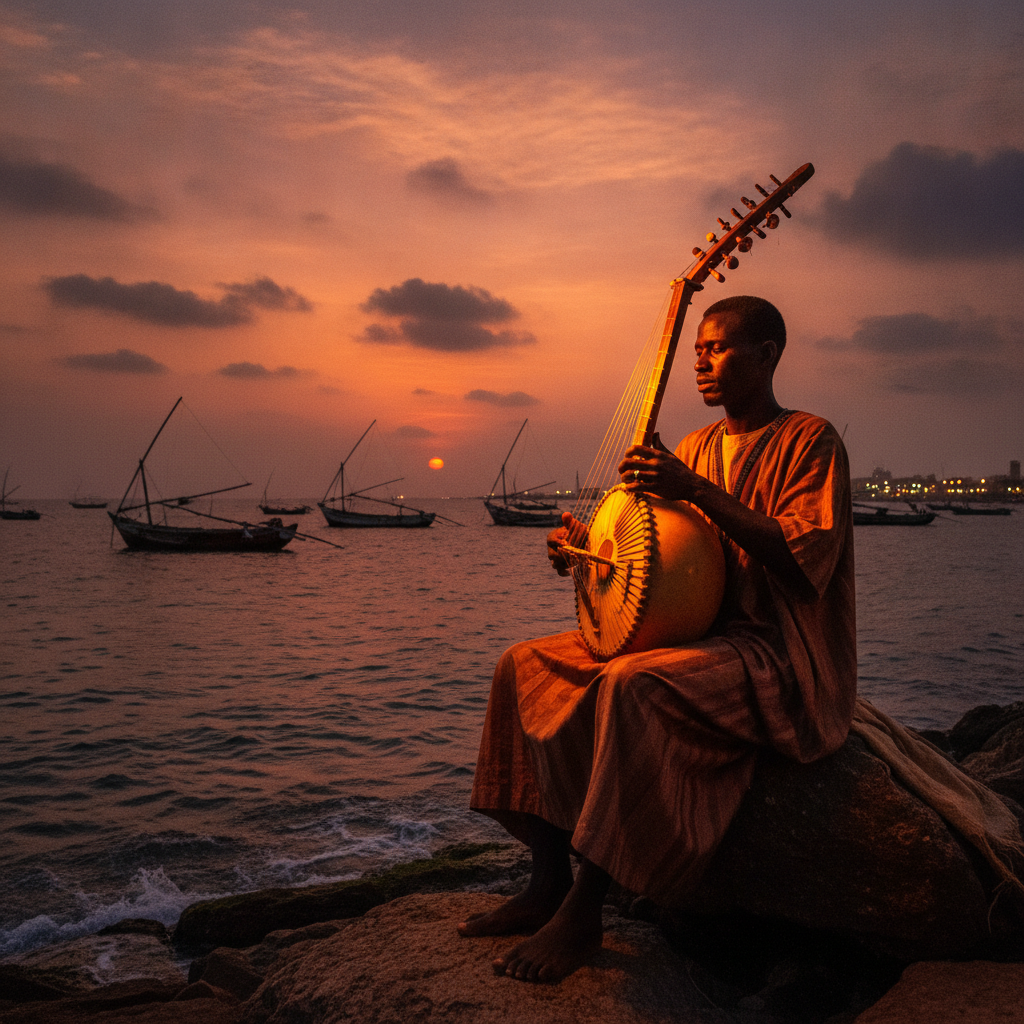
Dakar Culture and Legacy: Wolof Heritage, Senghor and Negritude, Sufi Islam, Senegalese Cuisine, and the Complete Reference
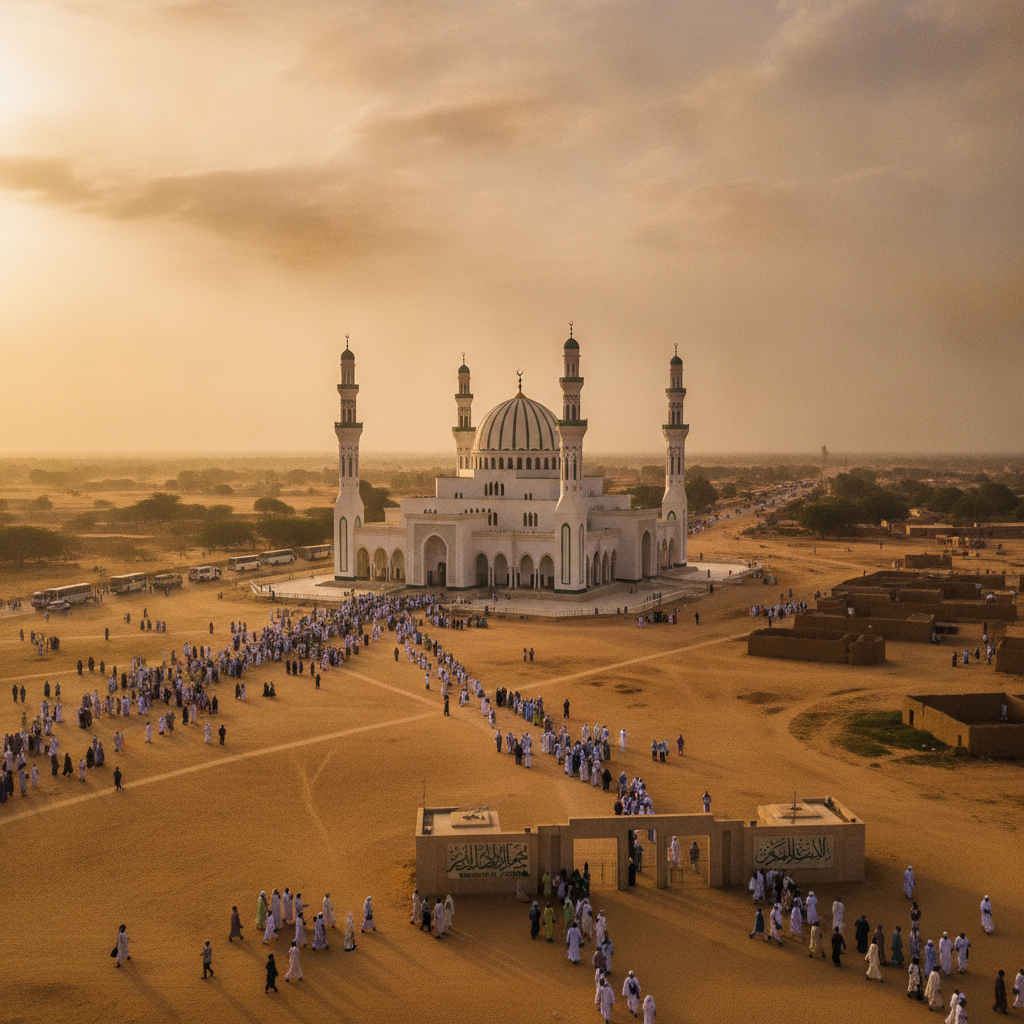
Dakar Final Legacy: Senegalese Football, Casamance, the Mouride Brotherhood, Street Life, and the Complete Reference