Dakar Culture and Legacy: Wolof Heritage, Senghor and Negritude, Sufi Islam, Senegalese Cuisine, and the Complete Reference
Dakar cultural depth: the Wolof people and the griot tradition, Leopold Senghor and the Negritude movement, Islam and the Mouride Brotherhood, Senegalese cuisine (thieboudienne and yassa), the attaya tea ceremony, Dakar day trips (Saint-Louis, Lac Rose, Sine-Saloum), and the six-route Senegal final legacy.
- 1
The Wolof People and the Wolof Language - The Cultural Core of Senegal
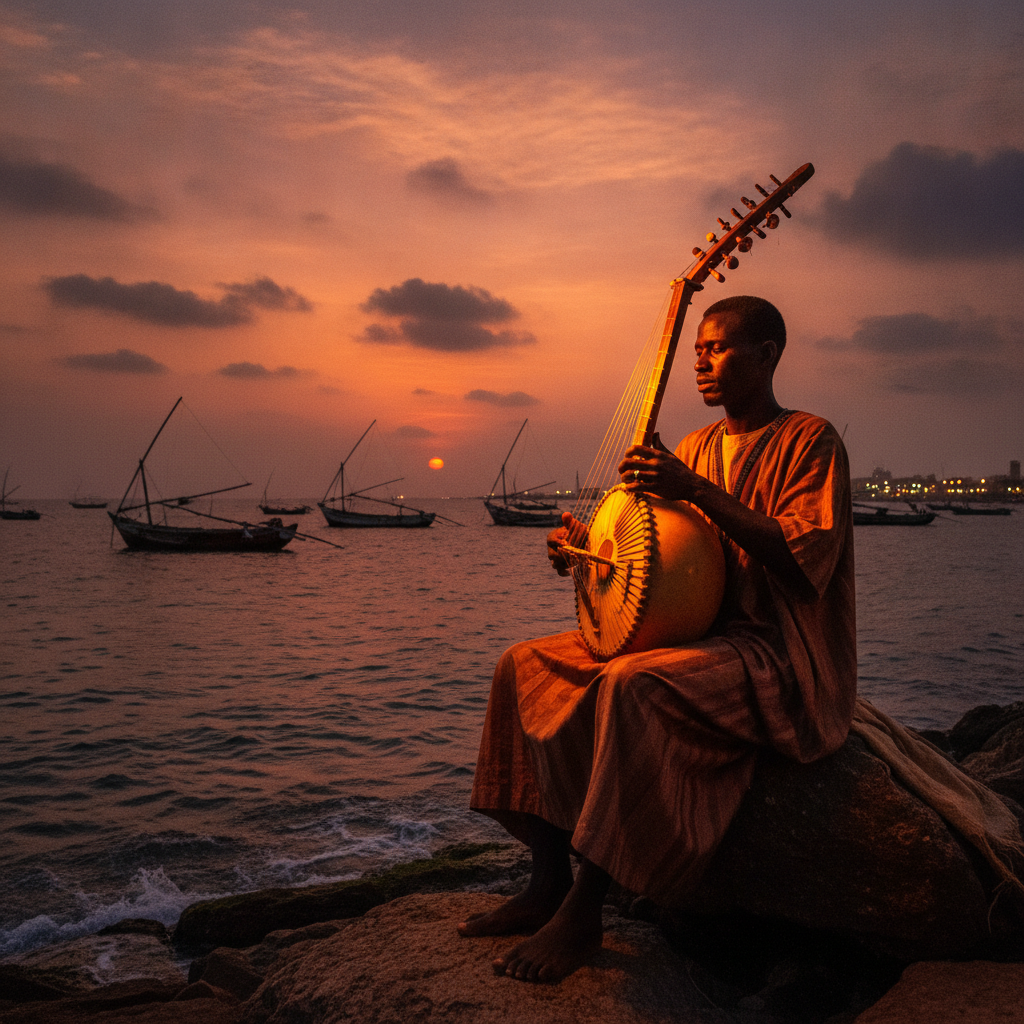
The Wolof: the dominant ethnic group of Senegal (approximately 43% of the Senegalese population is Wolof) and the source of the Wolof language (Wolof is spoken as a first or second language by approximately 90% of the Senegalese population, making it the de facto national language despite French being the official language). Wolof society (the Wolof social structure: the traditional Wolof society is hierarchical (the caste system (the wolof lamane (the nobility), the geer (the freeborn commoner), the neeno (the artisan castes: the griots (the jali: the hereditary caste of musicians and oral historians), the blacksmiths, the leatherworkers), and the jaam (historically enslaved people))). The griot tradition (the griot (jali in Wolof): the hereditary caste of musicians, oral historians, and praise singers who serve as the memory of Wolof society: the griot memorizes and recites the genealogies, histories, and praise songs of the families they serve: the griot tradition is shared across the Senegambia region (Wolof, Mandinka, Fulani, and other West African groups all have griot traditions): the griot and the kora (the kora: the 21-string instrument of the Mandinka griot tradition: one of the most sophisticated musical instruments in Africa and one of the most beautiful in sound: the kora is made from a large calabash gourd covered with cow skin, a long wooden neck, and 21 strings).
- 2
Leopold Senghor, Negritude, and the Intellectual Legacy of Dakar
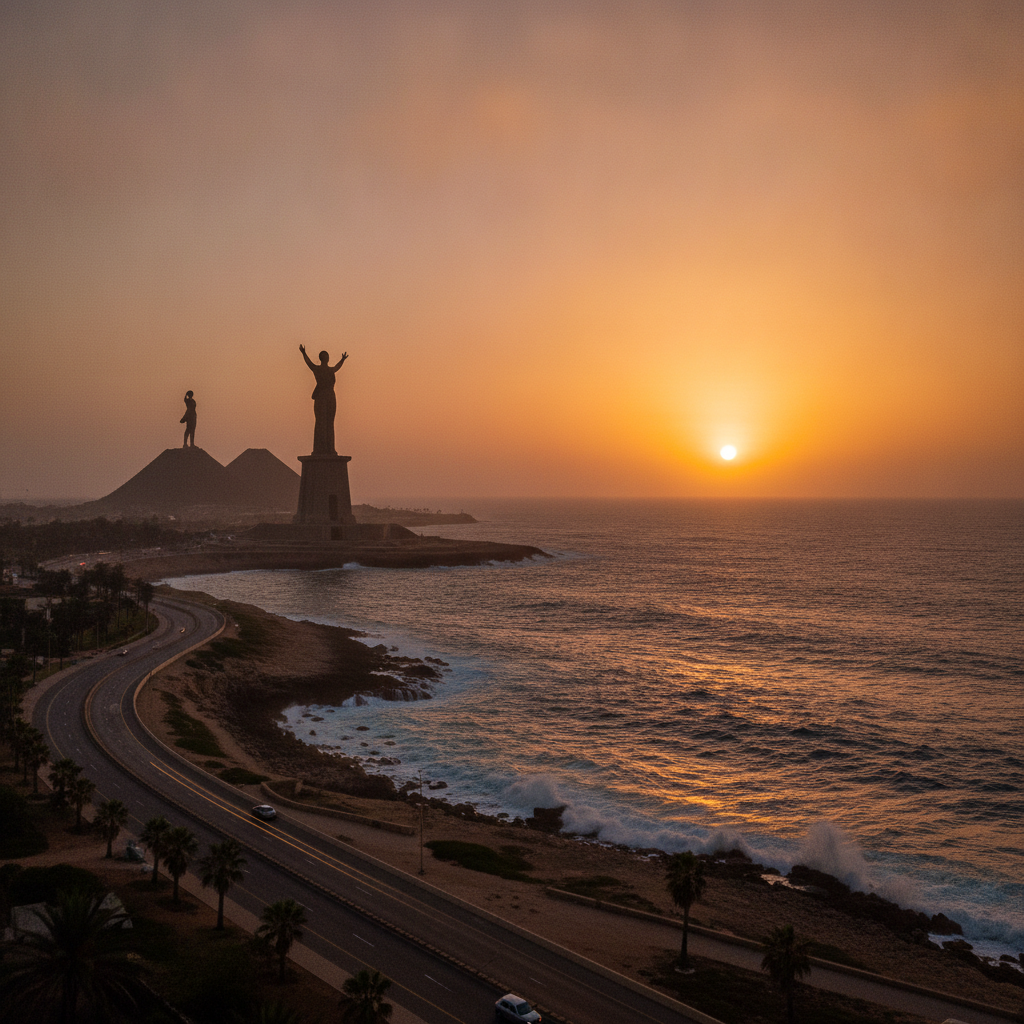
Leopold Sedar Senghor (1906-2001): the first President of Senegal (1960-1980), one of the great African intellectuals of the 20th century, and the primary theorist of Negritude. Senghor biography: born in Joal (approximately 100 km south of Dakar) to a Serer father and a Peul mother: educated at a French Catholic mission school and then in Paris (the Sorbonne and the Ecole Normale Superieure): elected to the French National Assembly (as a representative of French West Africa) in 1945: became the first President of independent Senegal in 1960 and served until 1980 (when he voluntarily stepped down, the first African leader to do so voluntarily). Negritude (the Negritude movement: the literary and intellectual movement founded in Paris in the 1930s by Senghor, Aime Cesaire (from Martinique), and Leon-Gontran Damas (from French Guiana): the primary claim of Negritude (the assertion of the value, beauty, and authenticity of African and African diaspora cultures in opposition to the French assimilationist colonial ideology): the Negritude philosophy emphasized African communal values, the aesthetic of African art, and the spiritual dimension of African traditional life). The Senegalese Academy (Senghor was elected to the Academie Francaise in 1983, the first African to be so honored). The African Renaissance Monument (the massive bronze statue on a hill above Dakar: built by North Korean artists and unveiled in 2010: controversial for its cost and aesthetic: the largest statue in Africa at 49 meters height).
- 3
Islam in Senegal - The Sufi Brotherhoods and the Grand Mosque
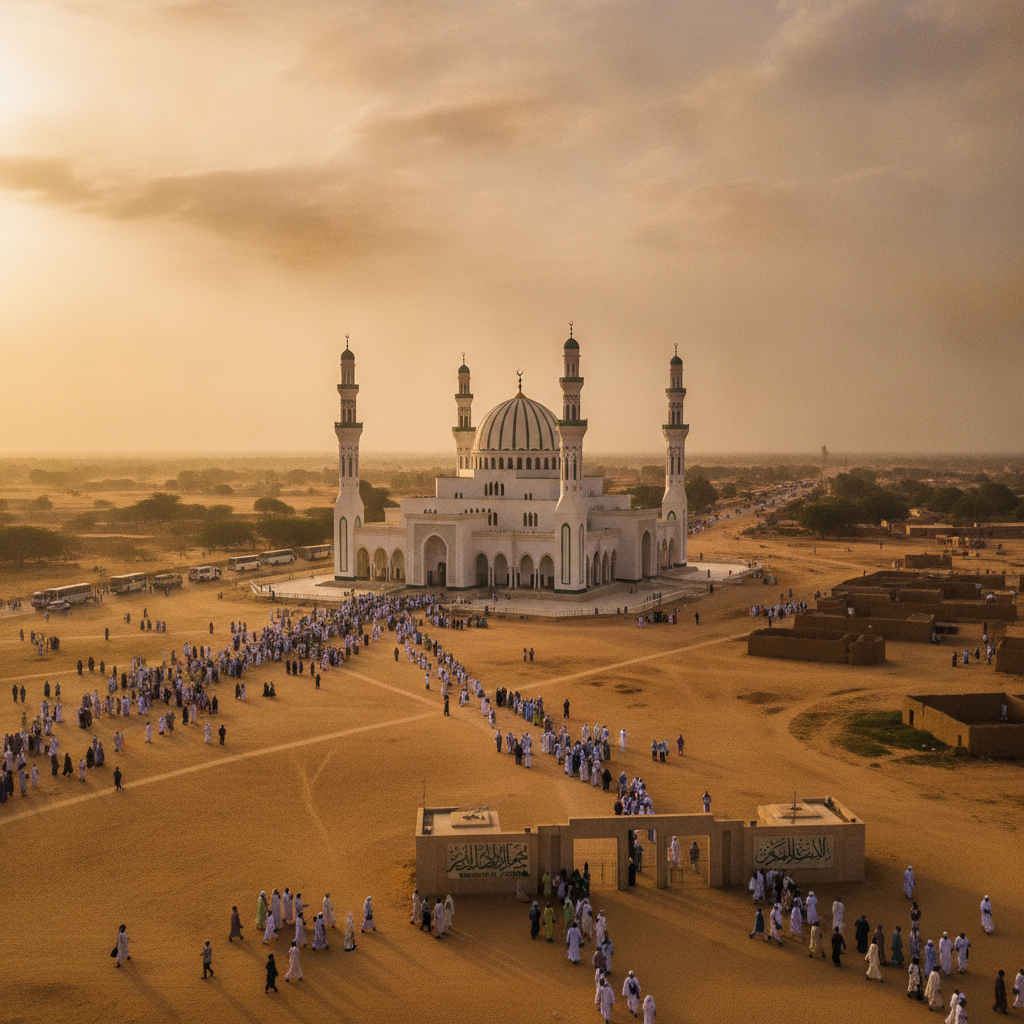
Islam in Senegal: approximately 95% of Senegalese are Muslim, making Senegal one of the most Muslim countries in Africa. The Sufi brotherhoods (the primary form of Islam in Senegal is organized through the Sufi brotherhoods (tariqa): the primary Senegalese brotherhoods (the Mouride Brotherhood (the Mouridiyya): the most distinctively Senegalese Islamic brotherhood: founded by Cheikh Amadou Bamba (1853-1927): the Touba (the holy city of the Mouride Brotherhood approximately 200 km east of Dakar: the site of the Grand Mosque of Touba: one of the largest mosques in Africa): the Mouride philosophy (work and prayer as the primary spiritual disciplines: the Mouride are famous for their commercial success and their extensive global diaspora networks (Mouride traders operate worldwide from New York to Paris to Tokyo)). The Tijaniyya Brotherhood: the second largest Sufi brotherhood in Senegal (also significant in Mauritania, Morocco, and across North and West Africa). The Grand Mosque of Dakar (the Grande Mosquee de Dakar: built in 1964 with assistance from Morocco: the primary mosque in the Dakar city center: the mosque can accommodate approximately 7,000 worshippers). The Touba Grand Pilgrimage (the Magal de Touba): the annual pilgrimage to Touba commemorating Cheikh Amadou Bamba: the Magal draws approximately 4-5 million pilgrims annually (one of the largest religious gatherings in Africa).
- 4
Senegalese Cuisine - Thieboudienne, Yassa, and the Food of Dakar
Senegalese cuisine: one of the most celebrated food cultures in West Africa, centered on the thieboudienne (the Senegalese national dish). Thieboudienne (the national dish of Senegal and one of the most significant dishes in West African cuisine: thieboudienne (Wolof for fish and rice (the ceb u jen)): the dish of rice cooked in a tomato-based fish broth with vegetables (cassava, cabbage, carrot, eggplant, and sweet potato (the Senegalese mustard-stuffed fish that is the centerpiece of the dish)): the origin (thieboudienne was codified in the Wolof culinary tradition in Saint-Louis in the 19th century): the preparation (the fish is stuffed with a blend of parsley, garlic, and the pungent fermented fish paste called guedj (dried and fermented fish): the rice is cooked in the tomato broth in which the fish was cooked: the result is a deeply flavored, aromatic rice dish that is one of the finest in Africa). Yassa poulet (the second most famous Senegalese dish: chicken marinated in lemon juice and mustard and slow-cooked with caramelized onions: the yassa flavor profile is tart, savory, and umami: extremely popular and replicated across West and Central Africa). The attaya (the Senegalese tea ceremony: the attaya is the ritual preparation and serving of very strong, very sweet gunpowder green tea in three rounds (the three rounds progressively sweetened): the attaya ceremony is a social ritual of Dakar daily life (every important social event is accompanied by attaya).
- 5
Dakar Day Trips - Saint-Louis, the Pink Lake, and the Senegal Countryside
Dakar day trips and the Senegal countryside. Saint-Louis (Saint-Louis du Senegal: the former capital of French West Africa (the capital was at Saint-Louis from the colonial founding until 1902): UNESCO World Heritage Site: located approximately 270 km north of Dakar: the colonial-era architecture of the island town (the Faidherbe Bridge (1897): the colonial French architecture): the Senegalese capital from 1673 to 1902: Saint-Louis is the most historically significant city in Senegal after Dakar and is the most architecturally intact colonial-era city in West Africa). Lac Rose (the Pink Lake, Lac Retba or Lac Rose: located approximately 35 km northeast of Dakar: the lake whose waters turn pink (from red to pink) due to the presence of the halophilic algae Dunaliella salina and the pink pigment of the microorganism Halobacterium: the lake is one of the saltiest bodies of water in the world (at its saltiest, approximately 40% salt content): the salt collection (the local workers wade into the lake collecting salt from the lake bed: the salt is piled in mounds on the lakeshore): the 4x4 racing (Lac Rose was the finish line of the Paris-Dakar Rally from 1979 until 2007 (when the rally was relocated to South America due to security concerns in Mauritania))). The Sine-Saloum Delta (the mangrove delta and estuary system of the Saloum River approximately 200 km southeast of Dakar: UNESCO Biosphere Reserve: a beautiful natural area for pirogue trips through the mangroves).
- 6
Dakar Six-Route Legacy - Senegal and the West African Crossroads Reference
Dakar six routes complete. Route 1: Dakar geography (westernmost point of Africa, Cap-Vert peninsula), Goree Island UNESCO slave heritage, Mbalax music and Youssou N Dour, Dak Art Biennale, Atlantic coast and beaches, Senegal practical guide. Route 2: the Wolof people and griot tradition, Senghor and Negritude, Islam and the Mouride Brotherhood and Touba, Senegalese cuisine (thieboudienne, yassa, attaya tea ceremony). Route 3 and beyond: Saint-Louis UNESCO colonial capital, Lac Rose (the Pink Lake), and the Sine-Saloum Delta. Senegal final: a country of exceptional political stability (no military coup since 1960, democratic elections since the founding), extraordinary cultural depth (Negritude, Sufi Islam, Wolof culture, griot tradition), and warm hospitality (teranga). The combination of Dakar (3-5 days) and Saint-Louis (1-2 days) is the essential Senegal circuit. Optional additions: Casamance (the tropical forest region south of the Gambia (the most biologically diverse and culturally distinctive region of Senegal)). Dakar is the easiest West African capital to visit (no visa for most nationalities, stable CFA currency, relative safety, French-language infrastructure) and the most culturally sophisticated. Best visited November to May during the dry and comfortable Harmattan season.
Walk this route with audio
Stories play automatically as you reach each stop — no tapping needed.
More in dakar
Dakar: Westernmost Capital of Africa, Goree Island, Mbalax Music, Dak Art, and the Senegal Guide
Dakar Deep Culture: African Cinema, Senegalese Literature, Colonial Architecture, Marine Park, Nightlife
Dakar Textile Culture, Wolof Fashion, and the Everyday Life of Senegal
Dakar Final Legacy: Senegalese Football, Casamance, the Mouride Brotherhood, Street Life, and the Complete Reference