Dallas: Kennedy Assassination Museum, World-Class Arts District and Deep Ellum Blues
Stand at the Sixth Floor Museum Dealey Plaza sniper nest window, walk the largest US urban arts district with Renzo Piano and Norman Foster buildings, hear live music in Deep Ellum where Blind Lemon Jefferson played, visit the Kimbell Art Museum Louis Kahn masterpiece in Fort Worth, view the skyline from Reunion Tower, and taste Dallas food scene from Bishop Arts to the Farmers Market.
- 1
Sixth Floor Museum at Dealey Plaza
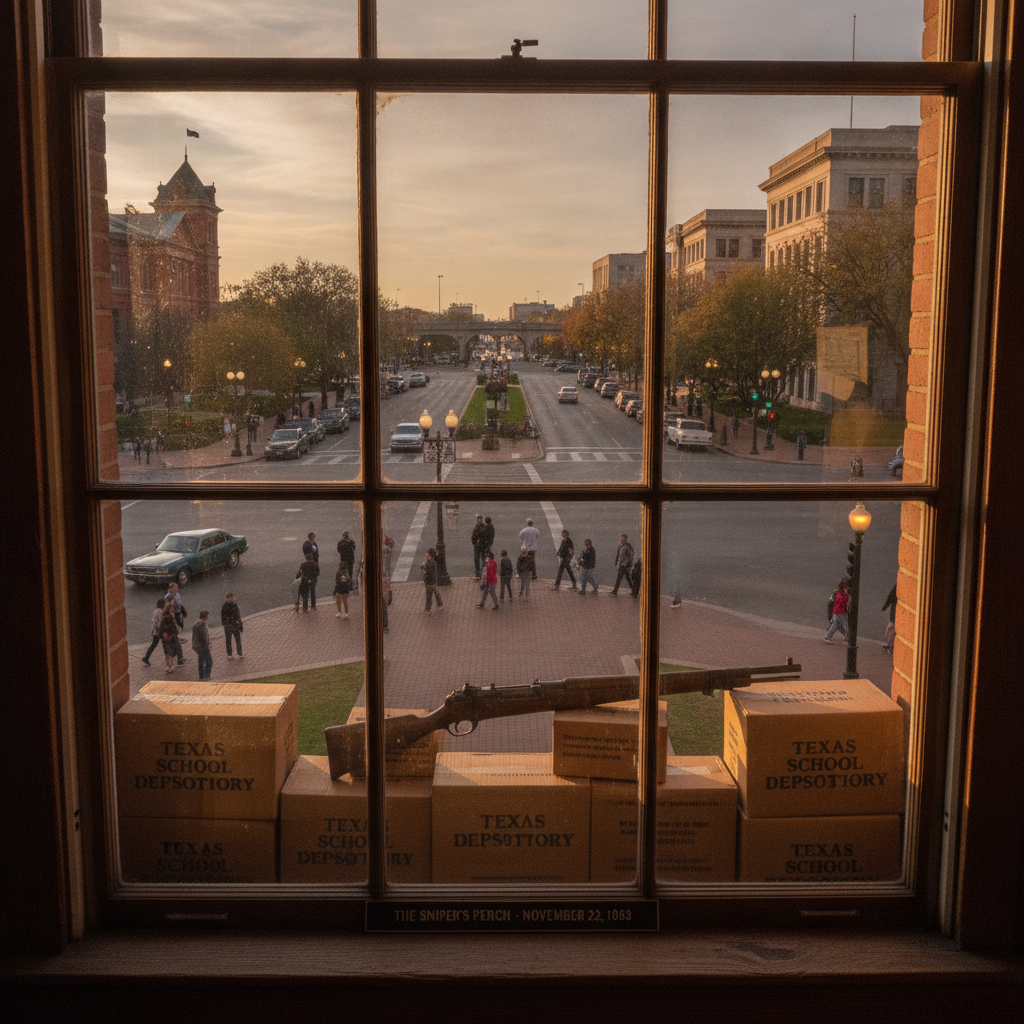
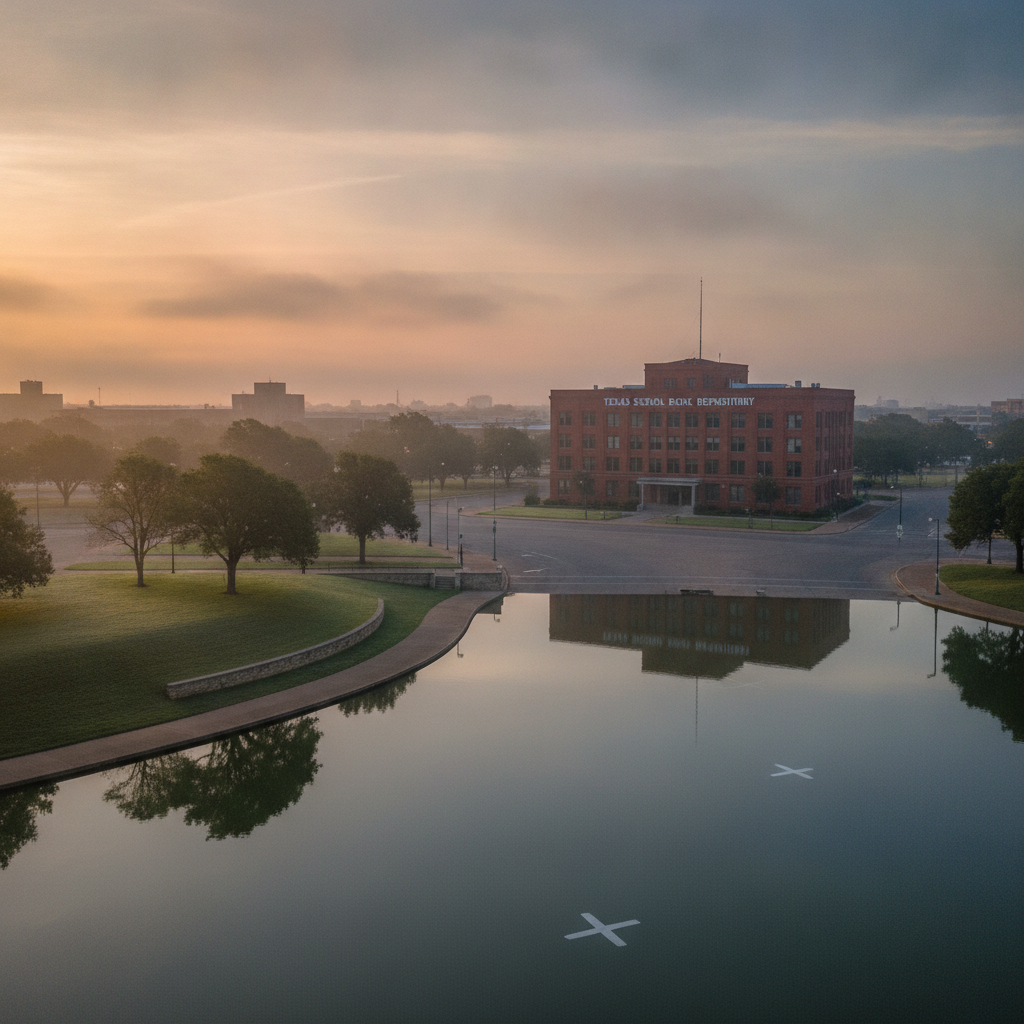
The Sixth Floor Museum at Dealey Plaza, in the former Texas School Book Depository at 411 Elm Street, occupies the floor from which Lee Harvey Oswald fired the shots that killed President John F. Kennedy on November 22, 1963. The museum, opened in 1989, draws over 350,000 visitors annually and presents a comprehensive examination of the Kennedy assassination, the Warren Commission investigation, and the enduring impact of the event on American political culture. The sniper nest window is preserved behind glass exactly as it appeared on November 22. Dealey Plaza below, a National Historic Landmark, includes the grassy knoll, the triple underpass, and the X marks on Elm Street indicating where Kennedy was struck. The assassination transformed Dallas nationally and the city spent decades managing the association.
- 2
Dallas Arts District
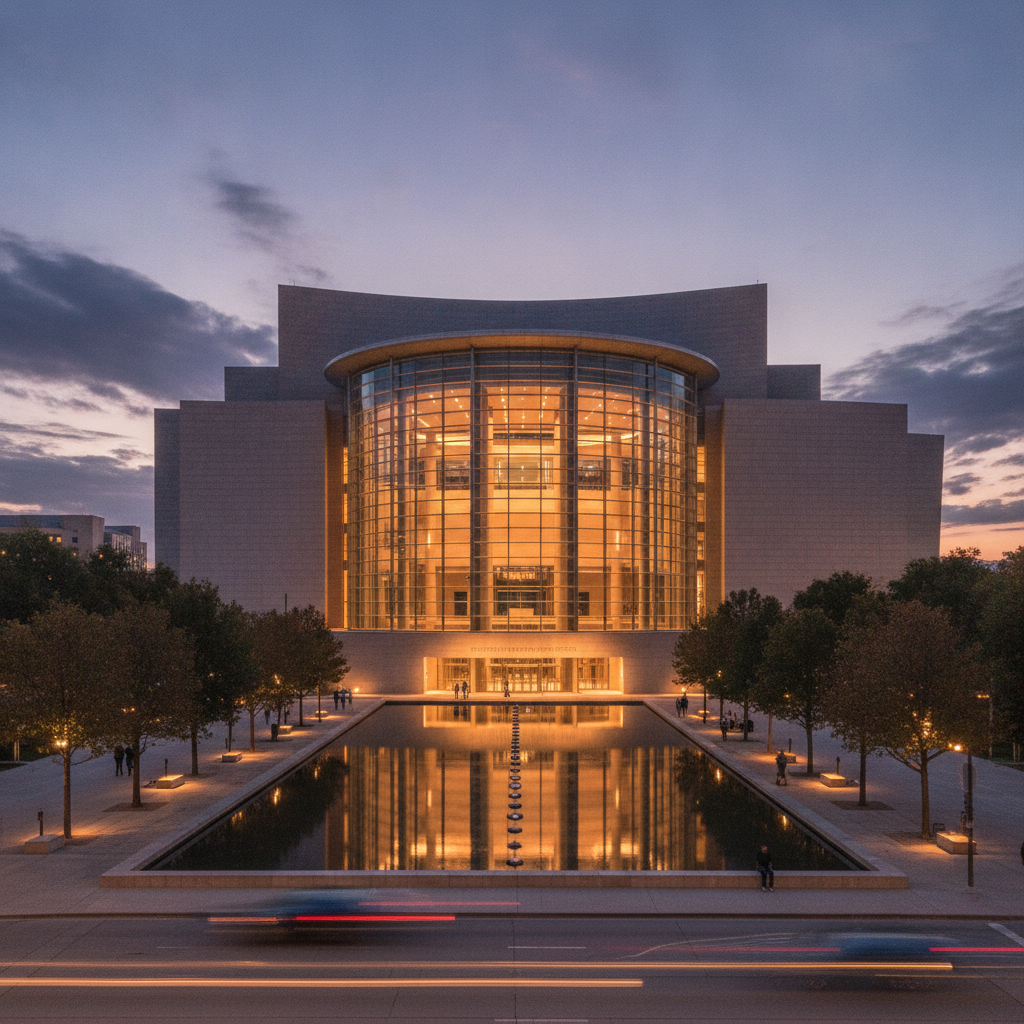
The Dallas Arts District, a 68-acre cultural district in Uptown Dallas, is the largest contiguous urban arts district in the United States. The district contains the AT&T Performing Arts Center, which includes the Winspear Opera House designed by Norman Foster opened in 2009 and the Wyly Theatre designed by Joshua Prince-Ramus opened in 2009. The Dallas Museum of Art, founded in 1903 and occupying its current Edward Larrabee Barnes building since 1984, holds a permanent collection of over 24,000 objects and has been free to general admission since 2013. The Nasher Sculpture Center, designed by Renzo Piano and opened in 2003, houses the Nasher Collection of modern sculpture, considered one of the finest private sculpture collections in the world. The Crow Museum of Asian Art completes the district cluster.
- 3
Deep Ellum Music and Arts
Deep Ellum, the historic entertainment district east of downtown Dallas along Elm Street and Main Street between the Central Expressway and the DART rail line, has been the center of Dallas blues and jazz music since the 1920s. Blind Lemon Jefferson, Robert Johnson, and Leadbelly all performed in Deep Ellum during its early commercial era. The neighborhood declined after World War II and revived in the 1980s as a punk and alternative music hub, then declined again in the 2000s and has revived again since 2012 as a concentrated live music and arts district. The Granada Theater, opened in 1946 and restored in 2004, and the Bomb Factory, a 3,000-person venue in a converted industrial building, anchor the live music scene. Street murals and public art installations cover building exteriors throughout the district.
- 4
Fort Worth Day Trip and Museums
Fort Worth, 30 miles west of Dallas, functions culturally as Dallas complementary partner and contains one of the most remarkable museum clusters in the United States. The Amon Carter Museum of American Art, designed by Philip Johnson and opened in 1961 with additions by Johnson in 1977 and 2001, holds the definitive collection of Frederic Remington and Charles Russell Western American art. The Kimbell Art Museum, in a 1972 Louis Kahn building considered one of the finest museum buildings in the world, holds European Old Masters including works by Caravaggio, El Greco, and Rembrandt. The Modern Art Museum of Fort Worth, in a 2002 Tadao Ando building, focuses on post-World War II art. The Fort Worth Stockyards National Historic District preserves the cattle auction pens where twice-daily longhorn cattle drives still take place.
- 5
Reunion Tower and Dallas Skyline
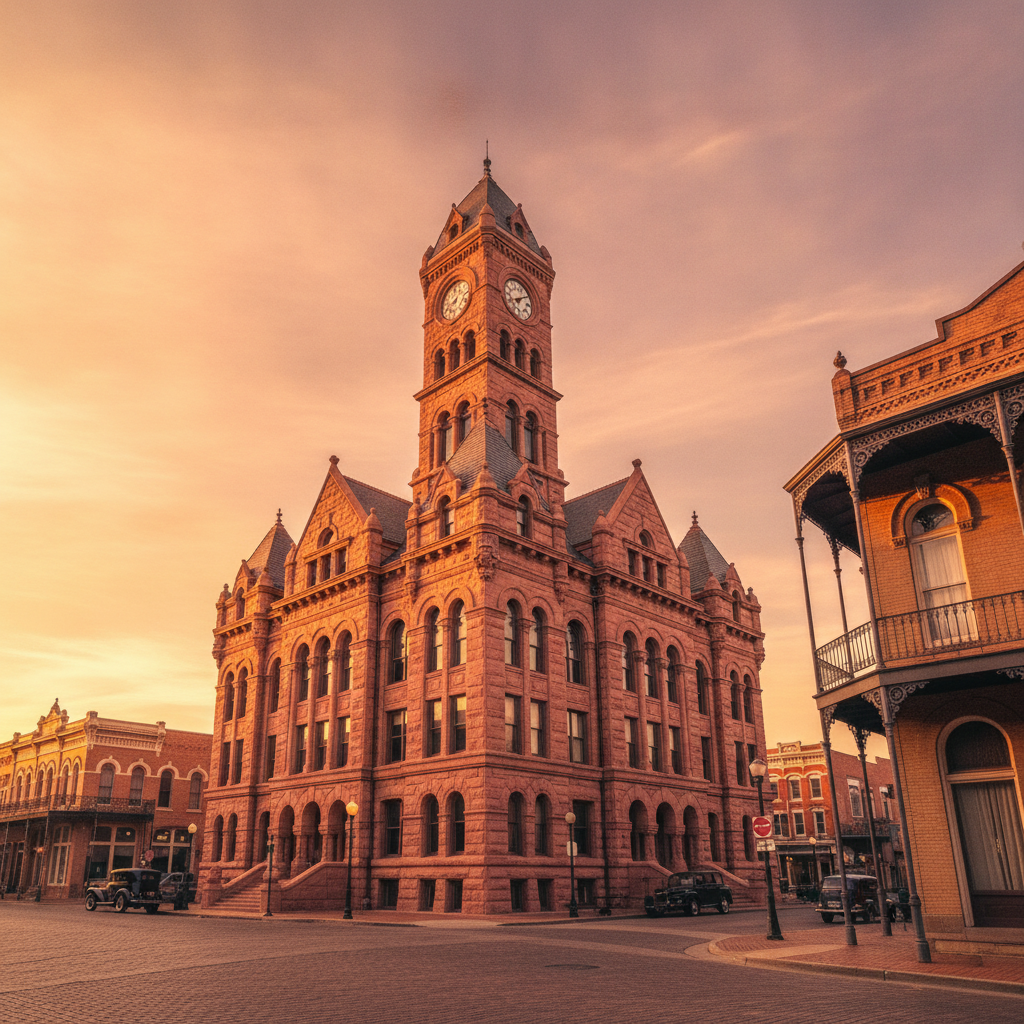
Reunion Tower, a 560-foot structure topped by a 6,000-LED geodesic dome that opened in 1978 adjacent to Union Station, is the most recognizable element of the Dallas skyline and houses an observation deck and a rotating restaurant. The tower was built as part of the Hyatt Regency Dallas hotel complex that redeveloped the area surrounding Union Station. Union Station, a 1916 Beaux-Arts building by Jarvis Hunt, was restored in 1994 and serves as the terminal for Amtrak service and the DART light rail. The Dallas skyline, dominated by Bank of America Plaza with its green neon-lit crown and the Fountain Place tower designed by I.M. Pei in 1986, is one of the most distinctive in Texas. The Klyde Warren Park, a 5.2-acre deck park built over the Woodall Rodgers Freeway and opened in 2012, connects the Arts District to Uptown.
- 6
Dallas Farmers Market and Food Scene
The Dallas Farmers Market, a 120-year-old institution that underwent a 45 million dollar redevelopment completed in 2014, operates year-round with a permanent shed market and seasonal outdoor farmers market at 920 South Harwood Street. The redevelopment created a food hall and restaurant complex alongside the produce market. Dallas restaurant scene has diversified substantially since 2010, driven by immigration from Mexico, El Salvador, Vietnam, and India, and by a generation of Dallas-born chefs returning from training in New York and Los Angeles. The Bishop Arts District in Oak Cliff, southwest of downtown, has concentrated independent restaurants, galleries, and boutiques in 1920s commercial buildings since the mid-2000s. Chef Abraham Salum and others have brought international attention to the Dallas fine dining scene through James Beard Award nominations.
Walk this route with audio
Stories play automatically as you reach each stop — no tapping needed.
More in Dallas
Dallas: Sixth Floor Museum at Dealey Plaza (JFK assassination 22 November 1963, Lee Harvey Oswald, Warren Commission, Grassy Knoll), Deep Ellum Arts and Texas Blues (Blind Lemon Jefferson, Pecan Lodge BBQ, street murals), Dallas Arts District (DMA 24000 works, Nasher Sculpture Center Renzo Piano, Meyerson Symphony I.M. Pei), Dallas Cowboys Americas Team (USD 9B franchise, AT&T Stadium retractable roof, Texas Friday Night Lights), and Dallas Food Scene (Texas BBQ brisket, Pecan Lodge, Tex-Mex, Dallas Farmers Market)
Dallas: White Rock Lake Trails, Spanish Art and a City That Grew Too Fast
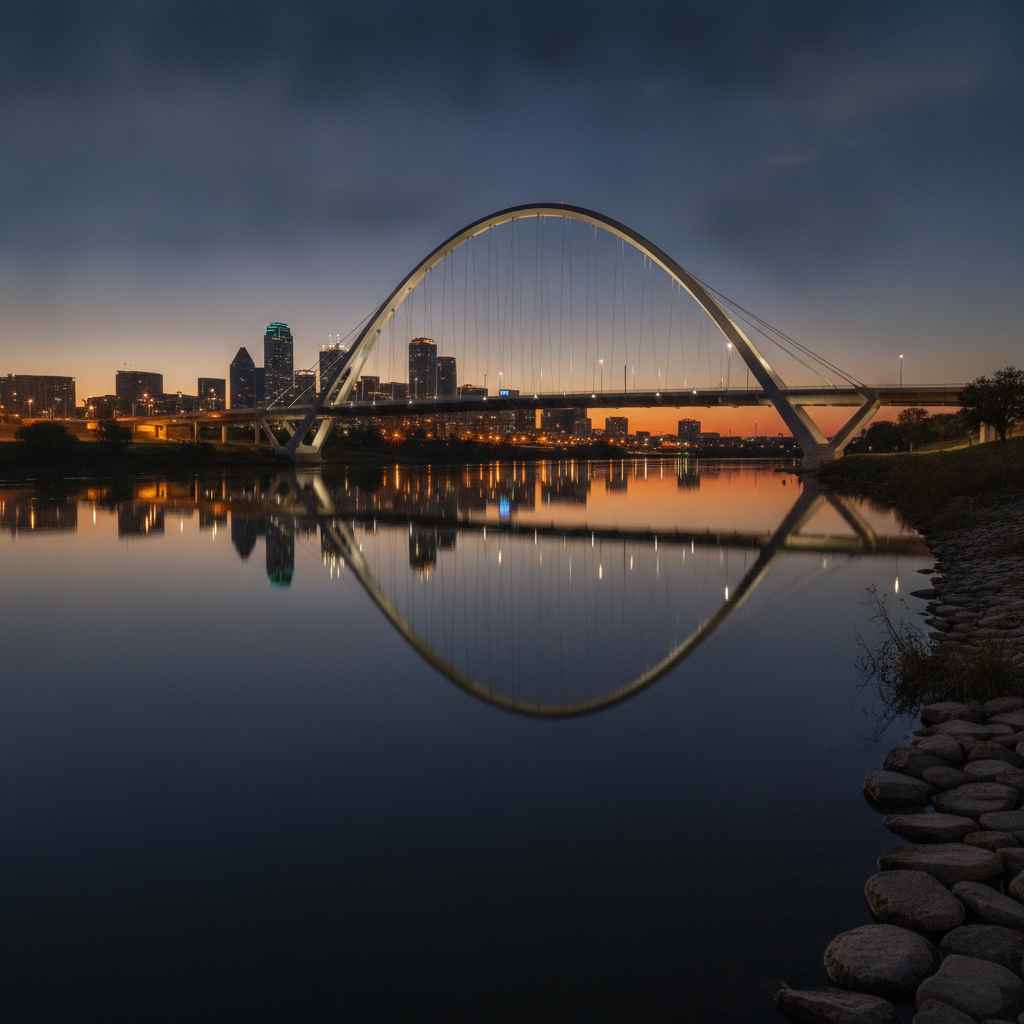
Dallas: Nowitzki Legacy, Asian Art Treasure and Trinity Forest Trails
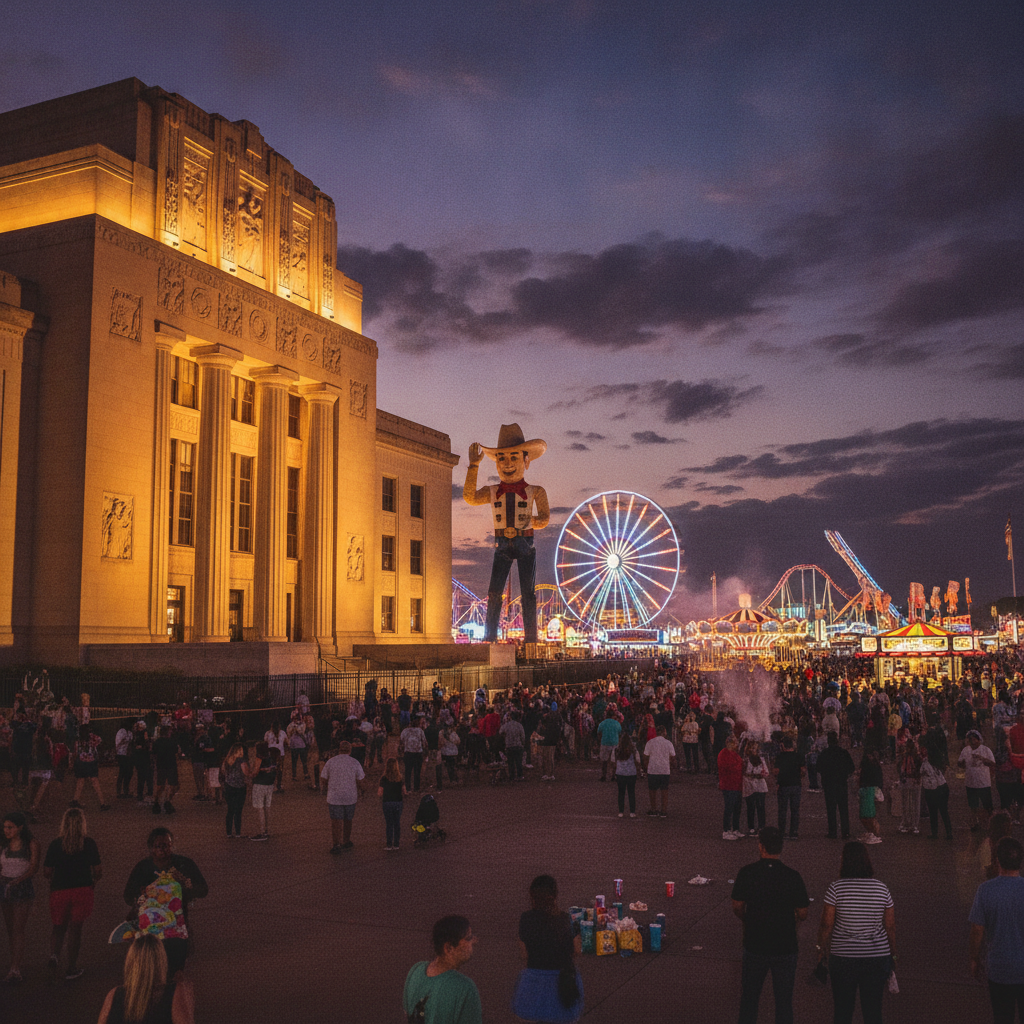
Dallas: Fair Park State Fair of Texas (largest US state fair, 1936 Art Deco Hall of State, Big Tex 15m cowboy, fried food culture), Dallas Mavericks NBA Championships (Dirk Nowitzki greatest European player, 2011 Finals upset Miami Heat, Luka Doncic 2024 title), Dallas Design District Art Galleries (Dallas Contemporary, Rachofsky Collection, Dallas Art Fair), Lake Texoma Striped Bass Fishing (Eisenhower Birthplace Denison), Dallas International Communities (Vietnamese, Korean, Indian, Hispanic Oak Cliff), and Texas Oil Legacy (Spindletop 1901, Highland Park oil wealth, ExxonMobil)
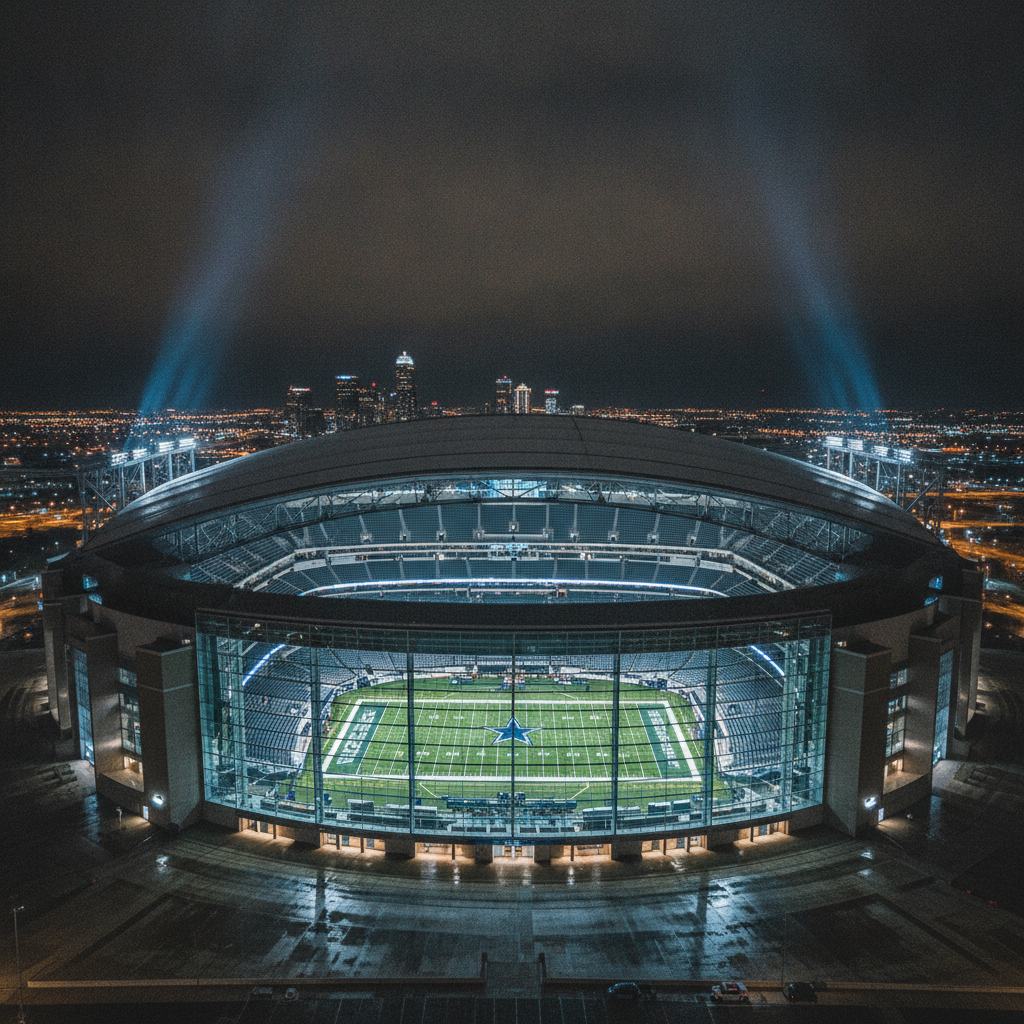
Dallas: Morphosis Science Museum, State Fair Spectacle and Cowboys Nation