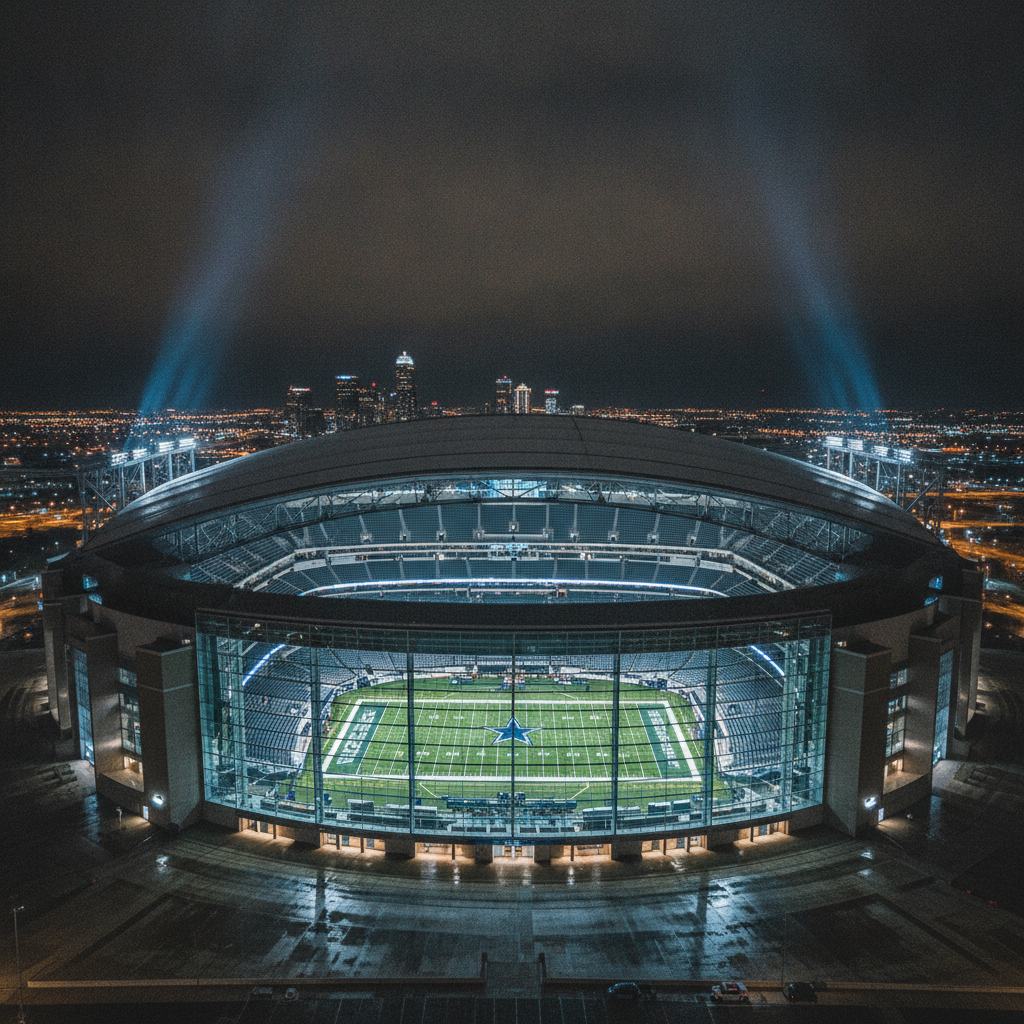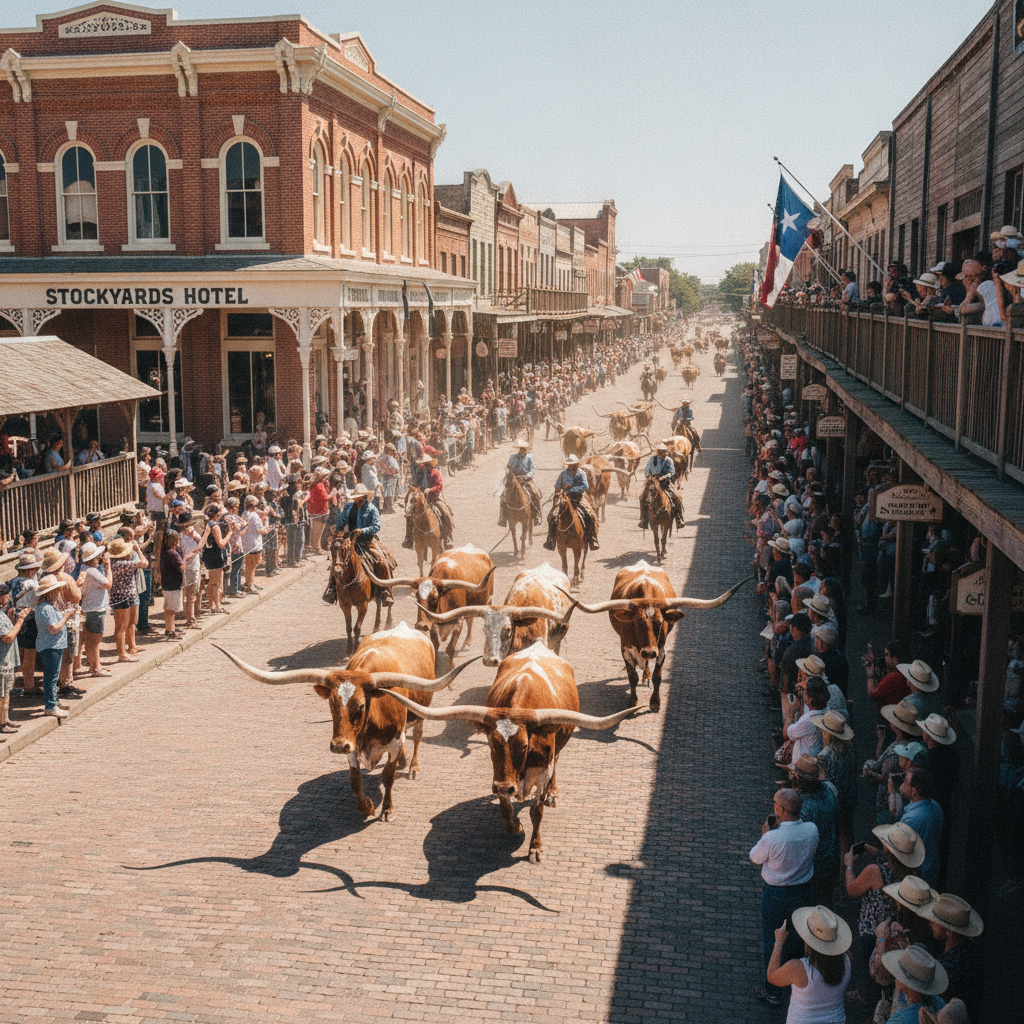
Dallas: Fort Worth Stockyards Daily Cattle Drive (Chisholm Trail, Billy Bobs Texas largest honky-tonk, Kimbell Art Museum Louis Kahn), Uptown McKinney Avenue Trolley and Knox-Henderson Fine Dining (Lucia restaurant, Bishop Arts District), Plano Legacy West Tech Corridor (Toyota North America HQ, fastest growing Collin County), Dallas Architecture (Calatrava Margaret Hunt Hill Bridge, Reunion Tower, AT&T Discovery District), Arlington Entertainment (AT&T Stadium tour and art collection, Globe Life Field Texas Rangers 2023 World Series, Six Flags original), and DFW Airport Practical (3rd busiest US airport, DART light rail, Texas road trip guide)
Dallas extended: Fort Worth (Stockyards twice-daily cattle drive, Billy Bobs Texas 6,000 capacity, Kimbell Art Museum Louis Kahn masterpiece), Uptown Dallas walkability (McKinney Avenue vintage trolley, Knox-Henderson dining corridor, Bishop Arts District independent culture), Plano-Allen-Frisco tech boom (Toyota relocated from California, Legacy West 9,000 Toyota jobs, Collin County fastest growing US county), Dallas skyscraper architecture (Calatrava bridge, Reunion Tower, Fountain Place I.M. Pei, AT&T Discovery District), Arlington entertainment (AT&T Stadium art collection largest in sports, Texas Rangers World Series 2023, original Six Flags 1961), and DFW practical (3rd busiest US airport, DART longest US light rail, February 2021 ice storm power grid failure, April-May-October-November best months).
- 1
Fort Worth Stockyards and the Cattle Drive Heritage
Fort Worth (the western half of the DFW metro, population approximately 960,000, 50 km west of downtown Dallas via I-30): Where the West Begins (the official motto of Fort Worth). Fort Worth grew as the final provisioning stop for the cattle drives on the Chisholm Trail (the primary cattle drive route from South Texas to the railheads at Abilene, Kansas, operating 1867-1884). The Fort Worth Stockyards National Historic District (at N. Main Street and Exchange Avenue, Fort Worth): the historic center of the Texas cattle industry, now a tourist district with working cattle pens, Western saloons and restaurants, and the world longest daily cattle drive. The twice-daily cattle drive (at 11:30 am and 4:00 pm, every day, 365 days per year): a small herd of Texas Longhorn cattle driven by cowboys down Exchange Avenue, the most photographed free daily attraction in the DFW metro. The Stockyards Hotel (at 109 E. Exchange Avenue, Fort Worth, opened 1907): the historic hotel with the Bonnie and Clyde Suite (the room where Bonnie Parker and Clyde Barrow reportedly stayed before their crime spree). Billy Bobs Texas (at 2520 Rodeo Plaza, Fort Worth): the largest honky-tonk in the world, with 6,000 capacity, 40+ bars, a retail store, and an indoor bull riding arena. The National Cowgirl Museum and Hall of Fame (at 1720 Gendy Street, Fort Worth): the museum honoring the women of the American West. The Kimbell Art Museum (at 3333 Camp Bowie Boulevard, Fort Worth, designed by Louis Kahn, 1972): one of the finest small art museums in the United States, with a collection of masterworks in an intimate setting.
- 2
Uptown Dallas and Neighborhood Character
Uptown Dallas (the residential and restaurant neighborhood immediately north of downtown Dallas, centered on McKinney Avenue and Knox-Henderson): the most walkable neighborhood in Dallas and the primary destination for young professionals, with dense restaurant and bar options along McKinney Avenue. The McKinney Avenue Trolley (the MATA vintage electric streetcar service on McKinney Avenue, connecting Uptown to downtown): one of the few vintage streetcar systems still operating in the United States, with restored 1920s-era streetcars. Knox-Henderson (the restaurant corridor centered on Knox Street and Henderson Avenue, northeast of Uptown): the most sophisticated dining street in Dallas, with Lucia (the most acclaimed fine dining restaurant in Dallas by Italian chef David Uygur, with house-cured meats and seasonal Italian cuisine, 10-table maximum), Goodfriend Beer Garden and Burger House, and a dense concentration of independent restaurants. The West Village (the mixed-use development at Lemmon Avenue and McKinney Avenue): the urban retail and restaurant hub of Uptown. Bishop Arts District (the Oak Cliff neighborhood southwest of downtown Dallas, on Bishop Avenue and Davis Street): the most eclectic and independent-business-oriented retail and dining corridor in Dallas, with vintage clothing stores, independent bookshops, cocktail bars, and restaurants (the Emporium Pies, the Hattie Crozier-Margarita Mile). The Lower Greenville Avenue neighborhood (north of downtown near Mockingbird Lane): the longest restaurant corridor in Dallas, with the Greenville Avenue bars, the Granada Theater, and the Highland Park neighborhood to the north.
- 3
Plano Allen and the DFW Suburban Innovation Economy
Plano and the North Dallas technology corridor: Plano (the suburb 30 km north of downtown Dallas, population approximately 285,000): the headquarters of several major corporations including Frito-Lay (the snack food division of PepsiCo), Toyota Motor North America (which relocated its US headquarters from California to Plano in 2017, bringing approximately 9,000 jobs), J.C. Penney, and Ericsson. The Legacy West development (at the intersection of the Tollway and Legacy Drive, Plano): the master-planned mixed-use development that is the most concentrated corporate campus in North Texas, with the Toyota campus, Liberty Mutual, JPMorgan Chase, FedEx Office, and dozens of other corporations in a pedestrian-friendly urban grid. The Collin County tech boom: Collin County (the county north of Dallas containing Plano, Allen, Frisco, and McKinney) has been the fastest-growing county in the United States by total population for most of the past decade, driven by the corporate relocations from California (which brings entire ecosystems of startups, suppliers, and employees). Frisco (the suburb 40 km north of Dallas, population approximately 240,000, the fastest-growing city in the United States in multiple recent years): the home of the new Dallas Cowboys practice facility and the Star (the Cowboys entertainment and mixed-use development in Frisco). The Perot Museum of Nature and Science (at 2201 N. Field Street, downtown Dallas): the natural science and technology museum designed by Thom Mayne of Morphosis Architects, opened 2012.
- 4
Dallas Architecture and Urban Development
Dallas downtown architecture and the skyscraper legacy: Dallas has the most significant concentration of modernist skyscraper architecture in the American South, with a skyline that reflects the construction booms of the 1970s-1980s oil economy. The most significant buildings: Reunion Tower (the 560-foot observation ball tower, the most recognizable element of the Dallas skyline), the Bank of America Plaza (the 921-foot glass tower with the green geometric patterns, the tallest building in Dallas), the One Arts Plaza (the hub of the Arts District development), and the Fountain Place (the 720-foot crystal tower designed by I.M. Pei). The Margaret Hunt Hill Bridge (the 400-foot arch cable-stay bridge over the Trinity River, designed by Santiago Calatrava, opened 2012): the most dramatic bridge in Texas and the primary infrastructure investment in the Trinity River Corridor project. The AT&T Discovery District (the revitalized AT&T telecommunications corporate campus at downtown Dallas, with the 91-foot outdoor screen and the public artworks): the most successful recent corporate urban placemaking project in Dallas. The Harwood District (the mixed-use development north of downtown, with the Harwood Park and the restaurant row): the boutique hotel and arts development anchored by the Joule Hotel (the former Dallas National Bank building). The Trinity Groves restaurant and retail development (on the west bank of the Trinity River, accessible via the Calatrava bridges): the incubator restaurant development with the Calatrava bridge views.
- 5
Dallas Cowboys Stadium Tour and Arlington Entertainment
Arlington (the city between Dallas and Fort Worth in the DFW Metroplex, population approximately 395,000): the entertainment capital of North Texas, with AT&T Stadium, Globe Life Field (the home of the Texas Rangers MLB team), Six Flags Over Texas (the original Six Flags park, opened 1961), and the University of Texas at Arlington. AT&T Stadium (at 1 AT&T Way, Arlington): the home of the Dallas Cowboys, the most visited football stadium in the world (with stadium tours on non-game days attracting over 600,000 visitors per year). The AT&T Stadium art collection (over 140 works of contemporary art by Dale Chihuly, Roy Lichtenstein, and Lawrence Weiner): the largest collection of contemporary art in any sports facility in the world. Globe Life Field (the retractable roof baseball stadium adjacent to AT&T Stadium, opened 2020, the home of the Texas Rangers): the Rangers won the World Series in 2023 (defeating the Arizona Diamondbacks in 5 games), the first championship in the franchise history. Six Flags Over Texas (at 2201 Road to Six Flags, Arlington): the original Six Flags theme park (the first of the now 27-park chain), opened 1961 by entrepreneur Angus Wynne; the park name refers to the six nations whose flags have flown over Texas (Spain, France, Mexico, Republic of Texas, Confederate States of America, and the United States). The International Bowling Campus (at 621 Six Flags Drive, Arlington): the headquarters of the United States Bowling Congress and the International Bowling Museum and Hall of Fame.
- 6
Dallas Practical Guide - DFW Airport and Texas Road Trips
Dallas practical guide: Dallas/Fort Worth International Airport (DFW): the third busiest airport in the United States and the 10th busiest in the world, with direct flights to virtually all major US and international destinations; the DFW airport (opened 1974) covers 69 square km, making it larger than Manhattan. The DFW Skylink (the automated inter-terminal transit system connecting all 5 DFW terminals): one of the longest automated people movers in the world. The DART light rail (the Dallas Area Rapid Transit system, 135 km of light rail): the longest light rail system in the United States, connecting downtown Dallas to DFW Airport (the Orange Line), the suburbs, and the University of Texas at Dallas. The Trinity Railway Express (the commuter rail line connecting downtown Dallas to downtown Fort Worth, 50 km): the primary transit connection between the two DFW anchor cities. Dallas road trips: Austin (300 km south via I-35, 3 hours), San Antonio (430 km south via I-35, 4 hours), Houston (385 km southeast via I-45, 4 hours), Oklahoma City (320 km north via I-35, 3 hours), and the Hill Country (Fredericksburg, 450 km southwest, 4.5 hours). The Dallas weather: the most extreme weather of any major US metropolitan area, with temperatures ranging from -10C in winter ice storms (the February 2021 ice storm that caused catastrophic failure of the Texas power grid, leaving 4.5 million homes without power for up to two weeks) to 43C summer heat; the best visiting months are April, May, October, and November.
Walk this route with audio
Stories play automatically as you reach each stop — no tapping needed.
More in dallas
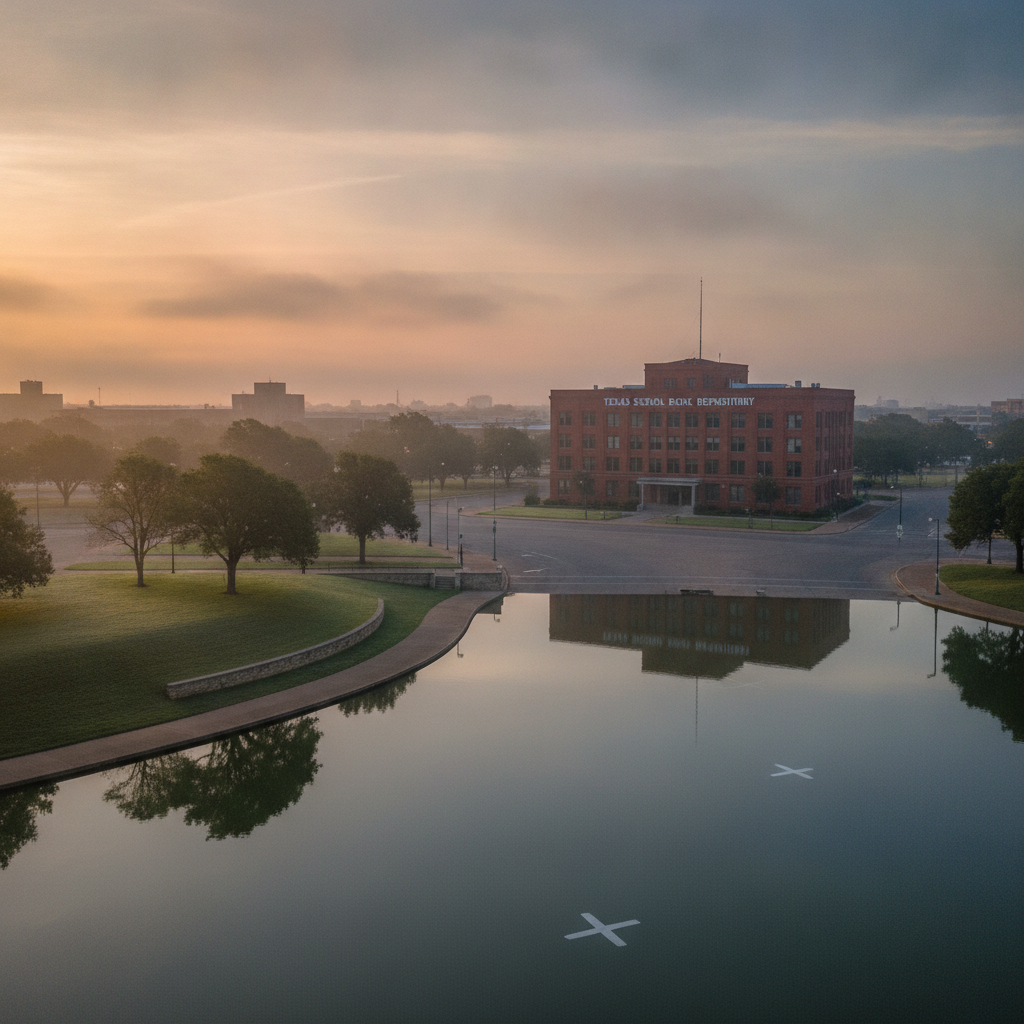
Dallas: Sixth Floor Museum at Dealey Plaza (JFK assassination 22 November 1963, Lee Harvey Oswald, Warren Commission, Grassy Knoll), Deep Ellum Arts and Texas Blues (Blind Lemon Jefferson, Pecan Lodge BBQ, street murals), Dallas Arts District (DMA 24000 works, Nasher Sculpture Center Renzo Piano, Meyerson Symphony I.M. Pei), Dallas Cowboys Americas Team (USD 9B franchise, AT&T Stadium retractable roof, Texas Friday Night Lights), and Dallas Food Scene (Texas BBQ brisket, Pecan Lodge, Tex-Mex, Dallas Farmers Market)
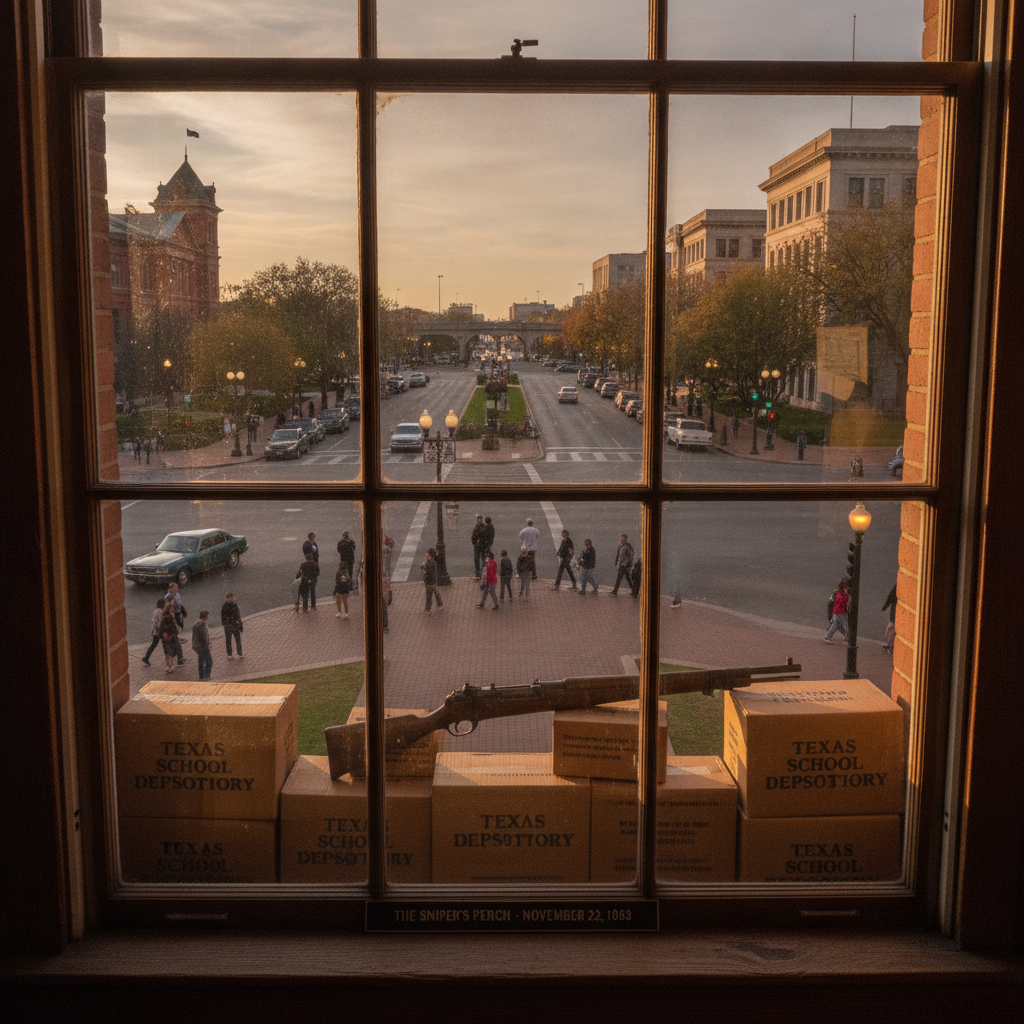
Dallas: Kennedy Assassination Museum, World-Class Arts District and Deep Ellum Blues
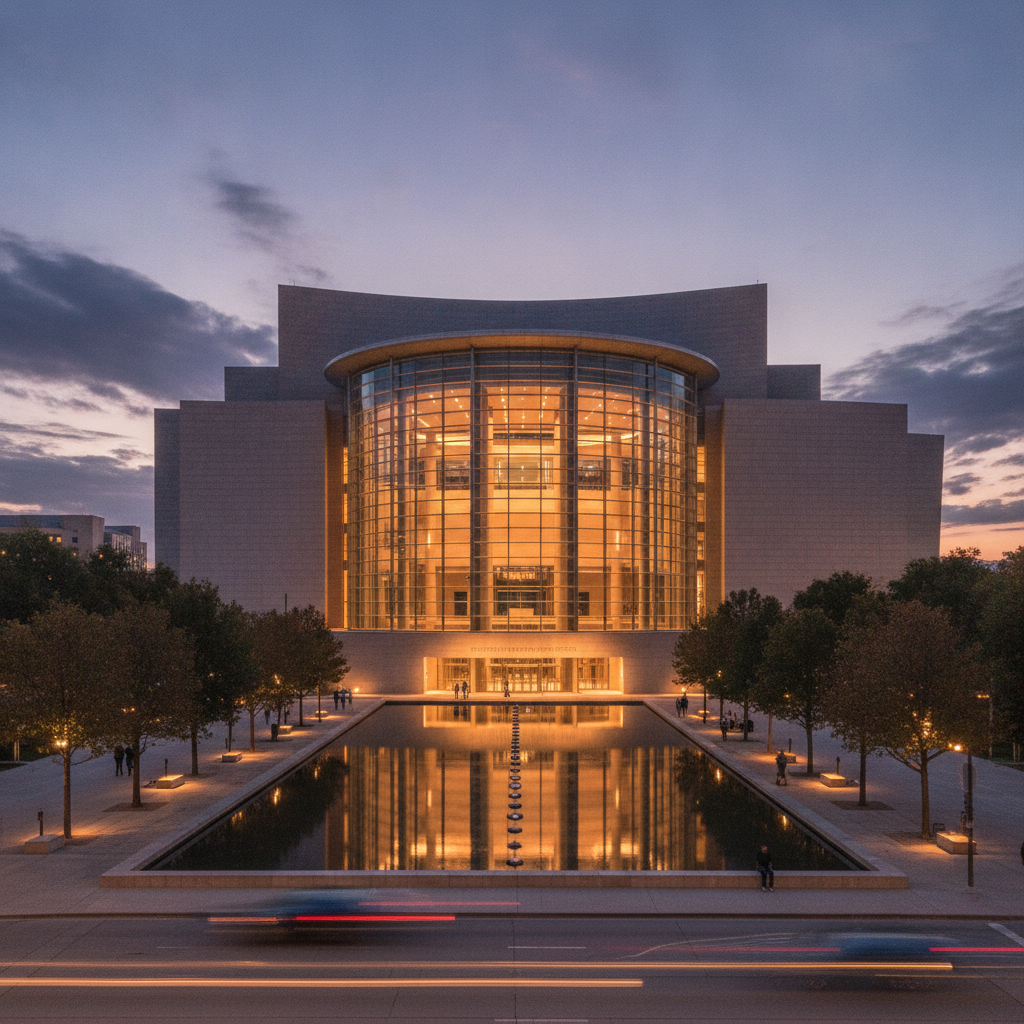
Dallas: White Rock Lake Trails, Spanish Art and a City That Grew Too Fast
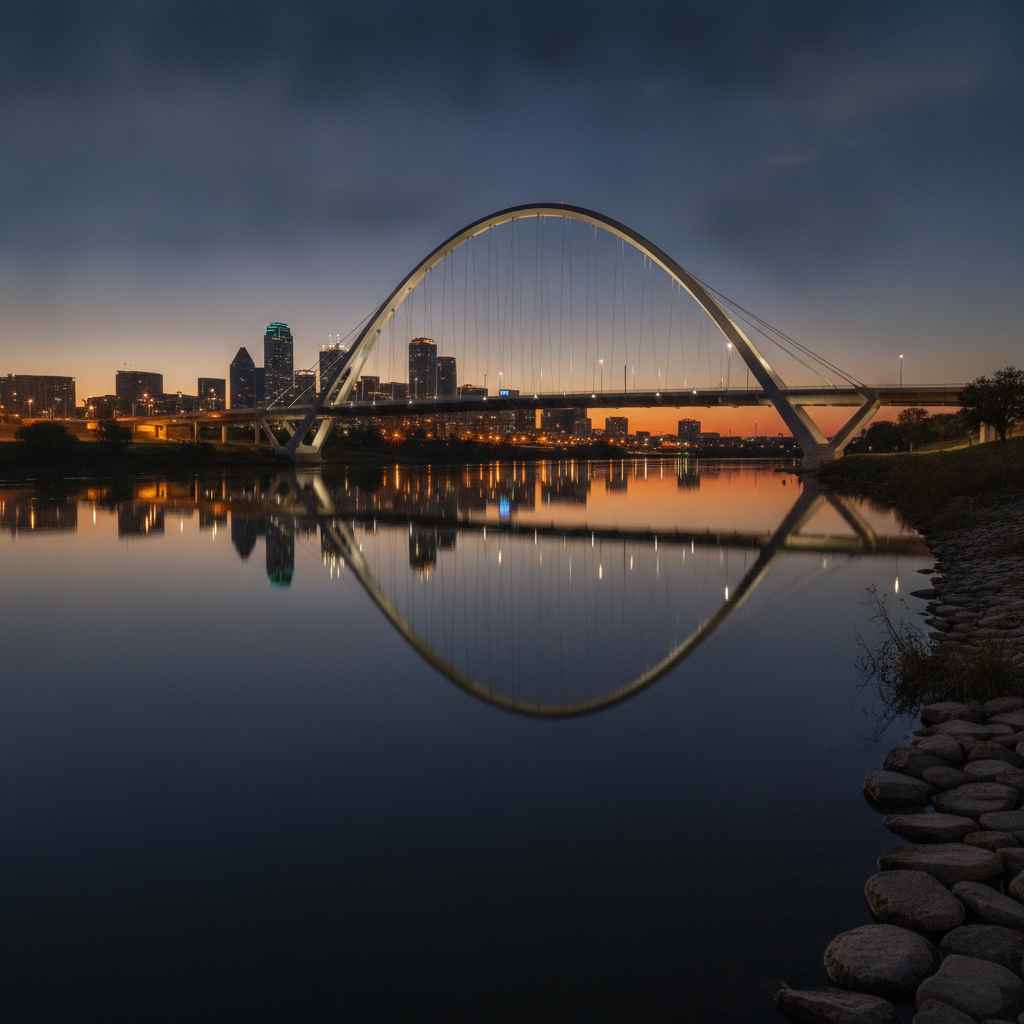
Dallas: Nowitzki Legacy, Asian Art Treasure and Trinity Forest Trails
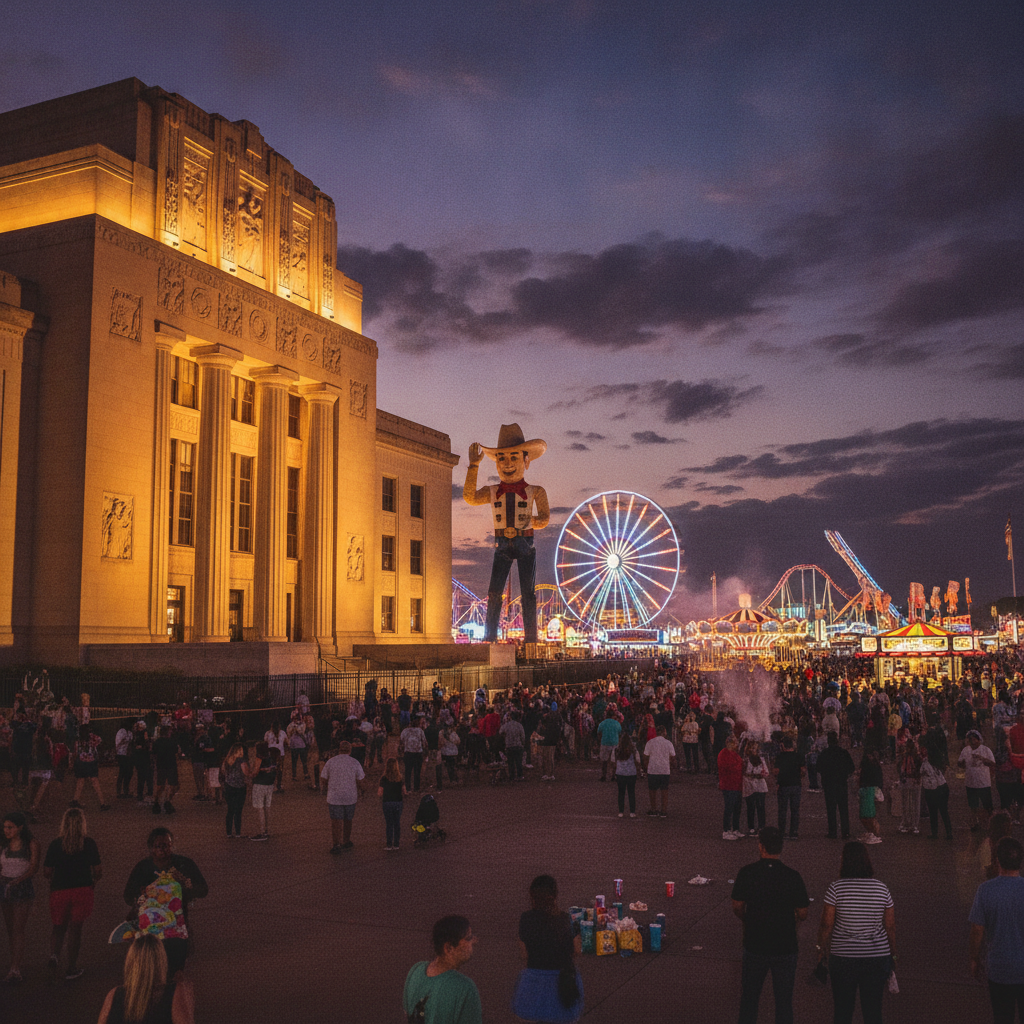
Dallas: Fair Park State Fair of Texas (largest US state fair, 1936 Art Deco Hall of State, Big Tex 15m cowboy, fried food culture), Dallas Mavericks NBA Championships (Dirk Nowitzki greatest European player, 2011 Finals upset Miami Heat, Luka Doncic 2024 title), Dallas Design District Art Galleries (Dallas Contemporary, Rachofsky Collection, Dallas Art Fair), Lake Texoma Striped Bass Fishing (Eisenhower Birthplace Denison), Dallas International Communities (Vietnamese, Korean, Indian, Hispanic Oak Cliff), and Texas Oil Legacy (Spindletop 1901, Highland Park oil wealth, ExxonMobil)