Dallas: Sixth Floor Museum at Dealey Plaza (JFK assassination 22 November 1963, Lee Harvey Oswald, Warren Commission, Grassy Knoll), Deep Ellum Arts and Texas Blues (Blind Lemon Jefferson, Pecan Lodge BBQ, street murals), Dallas Arts District (DMA 24000 works, Nasher Sculpture Center Renzo Piano, Meyerson Symphony I.M. Pei), Dallas Cowboys Americas Team (USD 9B franchise, AT&T Stadium retractable roof, Texas Friday Night Lights), and Dallas Food Scene (Texas BBQ brisket, Pecan Lodge, Tex-Mex, Dallas Farmers Market)
Dallas highlights: Big D overview (largest US metro without natural harbor or navigable river, Fortune 500 headquarters concentration, no state income tax corporate migration), Sixth Floor Museum (JFK assassination 22 November 1963, Oswald sniper perch preserved, Jack Ruby shooting, Warren Commission, conspiracy theories), Deep Ellum Texas blues birthplace (Blind Lemon Jefferson, Lead Belly, Pecan Lodge brisket, street murals, Trees venue), Dallas Arts District (DMA, Nasher Sculpture Center Renzo Piano, Morton H. Meyerson I.M. Pei acoustics, Crow Museum Asian art), Dallas Cowboys (most valuable sports franchise in world USD 9-10B, Americas Team, 5 Super Bowls, Jerry Jones, AT&T Stadium), and Dallas food (Texas BBQ brisket, Pecan Lodge Deep Ellum, Dallas Farmers Market).
- 1
Dallas - Big D and the Metroplex Economy
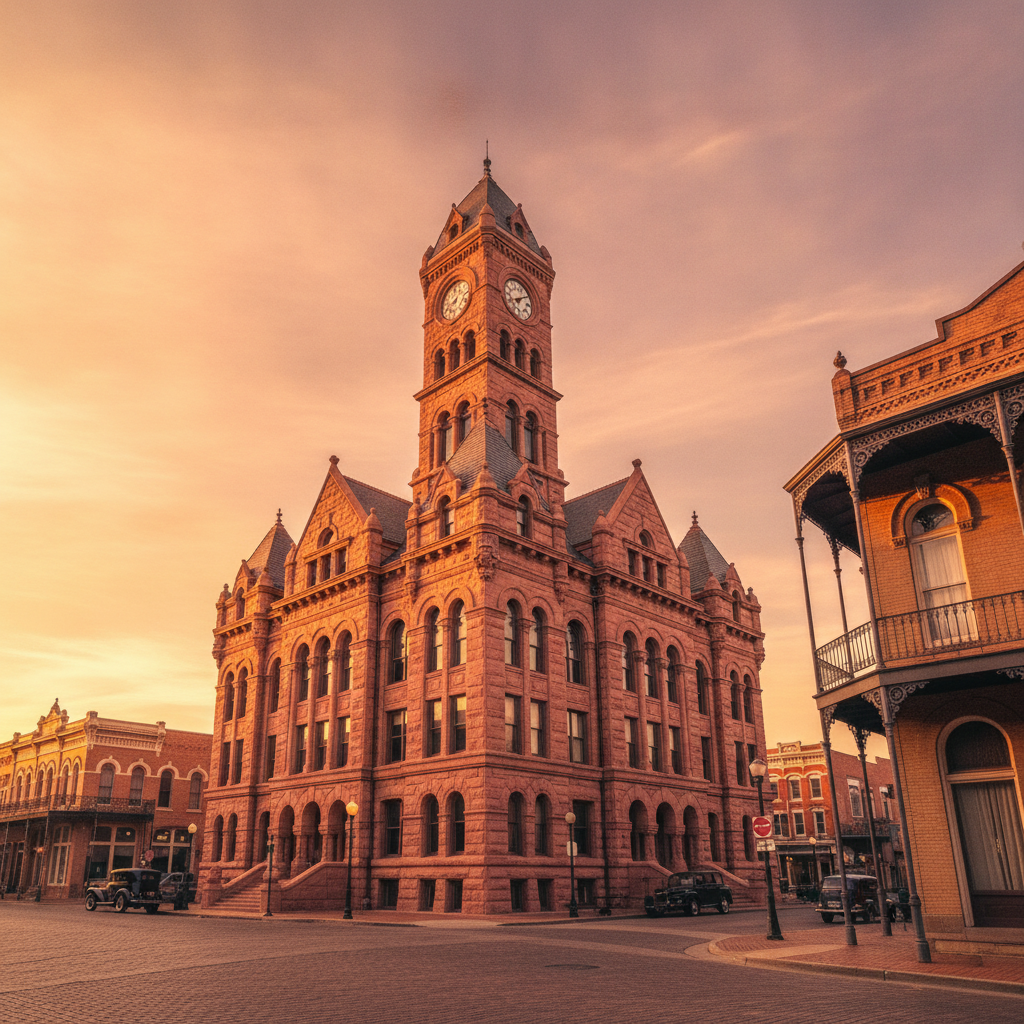
Dallas (population approximately 1.3 million city, 7.8 million Dallas-Fort Worth-Arlington metro area): the fourth largest metropolitan area in the United States and the economic capital of the American South. Dallas was founded in 1841 by John Neely Bryan at a ford on the Trinity River and grew rapidly as a cotton trading center. Unlike most Texas cities, Dallas was never a Spanish colonial or Mexican settlement; it became significant after Texas statehood through the intersection of two major railroads at Dallas in 1873 (the Houston and Texas Central and the Texas and Pacific Railroads), which transformed it from a minor river crossing into the commercial hub of North Texas. Dallas character: the city is defined by commerce and finance rather than history or natural beauty. The Dallas Metroplex (the 13-county DFW metro area): the most economically diverse major metro in the United States, with no single industry dominating (the top employers spanning telecommunications, defense, banking, energy, healthcare, and retail). The Fortune 500 concentration: the Dallas-Fort Worth area is home to more Fortune 500 company headquarters than any other US metro area except New York City (approximately 23 Fortune 500 headquarters including ExxonMobil, AT&T, American Airlines, Toyota Motor North America, and Lockheed Martin). Texas has no state income tax (the Texas Constitution prohibits personal income tax), which has attracted major corporate relocations from California (Oracle, Tesla, Charles Schwab, Hewlett Packard Enterprise, and others moved headquarters to the DFW area 2020-2023).
- 2
The Sixth Floor Museum and the JFK Assassination
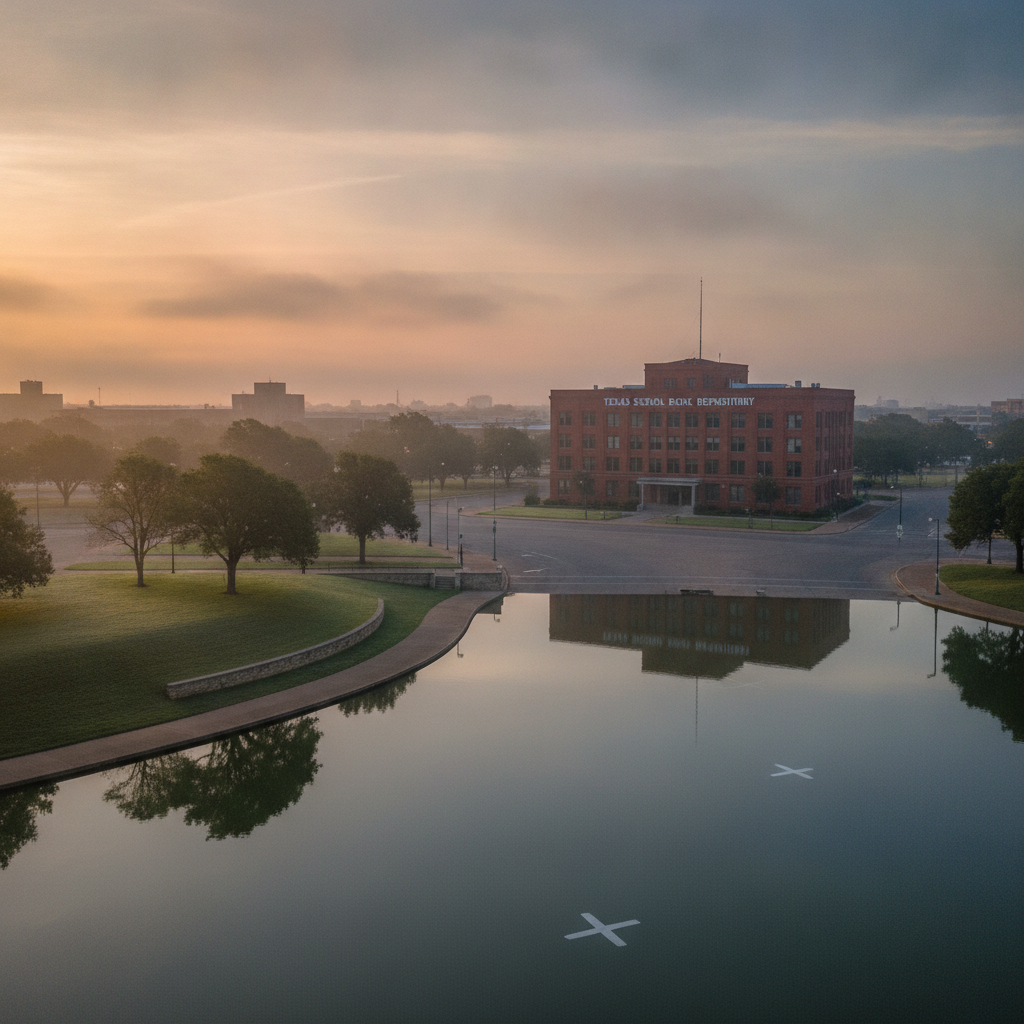
The Sixth Floor Museum at Dealey Plaza (at 411 Elm Street, in the former Texas School Book Depository, downtown Dallas): the museum dedicated to the life, death, and legacy of President John F. Kennedy, located on the sixth floor from which Lee Harvey Oswald fired the shots that killed President Kennedy on 22 November 1963. The JFK assassination: President Kennedy was killed at 12:30 pm on 22 November 1963 while riding in a presidential motorcade through Dealey Plaza; Governor John Connally of Texas (who was in the same limousine) was seriously wounded. Lee Harvey Oswald was arrested 80 minutes later and charged with the assassination; he was shot and killed by Dallas nightclub owner Jack Ruby two days later in the Dallas Police Department headquarters (while being transferred to the county jail, live on national television). The Warren Commission (established by President Lyndon Johnson one week after the assassination): concluded that Oswald acted alone. The House Select Committee on Assassinations (1979): concluded that Kennedy was probably the victim of a conspiracy, based on acoustic evidence, though the specific conspirators were not identified. The sixth floor: the museum preserves the sniper perch (the window from which Oswald fired, sealed behind glass with the boxes stacked as they were that day), the assassination timeline in photographs and artifacts, and the worldwide reaction to Kennedy death. Dealey Plaza itself (the grassy triangular plaza with the Texas School Book Depository, the Grassy Knoll, the Triple Underpass, and the X marks on Elm Street marking where the shots hit Kennedy): the most visited free public space in Dallas.
- 3
Deep Ellum and the Dallas Arts and Music Scene
Deep Ellum (the historic entertainment district east of downtown Dallas, centered on Elm Street and Commerce Street between Malcolm X Boulevard and Exposition Avenue): the most significant neighborhood in Dallas for arts and live music, and the birthplace of Texas blues. Deep Ellum history: the neighborhood (named for the mispronunciation of the number 11 in elm, referring to Elm Street, by the African American community) was Dallas premier African American commercial and entertainment district from the 1920s through the 1940s. The Texas blues tradition at Deep Ellum: Blind Lemon Jefferson (born 1893 in Couchman, Texas), the most influential early blues singer-guitarist, performed at Deep Ellum in the 1920s before his national recording career. Lead Belly (born Huddie Ledbetter, in Mooringsport, Louisiana) also performed in the Deep Ellum area. Deep Ellum music venues: the Trees (the general admission music venue at 2709 Elm Street), the Bomb Factory (the 4,000-capacity venue at 2713 Canton Street, the former Texas Utilities ice factory), and the Deep Ellum Brewing Company. The Deep Ellum street art and murals: the most concentrated outdoor mural collection in Texas, with over 100 large-scale murals on the brick warehouse walls of the district. The Deep Ellum food scene: the emerging restaurant culture around the music venues, with acclaimed restaurants (Pecan Lodge, the most celebrated BBQ restaurant in Dallas, with the most-reviewed BBQ brisket in Texas). The AT&T Discovery District (the revitalized AT&T corporate campus adjacent to downtown): the tech hub with the outdoor screen and the AT&T Connected Experience.
- 4
Dallas Museum District and the Arts District
The Dallas Arts District (the largest contiguous urban arts district in the United States, approximately 2.5 km from the Nasher Sculpture Center at Pearl Street to the Morton H. Meyerson Symphony Center at Flora Street): 68 acres of arts institutions in the core of downtown Dallas. The Dallas Museum of Art (at 1717 N. Harwood Street): the primary fine arts museum in North Texas, with a permanent collection of approximately 24,000 objects covering 5,000 years of art history, including significant collections of pre-Columbian art, African art, and European and American paintings. The Nasher Sculpture Center (at 2001 Flora Street, adjacent to the DMA): the museum of modern and contemporary sculpture founded by Dallas real estate developer Ray Nasher and his wife Patsy, opened 2003. The Nasher collection (approximately 300 works by the most significant sculptors of the 20th century: Picasso, Rodin, Matisse, Giacometti, Bourgeois, and Serra) is displayed in the landmark building designed by Renzo Piano. The Morton H. Meyerson Symphony Center (at 2301 Flora Street, designed by I.M. Pei, opened 1989): the home of the Dallas Symphony Orchestra; the concert hall is considered one of the finest acoustic environments for orchestral music in the United States. The Crow Museum of Asian Art (at 2010 Flora Street): the most important collection of Asian art in Texas, with the Gandharan sculpture collection, the Japanese decorative art, and the Chinese porcelain. The AT&T Performing Arts Center (the Winspear Opera House and Wyly Theatre).
- 5
Dallas Cowboys and Texas Football Culture
The Dallas Cowboys (the most valuable sports franchise in the world at approximately USD 9-10 billion valuation): the primary source of Dallas (and Texas) civic identity, known as Americas Team (a title coined by NFL Films in 1978 based on the Cowboy fan base distribution across the United States). Cowboys history: founded 1960, the Cowboys won 5 Super Bowl championships (VI, XII, XXVII, XXVIII, XXX). Jerry Jones (the owner and general manager of the Dallas Cowboys since 1989, when he purchased the franchise for USD 140 million): the most influential owner in NFL history, responsible for the league revenue sharing model and the modern NFL business structure. AT&T Stadium (the Cowboys home stadium at Arlington, 30 km west of downtown Dallas, opened 2009): the largest domed stadium in the world at the time of its construction, with a retractable roof, the largest column-free interior in the world, and the 30 m x 50 m HD video board (the largest high-definition video display in the world at the time of construction). Texas high school football: the culture of high school football in Texas (the Friday Night Lights tradition, named for the 1990 H.G. Bissinger book and subsequent film and TV series set in Odessa, Texas): the Texas high school football playoffs are the largest spectator sporting event in the United States after professional sports, with the state championship games held at AT&T Stadium attracting 50,000+ fans. The Dak Prescott, CeeDee Lamb, and Micah Parsons-era Cowboys are the most watched team in the NFL.
- 6
Dallas Food Scene - BBQ Tex-Mex and Upscale
The Dallas food scene: the most diverse and sophisticated restaurant culture in Texas, combining the Texas BBQ tradition, the Tex-Mex heritage, and an increasingly cosmopolitan upscale dining scene. Texas BBQ: the most hotly contested subject in Texas cuisine. Dallas style BBQ (the indirect-heat, oak-smoked low-and-slow beef brisket style): the primary expression of North Texas BBQ. Pecan Lodge (at 2702 Main Street, Deep Ellum): the most acclaimed BBQ restaurant in Dallas, with the Holy Trinity plate (brisket, pork ribs, and jalapeño cheddar sausage) and lines that regularly exceed 2 hours. Cattleack Barbeque (at 13628 Gamma Road, North Dallas, open Thursday and Friday only): consistently ranked among the best BBQ restaurants in Texas. The Tex-Mex tradition in Dallas: the Dallas Tex-Mex scene is distinct from San Antonio Tex-Mex (Dallas emphasizes combo plates with the enchilada-rice-bean formula). The Mexican food scene: the concentration of authentic regional Mexican restaurants in the areas north of downtown (the Oak Cliff neighborhood, the Lovers Lane corridor). The Dallas upscale dining: the Mansion on Turtle Creek (the historic Sheppard King mansion at 2821 Turtle Creek Boulevard, now the Rosewood Mansion, with the Mansion restaurant by Bruno Davaillon): the most storied luxury hotel and restaurant in Dallas. The Dallas Farmers Market (at 920 S. Harwood Street, downtown): the oldest market in Dallas (established 1941), now a mixed-use market with the permanent Shed (local farms) and the open-air weekend market.
Walk this route with audio
Stories play automatically as you reach each stop — no tapping needed.
More in dallas
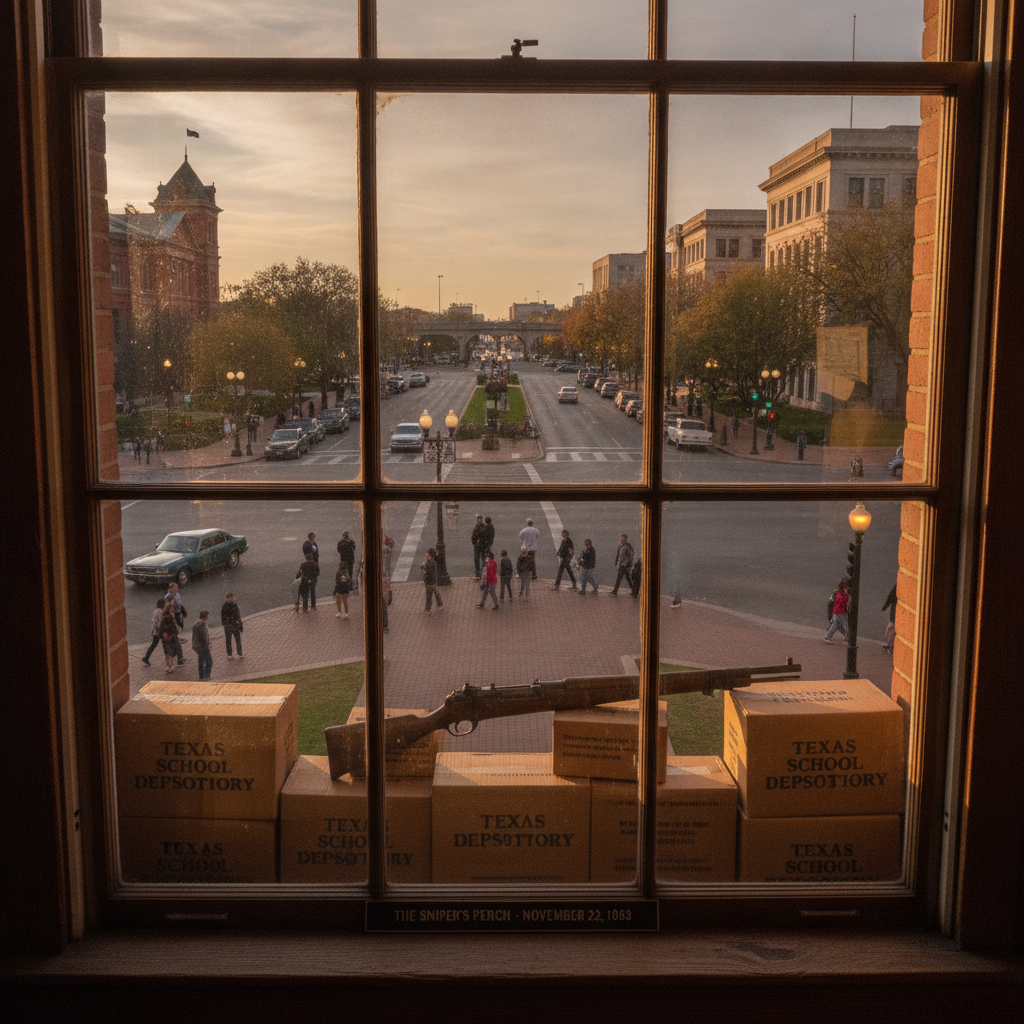
Dallas: Kennedy Assassination Museum, World-Class Arts District and Deep Ellum Blues
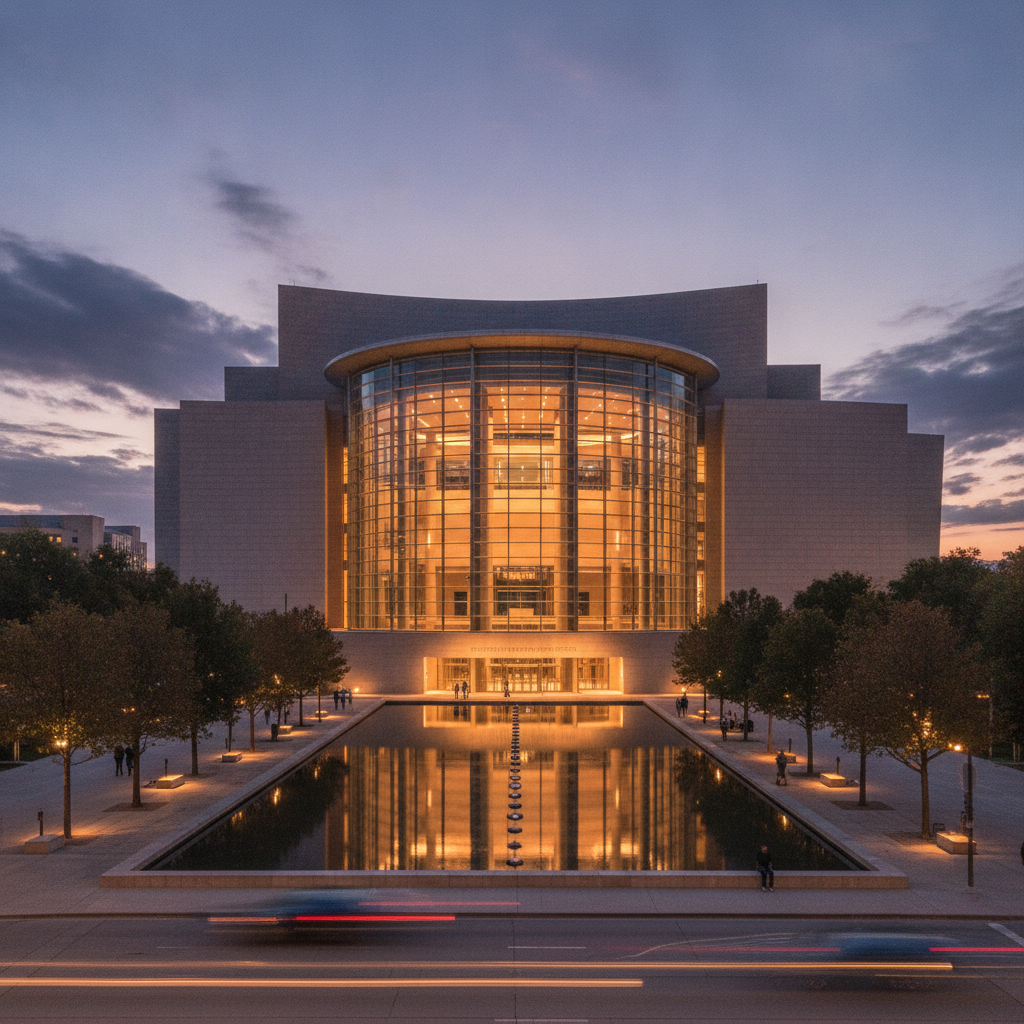
Dallas: White Rock Lake Trails, Spanish Art and a City That Grew Too Fast
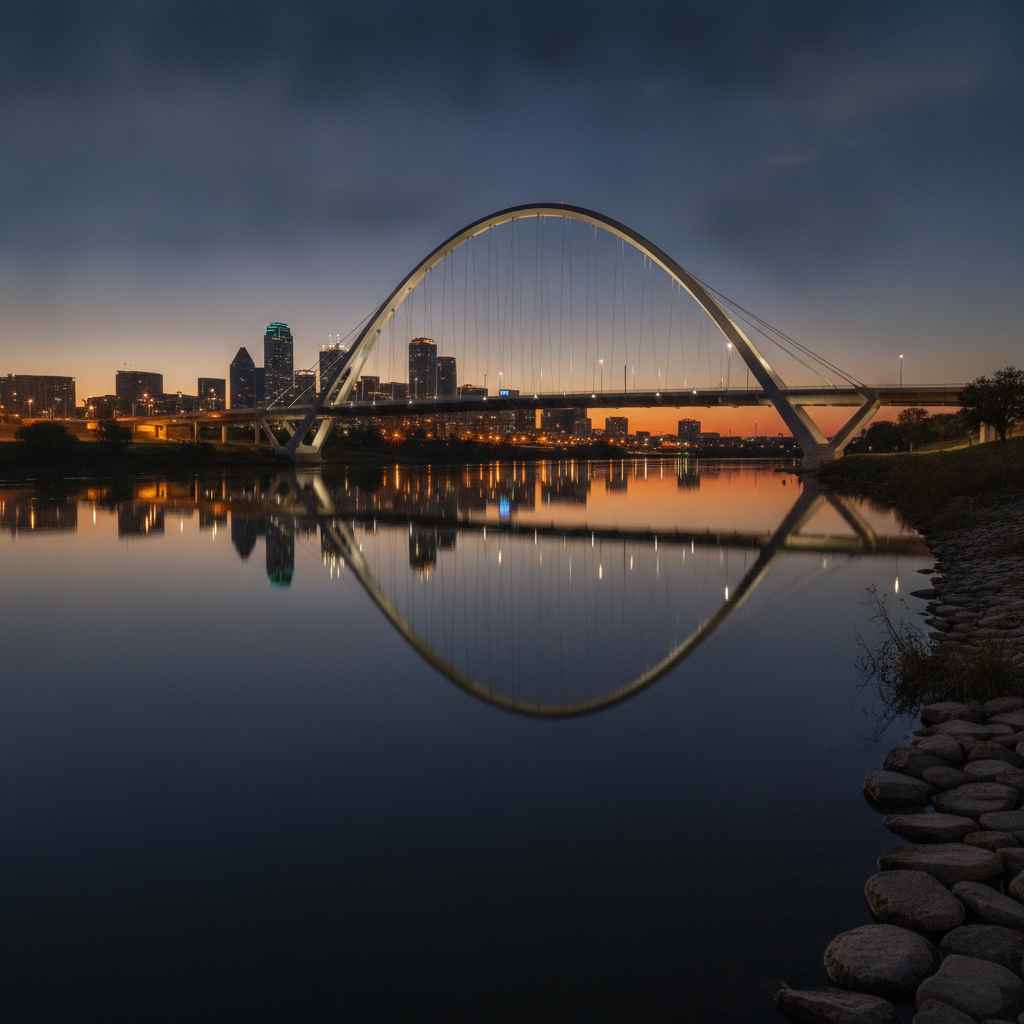
Dallas: Nowitzki Legacy, Asian Art Treasure and Trinity Forest Trails
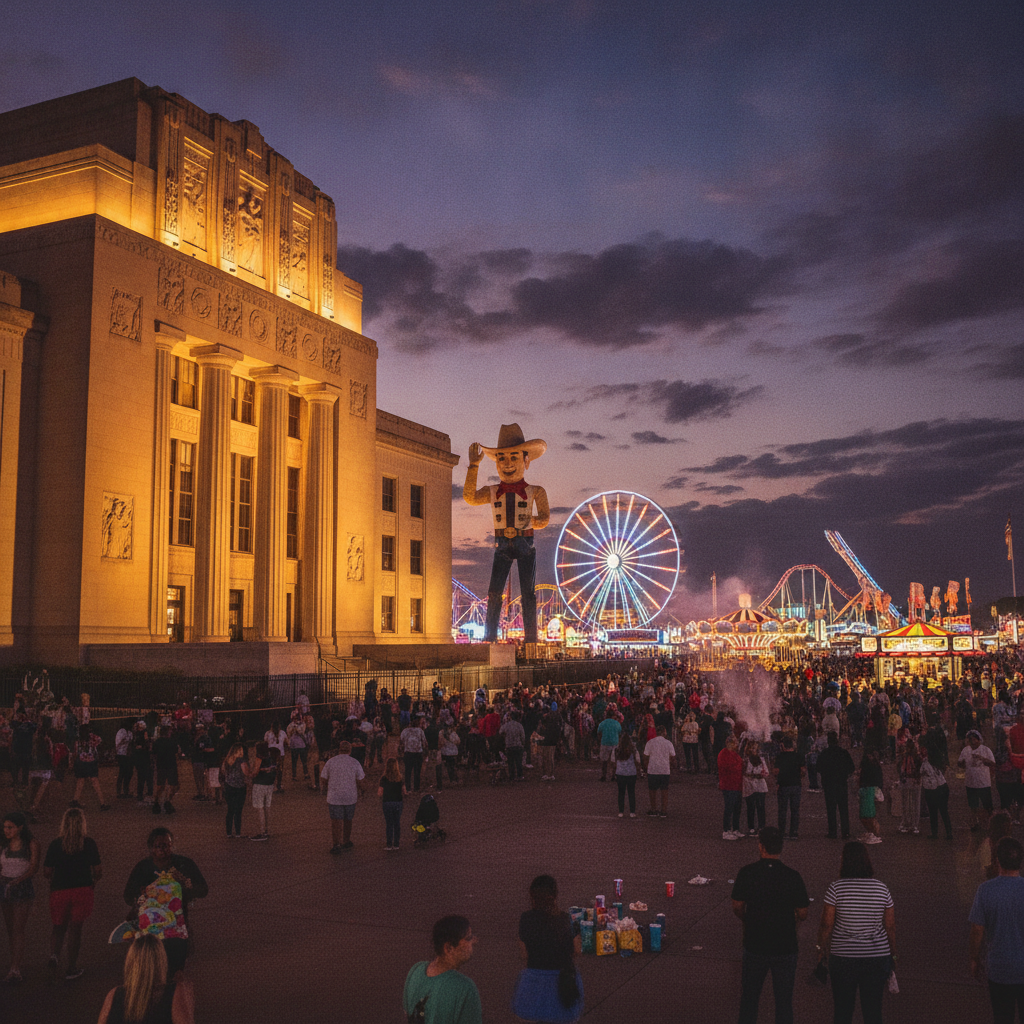
Dallas: Fair Park State Fair of Texas (largest US state fair, 1936 Art Deco Hall of State, Big Tex 15m cowboy, fried food culture), Dallas Mavericks NBA Championships (Dirk Nowitzki greatest European player, 2011 Finals upset Miami Heat, Luka Doncic 2024 title), Dallas Design District Art Galleries (Dallas Contemporary, Rachofsky Collection, Dallas Art Fair), Lake Texoma Striped Bass Fishing (Eisenhower Birthplace Denison), Dallas International Communities (Vietnamese, Korean, Indian, Hispanic Oak Cliff), and Texas Oil Legacy (Spindletop 1901, Highland Park oil wealth, ExxonMobil)
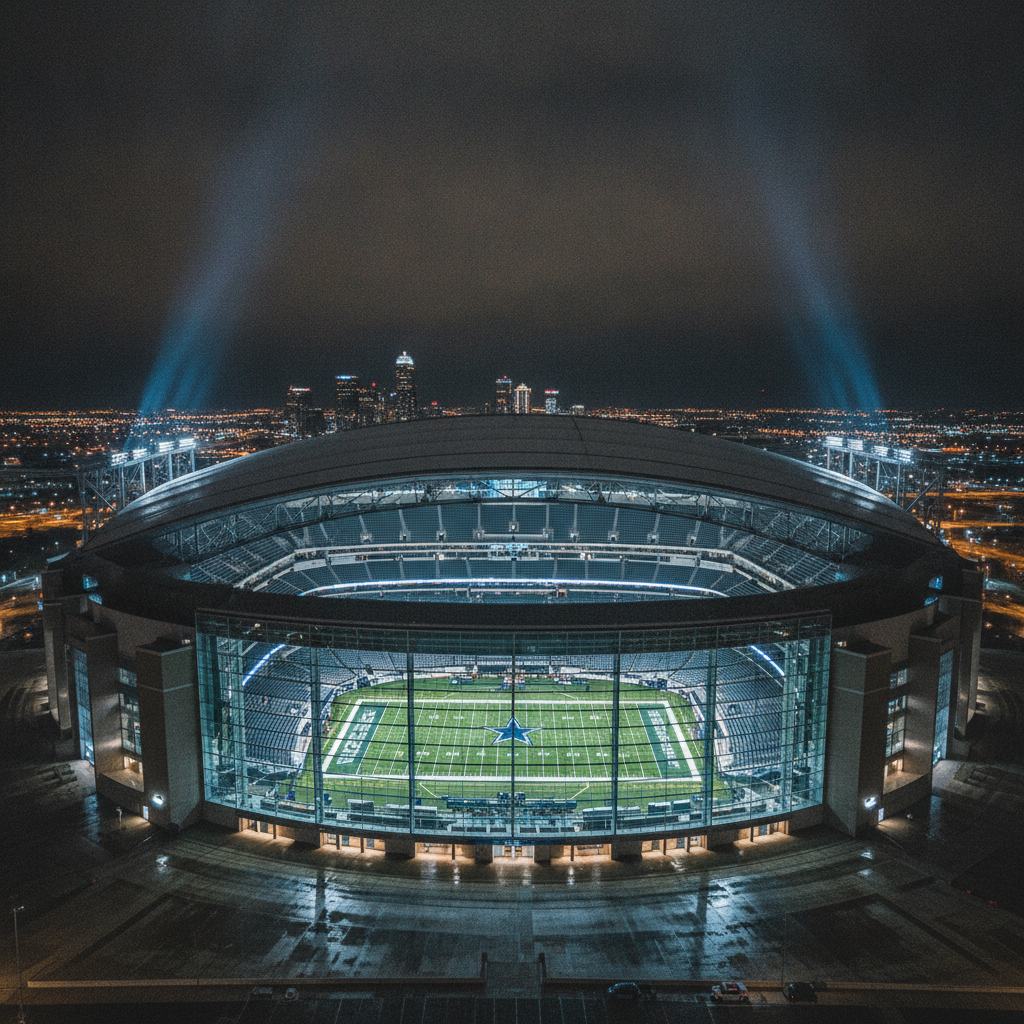
Dallas: Morphosis Science Museum, State Fair Spectacle and Cowboys Nation