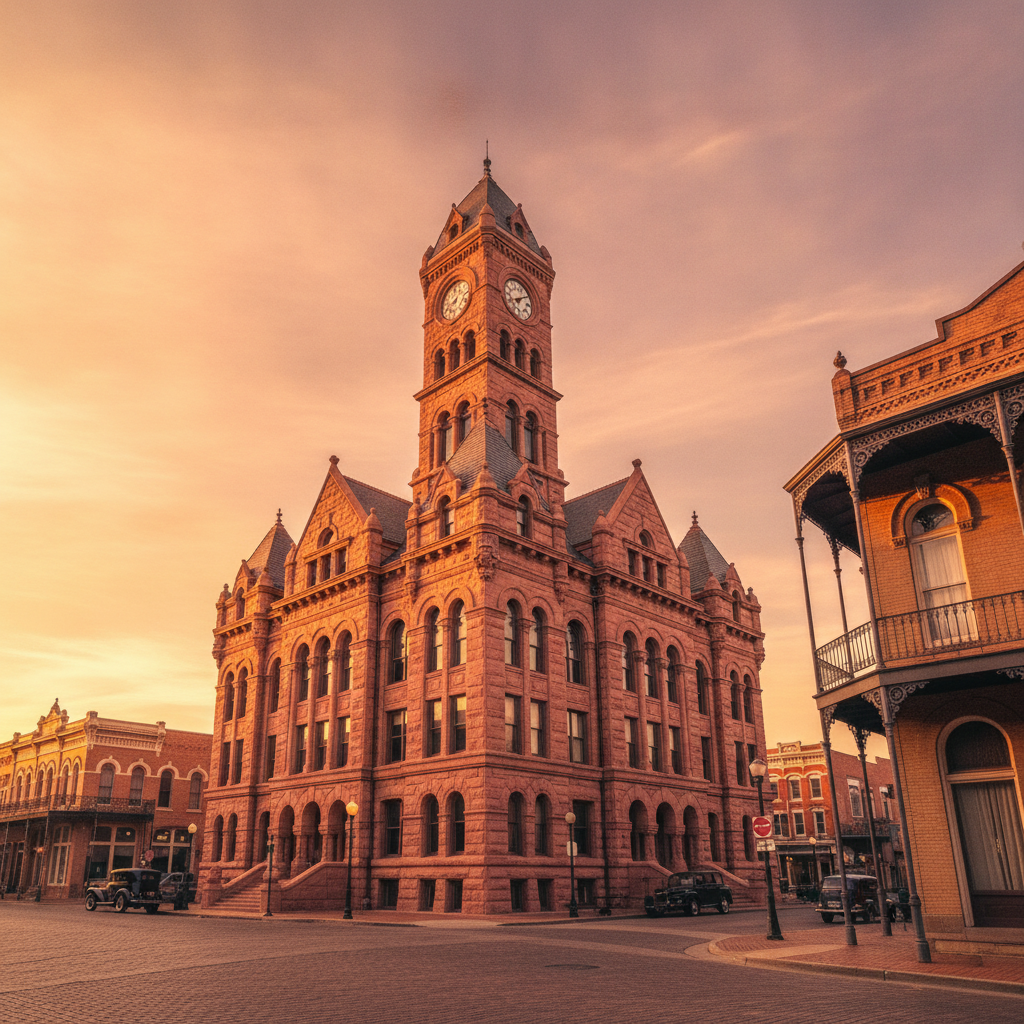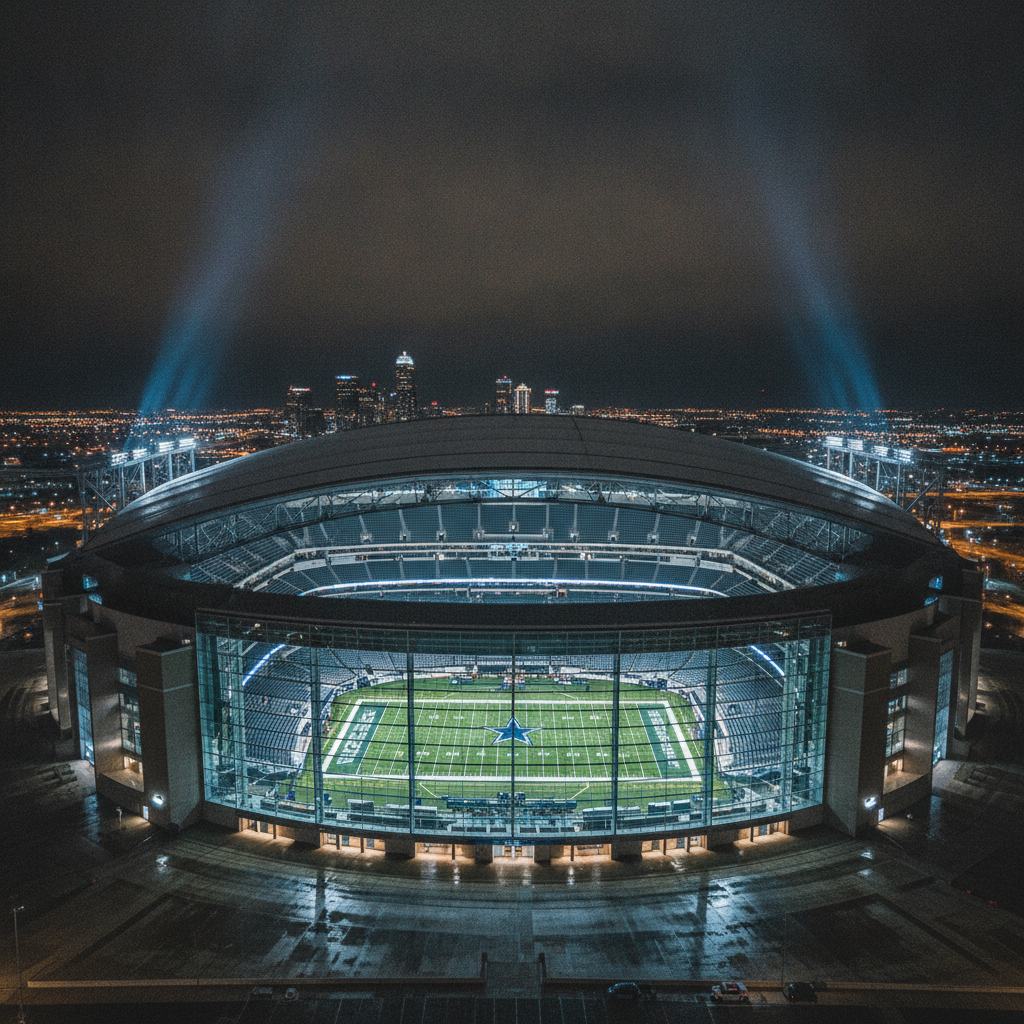
Dallas: Morphosis Science Museum, State Fair Spectacle and Cowboys Nation
Explore the Morphosis-designed Perot Museum geology and dinosaurs, eat deep-fried innovations at the largest state fair in America, ride vintage trolleys through Uptown, see 180 artworks inside NorthPark mall, visit the world most valuable sports franchise AT&T Stadium, and discover Bishop Arts District where Oswald was arrested at the Texas Theatre.
- 1
Perot Museum of Nature and Science
The Perot Museum of Nature and Science at 2201 North Field Street, designed by Thom Mayne of Morphosis Architects and opened in 2012 at a cost of 185 million dollars, is a 180,000 square foot natural history and science museum funded by a 50 million dollar naming gift from Ross Perot Jr. The building exterior of precast concrete panels rises from the Woodall Rodgers Freeway park as an abstracted geological formation. The museum holds 11 permanent halls covering paleontology, minerals, energy, space, engineering, and the natural history of Texas. The fossil hall contains Texas dinosaur specimens including Paluxysaurus jonesi, the official Texas state dinosaur. The museum drew over 1.5 million visitors in its first year and established itself as the anchor of the Victory Park and Arts District cultural corridor.
- 2
Texas State Fair and Fair Park
Fair Park, a 277-acre historic district in East Dallas, was the site of the 1936 Texas Centennial Exposition and contains the largest collection of Art Deco exposition architecture remaining in the United States, with 50 historic structures surviving from the 1936 fair. The State Fair of Texas, held at Fair Park each September and October since 1886, is the largest state fair in the United States by attendance, drawing over 2 million visitors annually. Big Tex, the 55-foot tall talking cowboy statue installed in 1952, is the fair symbol. The original Big Tex burned in an electrical fire in 2012 and was replaced with a new figure. The fair is famous for its deep-fried food innovations, which have included deep-fried butter, deep-fried Oreos, deep-fried Coke, and deep-fried beer, with new innovations introduced each year in a competition.
- 3
Uptown Dallas and McKinney Avenue Trolley
Uptown Dallas, the mixed-use neighborhood north of downtown between Woodall Rodgers Freeway and Knox-Henderson, contains the highest concentration of restaurants, bars, and retail per square mile in Dallas. The McKinney Avenue Transit Authority operates vintage trolley cars along McKinney Avenue from downtown through Uptown, one of the few heritage streetcar operations in a major US city. The Katy Trail, a 3.5-mile hike-and-bike trail converted from the Missouri-Kansas-Texas railroad corridor, runs along the western edge of Uptown connecting to the Southern Methodist University campus area. The West Village mixed-use development and the Knox-Henderson restaurant corridor are the commercial centers of a neighborhood that has absorbed substantial population growth as younger residents chose intown living over suburban alternatives.
- 4
NorthPark Center and Dallas Retail
NorthPark Center in North Dallas, opened in 1965 and designed by architect Omniplan, is considered the most architecturally sophisticated enclosed shopping mall in the United States and contains an art collection of over 180 works by artists including Frank Stella, Jim Dine, Jonathan Borofsky, and Mark di Suvero displayed throughout the common areas. The mall covers 2.1 million square feet and generates approximately 1.7 billion dollars in annual sales, making it one of the highest-performing retail properties in the country. The NorthPark Center art collection was assembled by the Raymond Nasher family, the same patrons whose collection became the Nasher Sculpture Center in the Arts District. The mall also contains the NorthPark DART light rail station providing transit access from downtown.
- 5
Dallas Cowboys and AT&T Stadium
The Dallas Cowboys NFL franchise, founded in 1960 and marketed as America Team, play at AT&T Stadium in Arlington, the 80,000-seat domed stadium opened in 2009 at a cost of 1.2 billion dollars and designed by HKS Architects. The stadium contains the world largest column-free interior and the world largest high-definition video screens at the time of opening, each 160 feet wide and 72 feet tall. AT&T Stadium has hosted six Super Bowls, the NBA All-Star Game, college football playoffs, WrestleMania events, and international soccer matches. The Cowboys have won five Super Bowls, most recently in 1996, and have not returned to the Super Bowl since, a drought that has intensified the fan base annual expectation and disappointment cycle. The team is consistently the most valuable sports franchise in the world, estimated at 9 billion dollars in 2023.
- 6
Bishop Arts District and Oak Cliff
The Bishop Arts District, 30 blocks of independent shops, restaurants, galleries, and bars in the Oak Cliff neighborhood southwest of downtown Dallas, developed from near-abandonment in the 1990s to one of the most visited urban neighborhoods in Texas. The commercial strip along West Davis Street and Bishop Avenue is anchored by the Texas Theatre, opened in 1931 and where Lee Harvey Oswald was arrested 80 minutes after shooting President Kennedy. The theater operates as an independent cinema and event venue and has been restored as a community arts institution. Oak Cliff as a whole has attracted a diverse mix of long-established Latino families, African American residents, and arriving young professionals whose coexistence creates a neighborhood character distinct from the predominantly Anglo commercial corridors of North Dallas.
Walk this route with audio
Stories play automatically as you reach each stop — no tapping needed.
More in Dallas
Dallas: Sixth Floor Museum at Dealey Plaza (JFK assassination 22 November 1963, Lee Harvey Oswald, Warren Commission, Grassy Knoll), Deep Ellum Arts and Texas Blues (Blind Lemon Jefferson, Pecan Lodge BBQ, street murals), Dallas Arts District (DMA 24000 works, Nasher Sculpture Center Renzo Piano, Meyerson Symphony I.M. Pei), Dallas Cowboys Americas Team (USD 9B franchise, AT&T Stadium retractable roof, Texas Friday Night Lights), and Dallas Food Scene (Texas BBQ brisket, Pecan Lodge, Tex-Mex, Dallas Farmers Market)
Dallas: Kennedy Assassination Museum, World-Class Arts District and Deep Ellum Blues
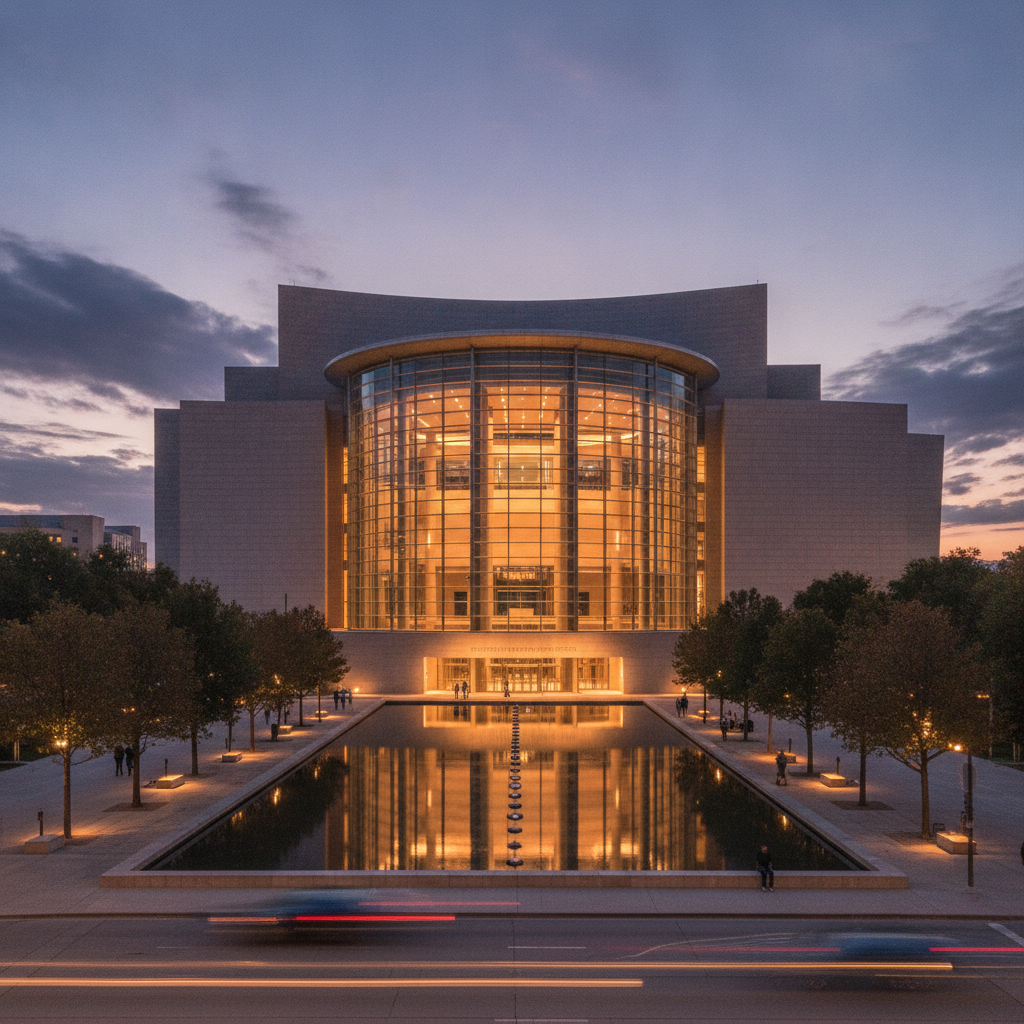
Dallas: White Rock Lake Trails, Spanish Art and a City That Grew Too Fast
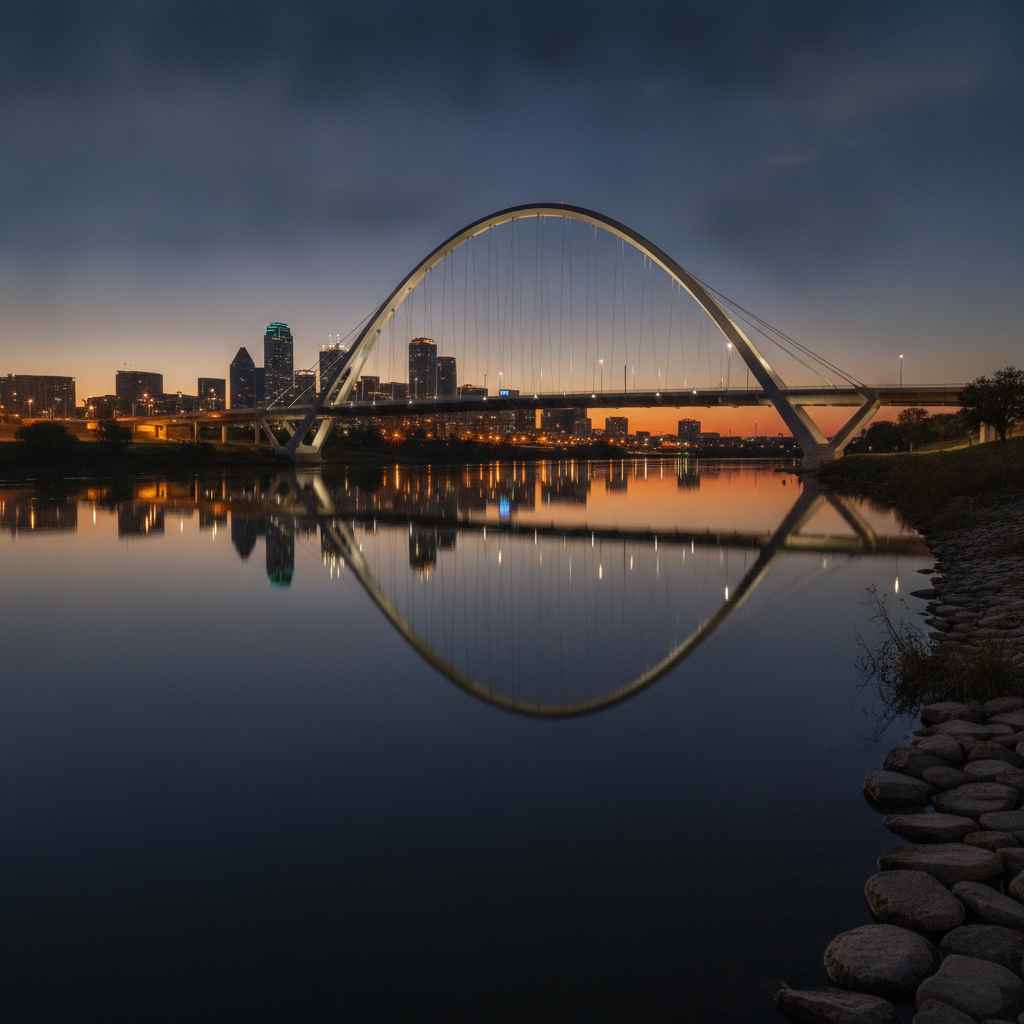
Dallas: Nowitzki Legacy, Asian Art Treasure and Trinity Forest Trails
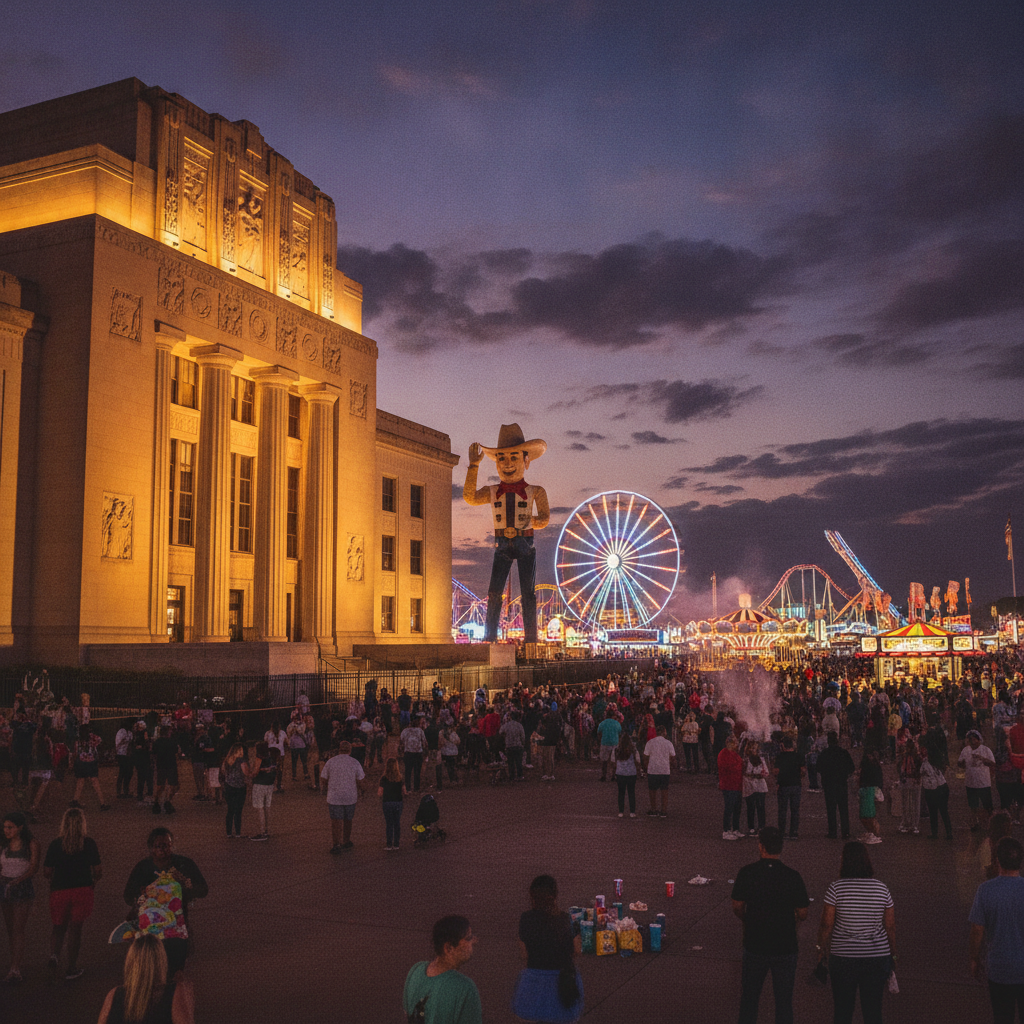
Dallas: Fair Park State Fair of Texas (largest US state fair, 1936 Art Deco Hall of State, Big Tex 15m cowboy, fried food culture), Dallas Mavericks NBA Championships (Dirk Nowitzki greatest European player, 2011 Finals upset Miami Heat, Luka Doncic 2024 title), Dallas Design District Art Galleries (Dallas Contemporary, Rachofsky Collection, Dallas Art Fair), Lake Texoma Striped Bass Fishing (Eisenhower Birthplace Denison), Dallas International Communities (Vietnamese, Korean, Indian, Hispanic Oak Cliff), and Texas Oil Legacy (Spindletop 1901, Highland Park oil wealth, ExxonMobil)