Aramaic Was the Lingua Franca of the Middle East for 1,400 Years from 700 BCE to 700 CE and Three Villages Near Damascus (Malula, Bakh'a, Jubb'adin) Still Speak a Western Aramaic Dialect Today; the Hammam Nur al-Din in Damascus Built in 1172 CE Is One of the Oldest Functioning Public Baths in the World; the Hejaz Railway Reduced the 40-Day Camel Journey from Damascus to Medina to 3 Days Before T.E. Lawrence Destroyed It in 1916-1918
Aramaic as lingua franca for 1,400 years with three villages near Damascus (Malula, Bakh'a, Jubb'adin) still speaking a native Western Aramaic dialect; Hammam Nur al-Din (1172 CE) as one of the oldest functioning public baths in the world; the Hejaz Railway (1900-1908) reducing Damascus to Medina from 40 days by camel to 3 days before T.E. Lawrence destroyed it; the Chapel of Ananias being 7m below current street level as one of the oldest Christian worship spaces in use; the Bosra Roman Theatre entirely enclosed in a 12th-century Arab citadel; and the Damascus 3-day itinerary with Malula and Bosra day trips.
- 1
The Aramaean Language – The Lingua Franca Before Arabic
The Aramaic language (the Semitic language that served as the primary lingua franca of the Middle East from approximately 700 BCE to 700 CE — 1,400 years of dominance): the language history guide. The language (Aramaic (from Aram — the biblical name for Syria) is a Semitic language in the same language family as Hebrew, Arabic, Phoenician, and Akkadian: Aramaic developed a simpler writing system than the cuneiform scripts of Akkadian and Sumerian (which required hundreds of characters): the script had only 22 consonants: the spread (the Neo-Assyrian Empire adopted Eastern Aramaic as an administrative language approximately 750 BCE despite the Assyrians speaking a different Semitic language (Akkadian) because Aramaic was more practical to write and was already widely used in trade: the Persian Empire (the Achaemenid Persian Empire adopted Aramaic as the official administrative language of the empire: the Aramaic of the Achaemenid period (Imperial Aramaic) is used in the Books of Ezra and Daniel in the Hebrew Bible: the language of Jesus (Jesus of Nazareth spoke Galilean Aramaic as his primary language: the phrase Eli, Eli, lama sabachthani (My God, my God, why have you forsaken me) recorded in the Gospels of Matthew and Mark is in Aramaic: the Peshitta (the primary Bible translation used by Eastern Christian churches) is in Syriac — a dialect of Aramaic: the surviving Aramaic (Aramaic is still spoken natively in 2025 by: the Assyrian Christians (Neo-Aramaic dialects): the residents of three villages in the Qalamoun Mountains near Damascus (Malula, Bakh'a, and Jubb'adin — where a Western Aramaic dialect is still spoken natively by approximately 10,000 people): Malula is 56 km north of Damascus and is accessible as a day trip).
- 2
Straight Street Apostle Paul – Christianity's First Persecutor Turned Apostle
The Apostle Paul and Damascus (the Damascus Road conversion of Saul of Tarsus — the most significant religious conversion event in Christian history and the turning point that shaped the global expansion of Christianity): the biblical history guide. The conversion (the Damascus Road conversion (Acts 9:1-19): Saul of Tarsus (later Paul) was a Pharisee from Tarsus (now Turkey) who had participated in the execution of Stephen (the first Christian martyr) and was traveling to Damascus with authorization from the High Priest in Jerusalem to arrest members of The Way (the earliest Jewish-Christian movement) in the Damascus synagogues: according to the Acts of the Apostles Saul was struck by a blinding light on the road to Damascus and heard the voice of Jesus asking why he was persecuting him: Saul was blind for 3 days: he was taken to a house on the Street Called Straight in Damascus: the disciple Ananias of Damascus visited him and restored his sight: Saul was baptized and became the Apostle Paul: the significance (the conversion of Paul transformed Christianity from a Jewish sect in Palestine to a universally accessible religion: Paul's theological innovation — that Gentiles (non-Jews) could become Christians without first converting to Judaism and without circumcision — was the decisive theological decision that allowed Christianity to spread throughout the Roman Empire and beyond: the House of Ananias (the Chapel of Ananias in the Old City of Damascus — a Christian pilgrimage site marking the house of Ananias where Paul recovered his sight: the chapel is in a basement of an early Christian-era building approximately 7m below the current street level — one of the oldest Christian worship spaces still in use in the world: the Bab Sharqi (the Eastern Gate of Damascus — the gate through which Paul was lowered in a basket to escape the city after his conversion aroused suspicion (Acts 9:25, 2 Corinthians 11:32-33)).
- 3
The Hammam – The Ottoman Public Bath and Damascene Social Life
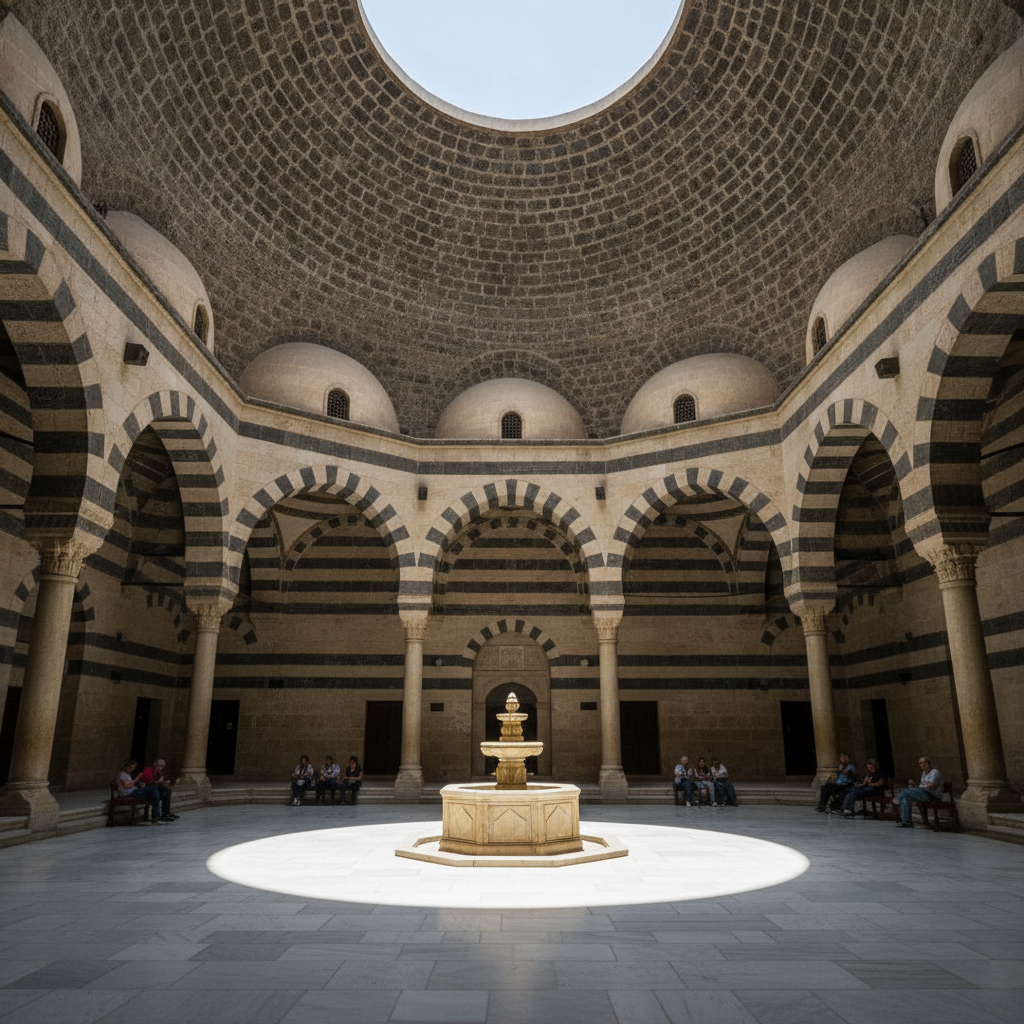
The Damascene hammam tradition (the traditional Islamic public bath — the hammam — and its role as the primary social institution of Ottoman Damascene daily life): the cultural guide. The hammam concept (the hammam (Arabic: حمام — derived from the word for heat or warmth) is the Islamic adaptation of the Roman bath complex: the Islamic hammam serves both hygienic and religious functions (the full ritual ablution (ghusl) required by Islamic law before Friday prayer and after sexual intercourse requires access to running water — the hammam provides this): the sequence (the traditional hammam sequence: the reception hall (bayt al-awwal — the first room — the changing area with benches and private cubicles for clothing): the intermediate room (bayt al-wusta — the tepid room): the hot room (bayt al-harara — the steam room with hot and cold water taps): the massage (the tellak — the masseur — provides a scrubbing with a kese (rough mitt) that removes dead skin followed by a soap massage and rinse): the Damascene hammams (Damascus has a higher density of historic functioning hammams than any other city in the Arab world: the primary historic hammams: Hammam Nur al-Din (built 1172 CE by the Zengid ruler Nur al-Din — one of the oldest functioning hammams in the world): Hammam al-Qishani: Hammam al-Bakri: Hammam al-Jadid: the social function (the hammam was historically the primary location for male and female social gathering outside the home: marriage negotiations, business discussions, political conversations, and social information exchange all happened in the hammam: the women's hammam session (typically Tuesday and Thursday mornings before noon — during this period the hammam is exclusively for women): the hammam in 2025 (the Damascene hammams are among the few living examples of a pre-modern urban social institution still in regular daily use).
- 4
The Damascus Road to Mecca – Hajj Caravans and the Darb al-Hajj
The Darb al-Hajj (Road of the Pilgrimage) — the overland pilgrimage route from Damascus to Mecca and the Ottoman infrastructure that maintained it for 400 years: the historical guide. The hajj obligation (the hajj — the pilgrimage to Mecca — is the fifth pillar of Islam and obligatory for every Muslim who has the physical and financial ability to perform it at least once in their lifetime: for the Muslim populations of Syria, Turkey, Egypt, and the Balkans the overland route to Mecca from Damascus was the primary hajj route from approximately the 7th century to the early 20th century: the route (the Damascus to Mecca route (Darb al-Hajj al-Shami — the Syrian Pilgrim Road): approximately 1,800 km from Damascus to Mecca: the journey took approximately 40 days on camel: the Ottoman investment (the Ottoman Empire invested heavily in the Darb al-Hajj as a demonstration of Islamic legitimacy and imperial prestige: the primary infrastructure: the birke (water reservoirs spaced at regular intervals along the route): the qusur (rest-houses and fortified stations): the Ottoman escorts (a military escort (surre) accompanied each annual hajj caravan from Damascus to Mecca and back: the surre commander was one of the most important officials in the Ottoman Syrian administration: the Hejaz Railway (the Ottoman Sultan Abdulhamid II built the Hejaz Railway (1900-1908) to replace the camel caravan route with a steam railway from Damascus to Medina: the railway was built primarily with funds raised from voluntary contributions of Muslims worldwide (as an Islamic solidarity project): the railway reduced the Damascus to Medina journey from 40 days to 3 days: the destruction (the Hejaz Railway was systematically attacked and destroyed by T.E. Lawrence (Lawrence of Arabia) and Arab Revolt forces in 1916-1918: large sections of the railway are still visible as ruins in the Syrian and Jordanian desert).
- 5
Paul's House on Straight Street – A Walk Through Christian Damascus
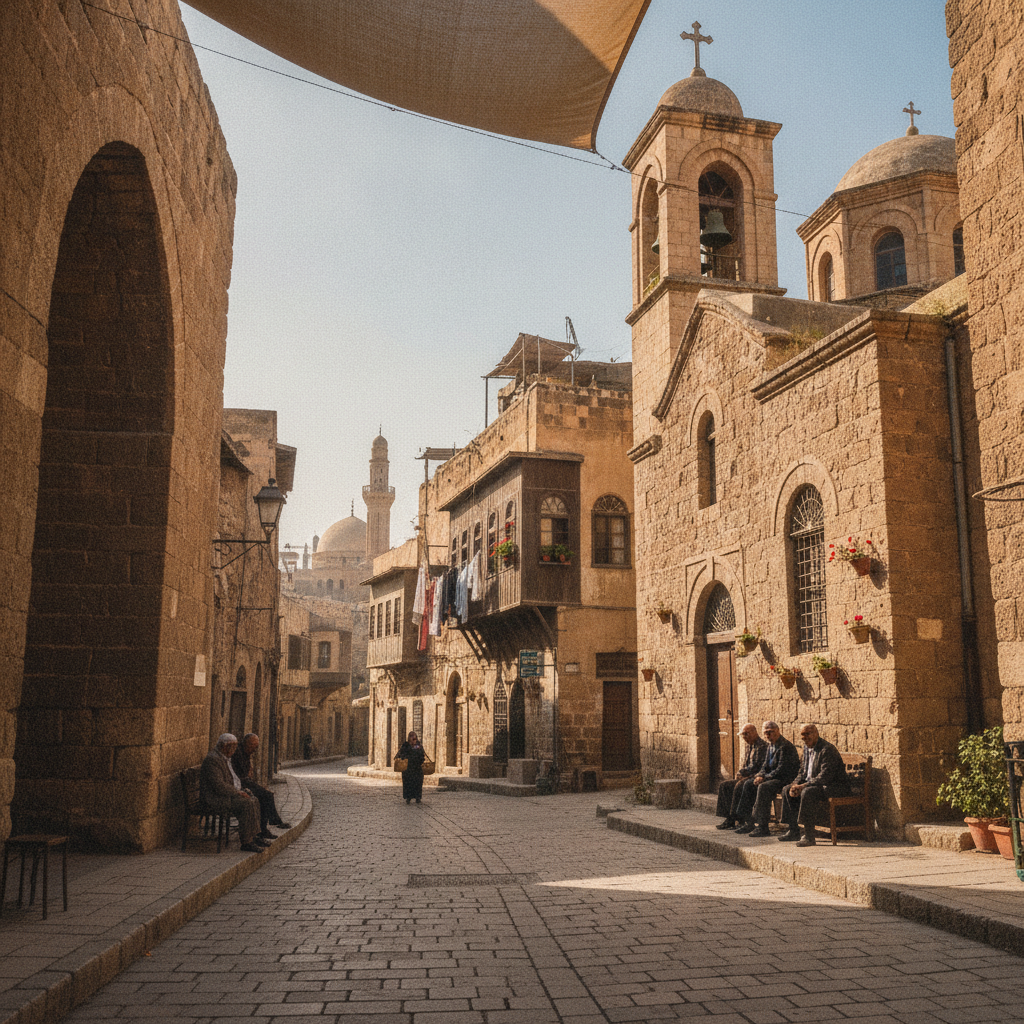
Christian Damascus (the Christian communities of Damascus and the major Christian heritage sites in the Old City): the heritage guide. The early Christian community (Damascus had one of the earliest Christian communities outside Palestine: the Damascus synagogues where Paul planned to arrest Christians (Acts 9) confirm a significant Jewish and Christian-Jewish community in Damascus in the 30s CE: the primary Christian heritage sites: the House of Ananias (the Chapel of Ananias in the Christian Quarter of the Old City — the house where Ananias restored Paul's sight: the chapel dates to at least the Byzantine period: the current structure is a small underground chapel approximately 7m below street level: the Greek Orthodox Cathedral of the Dormition (Mariamiyyeh Cathedral) — the primary Greek Orthodox cathedral of Damascus: the building dates to the Byzantine period with significant Ottoman and modern modifications: the Mariamiyyeh houses the most significant icon collection in Damascus: the Virgin icon (the Cathedral contains an icon of the Virgin Mary said to be one of the oldest in the world: the Syriac Catholic Patriarchate (Damascus is the seat of the Syriac Catholic Patriarchate — one of the Eastern Catholic churches in communion with Rome but using the Syriac Antiochene liturgical rite): the Christian Quarter (the Christian Quarter of the Old City — the Qassaa district — contains a dense concentration of churches, convents, and Christian institutional buildings): the population (the Christian population of Damascus: approximately 15-20% of the pre-war population of Damascus was Christian: the Civil War caused significant Christian emigration: an estimated 40% of Syria's pre-war Christian population of 1.5 million has emigrated since 2011: the new Syrian government has committed to protecting Christian minority rights).
- 6
Damascus 3-Day Itinerary – Old City, Day Trips, and the Road to Beirut
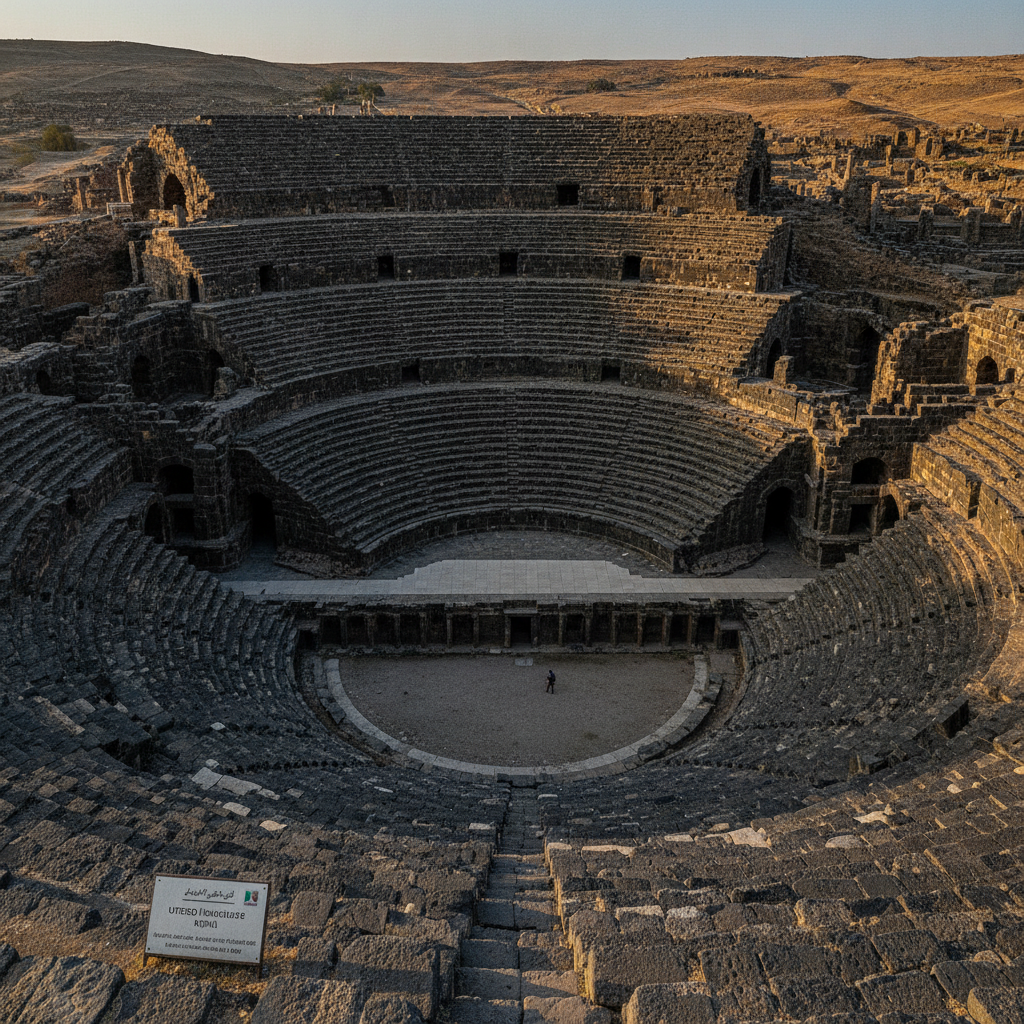
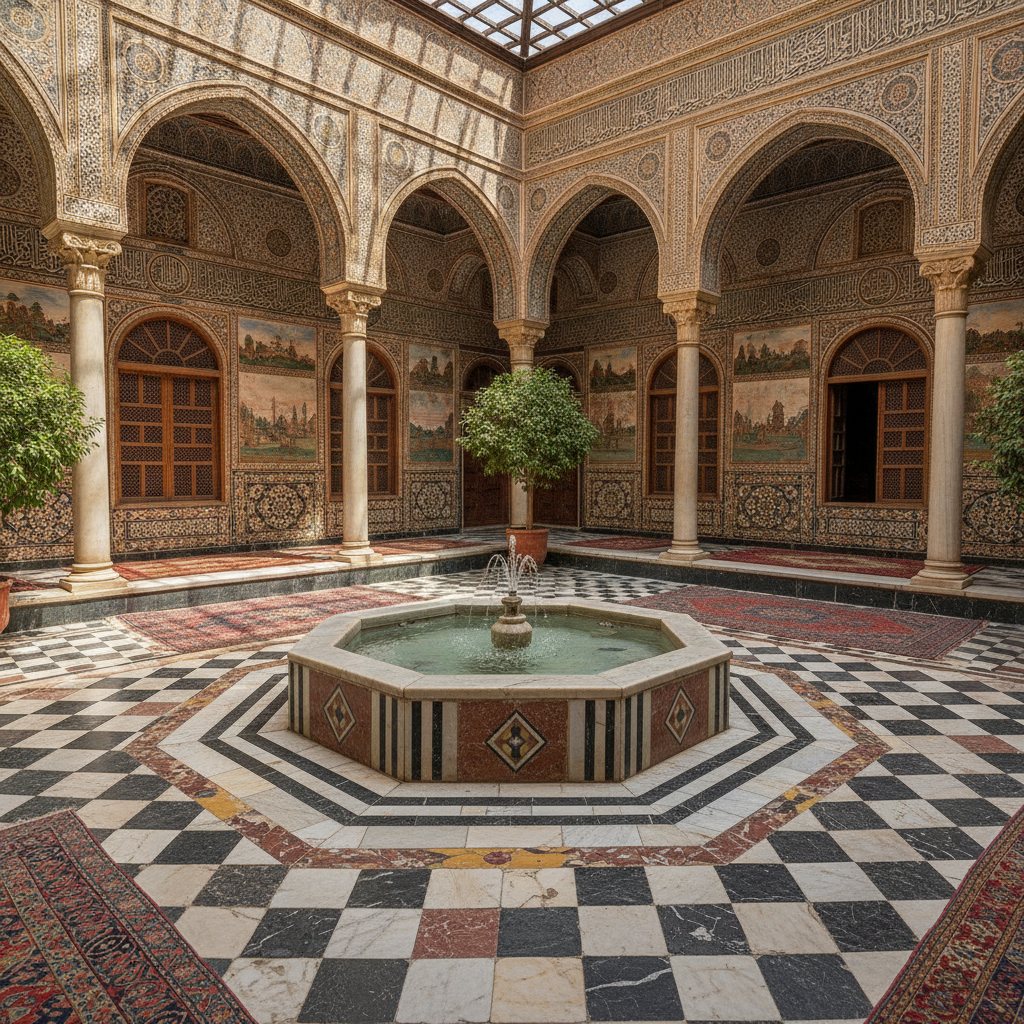
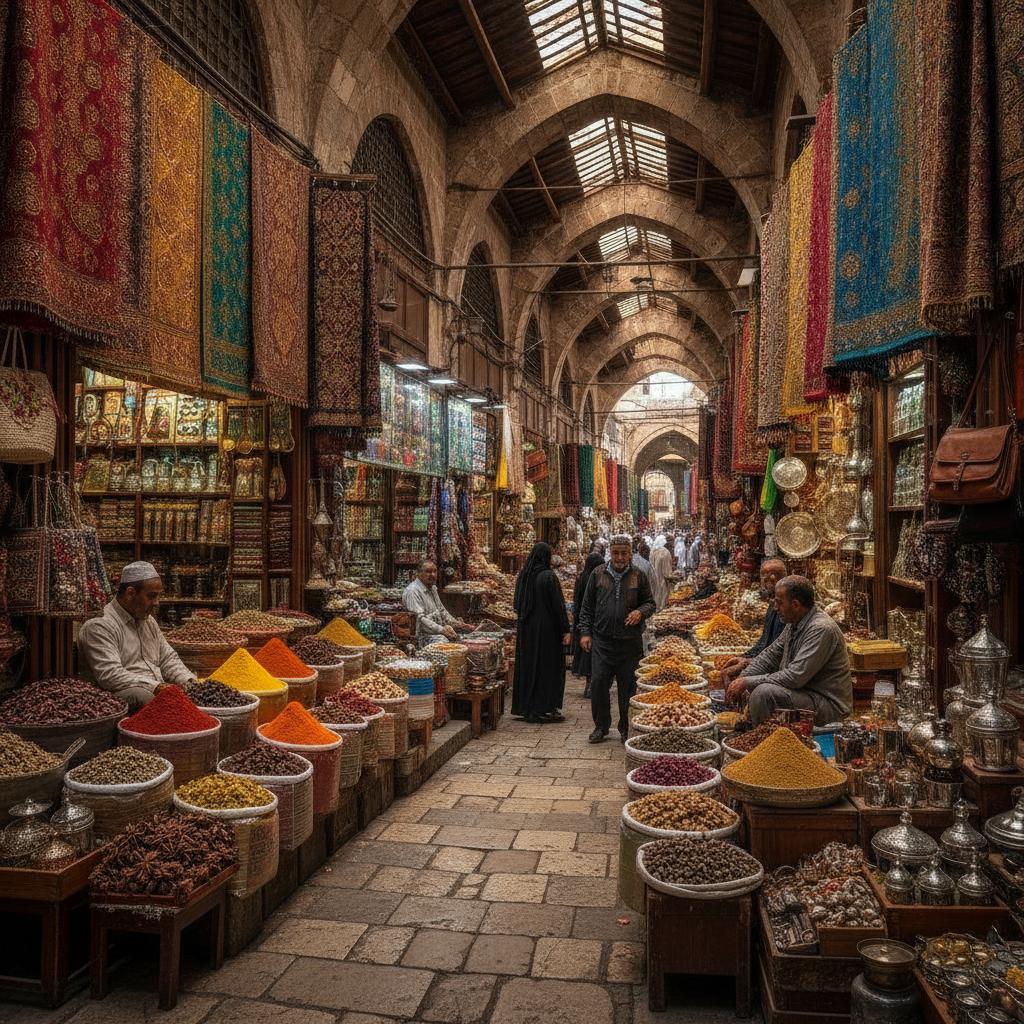
The Damascus 3-day itinerary (the optimal program for first-time visitors to Damascus in 2025 combining the Old City monuments with day trips to Malula and the Darb al-Hajj sites): the itinerary guide. Day 1 (Damascus Old City): morning: the Umayyad Mosque (8:30-11:00 — non-Muslim visitors welcome except during prayer times: the mosaic interior of the prayer hall: the Dome of the Eagle: the Shrine of John the Baptist: the Shrine of Hussein): the Souk al-Hamidiyye (11:00-13:00 — the covered market through to the Roman propylaea gate: the Azm Palace (14:00-16:00): the National Museum of Damascus (16:30-18:00 — the reconstructed Dura-Europos synagogue interior (3rd century CE — the most complete ancient synagogue ever found) is the primary exhibit: afternoon: the Street Called Straight circuit (18:00-20:00 — the House of Ananias: the Roman column sections: Bab Sharqi (the Eastern Gate): the Khan Asad Pasha: Day 2 (Malula day trip): the village of Malula (56 km north of Damascus in the Qalamoun Mountains — 1.5 hours by private taxi): the Monastery of St. Sergius and Bacchus (Deir Mar Sarkis — one of the oldest continuously operating Christian monasteries in the world, founded approximately 4th century CE): the Mar Takla Monastery: the Aramaic speakers (the village still has native speakers of Western Aramaic — request a brief demonstration of the language from local guides): Day 3 (Bosra day trip): Bosra (140 km south of Damascus): the Bosra Roman Theatre (2nd century CE — the best preserved Roman theatre in the world with 15,000-seat capacity entirely enclosed in a 12th century Arab citadel built around it): the Bosra Old City (UNESCO 1980): the logistics (Damascus to Beirut: 105 km via the main highway: approximately 2 hours by shared taxi (serveece) from the Pullman station in Damascus: the border crossing at Masnaa is the primary crossing point).
Walk this route with audio
Stories play automatically as you reach each stop — no tapping needed.