Dar es Salaam Extended: Rufiji Delta, Tanzania Economy, Harbor Life, Education Legacy, WWI Campaign, and Complete Reference
Dar es Salaam in full depth: the Rufiji River delta and southern Tanzania wilderness; the Tanzania economy from sisal to gold and gas; the harbor and Zanzibar ferry experience; Nyerere education revolution and the Swahili literacy miracle; von Lettow-Vorbeck and the undefeated WWI campaign; and the complete Dar es Salaam reference.
- 1
The Rufiji River Delta - Southern Tanzania Wilderness
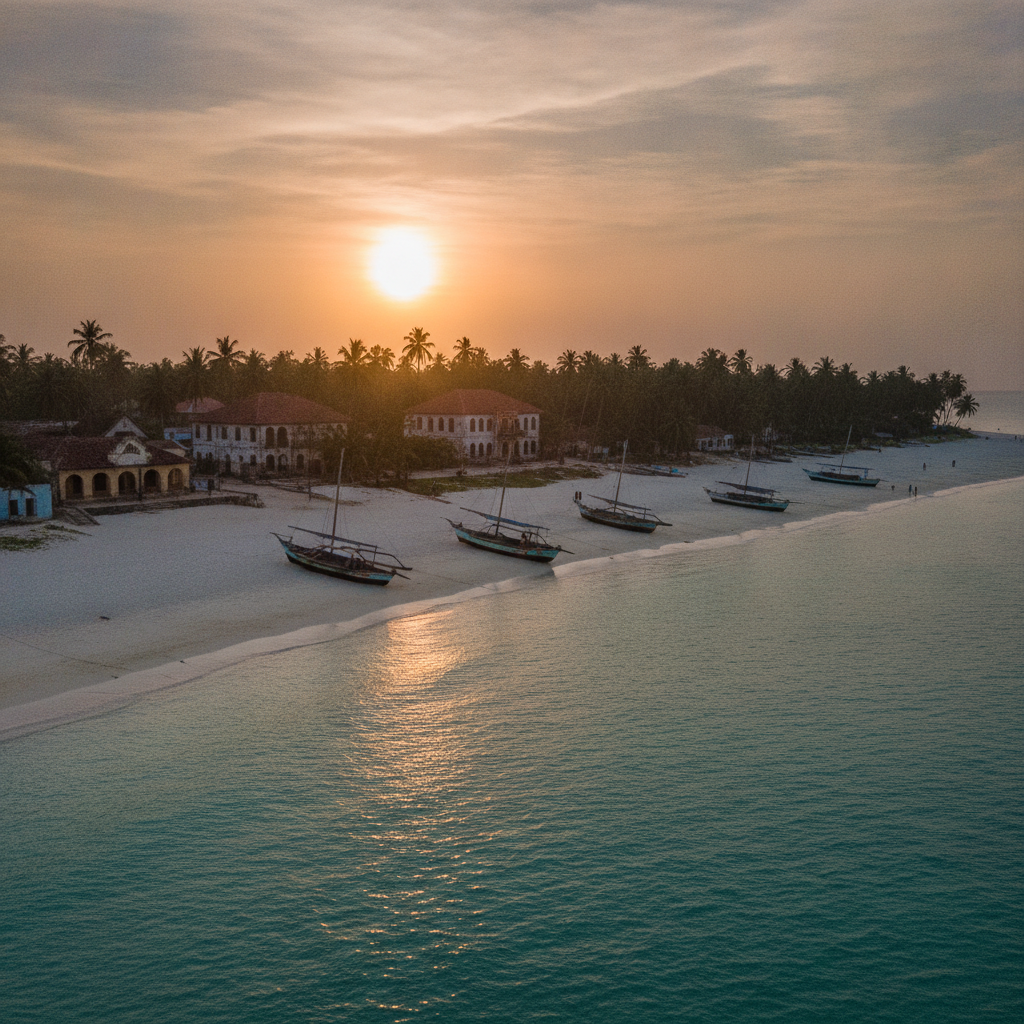
The Rufiji River delta: the largest river delta in East Africa and one of the most ecologically rich and least-visited natural areas of the Indian Ocean coast. The river (the Rufiji River: the largest river in Tanzania: originates in the highlands of central Tanzania and flows approximately 600 km to the Indian Ocean south of Dar es Salaam: the catchment area (approximately 177,420 square km: the Rufiji catchment drains approximately 20% of Tanzania total land area): the delta (the Rufiji River delta: area approximately 1,800 square km: the largest river delta on the East African coast: the delta is a complex of braided river channels, mangrove forests, and flood plains: the mangrove forest of the Rufiji delta (the largest continuous mangrove forest in East Africa (approximately 53,000 hectares): the Rufiji mangroves are critically important for fish nursery habitat (the mangrove root systems provide spawning and juvenile habitat for a large proportion of the Indian Ocean coastal fish species): the mangrove carbon sequestration (the Rufiji delta mangroves are one of the most important carbon sinks in East Africa: the mangrove forest locks significant carbon in both the above-ground biomass and in the anaerobic mangrove sediments)). The Selous connection (the Rufiji River flows through the Nyerere National Park (formerly Selous Game Reserve) before reaching the delta: the Rufiji River is the ecological backbone of the Nyerere National Park: the river supports the largest hippo population in Tanzania and extensive crocodile populations: the river-based safaris (the boat safaris on the Rufiji River in the Nyerere National Park are one of the most distinctive safari experiences in Tanzania (the combination of boat safari and game drive in a landscape without other tourists)). The delta communities (the fishing communities of the Rufiji delta: the primary livelihood is small-scale fishing (the Rufiji delta is one of the most productive fishing areas in Tanzania): the dugout canoe (the primary transport and fishing vessel of the delta communities): the mangrove pole trade (the Rufiji mangrove poles (boriti) were traditionally cut and traded throughout the Indian Ocean as a building material for the coral-rag houses of the Swahili coast and Arabia)).
- 2
Tanzania Economy - From Sisal and Cashews to Gold and Tourism
The Tanzania economy: from the colonial sisal and cashew nut agricultural exports to the post-liberalization growth driven by gold mining, natural gas, and tourism. The colonial economy (the German and British colonial economies of Tanganyika were built on agricultural exports: sisal (Agave sisalana: the agave fiber plant cultivated in the Tanga and Kilosa regions of Tanganyika: sisal fiber was used for rope, string, and matting: Tanganyika was the world largest sisal producer for several decades in the early 20th century: the sisal industry was organized on a plantation basis with both European-owned plantations and large-scale production): cashew nuts (the coastal regions of southern Tanzania (Mtwara, Lindi, and Ruvuma): the cashew nut (Anacardium occidentale: the tropical nut native to northeastern Brazil brought to East Africa by the Portuguese): Tanzania was the world largest cashew producer until the 1970s (the nationalization of the cashew processing industry under Ujamaa and the subsequent mismanagement caused a catastrophic collapse in production in the 1970s-1980s)). The post-liberalization economy (the economic liberalization from 1985 onward under President Ali Hassan Mwinyi: the structural adjustment programs: the privatization of state enterprises: the opening to foreign investment: the growth (Tanzania GDP growth has averaged approximately 6-7% per year since 2000: one of the faster-growing economies in sub-Saharan Africa)). The gold sector (gold mining (Tanzania is the fourth largest gold producer in Africa: the primary mining areas: the Lake Victoria goldfields (the Geita Gold Mine: one of the largest gold mines in Africa: operated by AngloGold Ashanti: the Bulyanhulu and North Mara mines (also major gold mines in the Lake Victoria basin)): the Tanzanian government gold sector disputes (President Magufuli (2015-2021) had significant disputes with the international mining companies over royalties and taxes)). The natural gas (the offshore natural gas discoveries (2010-2014) off the southern Tanzania coast (the Lindi and Mtwara regions): among the largest natural gas finds in sub-Saharan Africa (estimated reserves of approximately 47-57 trillion cubic feet): the Tanzania LNG (liquefied natural gas) project has been in planning but not yet implemented (as of 2024) due to financing and commercial challenges).
- 3
Zanzibar Ferry and the Dar es Salaam Bay Experience
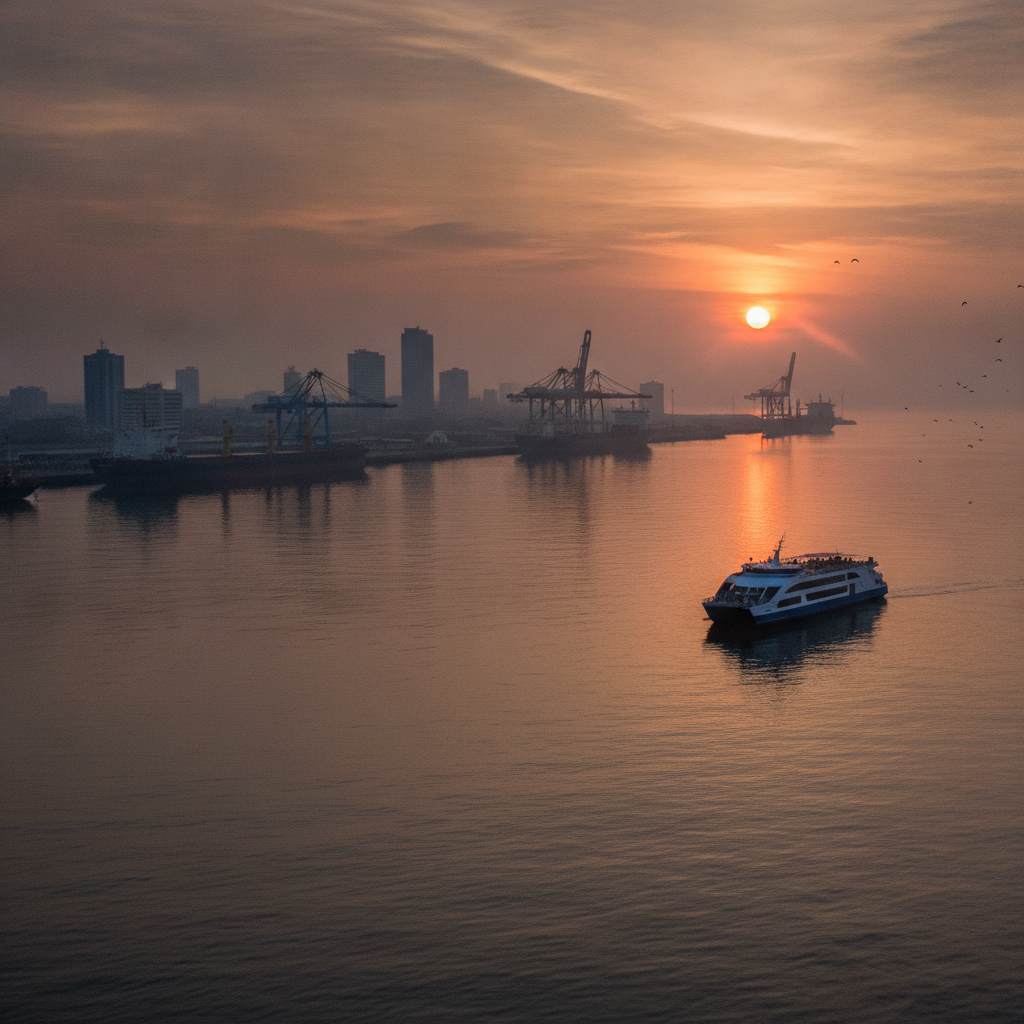
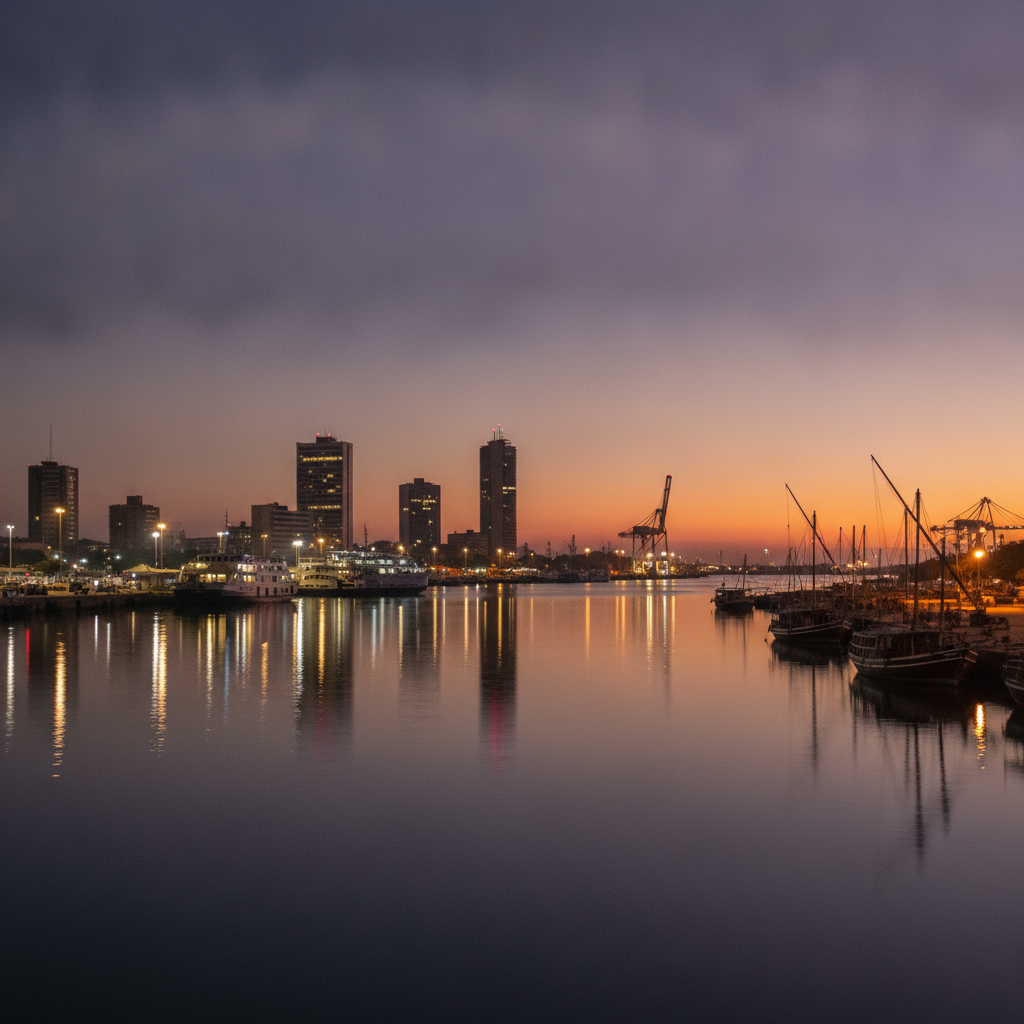
The Dar es Salaam bay and harbor experience: the Zanzibar ferry crossing, the harbor tours, the fish market, and the waterfront life that makes the sea central to the Dar es Salaam identity. The harbor (the Dar es Salaam harbor: the natural deep-water harbor that was the reason for the founding of the city: the harbor is formed by a wide bay (Dar es Salaam Bay) protected by the Kunduchi and Msasani peninsulas to the north: the harbor depth allows the berthing of large ocean-going vessels (container ships, tankers, bulk carriers): the ferry terminal (the Kivukoni Ferry Terminal: the primary departure point for the Zanzibar ferry services): the fish market (the Kivukoni Fish Market: the primary wholesale fish market of Dar es Salaam (the best time is 6-8am when the fishing boats return and unload): the fish varieties (the Indian Ocean coastal fish (kingfish (Scomberomorus commerson), tuna (various species), red snapper, grouper, barracuda, octopus, squid, prawns, and during season the pelagic species (yellowfin tuna, sailfish, marlin))). The ferry experience (the Dar es Salaam to Zanzibar ferry: the most popular route: the high-speed catamaran crossing: the journey across the Indian Ocean: the approach to Stone Town from the sea (the stone and plaster buildings of Stone Town seen from the water: the Old Fort tower and the House of Wonders visible from the harbor: one of the finest approaches to any city in East Africa): the slower overnight ferry (the MV Kilimanjaro and similar vessels: the overnight slow ferry that carries both passengers and cargo: takes approximately 7-8 hours: the cheapest option for traveling to Zanzibar: popular with Tanzanian traders and budget travelers)). The harbor tours (the Dar es Salaam harbor boat tours: the 2-hour sunset harbor tour by boat: the view of the city from the water: the dhow harbor (the smaller dhow harbor adjacent to the main ferry terminal where traditional wooden sailing dhows are berthed): the Bongoyo Island day trip (the ferry from the Slipway in Msasani to Bongoyo Island: a small island in Dar es Salaam Bay with a good beach and basic facilities: the closest beach island to the city center: popular with Dar es Salaam residents for weekend beach day trips)).
- 4
The Tanzanian Education Legacy - How Nyerere Built a Literate Nation
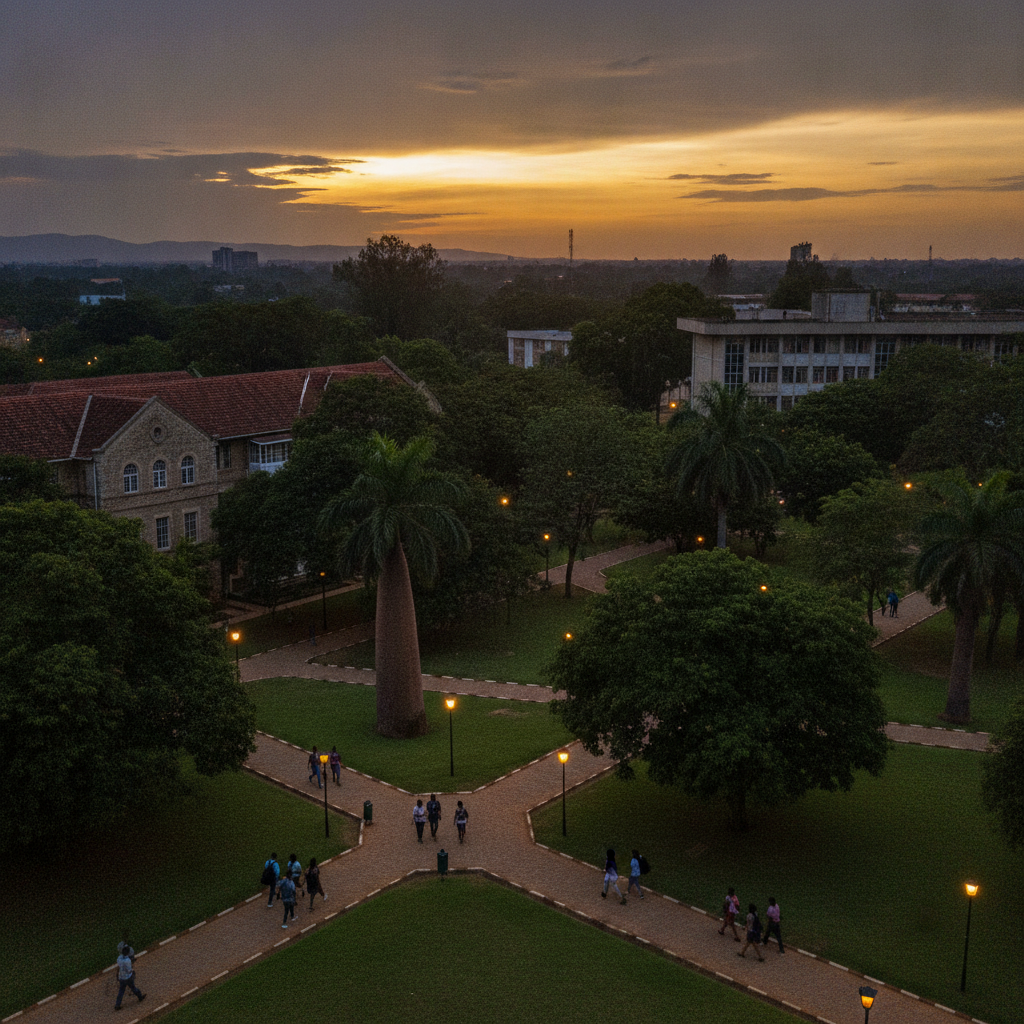
The Tanzania education legacy: how Julius Nyerere built one of the most literate nations in sub-Saharan Africa starting from a near-zero baseline, the role of Swahili in creating national unity, and the contemporary education challenges. The baseline (Tanzania at independence (1961): the education baseline (the British colonial administration had invested minimally in African education: at independence Tanganyika had approximately 85% adult illiteracy: fewer than 120 university graduates: the University of Dar es Salaam (founded 1961 as the University College, Dar es Salaam: a constituent college of the University of London in the independence period: became the independent University of Dar es Salaam in 1970)). The Nyerere education revolution (the education campaigns under Nyerere: the ujamaa villages (the villages became the primary vehicle for adult literacy education): the Swahili decision (Nyerere made Swahili the medium of instruction for all primary education: one of the most consequential education policy decisions in Africa (the decision to use an African language rather than English for primary education was unusual in post-colonial Africa where most countries retained the colonial language as the medium of instruction): the results (Tanzania adult literacy rate rose from approximately 15% at independence to over 85% by the mid-1980s: one of the most dramatic literacy improvements in post-colonial African history): the quality issue (the expansion of quantity (access to education) came at a cost to quality: Tanzania primary education in the 1970s and 1980s was criticized for poor quality despite high enrollment rates)). The contemporary challenges (Tanzania education today (the primary and secondary education system remains Swahili-medium (an advantage for communication but a disadvantage for access to the global English-language economy): the transition to English medium at secondary and university level creates a significant disadvantage for students who received all their primary education in Swahili): the university system (the University of Dar es Salaam: the primary research university of Tanzania: the University of Dar es Salaam Institute of Kiswahili Research: the primary academic institution for Swahili language scholarship)). The Swahili academy (the Institute of Kiswahili Research at the University of Dar es Salaam: the primary institution for standardizing and developing the Swahili language: the publication of the Standard Swahili Dictionary (BAKITA)).
- 5
Paul von Lettow-Vorbeck - The Undefeated General and the East Africa Campaign
Paul von Lettow-Vorbeck (1870-1964) and the East Africa Campaign (1914-1918): the most remarkable military campaign of the First World War, in which a German commander with approximately 14,000 troops (of whom only 3,000 were German) tied down a British Empire force that eventually numbered approximately 300,000 men across four years, never surrendering and never being defeated in the field. The man (Paul Emil von Lettow-Vorbeck: born March 20, 1870 in Saarlouis, Prussia: a professional Prussian military officer: he had served in the colonial campaigns in China (Boxer Rebellion 1900-1901) and in German Southwest Africa (the Herero and Nama Genocide 1904-1907: Lettow-Vorbeck participated in the brutal suppression of the Herero and Nama uprisings in which approximately 80,000 Herero and 10,000 Nama people were killed or died in concentration camps: one of the first genocides of the 20th century): appointed commander of German East Africa forces in January 1914). The campaign (Lettow-Vorbeck recognized immediately that he could not defend German East Africa against the British Empire: his strategy was to tie down the maximum number of British Empire troops to prevent them from being used on the European Western Front: he fought a continuous guerrilla campaign retreating through Tanganyika, Portuguese Mozambique, and Northern Rhodesia (present-day Zambia): his force (the German Schutztruppe): the African soldiers (the Askari (the German-trained African soldiers of the Schutztruppe): Lettow-Vorbeck treated his Askari with respect and loyalty that was unusual in the colonial military context: the Askari remained loyal to Lettow-Vorbeck throughout the 4-year campaign): the scale of the British response (approximately 300,000 British Empire troops from Britain, India, South Africa, the East African carrier corps (the approximately 1 million African porters who carried supplies for the British forces through the East African bush: the carrier corps suffered approximately 100,000 deaths from disease and exhaustion))). The surrender (Lettow-Vorbeck received news of the November 1918 Armistice only on November 25, 1918 (14 days after the war ended in Europe): he surrendered at Abercorn in Northern Rhodesia with approximately 1,300 troops (155 Germans and 1,168 Askari) still in the field: the only German commander in WWI to surrender undefeated).
- 6
Dar es Salaam Complete Six-Route Reference
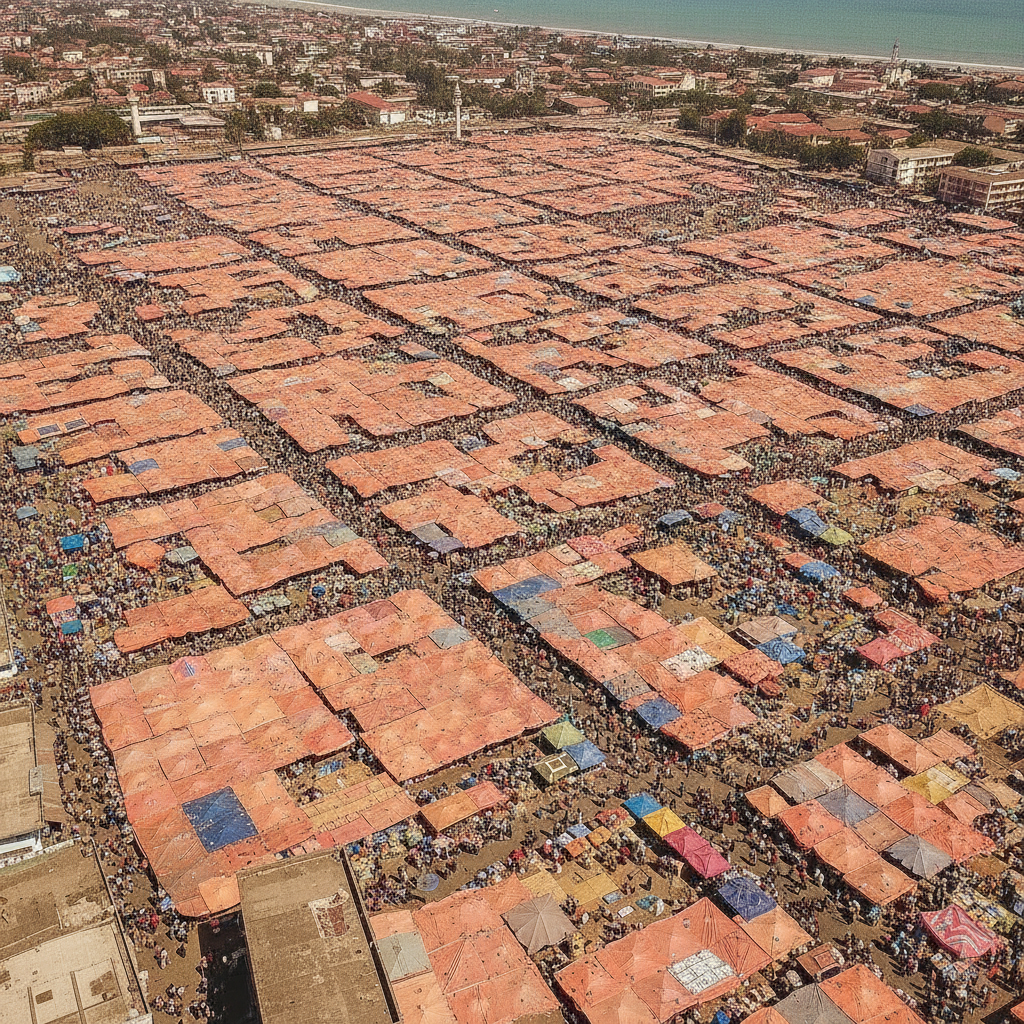
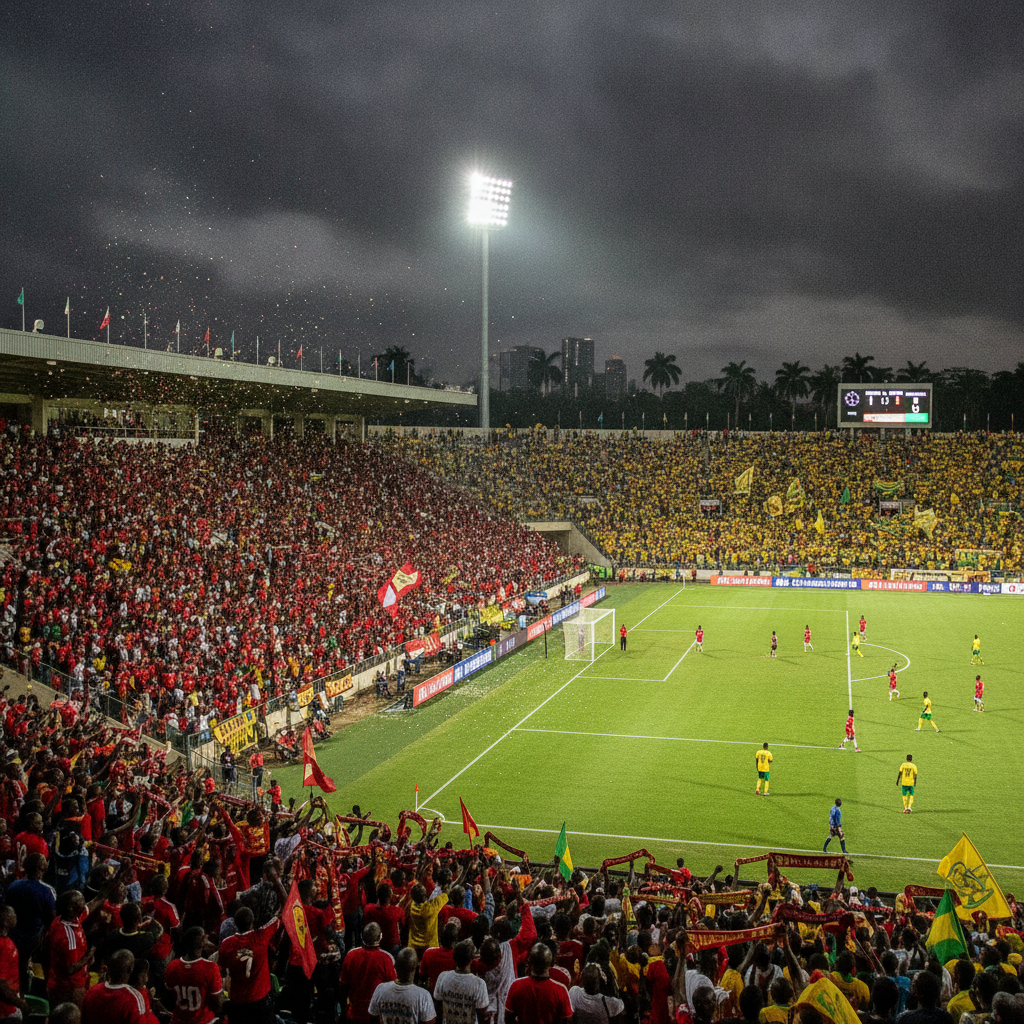
Dar es Salaam complete reference: connecting all threads from the colonial history and the independence legacy to the street food culture, the music scene, and the practical transit hub function, into a comprehensive picture of East Africa largest city and its role in the Tanzania and East Africa story. The city in context (Dar es Salaam is misunderstood by most visitors who pass through it on the way to Zanzibar: the city is not picturesque (no dramatic natural setting, no historic monuments to rival Stone Town or Bagamoyo): but Dar es Salaam is the engine of the Tanzania economy and the center of Tanzanian popular culture: the Bongo Flava music that is heard throughout East Africa comes from Dar: the chips mayai and the mishkaki of the street corners: the Simba-Yanga football derby that divides the city: the vast Kariakoo market where the goods of East Africa change hands: the harbor where the Zanzibar ferry loads and the container ships from China arrive). The transit itinerary (the optimal transit through Dar es Salaam: 1-2 nights: Day 1 afternoon and evening: the National Museum (human origins from Olduvai): walk the Kivukoni waterfront: fish market at sunset: Sea Cliff area dinner: Day 2 morning: Kariakoo market (the authentic Dar experience): midday ferry to Zanzibar (the 2-hour crossing): the Zanzibar ferry arrives in time for sunset at Stone Town). The legacy (what Dar es Salaam represents in the African urban story: a city that grew from a small dhow harbor in 1862 to a metropolis of 7-8 million in 160 years: built successively by Omani Arabs, German colonists, British administrators, and Tanzanian citizens: today one of the fastest-growing cities in the world: the growing pains (traffic, infrastructure, inequality, urban poverty in the informal settlements) are the growing pains of a continent urbanizing faster than any time in human history: Dar es Salaam is not the most beautiful city in East Africa but it is the most real).
Walk this route with audio
Stories play automatically as you reach each stop — no tapping needed.
More in dar-es-salaam
Dar es Salaam Complete: German East Africa, Street Food, Bagamoyo, Mafia Island, Makonde Art, and Full Reference
Bongo Flava, Simba vs Yanga, and the Soul of Dar es Salaam
Dar es Salaam Complete: ANC Exile Capital, Airport Hub, Arts Scene, Urban Growth, Nightlife, and Six-Route Summary
Dar es Salaam: House of Peace, Human Origins, Coco Beach, Nyerere, and the East Africa Gateway