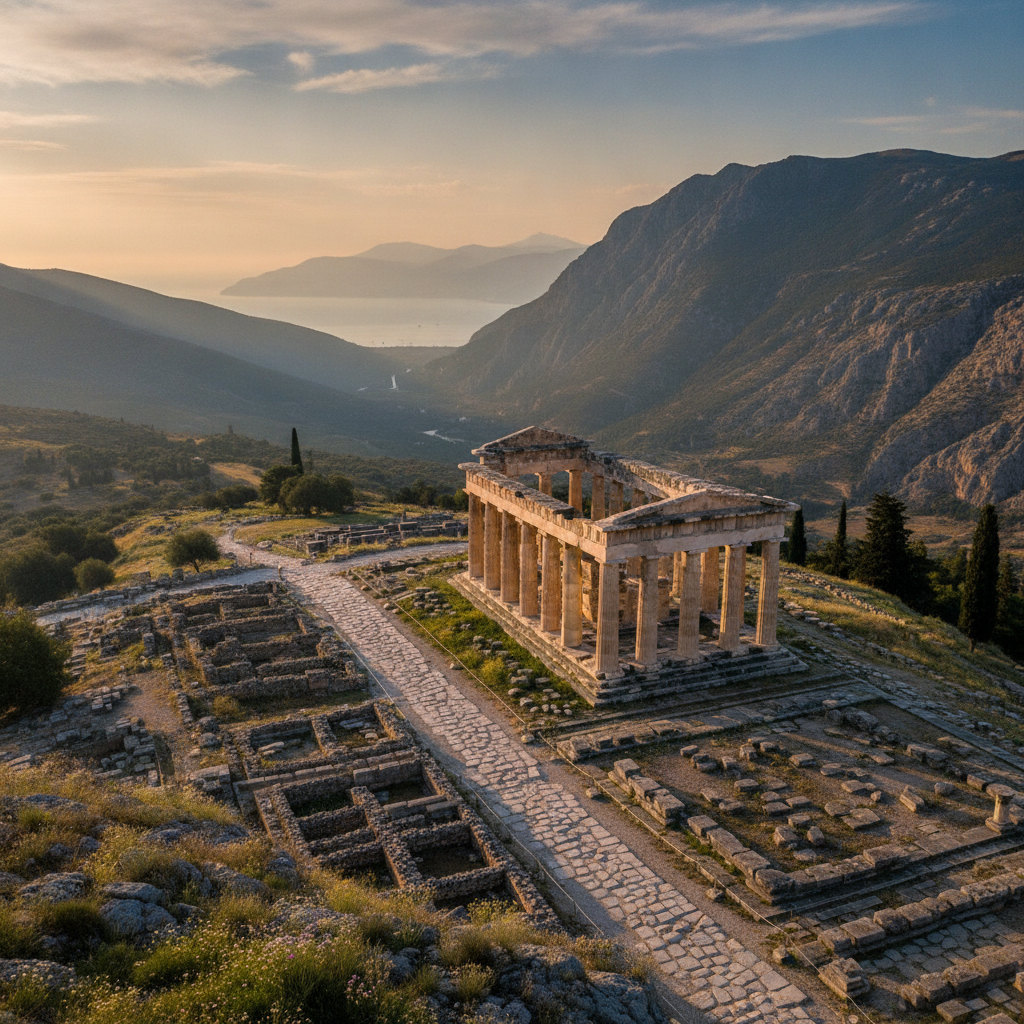
Delphi and Boeotia: Thebes Sacred Band, Chaeronea Battle Field, Orchomenos Mycenaean Treasury, Philip of Macedon Amphictyony Control, Epaminondas Theban Hegemony, and the Central Greece Historical Circuit
The Delphi and Boeotia historical circuit covers the Thebes Sacred Band and the Battle of Leuctra, the Chaeronea battlefield where Philip of Macedon ended Greek independence, the Orchomenos Mycenaean Treasury of Minyas, the Amphictyonic League control of Delphi that Philip exploited, the Epaminondas Theban hegemony, and the central Greece historical landscape.
- 1
The Sacred Band of Thebes: Elite Military Unit
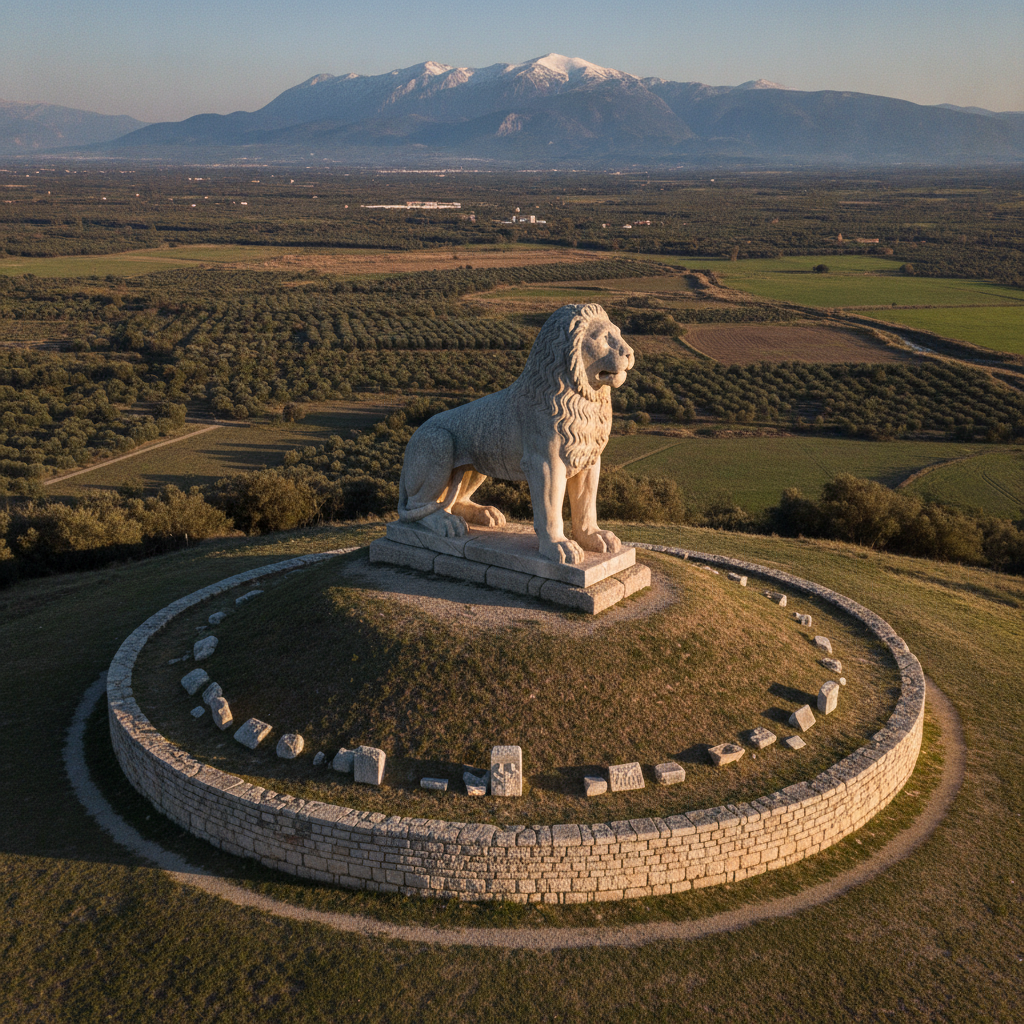
The Sacred Band of Thebes, the elite military unit of 300 paired warriors created by the Theban general Gorgidas in 379 BC and trained by Epaminondas into the most effective infantry force in the classical Greek world, is commemorated at Chaeronea by the Lion monument over the mass grave where the Sacred Band died to the last man in the decisive battle of 338 BC. The Sacred Band was undefeated from its formation to its destruction at Chaeronea, a 41-year record that no other Greek military unit matched.
- 2
Chaeronea Battlefield: The End of Greek Freedom
The Battle of Chaeronea in 338 BC, where the combined army of Athens and Thebes was decisively defeated by Philip II of Macedon and the young Alexander commanding the cavalry, ended the era of the independent Greek city-state and brought the entire mainland Greek world under Macedonian hegemony. The Chaeronea archaeological museum and the Lion of Chaeronea monument over the Sacred Band grave are 15 kilometers from Delphi and provide the most historically significant single battlefield site in the central Greek landscape.
- 3
Orchomenos: The Mycenaean Treasury of Minyas
Orchomenos, the Boeotian city 40 kilometers from Delphi, contains the Treasury of Minyas - the most important Mycenaean tholos tomb in mainland Greece after the Treasury of Atreus at Mycenae - with the carved ceiling of the side chamber representing the most elaborate interior decoration in Mycenaean architecture. The Orchomenos excavation by Schliemann, which followed his Mycenae and Tiryns work, revealed the Mycenaean city that the Iliad identifies as the most wealthy city in Boeotia.
- 4
Philip and the Amphictyony: The Delphi Power Play
Philip II of Macedon exploited the Third Sacred War of 356 to 346 BC, in which the Phocian seizure of the Delphi sanctuary financed a mercenary army that destabilized central Greece, to intervene as the champion of Apollo and the Amphictyonic League and gain Macedonian membership in the league that controlled the Delphi sanctuary. The Macedonian membership in the Amphictyony, achieved through the military solution that Philip provided to the Sacred War, was the political legitimization that transformed Macedonia from a peripheral kingdom into the recognized leader of the Greek world.
- 5
Epaminondas: The Theban Hegemony 371-362 BC
Epaminondas of Thebes, the general who defeated Sparta at the Battle of Leuctra in 371 BC using the oblique formation with the reinforced left wing that broke the Spartan phalanx invincibility, created the 9-year Theban hegemony that ended Spartan dominance in the Peloponnese, liberated the Messenian helots who had been enslaved by Sparta for 300 years, and established the Arcadian League as the counterweight to Spartan power. The Epaminondas military innovations directly influenced the tactics that Philip of Macedon and Alexander used to conquer the world.
- 6
Delphi Regional Circuit: Three Days in Central Greece
The central Greece circuit from Delphi, covering the Hosios Loukas Byzantine monastery, the Chaeronea battlefield, the Orchomenos Treasury, the Arachova mountain village, the Itea and Galaxidi Gulf coast towns, and the return to Athens via the Corinth canal, constitutes the most historically layered 3-day circuit available in the Greek mainland and the most complete introduction to the central Greek landscape that the visitor who has covered the Peloponnese and the Attica circuits seeks as the natural extension of the standard Greek travel route.
Walk this route with audio
Stories play automatically as you reach each stop — no tapping needed.
More in Delphi
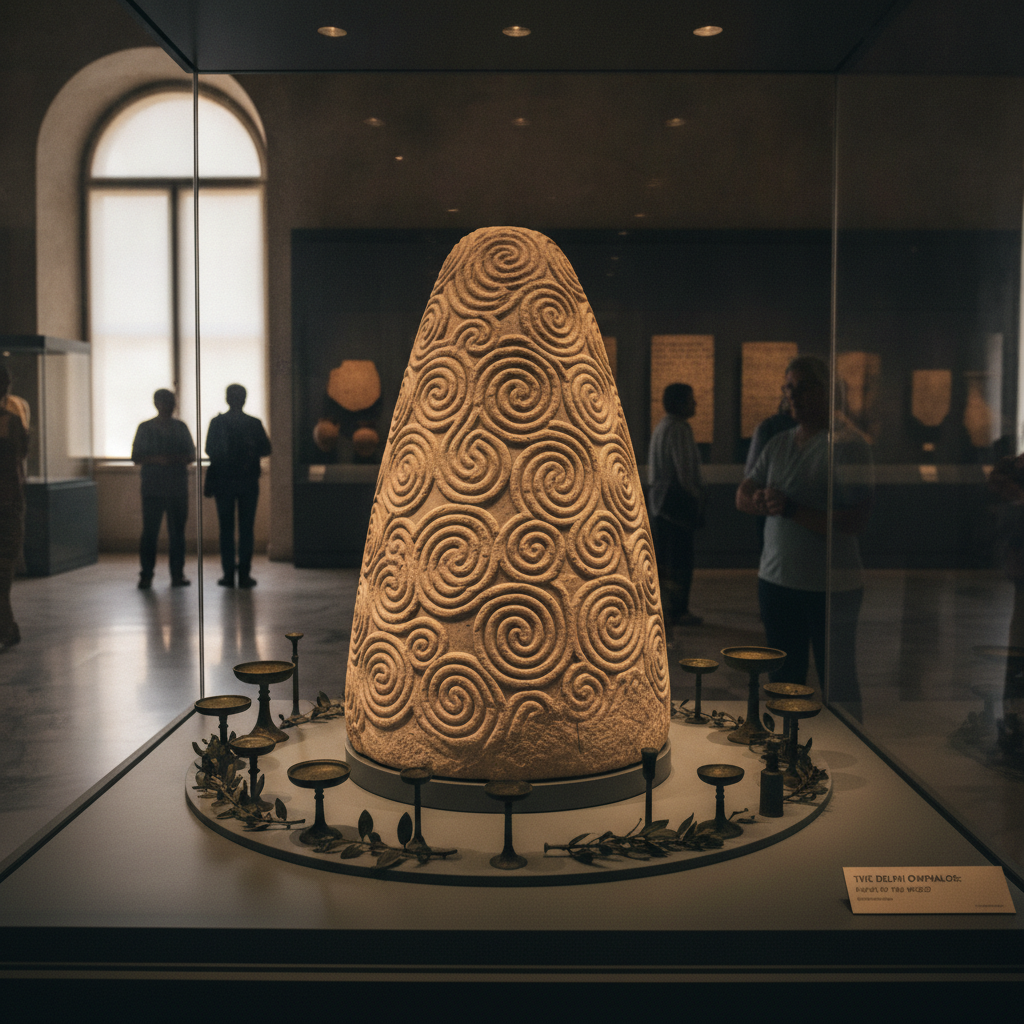
Delphi Oracle History: The Pythia Famous Pronouncements, Croesus and Persia Warnings, Socrates Wisest of Men, Alexander the Invincible, Roman Period Looting, and Theodosius Closure in 390 AD
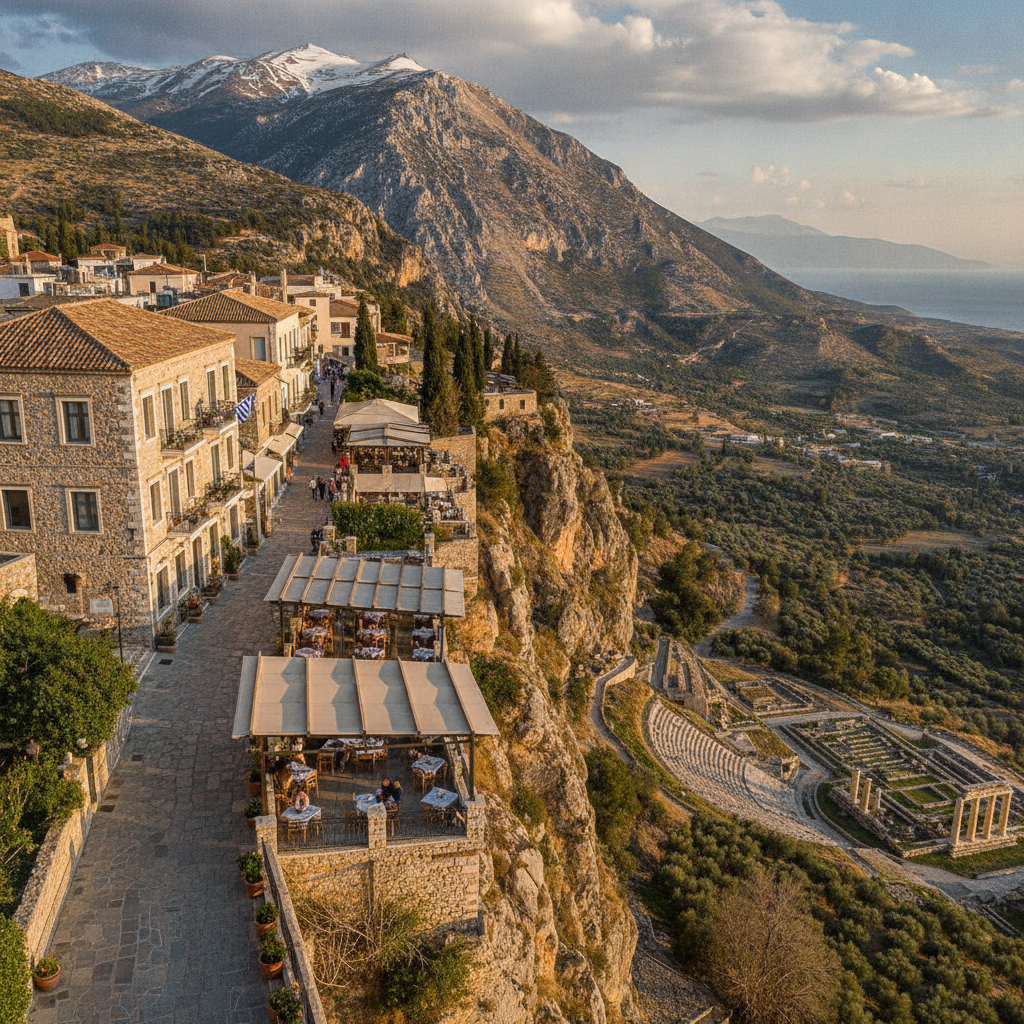
Delphi Modern History: The French School Excavation, Removal of the Kastri Village in 1890s, World Heritage Tourism Impact, Delphi Museum Expansion, and the Modern Village Above the Ancient Ruins
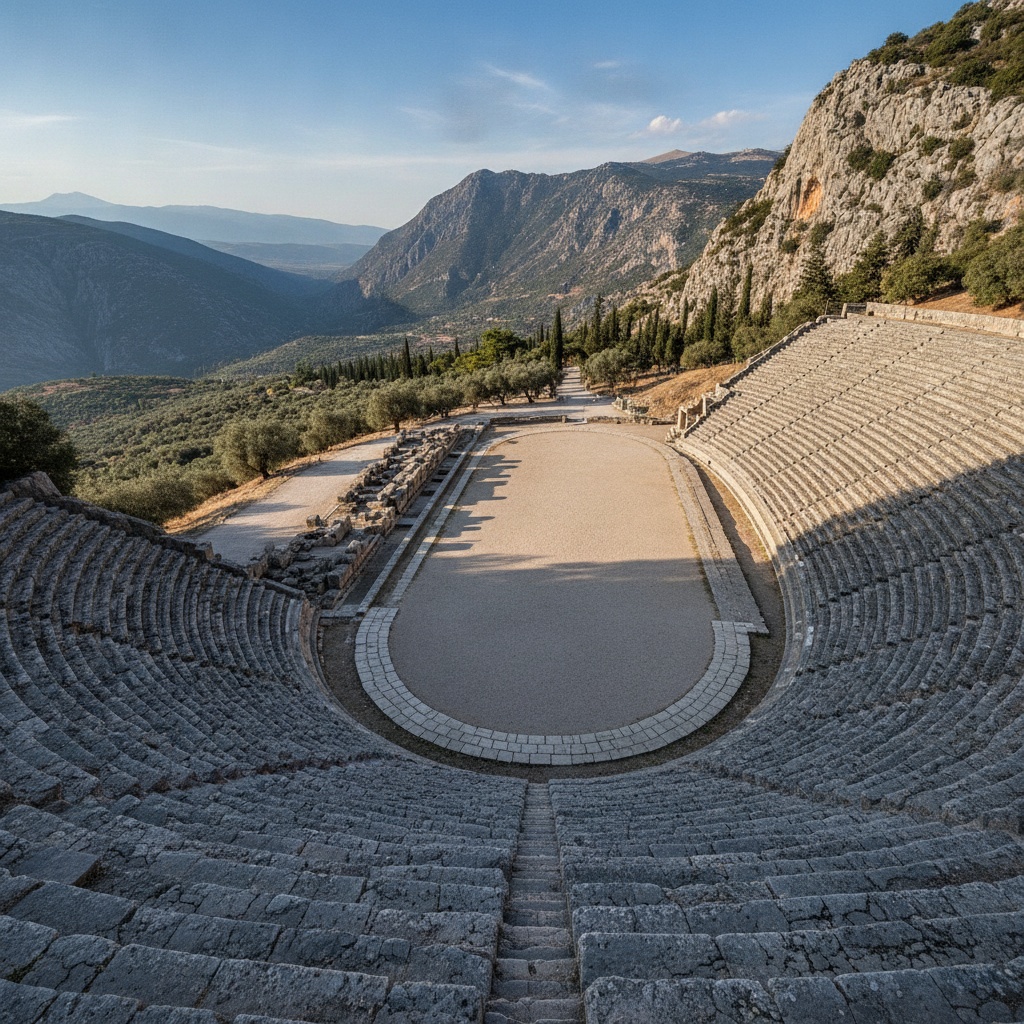
Delphi Sacred Way and Games: The Pythian Games Stadium, Treasury of the Athenians, Siphnian Treasury Frieze, Sacred Way Votive Offerings, the Ancient Athletic Tradition, and the Panhellenic Sanctuary Context
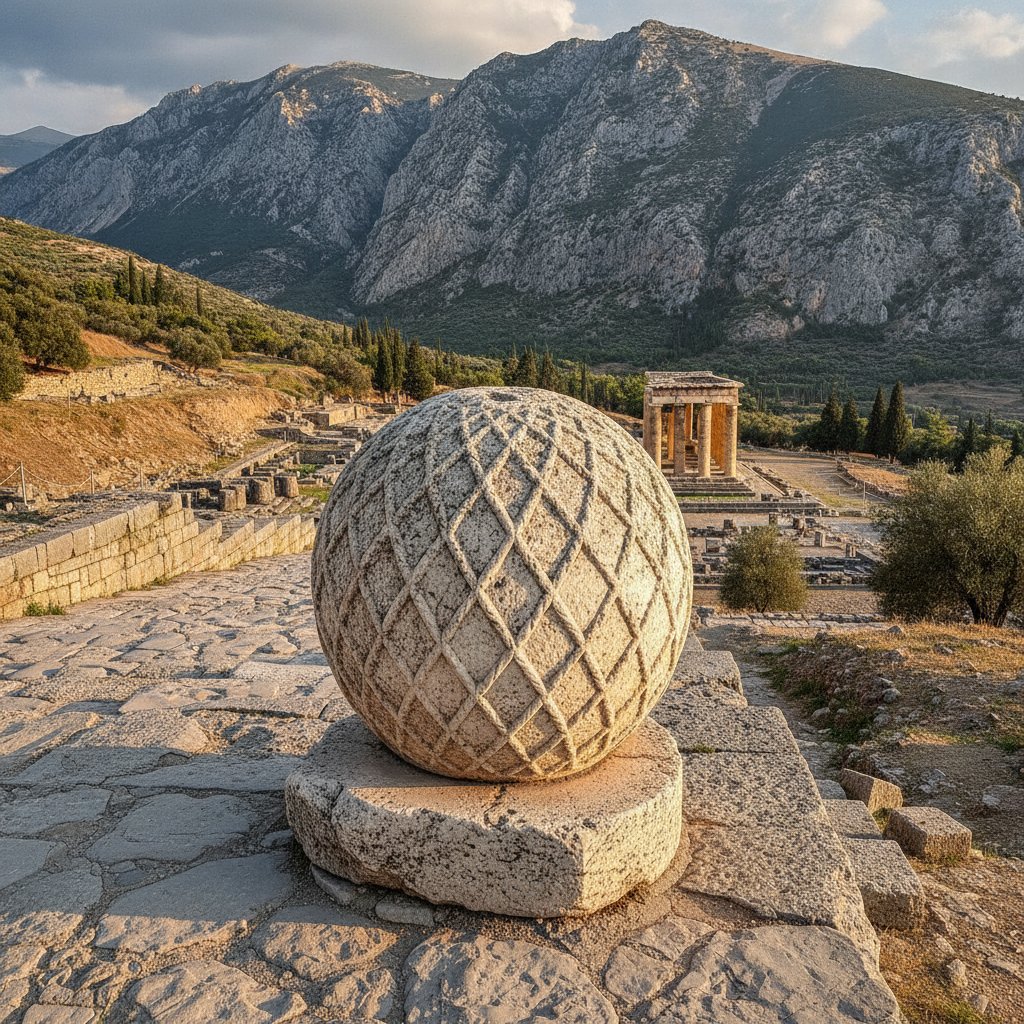
Delphi Mythology: The Omphalos Earth Navel, Two Eagles of Zeus, Python Serpent Slain by Apollo, The Foundation Myth, Gaia the Original Oracle, and the Mythological Layers of the Sacred Landscape
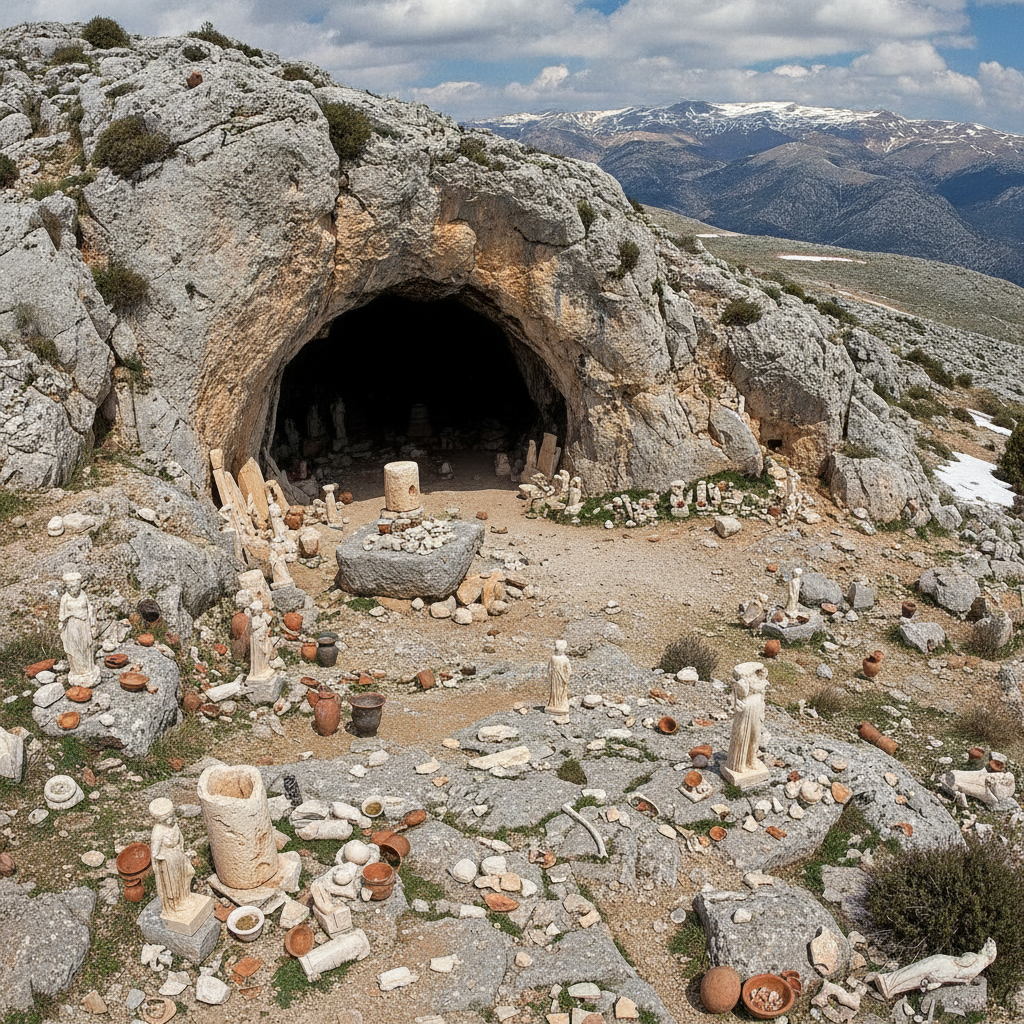
Delphi Outdoor and Food: Parnassus Hiking Trails, Corycian Cave of the Nymphs, Arachova Formaela Cheese and Trahana, Delphi Olive Oil PDO, Winter Skiing at Parnassus, and the Mountain Food Circuit