Delphi Modern History: The French School Excavation, Removal of the Kastri Village in 1890s, World Heritage Tourism Impact, Delphi Museum Expansion, and the Modern Village Above the Ancient Ruins
The Delphi modern history route covers the French School of Athens excavation beginning in 1892, the removal of the Kastri village that covered the ancient site, the Great Excavation financing by the French government, the World Heritage tourism impact and the 2 million annual visitor management, and the modern Delphi village relationship with the ancient site below.
- 1
The French School Excavation: 1892 to the Present
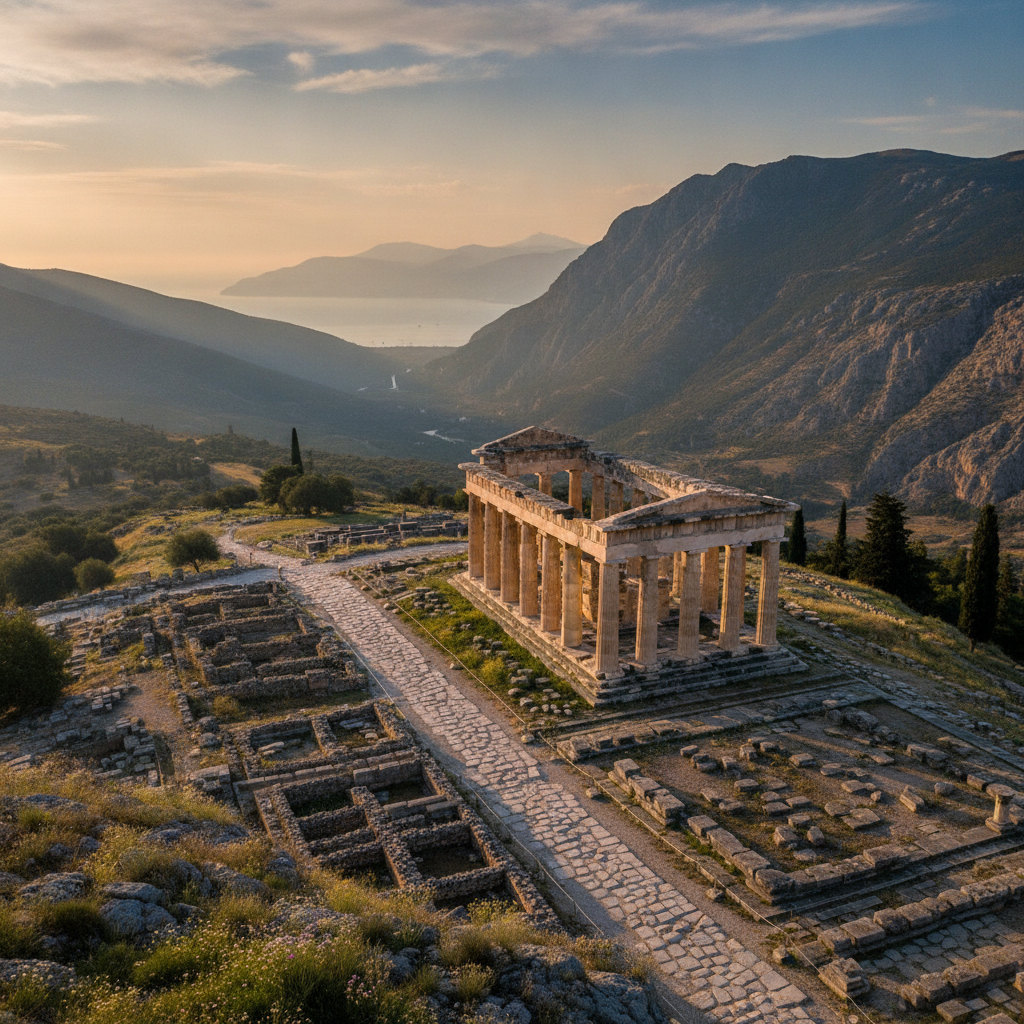
The Ecole Francaise d Athenes, the French School of Athens, has been excavating the Delphi site since 1892 in the continuous research program that has produced the most detailed stratigraphic record of a Greek oracle sanctuary ever compiled. The French School excavations identified the 7 distinct building phases of the Temple of Apollo, the stratigraphic sequence of the sanctuary deposits from the 9th century BC to the late Roman period, and the 120,000 objects recovered from the sanctuary deposits that are preserved in the Delphi museum.
- 2
The Removal of Kastri: The Village That Covered the Ruins
The Kastri village, the medieval settlement that had occupied the ancient Delphi sanctuary site continuously since the Byzantine period, was removed to the current Delphi village location 1 kilometer to the west between 1890 and 1892 to allow the French School excavations to begin. The Greek government compensated the 1,000 Kastri inhabitants for the relocation in the agreement that gave the French School the 50-year exclusive excavation concession and that remains the most complete example of the conflict between archaeological heritage and living settlement in Greek history.
- 3
World Heritage Tourism: The 2 Million Visitor Challenge
The Delphi site receives approximately 2 million visitors annually, making it the second most visited archaeological site in Greece after the Athens Acropolis and creating the visitor management challenges of crowd control, path erosion, monument degradation, and the audio guide cacophony that the sensitive sanctuary atmosphere cannot easily absorb. The Delphi site management plan, developed in cooperation with the UNESCO World Heritage Centre after the 1987 inscription, attempts to distribute the visitor load across the site and the museum without reducing the quality of the individual encounter with the oracle sanctuary.
- 4
Delphi Museum Expansion: The New Wing
The Delphi Archaeological Museum expansion completed in 2004, adding the new wing that houses the Charioteer of Delphi in a dedicated circular room and providing the improved display conditions for the Siphnian Treasury frieze and the bronze Antinous statue, transformed the museum from the crowded original 1903 building into the most adequately sized museum in the Greek archaeological circuit. The museum expansion coincided with the Athens Olympic preparations and represented the most significant investment in the Delphi visitor experience since the original museum construction.
- 5
The Modern Delphi Village: Life Above the Ruins
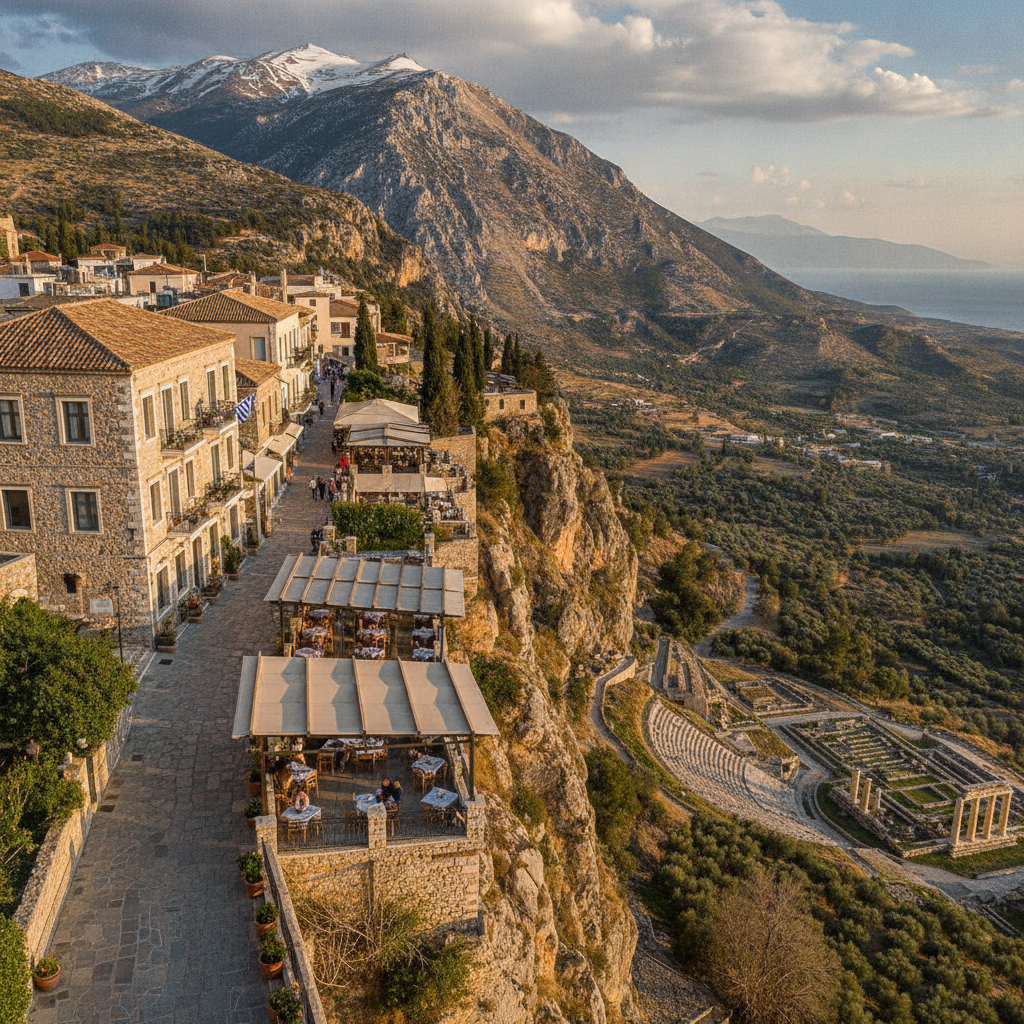
The modern Delphi village, displaced from the ancient site in 1892 and rebuilt at the current cliff-edge location with the panoramic views over the Parnassus valley and the Gulf of Corinth, has built its economy entirely on the archaeological tourism that the site generates and the winter ski tourism that the Parnassus resort brings to the Arachova base. The Delphi village main street of hotels, tavernas, and souvenir shops provides the least authentically Greek village experience in the Delphi area and the most convenient overnight base for the 2-day archaeological and outdoor visit.
- 6
Delphi in Contemporary Culture: The Symbolism of the Oracle
Delphi in the contemporary cultural imagination - the oracle as metaphor for certainty, the omphalos as the center of attention, the Pythia as the archetype of the inspired prophet - has generated a literary, artistic, and philosophical engagement with the site that exceeds the historical significance of the oracle itself. The Delphi International Film Festival, the European Cultural Center at Delphi, and the use of the oracle pronouncements by politicians and writers across the political spectrum demonstrate the continuing resonance of the Delphi symbol in the modern world.
Walk this route with audio
Stories play automatically as you reach each stop — no tapping needed.
More in Delphi
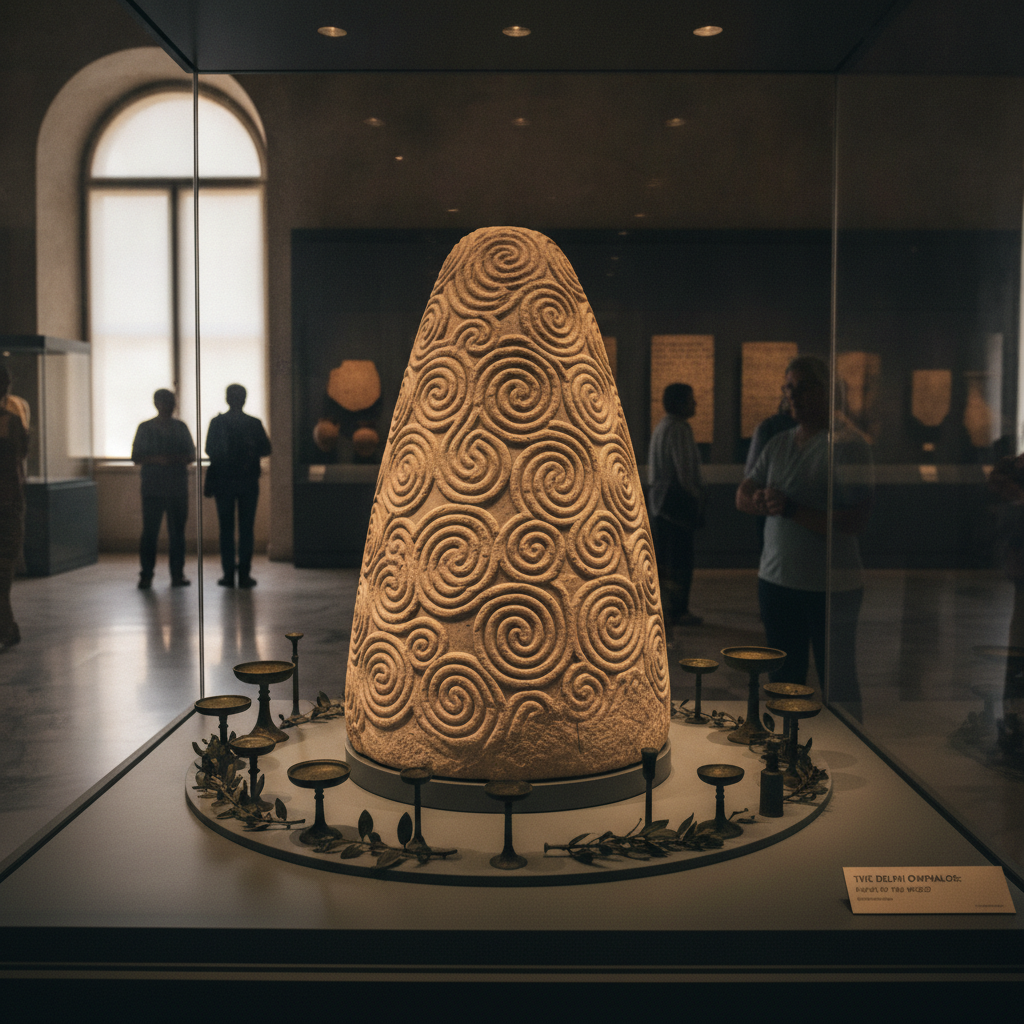
Delphi Oracle History: The Pythia Famous Pronouncements, Croesus and Persia Warnings, Socrates Wisest of Men, Alexander the Invincible, Roman Period Looting, and Theodosius Closure in 390 AD
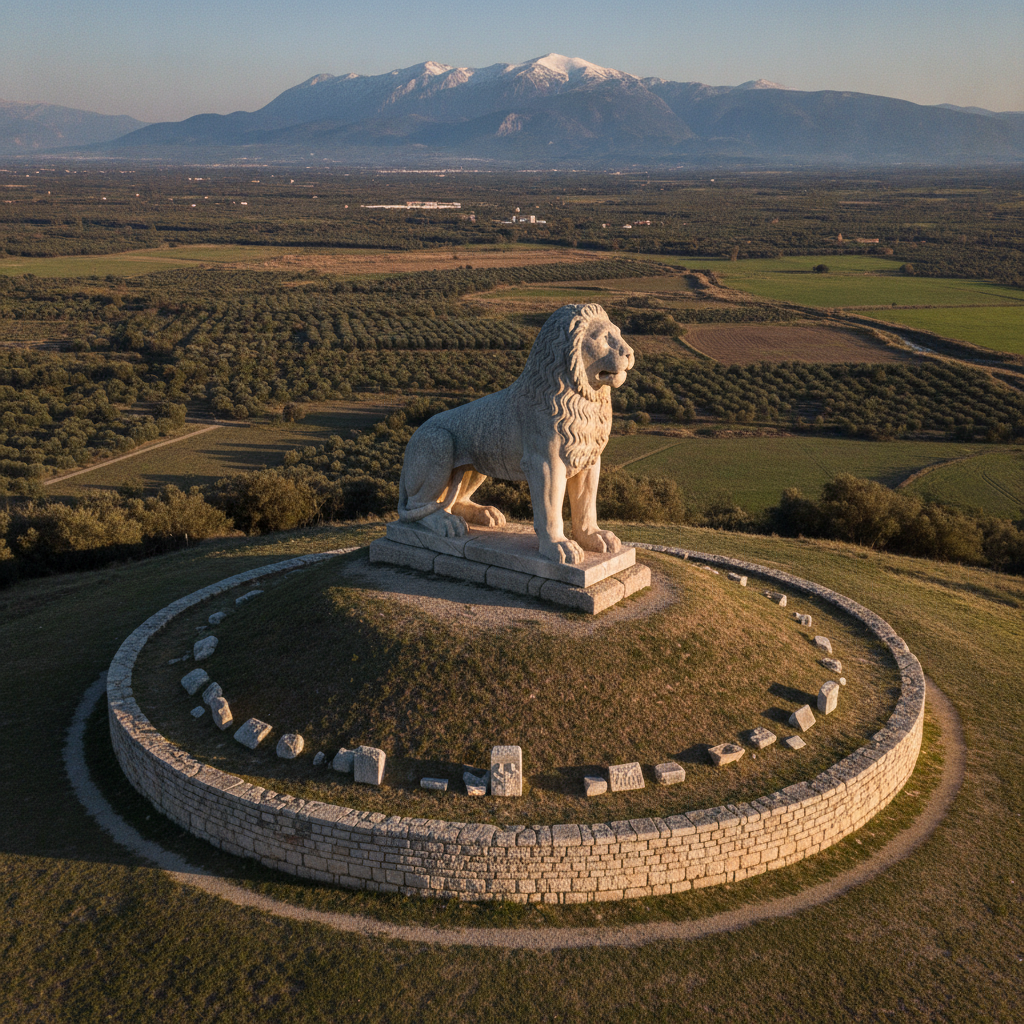
Delphi and Boeotia: Thebes Sacred Band, Chaeronea Battle Field, Orchomenos Mycenaean Treasury, Philip of Macedon Amphictyony Control, Epaminondas Theban Hegemony, and the Central Greece Historical Circuit
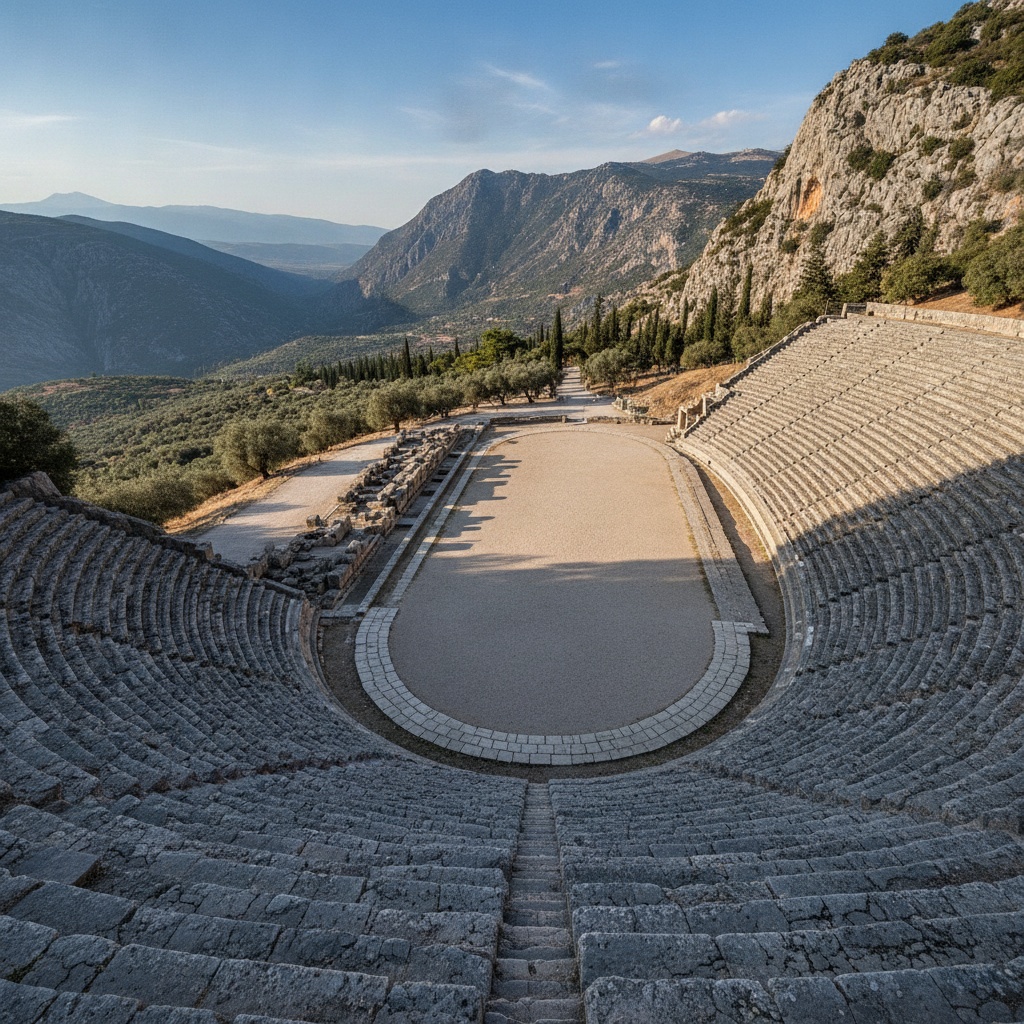
Delphi Sacred Way and Games: The Pythian Games Stadium, Treasury of the Athenians, Siphnian Treasury Frieze, Sacred Way Votive Offerings, the Ancient Athletic Tradition, and the Panhellenic Sanctuary Context
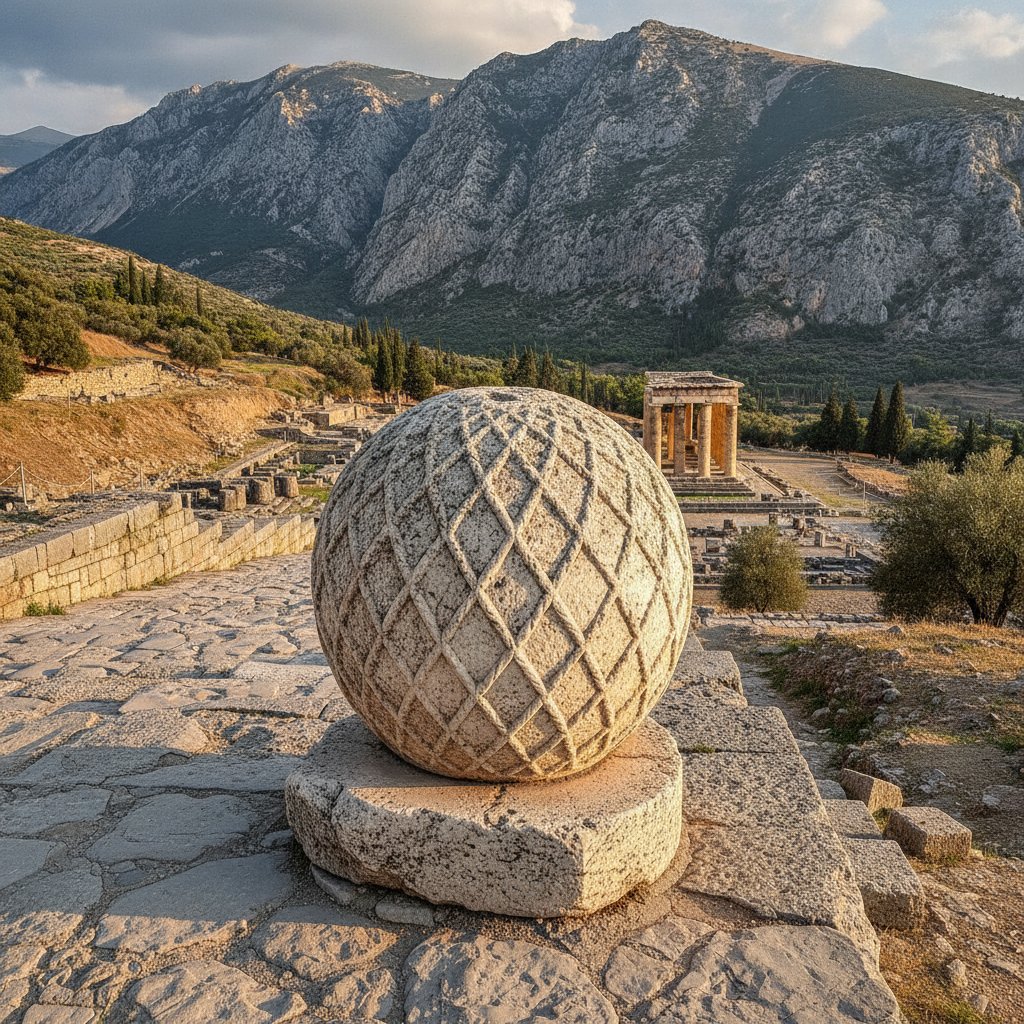
Delphi Mythology: The Omphalos Earth Navel, Two Eagles of Zeus, Python Serpent Slain by Apollo, The Foundation Myth, Gaia the Original Oracle, and the Mythological Layers of the Sacred Landscape
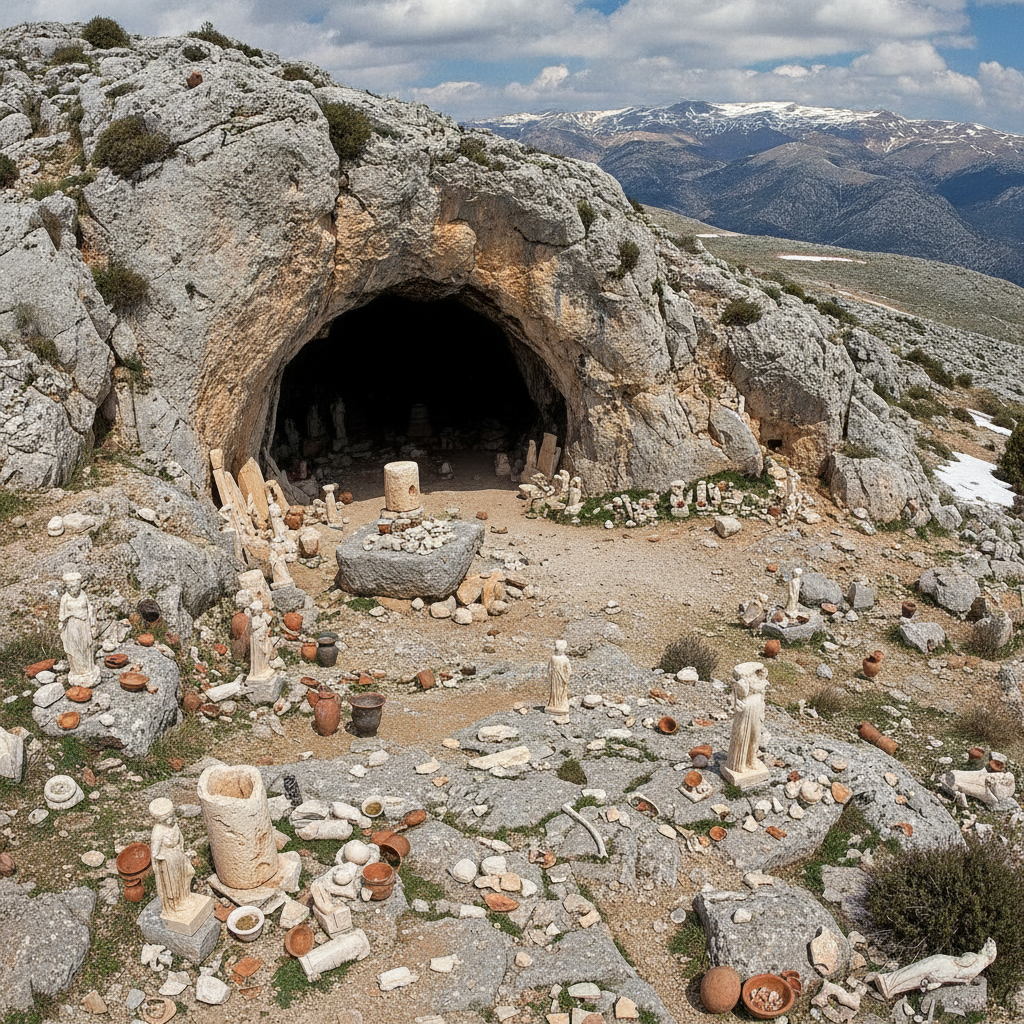
Delphi Outdoor and Food: Parnassus Hiking Trails, Corycian Cave of the Nymphs, Arachova Formaela Cheese and Trahana, Delphi Olive Oil PDO, Winter Skiing at Parnassus, and the Mountain Food Circuit