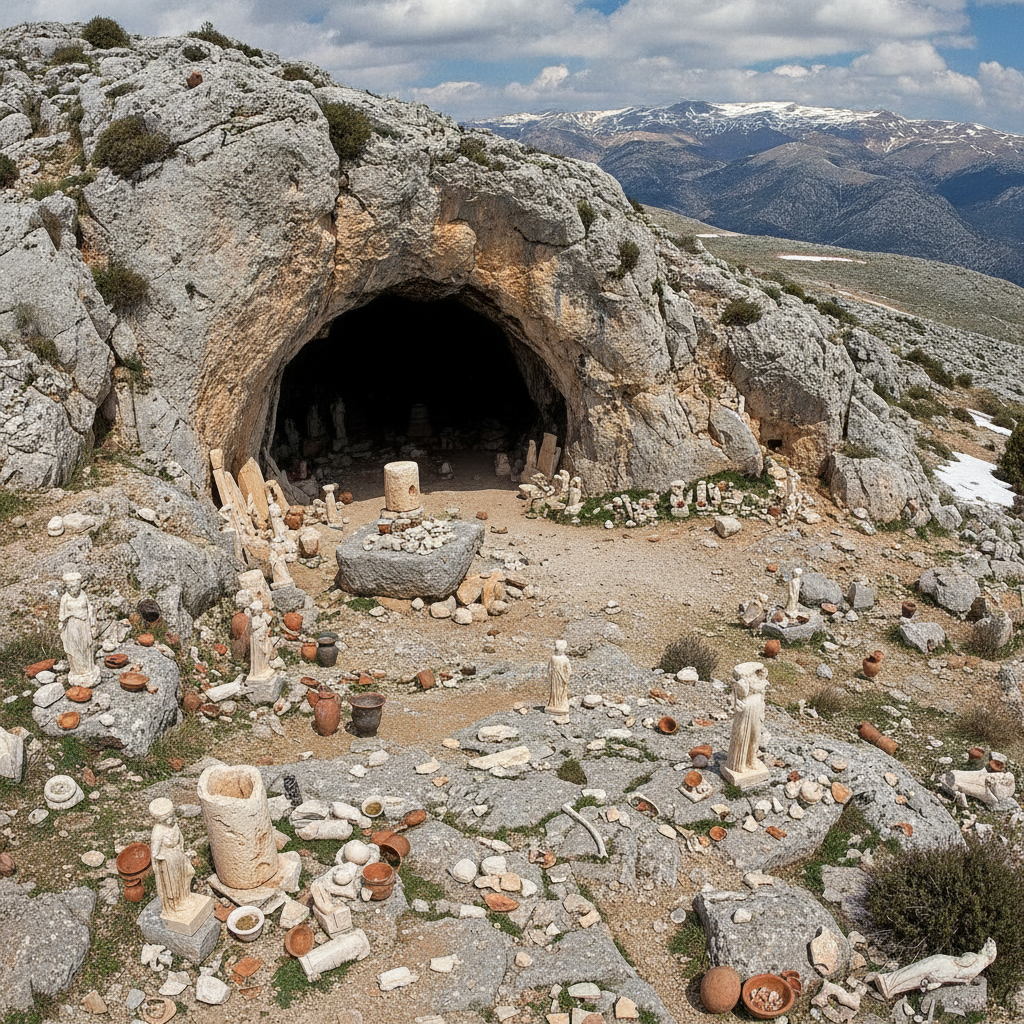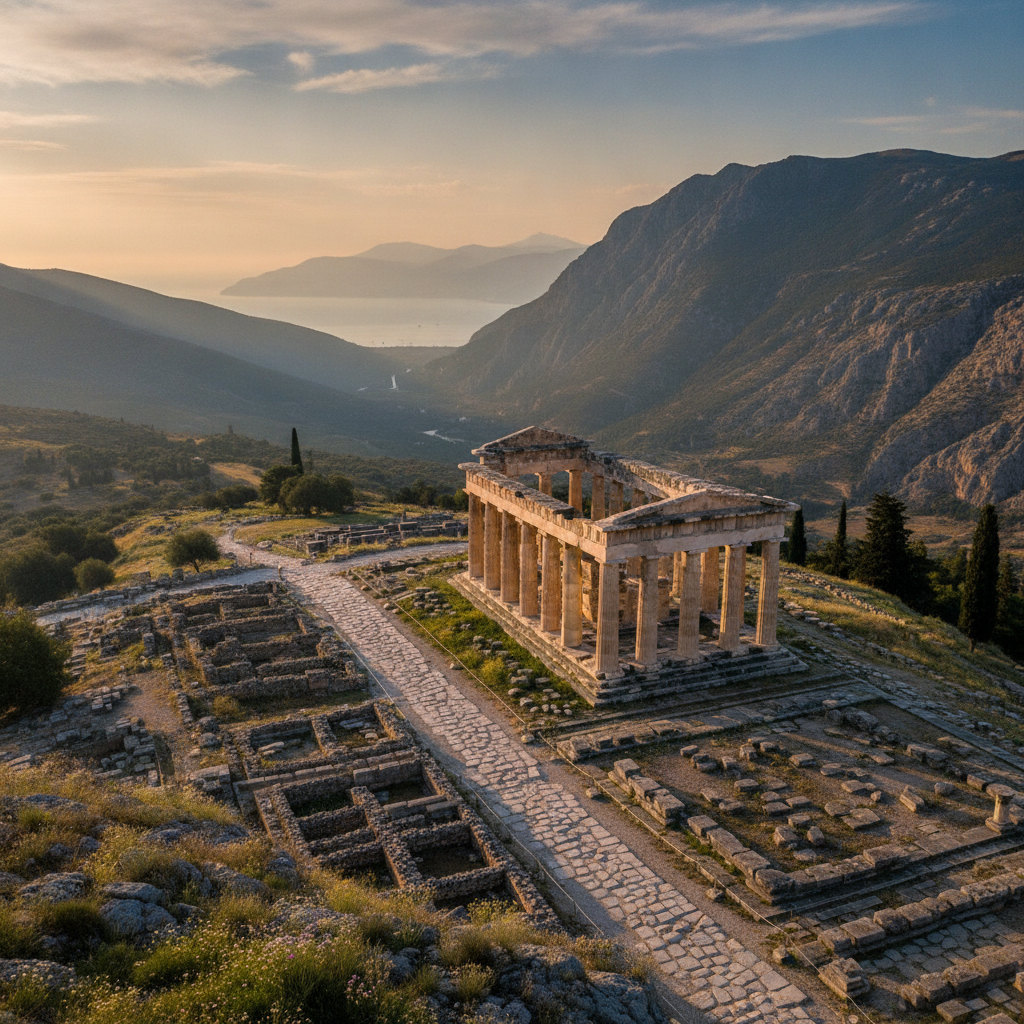
Delphi Oracle Sanctuary: The Temple of Apollo, Tholos of Athena, Charioteer of Delphi Museum, Castalian Spring, Arachova Mountain Village, and Mount Parnassus Skiing
The Delphi essential circuit covers the Temple of Apollo sanctuary where the Pythia delivered the oracle, the circular Tholos of Athena Pronaia, the Charioteer bronze statue in the Delphi museum, the sacred Castalian Spring, the mountain village of Arachova, and the Mount Parnassus ski resort.
- 1
Temple of Apollo: The Navel of the World
The Temple of Apollo at Delphi, built in the 4th century BC on the site of earlier temples reaching back to the 7th century BC and traditionally considered the center of the known world, was the most important oracle sanctuary in the ancient Greek world and the site where the Pythia priestess delivered the pronouncements of Apollo that shaped the decisions of city-states, kings, and individuals throughout the Mediterranean. The surviving Doric columns of the temple and the Sacred Way that leads up the hillside through the ancient treasuries recreate the processional experience of the ancient pilgrim approaching the oracle.
- 2
Tholos of Athena Pronaia: The Circular Temple
The Tholos of Athena Pronaia, the 4th century BC circular temple with the three restored Doric columns that is the most photographed single image in Delphi, stands in the lower sanctuary of Athena Pronaia below the main Apollo sanctuary and represents the most elegant example of the circular temple plan in ancient Greece. The Tholos function remains debated by scholars, with the most plausible interpretation suggesting a hero cult rather than a deity worship, but the visual perfection of the three columns in the mountain landscape makes it the most reproduced single image in Greek archaeology.
- 3
Delphi Museum: The Charioteer of Delphi
The Delphi Archaeological Museum contains the Charioteer of Delphi, the 478 BC bronze statue of a chariot driver in the most complete state of preservation of any bronze from the classical period, with the original glass and stone eyes, the copper eyelashes, the silver lip line, and the headband still intact creating the most direct encounter with the artistic achievement of the early classical period available in Greece. The museum also displays the Sphinx of Naxos, the frieze of the Siphnian Treasury, and the metopes of the Treasury of the Athenians.
- 4
Castalian Spring: The Sacred Water of the Oracle
The Castalian Spring at the base of the Phaedriades cliffs, where the pilgrims to the oracle of Apollo purified themselves before the consultation and where the Pythia was said to bathe before the prophetic sessions, is the most spiritually charged natural site in the Delphi complex and the water source that the ancients attributed the prophetic vapors. The spring water still flows from the rock-cut fountain house of the 4th century BC and the Archaic period fountain house accessible on the path to the left, providing the dual chronological experience of the Castalian sacred water at two different periods.
- 5
Arachova: The Mountain Village Above Delphi
Arachova at 950 meters on the slope of Mount Parnassus, the mountain village 11 kilometers from Delphi, is the most architecturally preserved and gastronomically distinctive village in central Greece, with the stone houses, the flagstone streets, the woven rugs, and the formaela cheese that the village produces in the shepherd economy above the olive belt. The Arachova Carnival, held on the feast day of Saint George in April rather than the pre-Lenten season, is the most idiosyncratic village festival in central Greece and the event that most completely expresses the Arachova identity.
- 6
Mount Parnassus Ski Resort: The Winter Alternative
The Parnassus ski resort at 1,600 to 2,340 meters above the Arachova village is the closest ski area to Athens at 200 kilometers and the most accessible ski destination in mainland Greece for the urban population that uses Arachova as the ski resort base. The Parnassus ski season from December to April provides the winter alternative to the summer archaeological visit and the opportunity to view the Delphi sanctuary from the mountain above it in the snow conditions that the ancient pilgrims would have encountered in the winter months.
Walk this route with audio
Stories play automatically as you reach each stop — no tapping needed.
More in Delphi
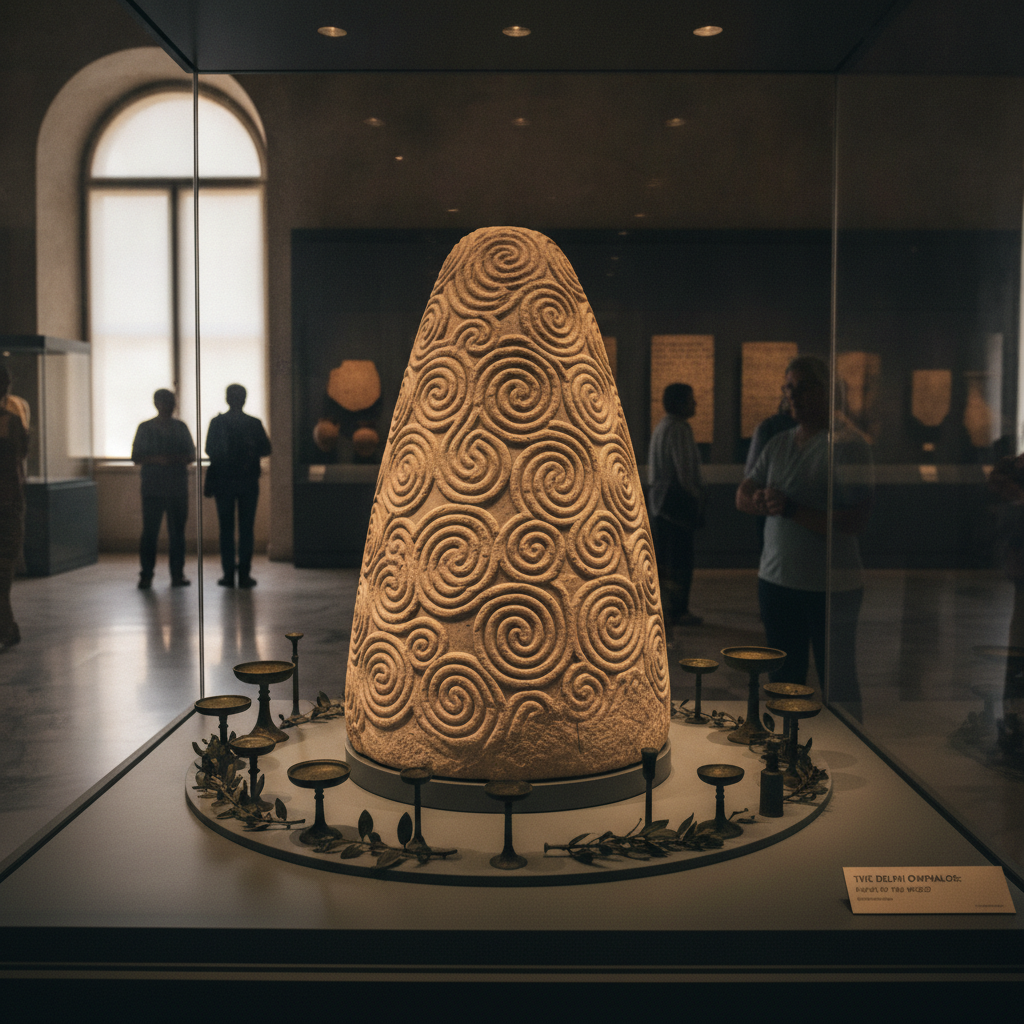
Delphi Oracle History: The Pythia Famous Pronouncements, Croesus and Persia Warnings, Socrates Wisest of Men, Alexander the Invincible, Roman Period Looting, and Theodosius Closure in 390 AD
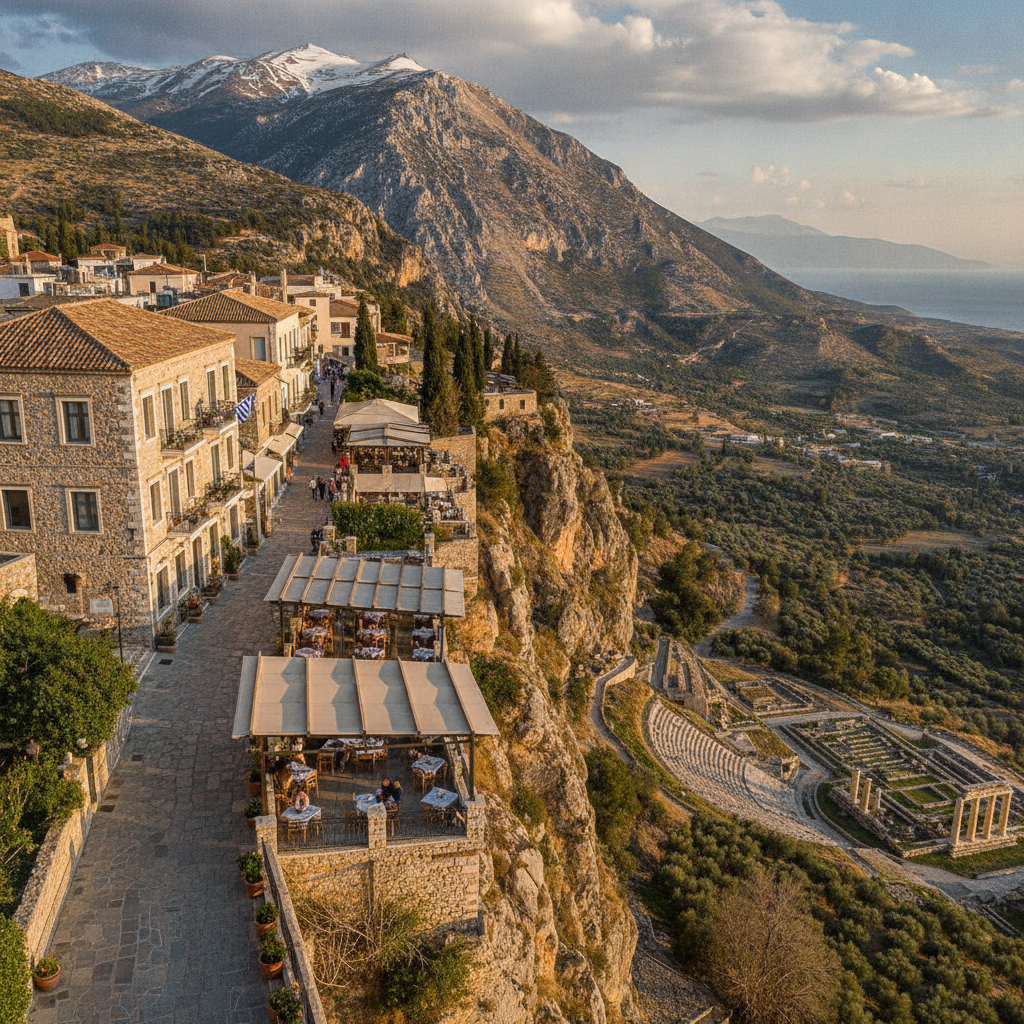
Delphi Modern History: The French School Excavation, Removal of the Kastri Village in 1890s, World Heritage Tourism Impact, Delphi Museum Expansion, and the Modern Village Above the Ancient Ruins
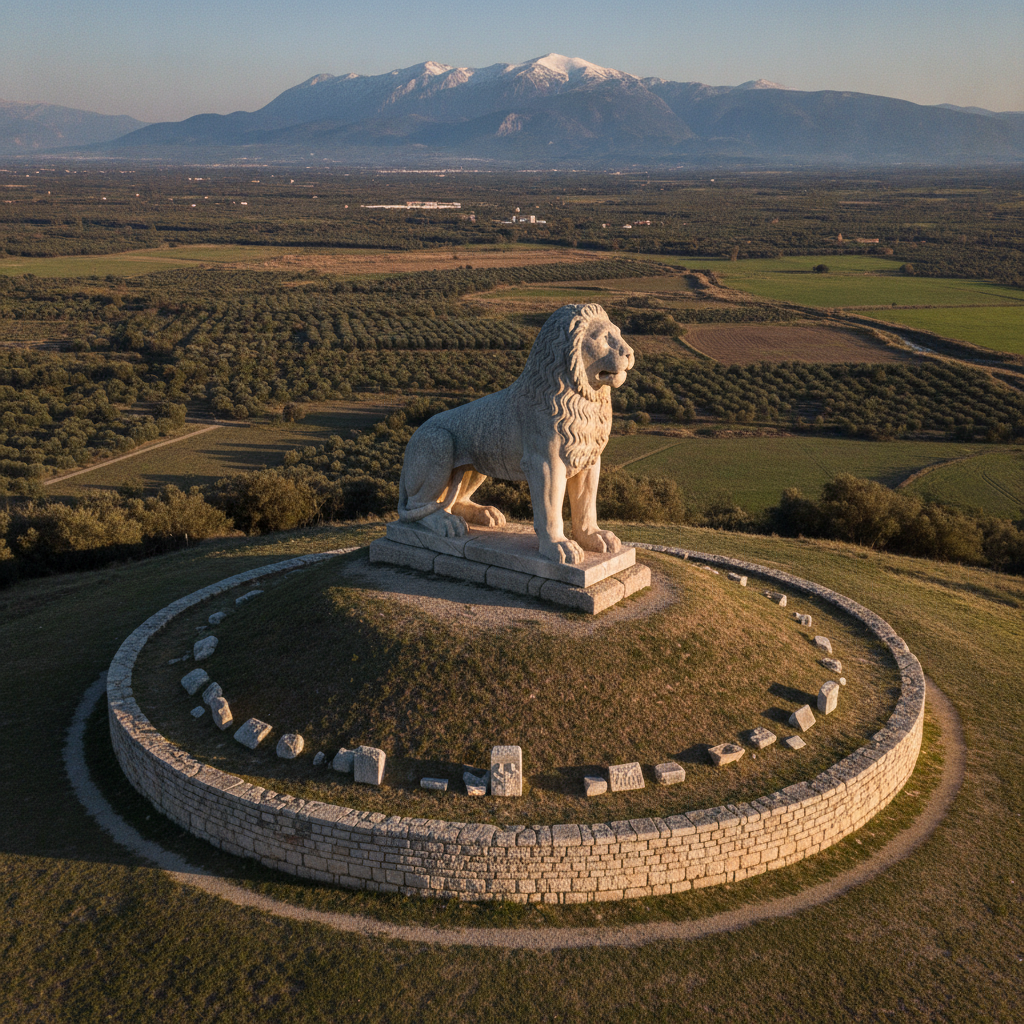
Delphi and Boeotia: Thebes Sacred Band, Chaeronea Battle Field, Orchomenos Mycenaean Treasury, Philip of Macedon Amphictyony Control, Epaminondas Theban Hegemony, and the Central Greece Historical Circuit
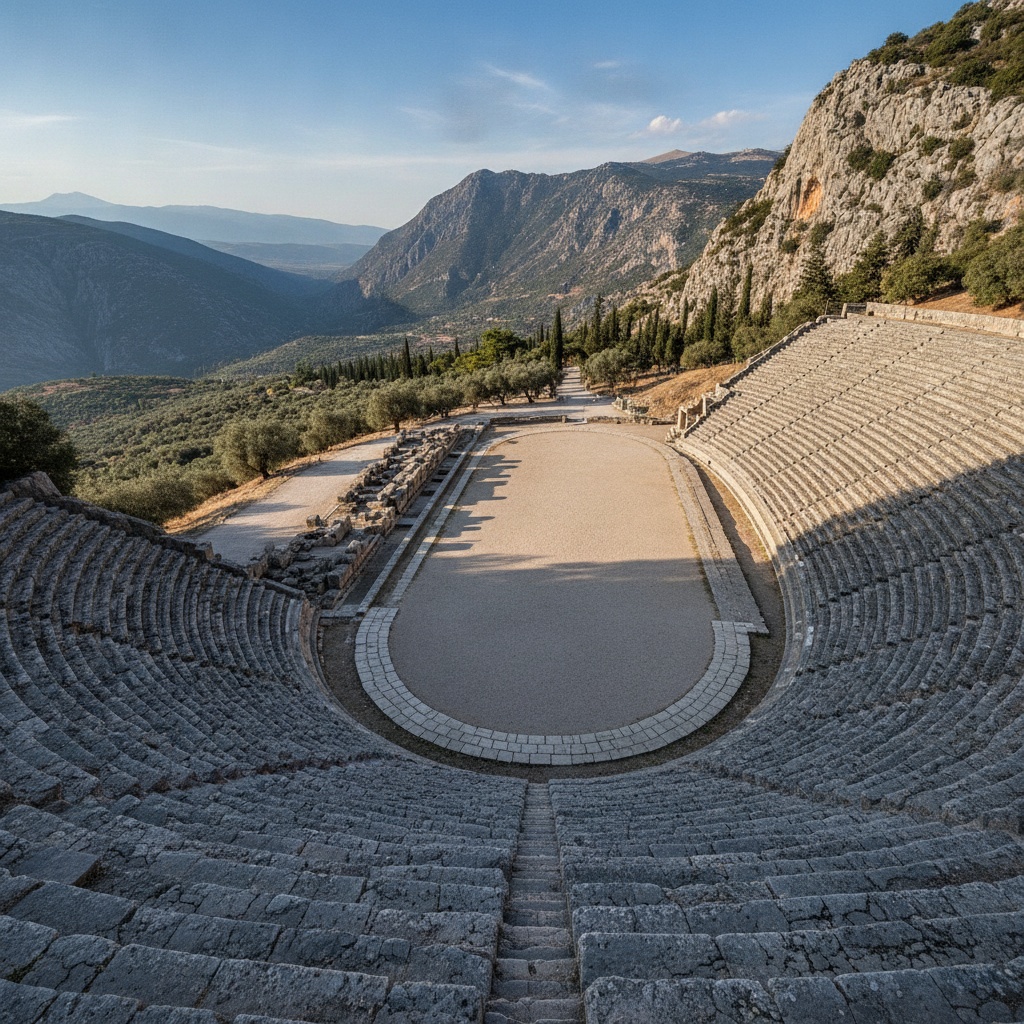
Delphi Sacred Way and Games: The Pythian Games Stadium, Treasury of the Athenians, Siphnian Treasury Frieze, Sacred Way Votive Offerings, the Ancient Athletic Tradition, and the Panhellenic Sanctuary Context
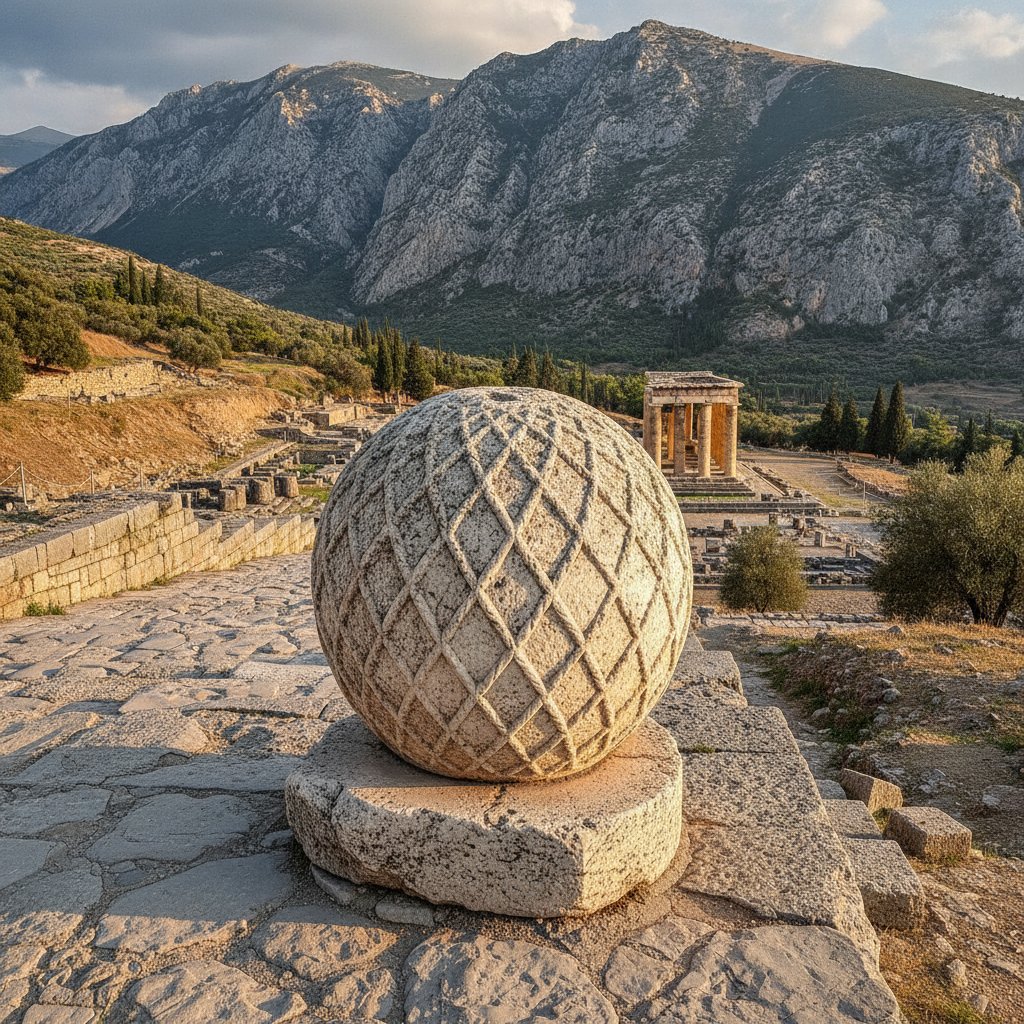
Delphi Mythology: The Omphalos Earth Navel, Two Eagles of Zeus, Python Serpent Slain by Apollo, The Foundation Myth, Gaia the Original Oracle, and the Mythological Layers of the Sacred Landscape