Delphi Sacred Way and Games: The Pythian Games Stadium, Treasury of the Athenians, Siphnian Treasury Frieze, Sacred Way Votive Offerings, the Ancient Athletic Tradition, and the Panhellenic Sanctuary Context
The Delphi sacred way and games route covers the ancient Pythian Games stadium carved from the Parnassus rock, the reconstructed Treasury of the Athenians, the Siphnian Treasury sculptural frieze in the museum, the Sacred Way processional route and the votive offerings, the Panhellenic games context, and Delphi as the spiritual center of the Greek world.
- 1
Delphi Stadium: The Pythian Games Athletic Venue
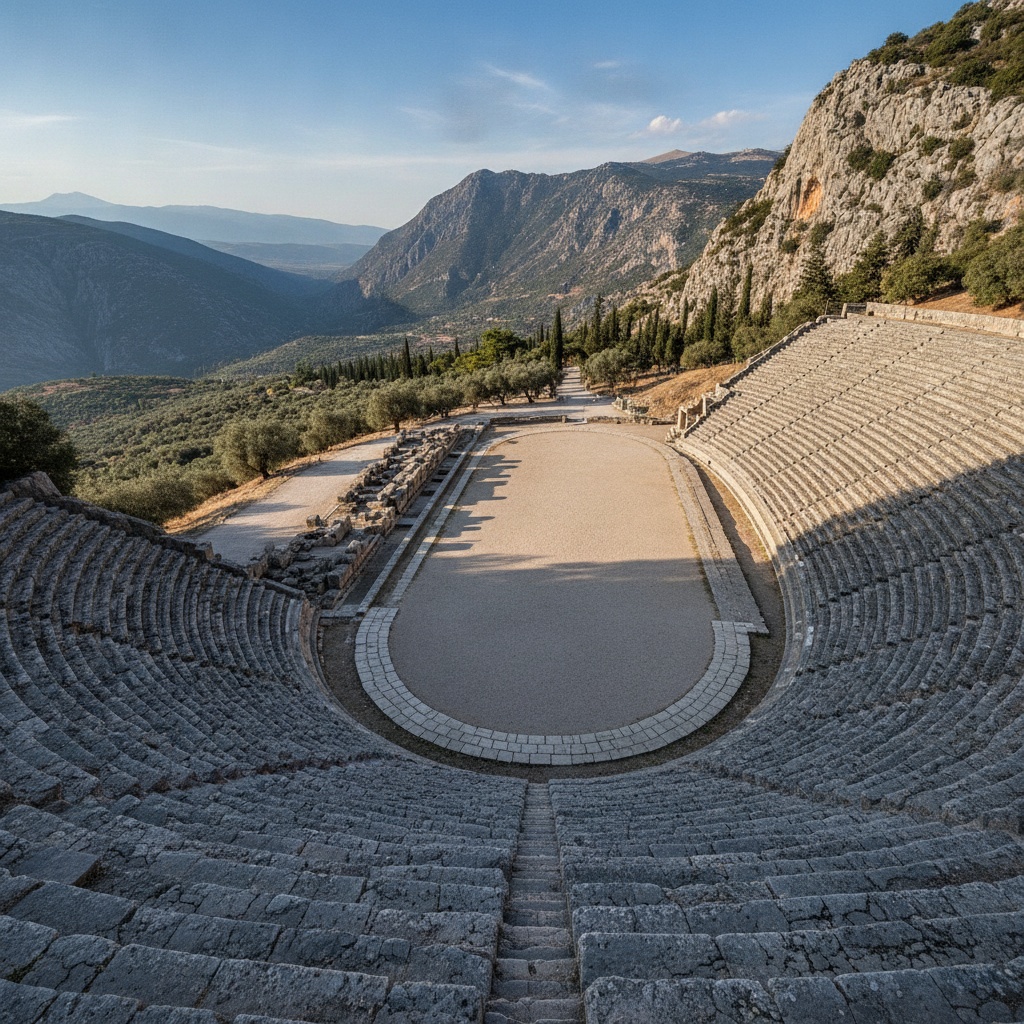
The Delphi stadium, carved from the natural rock of the Parnassus hillside at the highest point of the sanctuary above the theatre, seated 7,000 spectators for the athletic competitions of the Pythian Games that were held every 4 years as one of the four Panhellenic Games alongside the Olympic, the Nemean, and the Isthmian Games. The stadium preserves the starting line with the stone grooves for the runners feet, the finish line pillar bases, and the umpires enclosure that the ancient spectator would have recognized from any of the four Panhellenic venues.
- 2
Treasury of the Athenians: The Reconstructed Building
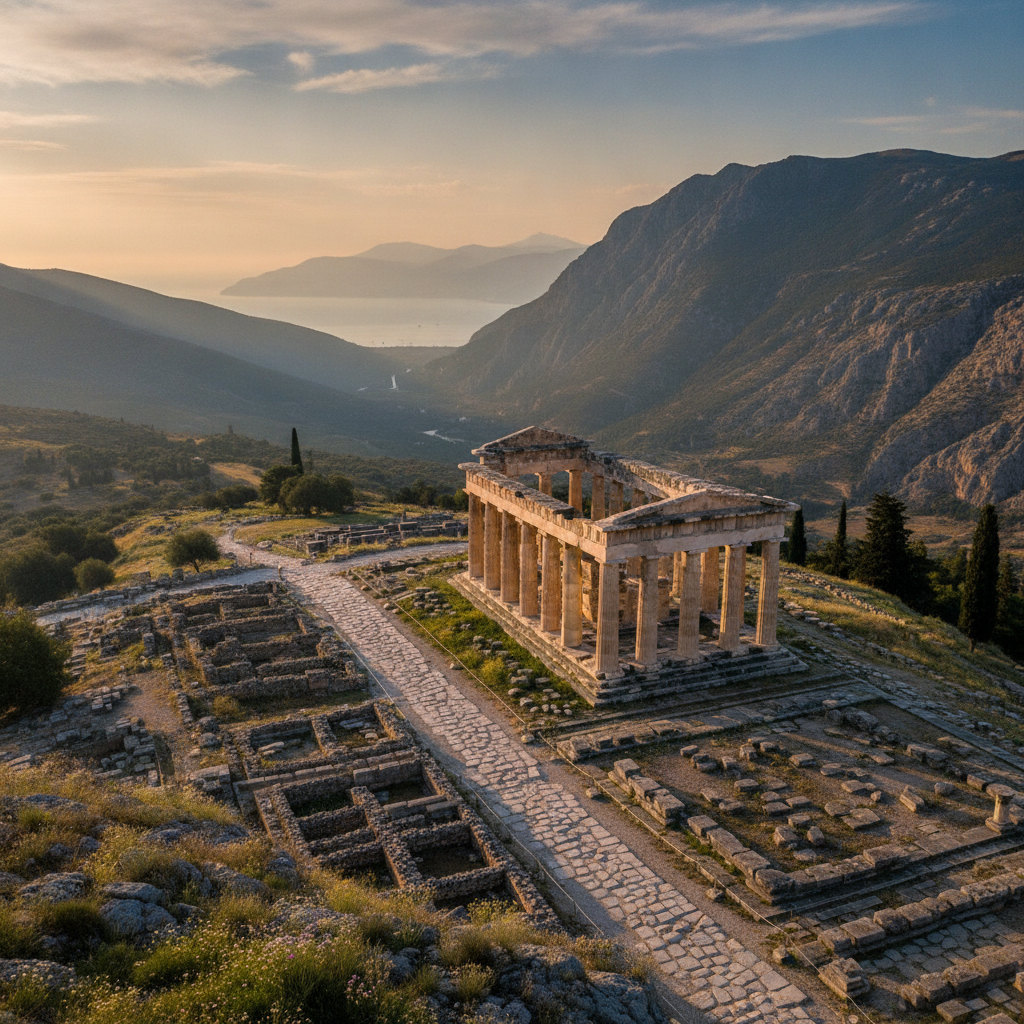
The Treasury of the Athenians, rebuilt in 1906 from the original stones found in the excavation using the numbered blocks to restore the original position, is the only substantially complete ancient building in the Delphi sanctuary and the most tactilely accessible ancient construction in the circuit. The Treasury, built to commemorate the Athenian victory at Marathon in 490 BC, contains the original Doric frieze with the metope carvings of the Labors of Herakles and the Deeds of Theseus.
- 3
Siphnian Treasury: The Pre-eminent Frieze
The Siphnian Treasury, built by the island of Siphnos from the profits of the silver mines in 525 BC, no longer stands above ground but its entire sculptural program is preserved in the Delphi museum: the Ionic frieze depicting the Battle of the Giants, the Judgment of Paris, the Trojan War, and the assembly of the gods, constituting the most complete preserved sculptural cycle of the Archaic period and the most important single group of 6th century BC sculpture in Greece.
- 4
The Sacred Way: The Processional Route
The Sacred Way, the main processional route through the Delphi sanctuary from the Roman market at the entrance to the Temple of Apollo at the summit, passed through the most concentrated collection of votive monuments, treasuries, and statue bases in the ancient world, with the gifts of the city-states, the kings, and the tyrants competing to display the wealth and the piety of the donors in the most prominent positions along the route. The surviving statue base inscriptions identify the donors and the occasions that motivated the gifts.
- 5
Panhellenic Context: Delphi Among the Four Games
The Panhellenic sanctuary system of Delphi, Olympia, Nemea, and Isthmia, where the four great Games were held on the overlapping 4-year cycle that created the Panhellenic calendar, was the organizational framework that gave the geographically dispersed Greek world its shared cultural identity across the political boundaries of the individual city-states. Delphi provided the religious and oracular authority that made it the senior sanctuary in the Panhellenic system, with the Olympic Games providing the athletic prestige.
- 6
The Oracle Mechanism: How the Pythia Worked
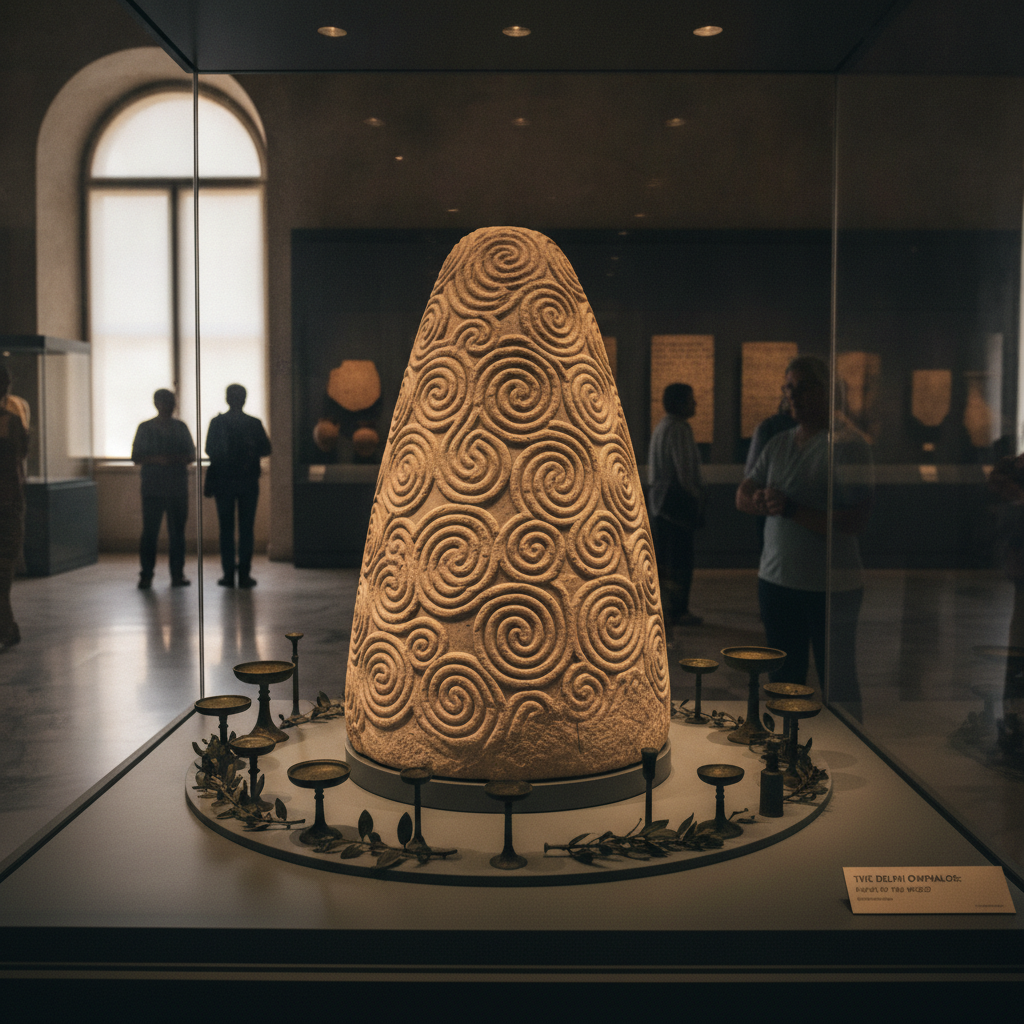
The Pythia, the priestess of Apollo who delivered the oracle at Delphi from the inner sanctuary of the Temple, entered the adyton - the inner sanctum - where the sacred laurel and the omphalos stone marked the navel of the world, and spoke the pronouncements of Apollo in a trance state that the ancient sources describe as divine possession. The geological discovery of 2001 that the temple was built over the intersection of two geological faults that emit ethylene gas has provided the most scientifically plausible explanation for the altered consciousness that the ancient sources unanimously report.
Walk this route with audio
Stories play automatically as you reach each stop — no tapping needed.
More in Delphi
Delphi Oracle History: The Pythia Famous Pronouncements, Croesus and Persia Warnings, Socrates Wisest of Men, Alexander the Invincible, Roman Period Looting, and Theodosius Closure in 390 AD
Delphi Modern History: The French School Excavation, Removal of the Kastri Village in 1890s, World Heritage Tourism Impact, Delphi Museum Expansion, and the Modern Village Above the Ancient Ruins
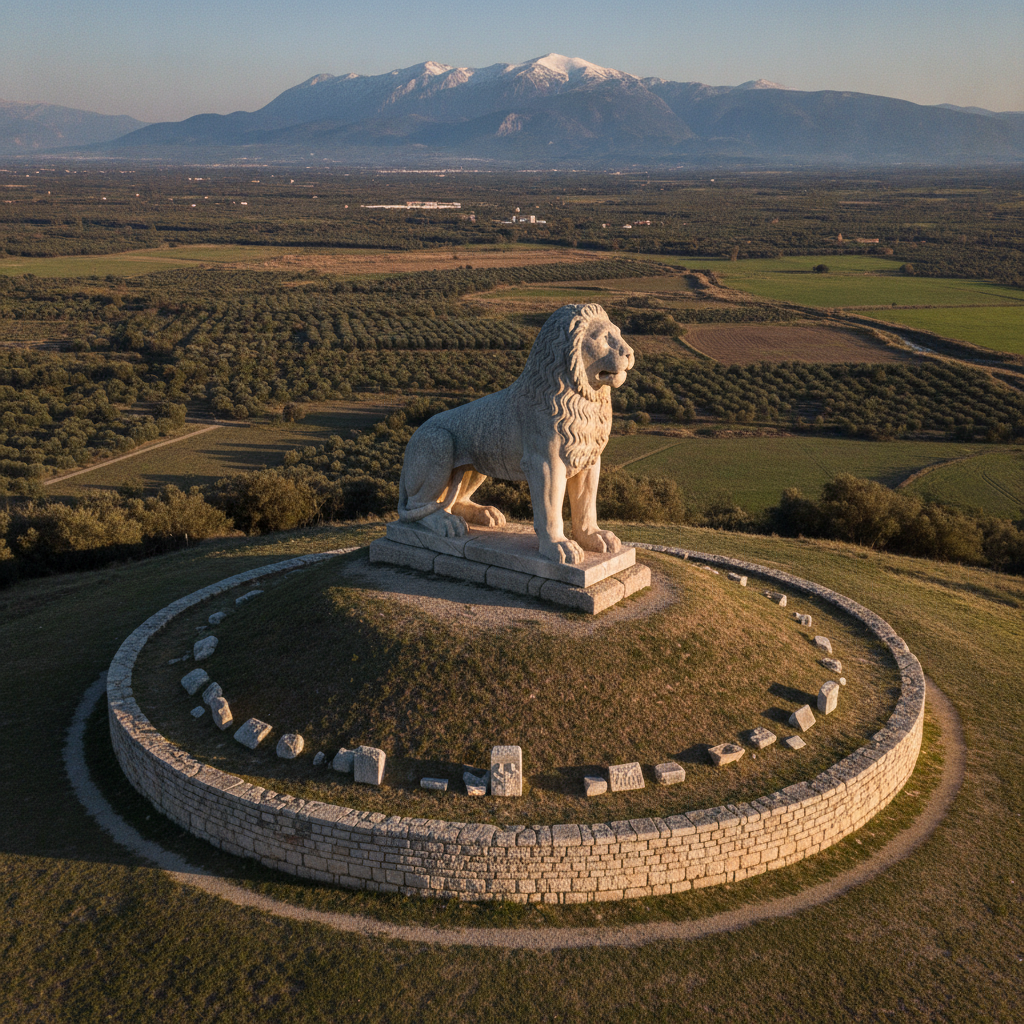
Delphi and Boeotia: Thebes Sacred Band, Chaeronea Battle Field, Orchomenos Mycenaean Treasury, Philip of Macedon Amphictyony Control, Epaminondas Theban Hegemony, and the Central Greece Historical Circuit
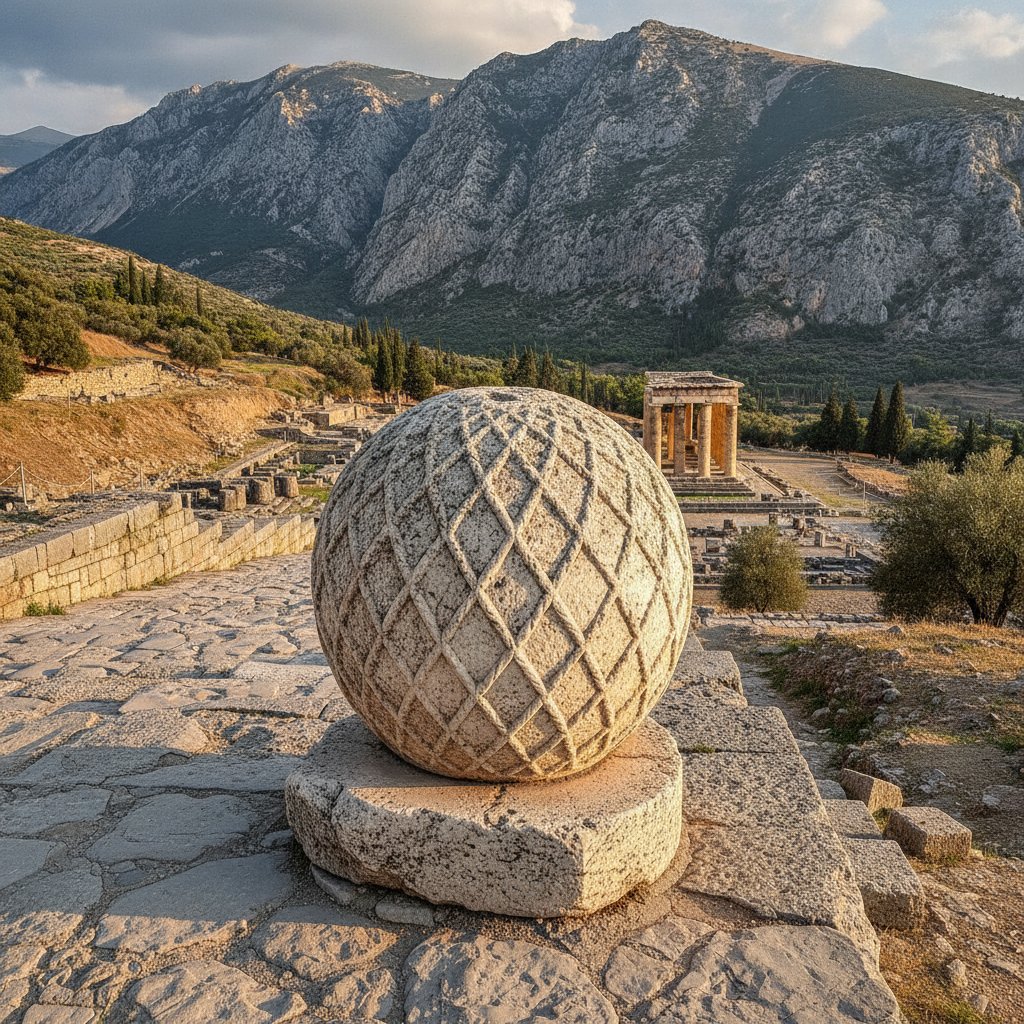
Delphi Mythology: The Omphalos Earth Navel, Two Eagles of Zeus, Python Serpent Slain by Apollo, The Foundation Myth, Gaia the Original Oracle, and the Mythological Layers of the Sacred Landscape
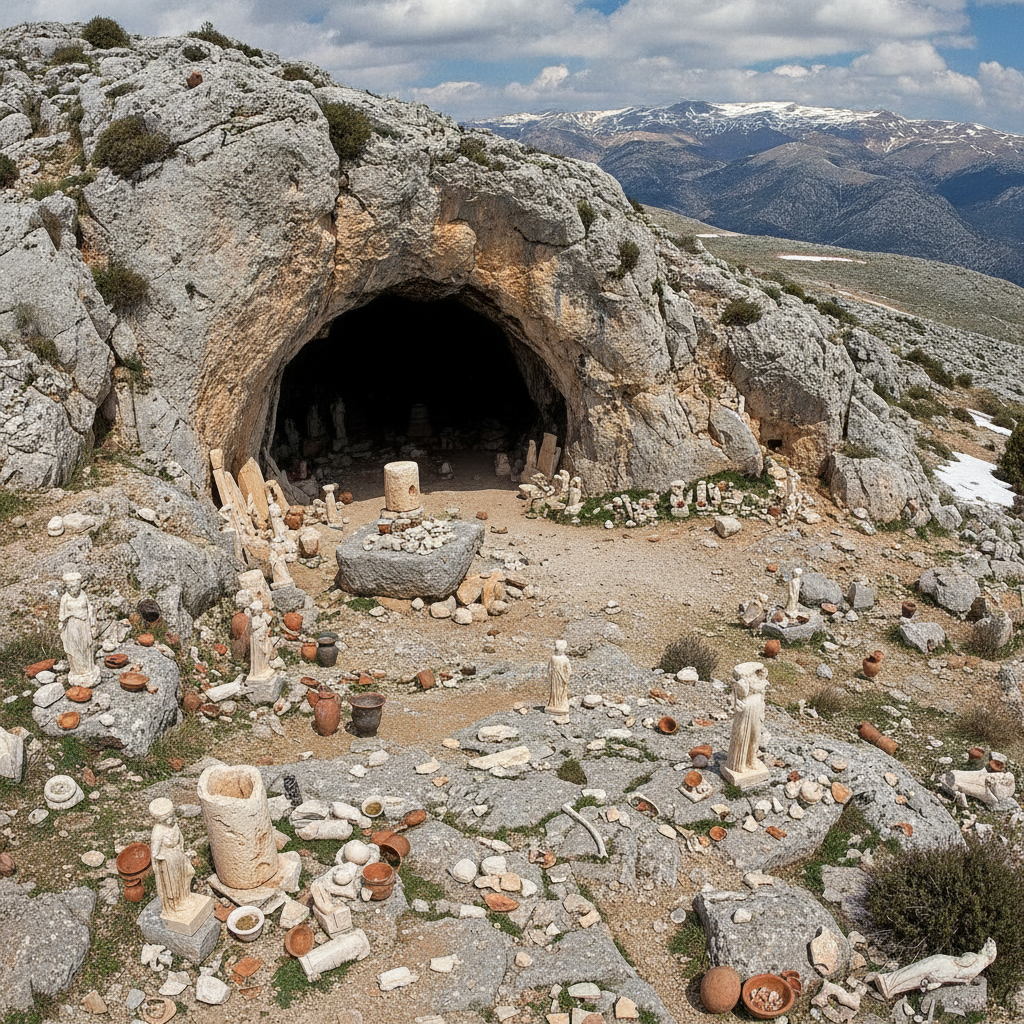
Delphi Outdoor and Food: Parnassus Hiking Trails, Corycian Cave of the Nymphs, Arachova Formaela Cheese and Trahana, Delphi Olive Oil PDO, Winter Skiing at Parnassus, and the Mountain Food Circuit