Denver: Harlem of the West Jazz Heritage, Back-to-Back Championships and Cliff Palace
Listen to Five Points Rossonian jazz history where Duke Ellington played the Harlem of the West, celebrate Nikola Jokic Nuggets and Avalanche back-to-back championships at Ball Arena, learn the Sand Creek Massacre history at the History Colorado Center, jog Washington Park rose gardens, see the blue bear at the Convention Center, and plan a trip to Mesa Verde Cliff Palace ancient dwelling.
- 1
Five Points and Black Cultural Heritage
Five Points, Denver historic African American neighborhood at the junction of Welton Street and five converging streets northeast of downtown, was called the Harlem of the West during its mid-20th century peak as a jazz and nightclub center. Duke Ellington, Billie Holiday, Ella Fitzgerald, Miles Davis, and Count Basie all performed at clubs including the Rossonian Hotel on Welton Street. The Rossonian, opened in 1912, was the finest hotel for Black travelers in Colorado during the segregation era when they were excluded from downtown hotels. Five Points has been designated a cultural district by the city and the Blair-Caldwell African American Research Library at 2401 Welton Street preserves the history of the community. The neighborhood has gentrified substantially since 2010 with rising property values displacing longtime residents.
- 2
Denver Nuggets and Ball Arena
The Denver Nuggets NBA franchise won its first NBA Championship in 2023, defeating the Miami Heat in five games with center Nikola Jokic earning his third MVP award in four seasons. Jokic, a Serbian center from Sombor, had been drafted as the 41st overall pick in 2014 and developed into the most dominant player in the league, redefining the center position with his passing, scoring, and rebounding versatility. Ball Arena, opened in 1999 and seating 19,520 for basketball, also houses the NHL Colorado Avalanche, who won the Stanley Cup Championship in 2022, making Denver the first city since Boston in 2011 to have NBA and NHL championship teams in consecutive years. The combination of championships transformed Denver into one of the premier sports cities in the United States.
- 3
Colorado History and Cheyenne-Arapaho Peoples
Denver was established in 1858 as a gold rush settlement on the confluence of Cherry Creek and the South Platte River on the traditional territory of the Cheyenne and Arapaho peoples. The Sand Creek Massacre of November 29, 1864, in which Colonel John Chivington led US troops in killing approximately 230 Cheyenne and Arapaho people, most of them women, children, and elderly, at a peace encampment in southeastern Colorado, remains one of the most condemned atrocities of the Indian Wars. The History Colorado Center at 1200 Broadway, the state historical museum, opened in 2012 in a new building and contains a permanent exhibition on the Sand Creek Massacre developed in consultation with the Cheyenne and Arapaho Tribes of Oklahoma and the Northern Cheyenne and Northern Arapaho tribes.
- 4
Washington Park and South Denver
Washington Park, a 155-acre park in South Denver designed with two lakes, rose gardens, and extensive grass areas, is one of the most popular urban parks in Colorado and the center of South Denver recreational life. The park hosts informal volleyball, crew rowing, jogging, cycling, and lawn sports throughout the year and is surrounded by the Washington Park neighborhood of bungalows and Tudor cottages built in the 1920s through 1940s. The South Pearl Street corridor adjacent to Washington Park contains independent restaurants, coffee houses, and boutiques that serve the neighborhood. The Denver light rail and RTD bus network provide access from downtown. The Cherry Creek neighborhood and Cherry Creek Shopping Center two miles north represent the upscale retail and restaurant destination for South Denver residents and visitors.
- 5
Colorado Convention Center and Downtown Growth
The Colorado Convention Center at 700 14th Street, expanded in 2004 to 2.2 million square feet at a cost of 268 million dollars, is the anchor of downtown Denver hotel and meeting industry infrastructure. The blue bear sculpture Big Sweep by Lawrence Argent, a 40-foot blue bear pressing its nose against the convention center glass facade, has become one of the most reproduced public art images associated with Denver. The surrounding downtown has added over 15,000 residential units since 2010, transforming a business district that emptied at 5 PM into a mixed-use neighborhood with grocery stores, schools, and neighborhood-serving retail. The downtown population grew from roughly 5,000 in 2000 to over 25,000 by 2020 as Denver became one of the premier intown living destinations in the Mountain West.
- 6
Mesa Verde and Colorado National Parks
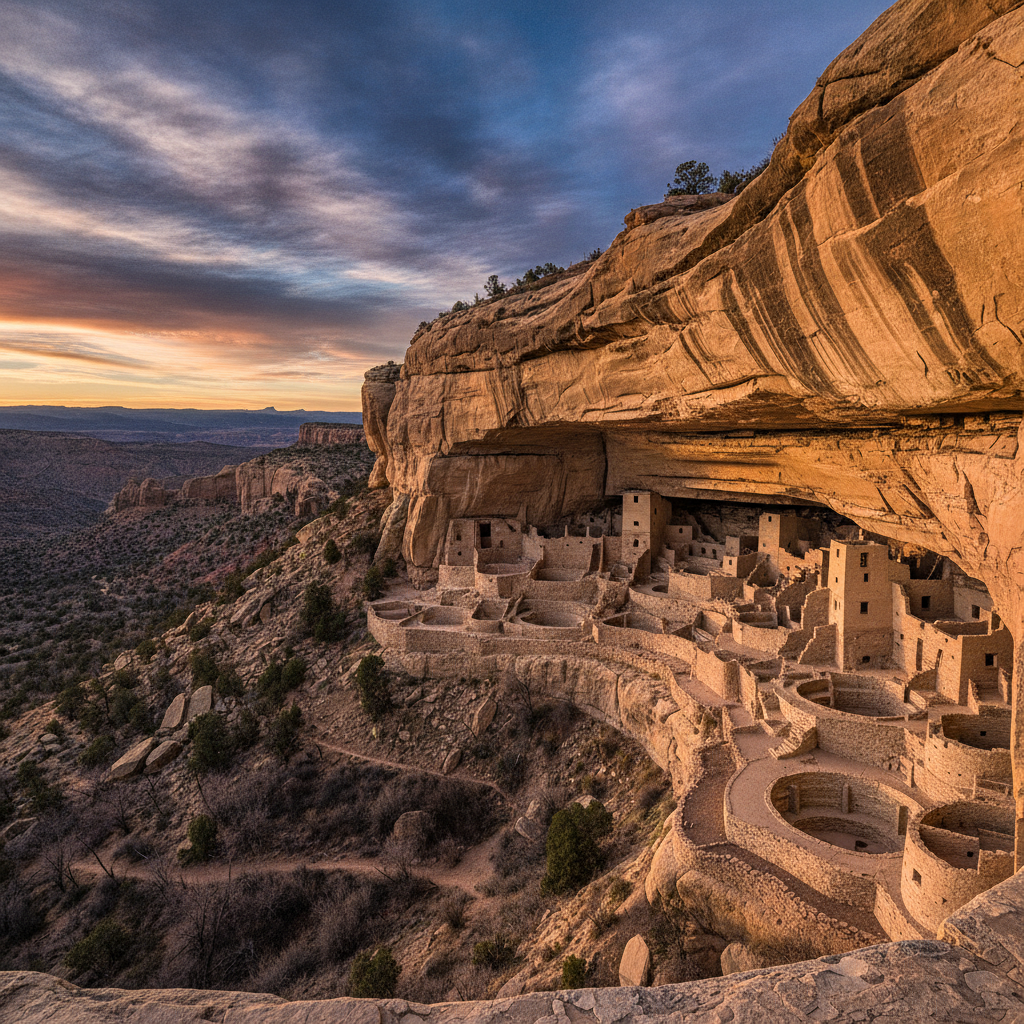
Mesa Verde National Park, 380 miles southwest of Denver near Cortez, preserves the cliff dwellings of the Ancestral Puebloan people who lived in the Four Corners region from 600 to 1300 AD. Cliff Palace, the largest cliff dwelling in North America with 150 rooms and 23 ceremonial chambers, was built into an alcove in the canyon wall. The park was established in 1906 as the first national park created to preserve human works rather than natural landscapes. Colorado contains four additional national parks: Rocky Mountain, Black Canyon of the Gunnison, Great Sand Dunes, and Curecanti, as well as numerous national monuments and recreation areas. The Colorado tourism industry generates over 26 billion dollars annually, with outdoor recreation driving the majority of visitor spending.
Walk this route with audio
Stories play automatically as you reach each stop — no tapping needed.
More in Denver
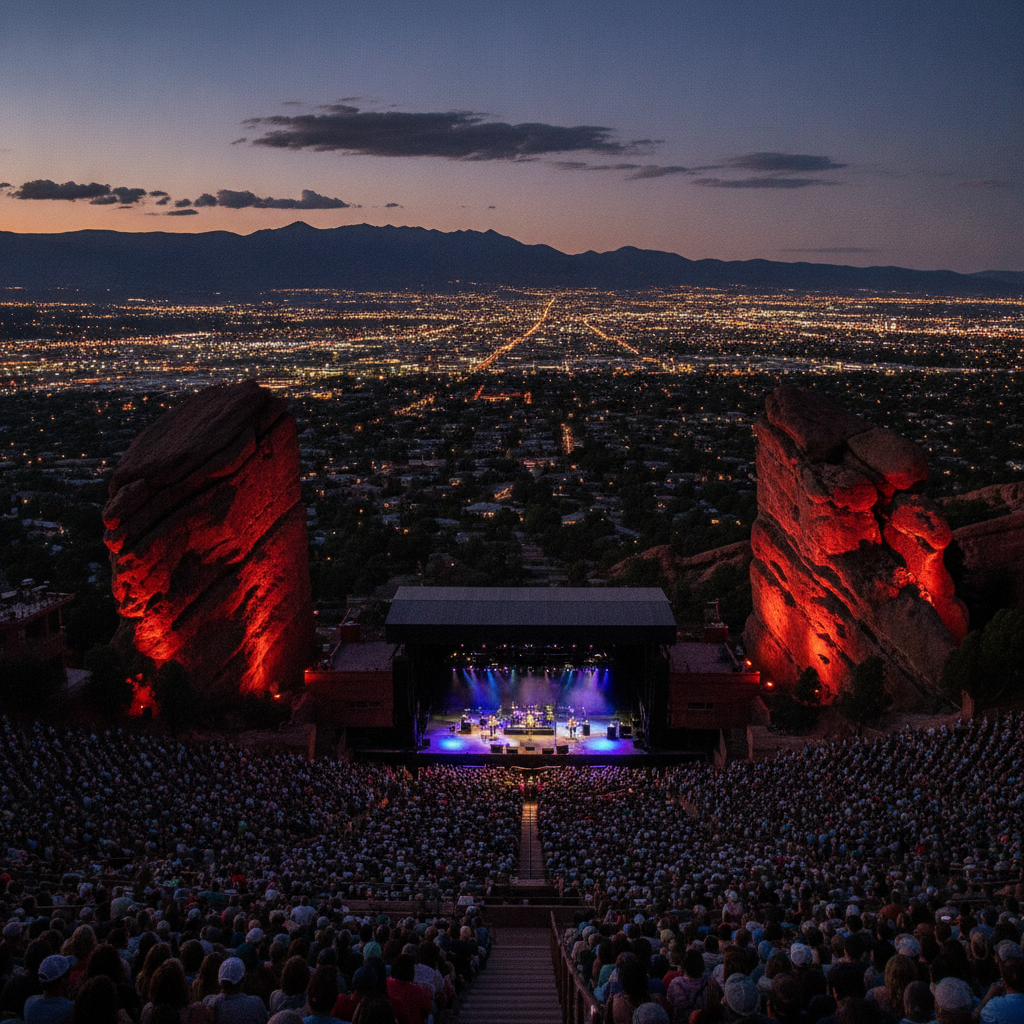
Denver: Red Rocks Amphitheatre (Greatest Outdoor Venue, U2 1983), Rocky Mountain National Park (Trail Ridge Road 3713m, elk rut, alpine tundra), Craft Beer Capital USA (Great American Beer Festival, 150+ breweries, Wynkoop 1988), Denver Art Museum (largest Native arts collection in world, Libeskind Hamilton Building, Clyfford Still Museum), and Practical Guide (DEN Airport rail link, LoDo, Colfax, Colorado ski resorts Breckenridge and Vail)
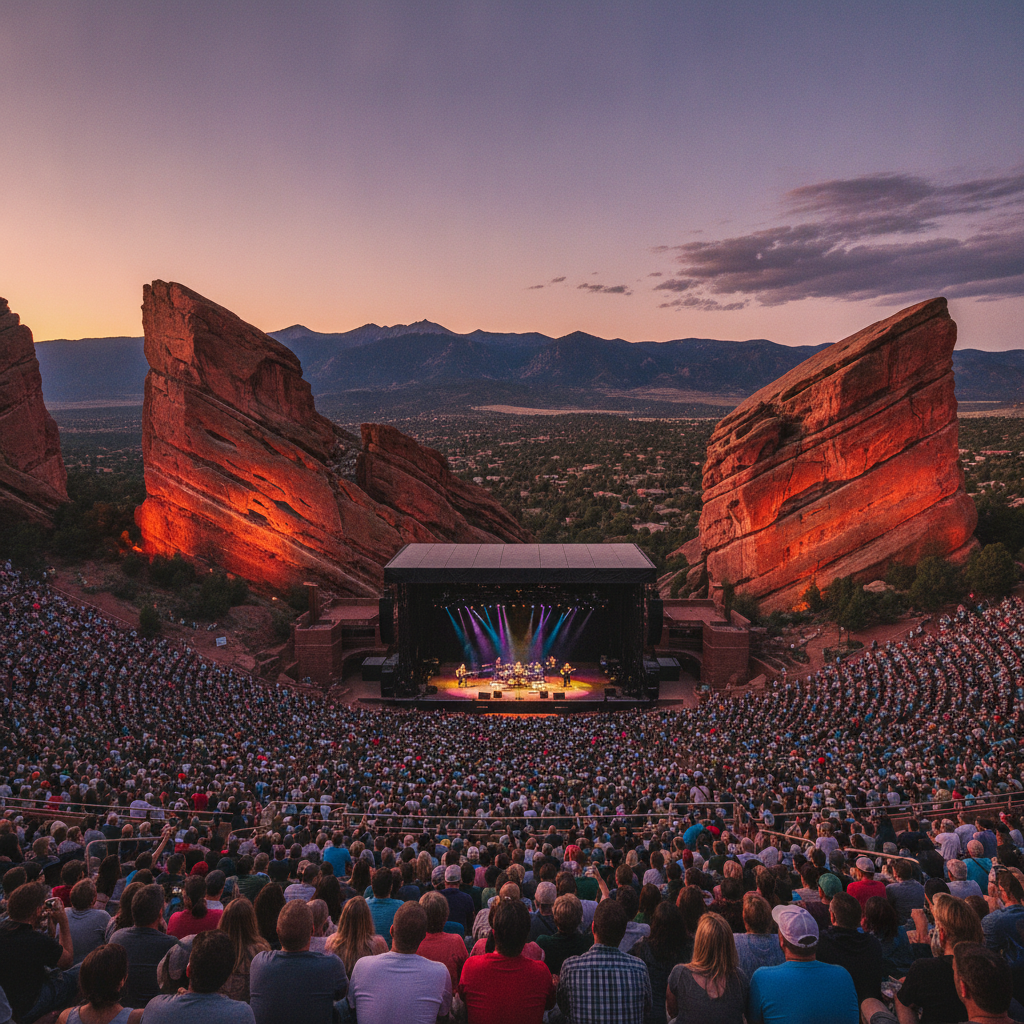
Denver: World Best Outdoor Venue, Mountain National Park Gateway and Craft Beer Capital
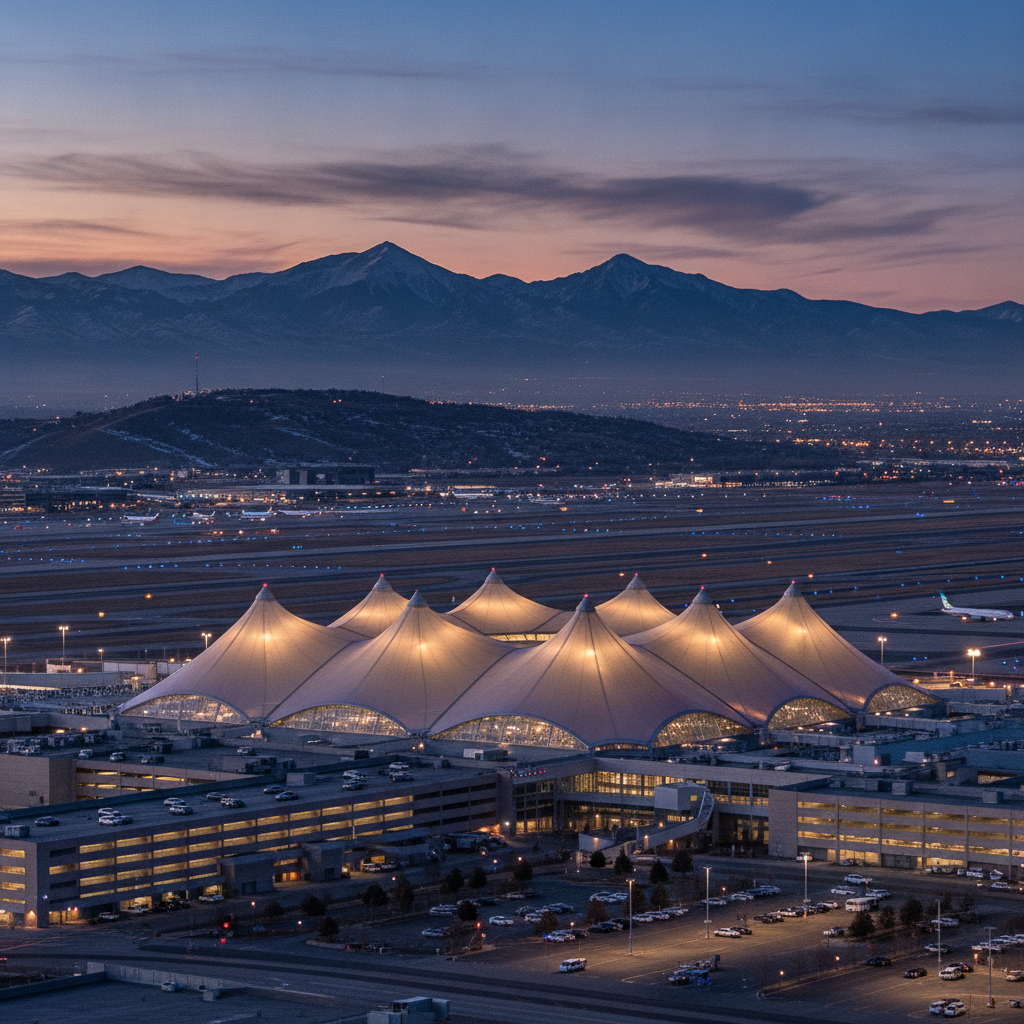
Denver: Coors Country, Red-Eyed Airport Mustang and the World First Cannabis Retail
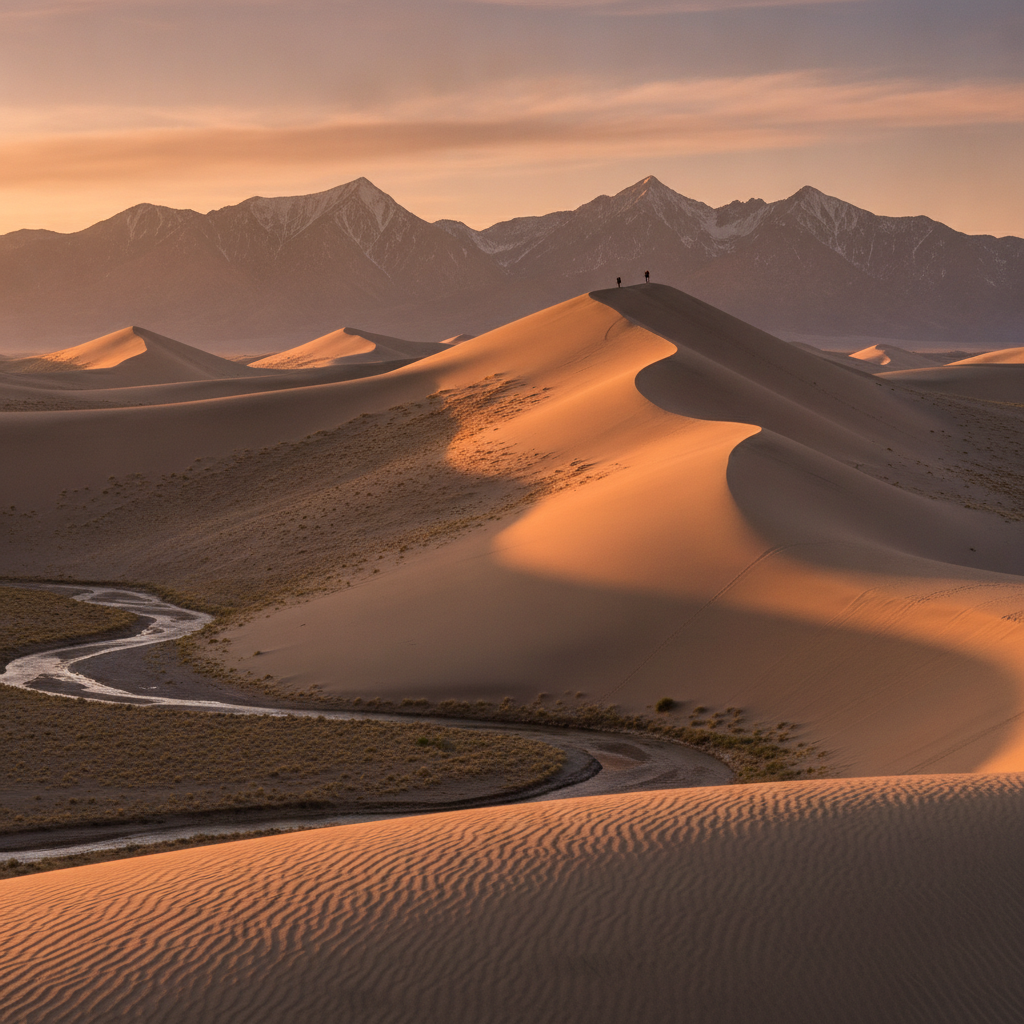
Denver: Colorado Cannabis Legalization (Amendment 64 2012, USD 1.7B tax revenue, dispensary culture), Denver Active Lifestyle (trail network, mountain biking, Jefferson County Open Space), Aspen and Telluride (luxury mountain towns, Aspen Institute, Telluride Film Festival), Great Sand Dunes National Park (tallest dunes in North America 230m), Colorado River Rafting (Moab, Black Canyon of the Gunnison, Glenwood Hot Springs), and Denver vs Other Western Cities Practical Guide
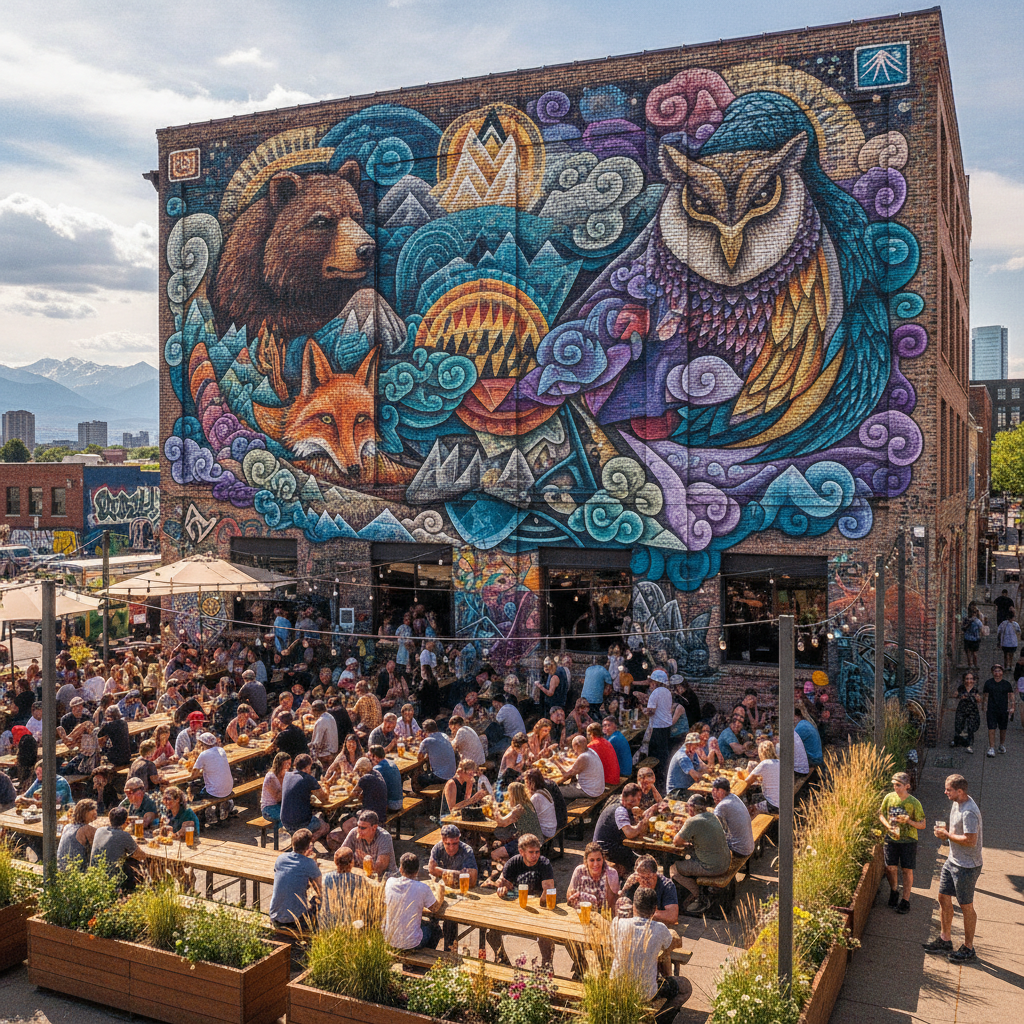
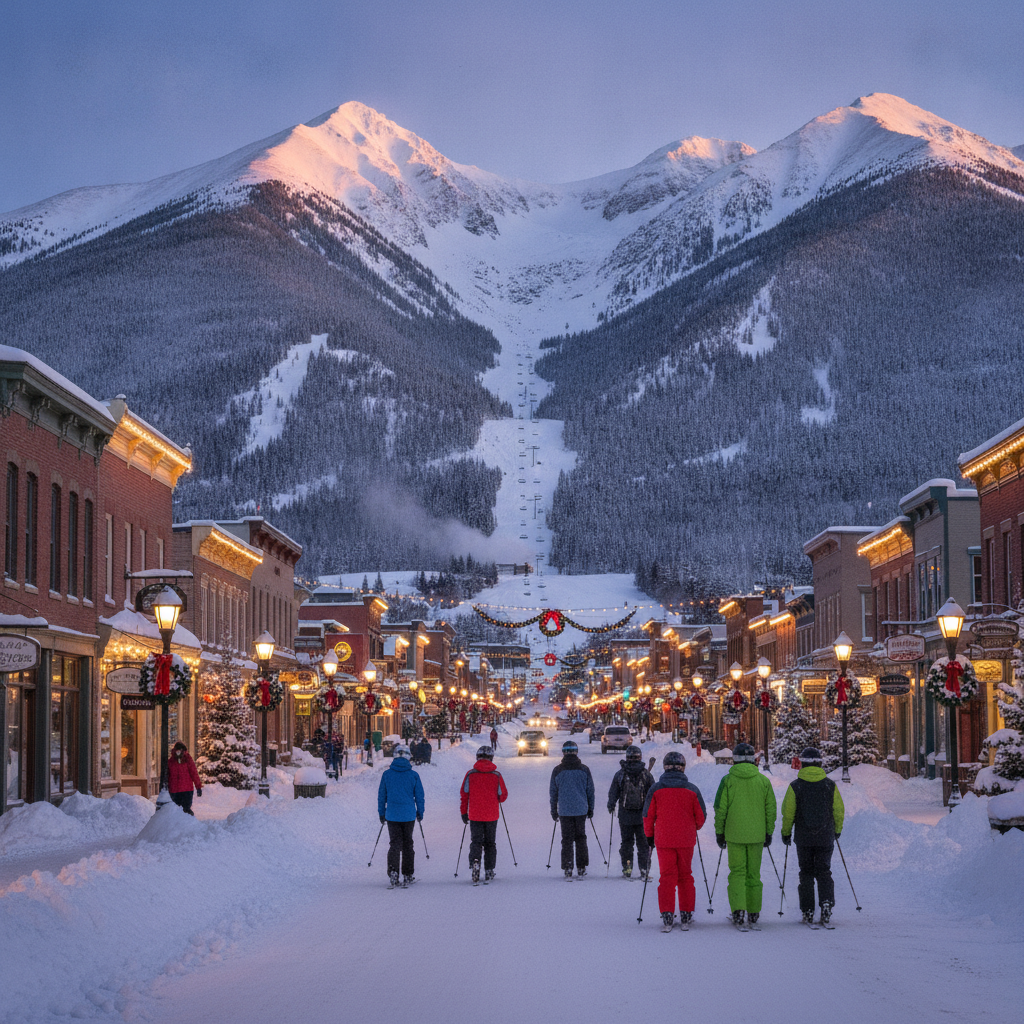
Denver: Mural District Breweries, Summit County Skiing and the Wickedest Street in America