Denver: Red Rocks Amphitheatre (Greatest Outdoor Venue, U2 1983), Rocky Mountain National Park (Trail Ridge Road 3713m, elk rut, alpine tundra), Craft Beer Capital USA (Great American Beer Festival, 150+ breweries, Wynkoop 1988), Denver Art Museum (largest Native arts collection in world, Libeskind Hamilton Building, Clyfford Still Museum), and Practical Guide (DEN Airport rail link, LoDo, Colfax, Colorado ski resorts Breckenridge and Vail)
Denver highlights: Mile High City overview (5,280 feet, Colorado gold rush 1858, Front Range 14ers), Red Rocks Amphitheatre (9,525-seat natural sandstone venue, U2 Blood Red Sky 1983, Beatles 1964), Rocky Mountain National Park (Trail Ridge Road highest paved road in US, 4.5M annual visitors, elk rut September-October, alpine tundra, pika), Denver craft beer capital (430 Colorado craft breweries, Great American Beer Festival, Wynkoop founded by future Governor Hickenlooper), Denver Art Museum (18,000-object Native arts collection, Libeskind titanium Hamilton Building), and Denver practical (A Line 37min to airport, LoDo, Breckenridge/Vail ski access).
- 1
Denver - the Mile High City at 5280 Feet
Denver (the Mile High City, the state capital of Colorado, population approximately 750,000 city, 2.9 million metro area): located at precisely 5,280 feet (1,609 m) above sea level on the High Plains immediately east of the Rocky Mountains. The mile high elevation is officially marked on the 15th step of the Colorado State Capitol (a gold-plated step installed in 2003 to correspond with the GPS-measured exact 5,280 feet elevation). Denver geography: the city sits at the convergence of the High Plains and the Rocky Mountains, with the Front Range of the Rockies rising immediately to the west (the view of the mountains from downtown Denver is one of the most dramatic mountain views from any US city). The Rocky Mountains (the major mountain chain of the American West, extending 4,800 km from New Mexico to British Columbia): the highest peaks visible from Denver are the Front Range 14ers (mountains over 14,000 feet / 4,267 m), including Longs Peak (4,345 m), Mount Evans (4,348 m, with the highest paved road in the United States), and Pikes Peak (4,302 m). Denver history: the city was founded in November 1858 at the confluence of Cherry Creek and the South Platte River, driven by the Colorado Gold Rush (the Pike Peak Gold Rush of 1858-1861). Denver grew rapidly as a supply center for the mining camps and became the territorial capital of Colorado in 1867. Colorado became the 38th US state in 1876 (the Centennial State, admitted in the year of the US centennial).
- 2
Red Rocks Amphitheatre - the Greatest Outdoor Concert Venue
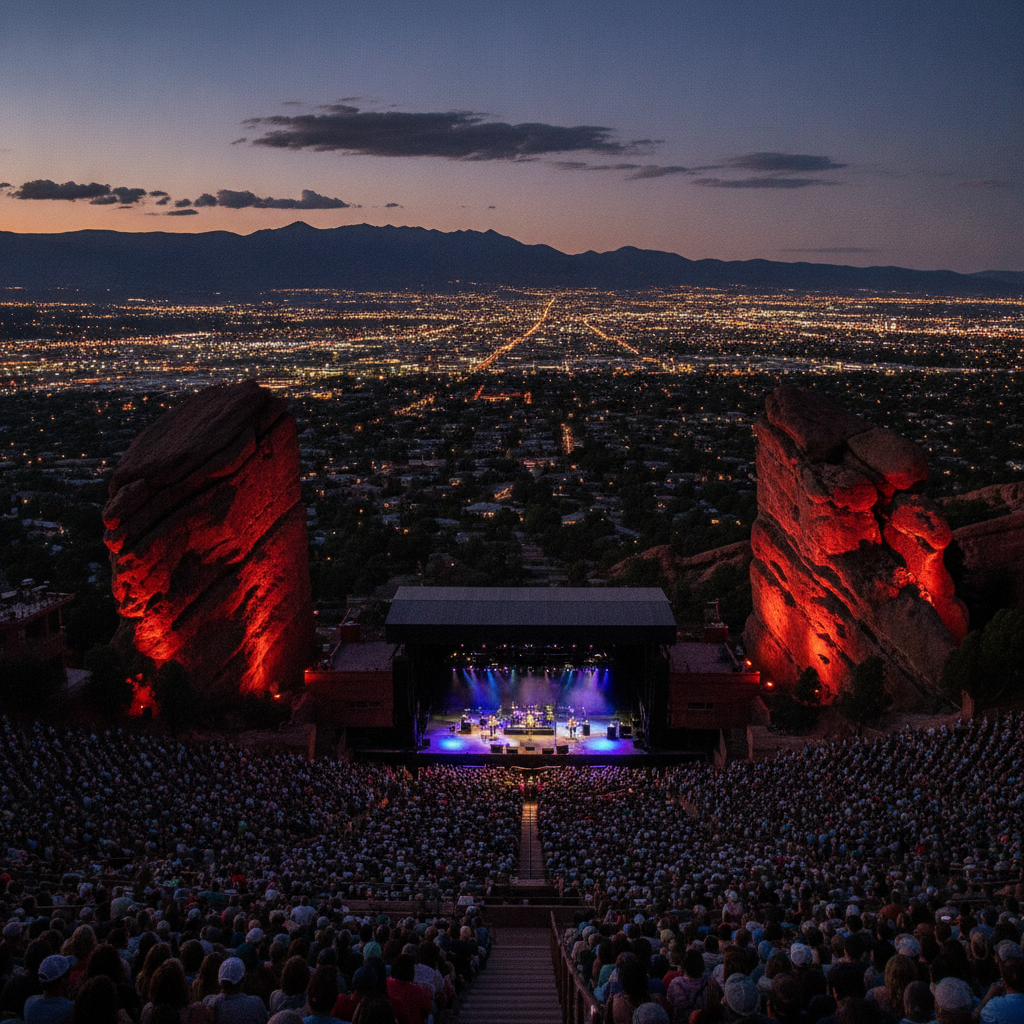
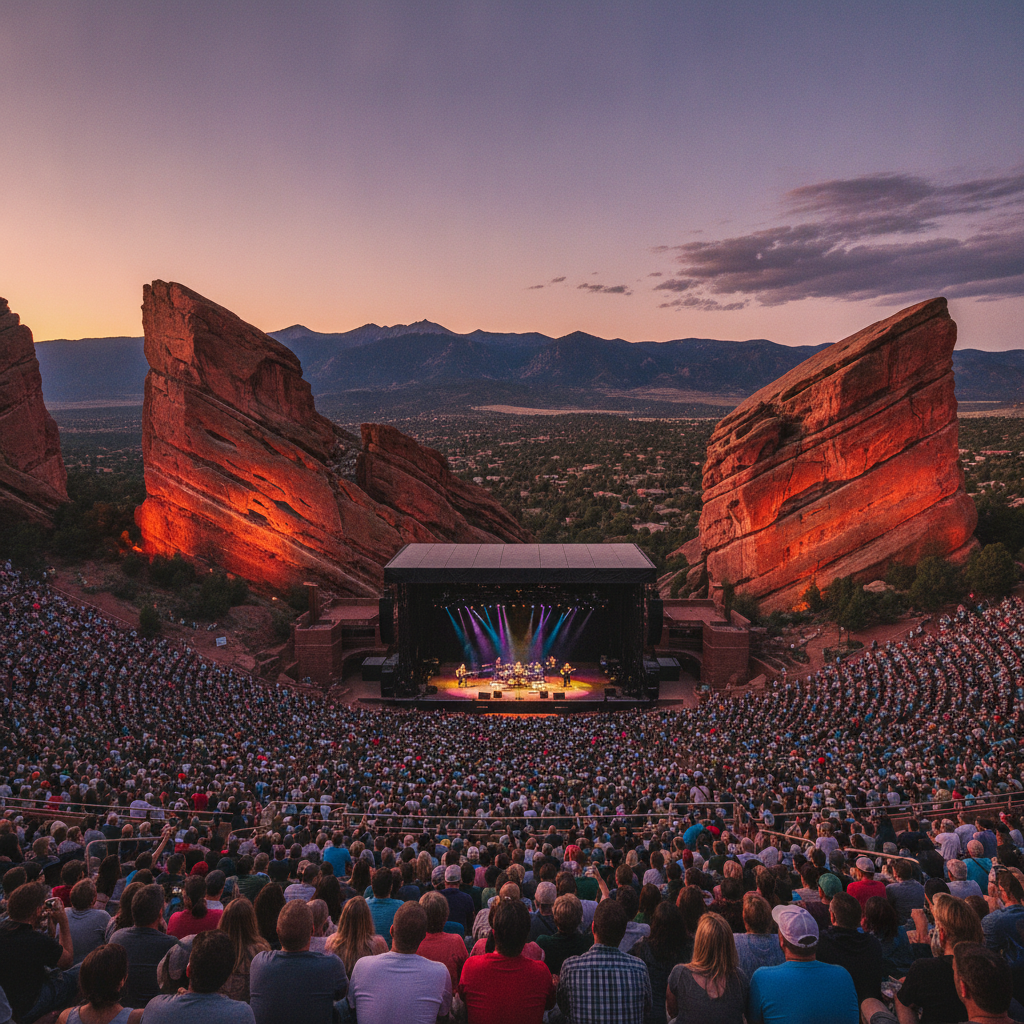
Red Rocks Park and Amphitheatre (at Morrison, Colorado, 28 km west of downtown Denver, 30 minutes by car): the most famous outdoor music venue in the United States and widely considered the greatest outdoor concert venue in the world. Red Rocks geology: the amphitheater sits between two massive red sandstone monoliths (Ship Rock and Creation Rock, each approximately 100 m tall) that form the natural walls of the venue. The red sandstone was deposited during the Pennsylvanian and Permian periods (300-250 million years ago) and then tilted to near-vertical by the uplift of the Rocky Mountains approximately 60-70 million years ago. Red Rocks concert history: the first concerts were held at Red Rocks in 1908; the current amphitheater (with 9,525 permanent seats) was constructed by the City of Denver between 1936 and 1941 using Civilian Conservation Corps labor. The defining Red Rocks concerts: U2 War Tour (5 June 1983, filmed as Under a Blood Red Sky, the most famous live album in rock history); John Denver recorded many iconic concerts at Red Rocks; The Beatles performed at Red Rocks (26 August 1964); Bruce Springsteen, the Grateful Dead, Jimi Hendrix, and virtually every major touring act in the second half of the 20th century have played Red Rocks. The venue is owned and operated by the City of Denver. The hiking trails and prehistoric trackway at Red Rocks Park: the 1,400-acre park surrounding the amphitheater has extensive hiking trails and the fossilized dinosaur tracks of the Morrison Formation.
- 3
Rocky Mountain National Park - 415 Square Miles of Alpine Wilderness
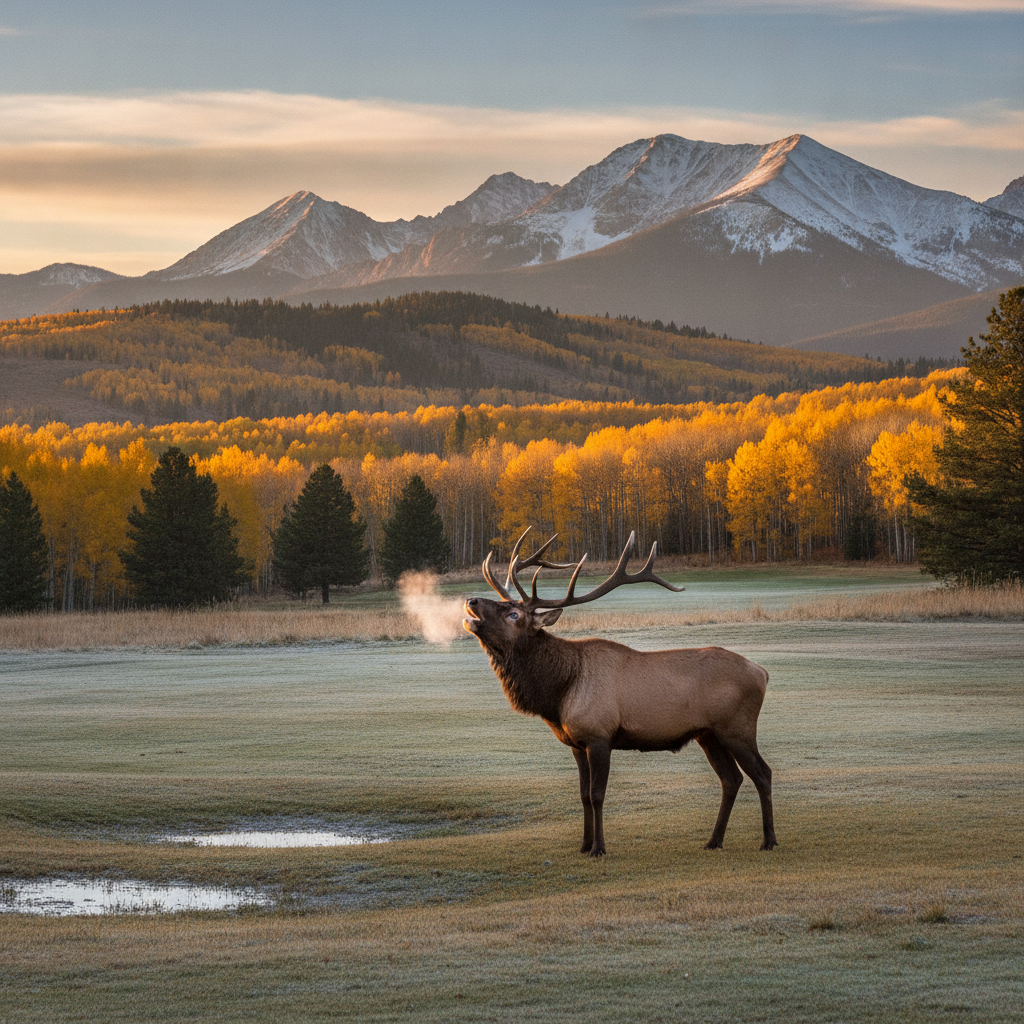
Rocky Mountain National Park (at Estes Park, 104 km northwest of Denver, 1.5-2 hours by car): one of the most visited national parks in the United States, with approximately 4.5 million visitors annually. The park encompasses 415 square miles of the Front Range, from the montane zone (1,800-2,900 m elevation) through the subalpine zone (2,900-3,500 m) to the alpine tundra above tree line (3,500 m+). Trail Ridge Road (the 77 km highway through Rocky Mountain National Park, from Estes Park to Grand Lake): the highest continuous paved road in the United States, reaching a maximum elevation of 3,713 m. The road is open typically late May to mid-October, dependent on snow. The alpine tundra above Trail Ridge: the tundra ecosystem above tree line is the most distinctive feature of Rocky Mountain National Park, with the low-growing plants (cushion plants, sedges, alpine clover) that can survive the extreme wind, cold, and UV radiation at altitude. The wildlife of Rocky Mountain National Park: the elk (the park has approximately 1,000-3,500 elk depending on the season; the fall rut, September-October, brings spectacular bull elk bugling into the Kawuneeche Valley and Horseshoe Park); the bighorn sheep (Ovis canadensis, on the rocks above the Horseshoe Park); the moose (in the willow thickets of the Kawuneeche Valley); and the pika (Ochotona princeps, the small rabbit relative that lives on the rocky talus above tree line and may be among the first mammals driven to extinction by climate change warming).
- 4
Denver Craft Beer Scene - Birthplace of the Craft Beer Revolution
Denver and the Colorado craft beer scene: Denver is the craft beer capital of the United States, with more craft breweries per capita than any other major US city. Colorado has approximately 430 craft breweries (2023 figure), and the Denver metro area has over 150 breweries within the city limits. The Great American Beer Festival (GABF, annual in October at the Colorado Convention Center in Denver): the largest commercial craft beer competition and festival in the United States, with approximately 800 breweries and 60,000 attendees; considered the most prestigious award in American craft brewing. Denver craft brewing history: the Wynkoop Brewing Company (at the historic J.S. Brown Mercantile Building, 1634 18th Street, LoDo): founded in 1988 by John Hickenlooper (who later became Governor of Colorado and US Senator), the Wynkoop was the first brewpub in Colorado and one of the first in the United States; it is credited with helping to revitalize the Lower Downtown (LoDo) neighborhood. Notable Denver breweries: Odell Brewing (Fort Collins, 110 km north of Denver, one of the oldest and most respected Colorado craft breweries); Great Divide Brewing (Denver, famous for the Yeti Imperial Stout); Breckenridge Brewery (Denver and Breckenridge, acquired by AB InBev in 2015); Oskar Blues (Longmont, the first craft brewery to can its beer, in 2002, with the Dale Pale Ale). The Denver Beer Trail: the self-guided craft brewery tour through Denver neighborhoods.
- 5
Denver Art Museum and the Cultural Institutions
The Denver Art Museum (at 100 West 14th Avenue Parkway, in the Civic Center district): one of the largest art museums between Chicago and Los Angeles, with a permanent collection of approximately 70,000 objects in 12 permanent collection areas. The most important permanent collections: the Native arts collection (the largest and most comprehensive Native North American art collection in the world, with over 18,000 objects representing 1,000+ tribes), the Western American art collection (Frederic Remington, Charles Russell, Thomas Moran), and the Asian art collection. The Hamilton Building (the 2006 Frederic Hamilton Building extension, designed by Daniel Libeskind): the angular titanium-clad building that has become one of the most distinctive pieces of architecture in Denver. The Clyfford Still Museum (adjacent to the Denver Art Museum, at 1250 Bannock Street): the dedicated museum for the Abstract Expressionist painter Clyfford Still (1904-1980), who bequeathed 94% of his life work to a city that would build a dedicated museum; the collection of approximately 825 works makes it the most complete holding of any major American artist in a single collection. The Colorado State Capitol (at the intersection of Colfax Avenue and Sherman Street): the dome (covered in 24-karat gold leaf from Colorado mines) and the mile-high step. The Denver Public Library (at 10 West 14th Avenue Parkway, adjacent to the art museum): designed by Michael Graves (1995), the primary public library with an exceptional Western history collection.
- 6
Denver Practical Guide - LoDo Colfax and Rocky Mountain Skiing
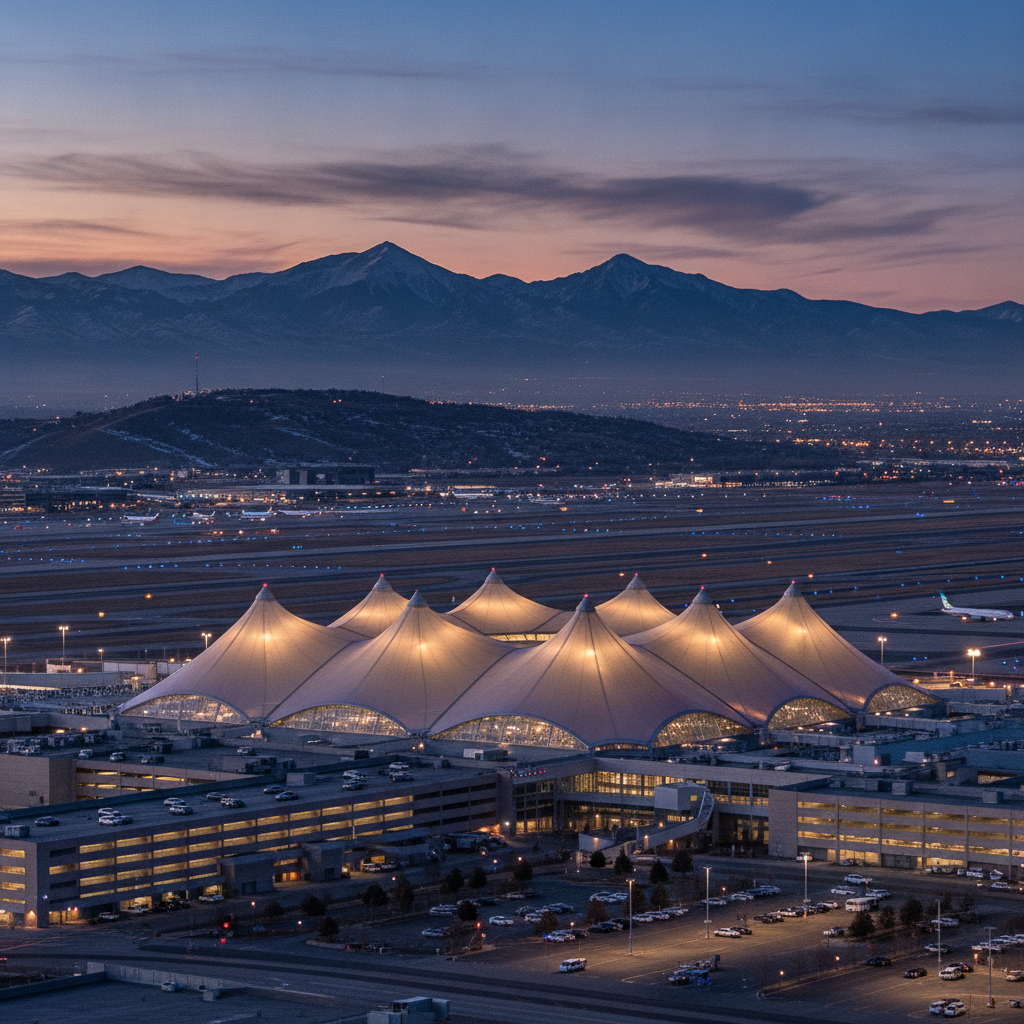
Denver practical: Denver International Airport (DEN): the 5th busiest airport in the United States, with direct flights to virtually all major US cities and international connections to Europe, Asia, and Latin America. The 37 km airport rail link (the University of Colorado A Line): connects DEN to Denver Union Station (downtown) in 37 minutes. Denver neighborhoods: LoDo (Lower Downtown, around Union Station and Coors Field): the most active nightlife, restaurant, and bar district, centered on the historic brick warehouse buildings now converted to restaurants and bars. The 16th Street Mall (the pedestrian and free shuttle mall from Civic Center to Union Station, 1.6 km): the commercial spine of downtown. Capitol Hill and Colfax Avenue (Denver oldest and most eclectic neighborhood): the Bluebird Theater, the Fillmore Auditorium, the numerous independent restaurants and bars. The Denver ski resort access: Denver is the gateway to the most concentrated ski resort area in the United States. Within 1.5-2 hours of Denver: Breckenridge (145 km, 1.45M skier-days per year, the most visited ski resort in the US), Vail (171 km, the largest single ski mountain in the US at 2,170 acres), Keystone (115 km), Arapahoe Basin (105 km, the highest base elevation in Colorado at 3,286 m), and Loveland Ski Area (97 km). Denver is also 65 km from Boulder (the University of Colorado, the Pearl Street Mall, the Flatirons, the outdoor recreation capital of Colorado).
Walk this route with audio
Stories play automatically as you reach each stop — no tapping needed.
More in denver
Denver: World Best Outdoor Venue, Mountain National Park Gateway and Craft Beer Capital
Denver: Coors Country, Red-Eyed Airport Mustang and the World First Cannabis Retail
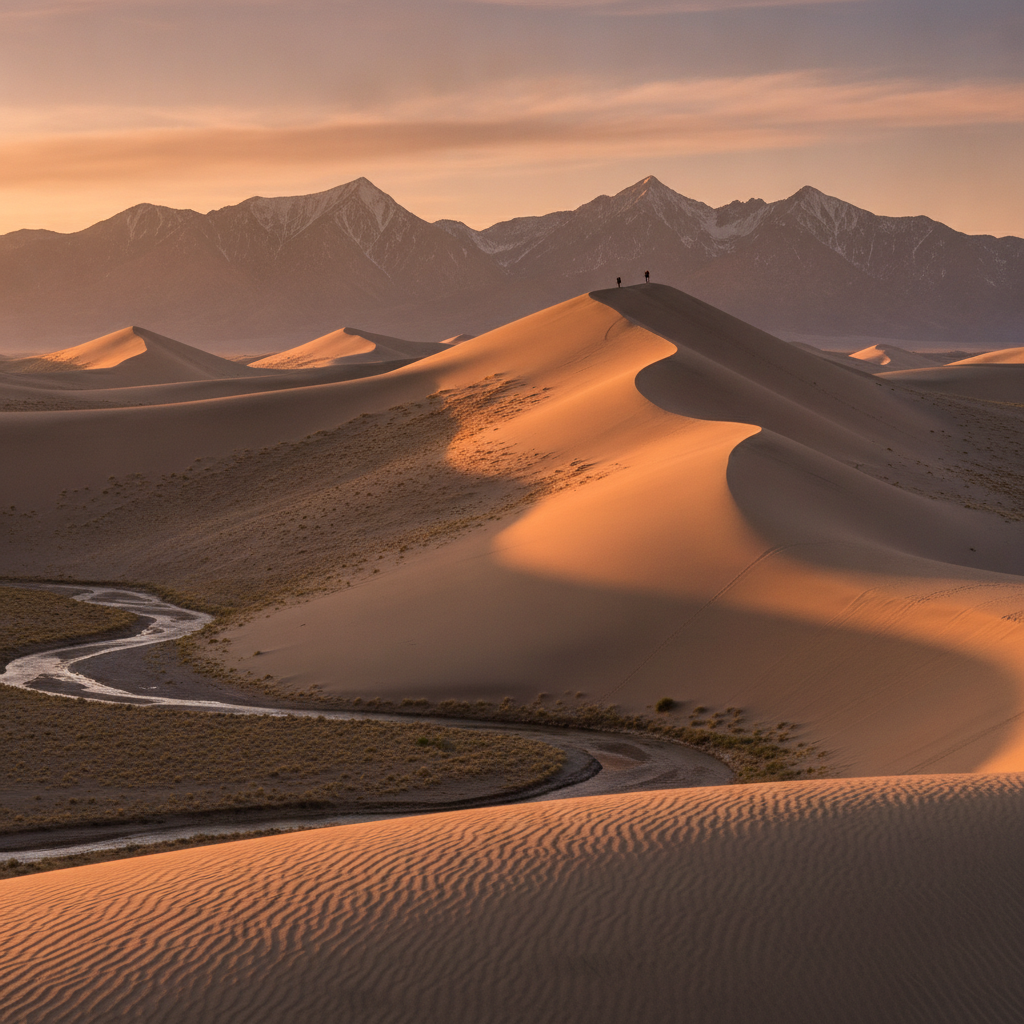
Denver: Colorado Cannabis Legalization (Amendment 64 2012, USD 1.7B tax revenue, dispensary culture), Denver Active Lifestyle (trail network, mountain biking, Jefferson County Open Space), Aspen and Telluride (luxury mountain towns, Aspen Institute, Telluride Film Festival), Great Sand Dunes National Park (tallest dunes in North America 230m), Colorado River Rafting (Moab, Black Canyon of the Gunnison, Glenwood Hot Springs), and Denver vs Other Western Cities Practical Guide
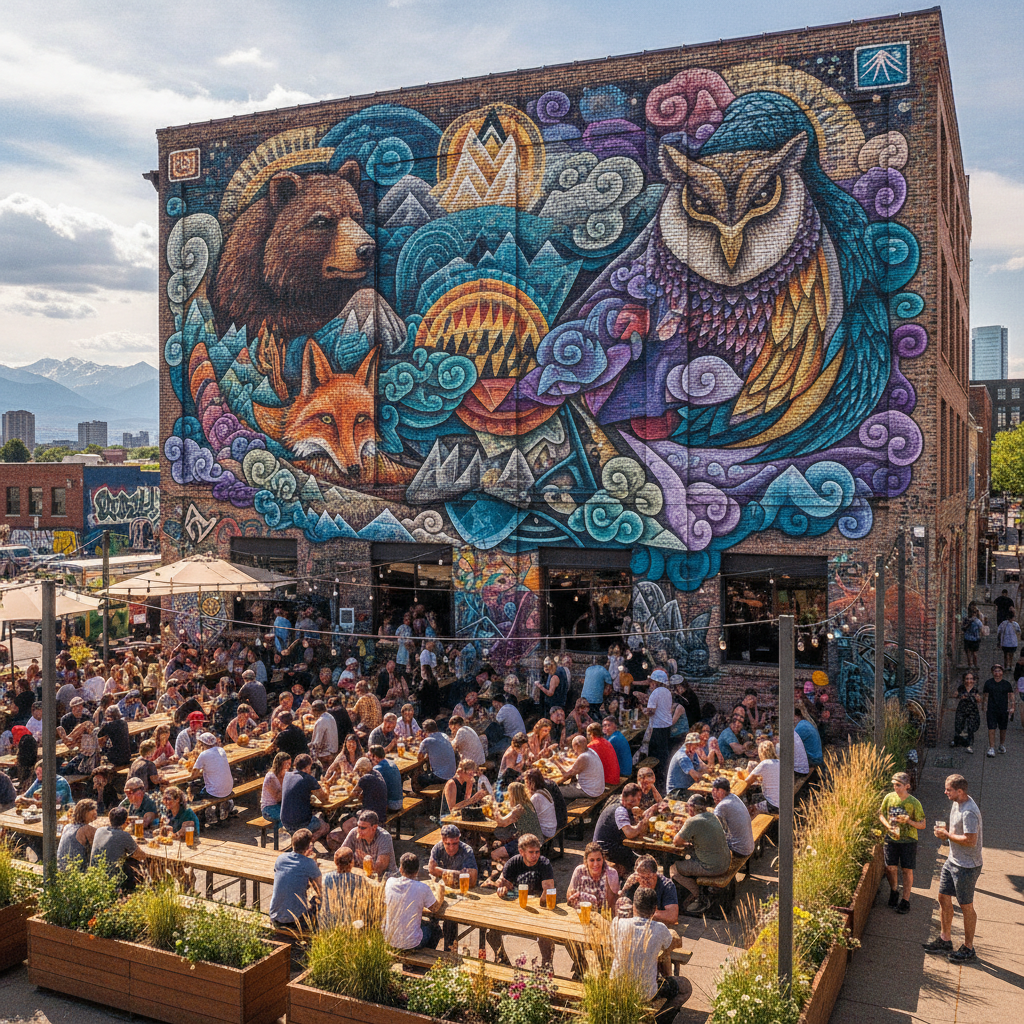
Denver: Mural District Breweries, Summit County Skiing and the Wickedest Street in America
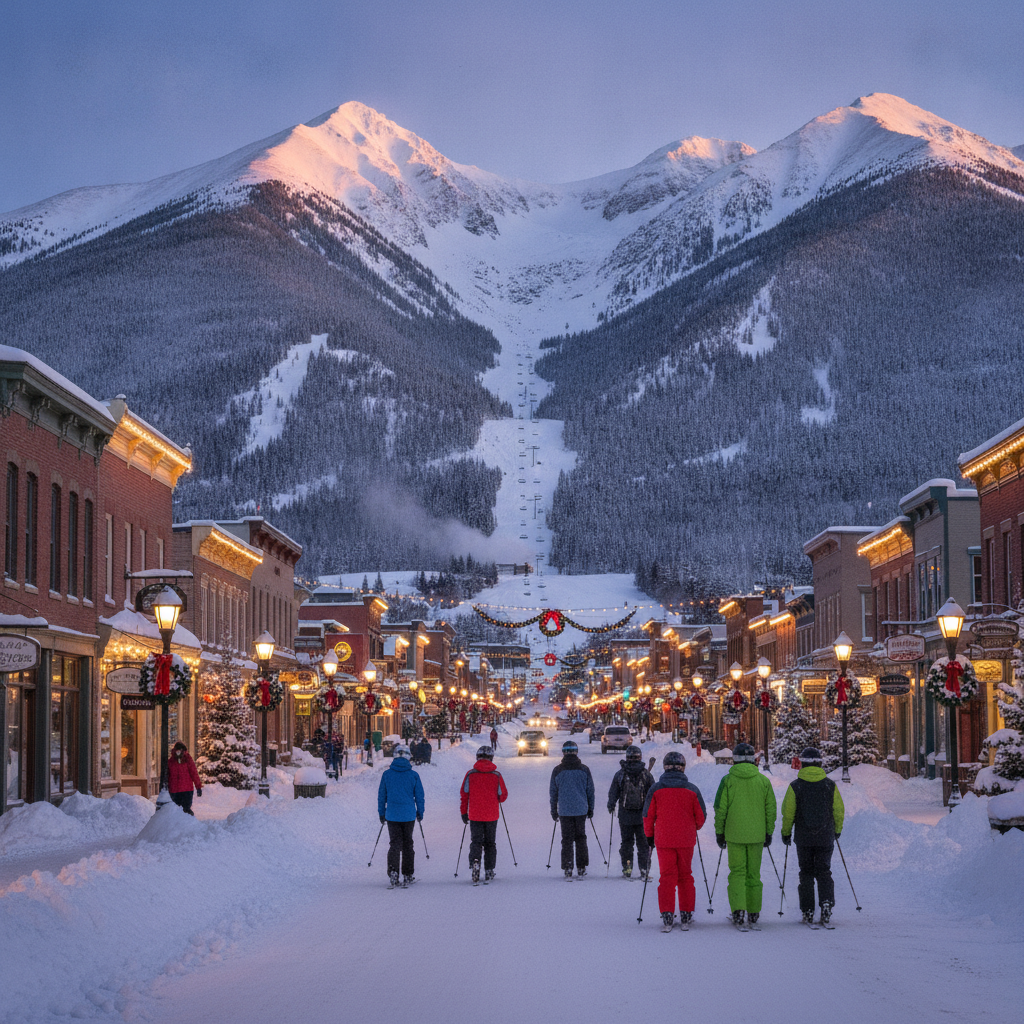
Denver: Breckenridge Skiing (most visited US resort, 1.45M skier-days, Victorian gold rush town), Vail Mountain (largest single ski mountain USA, Back Bowls, 10th Mountain Division history), Colorado 14ers Hiking (58 peaks over 14000ft, Mount Bierstadt accessible from Denver, Pikes Peak cog railway), Larimer Square and RiNo Art District, Denver Music Scene (Red Rocks, John Denver, Colorado festivals), and Boulder Day Trip (Flatirons, Pearl Street Mall, CU Boulder, outdoor culture)