Detroit: 107000-Seat Big House Stadium, the Largest Bankruptcy in US History and Where Punk Was Born
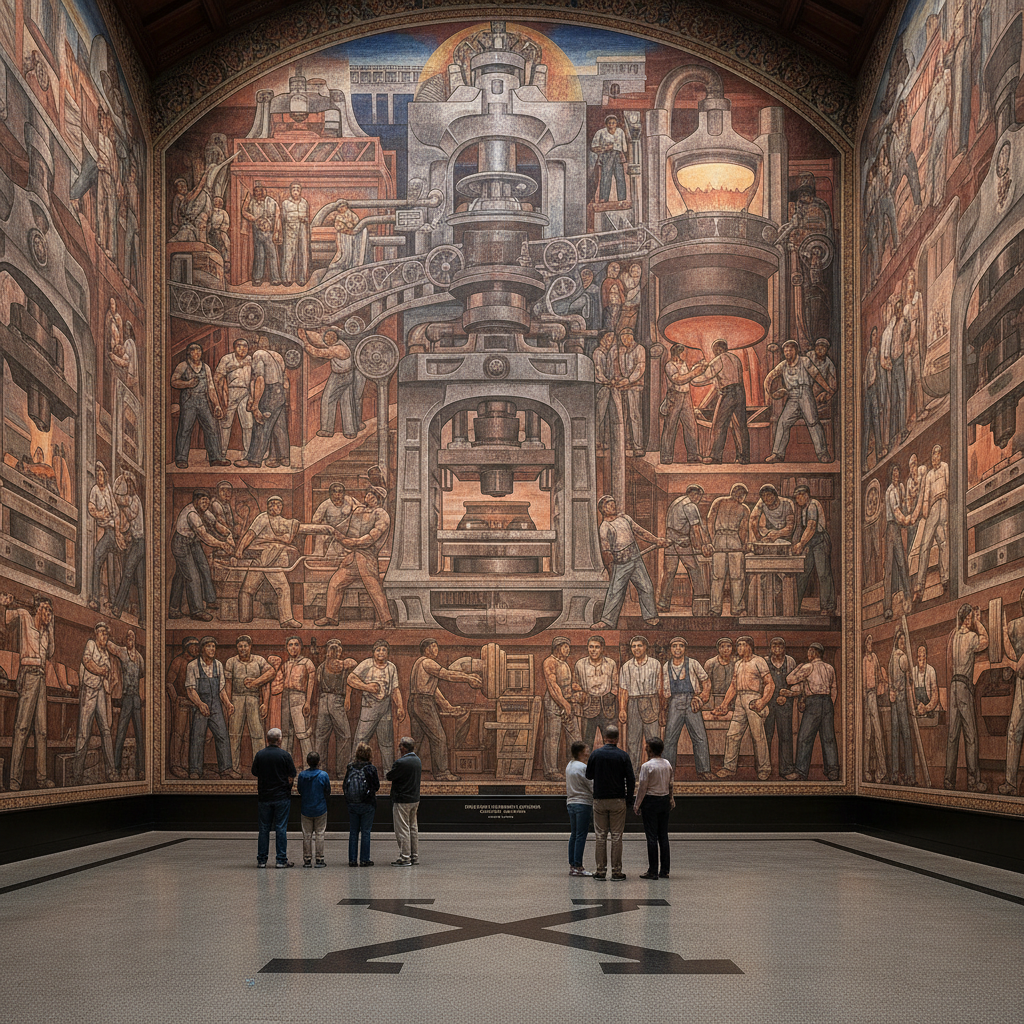
Watch concept cars unveiled at the Detroit Auto Show in the shadow of GM Renaissance Center glass towers on the riverfront, drive to Ann Arbor Big House stadium seating 107000 for Michigan football and eat at Zingermans deli that inspired a generation of food entrepreneurs, tour the Ford River Rouge Complex where Diego Rivera studied factory workers for two years before painting the DIA murals, trace Detroit rock legacy from MC5 and Iggy Pop Stooges to Jack White and Eminem, understand the 18-billion-dollar 2013 bankruptcy and how the Grand Bargain saved the DIA collection, and read the uneven revival across Midtown gentrification and outer neighborhood struggle.
- 1
Detroit Auto Show and Automotive Industry
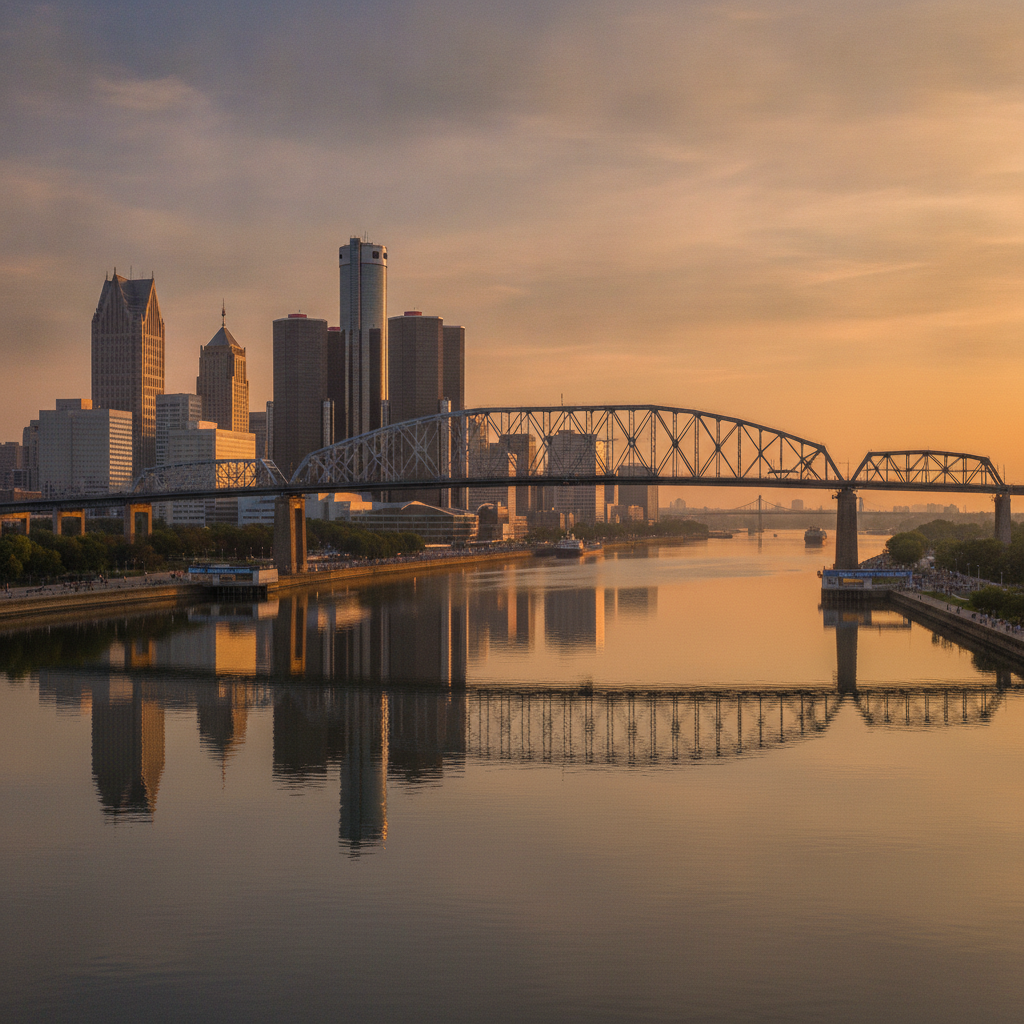
The North American International Auto Show, held annually in Detroit and known colloquially as the Detroit Auto Show, was for decades the premier automotive press event in the world where manufacturers unveiled concept cars and production vehicles to global media. The show moved from January to September in 2022 to reconnect with the automotive heritage of the city and returned with a format that integrated outdoor driving experiences with the indoor display. Detroit remains the symbolic and operational center of the American auto industry with General Motors headquartered in the Renaissance Center, Ford in Dearborn, and Stellantis in Auburn Hills. The GM Renaissance Center, a complex of cylindrical glass towers on the Detroit riverfront designed by John Portman and opened in 1977, remains the dominant element of the Detroit skyline. The auto industry employed over 600,000 workers in metro Detroit at its peak in the 1950s before automation and offshoring reduced the workforce by two-thirds.
- 2
Rivertown Warehouse District
The Rivertown Warehouse District along East Jefferson Avenue and the Detroit River east of downtown, a former industrial area of brick warehouses built in the early 20th century for manufacturing and storage, became the first neighborhood to experience significant nightlife development in Detroit in the 1980s and 1990s. Clubs including the Shelter, St. Andrews Hall, and the State Theatre in adjacent downtown hosted the early Detroit techno and hip hop scenes. The area continues as a venue district while surrounding residential development has progressed slowly. The Frederick Douglass-Susan B. Anthony Memorial Bridge connecting Detroit to Windsor, Ontario, approved as a new international crossing to supplement the Ambassador Bridge, was under construction in the early 2020s. The Ambassador Bridge, a privately owned suspension bridge connecting Detroit to Windsor opened in 1929, carries approximately 25 percent of all trade between the United States and Canada and is the busiest international border crossing in North America.
- 3
Ann Arbor and University of Michigan
Ann Arbor, 45 miles west of Detroit, is home to the University of Michigan, one of the most prestigious public universities in the United States and the largest university by endowment after Texas. Michigan Stadium, known as the Big House, with a capacity of 107,601, is the largest stadium in the United States and the second largest in the world, hosting Michigan Wolverines football games that reliably sell out. Ann Arbor downtown, centered on Main Street and Liberty Street, has one of the strongest independent retail and restaurant ecosystems of any American university town, sustained by a student population of 47,000 and a faculty and staff of 30,000. Zingermans Delicatessen, founded in 1982, built a community of businesses including a bakehouse, creamery, and coffee company that influenced a generation of food entrepreneurs nationally. The Ann Arbor Art Fair, held annually in July, is one of the largest juried art fairs in the United States.
- 4
Ford River Rouge Complex
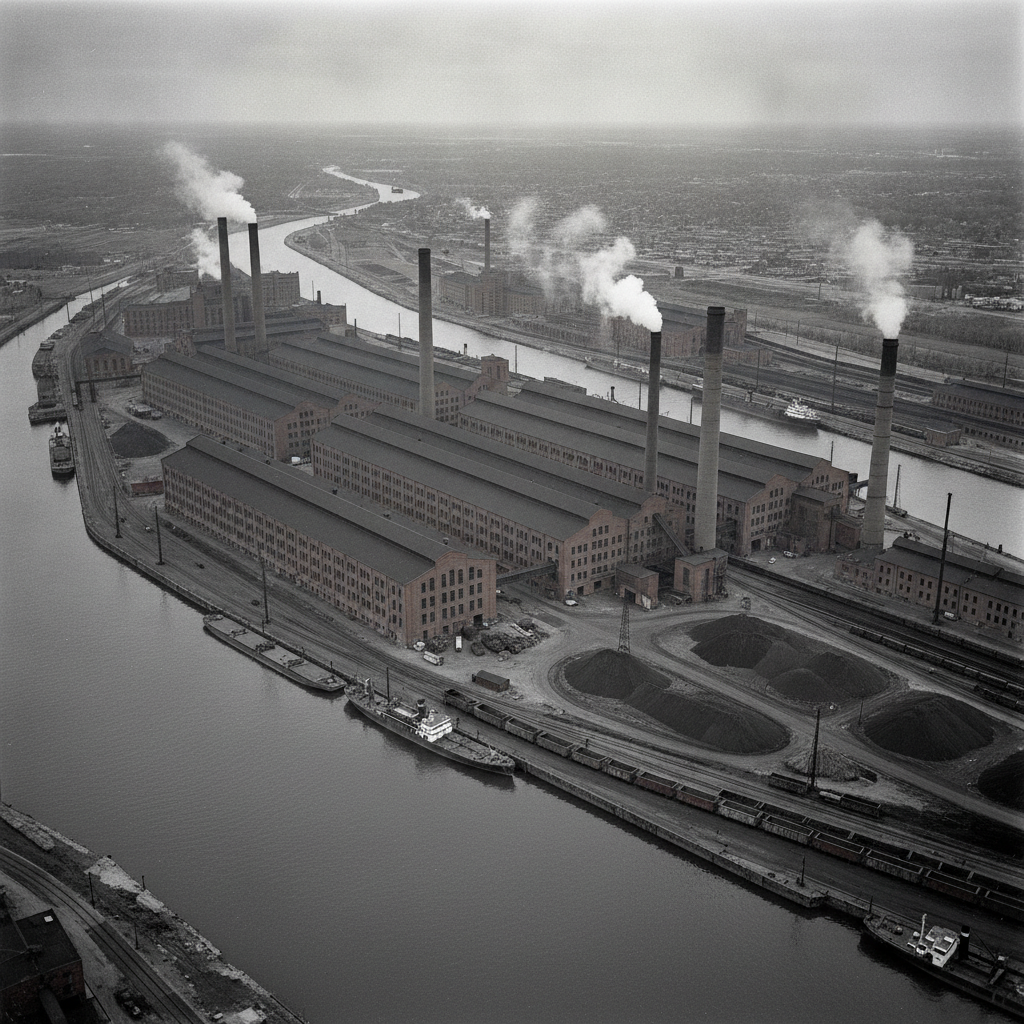
The Ford River Rouge Complex in Dearborn, designed by Albert Kahn and built between 1917 and 1928, was at its completion the largest manufacturing complex in the world, covering 1.5 square miles with 93 buildings, its own steel mill, glass factory, power plant, and 100 miles of internal railroad track. Raw materials entered one end and finished Ford Model T vehicles left the other, pioneering vertical integration in manufacturing. The complex employed over 100,000 workers at its peak. Diego Rivera studied the plant for two years before painting the Detroit Industry Murals. Public tours of the Dearborn Truck Plant, which now occupies part of the Rouge site and assembles Ford F-150 trucks, are offered through The Henry Ford museum. The original powerhouse designed by Albert Kahn still stands and has been partially restored. Kahn, a Jewish architect who was the most prolific industrial architect in American history, designed factory buildings for Ford, GM, Chrysler, and for the Soviet industrialization program in the 1930s.
- 5
Detroit Music Beyond Techno
Detroit musical contributions beyond techno and Motown include a foundational role in rock and roll through Ted Nugent, the MC5, the Stooges fronted by Iggy Pop, Alice Cooper, and later Jack White and the White Stripes, all of whom emerged from the Detroit metropolitan area. The MC5 and the Stooges in the late 1960s pioneered a raw, high-energy style that influenced punk rock. Jack White and Meg White, recording as the White Stripes in Detroit from 1997, stripped rock to its minimalist essentials and achieved global success with Elephant in 2003. Eminem, from Warren in Macomb County adjacent to Detroit, brought the Detroit perspective to hip hop through 8 Mile and the Marshall Mathers LP, the fastest-selling rap album in history at the time of its 2000 release. The Magic Stick and Majestic Theatre on Woodward Avenue remain the premier mid-size live music venues in the city, hosting acts from indie rock to hip hop.
- 6
Detroit Bankruptcy and Revival
Detroit filed for Chapter 9 bankruptcy in July 2013, the largest municipal bankruptcy in United States history, with over 18 billion dollars in debt accumulated from decades of population loss, pension obligations, and declining tax revenue. The city population fell from 1.85 million in 1950 to under 700,000 in 2013. The bankruptcy was resolved in December 2014 through the Grand Bargain, a 816-million-dollar settlement that protected city pensions and the Detroit Institute of Arts collection from liquidation. The revival since bankruptcy has been genuine but uneven, concentrated in Midtown, Corktown, downtown, and the riverfront while large portions of the city remain economically distressed with abandoned structures and low services. Detroit property values in revitalized areas have risen dramatically while long-term Black residents face displacement pressures. The city represents the most dramatic cycle of American urban rise, collapse, and selective renewal of the 20th and early 21st century.
Walk this route with audio
Stories play automatically as you reach each stop — no tapping needed.
More in Detroit
Detroit R4: Comerica Park Tigers (Ferris wheel, tiger sculptures, Little Caesars Arena Red Wings Pistons, Lions 1957 last championship, Detroit City FC Hamtramck), Hamtramck (Polish enclave 1901 to first all-Muslim city council 2021, Yemeni community largest US, Bangladeshi Bosnian diversity), Ann Arbor and University of Michigan (top public university, 107,601-seat Big House largest Western Hemisphere, Gerald Ford Madonna alumni, Ann Arbor Art Fair 500,000 visitors), Detroit River Underground Railroad (30,000-100,000 crossed to Canada 1817-1865, Second Baptist Church 1836 station, Tuskegee Airmen Museum), Detroit food (Buddy's pizza 1946 rectangular automotive pan, American vs Lafayette Coney Island hot dog rivalry since 1914, Chaldean community 130,000 largest outside Iraq), Practical (DTW Delta hub, Q Line People Mover, Ann Arbor Ann Arbor Museum Toledo Art Museum, safety guidance)
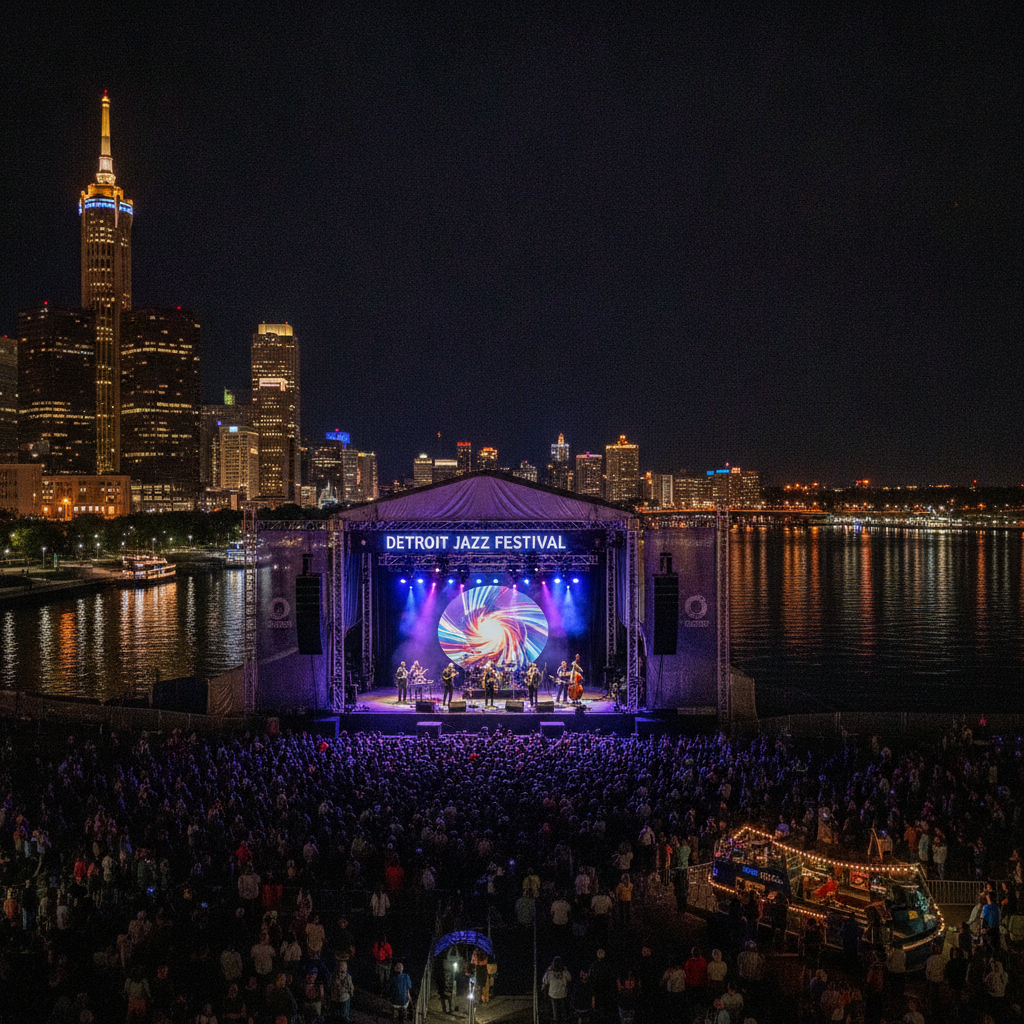
Detroit: 11 Stanley Cups, the World Largest Free Jazz Festival and a City Entirely Inside a City
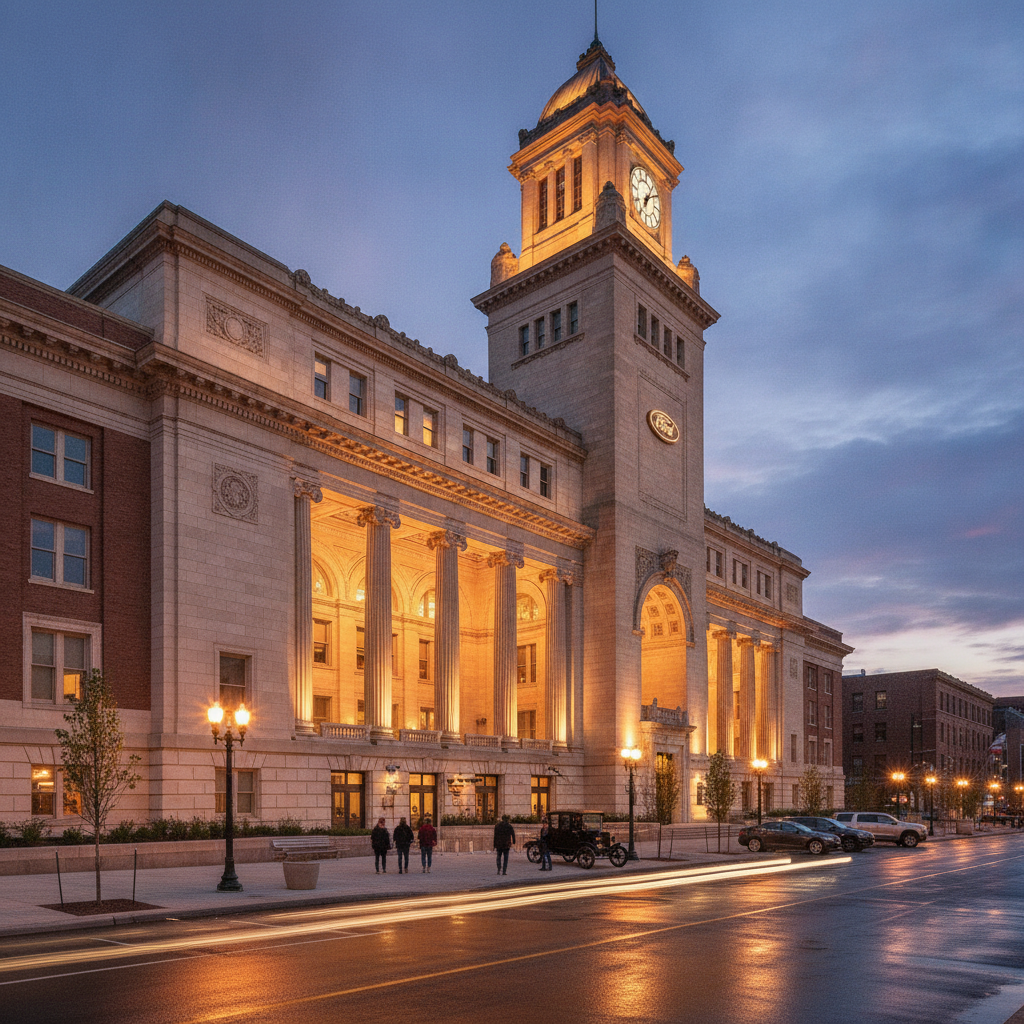
Detroit: Polka Dot Houses in Ruins, Lincoln Chair and Rosa Parks Bus in One Museum
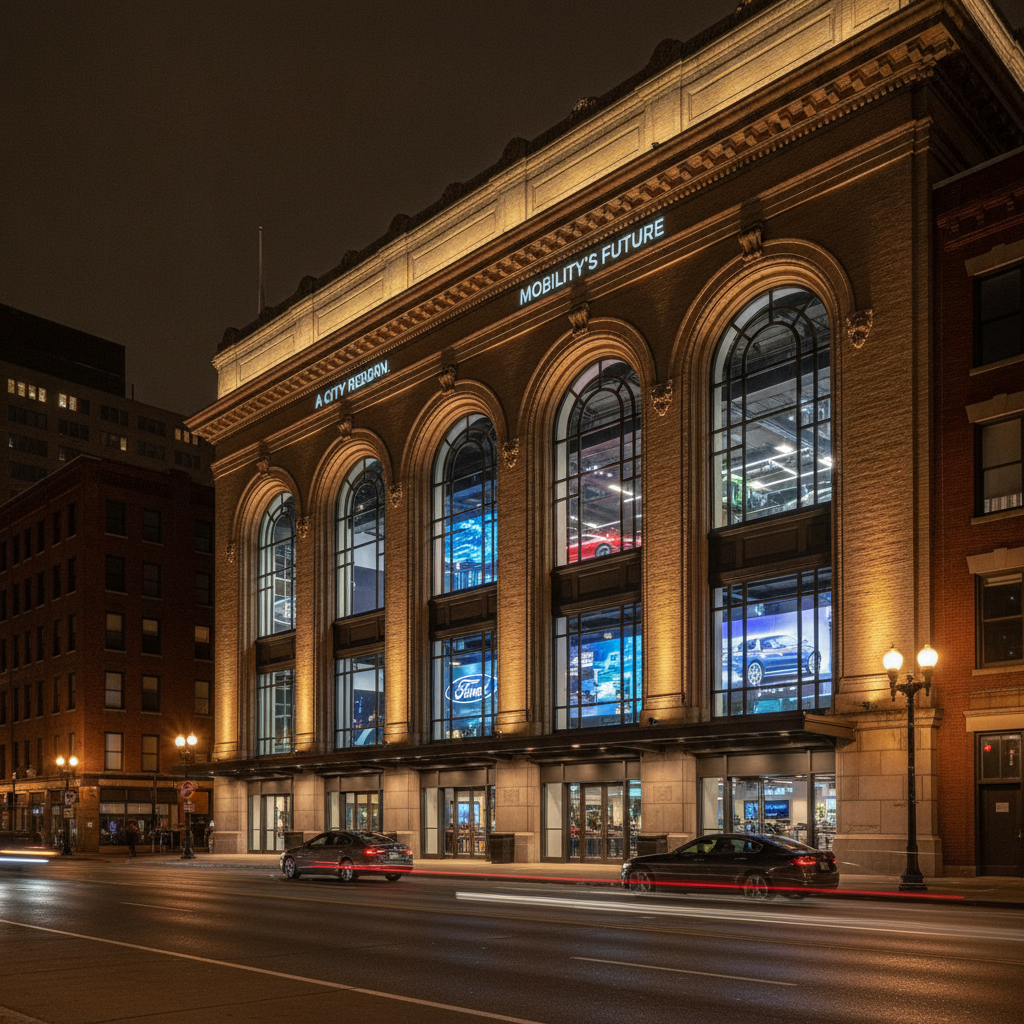
Detroit R3: Ford Motor Company (1903 founding USD 28,000, Model T 15M built, moving assembly line 1913 Highland Park, Five Dollar Day 1914 USD 5 minimum wage), Detroit 1967 uprising (43 dead, 7,200 arrested, 2,000 buildings burned, white flight acceleration, 1943 race riot 34 dead), Detroit architecture (Guardian Building 1929 Art Deco, Fisher Building most beautiful commercial AIA, Michigan Central Station 1913 Ford 2023 restoration, ruin porn phenomenon), African American heritage (Great Migration 6M, Black Bottom Paradise Valley demolished, Wright Museum largest African American history museum world), Practical (Downtown Midtown Corktown Eastern Market neighborhoods, Jazz Festival 1M Hart Plaza, Grand Prix Belle Isle, Ambassador Bridge busiest NA border), Detroit EV future (GM zero emission 2035, F-150 Lightning, Stellantis 14 brands, American Center for Mobility Willow Run B-24 plant)
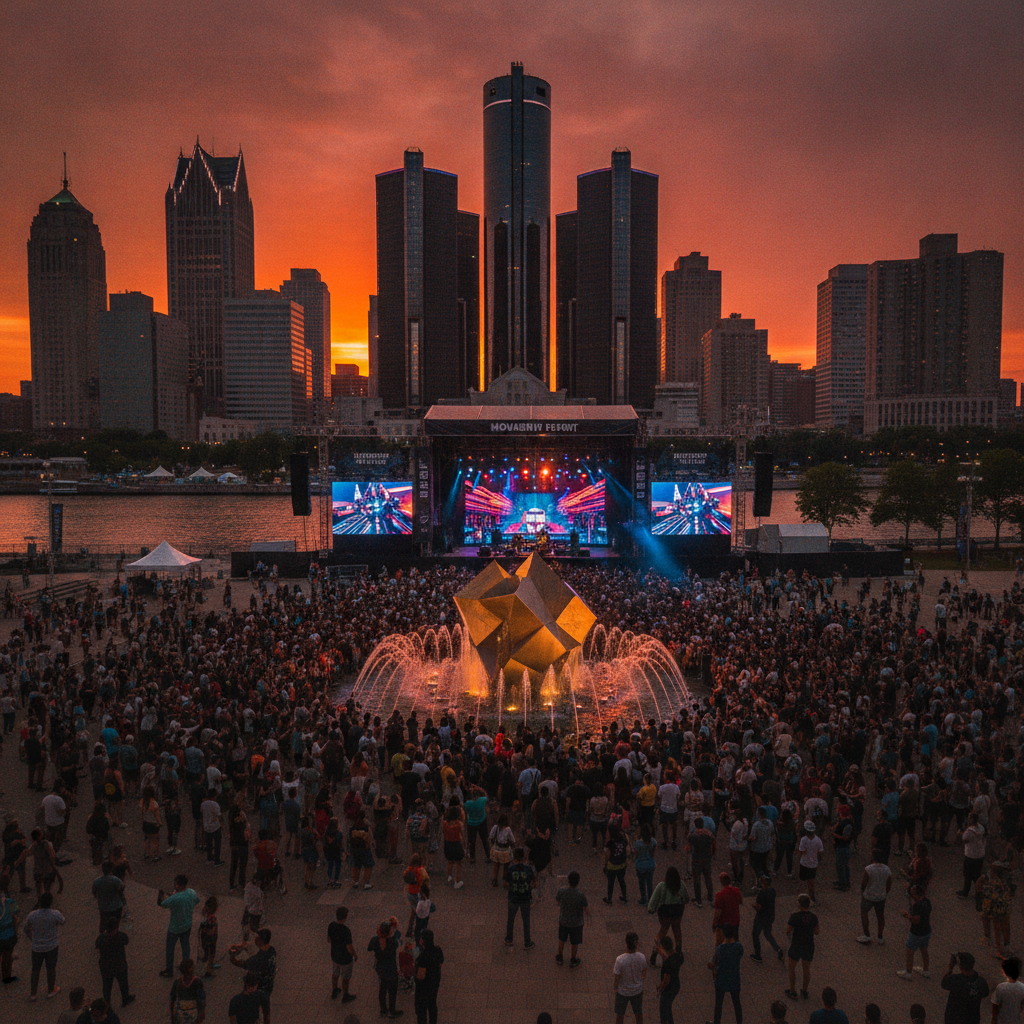
Detroit R2: Detroit techno (Belleville Three Juan Atkins Derrick May Kevin Saunderson, Model 500 No UFOs 1985 first techno, Strings of Life 1987, Movement Festival 100,000 Hart Plaza), Detroit sports (Tigers Ty Cobb .367 Hank Greenberg 58 HRs 1938, Red Wings 11 Stanley Cups, Pistons Bad Boys 1989-1990, Comerica Park Little Caesars Arena), Dearborn Arab-American (490,000 largest US Arab community, Ford River Rouge 100,000 workers 1929, F-150 assembly tour), Heidelberg Project (Tyree Guyton 1986, polka dot houses, 275,000 visitors, Detroit blight art), Great Lakes (Michigan 4 Great Lakes 5,265km coastline, Sleeping Bear Dunes Most Beautiful America 2011, Mackinac Island no cars since 1898), Detroit revival (Dan Gilbert USD 5B Bedrock, Mike Ilitch Little Caesars, Midtown Wayne State, Shinola Where American is Made)