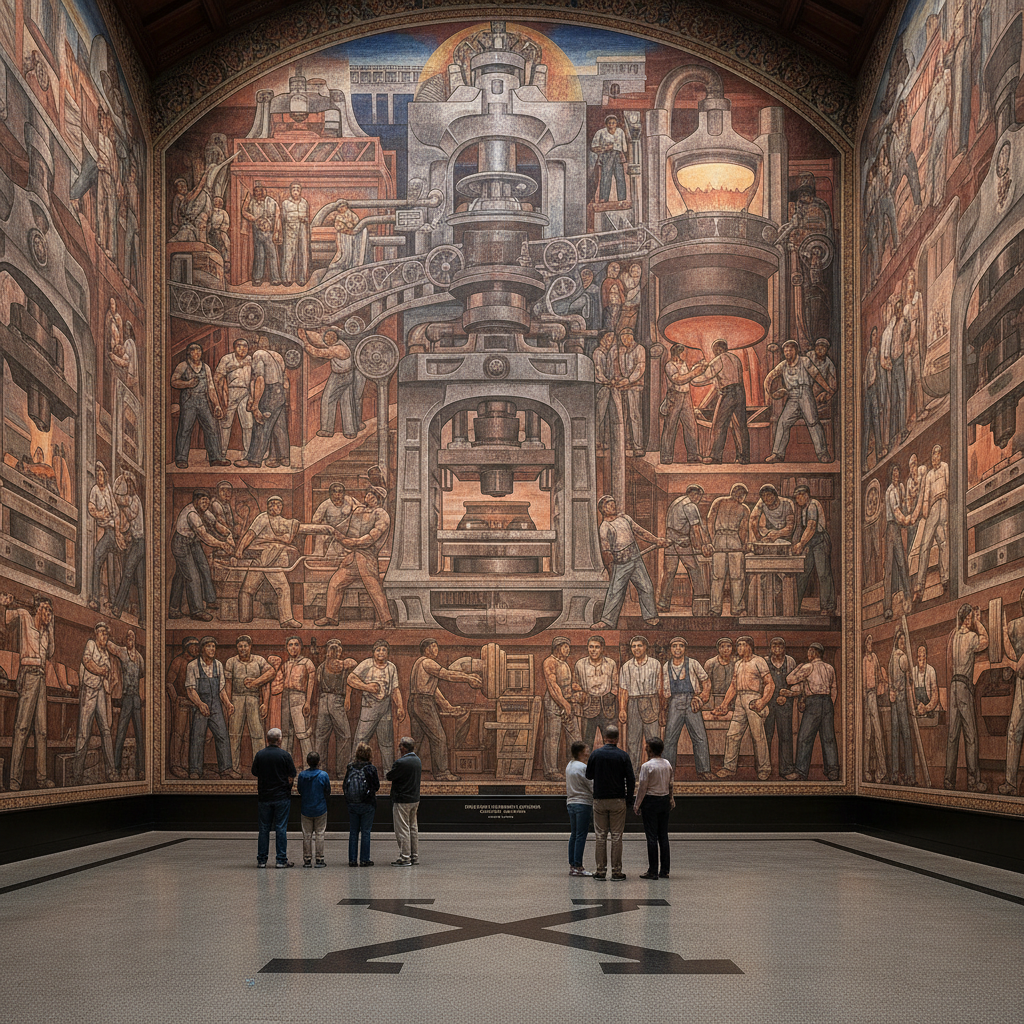
Detroit R3: Ford Motor Company (1903 founding USD 28,000, Model T 15M built, moving assembly line 1913 Highland Park, Five Dollar Day 1914 USD 5 minimum wage), Detroit 1967 uprising (43 dead, 7,200 arrested, 2,000 buildings burned, white flight acceleration, 1943 race riot 34 dead), Detroit architecture (Guardian Building 1929 Art Deco, Fisher Building most beautiful commercial AIA, Michigan Central Station 1913 Ford 2023 restoration, ruin porn phenomenon), African American heritage (Great Migration 6M, Black Bottom Paradise Valley demolished, Wright Museum largest African American history museum world), Practical (Downtown Midtown Corktown Eastern Market neighborhoods, Jazz Festival 1M Hart Plaza, Grand Prix Belle Isle, Ambassador Bridge busiest NA border), Detroit EV future (GM zero emission 2035, F-150 Lightning, Stellantis 14 brands, American Center for Mobility Willow Run B-24 plant)
Detroit history and future: Ford Motor Company (1903 USD 28,000 founding, Model T 15M vehicles 1908-1927, moving assembly line October 7 1913 Highland Park 12.5hrs to 93min, Five Dollar Day January 5 1914 USD 5 vs prevailing USD 2.34), 1967 uprising (43 deaths, 7,200 arrests, 2,000 buildings burned, triggered by police raid, white flight accelerated 500,000 White residents left by 1975, 1943 riot precursor), Detroit architecture (Guardian Building 1929 Pewabic tile Art Deco, Fisher Building 1928 most beautiful AIA 40 marble varieties, Michigan Central Station 1913 abandoned 1988 Ford USD 90M purchase reopened 2023), African American heritage (Great Migration 1% to 83% population, Black Bottom Paradise Valley demolished for freeway, Wright Museum largest African American history museum world), practical (summer Jazz Festival 1M attendees, Grand Prix Belle Isle, Ambassador Bridge busiest NA), EV transition (GM zero emission 2035 USD 35B investment, F-150 Lightning best-selling US truck electrified, Stellantis 14 brands, Willow Run autonomous testing).
- 1
Ford Motor Company and the Assembly Line Revolution
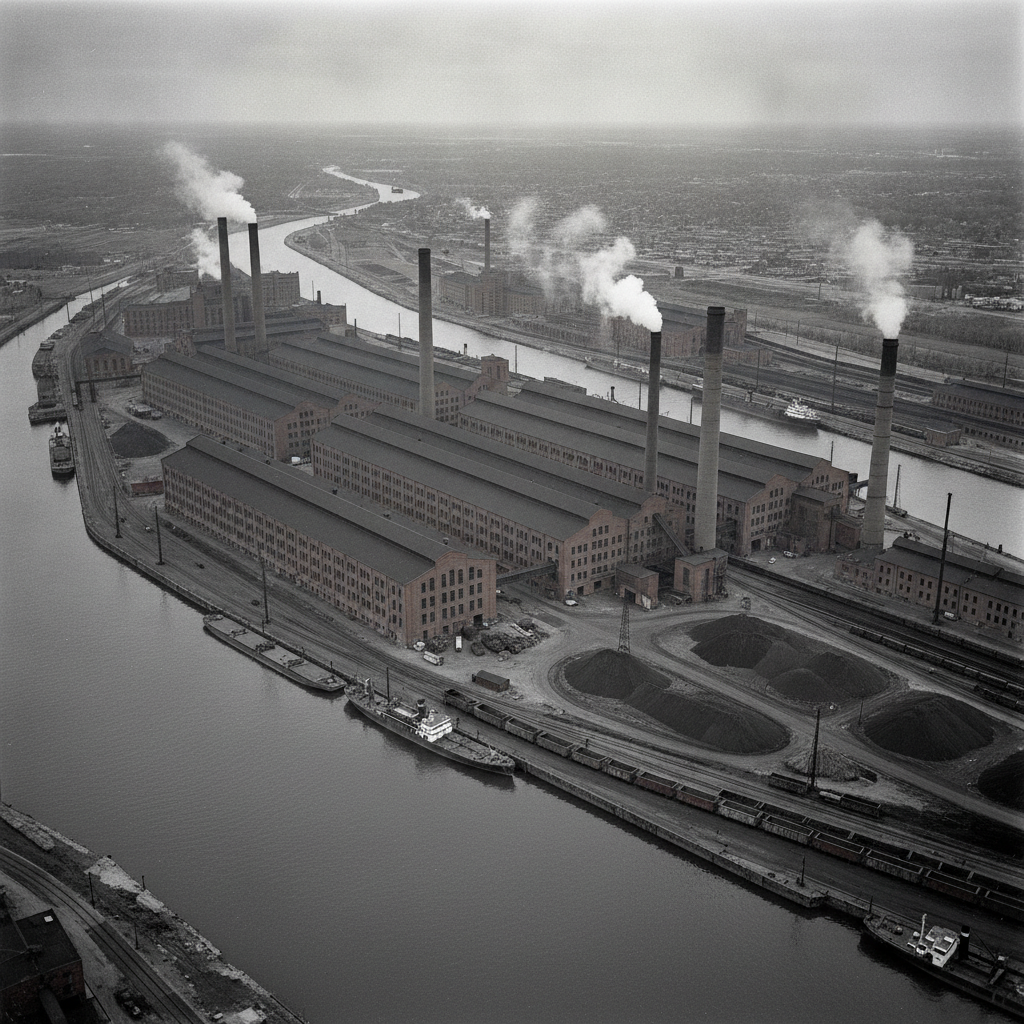
Ford Motor Company (founded June 16, 1903 by Henry Ford and 11 investors at 585 Mack Avenue, Detroit, with initial capital of USD 28,000): the company that transformed manufacturing, labor relations, and American society more profoundly than any other enterprise in US history. Henry Ford (born July 30, 1863, Springwells Township, Michigan; died April 7, 1947): the inventor of the moving assembly line (introduced at the Highland Park plant on October 7, 1913), which reduced the time to produce a Model T from 12.5 hours to 93 minutes, making automobile ownership accessible to ordinary American workers. The Ford Model T (produced 1908-1927, the first automobile produced in sufficient quantities and at low enough cost for working-class families): 15 million Model T automobiles were produced (making it the second best-selling car in history behind the Volkswagen Beetle), at a price that fell from USD 850 in 1908 to USD 260 in 1925 as assembly line efficiencies drove costs down. The Five Dollar Day (January 5, 1914): Ford's announcement of a minimum wage of USD 5 per day for Ford workers (more than double the prevailing industrial wage of USD 2.34 per day), which had the dual effect of making Ford workers the highest-paid industrial workers in the United States and ensuring they could afford to buy the automobiles they produced — a revolutionary concept in the relationship between wages and consumer purchasing power. The Ford Highland Park Plant (the National Historic Landmark where the moving assembly line was first implemented, at Woodward Avenue and Manchester Avenue, Highland Park, adjacent to Detroit): now a commercial building, with a historical marker commemorating the site.
- 2
Detroit 1967 Uprising and Civil Rights History
Detroit 1967 uprising (July 23-28, 1967): the most destructive urban uprising in American history in terms of physical damage, with 43 deaths, 1,189 injuries, 7,200 arrests, and approximately 2,000 buildings burned in five days of civil unrest triggered by a police raid on an unlicensed after-hours club (blind pig) on 12th Street. The context of the 1967 uprising: in 1967, Detroit was a prosperous industrial city with a large and growing African American population (from approximately 9% of the city population in 1940 to approximately 40% in 1967), but African Americans faced systematic housing discrimination (enforced through restrictive covenants, discriminatory lending, and the systematic confinement of Black residents to the Paradise Valley and Black Bottom neighborhoods), police brutality (the Detroit Police Department was 95% White despite serving a city that was 40% Black), and economic discrimination (African Americans were largely excluded from the skilled trades and union leadership). The impact of the 1967 uprising on Detroit: the uprising triggered a massive acceleration of white flight from Detroit to the suburbs (approximately 500,000 White residents left Detroit between 1967 and 1975), the abandonment of the city by major retailers and employers, and the beginning of Detroit's long population collapse. The Detroit 1943 race riot (June 20-22, 1943): the earlier uprising in which 34 people were killed (25 Black, 9 White), triggered by competition between White and Black workers for housing and jobs in the rapidly expanding wartime industrial city, with the Detroit Police killing 17 of the 25 African American fatalities.
- 3
Detroit Architecture - From Art Deco to Ruins and Revival
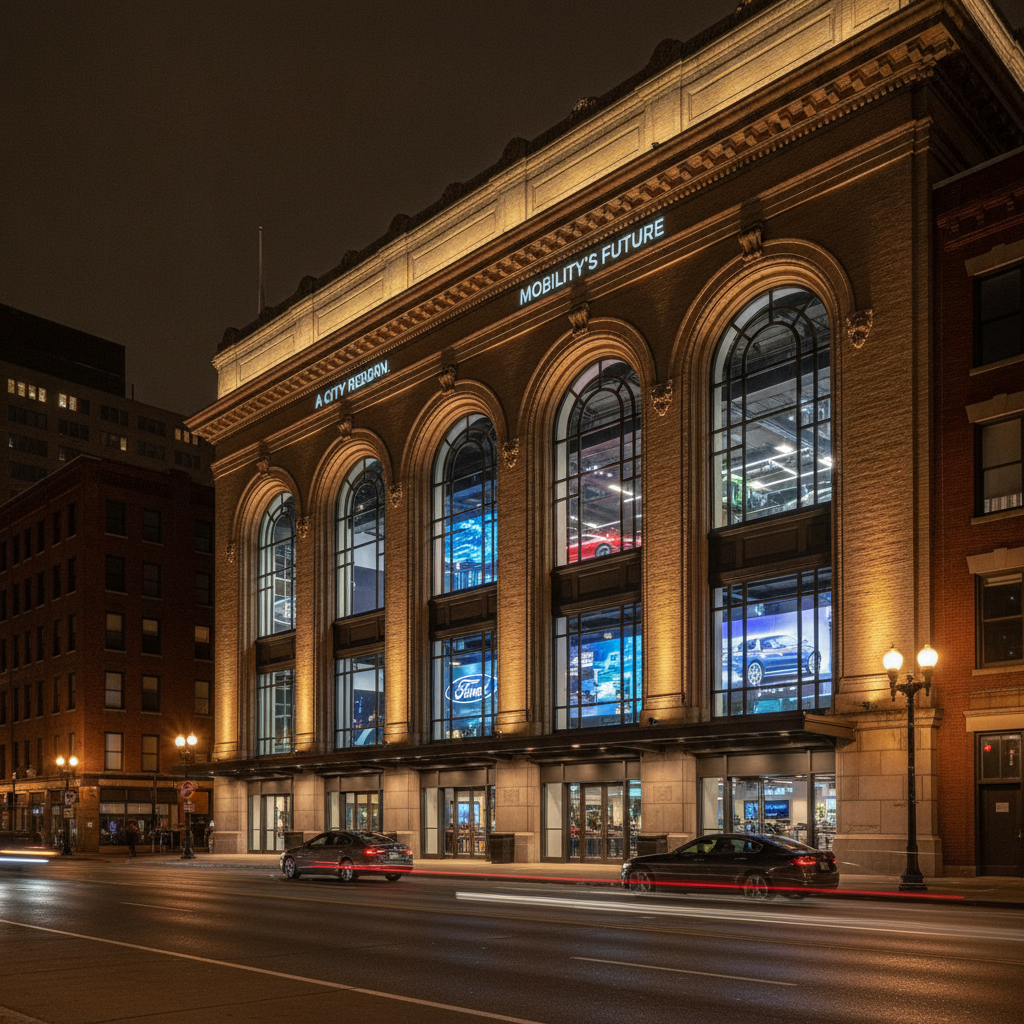
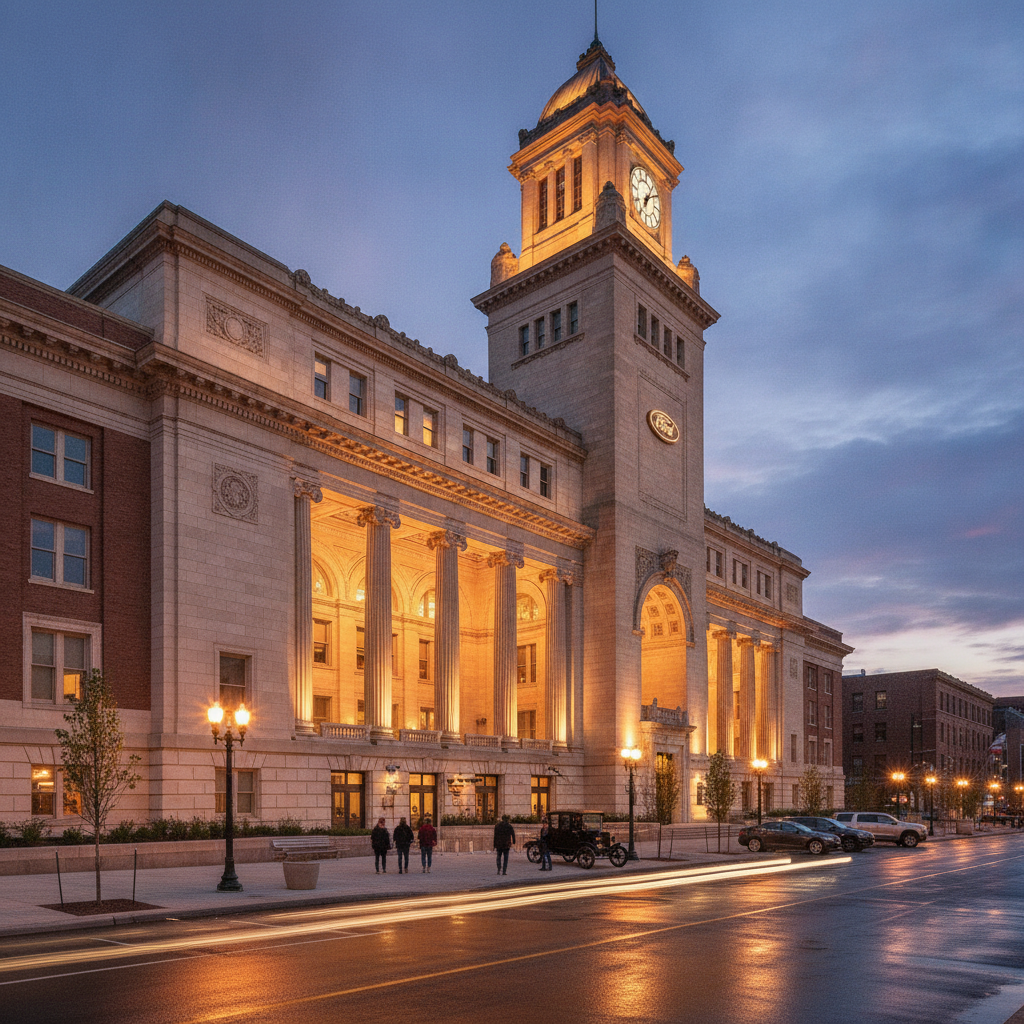
Detroit architecture: Detroit contains one of the most extraordinary collections of early 20th century commercial and industrial architecture in the United States, preserved partly by accident (the collapse in real estate values prevented demolition for redevelopment, freezing many buildings in time) and now celebrated as a remarkable urban heritage. The Guardian Building (at 500 Griswold Street, downtown Detroit, completed 1929): one of the finest examples of Art Deco architecture in the United States, designed by Wirt C. Rowland of Smith, Hinchman and Grylls, with a 40-story tower clad in Pewabic tile (the distinctive Detroit ceramic tile produced by the Pewabic Pottery), orange and red brick, and Rookwood pottery. The Fisher Building (at 3011 West Grand Boulevard, New Center, completed 1928): the building described by the American Institute of Architects as the most beautiful commercial building in America, with the three-story barrel-vaulted lobby clad in 40 varieties of marble and a gilded ceiling vault that is one of the great interior spaces in American commercial architecture. Michigan Central Station (at 2001 15th Street, Corktown, completed 1913): the Beaux-Arts train station designed by the same architects as Grand Central Terminal in New York (Reed and Stem and Warren and Wetmore), abandoned in 1988, purchased by Ford Motor Company in 2018 for USD 90 million, and reopened in 2023 as the Ford mobility innovation campus — one of the most significant building restorations in American history. The Detroit ruins tourism phenomenon: from approximately 2005 to 2015, Detroit attracted international photographers and journalists documenting the ruins of the abandoned city — a phenomenon criticized by Detroiters as ruin porn but which brought international attention to the scale of Detroit's physical and economic collapse.
- 4
Detroit African American Heritage - Motown to Civil Rights to Today
Detroit African American heritage: Detroit has one of the most significant African American cultural and political heritages of any American city, developed through the waves of the Great Migration (the movement of approximately 6 million African Americans from the rural South to the urban North between 1910 and 1970). Detroit African American population history: approximately 1,000 African Americans lived in Detroit in 1910; by 1950, 300,000 African Americans lived in Detroit (16% of the total population); by 2010, 590,000 African Americans lived in Detroit (83% of the dramatically reduced total population), making Detroit the largest majority-African American major city in the United States. The Black Bottom and Paradise Valley neighborhoods (the original African American neighborhoods of Detroit, approximately where Lafayette Park and the Chrysler Freeway are now located): the most vibrant African American cultural districts in the Midwest from the 1920s to the 1950s, with the Gotham Hotel (where Black entertainers stayed because they were refused service at White-owned hotels, hosting Duke Ellington, Louis Armstrong, and Count Basie), the Paradise Valley jazz clubs (where Ella Fitzgerald, Billie Holiday, and John Coltrane performed), and the African American-owned businesses that formed the most prosperous Black commercial district in Michigan. The Black Bottom was demolished in the urban renewal of the 1950s (the Chrysler Freeway and Lafayette Park were built on the site), destroying the community without relocating the residents to equivalent housing. Charles H. Wright Museum of African American History (at 315 E Warren Avenue, Midtown): the largest museum dedicated to African American history in the world.
- 5
Detroit Practical Guide - When to Visit and Neighborhoods
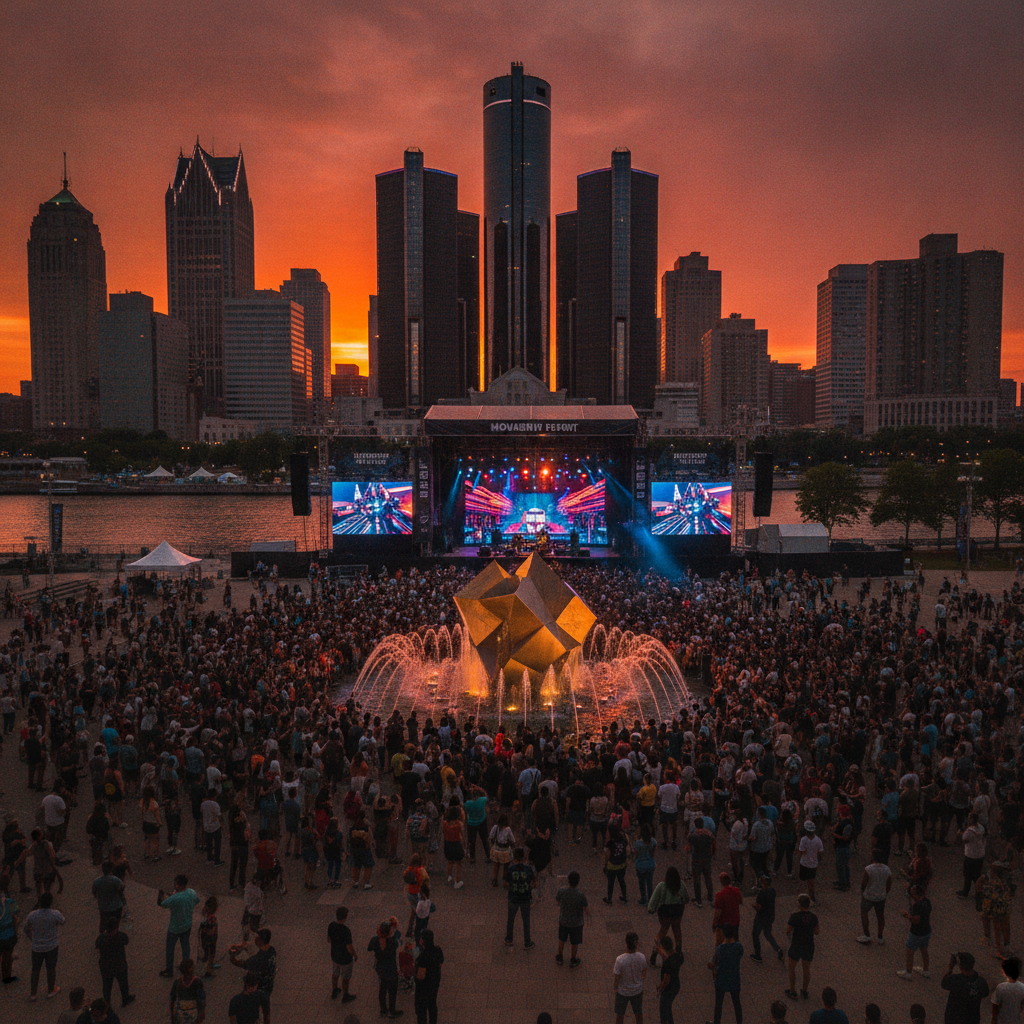
Detroit practical visitor guide: neighborhoods for visitors: Downtown (Bedrock-renovated core, Campus Martius Park, Hart Plaza on the Detroit River, the Woodward Avenue corridor), Midtown (DIA, Wayne State, the Museum of Contemporary Art Detroit MOCAD, the Q Line streetcar), Corktown (the oldest neighborhood, Michigan Central Station, restaurants and bars on Michigan Avenue), Eastern Market (Saturday market, murals, the best food experience in Detroit), New Center (the Fisher Building, the Henry Ford Health System, the original Hitsville USA building). When to visit Detroit: summer is the best time (June-August), with the Detroit Jazz Festival (Labor Day weekend, the largest free jazz festival in North America, held at Hart Plaza with approximately 1 million attendees over 4 days) and the Movement Electronic Music Festival (Memorial Day weekend). The Detroit Grand Prix (the IndyCar race held on the streets of Belle Isle in June, established 1982): one of the few street racing circuits in North America. The Detroit-Windsor border crossing: the Ambassador Bridge (the privately owned international bridge connecting Detroit to Windsor, Ontario, the busiest international border crossing in North America by vehicle traffic) and the Detroit-Windsor Tunnel (the only underwater international border crossing in North America, opened 1930). Detroit food recommendations: Supino Pizzeria in Eastern Market (Neapolitan pizza widely considered the best in Michigan), Green Dot Stables (sliders and craft beer in Corktown), the Apparatus Room in the Foundation Hotel (the best fine dining in Detroit).
- 6
Detroit and the Future of Mobility
Detroit and the future of automobiles: as the birthplace of the internal combustion engine automobile, Detroit faces an existential transition to electric vehicles and autonomous driving that will determine whether the city remains the center of global automotive innovation or is displaced by Silicon Valley and China. The electric vehicle transition: General Motors (headquartered at the Renaissance Center, 100 Renaissance Center, Detroit): announced in January 2021 that it would phase out gasoline and diesel-powered vehicles by 2035 and sell only zero-emission vehicles globally by 2035. GM has invested USD 35 billion in electric vehicle and autonomous vehicle development from 2020 to 2025. Ford Motor Company (at One American Road, Dearborn): the F-150 Lightning electric pickup truck (launched 2022): the most important EV launch in Detroit history, with the F-Series truck being the best-selling vehicle in the United States for 47 consecutive years (1976-2023); the electric F-150 represents Ford's bet that American truck buyers will accept electrification. Stellantis (the result of the 2021 merger of Fiat Chrysler Automobiles and PSA Groupe, headquartered at 1000 Chrysler Drive, Auburn Hills): the third largest automaker in the world by revenue, with 14 brands (Jeep, Ram, Dodge, Chrysler, Fiat, Alfa Romeo, Peugeot, Citroen, Opel, Vauxhall, Maserati, Lancia, DS, and Abarth). The Michigan Mobility Institute and the American Center for Mobility at Willow Run (at the site of the World War II B-24 bomber plant, Ypsilanti): the testing facility for autonomous vehicle technology, one of the most advanced in the world.
Walk this route with audio
Stories play automatically as you reach each stop — no tapping needed.
More in detroit
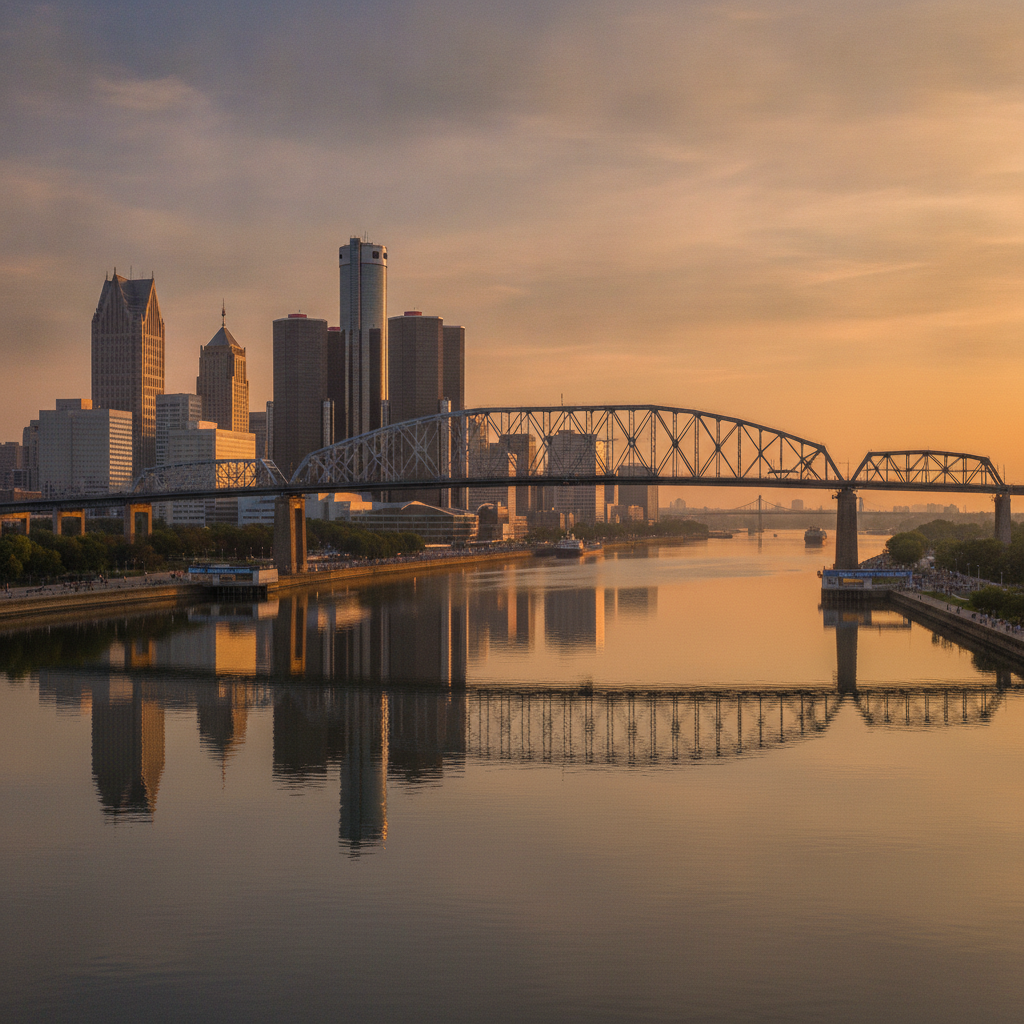
Detroit R4: Comerica Park Tigers (Ferris wheel, tiger sculptures, Little Caesars Arena Red Wings Pistons, Lions 1957 last championship, Detroit City FC Hamtramck), Hamtramck (Polish enclave 1901 to first all-Muslim city council 2021, Yemeni community largest US, Bangladeshi Bosnian diversity), Ann Arbor and University of Michigan (top public university, 107,601-seat Big House largest Western Hemisphere, Gerald Ford Madonna alumni, Ann Arbor Art Fair 500,000 visitors), Detroit River Underground Railroad (30,000-100,000 crossed to Canada 1817-1865, Second Baptist Church 1836 station, Tuskegee Airmen Museum), Detroit food (Buddy's pizza 1946 rectangular automotive pan, American vs Lafayette Coney Island hot dog rivalry since 1914, Chaldean community 130,000 largest outside Iraq), Practical (DTW Delta hub, Q Line People Mover, Ann Arbor Ann Arbor Museum Toledo Art Museum, safety guidance)
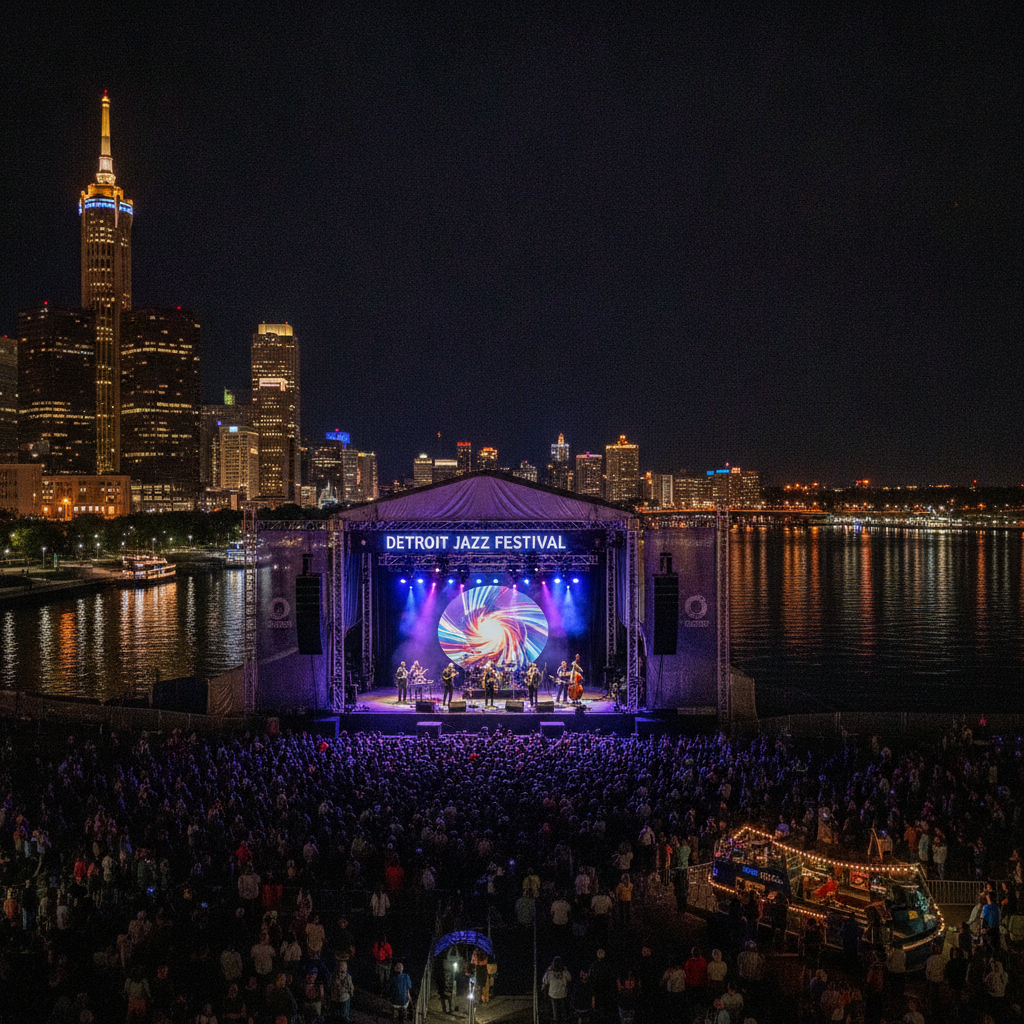
Detroit: 11 Stanley Cups, the World Largest Free Jazz Festival and a City Entirely Inside a City
Detroit: Polka Dot Houses in Ruins, Lincoln Chair and Rosa Parks Bus in One Museum
Detroit R2: Detroit techno (Belleville Three Juan Atkins Derrick May Kevin Saunderson, Model 500 No UFOs 1985 first techno, Strings of Life 1987, Movement Festival 100,000 Hart Plaza), Detroit sports (Tigers Ty Cobb .367 Hank Greenberg 58 HRs 1938, Red Wings 11 Stanley Cups, Pistons Bad Boys 1989-1990, Comerica Park Little Caesars Arena), Dearborn Arab-American (490,000 largest US Arab community, Ford River Rouge 100,000 workers 1929, F-150 assembly tour), Heidelberg Project (Tyree Guyton 1986, polka dot houses, 275,000 visitors, Detroit blight art), Great Lakes (Michigan 4 Great Lakes 5,265km coastline, Sleeping Bear Dunes Most Beautiful America 2011, Mackinac Island no cars since 1898), Detroit revival (Dan Gilbert USD 5B Bedrock, Mike Ilitch Little Caesars, Midtown Wayne State, Shinola Where American is Made)
Detroit: 107000-Seat Big House Stadium, the Largest Bankruptcy in US History and Where Punk Was Born