Detroit: Motor City overview (Henry Ford Quadricycle 1896, Big Three Ford GM Chrysler, population collapse 1.85M to 640K), Motown Records (Hitsville USA 1959, Supremes 12 #1 hits, Stevie Wonder, Marvin Gaye What's Going On, Funk Brothers, Jack White White Stripes), Detroit Institute of Arts (Diego Rivera Detroit Industry Murals 1932 greatest US public art, Van Gogh Self-Portrait 1887, Belle Isle park and aquarium 1904), Eastern Market (largest historic US public market, 200 murals largest open-air gallery, Corktown Michigan Central Station Ford campus 2023, Slows Bar BQ 2005 revival), Detroit bankruptcy 2013 (largest US municipal USD 18B, Grand Bargain DIA collection protected, Dan Gilbert USD 2B downtown investment), Practical (Henry Ford Museum Rosa Parks bus JFK Lincoln, Ambassador Bridge busiest North America border, Windsor Canada south of Detroit)
Detroit highlights: Motor City history (Cadillac 1701 founding, Ford Quadricycle June 1896, Ford 1903, GM 1908, Chrysler 1925, population peak 1,849,568 in 1950 to 640,000 today), Motown Records (Berry Gordy 2648 W Grand Blvd 1959, Supremes 12 #1 hits, Stevie Wonder age 11, Marvin Gaye What's Going On, Funk Brothers house band, Jack White Mexicantown), Detroit Institute of Arts (65,000 works, Rivera Detroit Industry Murals 1932 Edsel Ford commission, Van Gogh Self-Portrait, Belle Isle oldest US aquarium 1904), Eastern Market (45,000 Saturday visitors, 200 murals largest open-air gallery US, Murals in the Market festival, Corktown Michigan Central Station Ford 2023 reopening, Slows Bar BQ 2005), bankruptcy 2013 (USD 18-20B largest US municipal, Kilpatrick 28 years prison, Grand Bargain DIA collection saved USD 816M settlement, Dan Gilbert USD 2B downtown revival), practical (Henry Ford Museum Rosa Parks bus Kennedy limousine Lincoln chair, Ambassador Bridge busiest NA border, Windsor Canada paradox — south of Detroit).
- 1
Detroit - Motor City Overview and the Automobile Revolution
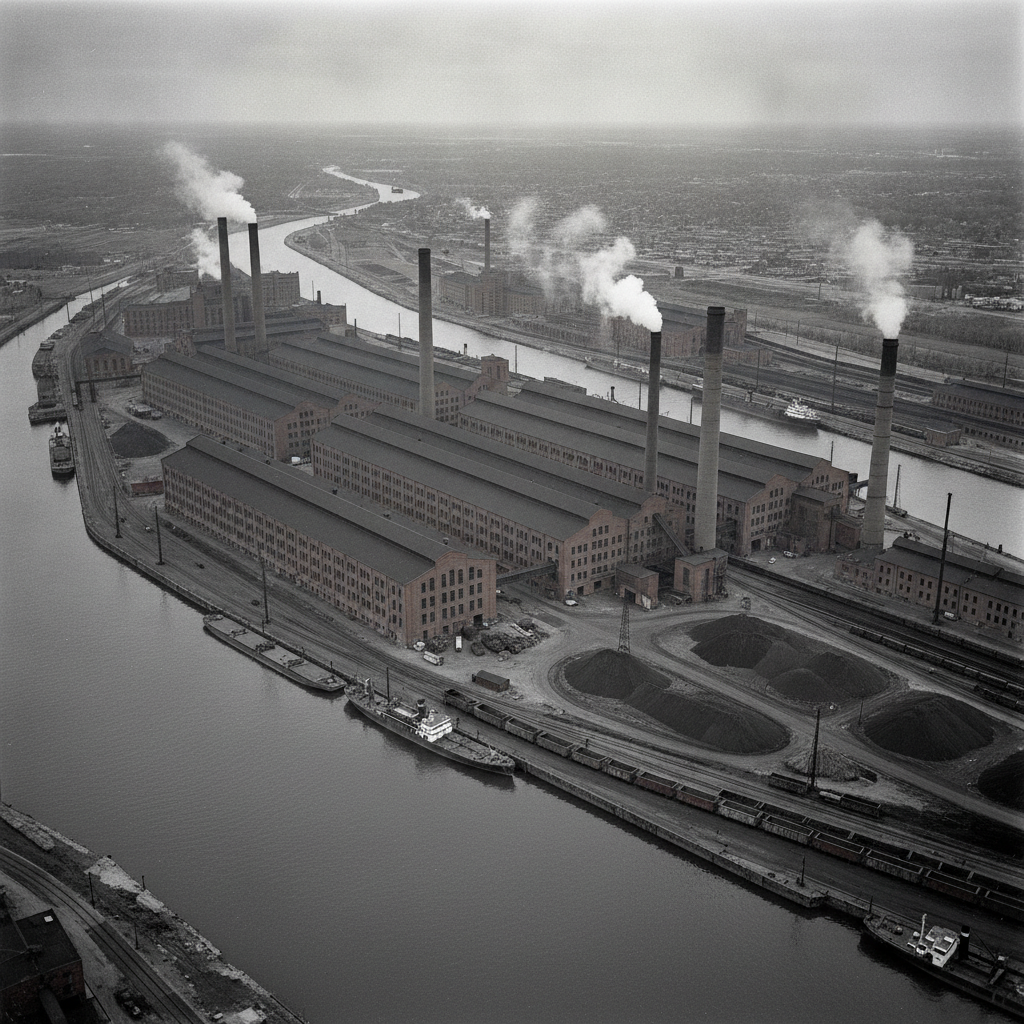
Detroit (Wayne County seat, population approximately 640,000 city, 4.4 million metropolitan area): the largest city in Michigan, the automotive capital of the world, and one of the most historically significant and creatively resilient cities in the United States. Detroit history: founded 1701 by Antoine de la Mothe Cadillac as Fort Pontchartrain du Detour (the strait: referring to the Detroit River connecting Lake Erie to Lake St. Clair), Detroit was one of the most important French colonial outposts in the Great Lakes, passing to British control in 1763 and to the United States in 1796. Detroit as Automotive Capital: Detroit became the center of the global automobile industry beginning in 1896, when Charles Brady King drove the first gasoline-powered automobile on Detroit streets (January 27, 1896), followed by Henry Ford (who drove his Quadricycle on Detroit streets in June 1896 before founding Ford Motor Company in 1903). The Big Three: Ford Motor Company (founded 1903 by Henry Ford, headquartered in Dearborn), General Motors (founded 1908 by William Durant, headquartered in Detroit), and Chrysler (founded 1925 by Walter Chrysler, headquartered in Auburn Hills, now Stellantis after the 2021 merger with PSA Groupe): the three American automobile manufacturers that dominated the global automotive industry through the 20th century. Detroit population collapse: Detroit reached its population peak of 1,849,568 in the 1950 US Census, the then-fourth largest city in the United States; by 2010 the population had fallen to 713,777 (a decline of 61%), one of the most dramatic population collapses in American urban history, driven by deindustrialization, white flight, the 1967 riots, and the bankruptcy of the city government in 2013.
- 2
Motown Records and Detroit's Musical Legacy
Motown Records (founded 1959 by Berry Gordy Jr. at 2648 West Grand Boulevard, Detroit, known as Hitsville U.S.A.): the most commercially successful independent record label in US history and the most influential force in the development of modern popular music, producing the sound of Young America from a converted house on West Grand Boulevard. Motown artists: The Supremes (Diana Ross, Mary Wilson, Florence Ballard — the most successful female vocal group in history, with 12 number-one singles on the Billboard Hot 100 including Stop! In the Name of Love, You Can't Hurry Love, Baby Love); Stevie Wonder (Stevland Hardaway Morris, signed to Motown at age 11 in 1961, who released 25 studio albums and is widely considered one of the greatest musicians of the 20th century); Marvin Gaye (whose What's Going On 1971 is consistently rated among the greatest albums in history); The Temptations; The Four Tops; The Jackson 5 (with a young Michael Jackson); and Smokey Robinson. The Motown Sound: the distinctive production style developed at Hitsville U.S.A. by producer Holland-Dozier-Holland and the Funk Brothers (the house band): lush string arrangements over driving rhythm sections, call-and-response vocal harmonies, and lyrics focused on universal themes of love and longing that transcended racial barriers on American radio. Hitsville U.S.A. Museum (at 2648 West Grand Boulevard, now the Motown Museum): the original studio is preserved, with the original recording console in Studio A (where virtually every Motown hit was recorded), Berry Gordys apartment on the second floor, and exhibits of original costumes and artifacts. Jack White (born Detroit 1975): the founding member of The White Stripes, one of the most influential rock musicians of the early 21st century, born and raised in the Mexicantown neighborhood of Southwest Detroit.
- 3
Detroit Institute of Arts and Belle Isle
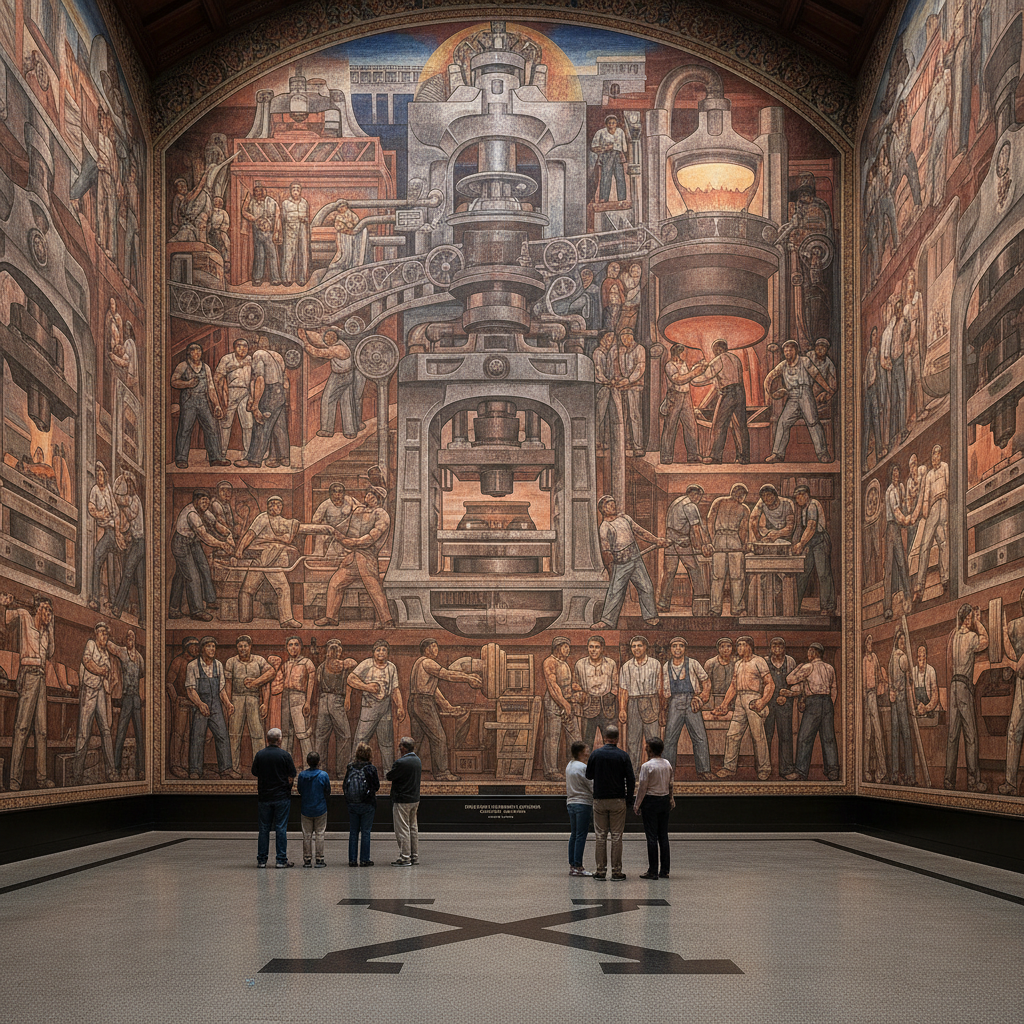
Detroit Institute of Arts (at 5200 Woodward Avenue, Midtown Detroit): the fifth largest fine art museum in the United States, with a permanent collection of over 65,000 works and one of the great encyclopedic art museums in North America. The DIA collection highlights: the Diego Rivera Detroit Industry Murals (the 27-panel fresco cycle commissioned in 1932 by arts patron Edsel Ford and painted by Diego Rivera on the four walls of the Garden Court — Rivera spent 11 months in Detroit researching and painting the murals, which depict the Ford River Rouge Complex assembly line workers and the forces of industry, nature, and technology; Rivera considered them his greatest work and they are considered the greatest public art commission in American history): the murals nearly caused a national scandal when completed (Bishop Gallagher called them un-Christian and demanded they be whitewashed, and Henry Ford called them Communist propaganda — Edsel Ford refused to destroy them). The DIA also holds Van Goghs Self-Portrait 1887 (one of approximately 35 Van Gogh self-portraits, acquired 1922), Matisse's The Window 1916, and one of the finest collections of African, Asian, and Oceanic art in the American Midwest. Belle Isle State Park (the island park in the Detroit River, 400 hectares, accessible by the MacArthur Bridge from East Jefferson Avenue): the most visited park in Detroit, with the James Scott Memorial Fountain (the 1925 granite fountain, one of the most elaborate fountain monuments in the United States), the Belle Isle Aquarium (opened 1904, the oldest continuously operating aquarium in the United States until it closed in 2005 and was renovated and reopened in 2012), the Anna Scripps Whitcomb Conservatory (the 1904 glass conservatory with cactus, tropical, and fern houses).
- 4
Eastern Market and Detroit Food Renaissance
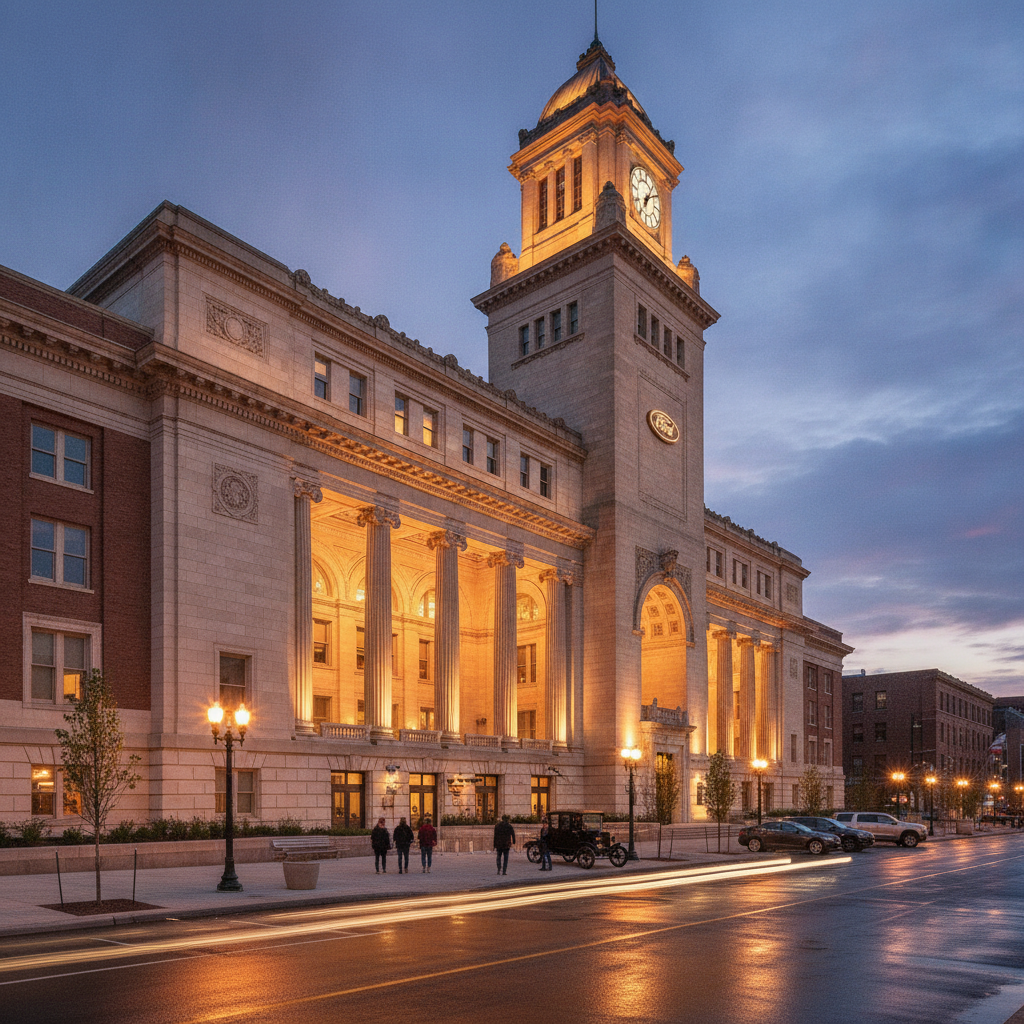
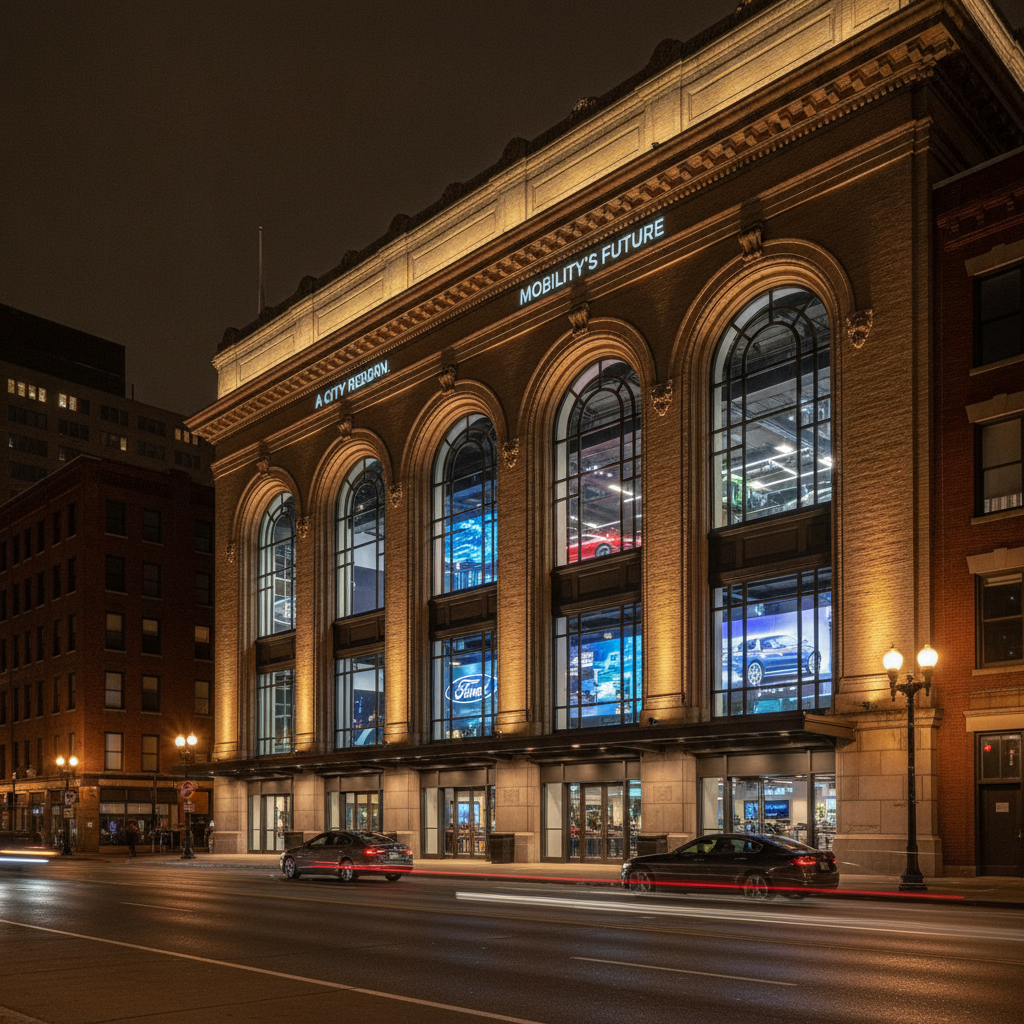
Eastern Market (at 2934 Russell Street, Eastern Market district, approximately 2 km northeast of downtown Detroit): the largest historic public market district in the United States, established in 1891, with six market sheds covering approximately 4.3 acres and serving approximately 45,000 customers on peak summer Saturdays. Eastern Market vendors: the Saturday market is the primary wholesale and retail market for Michigan's agricultural products, with approximately 250 vendors selling fresh produce, flowers, meats, cheeses, baked goods, and specialty foods. The Eastern Market murals: the Eastern Market district has become the largest open-air mural gallery in the United States, with over 200 murals on the walls of the warehouse buildings surrounding the market sheds, created through the Murals in the Market festival (the largest mural festival in the United States, held each September, with 70-100 murals added per year). Detroit food renaissance: Detroit has undergone one of the most remarkable food revivals of any American city since approximately 2010, with the opening of dozens of acclaimed restaurants in formerly abandoned or underutilized buildings. The Corktown neighborhood (the oldest surviving neighborhood in Detroit, originally settled by Irish immigrants from County Cork during the 1840s Famine): the most vibrant neighborhood of the current Detroit food and culture renaissance, with the Michigan Central Station restoration (the 1913 Beaux-Arts train station, abandoned in 1988 and purchased by Ford Motor Company in 2018 for USD 90 million, reopened as the Ford mobility innovation campus in 2023) as the centerpiece. Slows Bar BQ (2138 Michigan Avenue, Corktown): the restaurant credited with launching the Detroit food revival in 2005, bringing national attention to Detroit's dining scene.
- 5
Detroit Bankruptcy and Urban Renewal
Detroit municipal bankruptcy (July 18, 2013): the largest municipal bankruptcy in United States history, with the City of Detroit filing for Chapter 9 bankruptcy protection with USD 18-20 billion in debt (approximately USD 11 billion in unsecured claims to creditors, retiree pension funds, and bondholders). The causes of the Detroit bankruptcy: a perfect storm of fiscal mismanagement (decades of deficit spending, pension obligations, and bond issuance that created an unsustainable debt load), population collapse (from 1.8 million in 1950 to under 700,000 in 2013, reducing the tax base by 60%), the collapse of the domestic automobile industry (the 2008-2009 auto industry bailout: General Motors and Chrysler both filed for bankruptcy in 2009 and received USD 80 billion in federal bailout funds), and decades of political corruption (Detroit Mayor Kwame Kilpatrick was convicted on 24 counts of corruption in 2013, sentenced to 28 years in federal prison). The bankruptcy settlement: Detroit emerged from bankruptcy in December 2014, after a Grand Bargain (a negotiated settlement in which the Detroit Institute of Arts collection was protected from sale to pay creditors, in exchange for USD 816 million from the DIA, private foundations, and the state of Michigan going into pension funds). The DIA collection sale had been the most contentious element of the bankruptcy — creditors argued that the 65,000-piece collection could be sold for USD 2-10 billion to satisfy debts; the Grand Bargain protected both the pensions and the museum. Detroit since 2014: the city has undergone a significant but uneven revival, with downtown and Midtown experiencing major investment (Dan Gilbert of Quicken Loans invested over USD 2 billion in downtown Detroit real estate from 2010 to 2020) while many residential neighborhoods remain depopulated.
- 6
Detroit Practical Guide - Automotive Tourism and Windsor Canada
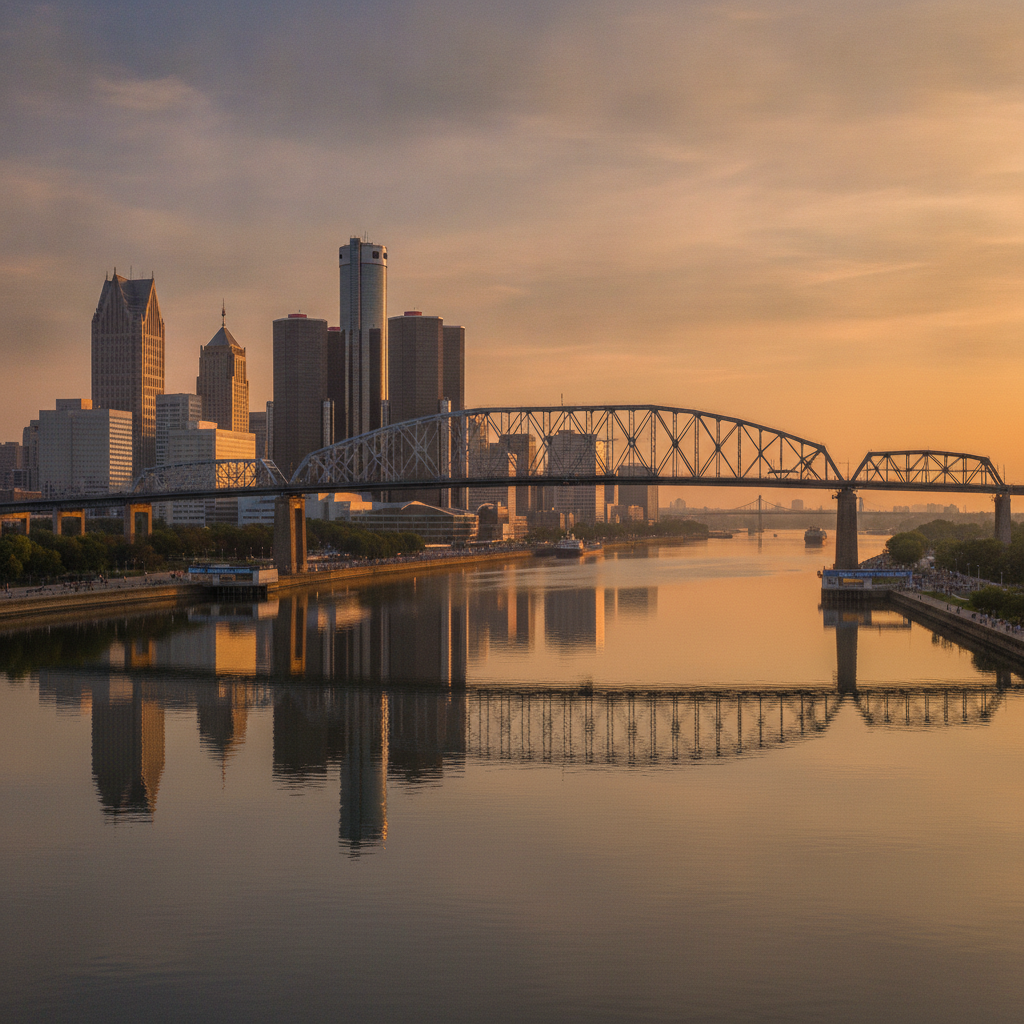
Detroit practical guide: getting around Detroit: Detroit is one of the most automobile-dependent major cities in the United States, with very limited public transit (the Detroit People Mover, an elevated automated railway that circles a 5-km loop of downtown, and the QLine streetcar on Woodward Avenue from downtown to New Center). Automotive tourism: the Detroit area has the most concentrated collection of automotive heritage sites of any metropolitan area in the world. The Henry Ford Museum of American Innovation (at 20900 Oakwood Blvd, Dearborn): the largest indoor-outdoor history museum complex in the United States (12 buildings, 250 acres), with the original Rosa Parks bus (the 1955 Cleveland Avenue bus where Rosa Parks refused to give up her seat on December 1, 1955, the act that launched the Montgomery Bus Boycott), the presidential limousine in which President Kennedy was assassinated (the Lincoln Continental SS-100-X, on loan from the Secret Service collection), the chair from the theatre box where Abraham Lincoln was shot, Henry Fords 1896 Quadricycle, and Thomas Edisons Menlo Park laboratory (dismantled and moved to Dearborn by Ford in 1929). The Automotive Hall of Fame (at 21400 Oakwood Blvd, Dearborn). Windsor, Ontario, Canada (directly across the Detroit River, connected by the Ambassador Bridge — the busiest international border crossing in North America — and the Detroit-Windsor Tunnel): the only major Canadian city south of Detroit, where Canadians look north to see the United States across the river. Motown historical walking tour, Corktown restaurant crawl, and the Eastern Market Saturday morning experience are the three essential Detroit visitor activities.
Walk this route with audio
Stories play automatically as you reach each stop — no tapping needed.
More in detroit
Detroit R4: Comerica Park Tigers (Ferris wheel, tiger sculptures, Little Caesars Arena Red Wings Pistons, Lions 1957 last championship, Detroit City FC Hamtramck), Hamtramck (Polish enclave 1901 to first all-Muslim city council 2021, Yemeni community largest US, Bangladeshi Bosnian diversity), Ann Arbor and University of Michigan (top public university, 107,601-seat Big House largest Western Hemisphere, Gerald Ford Madonna alumni, Ann Arbor Art Fair 500,000 visitors), Detroit River Underground Railroad (30,000-100,000 crossed to Canada 1817-1865, Second Baptist Church 1836 station, Tuskegee Airmen Museum), Detroit food (Buddy's pizza 1946 rectangular automotive pan, American vs Lafayette Coney Island hot dog rivalry since 1914, Chaldean community 130,000 largest outside Iraq), Practical (DTW Delta hub, Q Line People Mover, Ann Arbor Ann Arbor Museum Toledo Art Museum, safety guidance)
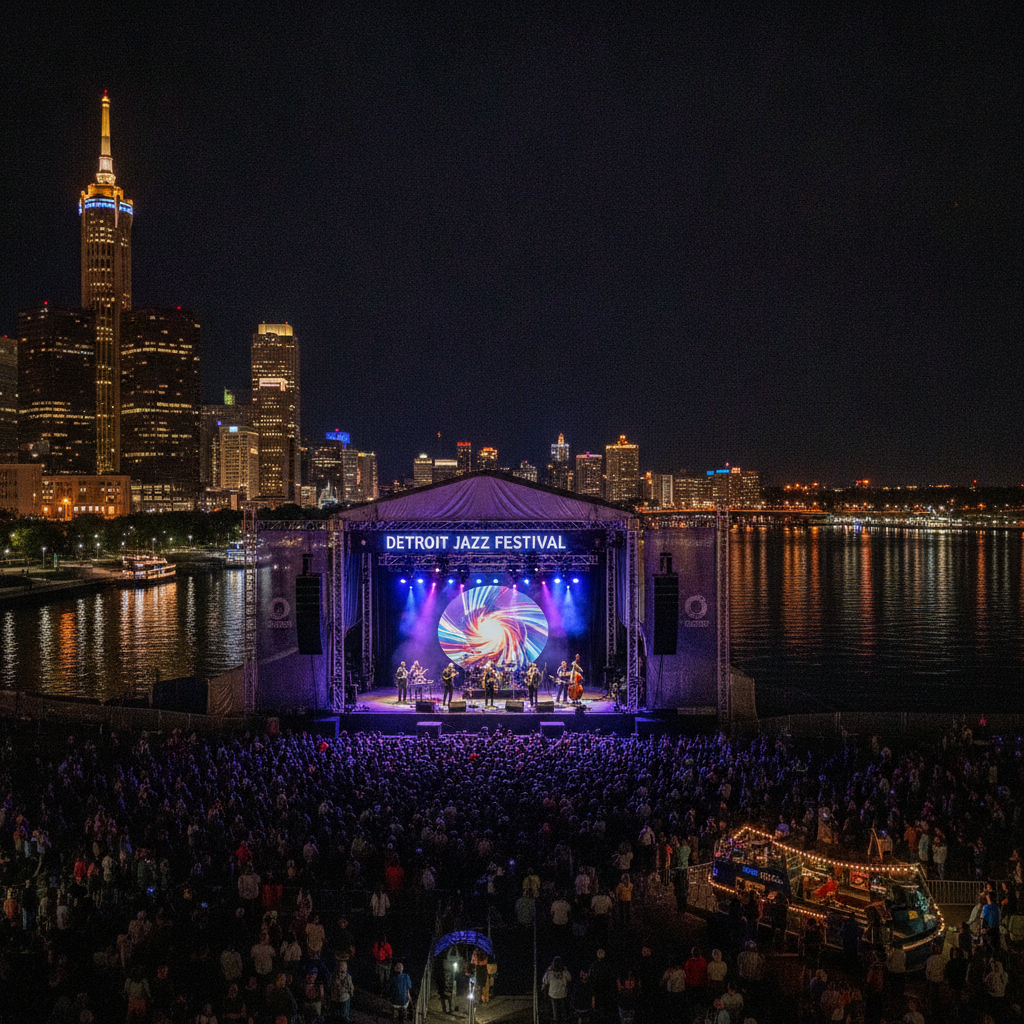
Detroit: 11 Stanley Cups, the World Largest Free Jazz Festival and a City Entirely Inside a City
Detroit: Polka Dot Houses in Ruins, Lincoln Chair and Rosa Parks Bus in One Museum
Detroit R3: Ford Motor Company (1903 founding USD 28,000, Model T 15M built, moving assembly line 1913 Highland Park, Five Dollar Day 1914 USD 5 minimum wage), Detroit 1967 uprising (43 dead, 7,200 arrested, 2,000 buildings burned, white flight acceleration, 1943 race riot 34 dead), Detroit architecture (Guardian Building 1929 Art Deco, Fisher Building most beautiful commercial AIA, Michigan Central Station 1913 Ford 2023 restoration, ruin porn phenomenon), African American heritage (Great Migration 6M, Black Bottom Paradise Valley demolished, Wright Museum largest African American history museum world), Practical (Downtown Midtown Corktown Eastern Market neighborhoods, Jazz Festival 1M Hart Plaza, Grand Prix Belle Isle, Ambassador Bridge busiest NA border), Detroit EV future (GM zero emission 2035, F-150 Lightning, Stellantis 14 brands, American Center for Mobility Willow Run B-24 plant)
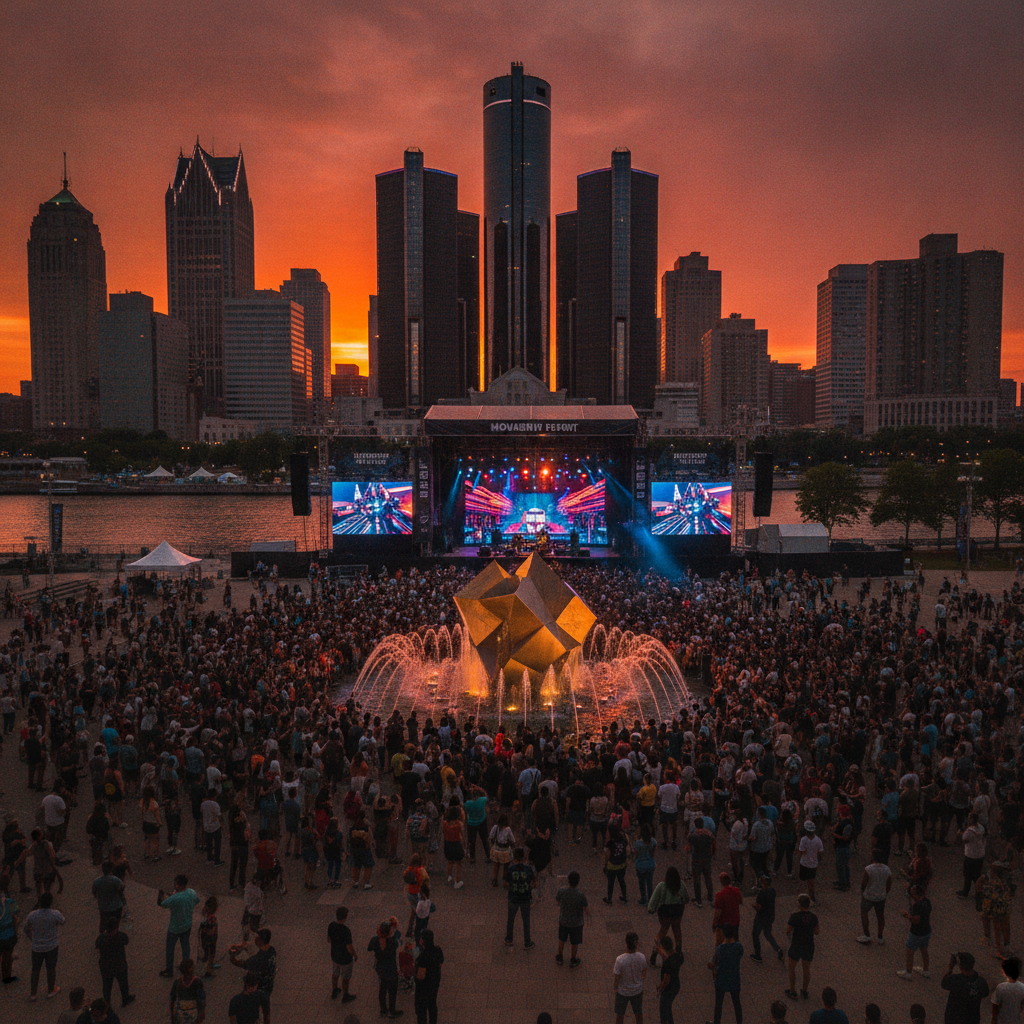
Detroit R2: Detroit techno (Belleville Three Juan Atkins Derrick May Kevin Saunderson, Model 500 No UFOs 1985 first techno, Strings of Life 1987, Movement Festival 100,000 Hart Plaza), Detroit sports (Tigers Ty Cobb .367 Hank Greenberg 58 HRs 1938, Red Wings 11 Stanley Cups, Pistons Bad Boys 1989-1990, Comerica Park Little Caesars Arena), Dearborn Arab-American (490,000 largest US Arab community, Ford River Rouge 100,000 workers 1929, F-150 assembly tour), Heidelberg Project (Tyree Guyton 1986, polka dot houses, 275,000 visitors, Detroit blight art), Great Lakes (Michigan 4 Great Lakes 5,265km coastline, Sleeping Bear Dunes Most Beautiful America 2011, Mackinac Island no cars since 1898), Detroit revival (Dan Gilbert USD 5B Bedrock, Mike Ilitch Little Caesars, Midtown Wayne State, Shinola Where American is Made)