Detroit: Where Techno Was Born, the Motown Studio Bathroom Echo Chamber and Rivera Forbidden Frescoes
Dance at Movement Festival in Hart Plaza where Juan Atkins, Derrick May and Kevin Saunderson invented techno in the 1980s, shop 45000 people at Eastern Market Saturday surrounded by hundreds of street murals, stand in Studio A at Hitsville USA where Marvin Gaye and Stevie Wonder recorded for Berry Gordy, look south from Belle Isle into Canada on the only US soil that faces north to our neighbor, stand before Rivera Detroit Industry Murals at the DIA nearly sold to pay bankruptcy debts in 2013, and tour the restored Michigan Central Station Ford bought as Detroit revival symbol.
- 1
Detroit Electronic Music and Techno Origin
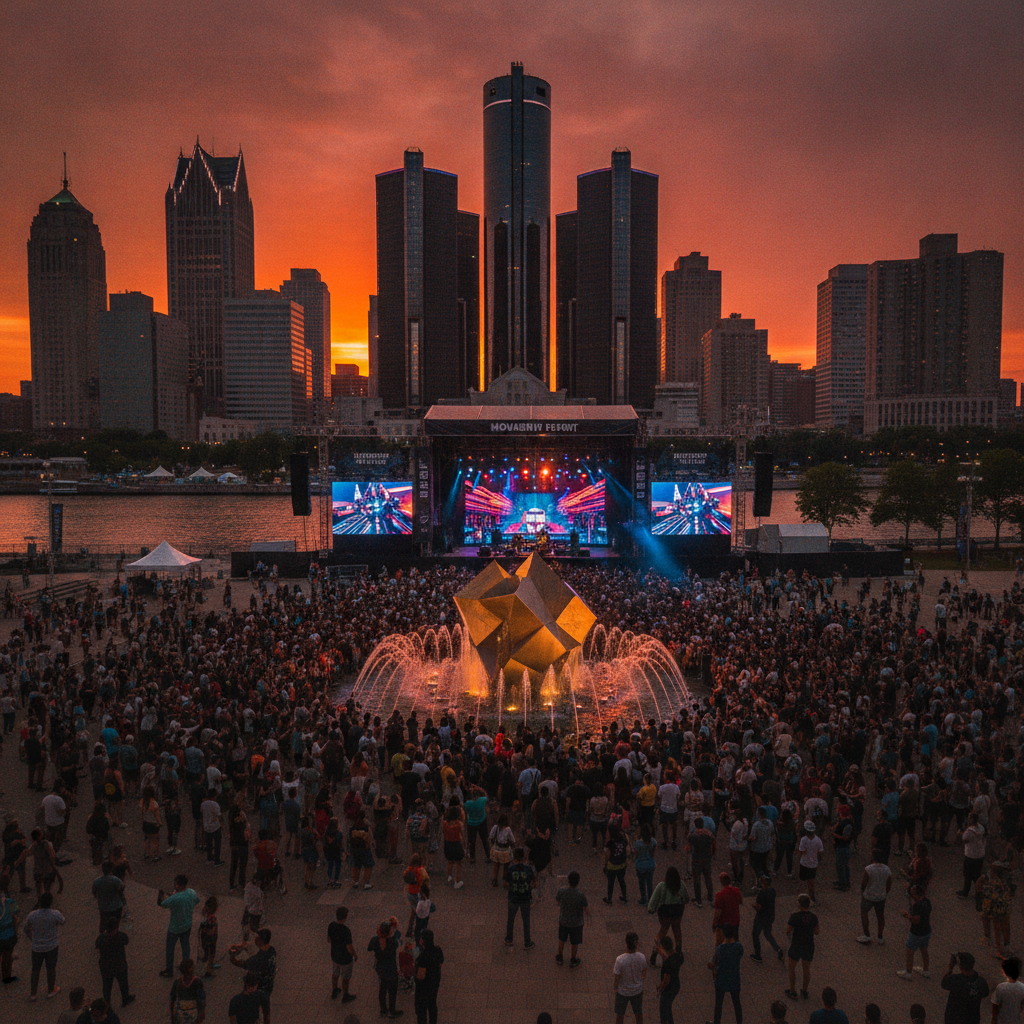
Detroit is the birthplace of techno music, a fact recognized globally by DJs, producers, and music historians. In the mid-1980s a group of Black high school friends from the Detroit suburb of Belleville, including Juan Atkins, Derrick May, and Kevin Saunderson, synthesized influences from Kraftwerk, Parliament-Funkadelic, and the industrial landscape of post-automotive Detroit to create a new form of repetitive, synthesizer-driven dance music. Atkins label Metroplex, Saundersons KMS Records, and May label Transmat distributed music that shaped European club culture throughout the late 1980s and 1990s. The Detroit Electronic Music Festival, later rebranded Movement Electronic Music Festival, held annually in Hart Plaza over Memorial Day Weekend, is the premier outdoor techno festival in the world, drawing over 100,000 attendees and presenting the originators alongside contemporary producers. Derrick May famous quote that techno is like George Clinton and Kraftwerk stuck in an elevator captures the synthesis.
- 2
Eastern Market and Detroit Food
Eastern Market, established in 1891 and located in the Gratiot Avenue corridor between Mack Avenue and I-75, is the largest historic public market in the United States, with over 150 wholesale merchants and, on Saturday mornings, the largest open-air farm market in the country drawing over 45,000 shoppers weekly. The market district is also a major center of the Detroit street art and mural movement, with hundreds of large-scale murals covering warehouse walls in a rolling exhibition updated annually. Nino Salvaggio, Sy Ginsberg Corned Beef, and Eastern Market Brewing are among the institutions. The Detroit food scene has expanded significantly since 2010, with Corktown, Midtown, and Eastern Market becoming restaurant corridors. The Detroit-style square pizza, baked in blue steel automotive parts trays to produce a crispy bottom and thick focaccia-like interior, originated at Buddy Pizza in 1946 and has become one of the most imitated pizza styles nationally.
- 3
Motown Museum and Musical Heritage
The Motown Museum at 2648 West Grand Boulevard, housed in Hitsville USA, the original studio building where Berry Gordy founded Motown Records in 1959 and recorded hits for a decade, draws over 200,000 visitors annually to Studio A, the small recording room where Marvin Gaye, Stevie Wonder, Diana Ross and the Supremes, the Temptations, the Four Tops, Smokey Robinson, and dozens of others cut landmark records. The museum preserves the studio largely as it was in the working era, including the echo chamber bathroom and the original recording console. The collection includes stage outfits, instruments, and personal artifacts of Motown artists. Berry Gordy moved Motown Records to Los Angeles in 1972 in pursuit of the film and television market, a departure still felt as a loss in Detroit. A major expansion of the Motown Museum is underway adjacent to the original building.
- 4
Belle Isle Park and Detroit River
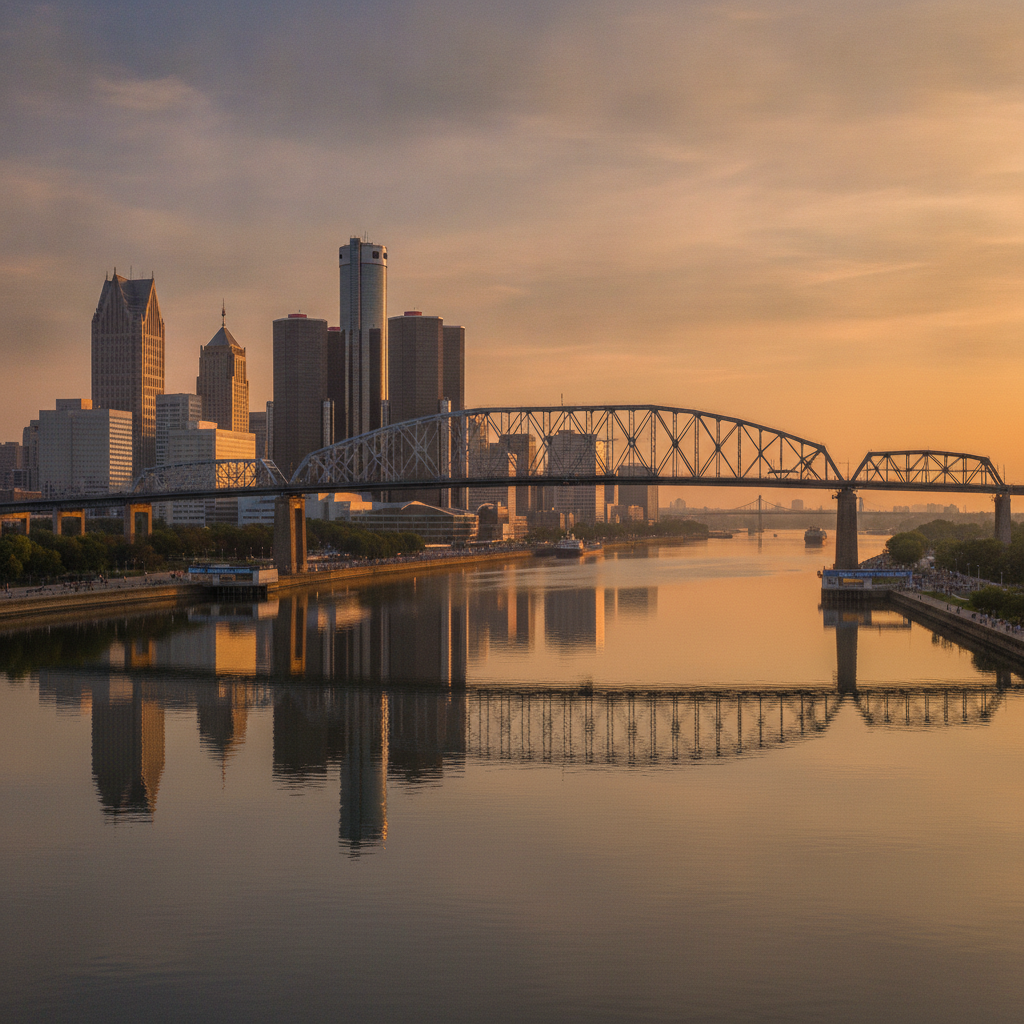
Belle Isle, a 982-acre island park in the Detroit River accessible by bridge from East Jefferson Avenue, is one of the largest city-owned island parks in the United States and the work of Frederick Law Olmsted, who designed its landscape in 1883. The island contains the Anna Scripps Whitcomb Conservatory, the oldest continually operated conservatory in the United States, the James Scott Memorial Fountain, the Detroit Yacht Club, and the Dossin Great Lakes Museum documenting maritime history on the Great Lakes. The island was transferred from city to state management in 2014 and operates as a Michigan state park. The view from the northern edge of Belle Isle across the river to the Windsor, Ontario skyline is the only place in the continental United States from which you look south into Canada. The Detroit River itself is one of the busiest waterways in North America with freighters carrying iron ore, coal, and grain between the Great Lakes ports.
- 5
Detroit Institute of Arts
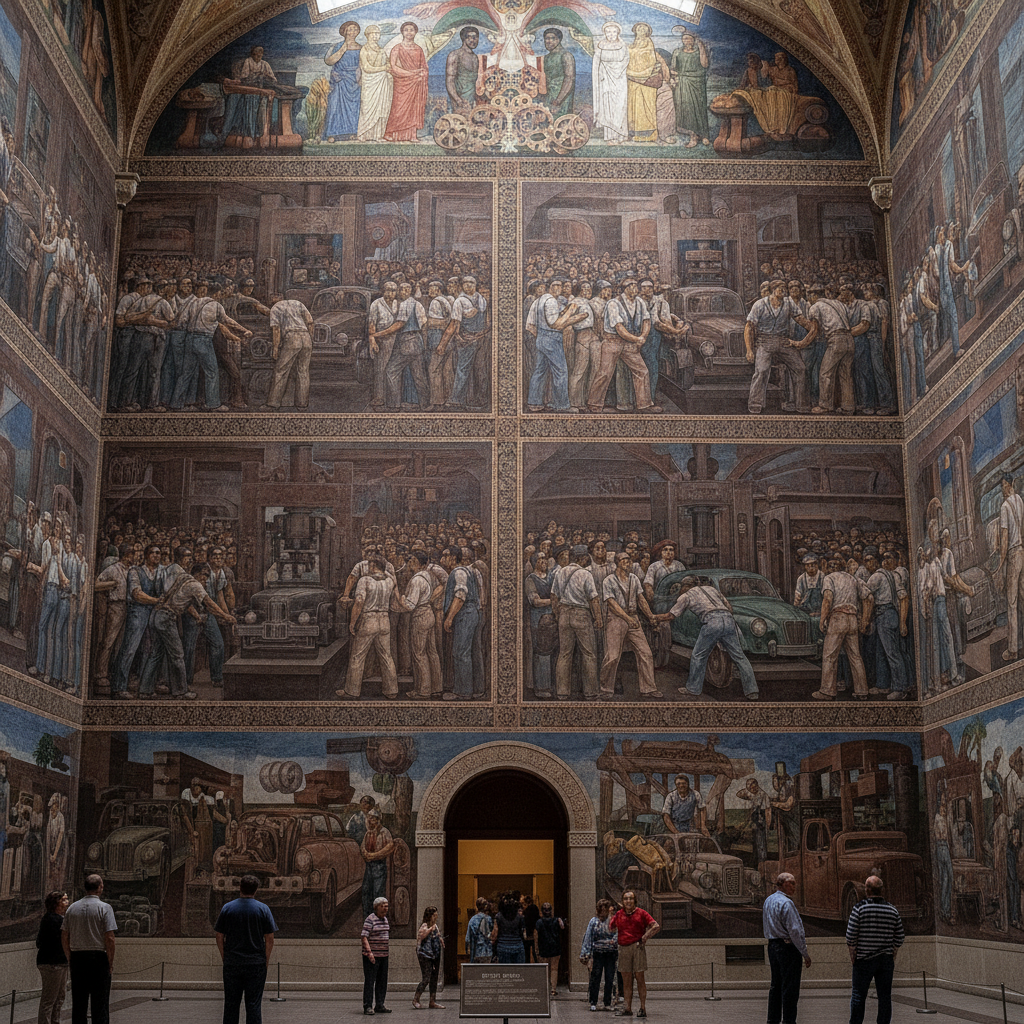
The Detroit Institute of Arts at 5200 Woodward Avenue in Midtown, founded in 1885, houses one of the largest and most significant art collections in the United States, with over 65,000 works covering 5,000 years across 100 galleries. The collection is particularly strong in German Expressionism, Dutch and Flemish Old Masters, African art, and American art. The Diego Rivera Detroit Industry Murals, four massive fresco panels commissioned in 1932 and completed in 1933 in the Garden Court, are considered Rivera greatest achievement in the United States and document the Ford River Rouge Complex at full production with thousands of workers visible in sweeping compositions. The murals were controversial at their unveiling for their worker-centric perspective. The DIA was nearly forced to sell its collection to pay Detroit municipal debts in 2013 when the city declared bankruptcy, but was saved by the Grand Bargain, a settlement protecting the collection funded by foundations and the state.
- 6
Detroit Architecture and Renaissance
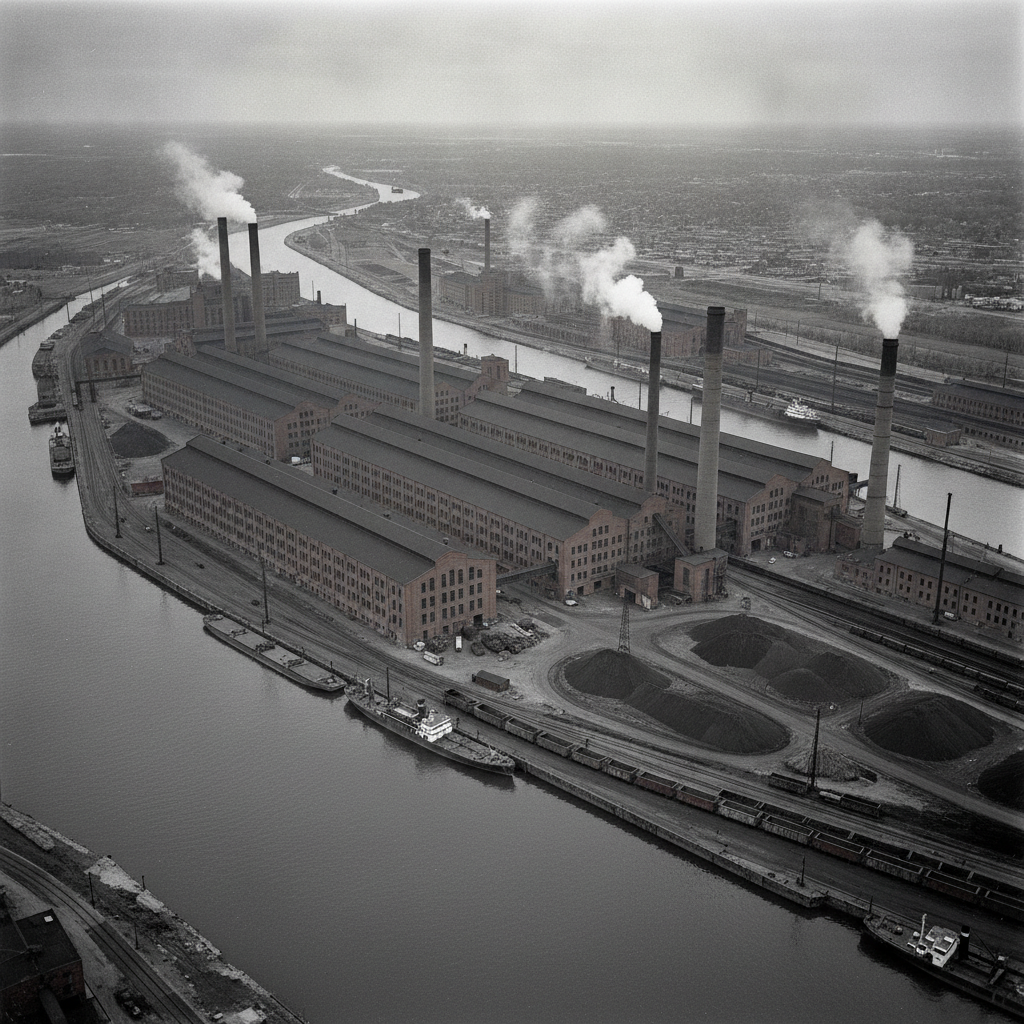
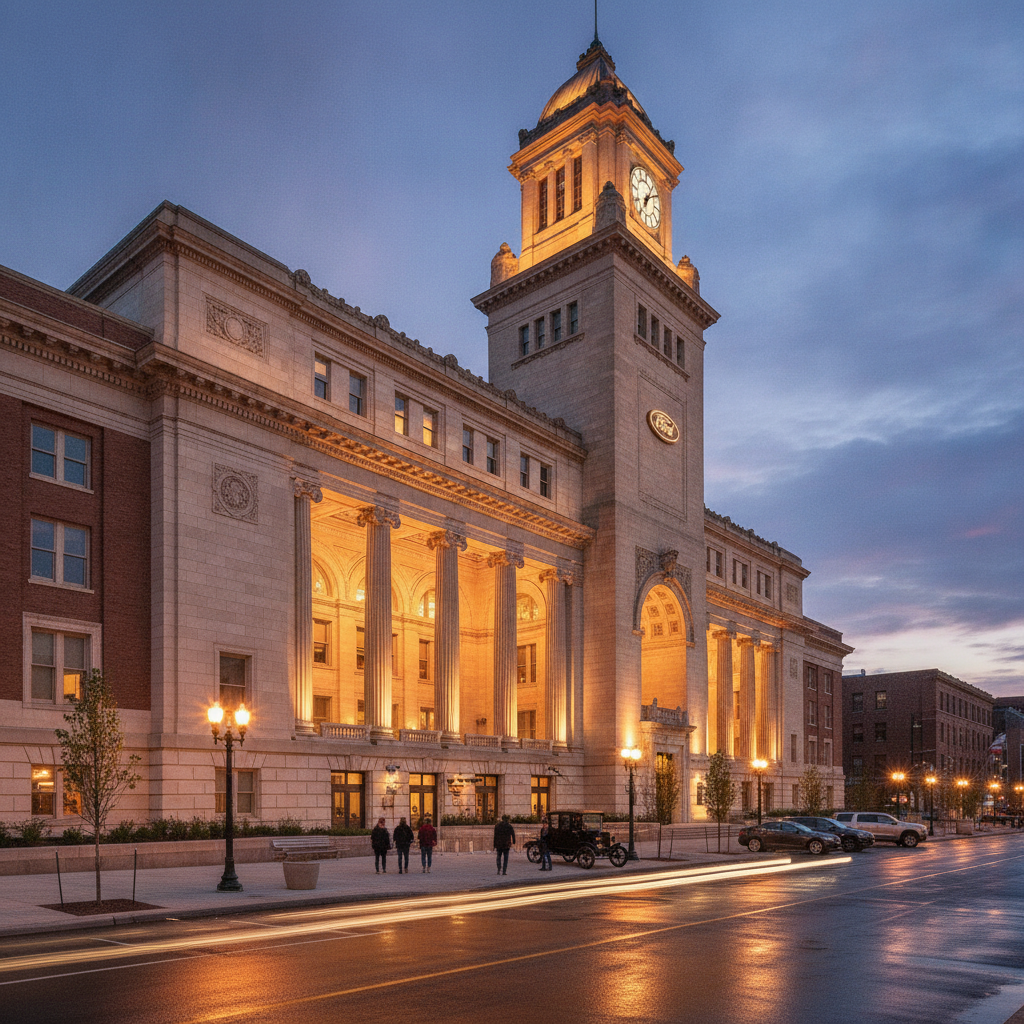
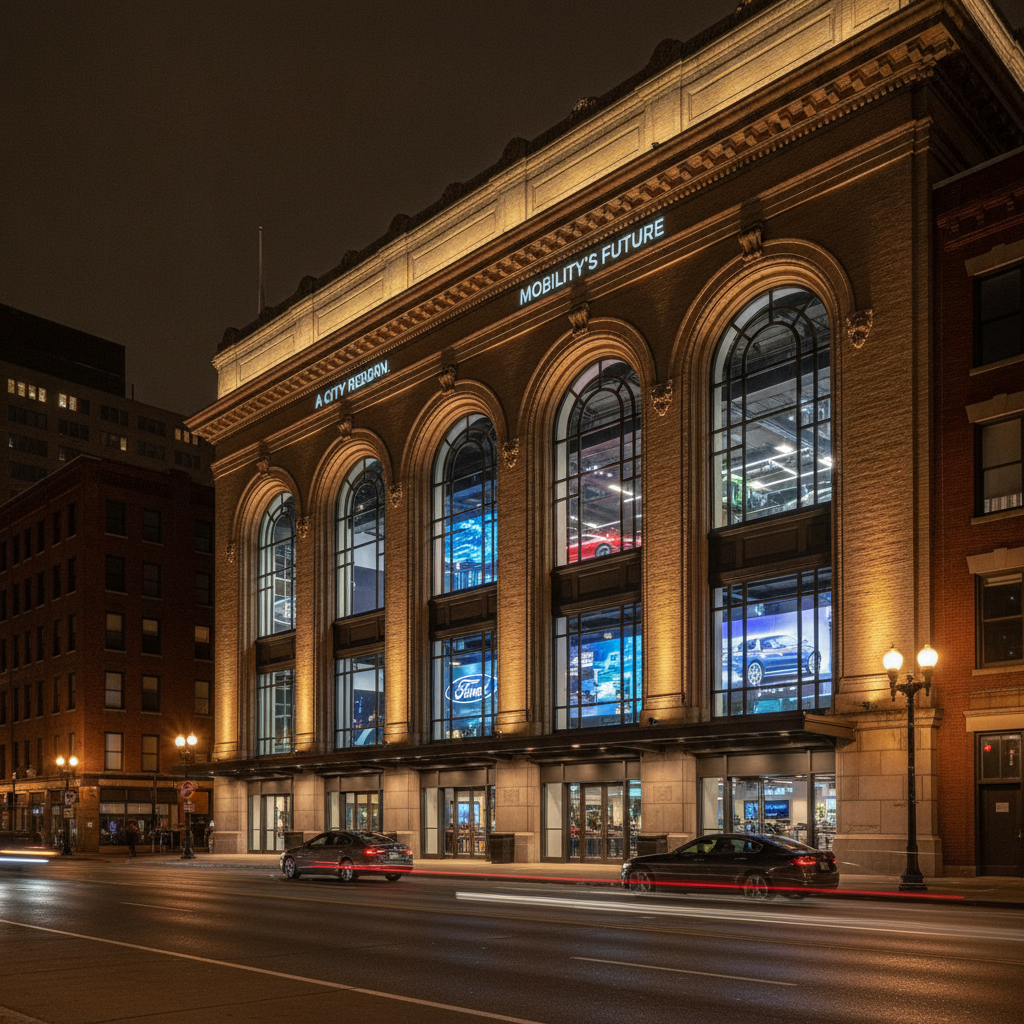
Detroit contains some of the most significant 20th-century commercial and civic architecture in the United States alongside the ruins that made it internationally famous. The Guardian Building, a 1929 Art Deco skyscraper at 500 Griswold Street designed by Wirt Rowland with Pewabic tile cladding and vaulted lobby, is called the Cathedral of Finance and is one of the finest Art Deco interiors in the world. The Fisher Building on West Grand Boulevard, also 1928, is considered the largest art object in Detroit for its three-story atrium of Verona marble and 40 types of marble and granite. The Michigan Central Station in Corktown, the 1913 Beaux-Arts train station that became the symbol of Detroit abandonment after closing in 1988, was purchased by Ford Motor Company in 2018 and restored as an innovation campus that reopened in 2023 as a major symbol of Detroit revival. The Packard Plant ruins on East Grand Boulevard remain one of the largest abandoned industrial complexes in the world.
Walk this route with audio
Stories play automatically as you reach each stop — no tapping needed.
More in Detroit
Detroit R4: Comerica Park Tigers (Ferris wheel, tiger sculptures, Little Caesars Arena Red Wings Pistons, Lions 1957 last championship, Detroit City FC Hamtramck), Hamtramck (Polish enclave 1901 to first all-Muslim city council 2021, Yemeni community largest US, Bangladeshi Bosnian diversity), Ann Arbor and University of Michigan (top public university, 107,601-seat Big House largest Western Hemisphere, Gerald Ford Madonna alumni, Ann Arbor Art Fair 500,000 visitors), Detroit River Underground Railroad (30,000-100,000 crossed to Canada 1817-1865, Second Baptist Church 1836 station, Tuskegee Airmen Museum), Detroit food (Buddy's pizza 1946 rectangular automotive pan, American vs Lafayette Coney Island hot dog rivalry since 1914, Chaldean community 130,000 largest outside Iraq), Practical (DTW Delta hub, Q Line People Mover, Ann Arbor Ann Arbor Museum Toledo Art Museum, safety guidance)
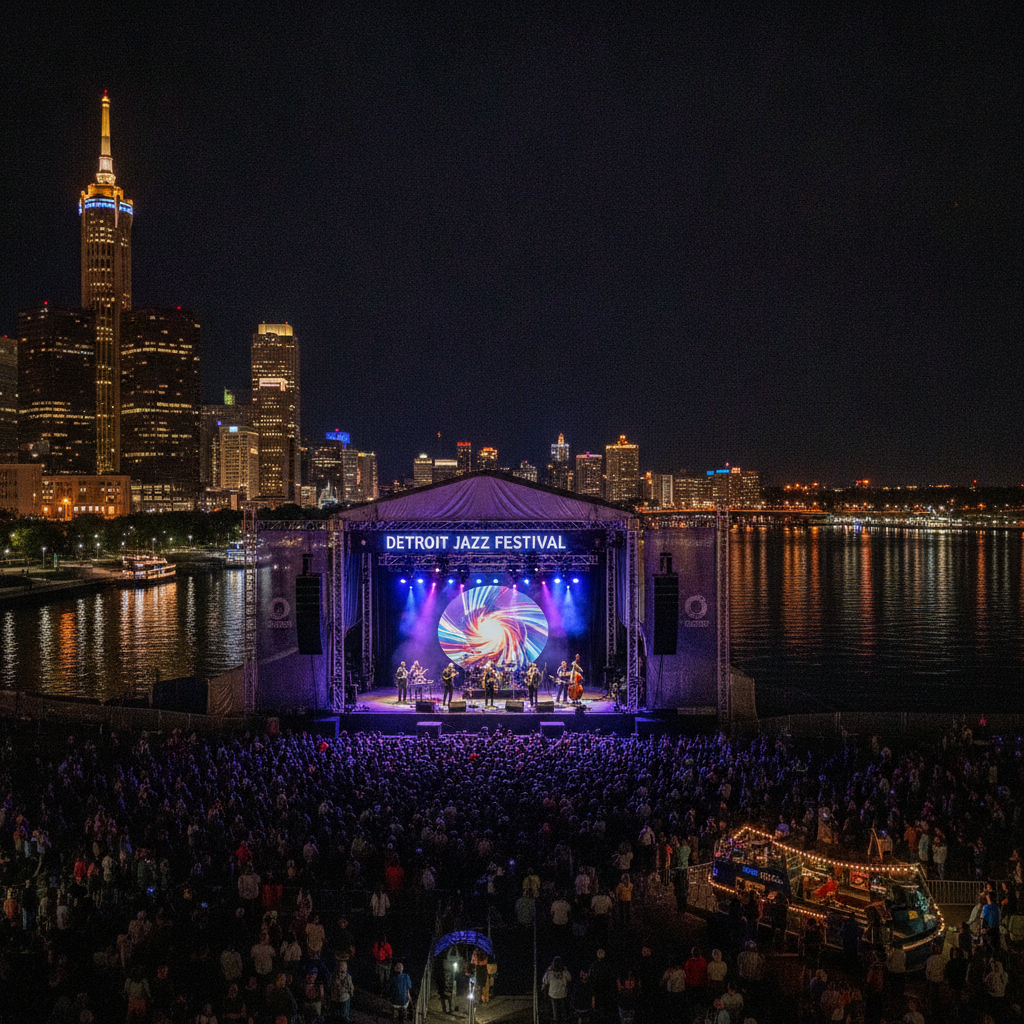
Detroit: 11 Stanley Cups, the World Largest Free Jazz Festival and a City Entirely Inside a City
Detroit: Polka Dot Houses in Ruins, Lincoln Chair and Rosa Parks Bus in One Museum
Detroit R3: Ford Motor Company (1903 founding USD 28,000, Model T 15M built, moving assembly line 1913 Highland Park, Five Dollar Day 1914 USD 5 minimum wage), Detroit 1967 uprising (43 dead, 7,200 arrested, 2,000 buildings burned, white flight acceleration, 1943 race riot 34 dead), Detroit architecture (Guardian Building 1929 Art Deco, Fisher Building most beautiful commercial AIA, Michigan Central Station 1913 Ford 2023 restoration, ruin porn phenomenon), African American heritage (Great Migration 6M, Black Bottom Paradise Valley demolished, Wright Museum largest African American history museum world), Practical (Downtown Midtown Corktown Eastern Market neighborhoods, Jazz Festival 1M Hart Plaza, Grand Prix Belle Isle, Ambassador Bridge busiest NA border), Detroit EV future (GM zero emission 2035, F-150 Lightning, Stellantis 14 brands, American Center for Mobility Willow Run B-24 plant)
Detroit R2: Detroit techno (Belleville Three Juan Atkins Derrick May Kevin Saunderson, Model 500 No UFOs 1985 first techno, Strings of Life 1987, Movement Festival 100,000 Hart Plaza), Detroit sports (Tigers Ty Cobb .367 Hank Greenberg 58 HRs 1938, Red Wings 11 Stanley Cups, Pistons Bad Boys 1989-1990, Comerica Park Little Caesars Arena), Dearborn Arab-American (490,000 largest US Arab community, Ford River Rouge 100,000 workers 1929, F-150 assembly tour), Heidelberg Project (Tyree Guyton 1986, polka dot houses, 275,000 visitors, Detroit blight art), Great Lakes (Michigan 4 Great Lakes 5,265km coastline, Sleeping Bear Dunes Most Beautiful America 2011, Mackinac Island no cars since 1898), Detroit revival (Dan Gilbert USD 5B Bedrock, Mike Ilitch Little Caesars, Midtown Wayne State, Shinola Where American is Made)