Detroit R2: Detroit techno (Belleville Three Juan Atkins Derrick May Kevin Saunderson, Model 500 No UFOs 1985 first techno, Strings of Life 1987, Movement Festival 100,000 Hart Plaza), Detroit sports (Tigers Ty Cobb .367 Hank Greenberg 58 HRs 1938, Red Wings 11 Stanley Cups, Pistons Bad Boys 1989-1990, Comerica Park Little Caesars Arena), Dearborn Arab-American (490,000 largest US Arab community, Ford River Rouge 100,000 workers 1929, F-150 assembly tour), Heidelberg Project (Tyree Guyton 1986, polka dot houses, 275,000 visitors, Detroit blight art), Great Lakes (Michigan 4 Great Lakes 5,265km coastline, Sleeping Bear Dunes Most Beautiful America 2011, Mackinac Island no cars since 1898), Detroit revival (Dan Gilbert USD 5B Bedrock, Mike Ilitch Little Caesars, Midtown Wayne State, Shinola Where American is Made)
Detroit culture and revival: Detroit techno (Belleville Three Juan Atkins-Derrick May-Kevin Saunderson, Model 500 No UFOs 1985, Derrick May Strings of Life 1987, Kraftwerk Trans-Europe Express influence, Movement Festival 100,000 Hart Plaza), sports (Tigers Ty Cobb .367 career BA Hank Greenberg 58 HRs 1938, Red Wings 11 Stanley Cups most US NHL, Pistons Bad Boys Isiah Thomas Dennis Rodman 1989-1990), Dearborn Arab-American (490,000-500,000 largest US Arab community, Lebanese immigration Ford River Rouge, River Rouge Complex 100,000 workers 1929, F-150 assembly tour), Heidelberg Project (Tyree Guyton 1986 polka dots, survived 2 demolitions and arson, 275,000 annual visitors), Great Lakes (21% worlds fresh water, Sleeping Bear Dunes ABC Most Beautiful America, Mackinac Island no cars 1898, Grand Hotel 201m longest porch), revival (Dan Gilbert USD 5B+ Bedrock 100 buildings, Mike Ilitch Little Caesars Red Wings Tigers Fox Theatre, Midtown Wayne State, Shinola luxury revival brand).
- 1
Detroit Techno and the Electronic Music Revolution
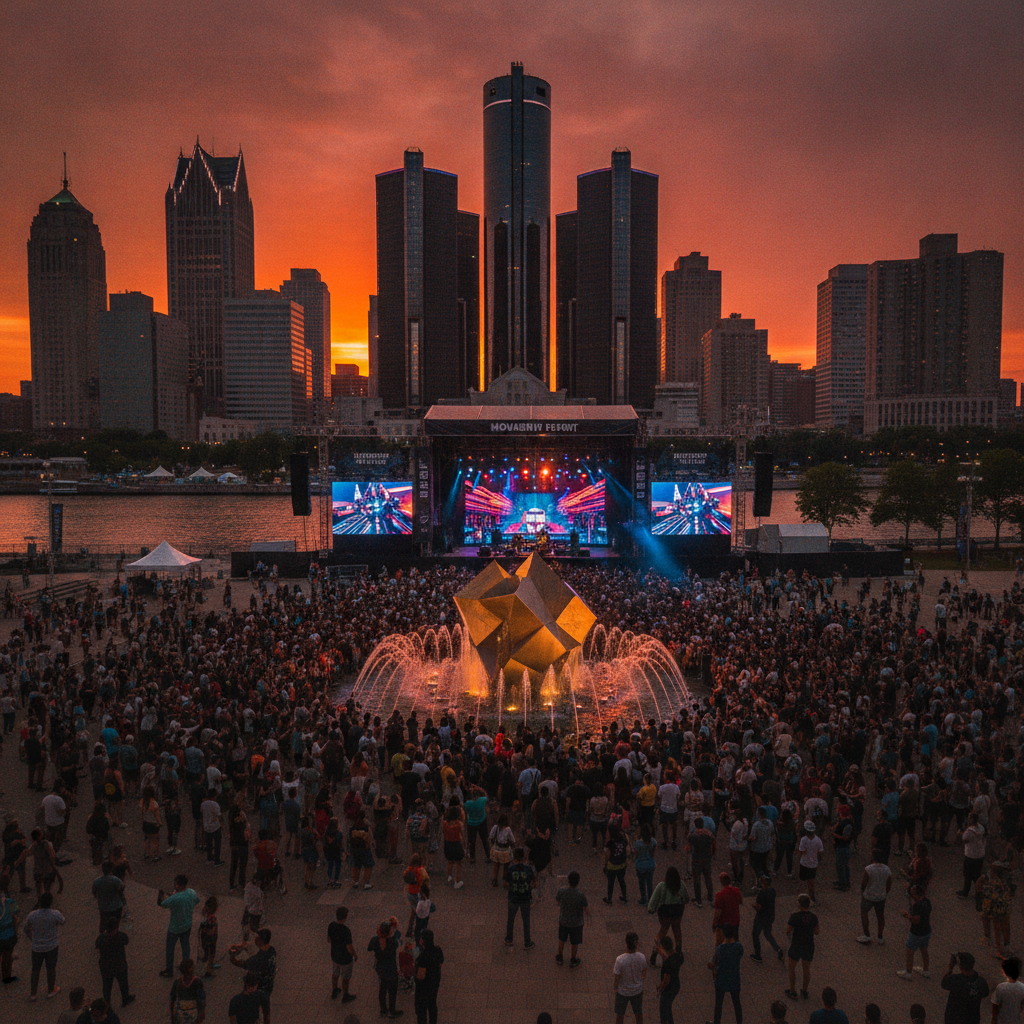
Detroit techno: Detroit is the birthplace of techno music, one of the most globally influential musical forms of the late 20th century. Detroit techno was developed in the mid-1980s by three friends from Belleville, Michigan (a suburb approximately 40 km southwest of Detroit): Juan Atkins (born 1962), Derrick May (born 1963), and Kevin Saunderson (born 1964), known collectively as the Belleville Three. The invention of techno: in 1985, Juan Atkins (recording as Model 500) released No UFOs on his Metroplex label — the record widely credited as the first techno record. The Belleville Three's sonic synthesis: they blended the mechanical funk of Parliament-Funkadelic and the electronic experiments of Kraftwerk (the German electronic band whose 1977 album Trans-Europe Express is directly referenced in Derrick May's Strings of Life 1987) with the dystopian urban landscape of post-industrial Detroit to create a sound that was simultaneously futuristic and melancholic. The global spread of Detroit techno: Detroit techno was largely ignored in the United States in the 1980s (DJ culture had not yet developed in American cities as it had in European cities), but was embraced enthusiastically in the UK (particularly in Manchester, Birmingham, and London) and in Germany (particularly in Berlin, where the fall of the Wall in November 1989 created an explosion of warehouse techno culture that became the Berlin club scene). Movement Electronic Music Festival (the Detroit Electronic Music Festival, held annually Memorial Day weekend in Hart Plaza, downtown Detroit): the largest electronic music festival in North America, drawing approximately 100,000 attendees over three days, celebrating the birthplace of techno.
- 2
Detroit Sports Legacy - Lions Tigers Red Wings Pistons
Detroit professional sports: Detroit is one of the few American cities with four active professional sports franchises in the four major North American leagues (NFL, MLB, NBA, NHL), all playing within or very near the city center. Detroit Tigers MLB (founded 1901, playing at Comerica Park, 2100 Woodward Avenue, opened 2000): the Tigers have won 4 World Series championships (1935, 1945, 1968, 1984). Ty Cobb (Tyrus Raymond Cobb, born 1886 Georgia, died 1961): the Tigers outfielder who played 22 seasons in Detroit (1905-1926) and holds the highest career batting average in Major League Baseball history (.367), was the most feared and most controversial player of the Dead Ball Era, elected to the Baseball Hall of Fame in 1936 (the inaugural class). Hank Greenberg (Henry Benjamin Greenberg, born 1911 New York): the Tigers first baseman who hit 58 home runs in 1938 (one of the greatest single-season home run performances in history, particularly notable as Greenberg was Jewish and faced antisemitic hostility throughout his career), 4-time All-Star, 2-time MVP, 2-time World Series champion. Detroit Red Wings NHL (playing at Little Caesars Arena, 2645 Woodward Avenue): the most successful NHL franchise in American sports history, with 11 Stanley Cup championships (most recent in 2008). Detroit Pistons NBA (playing at Little Caesars Arena): the Bad Boys era (1988-1990, 2 NBA championships) with Isiah Thomas, Joe Dumars, Dennis Rodman, and Bill Laimbeer — one of the most physically intimidating teams in NBA history.
- 3
Dearborn and Arab-American Culture
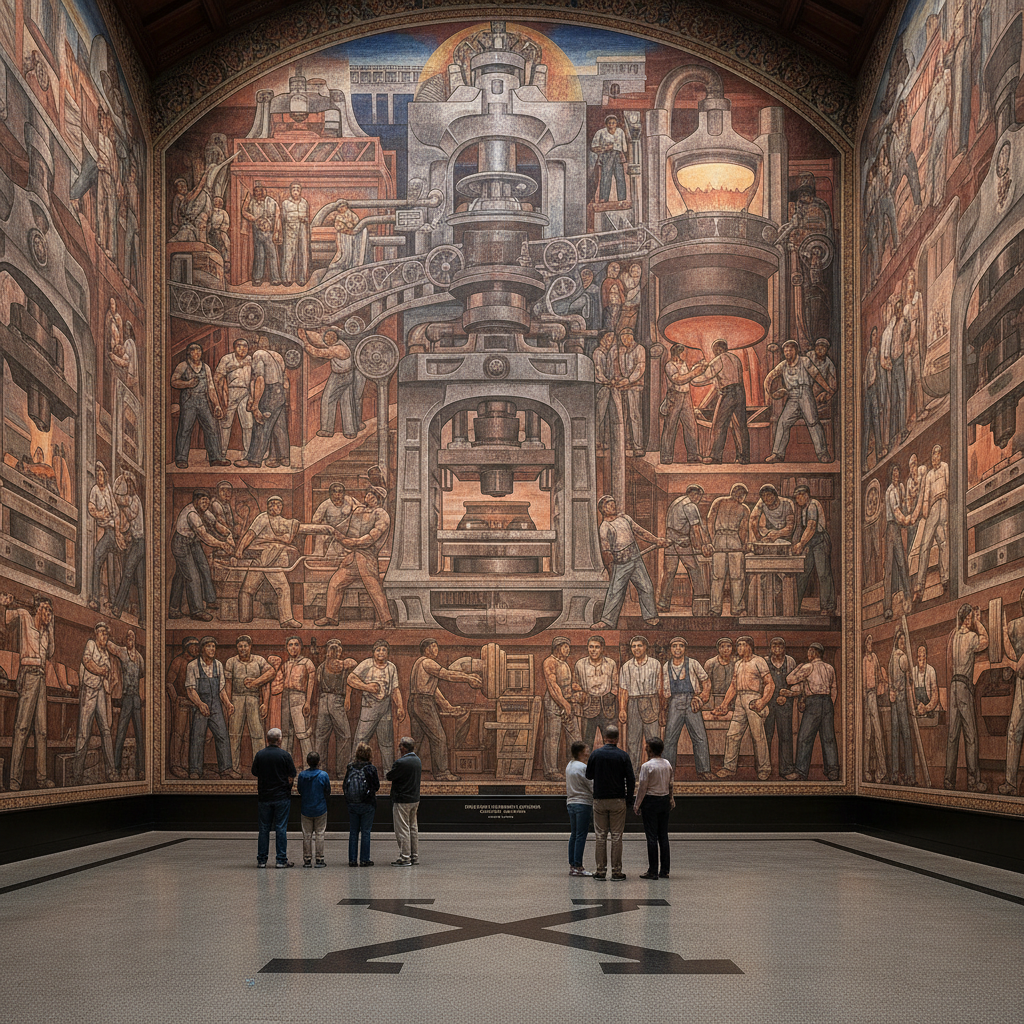
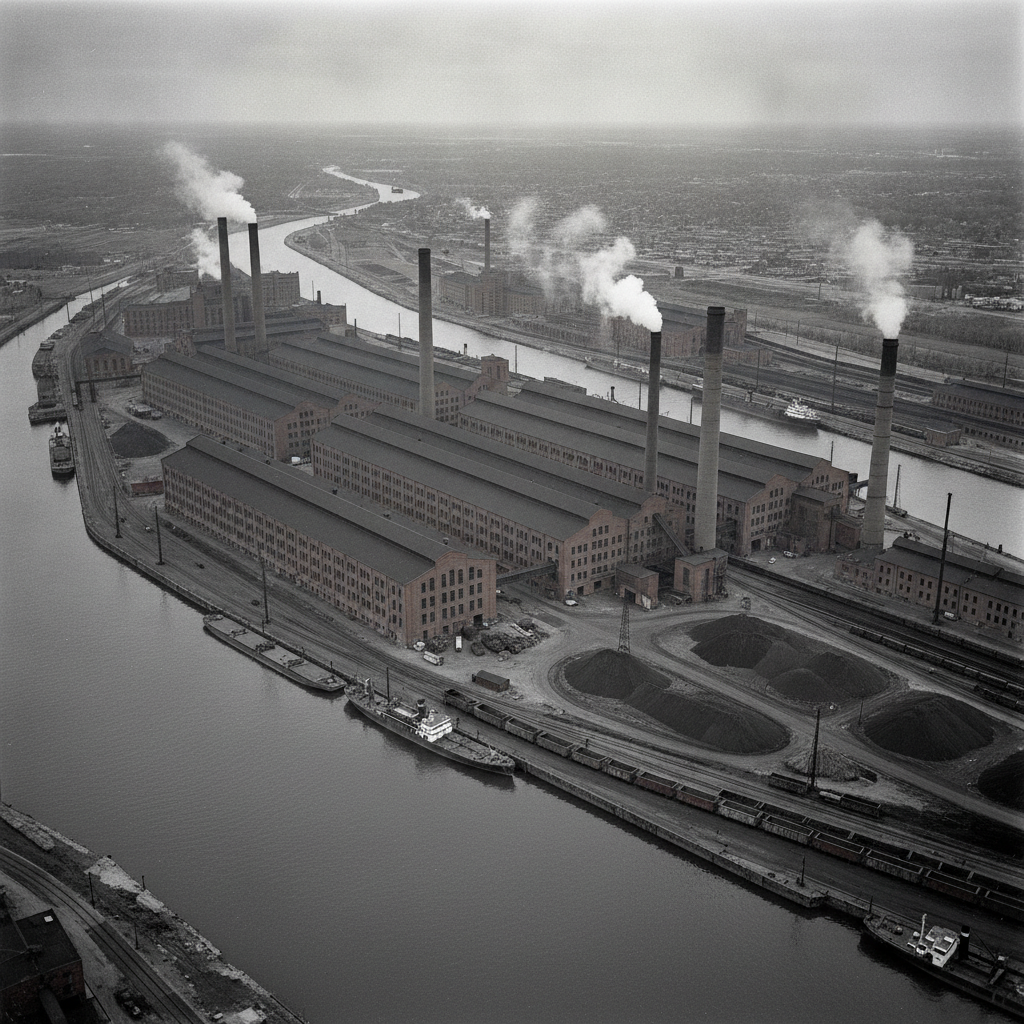
Dearborn (the independent city of approximately 110,000 people, 15 km west of downtown Detroit, the headquarters of Ford Motor Company): the most significant Arab-American community in the United States and one of the most significant Arab communities outside the Middle East. Arab-American heritage in Dearborn: the Arab-American community in the Detroit metropolitan area numbers approximately 490,000-500,000 people (the largest Arab-American community in the United States by a significant margin), concentrated primarily in Dearborn, Dearborn Heights, and surrounding communities. Lebanese immigration: the first wave of Arab immigration to the Detroit area came from Lebanon and Syria between 1890 and 1920, with Lebanese immigrants (predominantly Maronite Christians) settling in the Dearborn area attracted by jobs at the Ford River Rouge Complex (Henry Ford actively recruited Arab workers and was less discriminatory toward Arab workers than many other American industrialists of the era). Ford River Rouge Complex (at 3001 Miller Road, Dearborn, covering approximately 4 square km, the largest single manufacturing complex in the world from the 1930s to the 1950s): at its peak in 1929, the River Rouge Complex employed 100,000 workers (the largest concentration of industrial labor under single management in human history), with iron ore entering one end of the complex and completed Ford Model A automobiles leaving the other end 28 hours later. The Ford Rouge Factory Tour (the public tour of the working F-150 assembly line, through the Benson Ford Research Center and the Diego Rivera-inspired murals of the Plant Entry Building): one of the most remarkable public industrial tour experiences in the United States.
- 4
Heidelberg Project and Detroit Street Art
The Heidelberg Project (at 3600 Heidelberg Street, McDougall-Hunt neighborhood, approximately 5 km east of downtown Detroit): the outdoor public art installation that transformed a block of abandoned houses in one of Detroit most devastated neighborhoods into one of the most remarkable and controversial public art environments in the United States. Tyree Guyton (born 1955, Detroit): the artist who began the Heidelberg Project in 1986 by painting polka dots on his childhood home on Heidelberg Street, then expanding the project to cover neighboring abandoned houses and empty lots with salvaged objects, painted patterns, and found materials. The Heidelberg Project has survived two partial demolitions ordered by Detroit mayors (Coleman Young in 1991 and Dennis Archer in 1999), arson attacks (several houses were burned between 2013 and 2014), and decades of controversy about its relationship to the Detroit neighborhoods, ultimately becoming one of the most visited free cultural attractions in Michigan (approximately 275,000 visitors per year). The Heidelberg Project as Detroit metaphor: the project is impossible to understand without the context of Detroit's post-1967 neighborhood collapse — the McDougall-Hunt neighborhood once housed over 10,000 people in compact Victorian brick houses; by 1986 it was largely abandoned, with empty lots and burned-out structures. The Detroit street art and murals scene: beyond Eastern Market and the Heidelberg Project, Detroit has one of the largest concentrations of public murals of any American city, with major works by Shepard Fairey, Os Gemeos (the Brazilian twins who painted the Spirit of Detroit building), and dozens of local and international artists on the walls of Midtown, Corktown, and the New Center area.
- 5
Michigan and the Great Lakes
Michigan and the Great Lakes: Michigan is the only state in the continental United States surrounded by four of the five Great Lakes (Superior, Michigan, Huron, and Erie), giving the state the longest freshwater coastline of any US state (5,265 km — longer than the Atlantic coastline of the continental United States). The Great Lakes statistics: the Great Lakes (Superior, Michigan, Huron, Erie, and Ontario) contain approximately 21% of the worlds surface fresh water and 84% of North Americas surface fresh water, making them the most important freshwater resource in the Western Hemisphere. Sleeping Bear Dunes National Lakeshore (on the eastern shore of Lake Michigan, approximately 380 km north of Detroit): the national lakeshore voted Most Beautiful Place in America by ABC's Good Morning America (2011), with massive sand dunes (up to 140m tall) rising directly from the shores of Lake Michigan, with views across the lake to the Manitou Islands. Pictured Rocks National Lakeshore (on the southern shore of Lake Superior, approximately 600 km north of Detroit): the first US national lakeshore (designated 1966), with the 18-km cliff face of multi-colored Cambrian sandstone that gives the park its name, sea caves, waterfalls, and the Grand Sable Dunes. Mackinac Island (in the Straits of Mackinac, connecting Lake Huron and Lake Michigan, approximately 450 km north of Detroit): the island where automobiles have been banned since 1898, with transportation entirely by horse-drawn carriage and bicycle, the Grand Hotel (the longest wooden porch in the world, 201m), and the Mackinac Island fudge (an institution dating to 1887 that makes the island one of the top fudge tourism destinations in the world).
- 6
Detroit Revival - From Bankruptcy to Renaissance
Detroit revival story: Detroit has undergone one of the most remarkable urban revival narratives of any American city since approximately 2012, though the revival remains geographically concentrated in a few core neighborhoods and has not reached the vast areas of the city still struggling with population loss and blight. The key drivers of Detroit revival: Dan Gilbert (founder of Quicken Loans, born 1962, raised in Southfield): the Detroit entrepreneur who relocated Quicken Loans headquarters from the suburbs to downtown Detroit in 2010 and subsequently invested over USD 5 billion in Detroit real estate (through his Bedrock real estate firm), acquiring over 100 downtown and Midtown buildings. Mike Ilitch (born 1929, Detroit; died 2017): the founder of Little Caesars Pizza (1959), who owned the Detroit Red Wings, the Detroit Tigers, and the Fox Theatre, and was the most significant patron of the Detroit arts scene for over 30 years. The Midtown Detroit revival: Midtown (the neighborhood surrounding Wayne State University, the Detroit Institute of Arts, the Detroit Medical Center, and the Michigan Science Center): the most revitalized neighborhood in Detroit, with Wayne State University (28,000 students) as the anchor institution, dozens of new restaurants and bars, the Q Line streetcar (connecting downtown to the New Center area on Woodward Avenue), and the Shinola hotel and brand. Shinola (the Detroit-made luxury goods brand, founded 2011, headquartered at 441 W Canfield Street, Midtown): the brand that has become the most recognizable symbol of the Detroit revival narrative, producing watches, bicycles, leather goods, and journals under the motto Where American is Made, with a flagship store in Midtown and international retail presence.
Walk this route with audio
Stories play automatically as you reach each stop — no tapping needed.
More in detroit
Detroit R4: Comerica Park Tigers (Ferris wheel, tiger sculptures, Little Caesars Arena Red Wings Pistons, Lions 1957 last championship, Detroit City FC Hamtramck), Hamtramck (Polish enclave 1901 to first all-Muslim city council 2021, Yemeni community largest US, Bangladeshi Bosnian diversity), Ann Arbor and University of Michigan (top public university, 107,601-seat Big House largest Western Hemisphere, Gerald Ford Madonna alumni, Ann Arbor Art Fair 500,000 visitors), Detroit River Underground Railroad (30,000-100,000 crossed to Canada 1817-1865, Second Baptist Church 1836 station, Tuskegee Airmen Museum), Detroit food (Buddy's pizza 1946 rectangular automotive pan, American vs Lafayette Coney Island hot dog rivalry since 1914, Chaldean community 130,000 largest outside Iraq), Practical (DTW Delta hub, Q Line People Mover, Ann Arbor Ann Arbor Museum Toledo Art Museum, safety guidance)
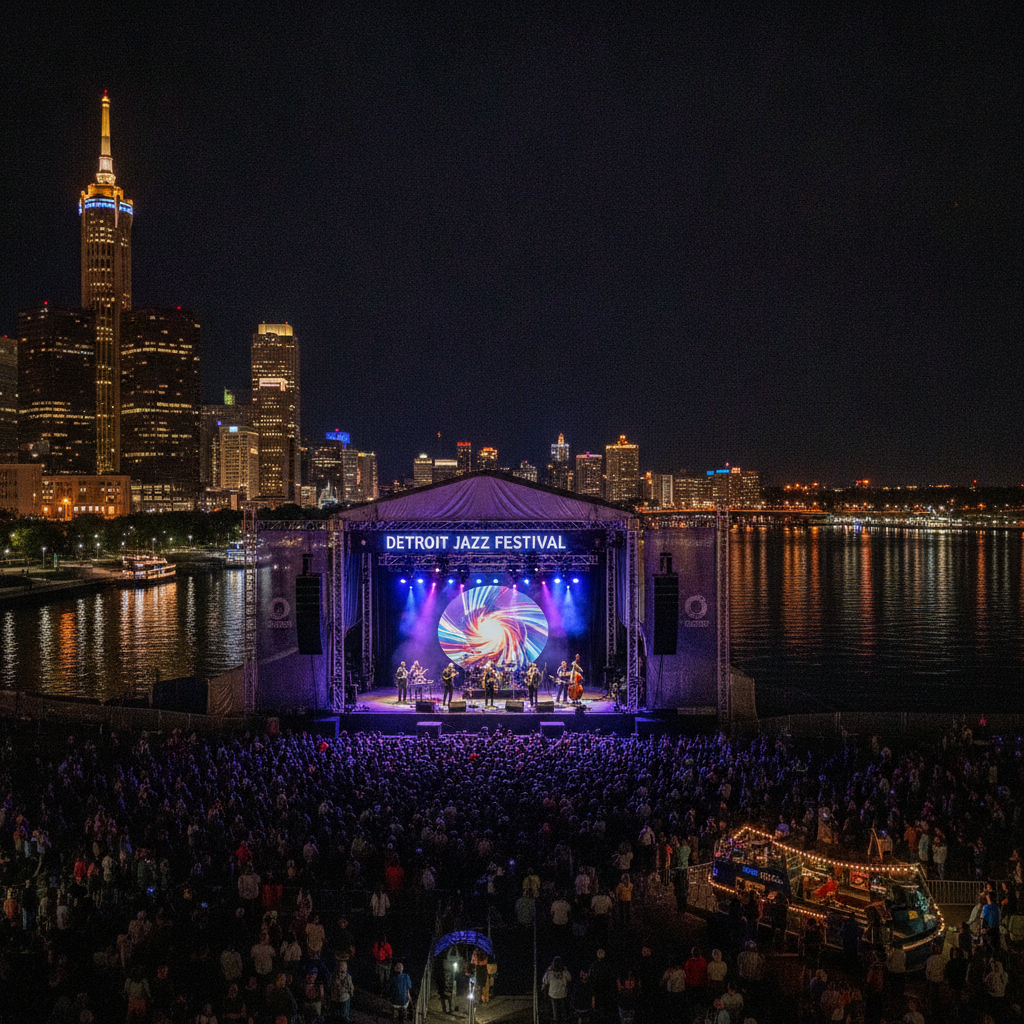
Detroit: 11 Stanley Cups, the World Largest Free Jazz Festival and a City Entirely Inside a City
Detroit: Polka Dot Houses in Ruins, Lincoln Chair and Rosa Parks Bus in One Museum
Detroit R3: Ford Motor Company (1903 founding USD 28,000, Model T 15M built, moving assembly line 1913 Highland Park, Five Dollar Day 1914 USD 5 minimum wage), Detroit 1967 uprising (43 dead, 7,200 arrested, 2,000 buildings burned, white flight acceleration, 1943 race riot 34 dead), Detroit architecture (Guardian Building 1929 Art Deco, Fisher Building most beautiful commercial AIA, Michigan Central Station 1913 Ford 2023 restoration, ruin porn phenomenon), African American heritage (Great Migration 6M, Black Bottom Paradise Valley demolished, Wright Museum largest African American history museum world), Practical (Downtown Midtown Corktown Eastern Market neighborhoods, Jazz Festival 1M Hart Plaza, Grand Prix Belle Isle, Ambassador Bridge busiest NA border), Detroit EV future (GM zero emission 2035, F-150 Lightning, Stellantis 14 brands, American Center for Mobility Willow Run B-24 plant)
Detroit: 107000-Seat Big House Stadium, the Largest Bankruptcy in US History and Where Punk Was Born