Dhaka Mosques and Islamic Architecture Walk
Trace the Islamic architectural heritage of Dhaka — from the 17th-century Mughal mosques of Old Dhaka to the modernist Baitul Mukarram National Mosque, discovering how five centuries of Muslim rule and culture created one of South Asia's most intensely Islamic cities.
- 1
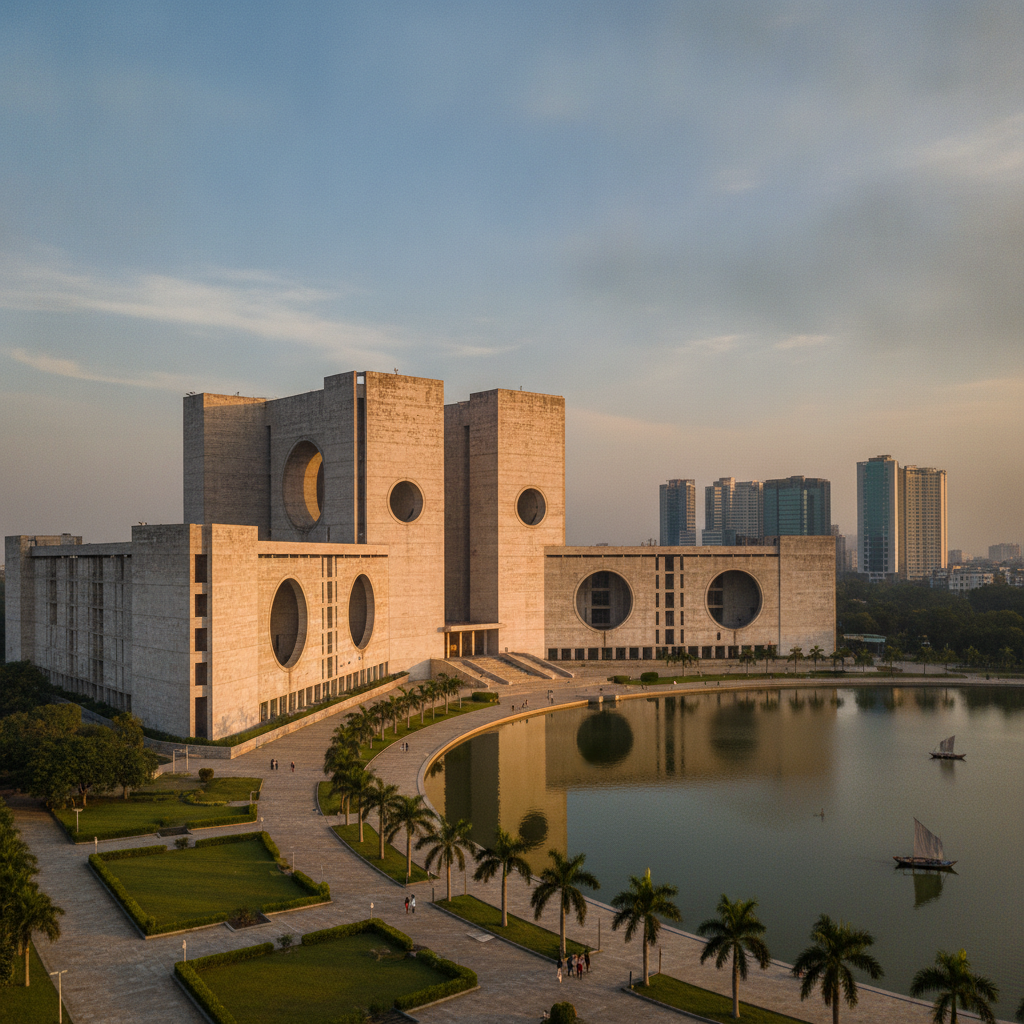
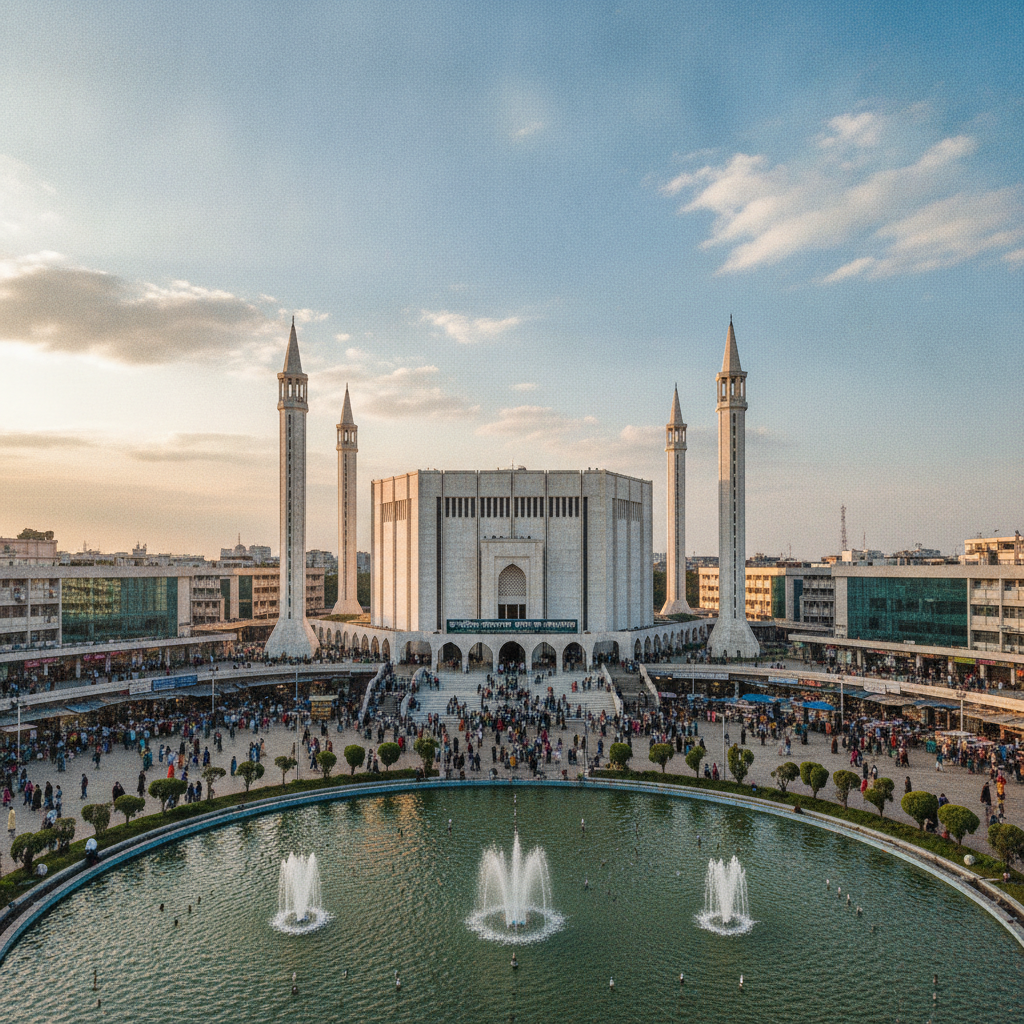
Baitul Mukarram National Mosque
Bangladesh's national mosque, a modernist cube completed in 1968 inspired by the Kaaba in Mecca, capable of holding 40,000 worshippers and surrounded by a large commercial complex — the symbolic center of Islamic life in Bangladesh.
- 2
Khan Muhammad Mridha Mosque
A 1704 Mughal mosque in Old Dhaka with a raised platform, twin minarets, and the characteristic terracotta decoration of the Bengal Sultanate tradition — one of the best-preserved early mosques in the city.
- 3
Binat Bibi Mosque
The oldest surviving mosque in Dhaka, built in 1454 during the Sultanate period, a single-domed structure of modest dimensions but enormous historical significance as the first Islamic monument built in the city.
- 4
Sat Gambuj Mosque
The Seven Domes Mosque built in the 1680s by Shaista Khan, the Mughal viceroy who transformed Dhaka into a major commercial city — its seven domes and ornamental terracotta decoration represent the peak of Mughal mosque architecture in Bengal.
- 5
Choto Katra Mughal Caravanserai
The remains of a 17th-century Mughal caravanserai (travelers' inn and trading post) near the river, a glimpse of Old Dhaka's role as a major commercial hub on the trans-Asian trade routes of the Mughal empire.
- 6
Friday Prayer at Neighborhood Mosque
Witness the Friday midday prayer at a neighborhood mosque — the mass departure of worshippers from offices and shops, the rows of men in white prayer caps, and the momentary quieting of Dhaka's permanent roar.
Walk this route with audio
Stories play automatically as you reach each stop — no tapping needed.