Doha's Ambition: $1 Billion/Year Art Buying, Al Jazeera's Arab Spring Impact & the 2017 Blockade
Understand Qatar's global influence—Sheikha Al Mayassa spending $1 billion annually on art (Cézanne's Card Players for $250m, Gauguin's When Will You Marry for $300m), Al Jazeera's 1996 launch that broke Arabic state media and survived the Saudi-UAE blockade's demand for its closure, 7 world-class universities on a single campus funded by the Qatar Foundation, and the tension of 300,000 Qatari citizens being the minority in a country of 2.9 million.
- 1
Education City – A University Campus for the World
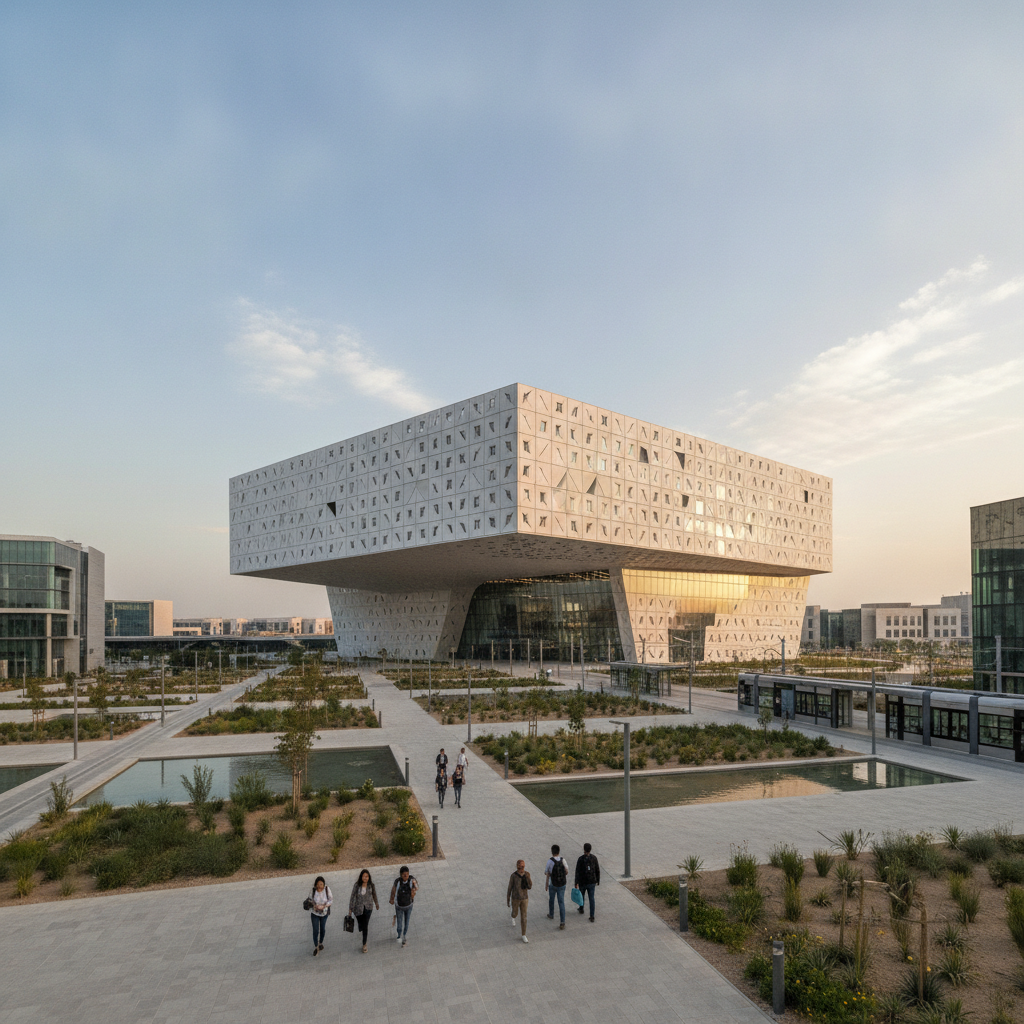
Education City—a 12 km² campus 15 km west of Doha housing branch campuses of Georgetown (School of Foreign Service), Northwestern (Journalism and Communication), Carnegie Mellon (Computer Science and Business), Cornell (Medicine), UCL (Architecture), HEC Paris, and others—is the most ambitious university cluster project in the world. Over 7,000 students study at Education City; the Qatar Foundation (chaired by Sheikha Moza bint Nasser) has invested $30+ billion in the project. The Qatar National Library (designed by Rem Koolhaas/OMA) and the Mathaf Arab Museum of Modern Art are also on campus.
- 2
Al Jazeera Media Network – Doha's Global Voice
Al Jazeera, launched in Doha in 1996 with Qatar government funding, changed Arabic media permanently—its independent editorial stance, willingness to interview opposition figures, and pan-Arab programming broke the state-controlled Arabic media model. The English channel (launched 2006) became a major global news source. Al Jazeera's coverage of the Arab Spring (2010–2011) made it the defining media voice of the upheaval. The network's editorial independence has caused repeated diplomatic crises: the 2017 Gulf blockade of Qatar by Saudi Arabia, UAE, Bahrain, and Egypt listed Al Jazeera's closure as a key demand.
- 3
Qatar's Art Collecting – The Most Ambitious in History
Qatar's royal family (particularly Sheikha Al Mayassa bint Hamad Al Thani, Qatar Museums chairperson) has spent an estimated $1 billion per year on art acquisitions since 2010—the most intensive art collecting programme in history. Individual purchases include Cézanne's The Card Players ($250 million, 2011—the highest price ever for a painting), Gauguin's When Will You Marry ($300 million, 2015), and hundreds of major works. The National Museum of Qatar, Museum of Islamic Art, and the forthcoming Doha Fire Station artists' residency are the primary display venues.
- 4
The 2017 Gulf Blockade – Qatar's Diplomatic Crisis
The 2017 Gulf Crisis—when Saudi Arabia, UAE, Bahrain, and Egypt severed diplomatic relations and blockaded Qatar (closing the only land border and airspace) for 3.5 years—is the defining geopolitical event of recent Qatari history. The blockade's 13 demands included closing Al Jazeera, ending relations with Iran, and removing Turkish military from Qatar. Qatar refused; Turkey and Iran supplied food through alternative routes; Qatar accelerated domestic food production (building dairy farms, vegetable greenhouses). The crisis ended in January 2021 without Qatar meeting any demands—a significant diplomatic victory for Doha.
- 5
Doha's Art Scene – Galleries, Street Art & Fire Station
Doha's contemporary art scene is concentrated in Msheireb (Fire Station Artists in Residence), Katara Cultural Village, and the growing gallery district around Souq Waqif. The Mathaf Arab Museum of Modern Art (Education City) holds the world's most significant collection of modern Arab art—works by Dia Azzawi, Mahmoud Said, and Gazbia Sirry that are almost entirely unknown internationally. The Doha Fire Station (a converted fire station near the MIA) is the city's most dynamic contemporary art space, hosting the Qatar-Museums artist-in-residence programme.
- 6
Qatari Identity in a 90%-Expat Country
Qatar's population is approximately 2.9 million—but only 10–12% are Qatari nationals (around 300,000 citizens). The rest are expatriate workers: Indians (the largest group), Nepalis, Filipinos, Bangladeshis, Pakistanis, and Western professionals. Qatari nationals are among the world's wealthiest citizens (average per capita wealth $80,000+ in a country that provides free healthcare, education, and housing to citizens). The kafala labour system has been partially reformed but construction worker conditions remain a significant human rights concern. This demographic reality—a citizen minority in their own country—is the defining tension of modern Qatari identity.
Walk this route with audio
Stories play automatically as you reach each stop — no tapping needed.
More in Doha
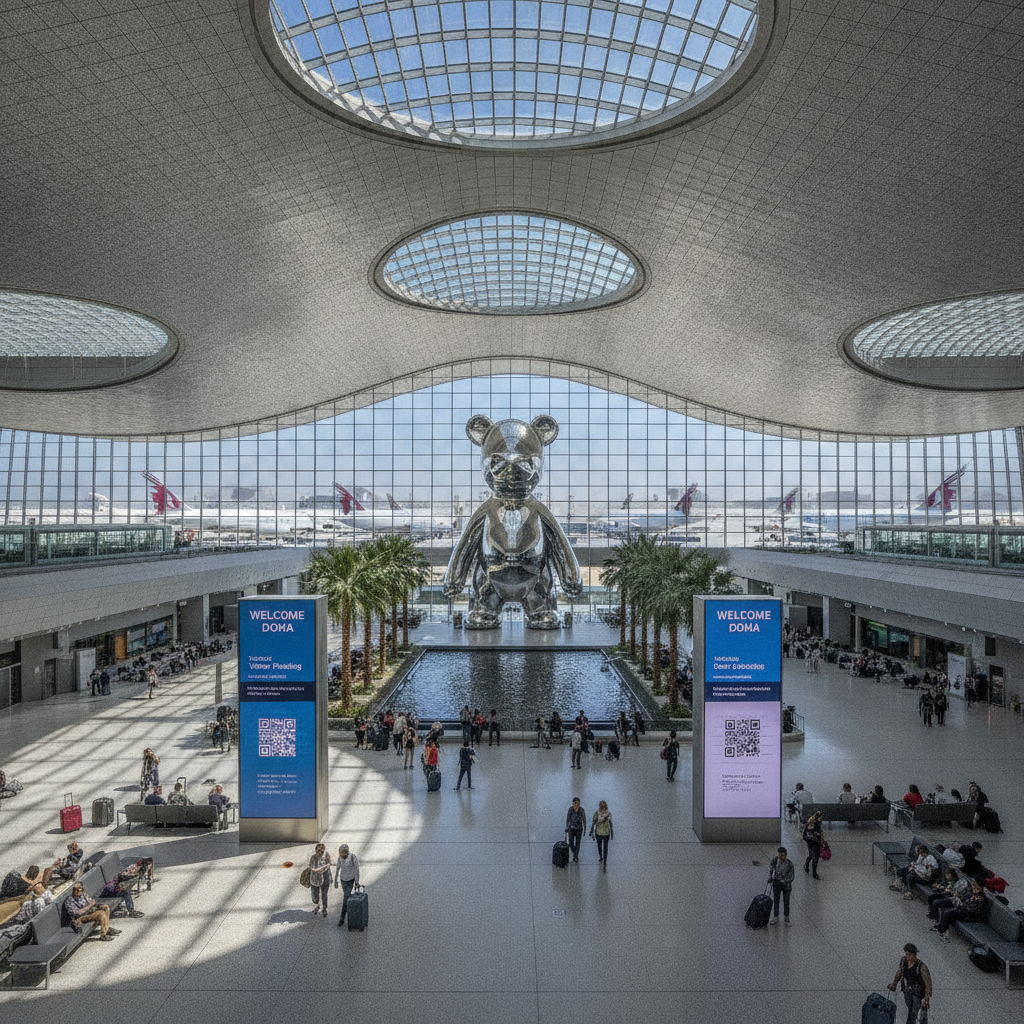
Doha Practical: Hamad International Airport, Accommodation, Desert Excursions, Optimal Timing, and the Qatar Visitor Framework
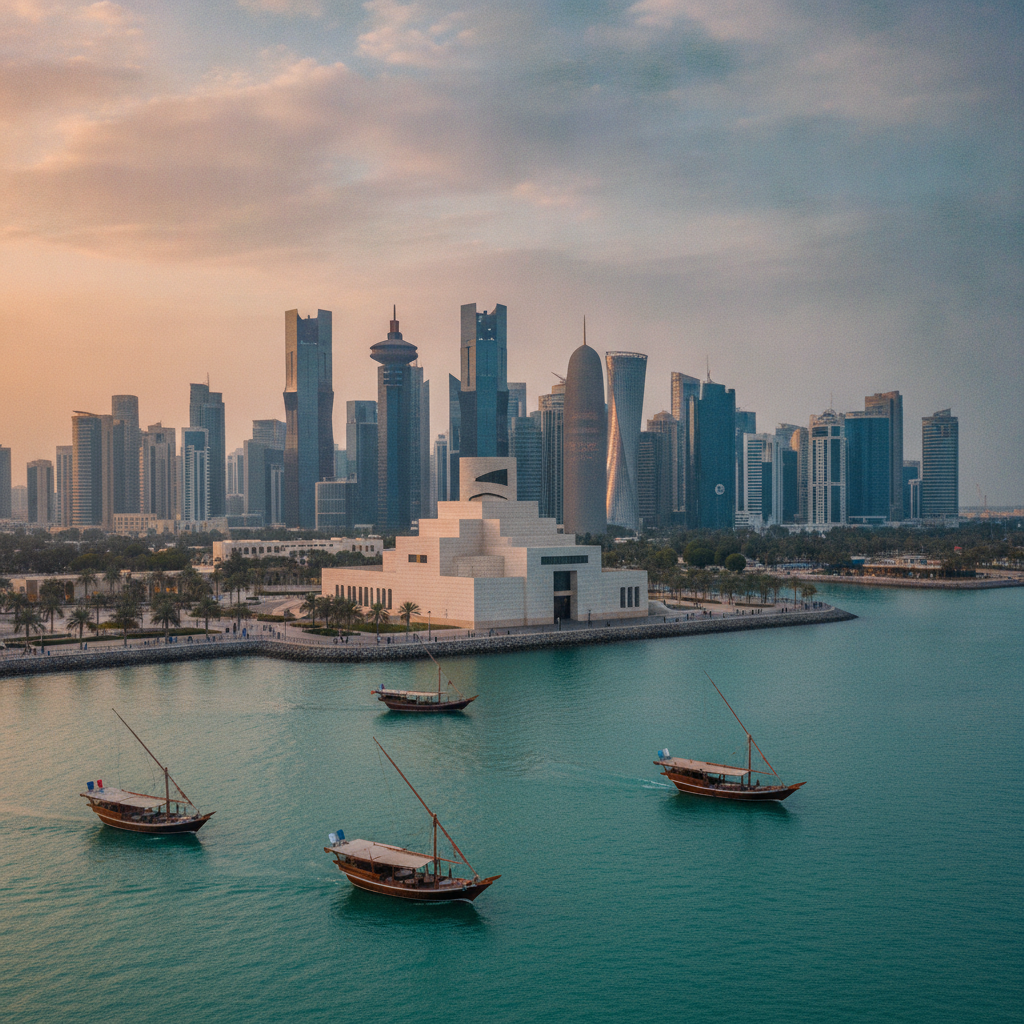
Doha Essential: The Museum of Islamic Art, Souq Waqif, the Corniche, Katara Cultural Village, and the Most Rapidly Transformed Single Gulf Capital
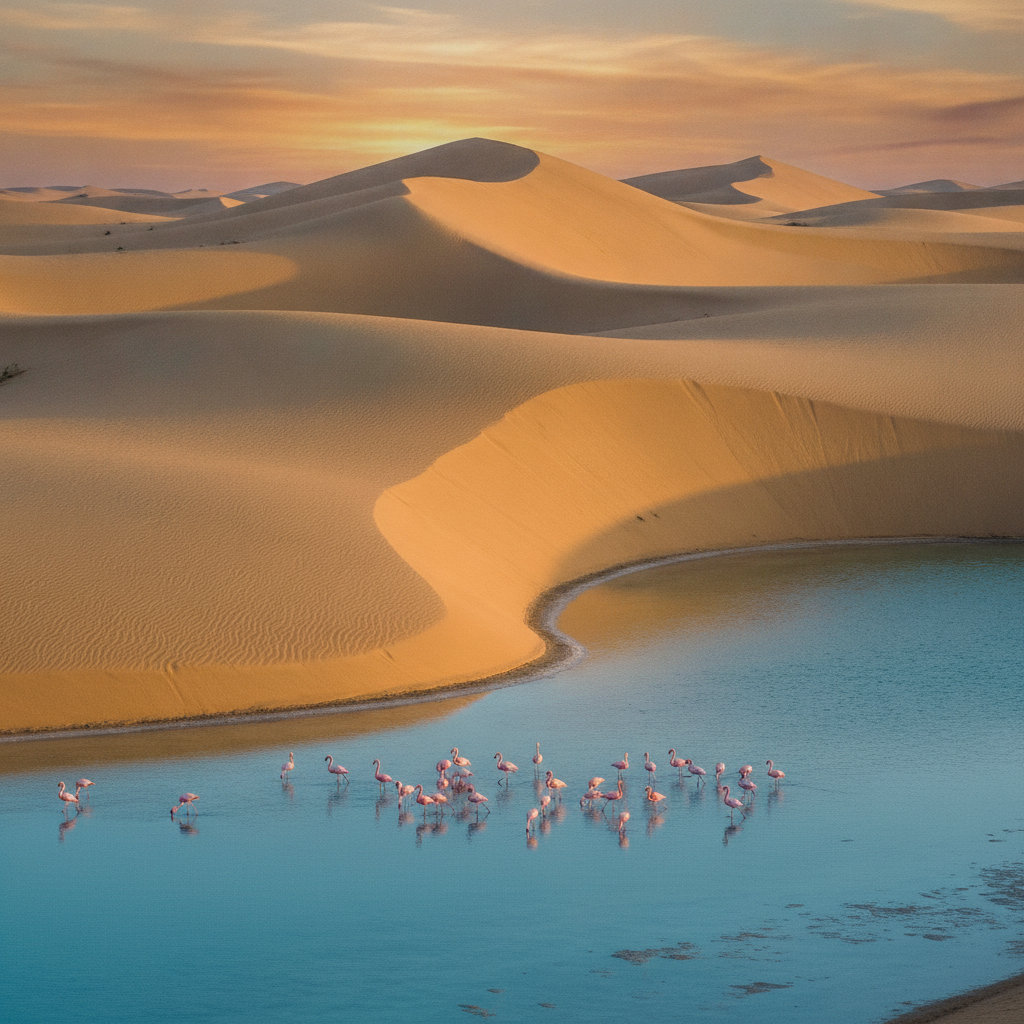
Doha's Qatar: World Cup Stadiums, Zaha Hadid's Dhow Arena & the Desert's Inland Sea
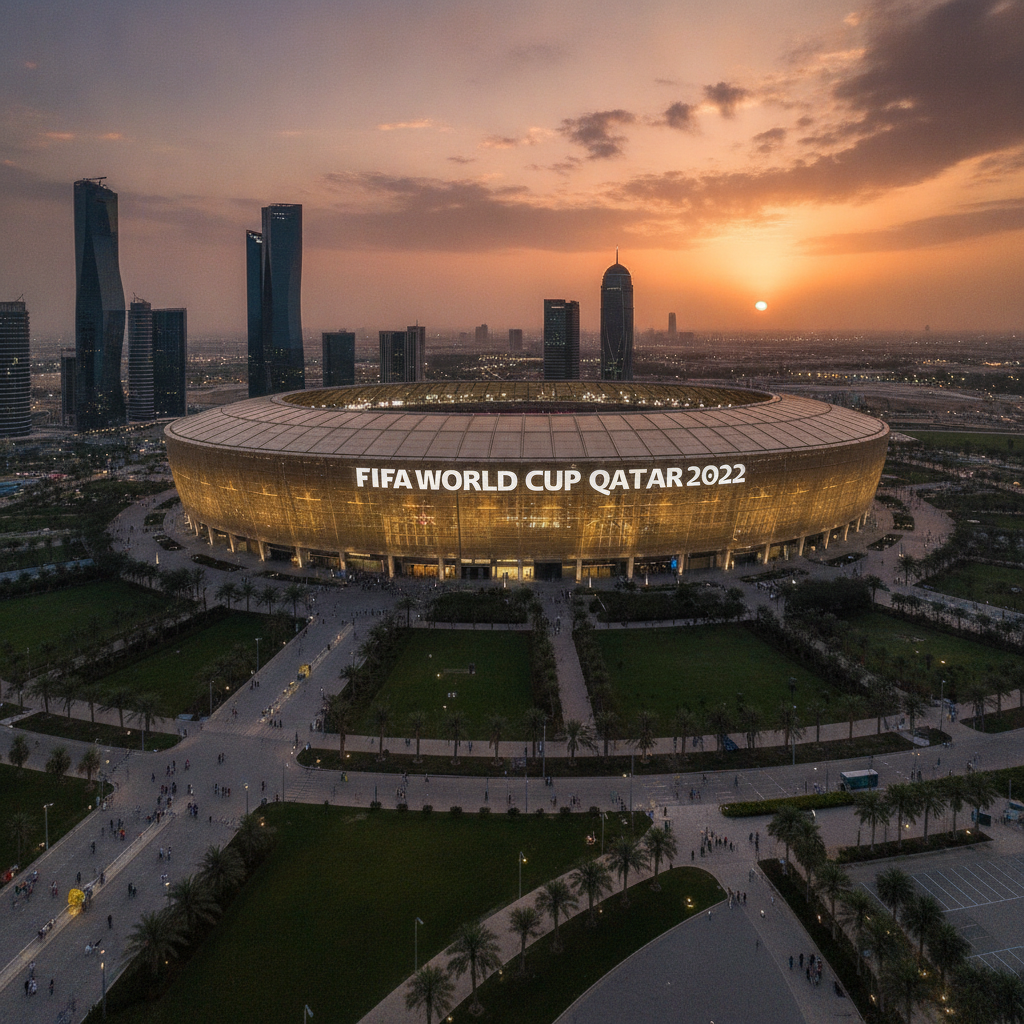
Doha World Cup: The 2022 FIFA Stadiums, Lusail City, the Sports Legacy, and the Most Consequential Single Gulf Sporting Event
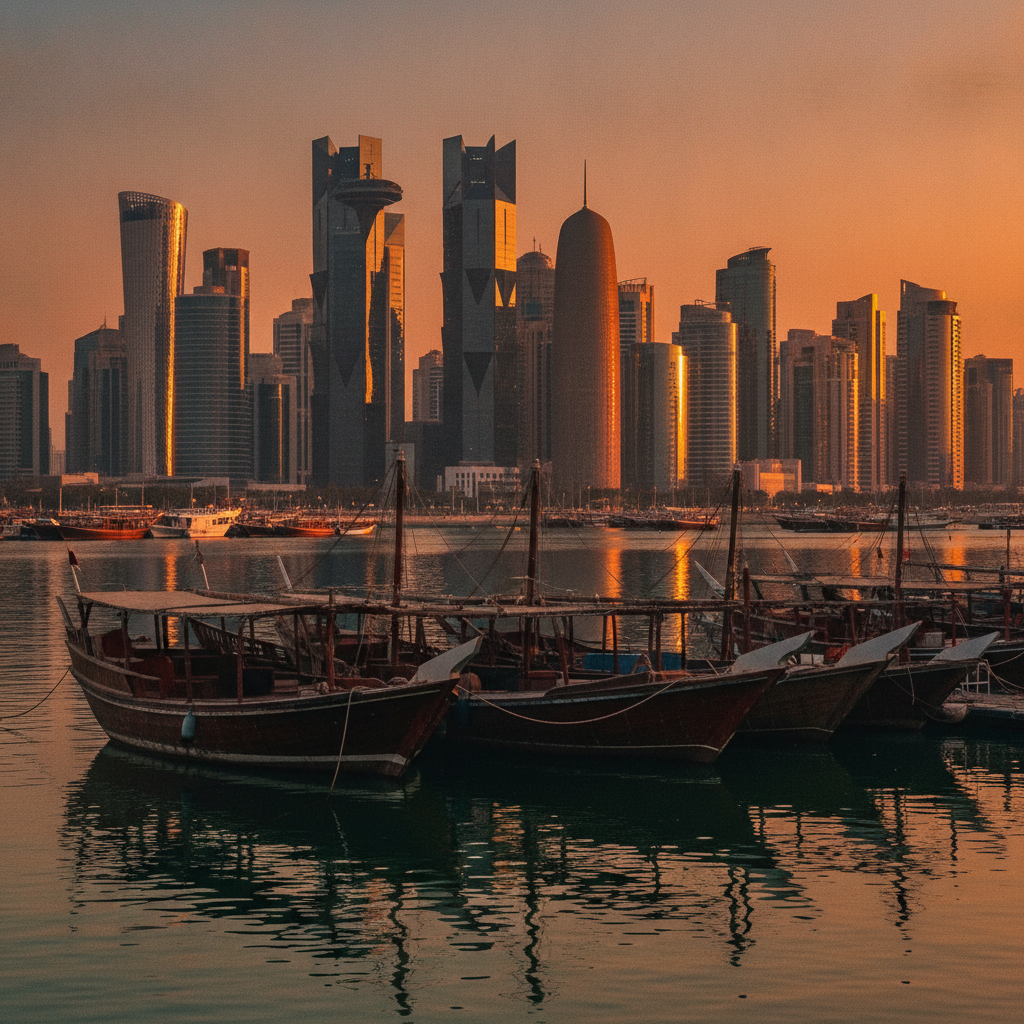
Doha Living: Dhow Harbour Boat Building, Desert Dune Bashing & the Pearl Diving That Collapsed in 1929