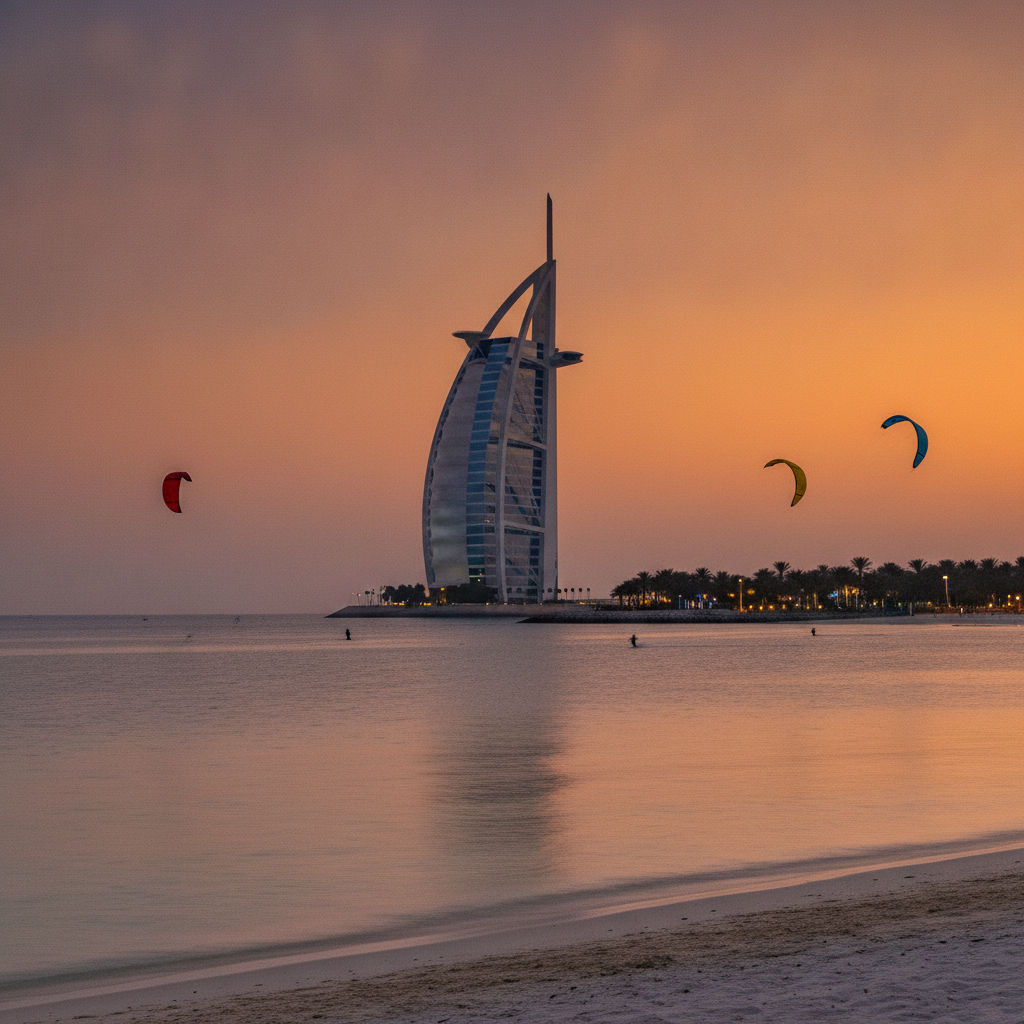
Burj Khalifa, Dubai Mall & the Fountain: The Heart of Downtown Dubai
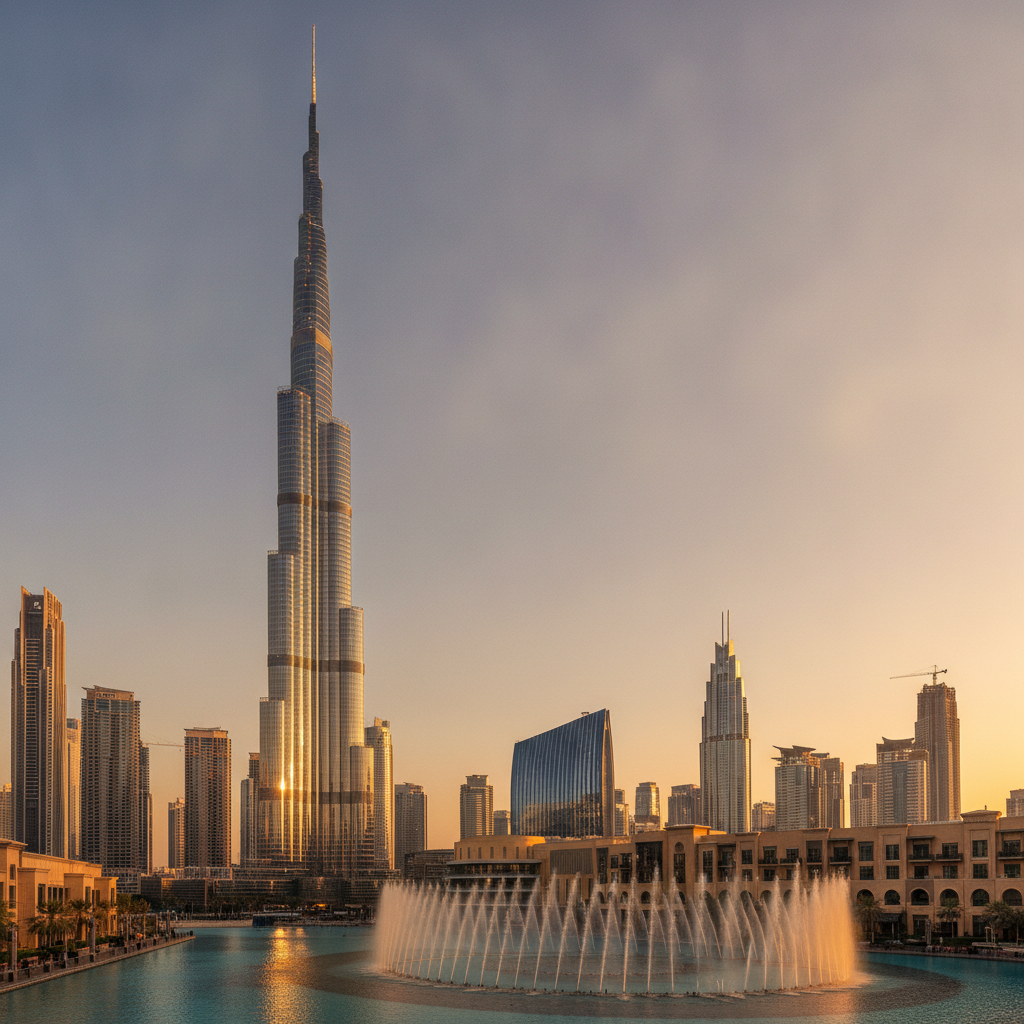
Downtown Dubai, built on a 2-square-kilometer plot of desert reclaimed from the land between Sheikh Zayed Road and the Dubai Creek in the early 2000s, is the most concentrated expression of Dubai's architectural ambition: the Burj Khalifa (828 meters, the world's tallest building since 2010), the Dubai Mall (the world's largest shopping mall by total area, 1.1 million square meters of retail), the Dubai Fountain (the world's largest choreographed fountain system, 275 meters long), and the Burj Khalifa Lake, a 12-hectare artificial lake at the center of it all. The district was developed by Emaar Properties and opened in stages between 2009 and 2012; it has since become the most visited urban destination in the Middle East, with an estimated 100 million visitors per year to the Dubai Mall alone.
- 1
Burj Khalifa — The World's Tallest Building
The Burj Khalifa, designed by Adrian Smith of Skidmore, Owings & Merrill and completed in 2010, stands 828 meters tall — 196 meters taller than the previous record holder, the CN Tower in Toronto — and contains 163 floors, of which the highest occupied floor is the 163rd (at 584 meters). The building's form, inspired by the Hymenocallis desert flower and the patterned wings of the falcon (the UAE's national bird), consists of three separate buttressed wings arranged around a central core, tapering as they rise in a series of setbacks that reduce wind load and give the building its distinctive silhouette. The observation decks on floors 124 and 148 (the 'At the Top' and 'At the Top Sky' experiences) provide views across Dubai and the Persian Gulf that extend more than 95 kilometers on a clear day; the Atmosphere restaurant on floor 122 is one of the world's highest restaurants. The lobby, designed by Nada Andric, features the world's largest choreographed light-emitting diode display.
- 2
Dubai Mall — The World's Largest Shopping Mall
The Dubai Mall (opened 2008, expanded 2018), with a total area of 1.1 million square meters and a gross leasable area of 502,000 square meters, is the world's largest shopping mall by total area, containing more than 1,200 retail outlets, two hotels (Address Dubai Mall and Vida Downtown Dubai), the Dubai Aquarium and Underwater Zoo (containing a 10-million-liter tank viewable through the largest acrylic panel in the world), an Olympic-size ice rink, a VR Park, a cinema complex, and the Dubai Fountain promenade. The mall receives approximately 100 million visitors per year, making it the world's most visited building — ahead of the Great Wall of China and the Eiffel Tower. The architecture (by DP Architects of Singapore) is utilitarian by comparison to the spectacle inside; the experience of the mall is less about shopping than about the management of crowds in air-conditioned comfort in a city where outdoor temperatures reach 48°C in summer.
- 3
Dubai Fountain — The World's Largest Choreographed Fountain
The Dubai Fountain, designed by WET Design (the firm that designed the Bellagio fountains in Las Vegas) and operational since 2009, is the world's largest choreographed fountain system: 275 meters long, capable of shooting water 150 meters into the air using 6,600 lights and 25 color projectors, and visible from a distance of 27 kilometers. The fountain performs shows set to Arabic, Hindi, and international music every 30 minutes in the evening (6pm–11pm) from the Burj Khalifa Lake promenade; the best viewing positions are the Dubai Mall promenade (free, close), the Lake Ride (a boat tour through the fountain area), and the Burj Khalifa observation deck (the whole system visible from above). The fountain is synchronized to songs including 'Baba Yetu', 'Time to Say Goodbye', 'Thriller', and Mohamed Abdu's 'Eish Aly' — a range that reflects Dubai's multicultural composition.
- 4
Burj Khalifa Lake & Souk Al Bahar
The Burj Khalifa Lake, a 12-hectare artificial lake at the center of Downtown Dubai, is surrounded by the Dubai Mall on the east, the Address Downtown Hotel and Old Town Island on the south and west, and Emaar Boulevard on the north. The lake promenade — lined with restaurants, cafés, and the occasional pop-up market — is the most pleasant walking area in Downtown Dubai, providing respite from the car-dominated streets of the surrounding district. On the western edge of the lake: Souk Al Bahar (2008), a retail and dining complex styled as a traditional Arabic souk with Islamic architectural details, stone arches, and a canal-side terrace that provides the best ground-level view of the Burj Khalifa and Dubai Fountain combined. The Old Town Island development adjacent to Souk Al Bahar — terracotta-colored low-rise buildings modeled on traditional Emirati architecture — was Emaar's attempt to provide a human-scale counterpoint to the Burj Khalifa's gigantism.
- 5
The Opera District & Dubai Opera
The Opera District, a cluster of cultural and residential buildings on the northwest side of the Burj Khalifa Lake, was developed from 2016 as Dubai's attempt to establish a cultural quarter alongside its commercial and retail districts. At its center: Dubai Opera (2016, designed by Zaha Hadid Architects' competitor Atkins, in a dhow-boat form), a 2,000-seat lyric theater and concert hall that hosts opera, ballet, theater, and orchestral performances — the first multi-format performing arts venue in the region. The surrounding streets — Opera Grand, The Address Sky View, Vida Residence — are among Downtown Dubai's most architecturally coherent spaces, with pedestrian-oriented streets (unusual in Dubai) and a relatively small scale that makes them walkable. The Opera District connects via the Burj Khalifa/Dubai Mall Metro station to the Red Line of the Dubai Metro.
- 6
Sheikh Mohammed Centre for Cultural Understanding
The Sheikh Mohammed Centre for Cultural Understanding (SMCCU), located in the Al Fahidi Historical Neighbourhood in the Bur Dubai area (a short drive from Downtown), was founded in 1998 by Sheikh Mohammed bin Rashid Al Maktoum with the mission of bridging the gap between Dubai's expatriate population (approximately 89% of the emirate's population) and Emirati culture. The SMCCU offers cultural meals (traditional Emirati breakfast and lunch in a wind-tower house), mosque tours of the Jumeirah Mosque (the only mosque in Dubai open to non-Muslims for guided visits), cultural tours of the Al Fahidi Historical Neighbourhood, and Arabic language and cooking classes. The center's motto — 'Open Doors, Open Minds' — reflects Dubai's official approach to its role as a global city with a predominantly non-Emirati workforce: a managed openness that allows cultural exchange while maintaining Emirati cultural distinctiveness.
Walk this route with audio
Stories play automatically as you reach each stop — no tapping needed.
More in dubai
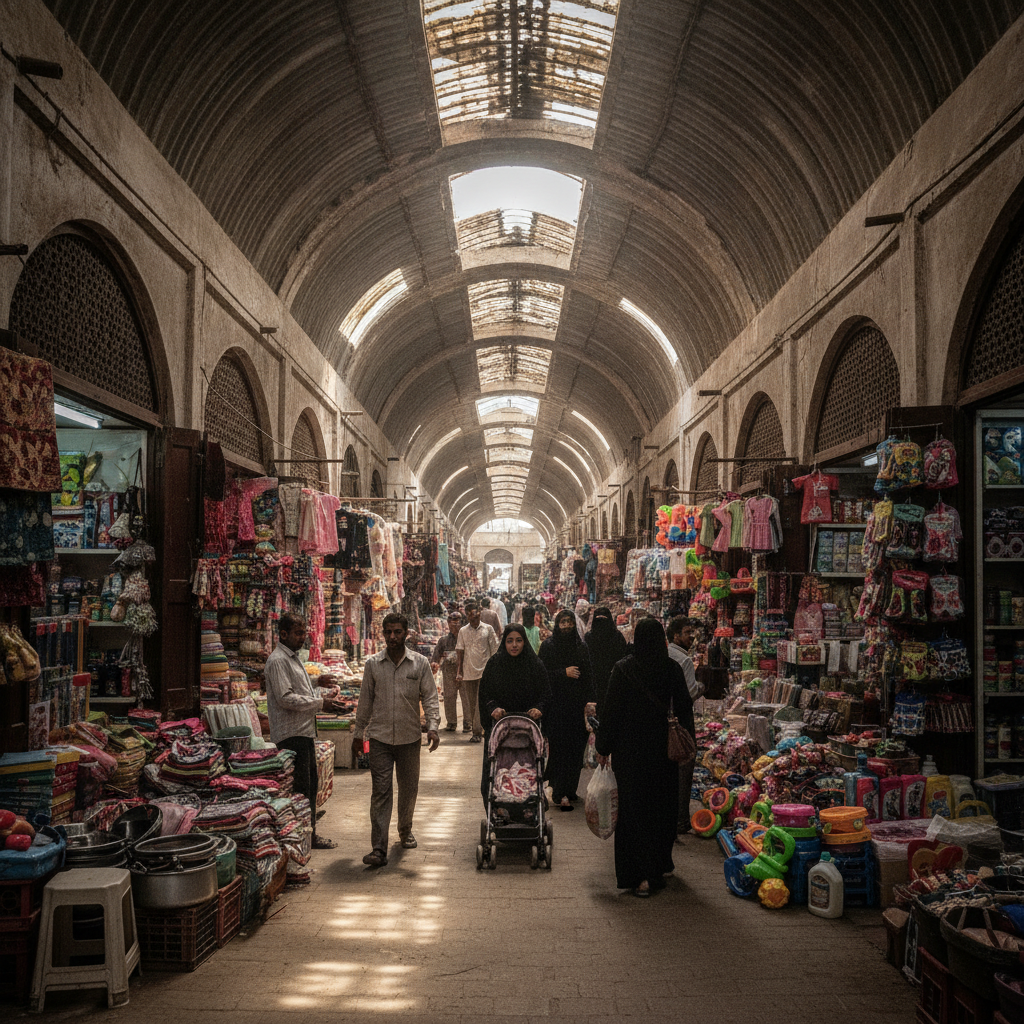
Deira: Heritage Markets, Naif Square & the Multicultural Old Quarter
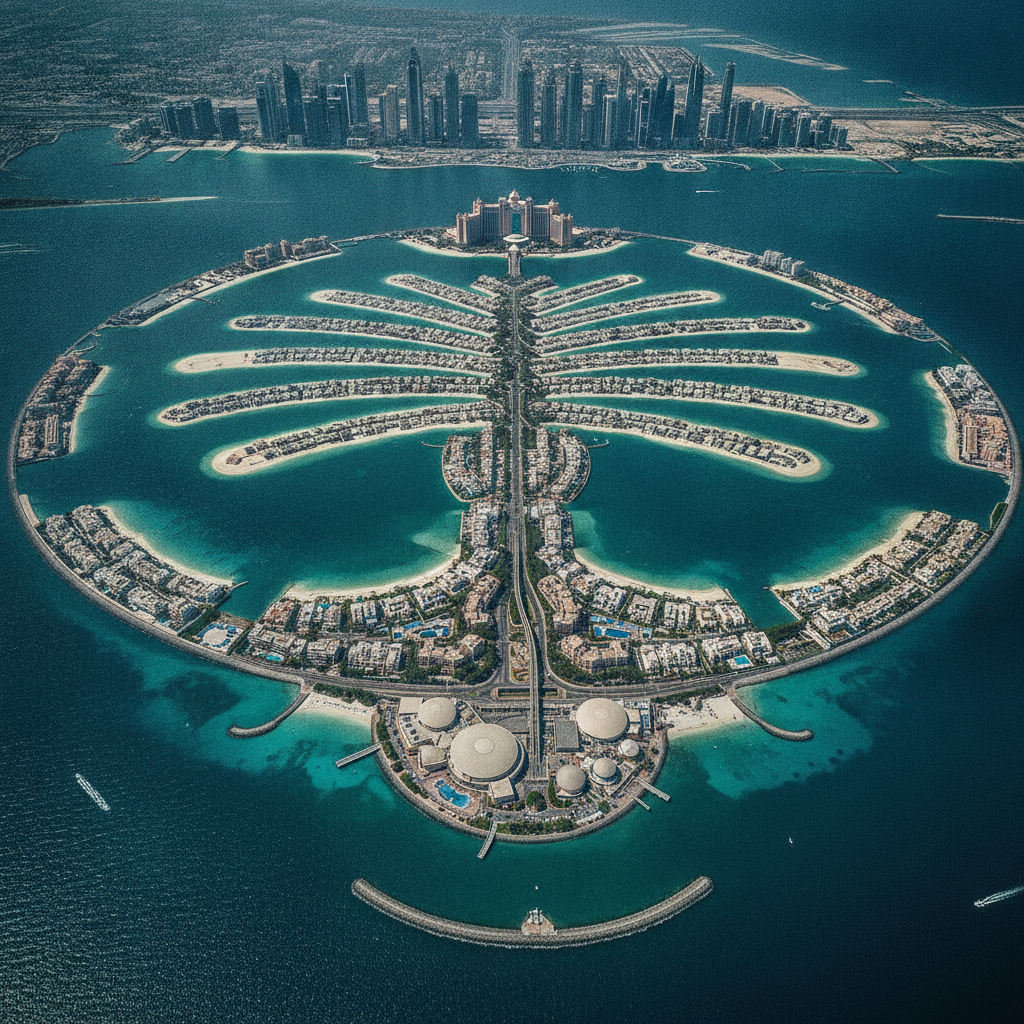
Palm Jumeirah: The World's Largest Artificial Island
Al Fahidi, Dubai Creek & the Gold Souk: Dubai Before Oil
Expo City Dubai: The World's Fair Becomes a Permanent City
Business Bay, Dubai Canal & Design District: The Creative and Commercial New Center