Deira: Heritage Markets, Naif Square & the Multicultural Old Quarter
Deira, the district on the eastern bank of the Dubai Creek, was the commercial heart of Dubai from the late 19th century until the oil boom of the 1970s shifted development southward to Jumeirah, Sheikh Zayed Road, and eventually Downtown. Today Deira is still the most densely commercial and multicultural area in the emirate: the Gold Souk and Spice Souk (both in the district's southern waterfront section, covered in the Al Fahidi route), the Naif Souk (the oldest market in Dubai, 1958), the Deira City Centre, the wholesale electronics markets of Al Ras, and the Gold Land Building where Sri Lankan, Indian, and Pakistani merchants have traded electrical goods since the 1980s. The residential streets of Deira — Al Muteena, Al Rigga, Naif — are home to the most diverse urban population in the UAE: Emiratis (a small minority), Iranians, Indians, Pakistanis, Bangladeshis, Egyptians, Yemenis, Somalis, Filipinos, and Sri Lankans living within blocks of each other in a density and multicultural mix that has no equivalent in the Gulf.
- 1
Naif Market & Naif Square — The Old Deira Commercial Center
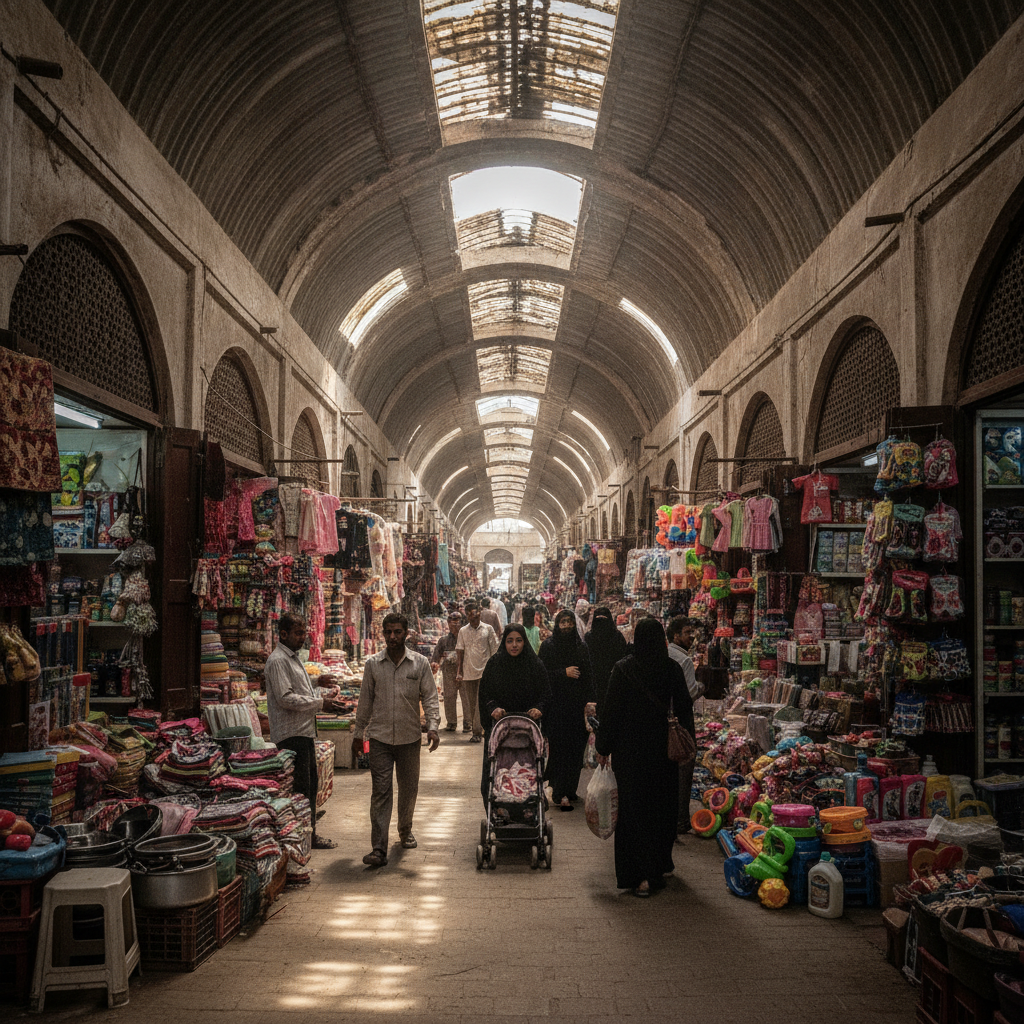
The Naif Souk, located in and around the original 1958 covered market building on Naif Road near the Naif Police Station (itself a 1939 building that is one of the few remaining pre-oil structures in Deira), is the oldest surviving market complex in Dubai: a barrel-vaulted covered market selling cheap textiles, household goods, children's clothing, and plastic goods, used primarily by Deira's South Asian and Arab working population. The surrounding streets — particularly Al Nasr Square, the Al Rigga Road electronics strip, and the wholesale district around the Naif Bus Station — are the functional commercial core of Deira that tourists rarely visit: money exchange shops (offering some of Dubai's best exchange rates), phone unlocking services, the wholesale spice and dried goods traders who supply the restaurants and caterers of Dubai, and the labor recruitment offices where the 200,000 construction and service workers of the emirate begin their working lives in the UAE.
- 2
Al Rigga Road — Deira's International Street
Al Rigga Road, a 2-kilometer commercial street in the heart of Deira connecting the Deira City Centre area to the Naif district, is one of Dubai's most genuinely international streets: Ethiopian restaurants adjacent to Pakistani biryani houses adjacent to Egyptian shawarma stalls adjacent to Sri Lankan curry shops, all serving the densely mixed population of the surrounding residential towers. The street is lined with budget hotels (some of the cheapest in Dubai), travel agents, electronic goods shops, and textile retailers. The Al Rigga Metro Station (Red Line) makes this Dubai's most transit-accessible and affordable commercial district, and the street's evening hours (7pm to midnight) are its most lively: workers off shift from the nearby construction sites, call center employees, and domestic workers on their free day creating a pedestrian street scene that is the closest Dubai comes to a genuinely public urban street.
- 3
Deira Clocktower & Heritage Area
The Deira Clocktower (1963), a circular structure at the roundabout where the Al Maktoum Bridge Road meets the Deira Corniche, is the oldest surviving public monument in Dubai and one of the few architectural markers of the pre-oil city. Built in the early years of Sheikh Rashid bin Saeed Al Maktoum's development push (the decade in which Dubai's first airport, first hotel, and first sea bridge were all built), the clocktower was the city's first piece of civic infrastructure for its own sake rather than for trade. The surrounding area — the Deira Corniche, the Fish Market (relocated from its original waterfront site), and the Al Shindagha waterfront just across the Creek — contains the only visible continuity between the pre-oil trading city and the present-day emirate.
- 4
Fish Market & Gold Land Building
The Deira Fish Market (relocated from the Creek waterfront to a new covered facility on Al Khaleej Road in 2020), one of the oldest and largest fish markets in the Gulf, sells the catch from the UAE's fishing fleet: hammour (grouper, the most prized local fish), kingfish, barracuda, lobster, shrimp, and the large grouper species caught off the Musandam coast that form the basis of the traditional Emirati diet. The market opens at 6am and is largely finished by 9am; the best time to visit is before 8am when the main auction is in progress. Adjacent: the Gold Land Building, a 10-story wholesale market for electrical goods (mobile phones, electronics, gadgets) that has operated since the 1980s and continues to supply the informal electronics market across Asia, Africa, and the Middle East with secondhand and surplus goods.
- 5
Al Mamzar Beach Park — The Northern Escape
Al Mamzar Beach Park, a 106-hectare public park with four beaches on the Al Mamzar peninsula (the northern tip of Deira, where the Creek mouth meets the Gulf), is the largest beach park in Dubai and one of the few genuinely peaceful outdoor spaces in the dense urban fabric of Deira: chalets, picnic areas, playgrounds, and four separate beach sections (each with lifeguards, showers, and changing rooms), used primarily by Dubai's Indian, Pakistani, and Arab family population for weekend recreation. The park's northern beach faces the emirate of Sharjah across the Khor Fakkan inlet, providing the closest view of the UAE's other emirate from the beach. The park is particularly popular with Deira's resident South Asian community during the cooler months (October-March).
- 6
Baniyas Square — Deira's Urban Core
Baniyas Square (formerly Al Ittihad Square), the central roundabout and public space in the heart of Deira, is the transit hub of old Dubai: the Dubai Metro's Baniyas Square station (Red Line), the Al Ghubaiba and Al Sabkha bus stations (connecting Deira to all parts of Dubai and the Northern Emirates), the abra station (water taxis to Bur Dubai), and the Al Seef waterfront development on the Creek bank. The square is surrounded by budget hotels, money exchange outlets, electronics shops, and restaurants representing the full spectrum of Deira's multiethnic population — an Egyptian restaurant next to an Iranian hardware shop next to a Filipino grocery. Baniyas Road, running south from the square along the Creek toward Al Shindagha, is lined with dhow suppliers, chandleries, and the marine hardware stores that supply the traditional wooden cargo fleet still operating from the Creek wharfage.
Walk this route with audio
Stories play automatically as you reach each stop — no tapping needed.
More in dubai
Palm Jumeirah: The World's Largest Artificial Island
Al Fahidi, Dubai Creek & the Gold Souk: Dubai Before Oil
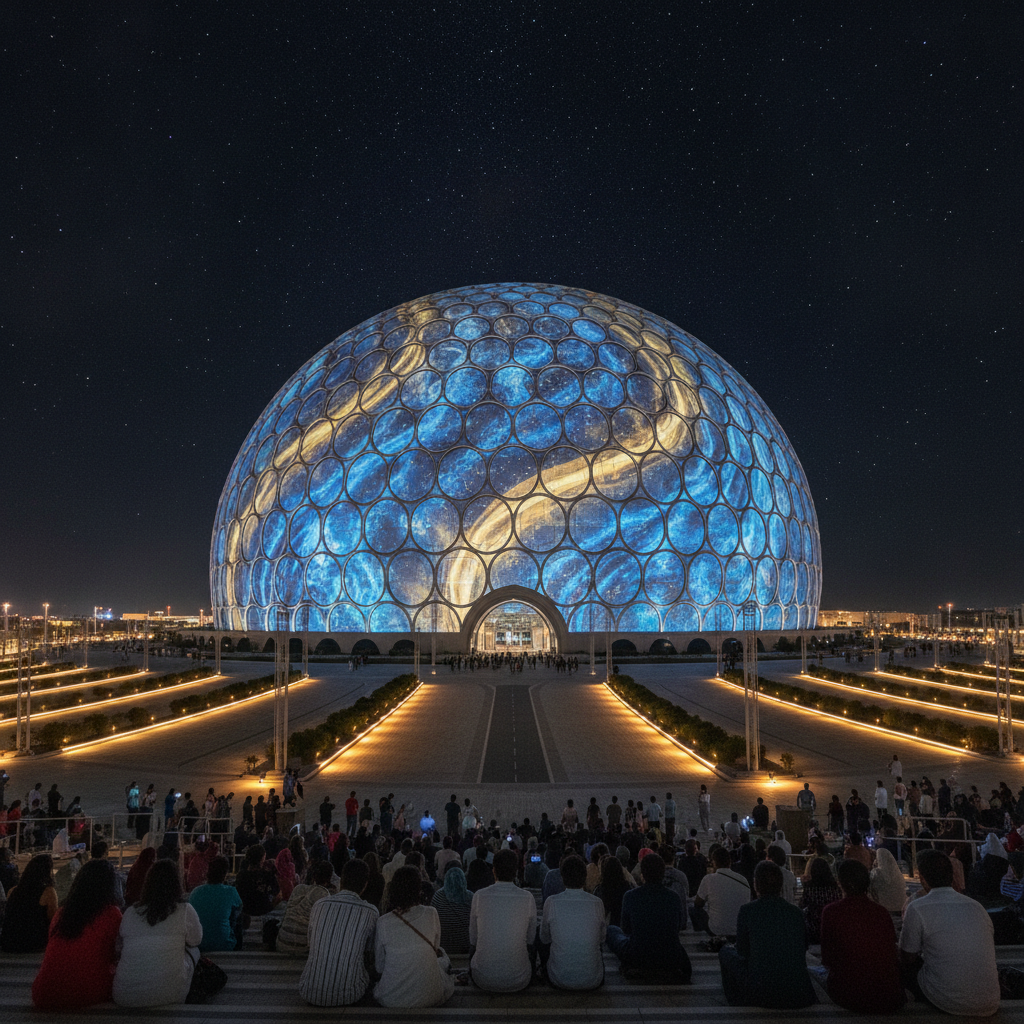
Expo City Dubai: The World's Fair Becomes a Permanent City
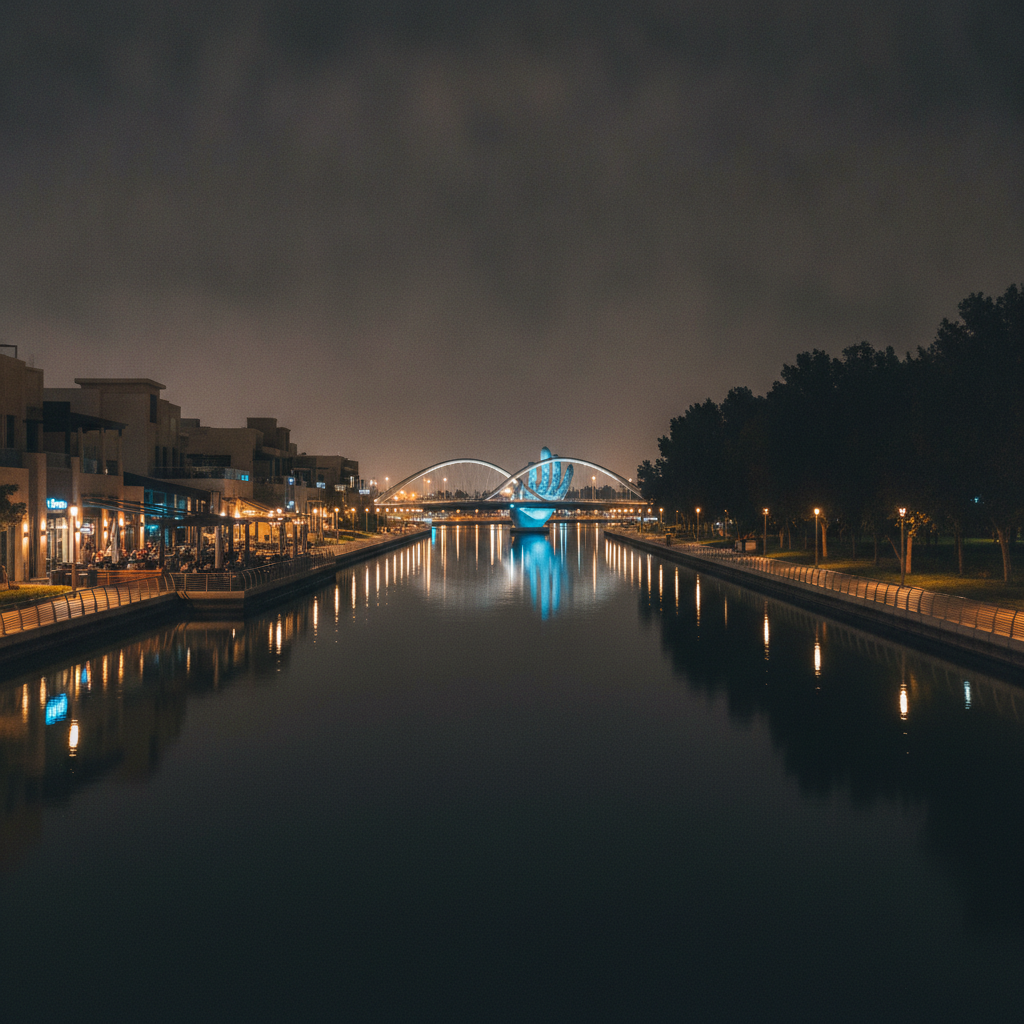
Business Bay, Dubai Canal & Design District: The Creative and Commercial New Center
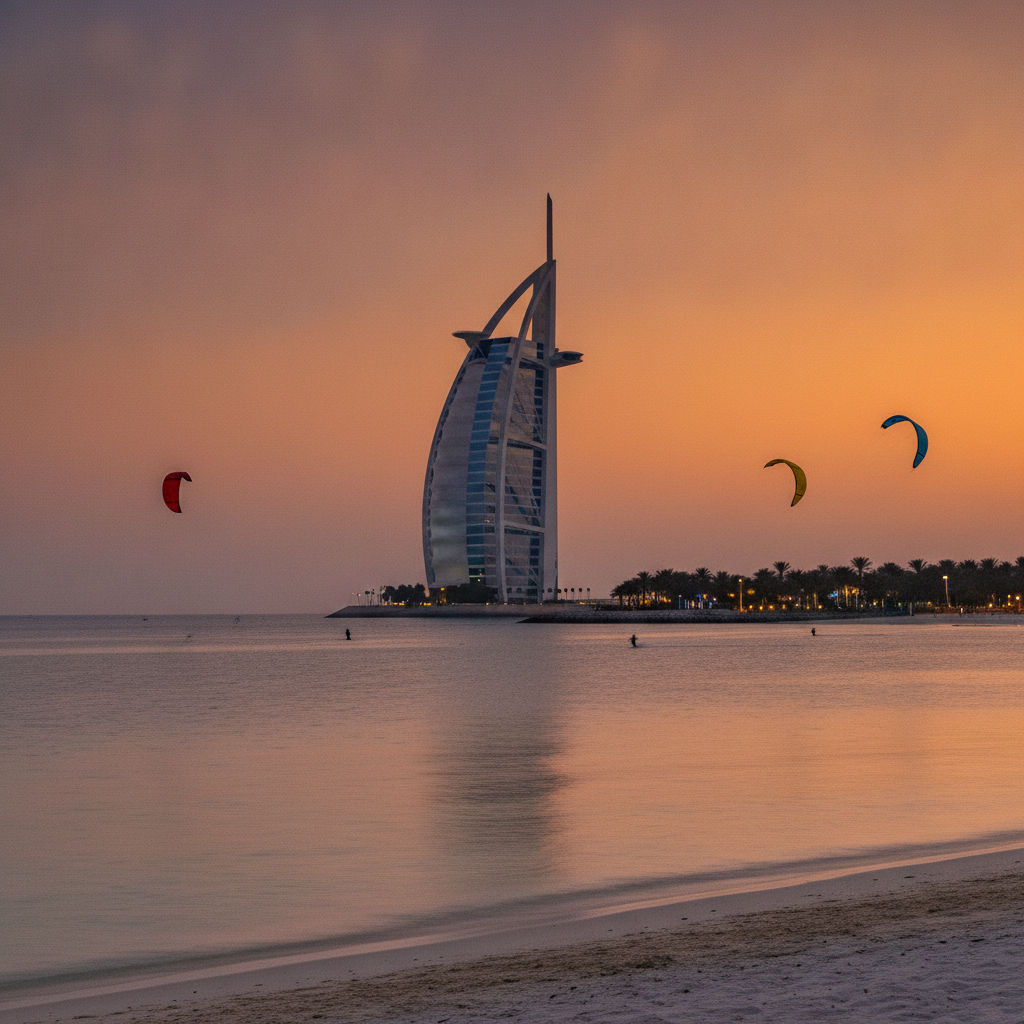
Jumeirah Beach Road, Kite Beach & Burj Al Arab: Old Dubai Meets the Sea