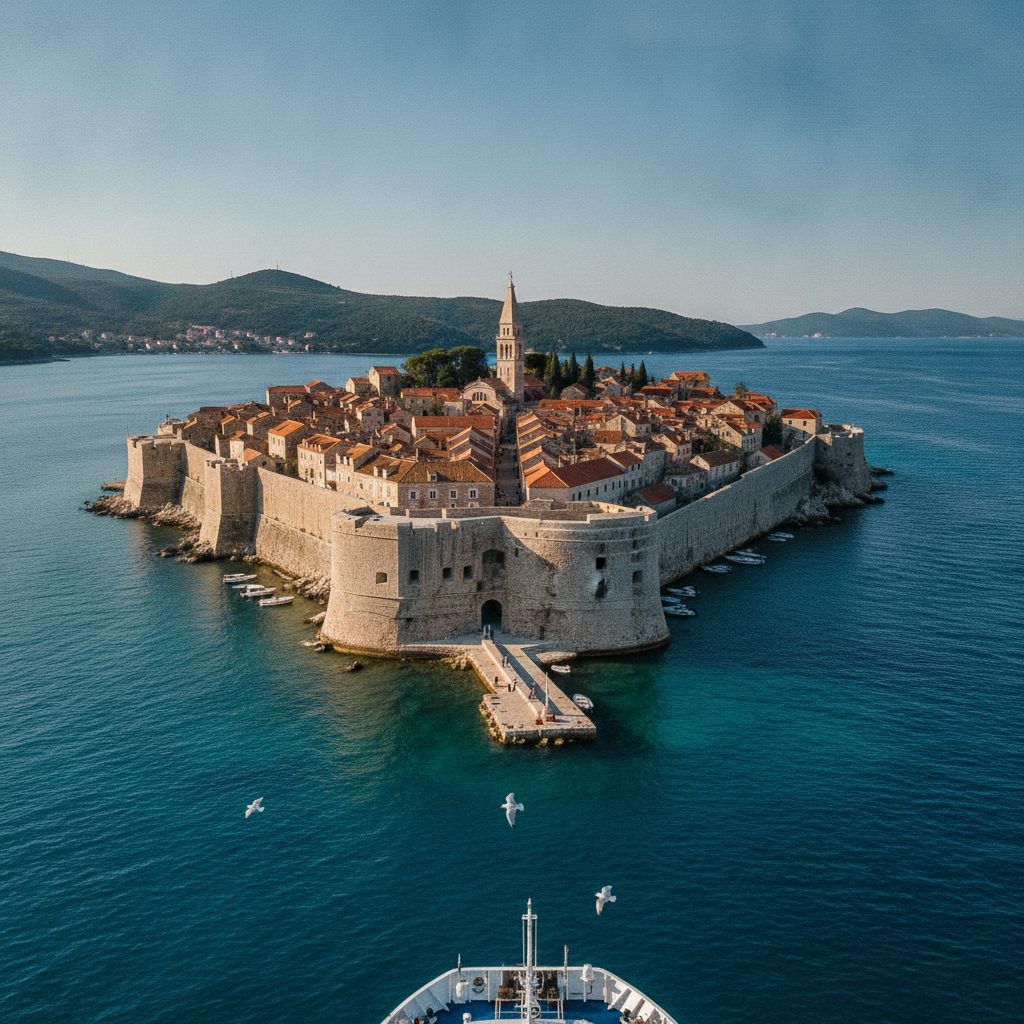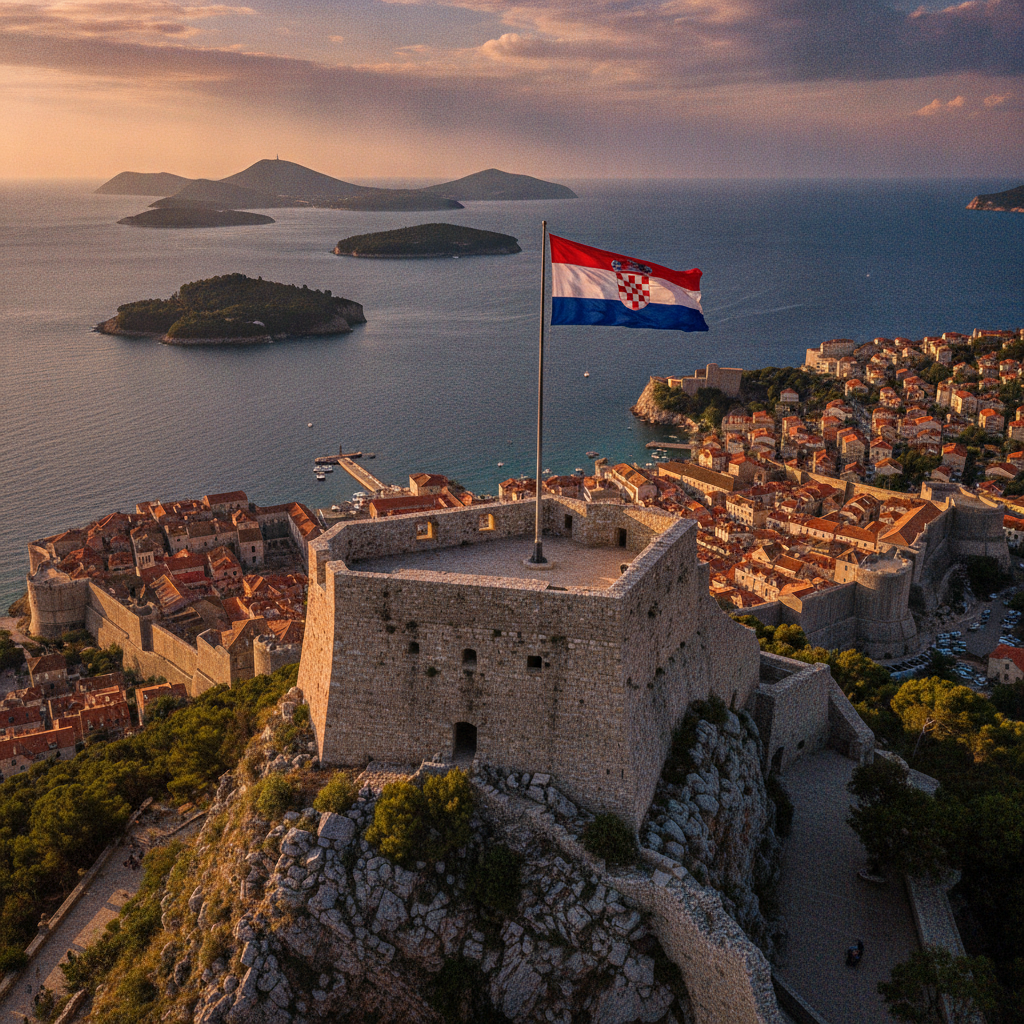
Mount Srd — Cable Car, Fort Imperial & the 1991 Homeland War Museum
Mount Srd (the limestone mountain rising to 412m immediately north of Dubrovnik Old Town, the dominant geographic feature above the city, accessible by cable car in 4 minutes or on foot via the serpentine path in 1.5 hours) is both the best viewpoint above Dubrovnik and the site of the most significant battle of the 1991-1992 Croatian Homeland War.
- 1
Dubrovnik Cable Car — 4 Minutes to the Summit
The Dubrovnik Cable Car (Zilinska cesta 1, upper station on the summit of Mount Srd, operating daily 9am-midnight June-August and 9am-8pm September-May, closed January, round-trip €26 adults, the two gondola cars each holding 30 passengers, departures every 10 minutes, the 4-minute ride ascending 412m from the base station beside the Ploce Gate to the summit of Mount Srd) is the fastest way to reach the most complete panoramic view above Dubrovnik. The summit view (the Old Town directly below at 1.5km horizontal distance, the complete circuit of the city walls visible as a coherent geometric system for the first time, the Elafiti islands stretching northwest, the Cavtat peninsula to the south, and — on clear days November-April — the Montenegrin coast 70km south) is the single most important orientation experience for a Dubrovnik visit and should precede rather than follow the city walls walk.
- 2
Fort Imperial and the Homeland War Museum
Fort Imperial (the Napoleonic fortification built by the French in 1810 at the summit of Mount Srd, the fort used as a signal station and military position by the French until 1813, then by the Austrians until 1918, the most significant military engagement of the fort occurring during the Yugoslav People's Army siege of Dubrovnik in October 1991 when Croatian defenders held the fort against a sustained artillery assault for 7 months, protecting the city from the land-side attack) now houses the Homeland War Museum (Museum of the Homeland War, free entry, daily 9am-9pm June-August and 9am-5pm September-May). The museum (the photographs and military equipment from the 1991-1992 siege, the testimony of the defenders of Mount Srd, the maps showing the JNA artillery positions surrounding the city, the footage of the bombardment of the Old Town) is the essential historical context for understanding modern Dubrovnik.
- 3
Mount Srd Hiking Trail — the Ascent from Pile Gate
The hiking trail from Dubrovnik to the summit of Mount Srd (the serpentine path beginning at the cable car base station above the Pile Gate, ascending 412m in 3.5km of switchbacks through karst limestone scrubland, the walk taking 1.5 hours ascending and 1 hour descending, the path well-marked with red-and-white trail blazes, difficulty moderate, sun-exposed throughout — start before 9am or after 5pm in summer to avoid heat) passes the abandoned Croatian war defence positions (the concrete bunkers and defensive earthworks from the 1991-1992 siege, now overgrown but clearly recognizable on the upper sections of the trail above 300m altitude) and the ruined Yugoslav-era television transmitter (blown up by the Croatian defenders in 1991 to prevent the JNA from using it as an observation point). The summit (the cable car upper station restaurant for the recovery drink, the Fort Imperial directly adjacent) rewards the walk with the same view as the cable car passengers at a fraction of the price.
- 4
Rijeka Dubrovacka — the River Inlet North of Dubrovnik
Rijeka Dubrovacka (the tidal inlet 5km north of Dubrovnik, the river entering the sea at the town of Komolac, the historic source of Dubrovnik's fresh water — the aqueduct built in 1438 to carry water from the Rijeka Dubrovacka to the Onofrio Fountain in the Old Town was the most ambitious civil engineering project in medieval Dalmatia) is the least-visited natural feature near Dubrovnik — the inlet (the calm brackish water behind the 2km limestone channel, the fishing boats moored along the inlet's banks, the gardens of the Zaton and Rjecine settlements descending to the water) and the Monastery of Our Lady of Mercy at Komolac (the 15th-century Dominican monastery at the head of the inlet, the cloister garden, the monks' fishpond still operational) are accessible by local bus 7a from the Pile Gate in 20 minutes.
- 5
Konavle Valley — the Agricultural Hinterland
Konavle (the agricultural valley 20km southeast of Dubrovnik, extending from the city to the Montenegrin border at Debeli Brijeg, a population of 9,000 spread across 30 villages, the traditional vegetable-growing and sheep-farming hinterland of the city of Ragusa throughout the Republic's existence) is the correct inland excursion from Dubrovnik for understanding the city's agricultural geography. The Konavle embroidery (the traditional embroidery of the valley, the red-and-gold needlework on the linen folk costumes worn at the Konavle Folk Festival held in Cilipi village on Sunday mornings June-September, the UNESCO-listed intangible cultural heritage) and the Konoba Vinica (Via Garica, Ljuta, the restaurant in an old mill building beside the Ljuta river, the grilled lamb and the roasted veal under a peka — the iron dome baked in embers — the defining local dishes, the restaurant accessible only by car or taxi from Dubrovnik in 30 minutes) represent the valley's two most accessible elements.
- 6
Peljesac Peninsula and Ston Salt Pans — the Oyster Coast
Peljesac (the 65km-long peninsula northwest of Dubrovnik, accessible by car over the Peljesac Bridge — the EU-funded 2.4km bridge completed in 2022 connecting mainland Croatia to the peninsula and bypassing the 9km Neum corridor that was previously the only access — the first bridge allowing uninterrupted road travel between Split and Dubrovnik without crossing Bosnian territory, the bridge itself visible from Mount Srd on clear days) is the source of the oysters and mussels served in every Dubrovnik restaurant — the Ston Salt Pans (the medieval salt production facility at the base of the Peljesac peninsula, the saltworks founded by the Republic of Ragusa in the 13th century, the medieval Walls of Ston — the second-longest medieval fortification in Europe after the Great Wall of China at 5.5km — built to protect the salt production facility, free access to walk the walls, €5 entry to the salt museum) and the Mali Ston oyster beds (the oyster farming area in the bay behind the Ston walls, the Mali Ston restaurants serving the oysters harvested the same morning at €1.50-2 each, the most direct farm-to-table seafood experience in Croatia) are 1 hour north of Dubrovnik by car.
Walk this route with audio
Stories play automatically as you reach each stop — no tapping needed.
More in dubrovnik

Elafiti Islands Day Trip — Lopud, Sipan & the Best Beach Near Dubrovnik
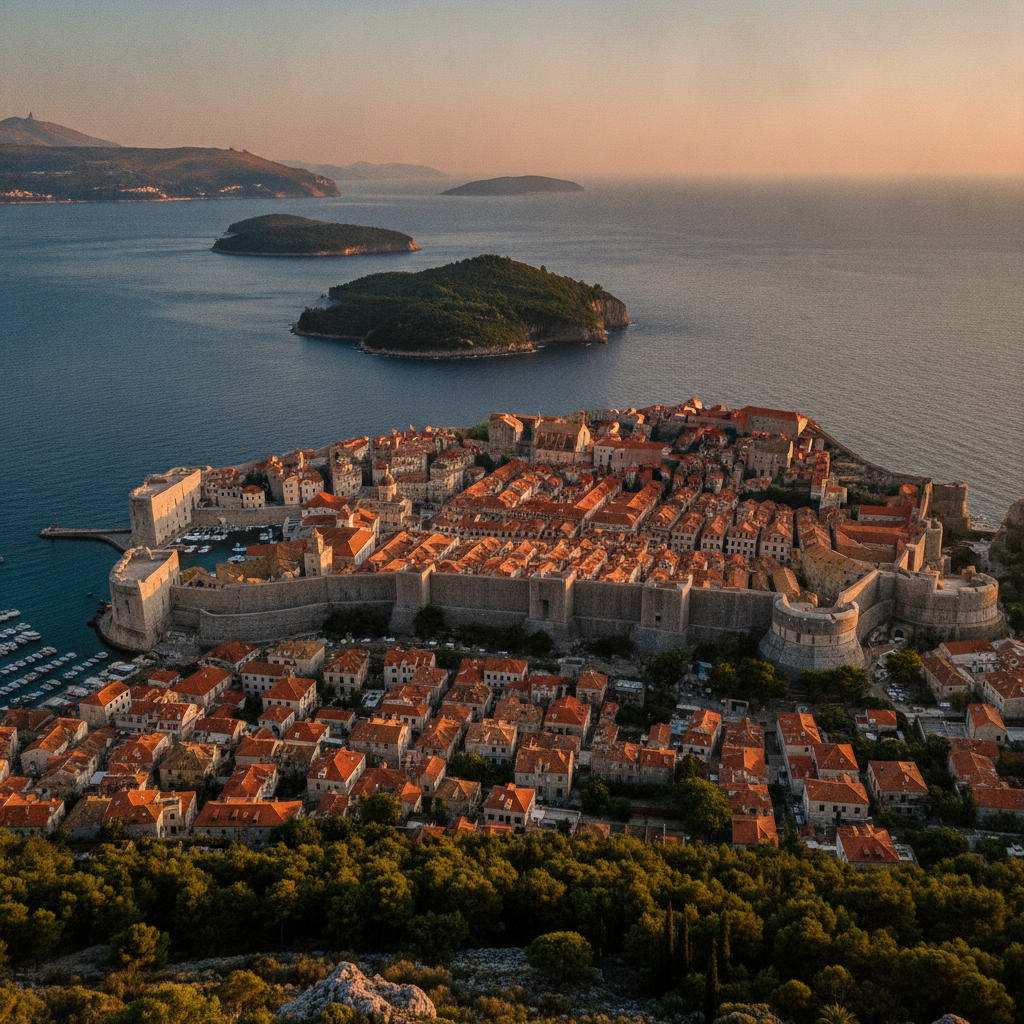
Dubrovnik Old Town — the Medieval City Walls, the Stradun & the Pearl of the Adriatic
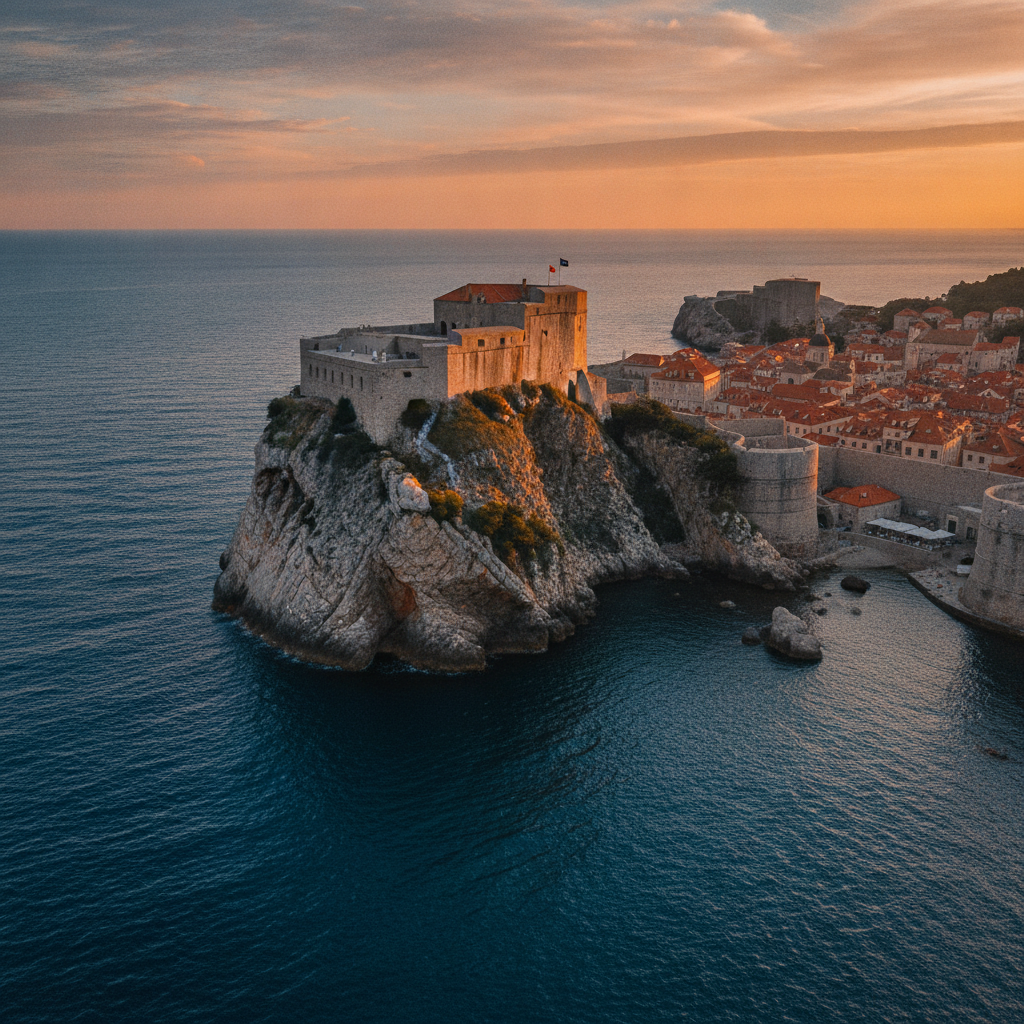
Game of Thrones in Dubrovnik — King's Landing Filming Locations

Dubrovnik Practical Guide — Crowds, Seasons, the Dubrovnik Pass & Local Food