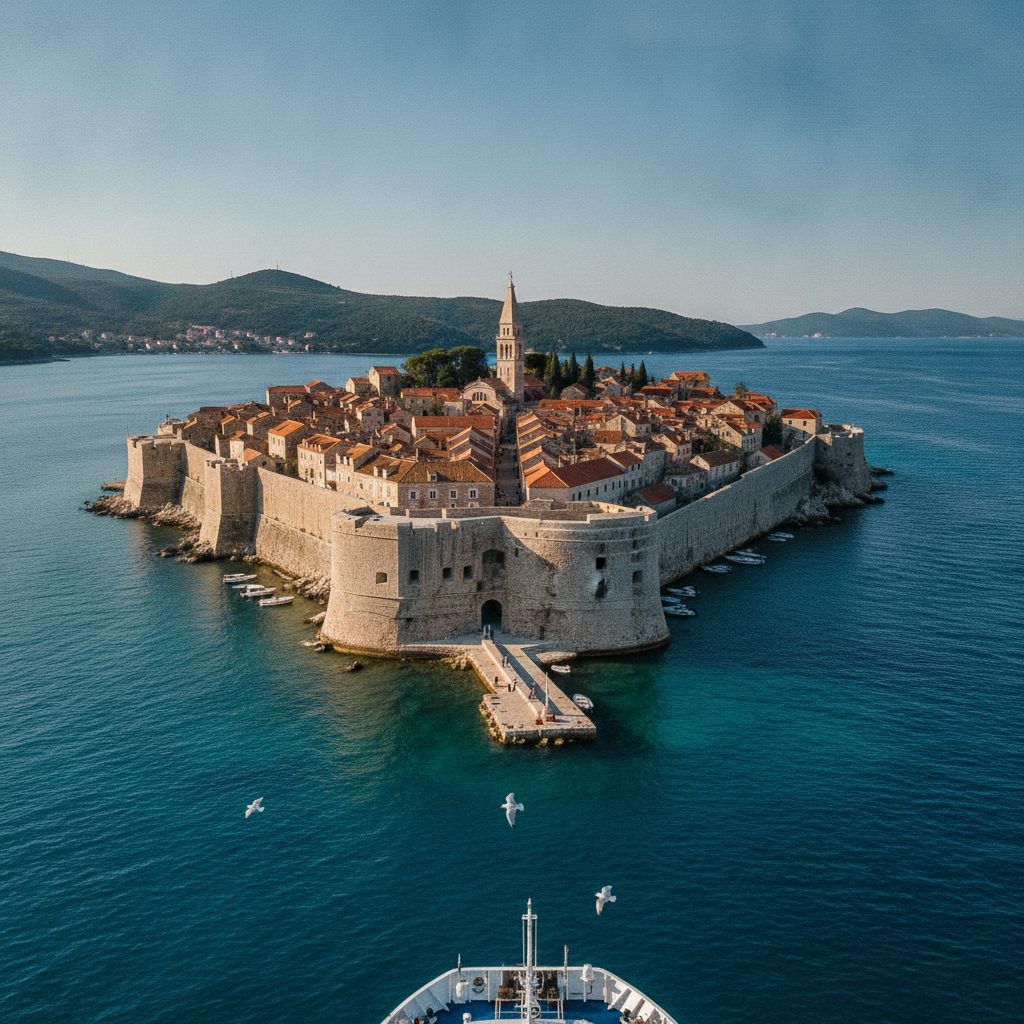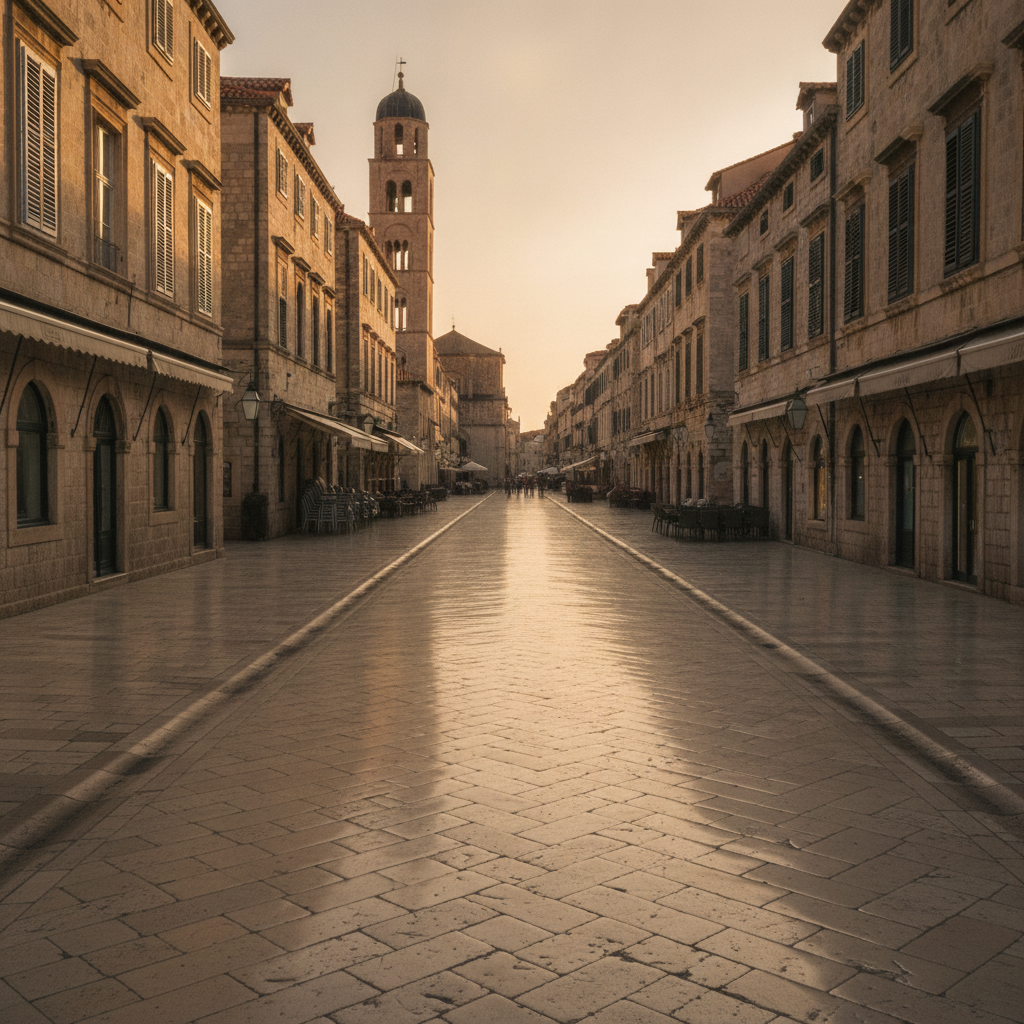
Dubrovnik Practical Guide — Crowds, Seasons, the Dubrovnik Pass & Local Food
Dubrovnik receives approximately 1.2 million overnight visitors and 800,000 cruise ship day visitors per year in a city with 28,000 permanent residents. The Old Town (0.4km squared, population 1,200) is the most intensively visited urban historic site per square metre in Europe. Managing this requires specific timing, accommodation choice, and daily planning.
- 1
When to Visit — May, Early June, or October
July-August is peak cruise season in Dubrovnik: the Old Port receives up to 5 cruise ships simultaneously, each disgorging 3,000-5,000 passengers into the Old Town between 9am and 5pm. The Stradun in July-August midday resembles Tokyo station at rush hour. The city walls queue reaches 90 minutes. The correct visiting months: May (the azalea season on the Elafiti islands, the bougainvillea on the Old Town walls at maximum bloom, the sea still cool at 18-19 degrees but the air at 22-25 degrees, accommodation 30-40 percent below July prices), early June before the cruise season peaks, and October (the Adriatic still warm at 22-23 degrees through the month, the Old Town returning to a walkable pace after mid-September, the restaurants serving the fresh anchovy and the October mushroom season from the Konavle hinterland).
- 2
Accommodation Strategy — where to Sleep in Dubrovnik
The correct accommodation choice for Dubrovnik depends on budget and priorities: Inside the Old Town walls (the 180+ apartments and guesthouses within the walls, the only location that allows leaving the apartment at 6am to photograph the empty Stradun, the correct choice for photography and maximum immersion, prices €150-400/night for a double room in season); Lapad peninsula (the residential suburb 4km west of the Old Town, the most hotel-dense area outside the walls, bus 4 to the Pile Gate every 10 minutes, the hotel pool and the beach alternatives to the packed Old Town, prices 30-50 percent below equivalent Old Town accommodation); Cavtat (18km south, the quietest sleeping area with direct boat access to the Old Town, the Riviera Cavtat's calm harbour the total contrast to Dubrovnik's tourist intensity, prices 40-60 percent below Old Town).
- 3
The Dubrovnik Pass — the Annual Tourism Pricing Reality
The Dubrovnik Pass (the combined entry ticket for the city walls, the cable car, the three main museums — Rector's Palace, Maritime Museum, Ethnographic Museum — and unlimited bus rides, €57 for 1 day or €75 for 3 days, available at the Tourist Board offices and online at dubrovnikpass.com) represents the correct value choice if you plan to visit more than 3 attractions. Without the pass: the city walls alone cost €35 (2024 price, increased from €25 in 2023 and €15 in 2015 — the city walls entry fee has increased 2.5x in 10 years), the cable car €26, the Rector's Palace €15. The 3-day pass (€75) covers all four major attractions plus bus for the price of the walls plus cable car alone. The free alternative to the city walls: the walk around the exterior of the Old Town along the sea-level path from the Pile Gate to the Ploce Gate (the view of the walls from below, the swimming rocks below the south wall, the Bokar Tower reflected in the sea at sunset — free and less crowded than the walk above).
- 4
Dubrovnik Food — Oysters, Black Risotto & Local Wine
The correct Dubrovnik food experience prioritises the Adriatic rather than the Italian: the Mali Ston oysters (the oysters farmed in the bay behind the Ston walls 1 hour north, served raw with lemon and local red wine at restaurants throughout the Old Town for €1.50-2 each, the freshest available May-October), the black risotto (crni rizot, the Adriatic squid ink risotto, available at every restaurant for €12-16, the quality varying significantly — the Konoba Dubrava on Bana Josipa Jelacica 1 is the most consistent preparation), and the grilled fish (the locally caught orada — gilthead sea bream — and brancin — European sea bass — grilled whole and dressed with olive oil and lemon, the price by weight at €45-60 per kg, order one fish for two people). The local wine: Plavac Mali from Peljesac (the Dingac DOC, the most prestigious Croatian red wine, from the south-facing Peljesac slopes, available by the glass at most Old Town wine bars at €5-8).
- 5
Getting Around — Airport, Ferries, and Buses
Dubrovnik Airport (Cilipi, 18km southeast of the city, accessible by Croatia Airlines airport bus to the Pile Gate in 35 minutes at €7, or by taxi at €35-45, or by the Atlas shuttle bus with hotel drop-off at €10 per person). Dubrovnik to Split by coastal ferry (the Jadrolinija catamaran, daily in summer, 3h15m, €25, the most scenic inter-city journey in Croatia — the boat passes the Elafiti islands, Korcula, and the Peljesac peninsula with unobstructed views of the Dalmatian island chain; book at jadrolinija.hr at least 1 week in advance in July-August). The Old Town local bus (the 1a and 1b lines connecting the Pile Gate with the Old Port, €2 per journey or included in the Dubrovnik Pass, the bus running every 10 minutes 6am-midnight) is the correct connection between the Old Town gates for visitors with mobility limitations who cannot manage the Stradun's cobblestones and steps.
- 6
The 1991 Siege — Understanding Modern Dubrovnik
The 1991-1992 siege of Dubrovnik (the bombardment of the city by the Yugoslav People's Army from October 1991 to May 1992, the artillery and naval shelling of the Old Town between December 1991 and January 1992 that killed 114 civilians and damaged 70 percent of buildings within the walls, the UNESCO World Heritage Site subjected to deliberate targeted bombardment in the conflict following Croatia's declaration of independence from Yugoslavia in June 1991) is the essential modern historical context for visiting Dubrovnik. The War Photo Limited gallery (Antuninska 6, the Old Town, €10 adults, daily 9am-9pm May-September, the photography gallery specialising in war photography established by New Zealand photographer Wade Goddard, the Dubrovnik siege documentation the permanent collection alongside rotating exhibitions from other conflicts) and the Homeland War Museum on Mount Srd (free) are the two correct sites for engaging with this history, which the Game of Thrones tourism industry systematically avoids but which explains the exceptional condition of the city's orange tile roofs — 68 percent of them were replaced new after 1992.
Walk this route with audio
Stories play automatically as you reach each stop — no tapping needed.
More in dubrovnik
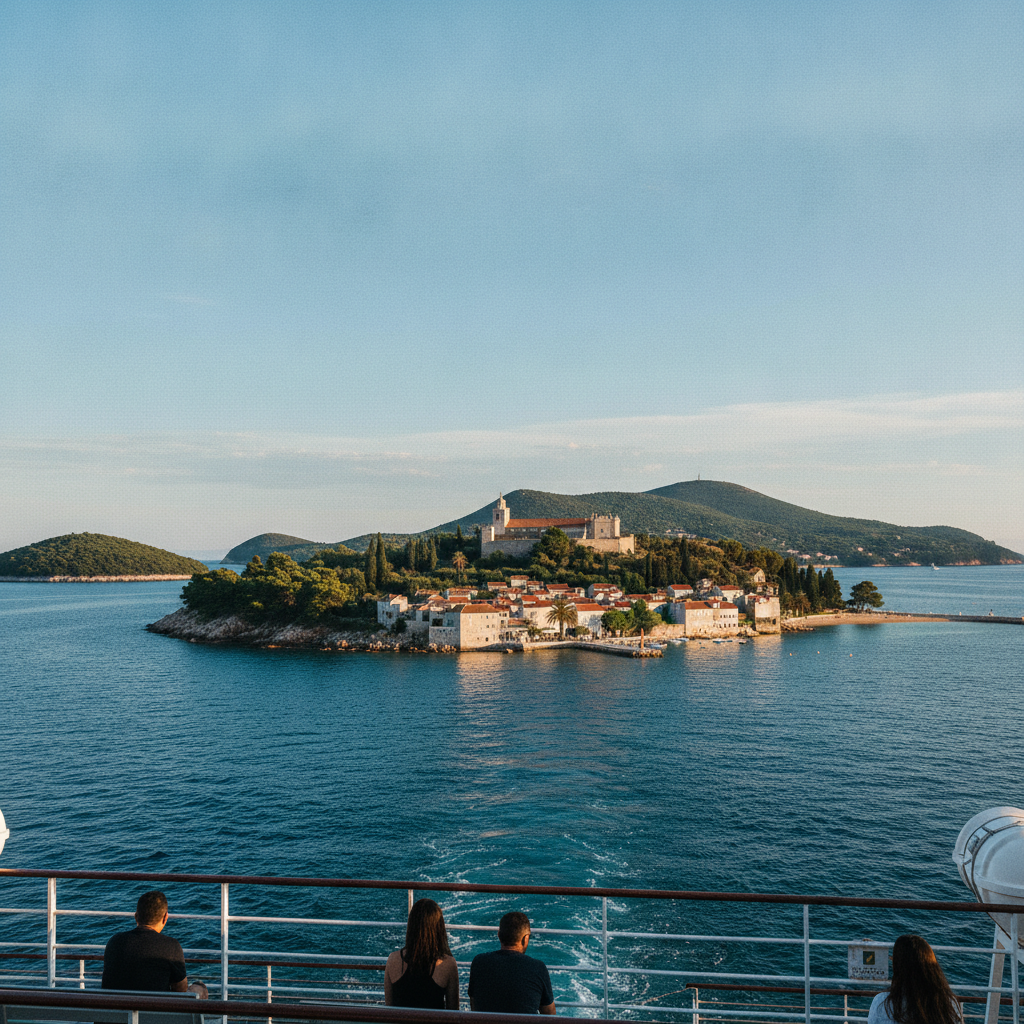
Elafiti Islands Day Trip — Lopud, Sipan & the Best Beach Near Dubrovnik
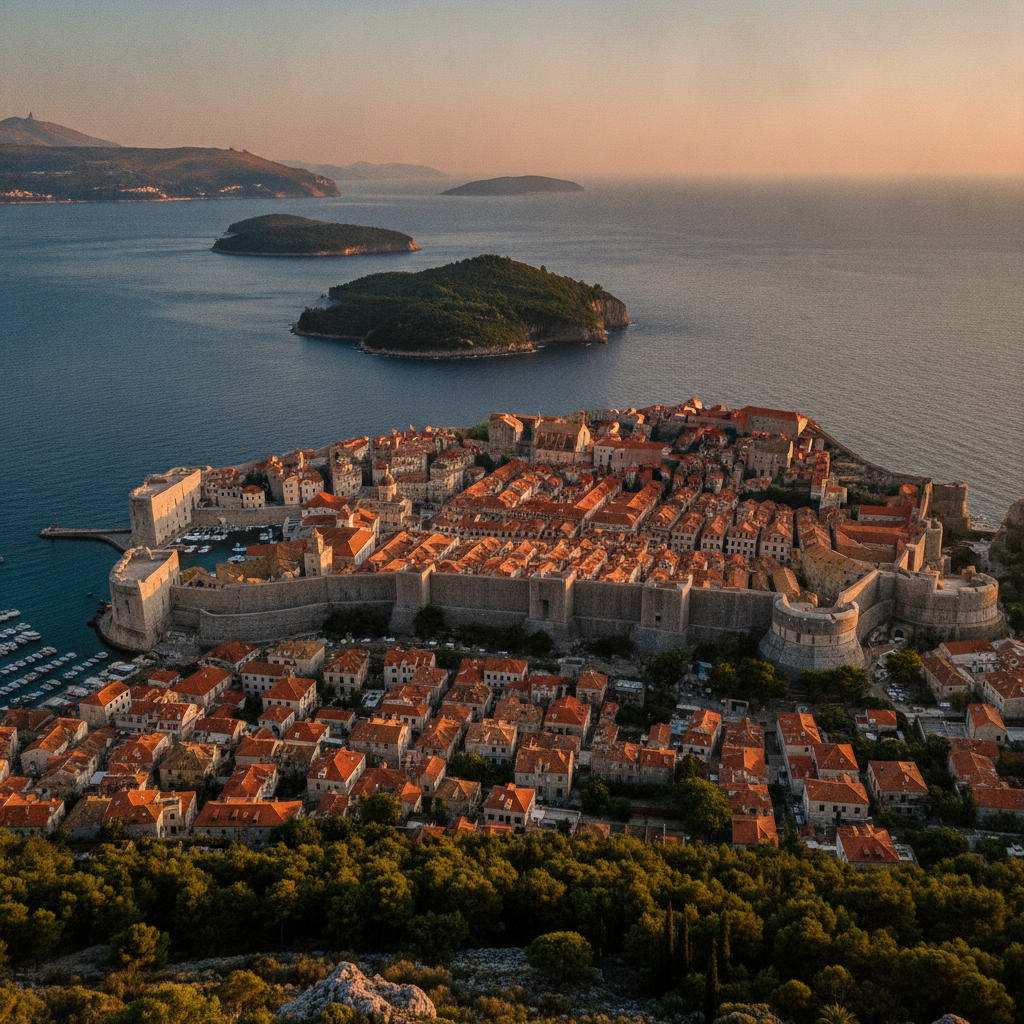
Dubrovnik Old Town — the Medieval City Walls, the Stradun & the Pearl of the Adriatic
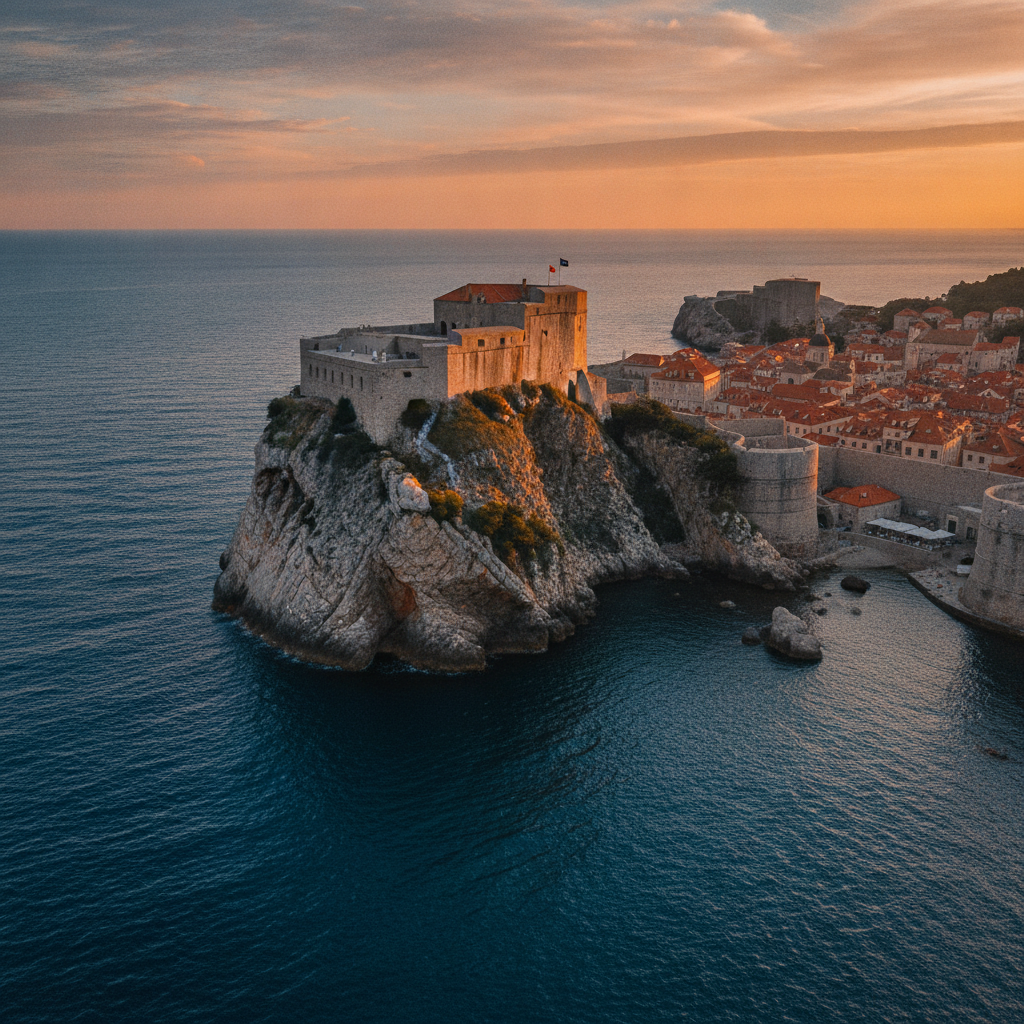
Game of Thrones in Dubrovnik — King's Landing Filming Locations
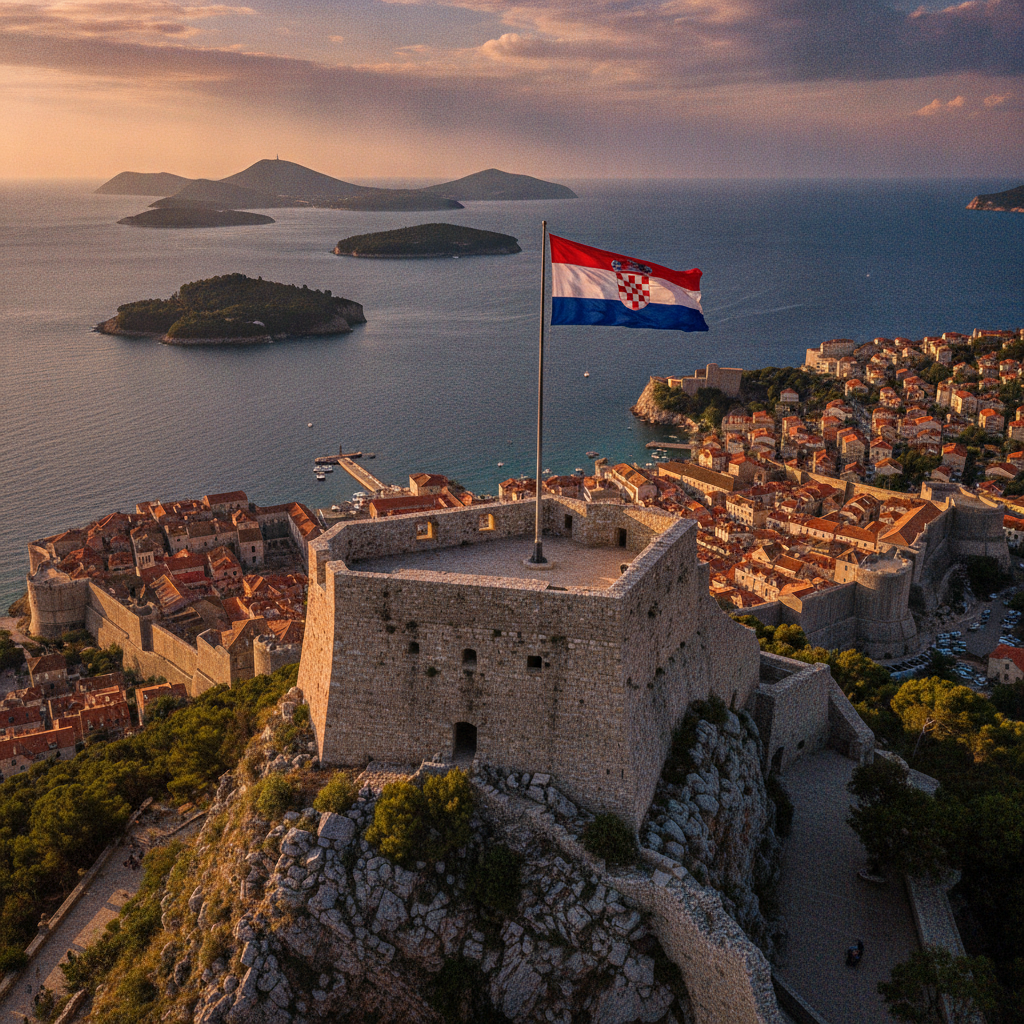
Mount Srd — Cable Car, Fort Imperial & the 1991 Homeland War Museum