Durban Final Legacy: Wild Coast, Whale Watching, Durban vs Cape Town, the Berea, and the Complete KwaZulu-Natal Reference
Durban closing routes: the Durban vs Cape Town lifestyle comparison, the Wild Coast undeveloped Indian Ocean coastline, southern right whale watching, the Berea neighborhood and Florida Road, the Durban expat scene, and the six-route complete KwaZulu-Natal travel reference.
- 1
The Durban vs Cape Town Debate - Two Very Different South Africas
The Durban vs Cape Town debate: the most significant lifestyle comparison in South Africa for domestic and international residents choosing where to live. Cape Town (advantages): dramatically beautiful mountain and ocean scenery, better international cafe culture and restaurant scene, the Cape Winelands, the most popular destination for international tourists. Cape Town (disadvantages): the gang violence of the Cape Flats, extremely high property prices by South African standards, racial tensions (Cape Town is the most racially divided city in South Africa). Durban (advantages): warmer climate year-round, lower cost of living, the most culturally diverse food scene in South Africa (Indian, Zulu, and Cape Malay traditions), less traffic than Joburg and less crime than Cape Town in tourist areas. Durban (disadvantage): less internationally known, the CBD has declined significantly since the 1990s. For the long-term resident: many South Africans who choose quality of life over career trajectory move to Durban.
- 2
The Wild Coast - South Africa Most Untouched Indian Ocean Coastline
The Wild Coast (the Transkei coast of the Eastern Cape province): the approximately 250-km stretch of undeveloped Indian Ocean coastline south of Durban, one of the most dramatically beautiful and undeveloped coastlines in southern Africa. The Wild Coast is the former Transkei homeland (the apartheid-era independent Bantustan state for Xhosa-speaking people). The coastline: sandstone cliffs, secluded beaches, river mouths where hippos can sometimes be seen, and traditional Xhosa villages (the round rondavel huts painted in traditional patterns visible on the hillsides). Hole in the Wall (the natural rock arch on the Wild Coast): the most photographed natural feature. Coffee Bay: the primary backpacker hub on the Wild Coast. Port St Johns: the largest Wild Coast town, at the mouth of the Umzimvubu River. The Wild Coast Meander (multi-day hiking trail): the most popular coastal hiking trail in the Eastern Cape.
- 3
South African Whale Watching - The Southern Right Whale Season
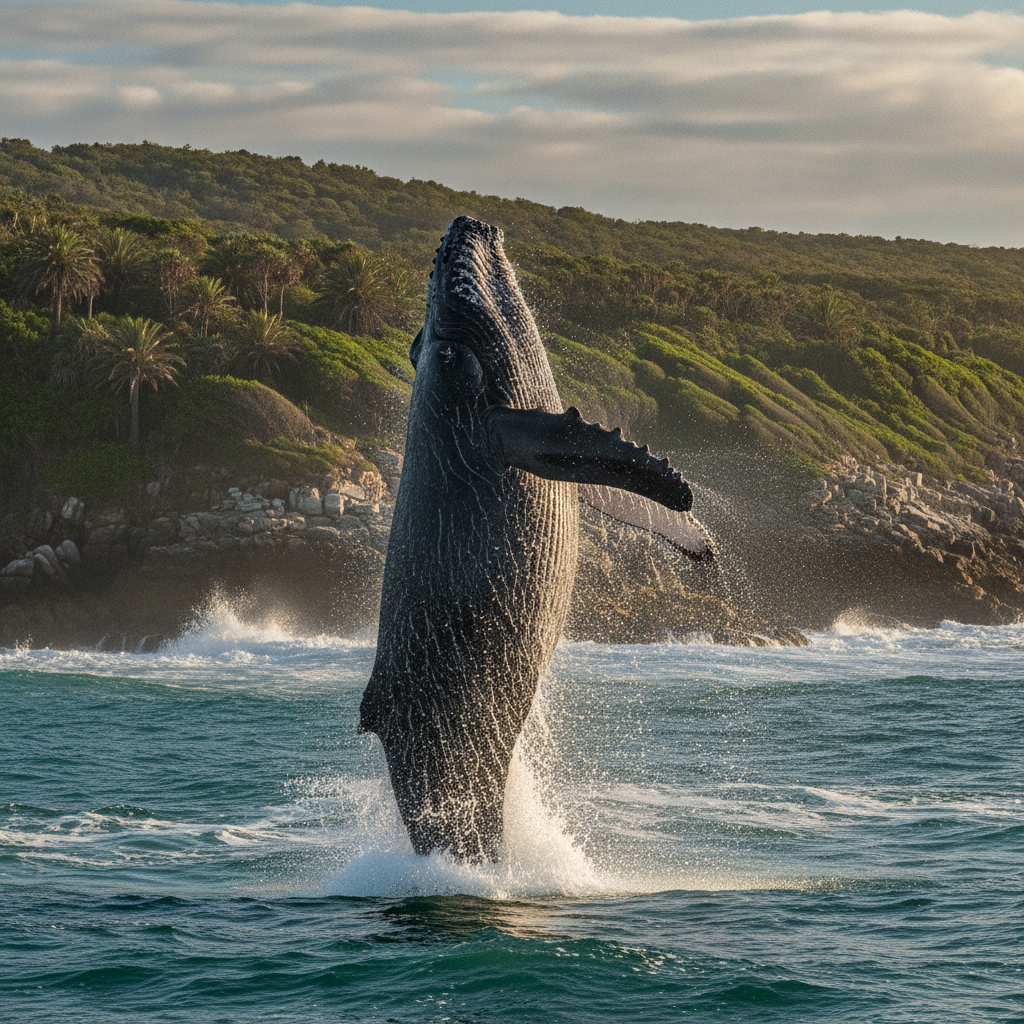
South African whale watching: the southern right whale (Eubalaena australis) is the primary whale watching species. The whales migrate from their Antarctic feeding grounds to the sheltered bays of the South African coast to give birth and nurse their calves (June to December, peak July-October). Hermanus (in the Western Cape, approximately 100 km east of Cape Town): the self-proclaimed whale watching capital of the world, where southern right whales are regularly seen from the cliff paths directly above the ocean. The whale crier of Hermanus: the official who walks the town with a kelp horn announcing whale sightings, the most unusual civic role in South Africa. Bryde whales are the most commonly encountered whale species in the KwaZulu-Natal waters off Durban year-round. Humpback whales pass the KZN coast during the annual migration (June-July northbound, September-October southbound).
- 4
The Berea - Durban Upper-Middle-Class Neighborhood and Coffee Culture
The Berea: the elevated residential neighborhood overlooking the Durban CBD and the harbor, the primary upper-middle-class and professional neighborhood of Durban. The Berea offers views of the Indian Ocean from the ridge. The Durban specialty coffee scene: significantly smaller and less developed than the Johannesburg and Cape Town specialty coffee scenes, but growing. The primary independent coffee operations (Bean There, Origin Coffee in Florida Road, the Harvest Restaurant coffee bar): the quality of the Durban specialty coffee has improved significantly since 2015. The Florida Road (in Morningside, adjacent to the Berea): the primary upscale restaurant and bar street of Durban, 1.5 km of restaurants, bars, and specialty food shops. The Musgrave area (the upscale shopping mall district of the southern Berea): the primary indoor shopping destination for Durban residents who do not want to drive to Umhlanga.
- 5
The Durban Expat and Digital Nomad Scene
Durban is less developed as a digital nomad destination than Cape Town but has advantages: lower cost of living, warmer climate, and less congestion. The Durban coworking scene (the Workshop coworking space, the Workshop Theatre building coworking, and various Florida Road cafes with reliable wifi): small but functional. The Durban expat community: significant British, Zimbabwean, and Portuguese communities have established themselves in Durban over decades. The Zimbabwean community: a significant number of Zimbabwean economic migrants and refugees have settled in Durban, bringing their own food (the Zimbabwean sadza and relish shops in the CBD), music, and community networks. The Portuguese community: originally from Mozambique (the Portuguese Mozambicans who fled at Mozambican independence in 1975 form a significant Durban community): the Portuguese restaurants and the prego roll (the Portuguese-inspired grilled beef roll with peri-peri sauce) are a Portuguese-Mozambican Durban specialty.
- 6
Durban Final Legacy - The Complete KwaZulu-Natal Six-Route Reference
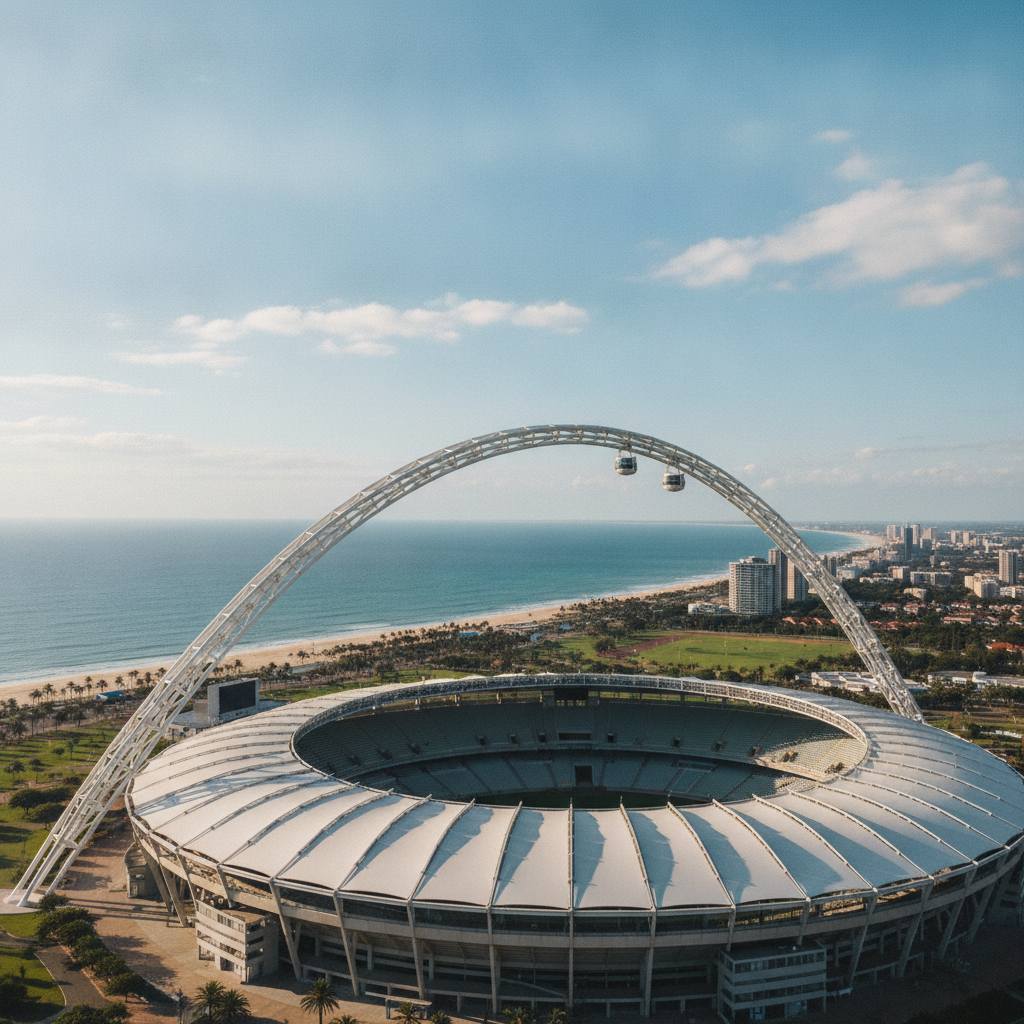
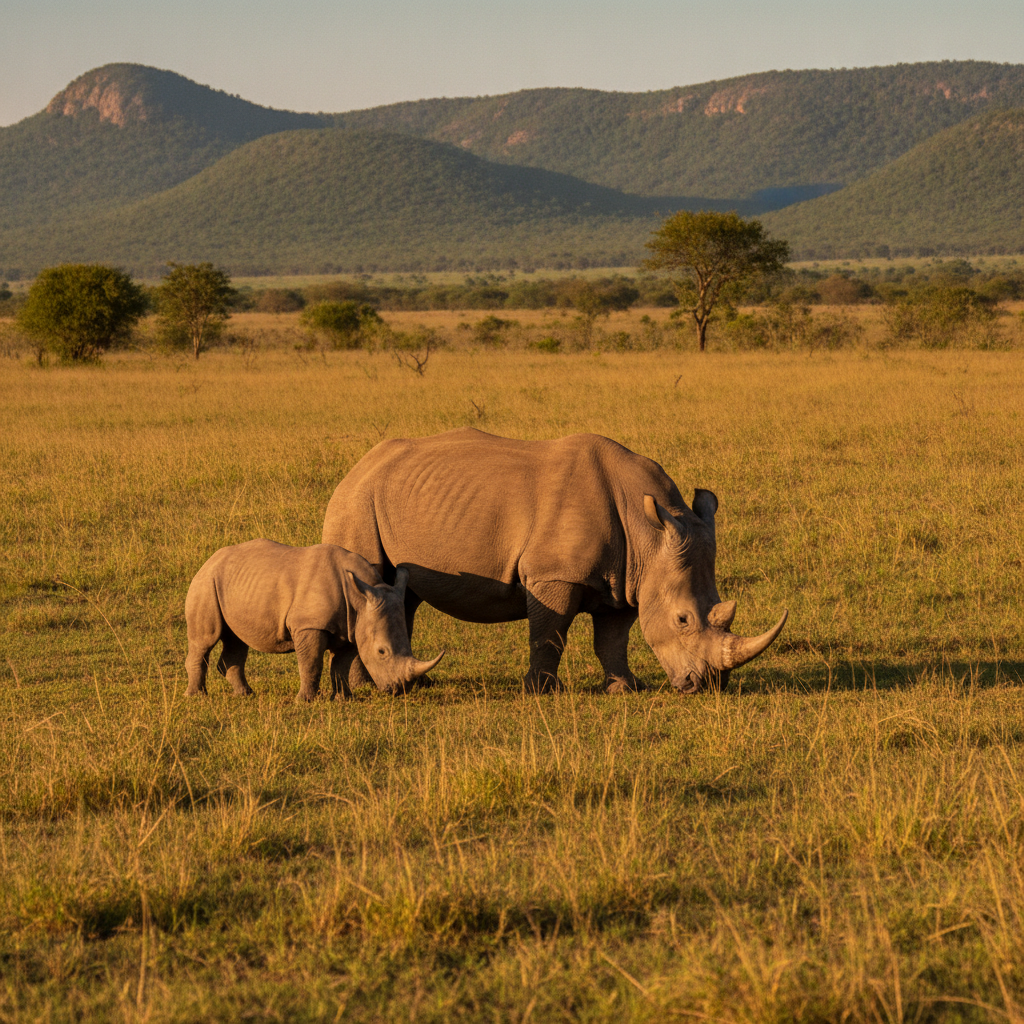
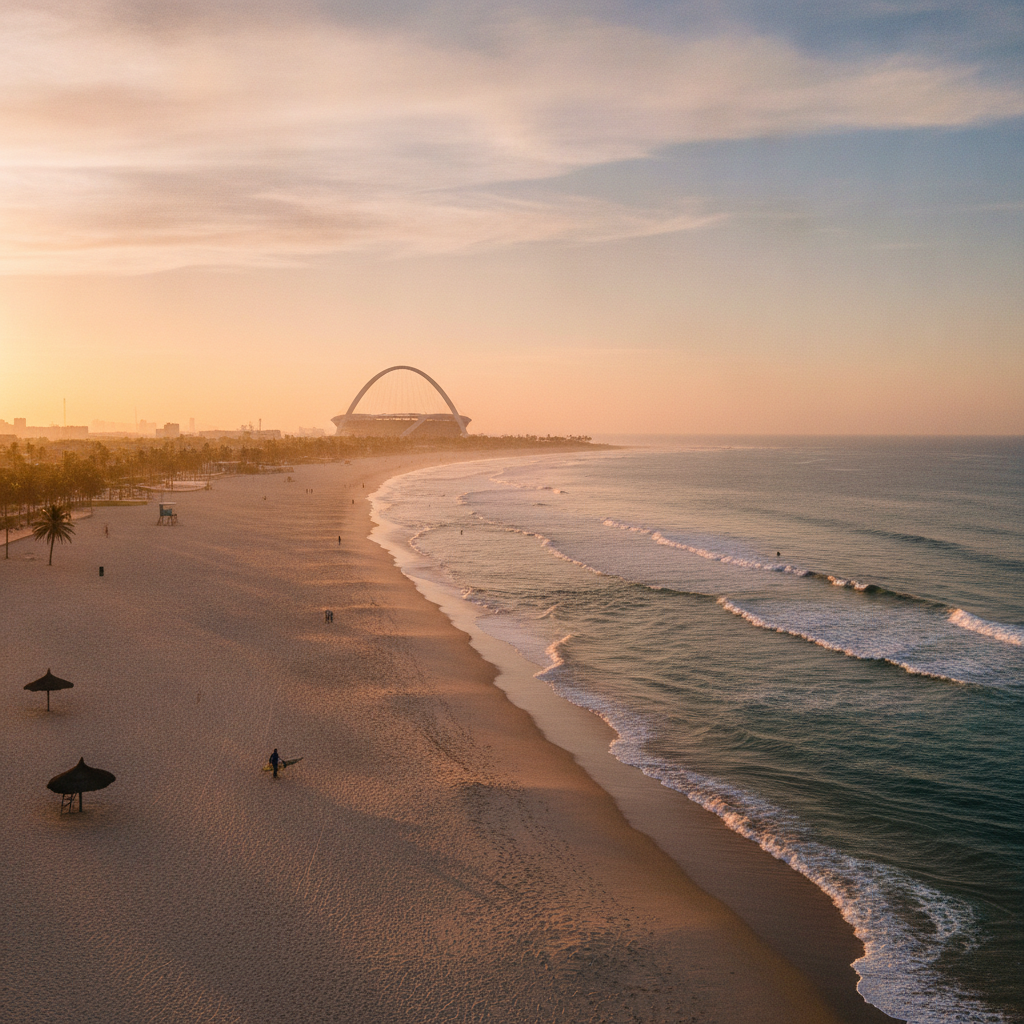
Durban six-route final complete reference. Route 1: Durban port (Africa largest), Indian heritage (largest Indian community outside India), Victoria Street Market, Golden Mile beachfront, uShaka Marine World, Gandhi and satyagraha origins, iSimangaliso UNESCO, Zulu culture, Bunny Chow. Route 2: Drakensberg Royal Natal day trip, Valley of Thousand Hills, sugar cane indenture history creating the Indian community, Moses Mabhida Stadium (2010 FIFA World Cup), gqom music from townships. Route 3: Pietermaritzburg capital, Gandhi train station (the pivotal incident), Isandlwana and Rorkes Drift Anglo-Zulu War battlefields, Midlands Meander, Howick Falls Mandela arrest site, sardine run. Route 4: Indian curry tradition, Bunny Chow in depth, Victoria Street Market spices, Umhlanga Rocks, Wilson Wharf, Florida Road nightlife, Durban July horse racing. Route 5: San rock art cosmology, Zulu Kingdom history (Shaka to Cetshwayo), isiZulu language and culture, Hluhluwe-iMfolozi white rhino conservation, KZN midlands. Route 6 (this route): Durban vs Cape Town comparison, Wild Coast, southern right whale watching, the Berea neighborhood, expat and digital nomad scene. Essential Durban: 5 nights minimum (2 in Durban itself, 1 Drakensberg, 1 battlefields, 1 iSimangaliso). KwaZulu-Natal is the single most rewarding province in South Africa for historical and cultural depth.
Walk this route with audio
Stories play automatically as you reach each stop — no tapping needed.
More in durban
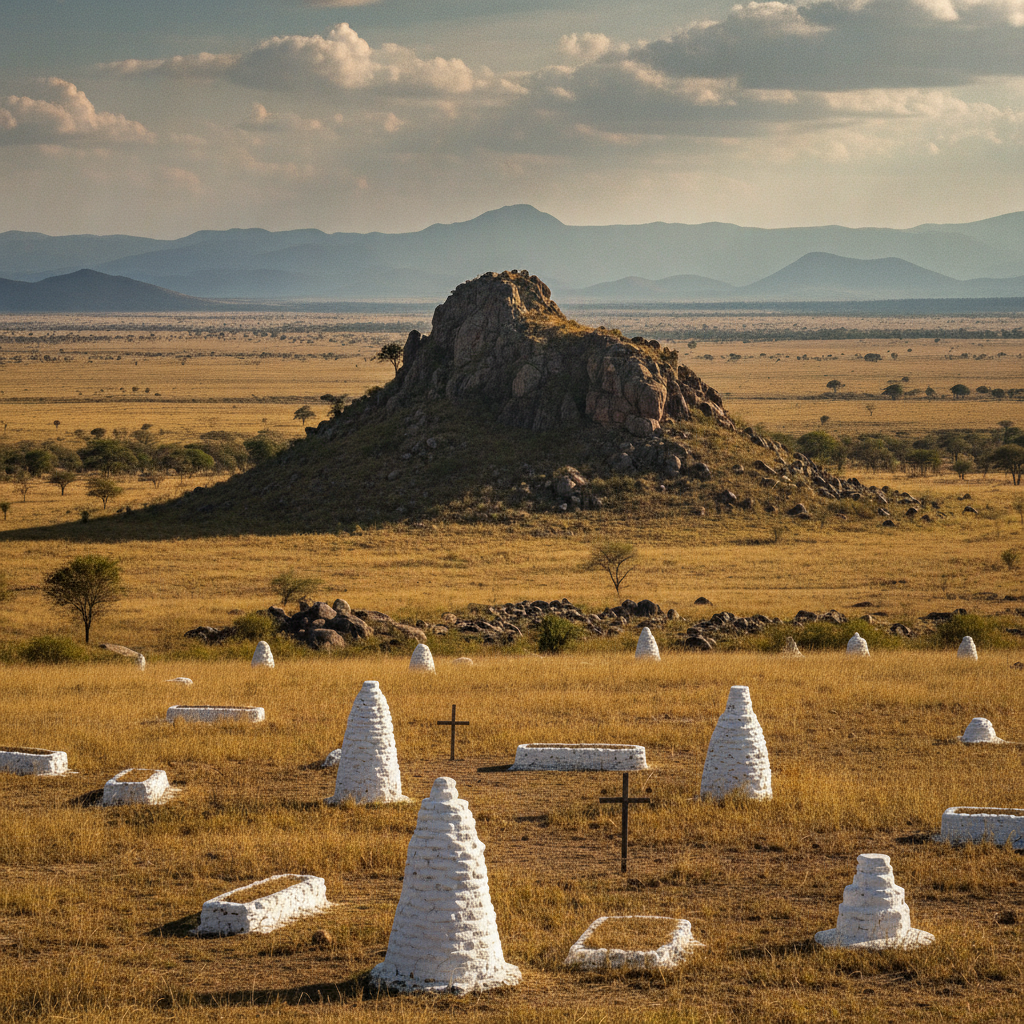
Durban History: Pietermaritzburg, the Anglo-Zulu War Battlefields, Midlands Meander, and the Sardine Run
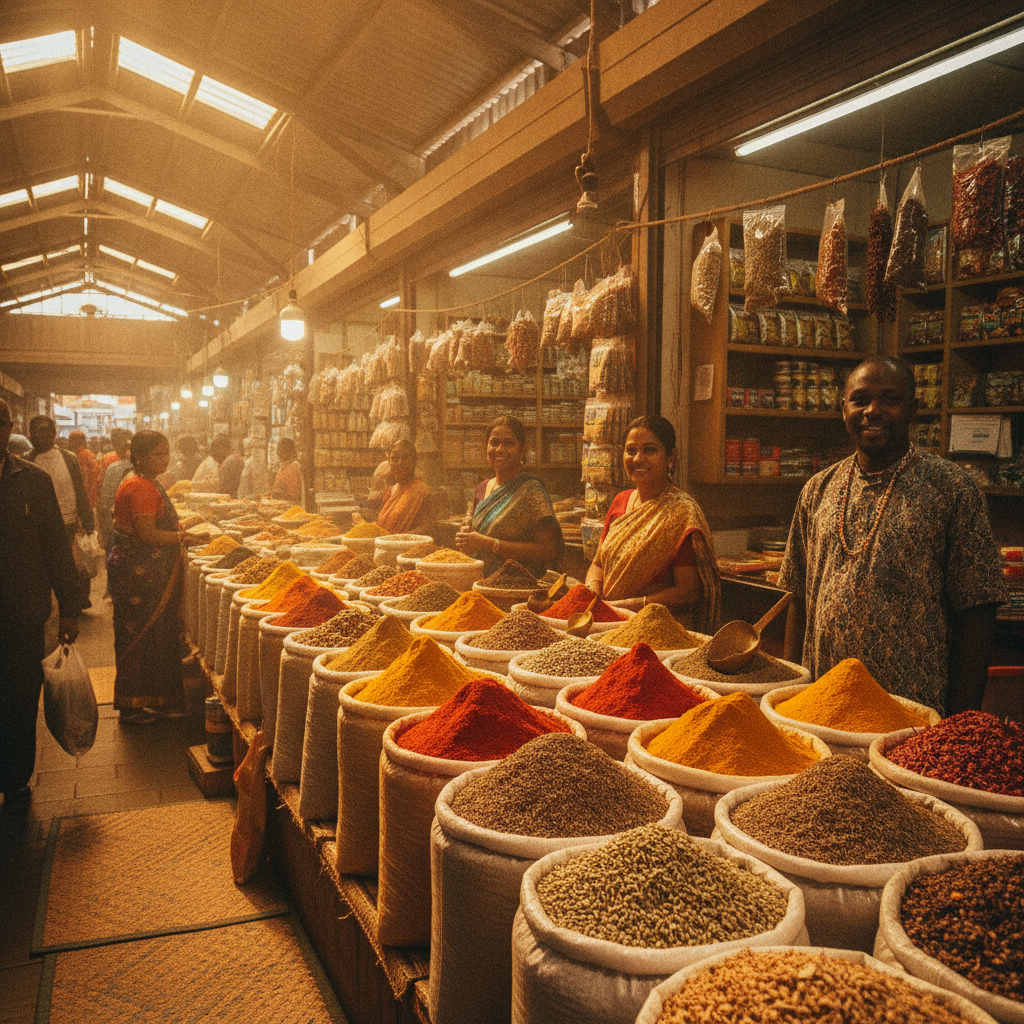
Durban Food and Nightlife: Bunny Chow, Victoria Street Market, Umhlanga, Wilson Wharf, and the Gqom Club Scene
Durban Heritage: San Rock Art, the Zulu Kingdom, isiZulu Culture, Hluhluwe-iMfolozi White Rhino Conservation, and KZN Midlands
Durban: The African Port City, Indian Heritage, Bunny Chow, Zulu Culture, and iSimangaliso