Durban: The African Port City, Indian Heritage, Bunny Chow, Zulu Culture, and iSimangaliso
Durban introduction: Africa largest port, the largest Indian-origin community outside India, Gandhi and the origins of satyagraha, the Golden Mile beachfront, uShaka Marine World, iSimangaliso UNESCO wetland, Zulu culture and the Battle of Isandlwana, and the Bunny Chow culinary heritage.
- 1
Durban - The Largest Port in Africa and the Most Indian City Outside India
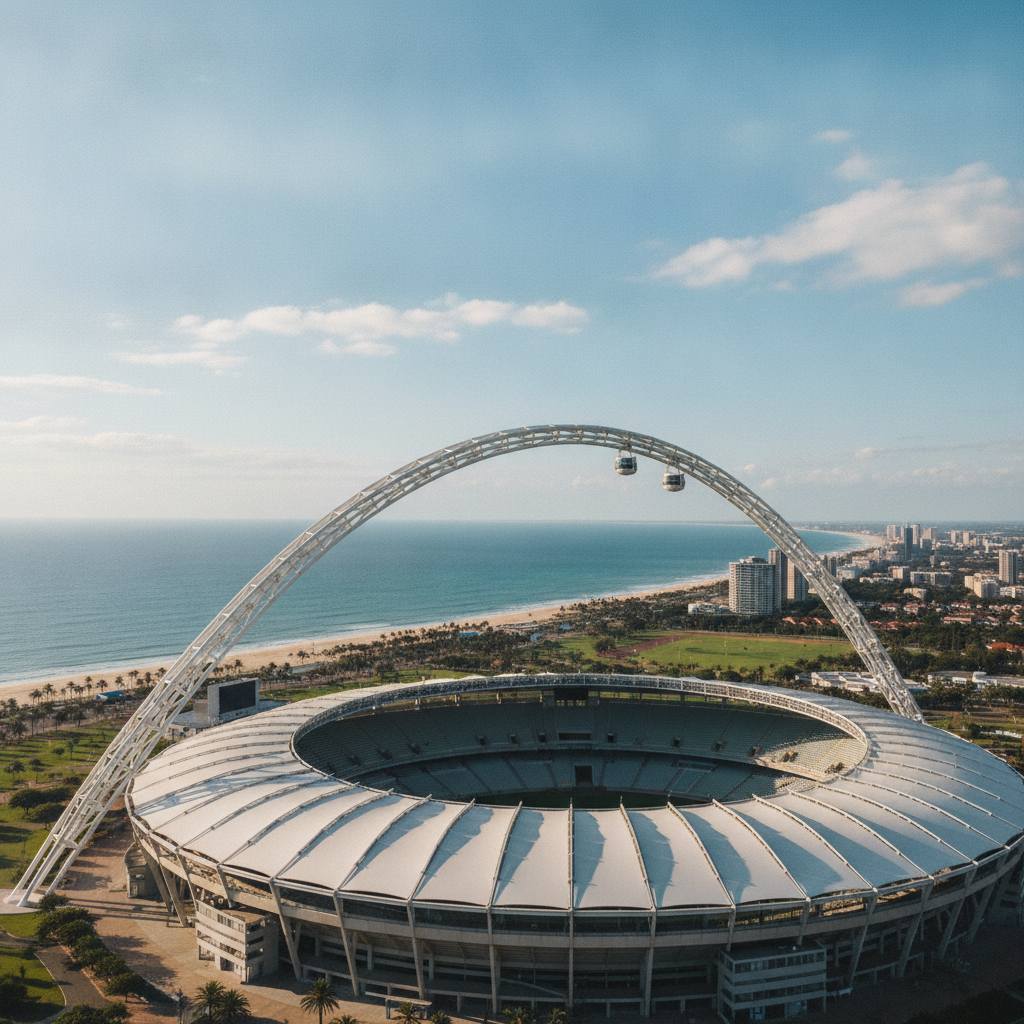
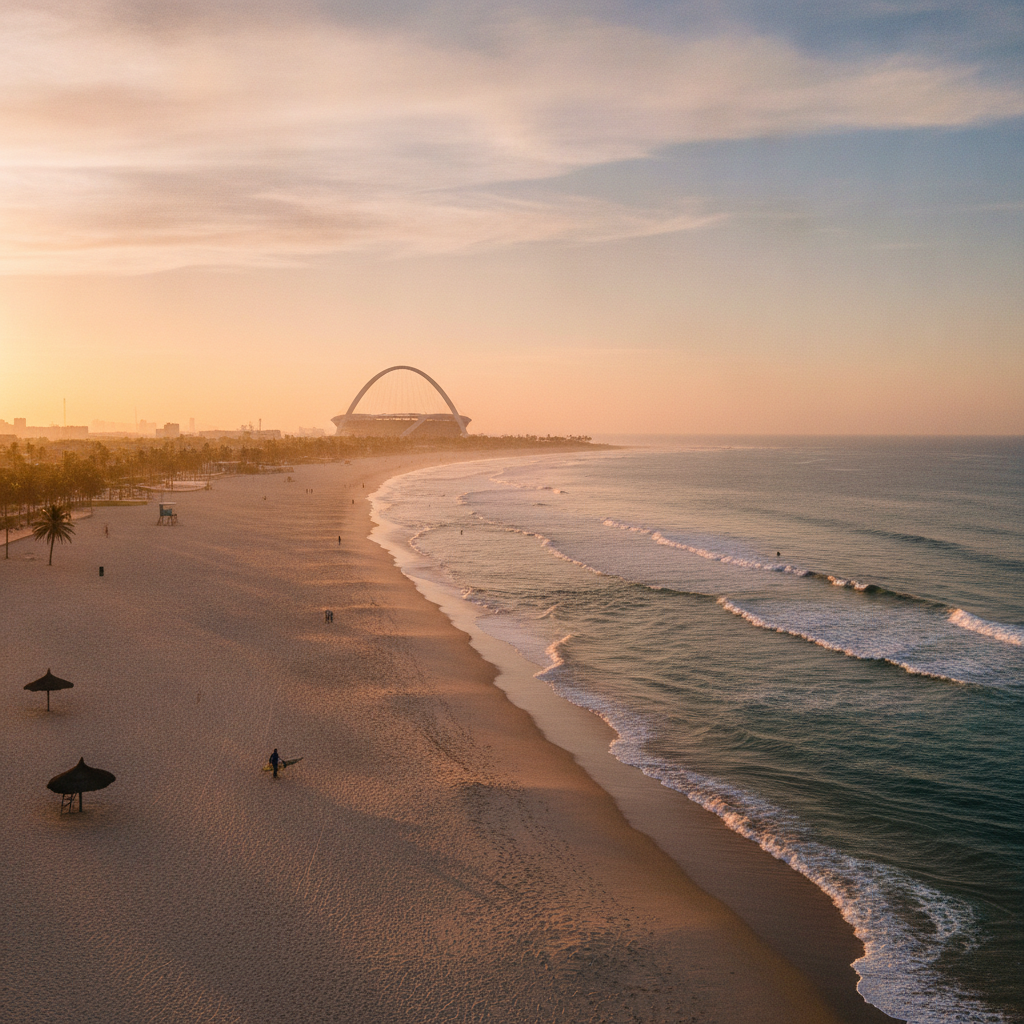
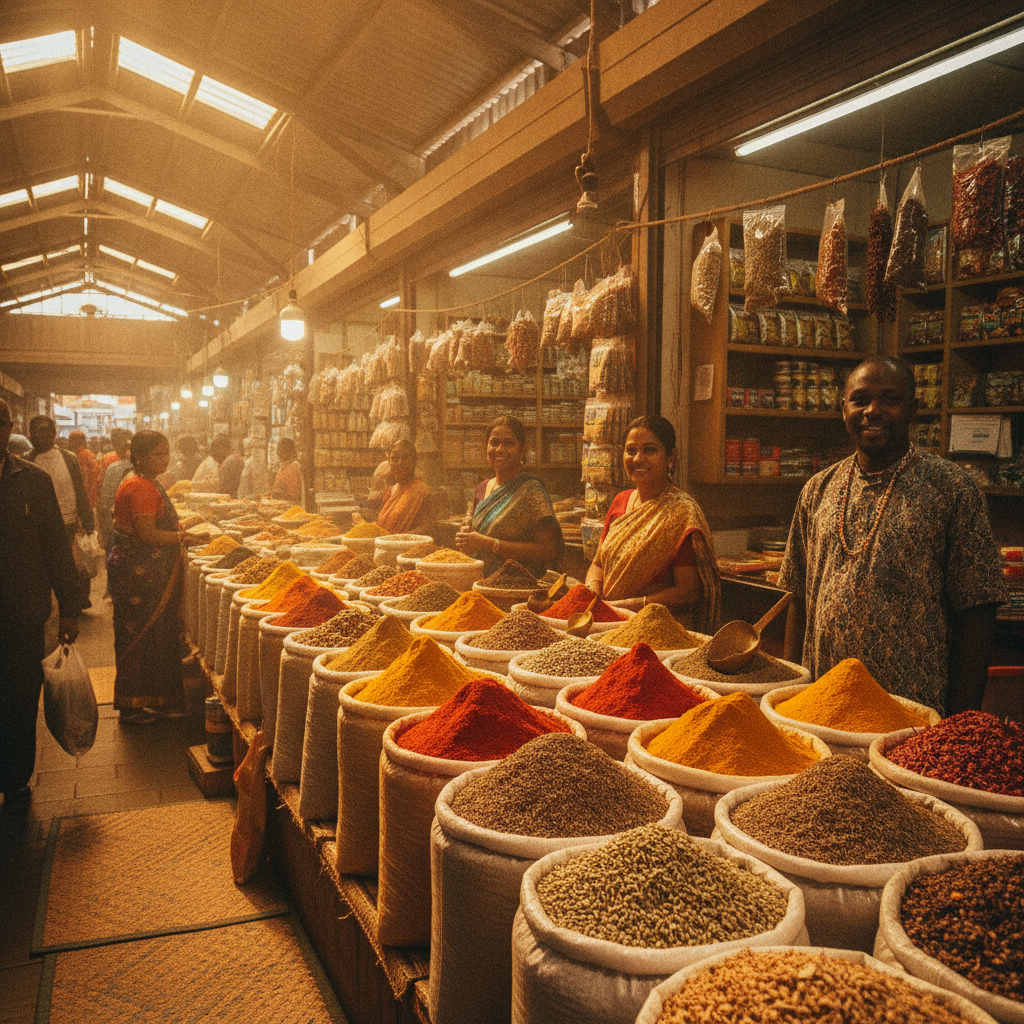
Durban (eThekwini in Zulu): the primary port city of South Africa and the busiest container port in Africa. The city is home to the largest Indian-origin population outside India: approximately 1.1 million people of Indian descent (approximately 25% of the Durban metropolitan area population). The Indian community arrived primarily as indentured laborers brought by the British colonial administration to work the KwaZulu-Natal sugar cane plantations between 1860 and 1911, approximately 152,000 people in total. The Victoria Street Market (the largest African market in the southern hemisphere): the spice traders, fabric sellers, and traditional medicine vendors make this one of the most sensory markets in Africa. The Golden Mile (the beachfront promenade): 6 km of beaches backed by hotels and amusement parks.
- 2
The uShaka Marine World and Durban Beachfront
uShaka Marine World (on the Point at the southern end of the Durban beachfront): the fourth-largest aquarium in the world, built into a mock replica of a wrecked fleet of ships. The oceanarium houses sharks (the ragged-tooth shark, the most common display shark in South Africa), sea turtles, and thousands of fish species. The dolphin and seal shows are a controversial element of the marine world experience. The Durban beachfront (the Golden Mile): the most popular urban beach destination in South Africa for domestic tourism: warm Indian Ocean water, swimming beaches, and the Durban skyline backdrop. The Durban surf scene: Durban is the primary surfing city of South Africa (the Gunston 500 (now Ballito Pro) international surfing event was held in Durban for many years; the Surf Riders surfing hall of fame recognizes significant South African surfing history here).
- 3
Gandhi and the Indian Heritage of Durban - The Origins of Satyagraha
Mahatma Gandhi arrived in Durban in 1893 as a young lawyer and spent 21 years in South Africa (1893-1914), developing the philosophy of satyagraha (nonviolent resistance) that would later transform India and inspire the global civil rights movement. Gandhi was thrown off a first-class train at Pietermaritzburg station in 1893 because of his race (a pivotal moment in his political awakening). The Gandhi Settlement (Phoenix Settlement, approximately 20 km north of Durban): the community Gandhi founded in 1904, now a museum. The Durban Indian community developed one of the most significant Indian-heritage cultural traditions outside India: the temples, mosques, and Hindu festivals (Diwali, Holi) are celebrated with great enthusiasm. The South African Indian Congress (founded 1894 by Gandhi) was one of the first formal political resistance organizations in South Africa.
- 4
The iSimangaliso Wetland Park - UNESCO World Heritage Coast
The iSimangaliso Wetland Park (UNESCO World Heritage Site): approximately 280 km north of Durban, the most diverse ecosystem in South Africa and one of the most biologically rich in Africa. The park encompasses five distinct ecosystems: the Maputaland coral reefs (among the southernmost coral reefs in the world), the Maputaland coastal lake system (Lake St Lucia: the largest estuarine lake system in Africa), the savanna and woodland, the wetland and swamp forest, and the beaches. The hippo and crocodile population of Lake St Lucia: the highest density of hippos and Nile crocodiles in South Africa. The leatherback and loggerhead sea turtles nest on the beaches of iSimangaliso between November and January, one of the last nesting beaches for these endangered species on the African east coast.
- 5
Zulu Culture and the KwaZulu-Natal Heritage
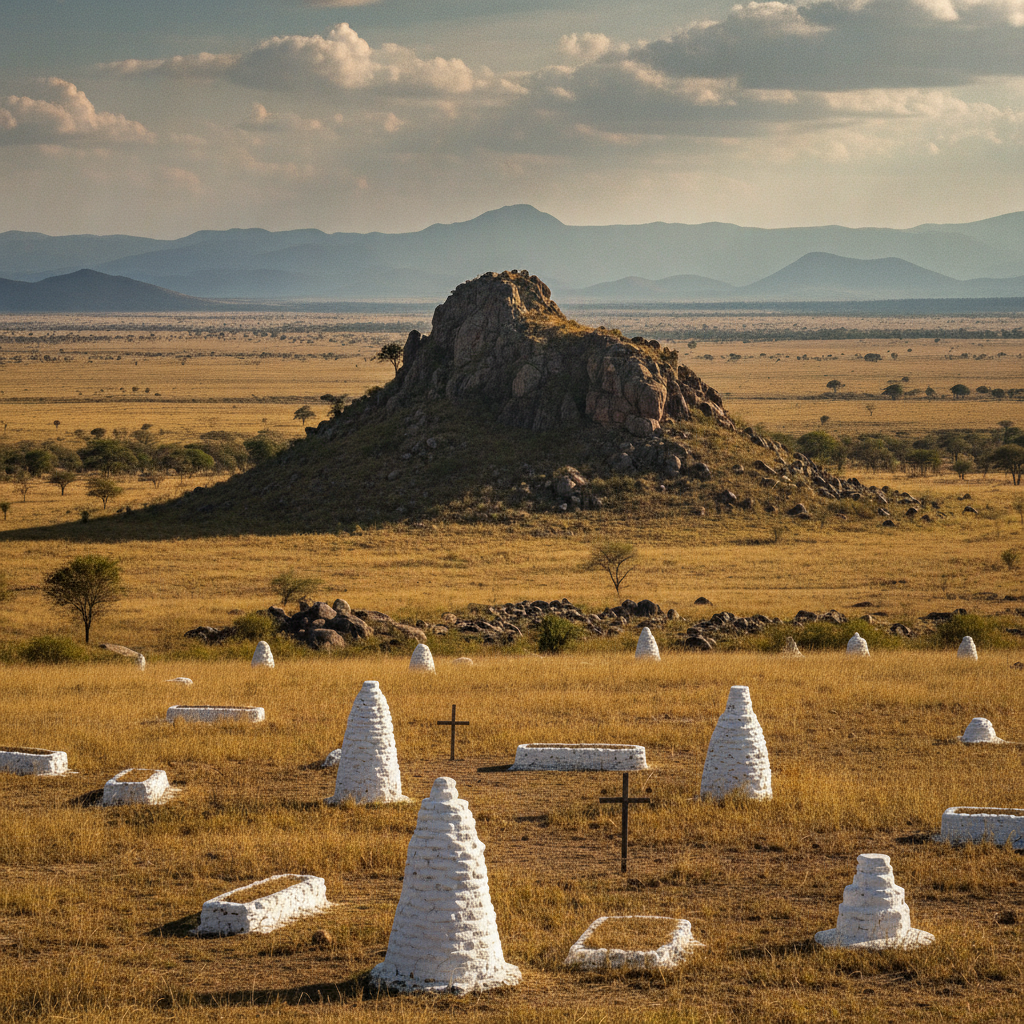
The Zulu Kingdom: one of the most powerful and militarily organized kingdoms in pre-colonial African history. The Zulu state building under King Shaka (approximately 1787-1828): Shaka transformed the Zulu clan into a regional power through military reorganization, the introduction of the short stabbing spear (the assegai), and the development of the encircling cattle-horn battle formation. The Battle of Isandlwana (22 January 1879): the most significant Zulu military victory, where a Zulu force of approximately 20,000-25,000 warriors defeated a British colonial army (including two regular British Army battalions), one of the most remarkable military upsets of the 19th century. The PheZulu Safari Park (the Zulu cultural village near Durban): traditional Zulu homestead, craft demonstration, and cultural performance. Shakaland (approximately 3 hours from Durban near Eshowe): the most comprehensive Zulu cultural experience in KwaZulu-Natal.
- 6
Durban Practical Guide - Bunny Chow, Curry, and the Indian Ocean Coast
Durban practical and culinary guide. Bunny Chow: originated in Durban Indian community restaurants in the 1940s (a hollowed-out loaf of white bread filled with curry), the most distinctive South African street food, created by Indian vendors for Black customers not allowed to use segregated restaurant plates. The Durban curry: distinctively hotter and more aromatic than Cape Malay cuisine, using fresh spices common to South Indian cooking tradition. Gatsbys (a Cape Town contribution but also popular in Durban): the enormous filled rolls. The Durban harbour area (the Point area and the Container Terminal viewpoint). Climate: Durban is subtropical (approximately 27-30 Celsius summer, 20-22 Celsius winter): the warmest major city in South Africa, making it a domestic holiday destination year-round. Getting there: Durban (King Shaka International Airport, IATA code DUR): approximately 1 hour by air from Johannesburg.
Walk this route with audio
Stories play automatically as you reach each stop — no tapping needed.
More in durban
Durban History: Pietermaritzburg, the Anglo-Zulu War Battlefields, Midlands Meander, and the Sardine Run
Durban Final Legacy: Wild Coast, Whale Watching, Durban vs Cape Town, the Berea, and the Complete KwaZulu-Natal Reference
Durban Food and Nightlife: Bunny Chow, Victoria Street Market, Umhlanga, Wilson Wharf, and the Gqom Club Scene
Durban Heritage: San Rock Art, the Zulu Kingdom, isiZulu Culture, Hluhluwe-iMfolozi White Rhino Conservation, and KZN Midlands