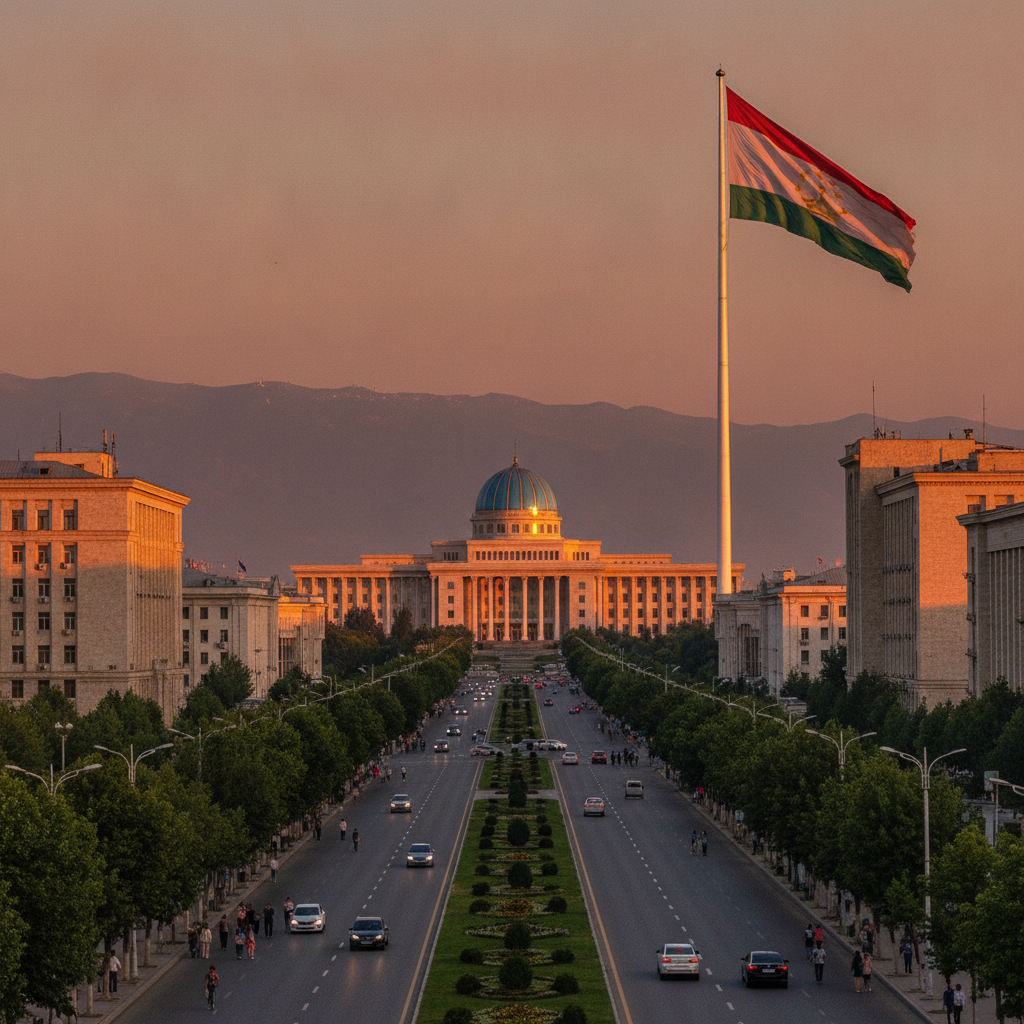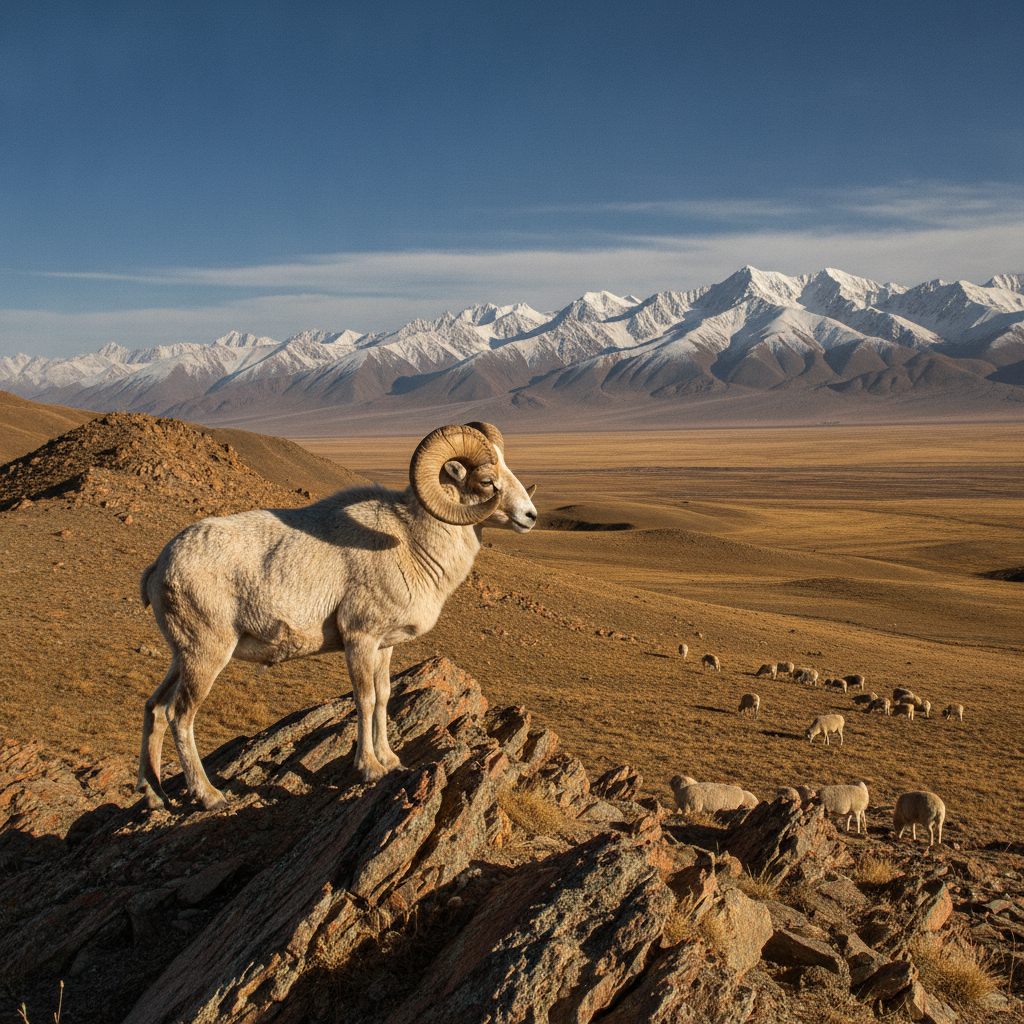
Ibn Sina's Germ Theory of Disease 1,000 Years Before Pasteur, Marco Polo Sheep Horns Reaching 190cm (the Largest of Any Sheep Species) & Tajik and Iranian Persian 90% Mutually Intelligible Despite Different Scripts
Ibn Sina's germ theory of disease and quarantine concept (40-day isolation — the origin of the word quarantine from Arabic) 1,000 years before Pasteur; Marco Polo sheep horns reaching 190cm (the largest of any sheep species in the world) named for Marco Polo's 1271 Pamir description; Tajik and Iranian Persian 90%+ mutually intelligible despite being written in Cyrillic vs Arabic-Persian scripts; the Navruz haft-sin table setting with seven S-items tracing back to Zoroastrian Avestan tradition 3,000 years old; Temur Malik's river-boat defense of Khujand against Genghis Khan (1220 CE); and Alexander the Great founding Alexandria Eschate at Khujand in 329 BCE as the furthest outpost of Hellenic civilization.
- 1
Tajikistan's Afghan Border – The Panj River Divide
The Tajikistan-Afghanistan border heritage (the Panj River border — the 1,206 km international boundary between Tajikistan and Afghanistan that is simultaneously one of the world's most dangerous borders and one of the most dramatically beautiful river gorges in Asia): the border heritage guide. The Panj River (the Panj River (Дарёи Панҷ) — forms the border between Tajikistan and Afghanistan for 1,206 km: the river (the Panj (derived from Persian for Five — the river is formed by the confluence of five tributaries in the eastern Pamir) is the upper section of the Amu Darya — the primary river of Central Asia: the Panj Canyon (the Panj River cuts through the Hindu Kush mountains in a series of spectacular canyons — in places the canyon walls rise 3,000m above the river: the border (the Panj border is the most heavily militarized border in Central Asia — the Russian 201st Military Base (stationed in Tajikistan since the Soviet period) assists Tajik border forces in preventing drug trafficking from Afghanistan: the drug traffic (Afghanistan produces approximately 85–90% of the world's illicit opium supply — the primary trafficking route for Afghan heroin to Russia and Europe passes through Tajikistan across the Panj River crossings: the crossing points (there are 5 official border crossing points on the Panj: the most important is the Friendship Bridge at Sher Khan Bandar (operated by USAID) and the Nizhny Pyanj crossing south of Dushanbe): the Wakhan Corridor view (the southern section of the Pamir Highway from Ishkashim to Murghab follows the Afghan Wakhan Corridor — the road runs along the Panj River with Afghanistan directly across the water (the Afghan villages visible on the opposite bank are in some of the world's most remote inhabited territory).
- 2
Khujand – Tajikistan's Northern Capital
The Khujand heritage (the second city of Tajikistan and the primary city of the northern Sughd Province — the most historically significant city in Tajikistan after Penjikent): the Khujand heritage guide. The Khujand (Хуҷанд — formerly Leninabad during the Soviet era): the city (Khujand is the second largest city of Tajikistan with approximately 180,000 inhabitants: Khujand is located in the Fergana Valley at the southern end of the valley where the Syr Darya River exits through the Kanibadam Gap: the history (Khujand was founded by Alexander the Great in 329 BCE as Alexandria Eschate (Alexandria the Furthest) — the easternmost city of the Macedonian Empire: the city was the most distant outpost of Hellenic civilization: the Kayrakkum Reservoir (the Kayrakkum Reservoir (the Sea of Tajikistan) — the 520 km² reservoir created by the Kairakkum Dam on the Syr Darya north of Khujand: the reservoir is the primary recreational area for Khujand residents and is known locally as the Tajik Sea): the Khujand fortress (the Khujand Fortress (Қалъаи Хуҷанд) — the ruins of the medieval citadel in the center of Khujand: the fortress was the site of the resistance of the Khujand defender Temur Malik against the Mongol invasion of Genghis Khan (1220 CE): the resistance (Temur Malik organized a fleet of boats to defend the Syr Darya River crossing against the Mongol army — the defense of Khujand is celebrated in Tajik history as the most heroic resistance to the Mongol invasion in Central Asia): the Panjshanbe Bazaar (the Thursday Bazaar of Khujand — the largest covered market in northern Tajikistan).
- 3
Ibn Sina – Avicenna's Tajik Heritage
The Ibn Sina heritage (Avicenna — the greatest philosopher and physician of the Islamic Golden Age — and his connection to the Tajik-Persian cultural sphere of Central Asia): the intellectual heritage guide. The Ibn Sina (Ibn Sina (Абн Сина — Abu Ali Hussain ibn Abdollah ibn Sina, 980–1037 CE) — known in the West as Avicenna: the biography (Ibn Sina was born in Afshana, a village near Bukhara (in modern Uzbekistan) in 980 CE — the village was in the Persian-speaking cultural sphere of the Samanid Empire: Ibn Sina was educated in Bukhara under the patronage of the Samanid ruler Nuh ibn Mansur: the Canon of Medicine (the Qanun fi al-Tibb (Canon of Medicine) — Ibn Sina's comprehensive medical encyclopedia: the Canon is the most influential medical textbook in history — it was the primary medical textbook in European universities until the 17th century: the Canon contains 14 volumes covering general medicine principles, simple drugs, compound drugs, diseases organized by body system, and prescriptions: the medical innovations (Ibn Sina's primary medical contributions include: the germ theory of disease (the recognition that bodily secretions could transmit disease (1,000 years before Pasteur); the clinical trial methodology (the requirement for systematic drug testing before clinical use — proto-scientific method in medicine); the quarantine concept (the 40-day isolation of plague victims — the origin of the word quarantine from the Arabic word for forty): the Book of Healing (the Kitab al-Shifa — the philosophical encyclopedia covering logic, natural sciences, mathematics, and metaphysics — the most comprehensive scientific encyclopedia in medieval literature).
- 4
Navruz – Persian New Year in Dushanbe
The Navruz heritage (the Persian New Year celebration — the most important cultural festival of Tajikistan and the defining celebration of Iranian civilization across the Persian-speaking world): the Navruz guide. The Navruz (Наврӯз — New Day in Persian): the holiday (Navruz marks the spring equinox (March 20–21) — the Persian New Year that has been celebrated for at least 3,000 years (the earliest references to Navruz are in the Avesta — the Zoroastrian sacred text): the UNESCO inscription (Navruz was inscribed on the UNESCO Representative List of Intangible Cultural Heritage in 2009 — one of the first entries (the UNESCO inscription cited its celebration across Iran, Afghanistan, Tajikistan, Uzbekistan, Kyrgyzstan, Kazakhstan, Azerbaijan, and Turkey): the Tajik Navruz (the Navruz celebration in Dushanbe is the largest public festival in Tajikistan: the government organizes a national celebration on the main Aini Square and Rudaki Avenue: the primary activities: the sumalak cooking (the sumalak (сумалак) — the ritual wheat germ pudding cooked by women overnight on Navruz Eve: the pudding is made by germinating wheat seeds for 2–3 weeks, then grinding and cooking the sprouts for 12+ hours: the Navruz bazaar (the temporary market established in central Dushanbe for the Navruz week — the primary source of the traditional Navruz gifts: painted eggs, new clothing, gajak (fried sweet bread), and samanu (the Afghan name for sumalak): the haft-sin (the Iranian/Tajik Navruz table setting — seven items beginning with the letter S (sin) in Persian: sabzeh (wheat sprouts), samanu (sumalak pudding), senjed (dried silverberry), sir (garlic), sib (apple), somaq (sumac berries), serkeh (vinegar)).
- 5
Tajikistan Wildlife – Snow Leopards & Marco Polo Sheep
The Tajikistan wildlife heritage (the extraordinary megafauna of the Pamir — the highest-altitude ecosystem still supporting populations of snow leopards, Marco Polo sheep, and ibex): the wildlife guide. The snow leopard (the snow leopard (Panthera uncia — Irbis in Tajik) — the most iconic large carnivore of the Pamir ecosystem: the Tajikistan population (the Tajik snow leopard population is estimated at 280–350 individuals — one of the largest national populations in the world (after China and India): the primary habitat (the snow leopard in Tajikistan occupies the zone between 3,000m and 5,500m altitude — the rocky high-altitude terrain above the timberline: the Tajik national parks (the Tajikistani National Park (also called the Pamir-Alai National Park or Tajik National Park) — the largest protected area in Central Asia at 2.6 million hectares, created in 1992: the national park covers the eastern Pamir plateau and the Wakhan Corridor of Tajikistan): the Marco Polo sheep (the Marco Polo sheep (Ovis ammon polii — named for Marco Polo who described them in his 1271 travels through the Pamir): the species characteristics (the Marco Polo sheep has the largest horns of any sheep species on earth — the horns of large males can reach 190cm in length and weigh 30–40 kg: the population (the global population is estimated at approximately 15,000–20,000 individuals — shared between Tajikistan, Kyrgyzstan, Afghanistan, and China): the Tajik ibex (the Siberian ibex (Capra sibirica) — the primary prey species of the snow leopard in the Tajik Pamir).
- 6
Dushanbe vs Tehran – Two Persian Capitals Compared
The Dushanbe vs Tehran comparison (the comparative guide to the two capitals of the Persian-speaking world — Dushanbe (Tajikistan, population 900,000) and Tehran (Iran, population 16 million) — linked by the same language and the same ancient cultural tradition but separated by 60+ years of radically different political history): the comparative guide. The language connection (Tajik and Iranian Persian are mutually intelligible at 90%+: a native Tajik speaker from Dushanbe can watch Iranian television and understand approximately 90% of the content (the vocabulary differences are primarily due to Arabic loanwords more prevalent in Iranian Persian and Uzbek/Russian loanwords more prevalent in Tajik): the script difference (the most visible difference: Iranian Persian is written in the Persian-Arabic script (Nastaliq calligraphic style): Tajik is written in Cyrillic (since 1940) — the same words but visually unrecognizable to each other's readers): the political difference (the political systems are radically different: Iran is a Shia Islamic theocratic republic (the Islamic Republic of Iran since 1979): Tajikistan is a secular presidential republic (with some Islamic cultural influence but formally secular since independence): the Sunni-Shia divide (the Tajiks are 95%+ Sunni Muslim (Hanafi school) while Iran is 95%+ Shia Muslim — the religious divide creates a significant cultural barrier despite the linguistic commonality: the exception (the Pamiris of Tajikistan's GBAO are Shia Ismaili Muslims — culturally closer to Iranian Shia culture than to the Tajik Sunni mainstream): the connection (the Iranian government operates cultural centers and Persian language instruction in Dushanbe — the two countries have maintained warm diplomatic relations based on the shared linguistic heritage).
Walk this route with audio
Stories play automatically as you reach each stop — no tapping needed.
More in Dushanbe
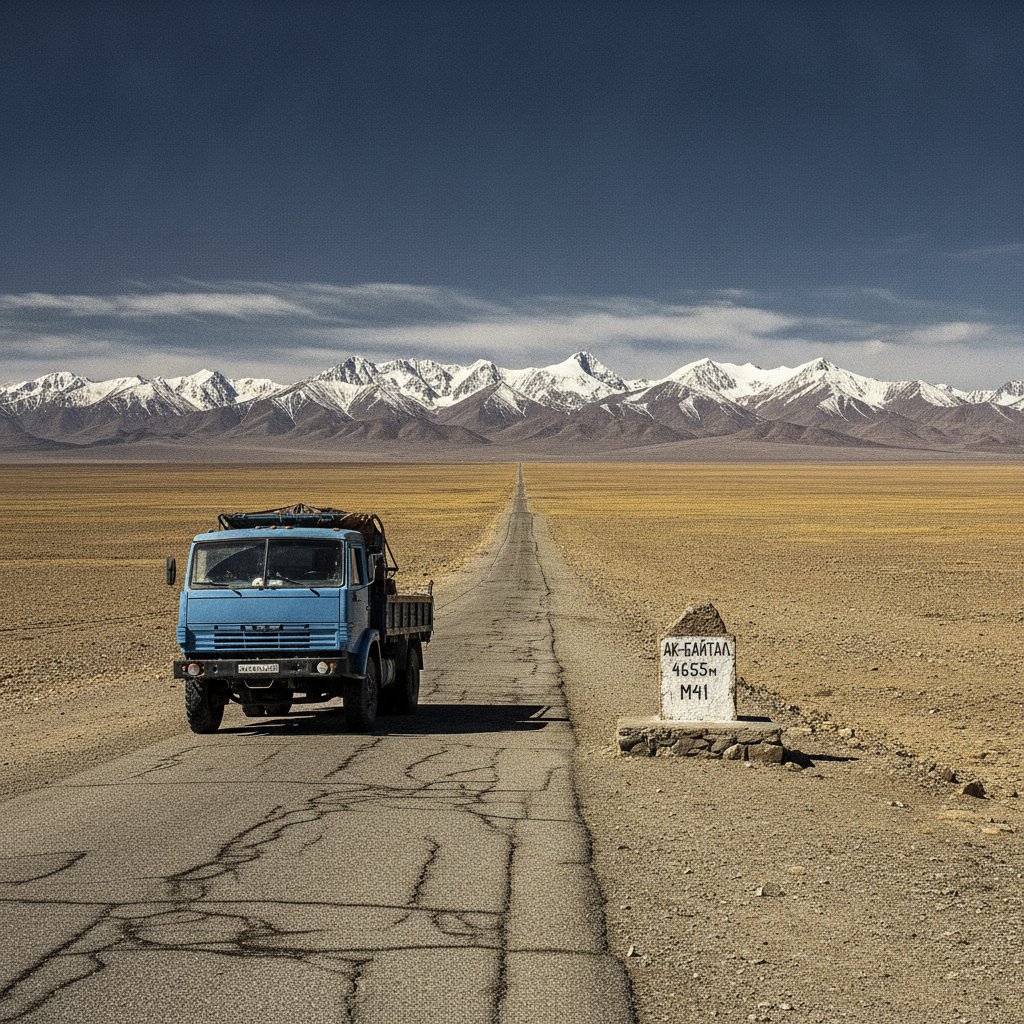
The Sogdian Penjikent Wall Paintings Showing Rustam Scenes 1,200 Years Before Ferdowsi's Shahnameh, Samanid Patronage Simultaneously Producing Rudaki and Ibn Sina & the Pamir Highway Ak-Baital Pass at 4,655m
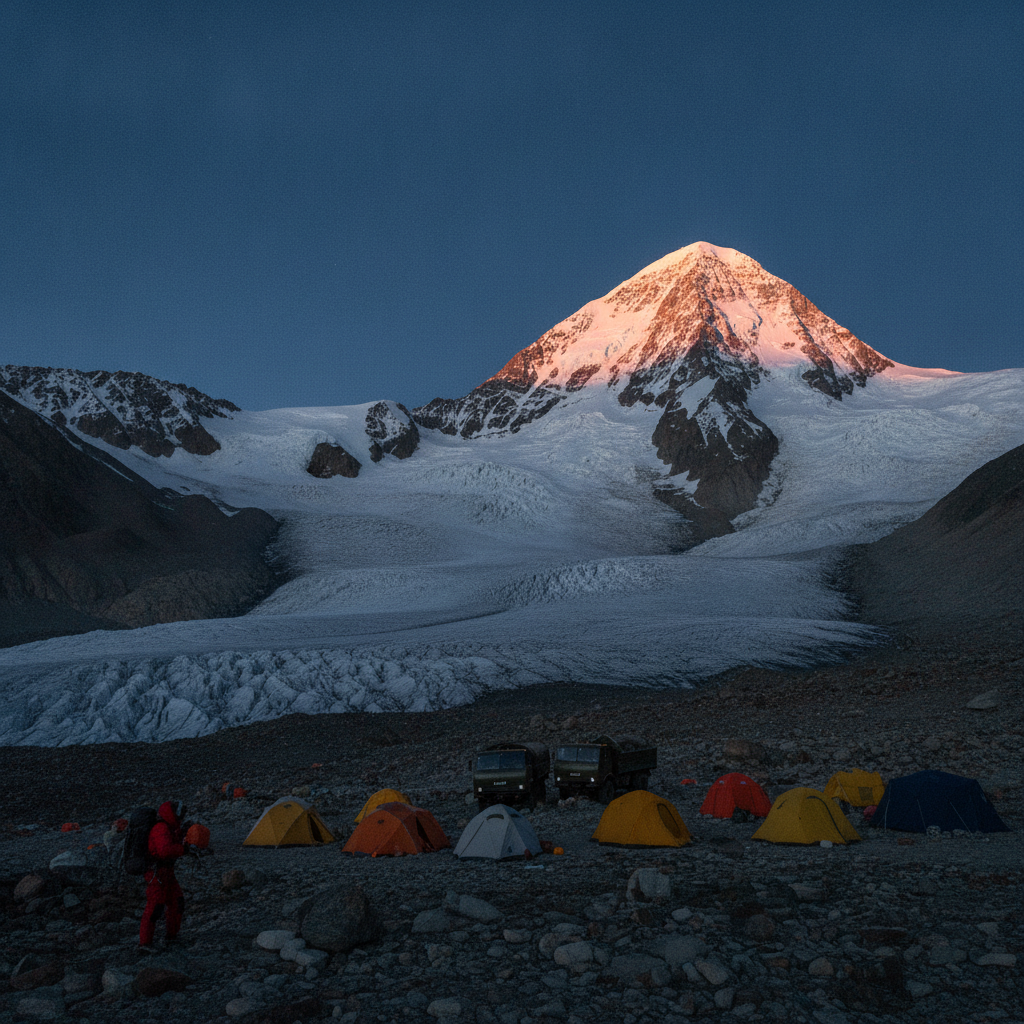
The Aral Sea Shrinking 88% (from 68,000 km² to 8,000 km²) Due to Amu Darya Diversion, Ismoil Somoni Peak the Highest Point in the Former Soviet Union at 7,495m & Tajikistan the Poorest Former Soviet Republic at USD 1,200 GDP Per Capita
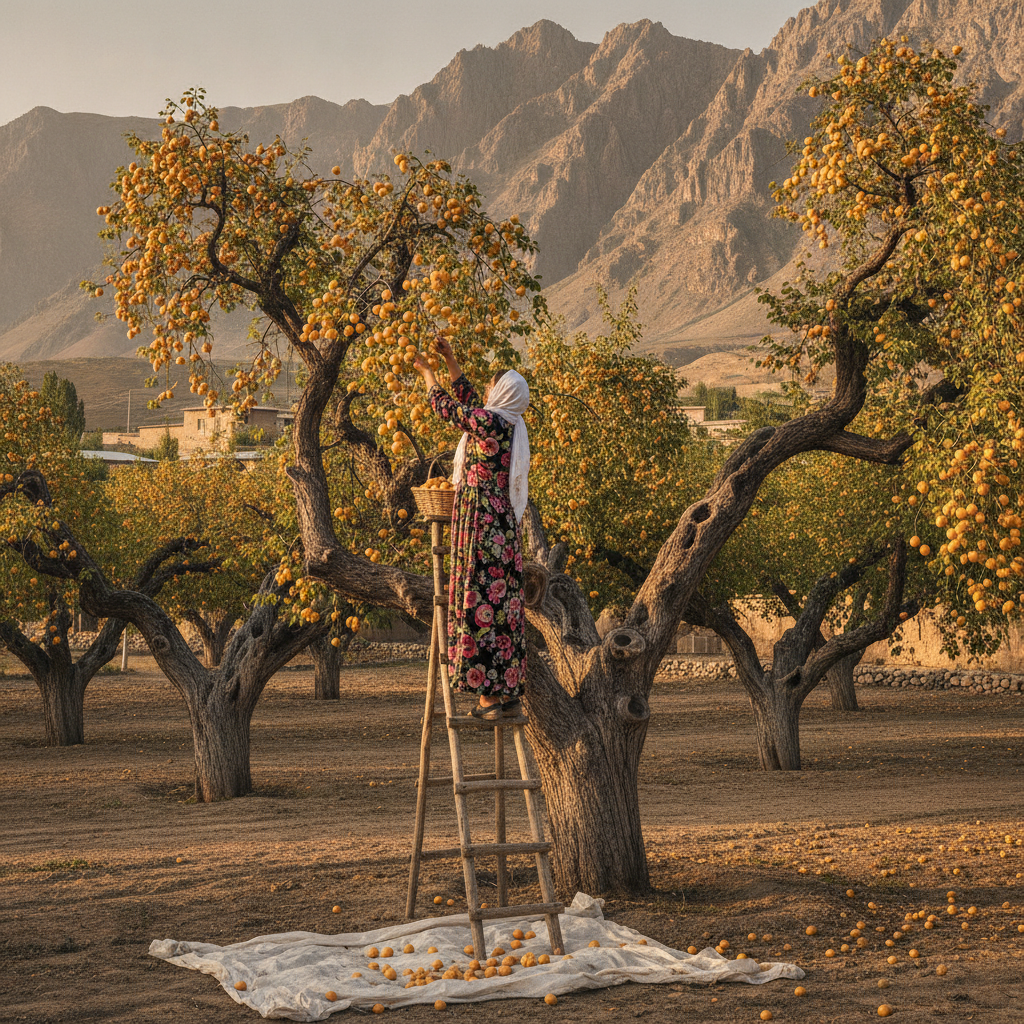
Ferdowsi's Shahnameh at 60,000 Couplets the Longest Single-Authored Epic in World Literature, Tajikistan's 150+ Apricot Varieties vs the 3-5 Commercial Varieties Globally & Penjikent Directly Route via Uzbekistan Requires a Transit Visa
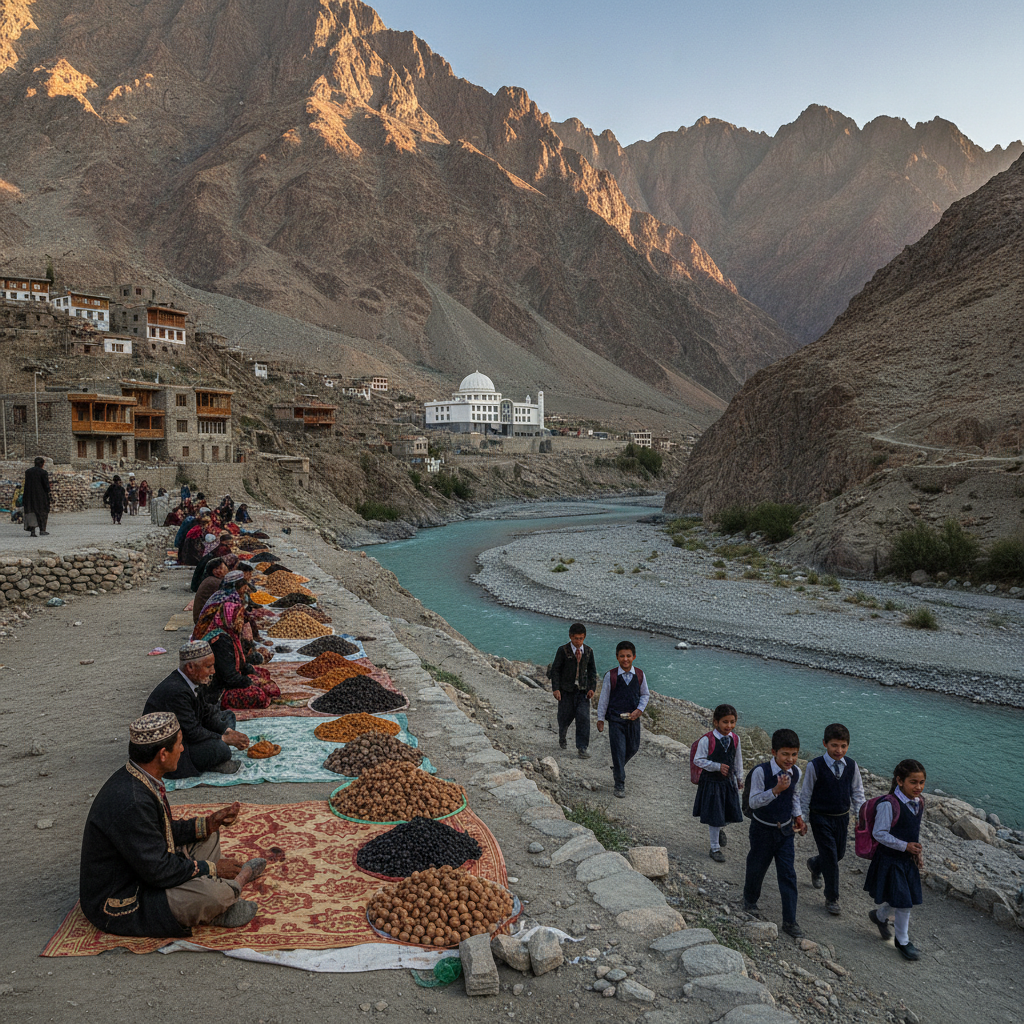
The Sogdian 4th-Century Merchant Letters the Earliest Documentary Evidence of Long-Distance Private Commerce, the Rogun Dam at 335m Would Beat the Jinping-I by 30m & Pamiri Languages Descended from Scythian Not Persian