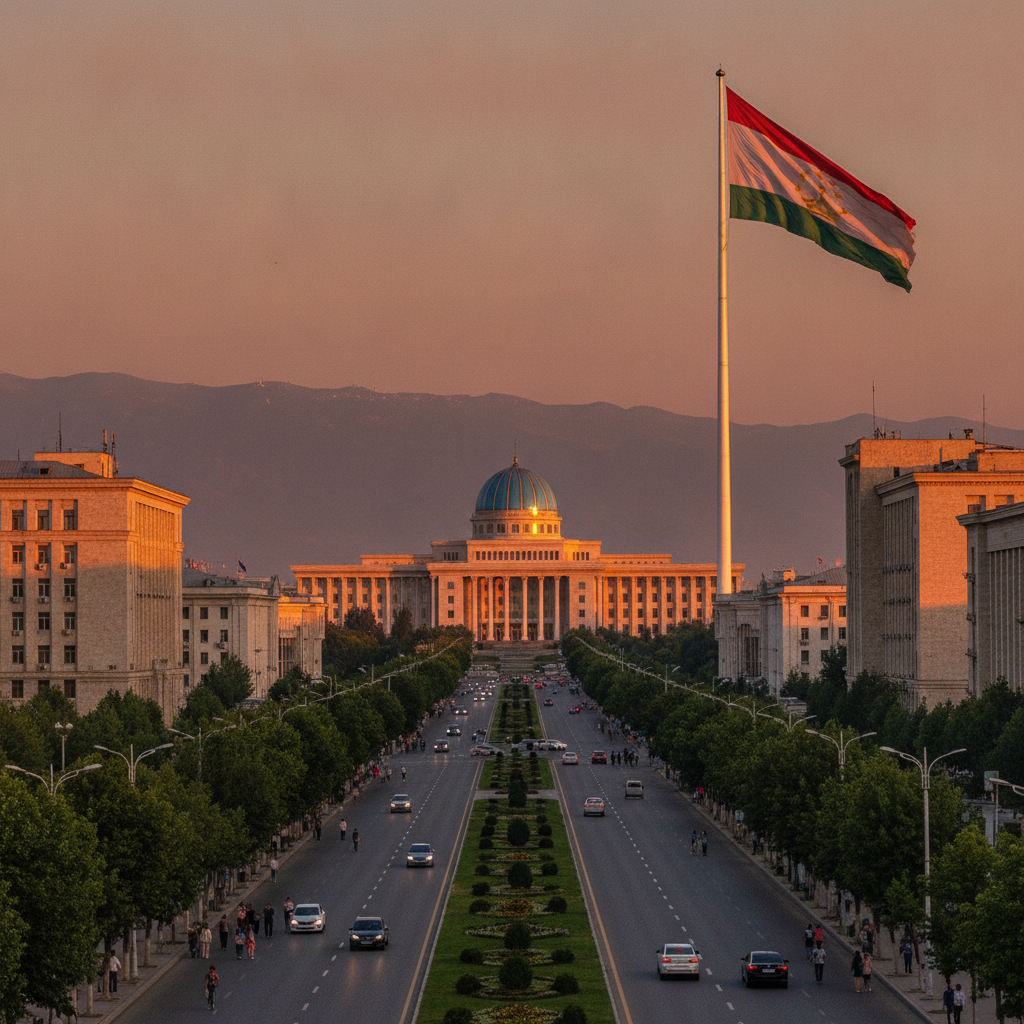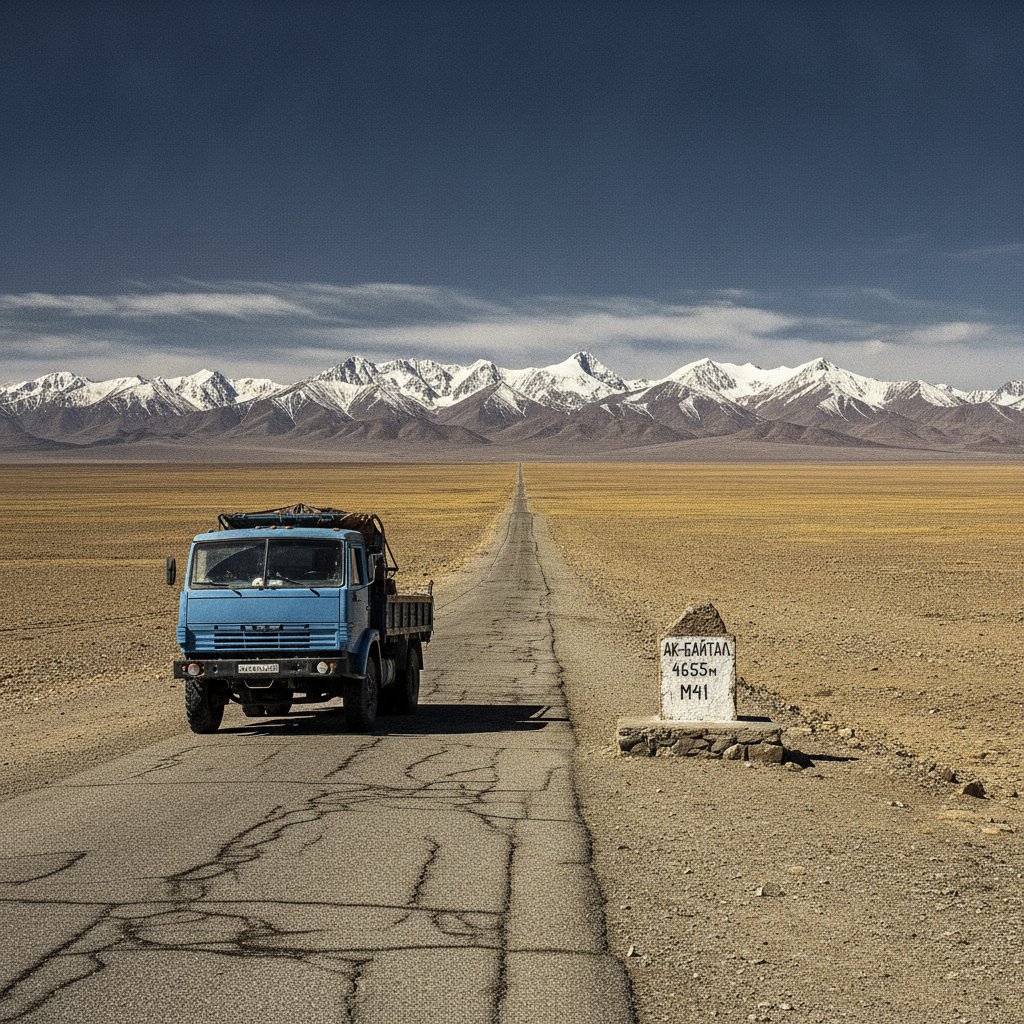
The Sogdian Penjikent Wall Paintings Showing Rustam Scenes 1,200 Years Before Ferdowsi's Shahnameh, Samanid Patronage Simultaneously Producing Rudaki and Ibn Sina & the Pamir Highway Ak-Baital Pass at 4,655m
The Sogdian Penjikent frescoes (5th–8th century CE) depicting scenes later immortalized in Ferdowsi's Shahnameh; the Samanid court in Bukhara simultaneously patronizing Rudaki (Father of Persian Poetry) and Ibn Sina (Avicenna); the 1992–1997 Civil War killing 100,000 and displacing 1.2 million in a nation of 5.3 million; the qurutob (flatbread soaked in dissolved kurut sour milk) as the most ancient surviving Tajik peasant dish; the Pamir Ak-Baital Pass at 4,655m as the highest paved road in the former Soviet Union; and Lake Sarez formed in 1911 by an earthquake-triggered landslide damming the Murgab River.
- 1
Penjikent – Pompeii of Central Asia
The Penjikent archaeological heritage (the most significant pre-Islamic archaeological site in Tajikistan — the Sogdian city known as the Pompeii of Central Asia): the archaeological guide. The Penjikent (the ancient city of Penjikent (Панҷакент) 65 km east of Samarkand (in Tajikistan, near the Uzbek border): the archaeological site (the excavations of ancient Penjikent (begun by Soviet archaeologists in 1946) have revealed one of the most complete pictures of Sogdian urban life in the 5th–8th century CE: the Sogdians (the ancient Penjikent was a prosperous Sogdian merchant city on the upper Zerafshan River — the Sogdians were the dominant long-distance trading people of the Silk Road from approximately 300 BCE to 800 CE: the wall paintings (the primary archaeological treasure of ancient Penjikent is the extensive collection of secular wall paintings covering the walls of the aristocratic houses and temples: the paintings depict: epic battle scenes (identifiable as scenes from the Shahnameh (the Persian Book of Kings) and the Rustam legend cycle); feasting scenes (the aristocratic banquet scenes show musicians, dancers, and elaborate food service); mythological scenes (the Zoroastrian divine figures including Nana (the supreme goddess of Sogdian religion) and Siyavush (the tragic prince of Persian mythology)): the Rustam connection (the Sogdian hero Rustam — the greatest hero of Persian mythology — is believed by scholars to have Sogdian origins from the Penjikent area: the Rustam legends in the Shahnameh appear to preserve memories of the pre-Islamic Sogdian warrior aristocracy of the Zerafshan Valley).
- 2
The Pamir Mountains – World's Third Highest Range
The Pamir mountain heritage (the Pamir — the mountainous region of eastern Tajikistan — the world's third-highest mountain system and one of the most remote inhabited regions on earth): the Pamir heritage guide. The Pamirs (the Pamir (Помир — the Roof of the World) — the high-altitude plateau and mountain system in eastern Tajikistan occupying the Gorno-Badakhshan Autonomous Oblast (GBAO): the geography (the Pamir is the confluence of three great mountain ranges: the Tian Shan (to the north and northeast), the Karakoram (to the southeast — continuing into Pakistan), and the Hindu Kush (to the southwest — continuing into Afghanistan): the highest peaks (the primary Pamir peaks: Ismoil Somoni Peak (7,495m — formerly Peak Communism, renamed for the Samanid ruler Ismoil Somoni in 1998 — the highest point in Tajikistan and in the former Soviet Union): Peak Lenin (7,134m — on the Tajikistan-Kyrgyzstan border): Peak Korzhenevskaya (7,105m)): the lakes (the primary Pamir lakes: Lake Karakul (Қаракул — Black Lake) at 3,914m altitude — the highest lake in Tajikistan, a stark saline endorheic lake surrounded by 7,000m peaks: Lake Sarez (the Sarez Lake — formed in 1911 when a massive landslide triggered by an earthquake dammed the Murgab River creating a 60 km lake at 3,270m altitude): the Wakhan (the Wakhan Corridor in the southern Pamir — the narrow strip of Afghan territory along the Panj River bordering Tajikistan: the Wakhan is one of the most remote inhabited areas in Asia — the Wakhi people have lived in this valley for millennia).
- 3
Tajik Cuisine – Oshi Palov & the Persian Table
The Tajik culinary tradition (the most Persian-influenced of the Central Asian cuisines — the Tajik food tradition bridges the nomadic Turkic food culture of Central Asia with the sophisticated urban cuisine of Iranian civilization): the cuisine guide. The oshi palov (the Tajik oshi palov (Ошӣ палов) — the national dish of Tajikistan: the Tajik palov is technically identical to the Uzbek plov (Central Asian rice pilaf) but the Tajik tradition has more Persian-influenced variations: the composition (the standard Tajik palov: mutton or beef, long-grain rice (devzira), yellow carrots, yellow onion, cumin, and barberries cooked in cotton seed oil in a large kazan (cast iron cauldron): the Tajik variations include the addition of dried apricots (qaysі — the apricot is the most important fruit in Tajik culture) and raisins — a more Persian-influenced sweet-savory combination than the standard Uzbek plov): the kaurdak (the Tajik fried meat and onion dish — sliced lamb fried with onions and served with flatbread): the shurbo (the Tajik lamb bone broth soup — the equivalent of Kyrgyz shorpo — the primary warming soup of the mountain winter diet): the qurutob (the most characteristically Tajik dish — qurutob (Қурутоб — the salt cheese water): a cold salad of broken flatbread soaked in diluted kurut (sour dried milk dissolved in water) topped with raw onion, tomatoes, and fresh herbs, and drizzled with cotton seed oil: the qurutob is the most ancient surviving dish of the Tajik peasant kitchen): the Barakat Restaurant (the primary restaurant for traditional Tajik food in Dushanbe — located on Rudaki Avenue).
- 4
The Samanid Dynasty – Tajikistan's Golden Age
The Samanid Dynasty heritage (the golden age of Tajik-Persian civilization — the Samanid dynasty (819–999 CE) that presided over the greatest flourishing of Persian literary and scientific culture): the historical heritage guide. The Samanids (the Samanid dynasty (Сомониён — from Saman-Khoda, the ancestor of the dynasty) — the first major Iranian dynasty to rule independently after the Arab Islamic conquest (637–651 CE) that ended the Sassanid Persian Empire: the Samanid domains (the Samanid dynasty ruled from Bukhara (their capital) over a territory covering modern Tajikistan, eastern Iran, Afghanistan, and much of Central Asia: the Samanid cultural achievement (the Samanid period (819–999 CE) was the renaissance of Persian culture after the Arab conquest: the Samanids patronized the revival of the Persian language as a literary and court language (previously suppressed in favor of Arabic): the court of the Samanid ruler Ismoil Samoni in Bukhara was the center of Persian literary and scientific culture in the 9th–10th centuries: the primary Samanid cultural achievements: (1) the patronage of Rudaki (the Father of Persian Poetry) and the first generation of New Persian poets; (2) the patronage of Ibn Sina (Avicenna — the greatest Islamic philosopher-physician) who was born in Bukhara under Samanid rule; (3) the Shahnameh commission (the Samanid ruler Nuh ibn Mansur commissioned the poet Daqiqi to write the Shahnameh — the Persian national epic — which was completed after Daqiqi's death by Ferdowsi): the Ismoil Somoni monument (the primary national monument of Tajikistan — the golden statue of Ismoil Somoni at the Palace of Nations square).
- 5
Tajikistan's Civil War – The 1990s Catastrophe
The Tajikistan Civil War heritage (the devastating civil war (1992–1997) that was the most destructive conflict in post-Soviet Central Asia — the primary event shaping modern Tajikistan): the civil war history guide. The war (the Tajikistan Civil War (1992–1997): the conflict began in May 1992 when political opposition groups (including Islamist forces and democratic reformers) clashed with the communist-era government in Dushanbe: the death toll (the war caused approximately 100,000 deaths and created 1.2 million internally displaced persons (IDPs) out of a total population of 5.3 million — the most devastating per-capita casualty rate of any post-Soviet conflict except the Chechen Wars: the factions (the primary factions: the Popular Front (pro-government, primarily drawn from the Kulyab and Leninabad regions); the Islamic Renaissance Party and United Tajik Opposition (the opposition coalition, primarily drawn from the Gharm and Gorno-Badakhshan regions): the Russian and Uzbek intervention (the Russian 201st Motor Rifle Division (stationed in Dushanbe throughout the Soviet period) supported the pro-government forces and prevented a complete IRP victory: Uzbekistan also provided military support to the pro-government side): the peace agreement (the General Agreement on the Establishment of Peace and National Accord in Tajikistan (1997) — signed in Moscow between the government of Emomali Rahmon and the United Tajik Opposition — the agreement included the integration of 30% of opposition fighters into the Tajik army and security services): the Rahmon era (Emomali Rahmon has ruled Tajikistan since 1992 — he is the longest-serving authoritarian leader in Central Asia).
- 6
Dushanbe to Pamir Highway – The 3-Day Drive
The Pamir Highway driving guide from Dushanbe (the practical guide to the M41 Pamir Highway road journey from Dushanbe to Osh (Kyrgyzstan) — the most spectacular overland road trip available from the Tajik capital): the driving guide. Day 1 (Dushanbe to Kalaikhum or Kulyab — 350–400 km): the route south from Dushanbe to Kulob (Куляб) through the Vakhsh Valley (the primary cotton-growing valley of southern Tajikistan): the road climbs from the Vakhsh lowlands (400m) to the first Pamir passes (2,000m+) by the evening: the accommodation (the small guesthouses in Kalaikhum or Kulyab charge USD 10–20 per night for a basic room with meals): Day 2 (the Wakhan Corridor or the main Pamir Highway): Option A (the Wakhan Corridor road): the longer (but more spectacular) route follows the Afghan border along the Panj River through the Wakhan Corridor to Ishkashim and then north to the main Pamir Highway at Murghab: Option B (the main M41 route): the direct route north through the Pamir plateau via Khorog (the administrative capital of GBAO): Day 3 (Murghab to Sary-Tash (Kyrgyzstan) and Osh): the highest day (the road crosses the Ak-Baital Pass (4,655m) before descending to the Kara-Kul Lake (3,914m) and continuing to the Kyrgyz border at Kyzyl-Art Pass (4,282m): the vehicle requirement (the Pamir Highway requires a 4WD vehicle with high clearance for the Wakhan Corridor section and the road surface above 4,000m: the KAMAZ truck (the Soviet-era 4WD trucks are the most reliable vehicle for the Pamir Highway in the hands of experienced local drivers).
Walk this route with audio
Stories play automatically as you reach each stop — no tapping needed.
More in Dushanbe
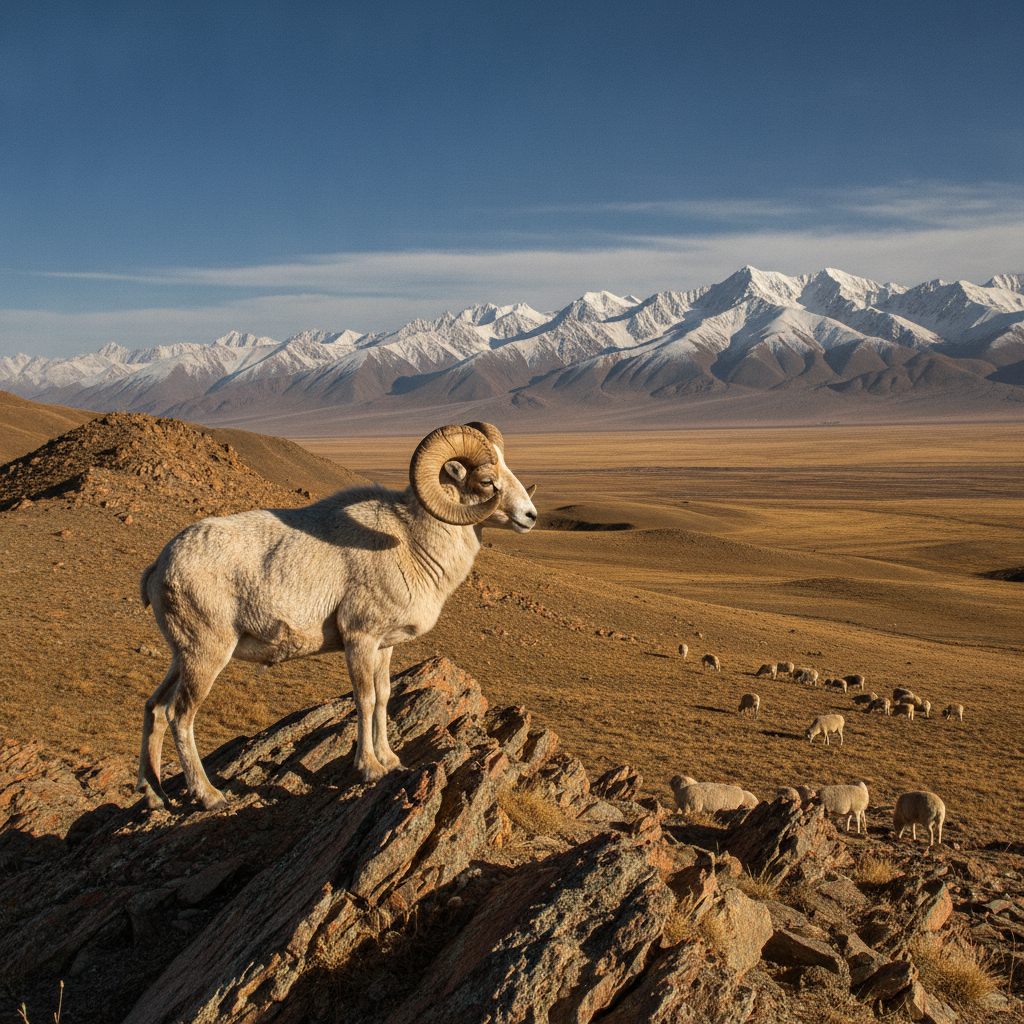
Ibn Sina's Germ Theory of Disease 1,000 Years Before Pasteur, Marco Polo Sheep Horns Reaching 190cm (the Largest of Any Sheep Species) & Tajik and Iranian Persian 90% Mutually Intelligible Despite Different Scripts
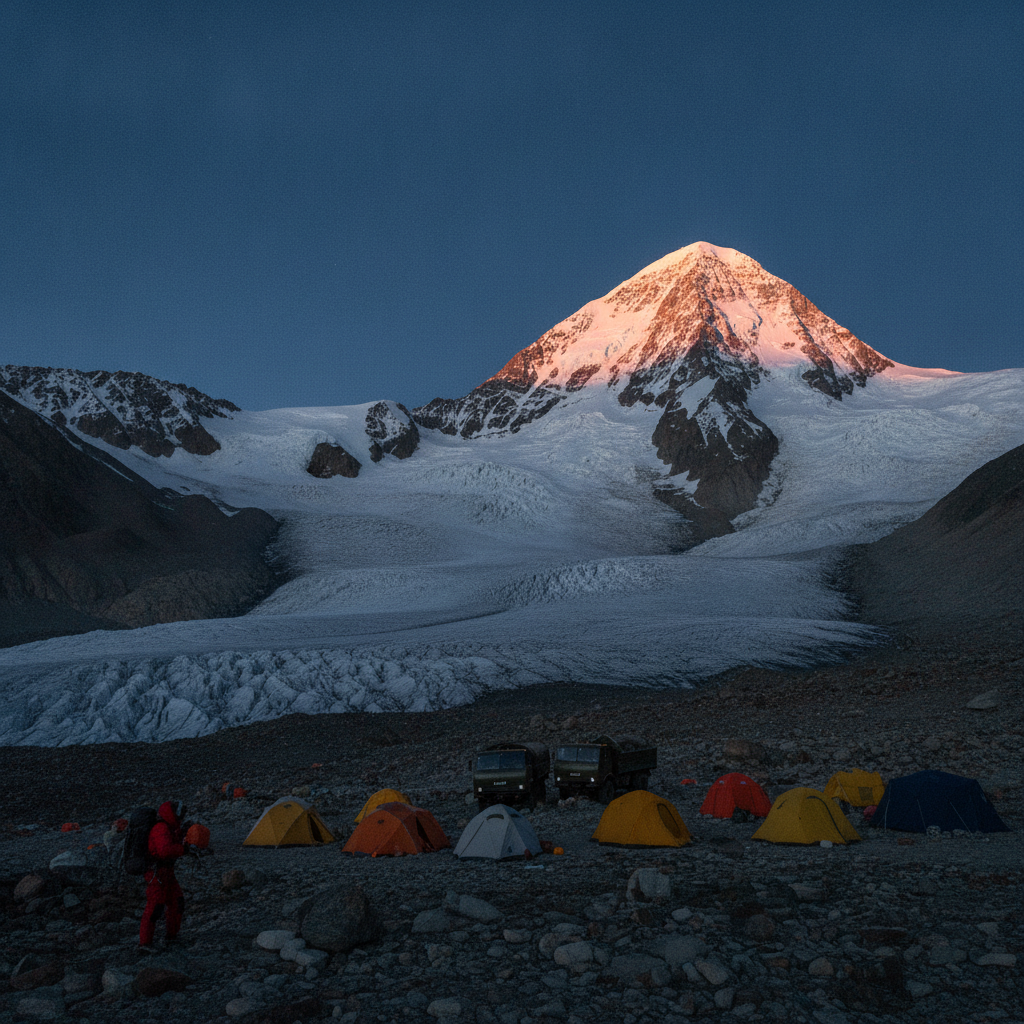
The Aral Sea Shrinking 88% (from 68,000 km² to 8,000 km²) Due to Amu Darya Diversion, Ismoil Somoni Peak the Highest Point in the Former Soviet Union at 7,495m & Tajikistan the Poorest Former Soviet Republic at USD 1,200 GDP Per Capita
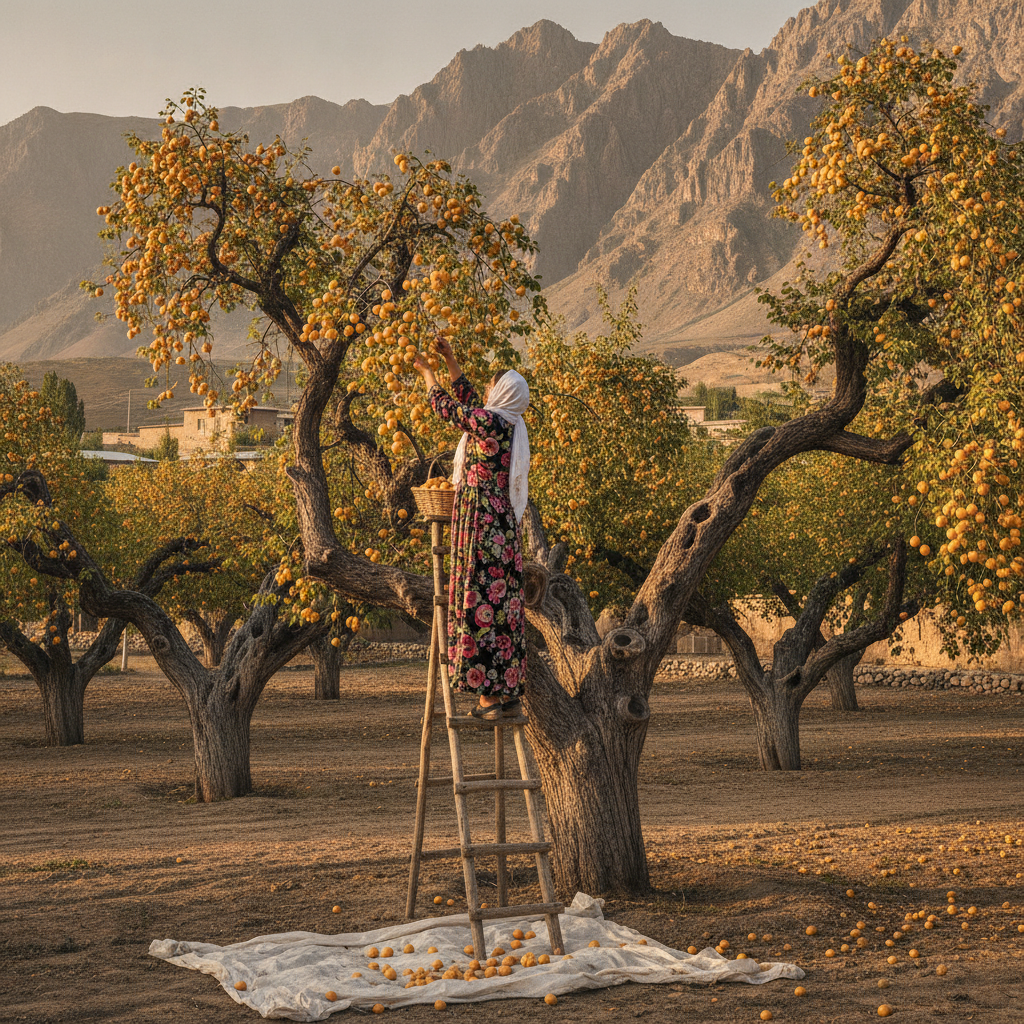
Ferdowsi's Shahnameh at 60,000 Couplets the Longest Single-Authored Epic in World Literature, Tajikistan's 150+ Apricot Varieties vs the 3-5 Commercial Varieties Globally & Penjikent Directly Route via Uzbekistan Requires a Transit Visa
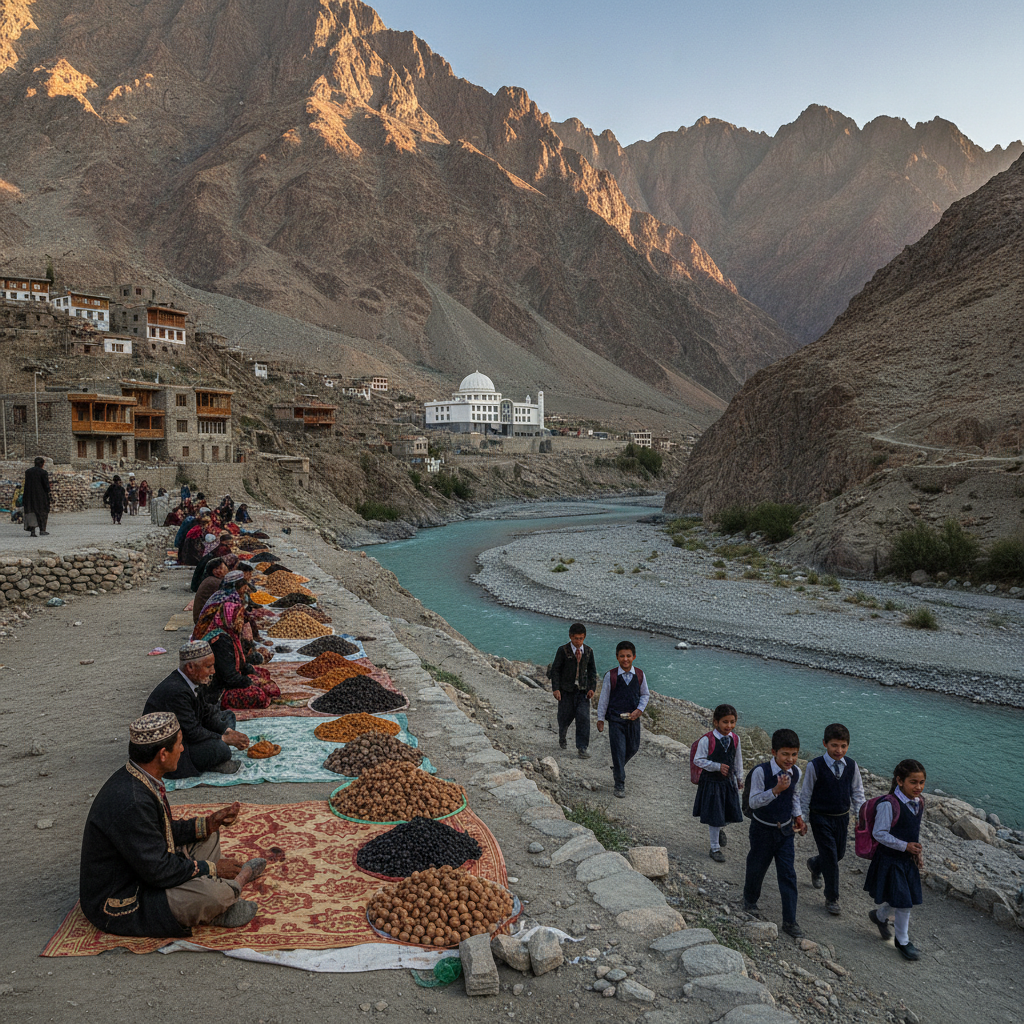
The Sogdian 4th-Century Merchant Letters the Earliest Documentary Evidence of Long-Distance Private Commerce, the Rogun Dam at 335m Would Beat the Jinping-I by 30m & Pamiri Languages Descended from Scythian Not Persian