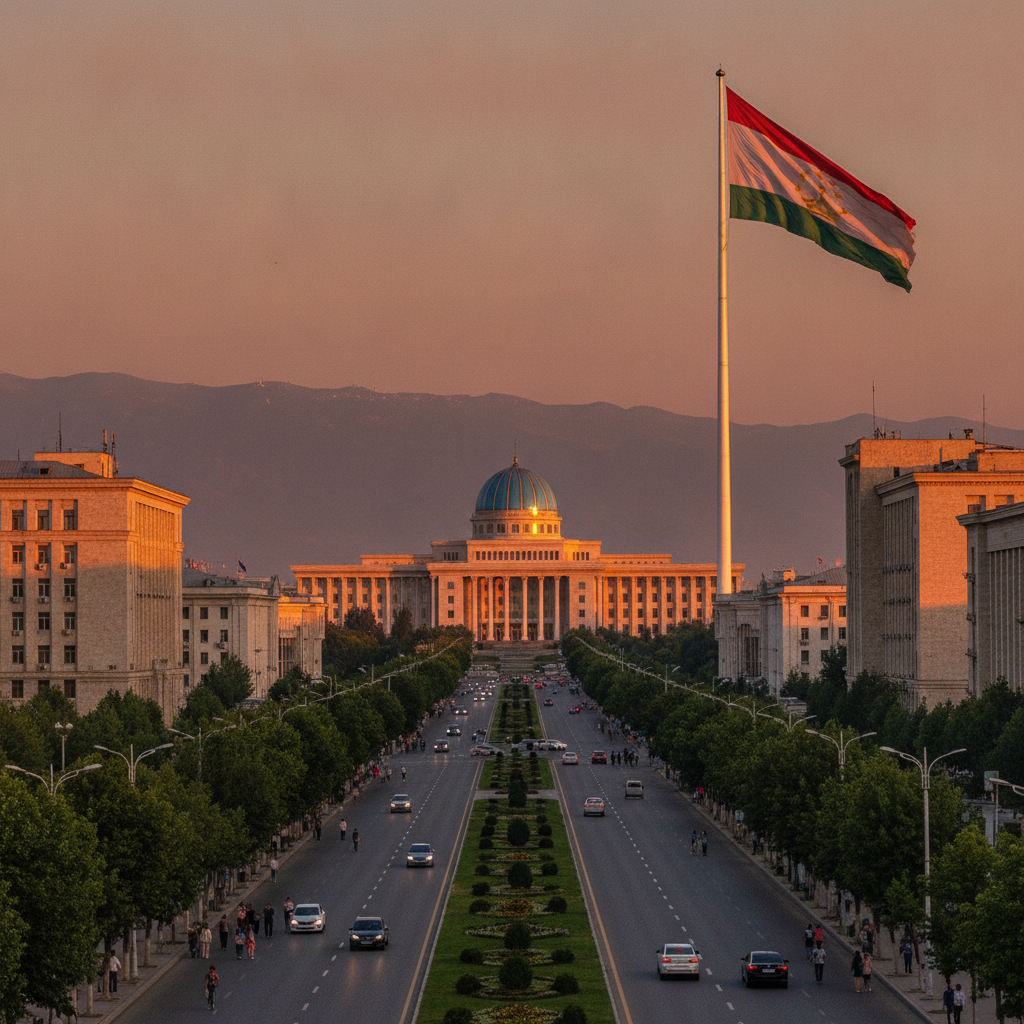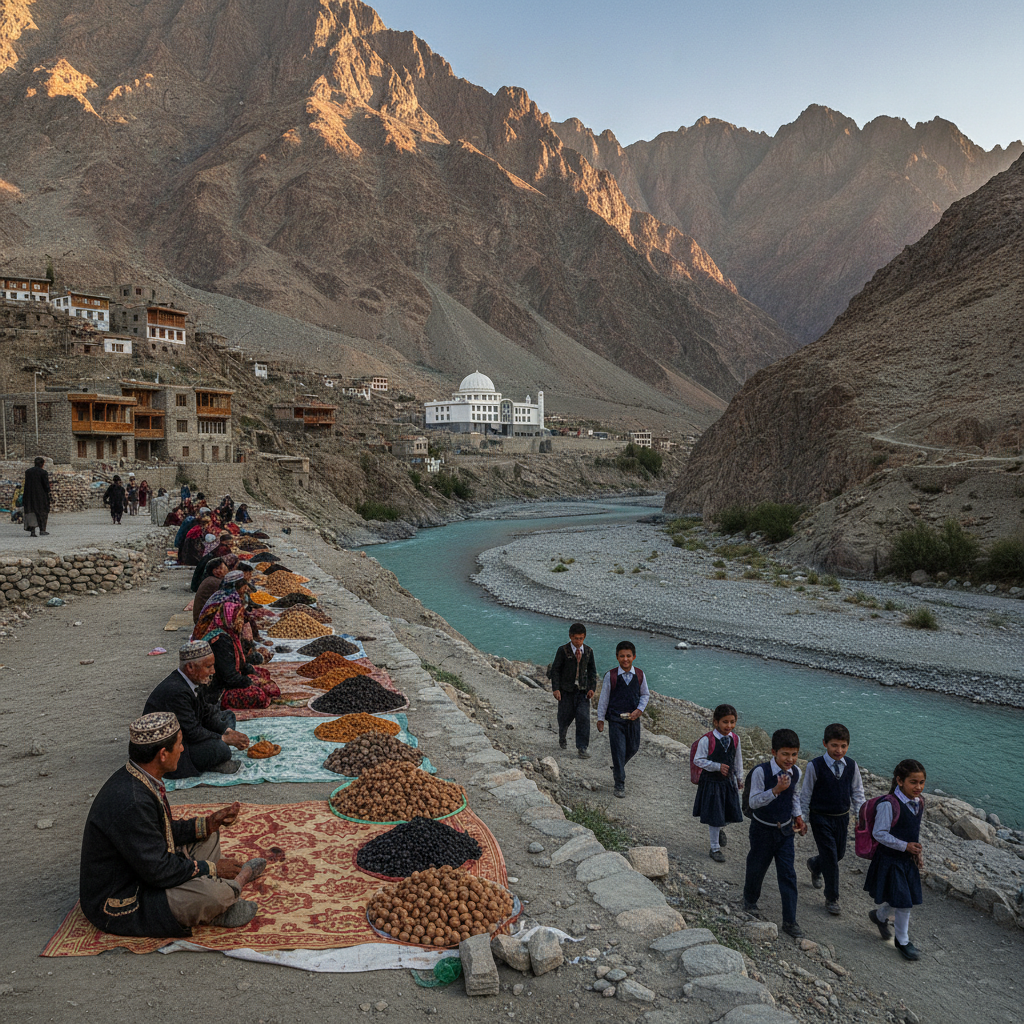
The Sogdian 4th-Century Merchant Letters the Earliest Documentary Evidence of Long-Distance Private Commerce, the Rogun Dam at 335m Would Beat the Jinping-I by 30m & Pamiri Languages Descended from Scythian Not Persian
The Sogdian merchant letters found in Dunhuang (4th century CE describing grain prices in Samarkand) as the earliest documentary evidence of long-distance private commerce in history; the Rogun Dam at 335m planned to surpass the Jinping-I Dam by 30m as the world's tallest; Emomali Rahmon ruling continuously since 1992 as the world's longest-serving non-royal head of state outside Cuba and Uganda; Pamiri languages being East Iranian (related to Scythian and Ossetic) rather than West Iranian like Tajik; the Ismaili identity of the Pamiris making them the only large Ismaili community in the former Soviet Union; and the Chor Taqi traditional Pamiri house with its four columns representing Zoroastrian cosmological elements.
- 1
The Sogdian Heritage – Iran's Lost Merchants
The Sogdian civilization heritage (the Sogdians — the most commercially successful and culturally productive people of pre-Islamic Central Asia — the forgotten ancestors of the modern Tajik people): the Sogdian heritage guide. The Sogdian identity (the Sogdians (Сугдиён in Tajik) — the ancient Iranian-speaking people of the Zerafshan and Kashkadarya river valleys (the region between modern Samarkand and Dushanbe): the Sogdian language (the Sogdian language was an East Iranian language — related to modern Pashto and Ossetian — but unrelated to modern Tajik-Persian (which is a West Iranian language): the Sogdian script was an Aramaic-derived script from which the Uyghur, Mongolian, and Manchu scripts ultimately descended — the writing system traveled east along the Silk Road: the trade network (the Sogdians operated the most extensive private merchant trading network in pre-modern history — the Sogdian merchant letters (4th-century CE letters from Chinese Dunhuang describing grain prices in Samarkand and slave trade in India) are the earliest direct documentary evidence of long-distance private commerce in history: the Sogdian colonies (the Sogdians established merchant colonies along the entire Silk Road from Constantinople to China — the Sogdian colony in Dunhuang (western China) operated for 400+ years: the Sogdian religion (the Sogdians practiced a syncretic religion combining Zoroastrianism (the primary faith), Manichaeism, Buddhism, Nestorian Christianity, and later Islam — the Sogdian cultural openness to multiple religions made them uniquely effective as cross-cultural commercial intermediaries).
- 2
Tajikistan's Water Crisis – The Rogun Dam
The Tajikistan water politics (the Rogun Dam — the unfinished hydroelectric dam on the Vakhsh River that represents both the greatest infrastructure ambition of modern Tajikistan and its most contentious geopolitical project): the water politics guide. The Rogun Dam (the Rogun Dam (Нерӯгоҳи Барқи Об Роғун) on the Vakhsh River 110 km east of Dushanbe: the specifications (the Rogun Dam design calls for a 335m embankment dam — which would make it the tallest dam in the world, surpassing the current record holder (the Jinping-I Dam in China at 305m) by 30m: the reservoir (the Rogun reservoir would flood the Rogun Canyon and displace approximately 42,000 people (the Vakhshis of the Gharm Valley) from their ancestral lands: the Soviet history (the Rogun Dam was begun in 1976 as a Soviet project — construction was interrupted by the 1988 earthquake that damaged the partially built structure and the 1991 Soviet collapse that stopped all funding: the current construction (the Tajik government restarted Rogun construction in 2016 — the dam was partially impounded in 2018 and began generating electricity in 2018 (the first of six planned turbines): the geopolitical conflict (the Rogun Dam is strenuously opposed by Uzbekistan — the Uzbek government argues that the dam will: (1) reduce the flow of the Amu Darya to Uzbek irrigation; (2) threaten catastrophic flooding of Uzbekistan if the dam fails): the Aral Sea connection (the Amu Darya (the Rogun Dam's river system) is one of the two rivers that once fed the Aral Sea — its diversion for irrigation is the primary cause of the Aral Sea's catastrophic shrinkage since the 1960s).
- 3
Tajikistan Under Rahmon – Authoritarianism & Nation-Building
The Tajikistan political system (the authoritarian governance of Emomali Rahmon — the longest-serving ruler in Central Asia and the architect of Tajikistan's post-civil war recovery and political system): the political heritage guide. The Rahmon era (Emomali Rahmon (Эмомалӣ Раҳмон — born 1952 in the Kulob region of southern Tajikistan) has ruled Tajikistan as either Prime Minister or President since November 1992 — making him the longest-continuously-serving non-royal head of state in the world outside of Cuba (Raul Castro) and Uganda (Museveni): the political system (Tajikistan is a presidential republic with a unicameral parliament — in practice the country is a personalist autocracy under Rahmon: the People's Democratic Party of Tajikistan (PDPT) controls all political institutions: the opposition (the primary opposition forces — the Islamic Renaissance Party (IRP) and the United Tajik Opposition — were incorporated into the government by the 1997 peace agreement, then progressively suppressed: the IRP was banned as a terrorist organization in 2015): the personality cult (Rahmon has constructed a moderate personality cult centered on his identity as the leader of the Tajik nation and the protector of peace after the civil war: the title Asosgar (Founder) was formally adopted by the Tajik government: the son (Rustam Emomali — the son of President Rahmon — was appointed Chairman of the Senate (Majlisi Milli) in 2020 — a position that makes him the constitutional successor to the presidency: the dynasty transition is widely anticipated): the Tajikization (the renaming of Soviet-era city names with Tajik-Persian names (Leninabad became Khujand, Kommunizm Peak became Ismoil Somoni Peak): the reorientation of national identity toward the Samanid Persian heritage rather than the Soviet past).
- 4
Dushanbe's Green Markets & Soviet Heritage
The Dushanbe market and Soviet heritage (the vibrant bazaar culture and Soviet architectural legacy that together define the urban character of Dushanbe): the market and architecture guide. The Green Bazaar (the Green Bazaar (Бозори Сабз — Bozori Sabz) on Shotemur Street — the primary food market of Dushanbe: the market (the Green Bazaar operates daily from 07:00 to 19:00 in a covered hall built in the 1970s Soviet style with an outer courtyard: the market sections: the dried fruit section (the most spectacular section of the Green Bazaar — the dried apricots (qurmoq), dried figs (anjir), dried mulberries (tut — the most characteristically Tajik dried fruit), and dried pomegranate seeds (anor dona) from the Zerafshan Valley and the Hissar Valley farms: the nuts section (the walnuts, pistachios, and almonds from the Pamir and Tajik mountain regions): the fresh produce section (the summer produce from the Vakhsh and Hissar valleys — the Tajik tomatoes, cucumbers, melons, and sweet peppers are considered the finest in Central Asia): the Aini square (the central square of Dushanbe (formally named Sadriddin Aini Square after the Tajik-Soviet author Sadriddin Aini (1878–1954) — the founding figure of modern Tajik literature): the square contains the Sadriddin Aini statue and is surrounded by the primary Soviet public buildings: the Tajik Drama Theater (the national theater on Aini Square — built in the Soviet neoclassical style with a red-and-white columned portico): the Kohi Navruz (the Navruz Palace) — the spectacular new convention center built in 2014 in the traditional Tajik architectural style with carved plaster (ganch) ornamentation).
- 5
Tajik Silk & Traditional Crafts – Adras & Ikat
The Tajik craft tradition (the traditional textile arts of Tajikistan — the silk and cotton weaving traditions that link modern Tajikistan to the ancient Silk Road): the craft heritage guide. The adras (the Tajik adras (Атлас / Адрас) — the traditional ikat-dyed silk-cotton fabric: the adras (the half-silk fabric — one warp thread silk, one cotton) is the most widely used traditional fabric in Tajikistan for everyday clothing: the ikat dyeing process (the ikat technique (tie-dye resist on the warp threads before weaving) produces the distinctive blurred diagonal stripe patterns characteristic of Central Asian silk textiles: the Khujand tradition (the city of Khujand (Хуҷанд) in northern Tajikistan (the Fergana Valley portion of Tajikistan) is the center of the Tajik silk weaving tradition — the Khujand silk workshops produce the finest adras and atlas silk fabrics in Tajikistan: the suzani (the Tajik suzani — the large embroidered hanging made of cotton fabric with silk thread embroidery — used as a wall hanging, a bed cover, or a dowry item: the Tajik suzani is distinguished from the more famous Uzbek suzani by the use of finer silk thread and a preference for floral rather than medallion compositions): the felt crafts (the felt-making tradition (namad) — the Tajik felt is used primarily for floor coverings and wall insulation in mountain dwellings: the namad is simpler in design than the Kyrgyz shyrdak — primarily single-color with geometric border patterns): the Tajik woodcarving (the carved wooden columns (ustun) and doors of traditional Tajik architecture are the primary woodcarving tradition — the most elaborate examples surviving in Dushanbe are in the Hissar Fortress gateway).
- 6
Khorog & the Pamiri People – GBAO Heritage
The Khorog and GBAO heritage (the Gorno-Badakhshan Autonomous Oblast (GBAO) and its capital Khorog — the primary center of the Pamiri (Ismaili Muslim) culture in Central Asia): the GBAO heritage guide. The Khorog (Хоруғ — the administrative capital of GBAO, 524 km southeast of Dushanbe on the Pamir Highway: the population (the city of Khorog has approximately 30,000 inhabitants): the location (Khorog is situated at the confluence of the Gunt and Panj rivers at 2,200m altitude — directly on the Afghan border (the Panj River forms the Tajikistan-Afghanistan border at Khorog): the University of Central Asia (the Aga Khan University of Central Asia in Khorog — the primary higher education institution in GBAO: the university was established in 2000 through an endowment from the Aga Khan Development Network): the Pamiri people (the Pamiri peoples (Помириён) — the indigenous people of the Pamir mountains: the Pamiris speak Pamiri languages (a subgroup of the East Iranian language family unrelated to Tajik-Persian): the primary Pamiri languages: Shughni (the most widely spoken — 80,000 speakers in Tajikistan and Afghanistan), Wakhi (30,000 speakers in the Wakhan Corridor), Ishkashimi, Sanglechi, and Rushani: the Ismaili Islam (the Pamiris are Shia Ismaili Muslims (followers of the Aga Khan — the 49th hereditary Imam of the Ismaili tradition): the Ismaili identity sets the Pamiris apart from the Sunni Tajik majority — the Aga Khan Development Network is the primary social development organization in GBAO: the traditional Pamiri house (the traditional Pamiri house (the Chor Taqi — the four-pillar house) is the primary architectural form of the Wakhan and Shughnan valleys — the house is centered on a square skylight supported by four columns representing the four elements of Zoroastrian cosmology).
Walk this route with audio
Stories play automatically as you reach each stop — no tapping needed.
More in Dushanbe
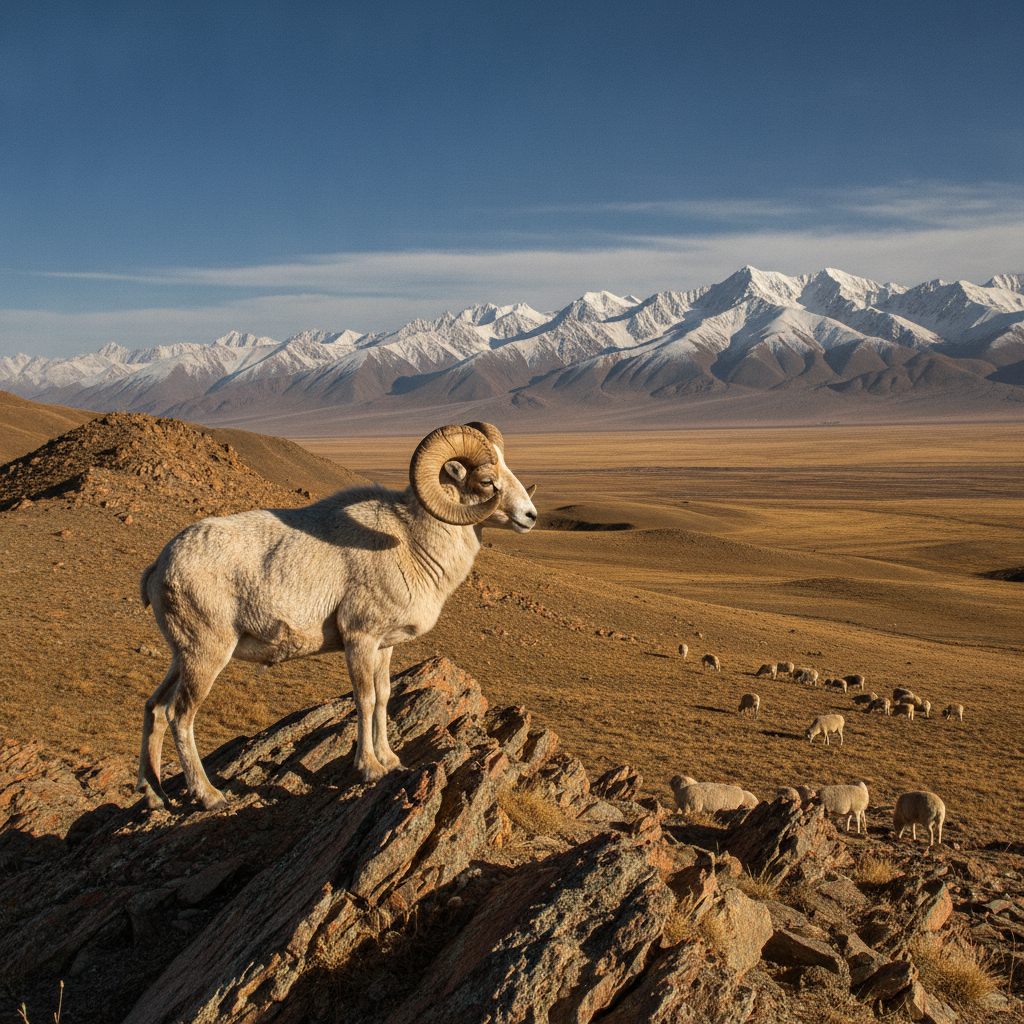
Ibn Sina's Germ Theory of Disease 1,000 Years Before Pasteur, Marco Polo Sheep Horns Reaching 190cm (the Largest of Any Sheep Species) & Tajik and Iranian Persian 90% Mutually Intelligible Despite Different Scripts
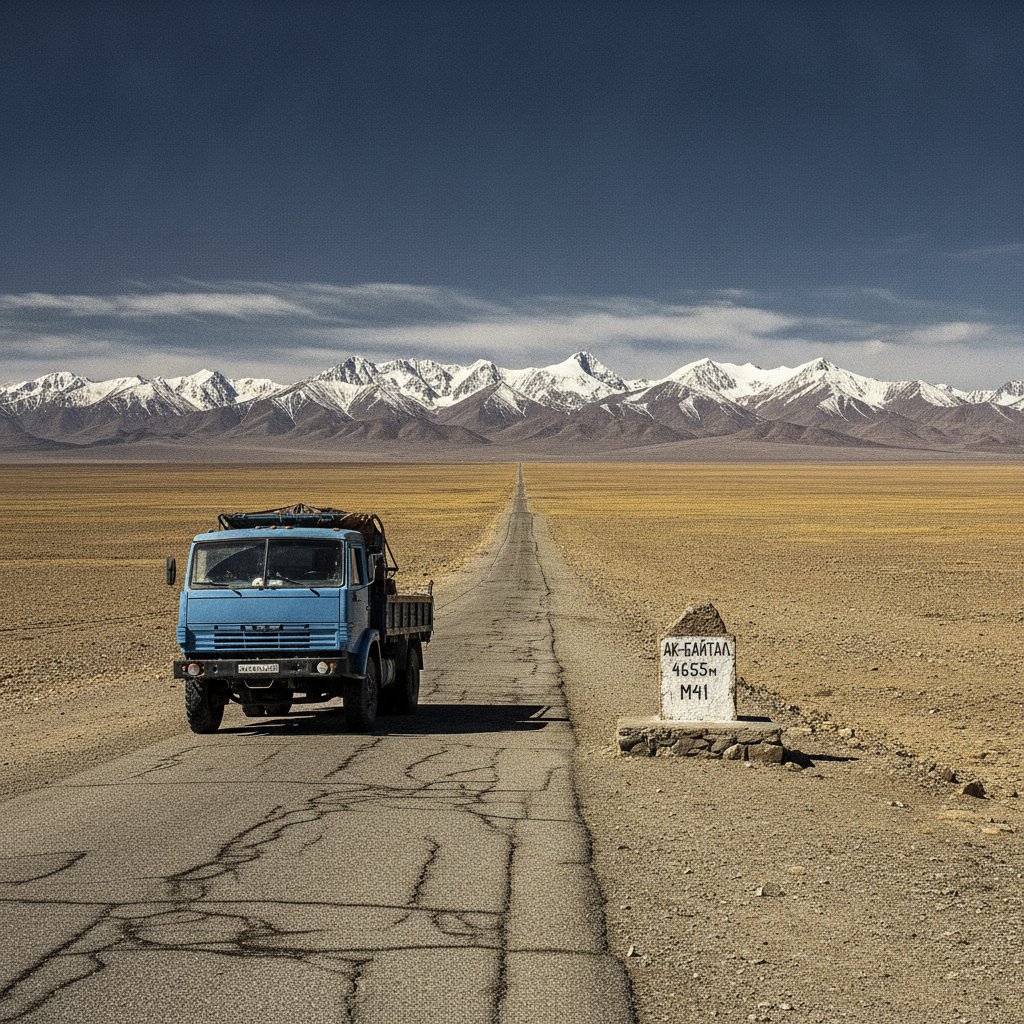
The Sogdian Penjikent Wall Paintings Showing Rustam Scenes 1,200 Years Before Ferdowsi's Shahnameh, Samanid Patronage Simultaneously Producing Rudaki and Ibn Sina & the Pamir Highway Ak-Baital Pass at 4,655m
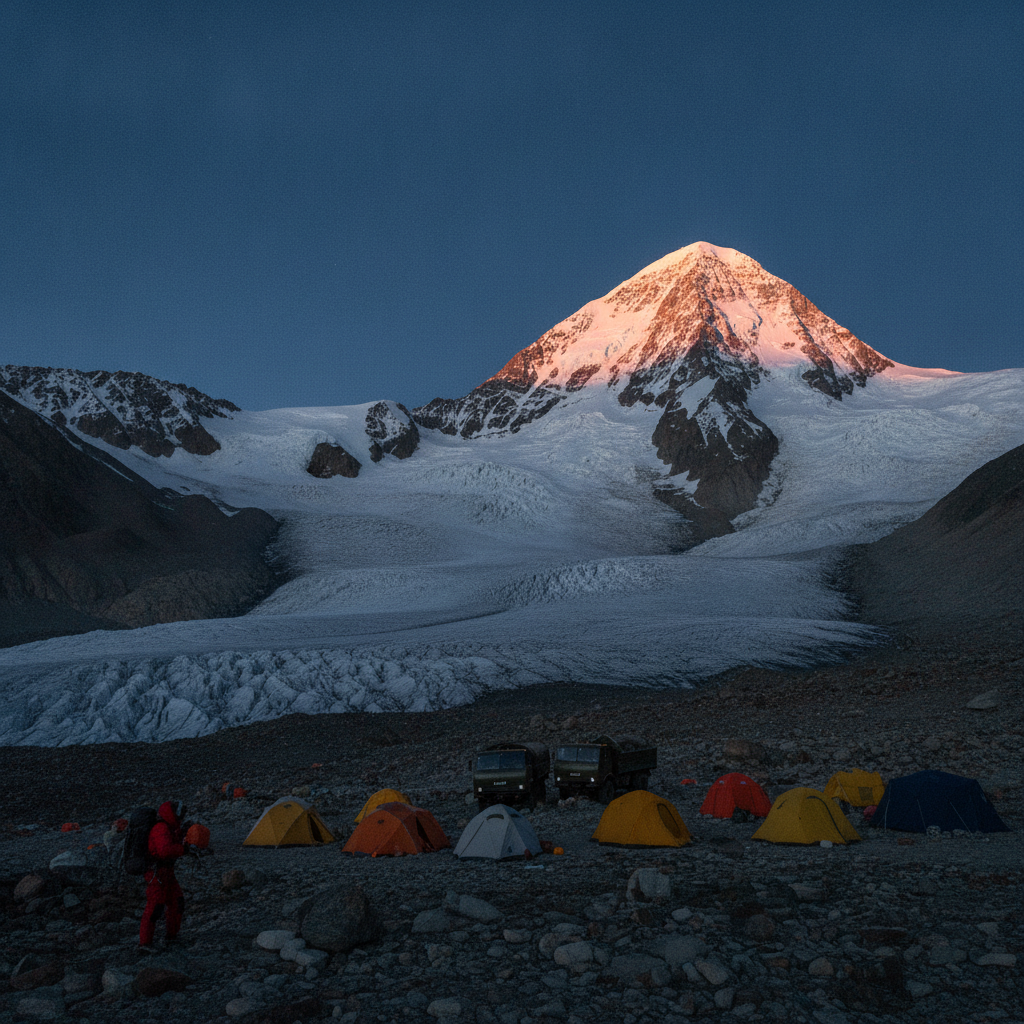
The Aral Sea Shrinking 88% (from 68,000 km² to 8,000 km²) Due to Amu Darya Diversion, Ismoil Somoni Peak the Highest Point in the Former Soviet Union at 7,495m & Tajikistan the Poorest Former Soviet Republic at USD 1,200 GDP Per Capita
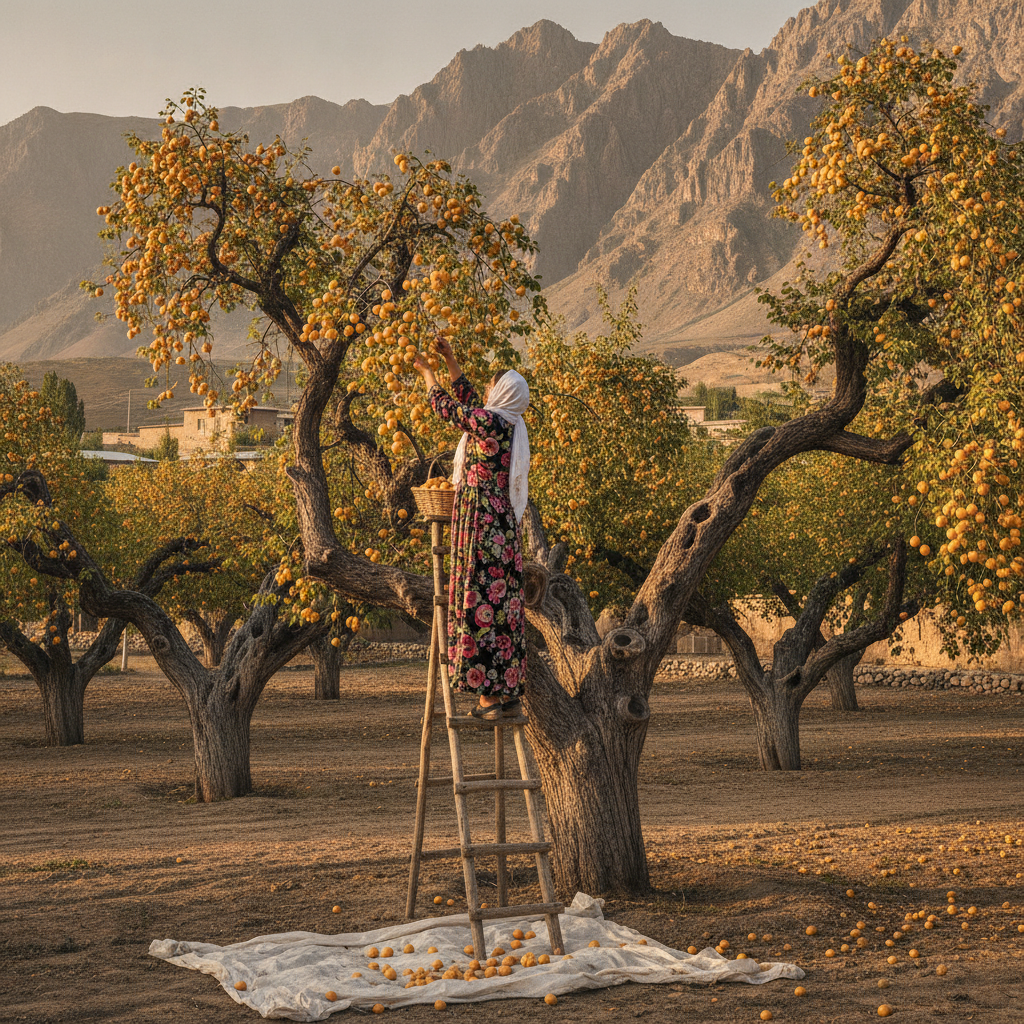
Ferdowsi's Shahnameh at 60,000 Couplets the Longest Single-Authored Epic in World Literature, Tajikistan's 150+ Apricot Varieties vs the 3-5 Commercial Varieties Globally & Penjikent Directly Route via Uzbekistan Requires a Transit Visa