Ephesus Museum and Streets: Selcuk Archaeological Museum Collections, Isa Bey Mosque Seljuk Architecture, the Curetes Street Marble Paving, Ancient Public Fountains, the Brothel and the Social Life, and the Marble Road
The Ephesus museum and streetscape route covers the Selcuk Archaeological Museum with the original Artemis statues and the Ephesus finds, the Isa Bey Mosque with the recycled Byzantine columns, the Curetes Street marble paving and the monuments, the ancient public fountains including the Trajan Fountain, the social life of the Roman city, and the Marble Road processional route.
- 1
Selcuk Archaeological Museum: The Artemis Statues
The Selcuk Archaeological Museum, the regional museum adjacent to the Ephesus site that houses the most important finds from the excavations, contains the two large Artemis of Ephesus cult statues that are the most recognizable representations of the Ephesian Artemis with the multi-breasted torso, the animal reliefs, and the calendar symbols that characterize the distinctive iconography of the Ephesian goddess. The museum also houses the original four Virtue statues from the Library of Celsus niches, the bronze statuette of Eros and a dolphin, and the marble head of Zeus from the Domitian Temple.
- 2
Isa Bey Mosque: The Seljuk Byzantine Synthesis
The Isa Bey Mosque in Selcuk, built in 1375 by the Aydinid ruler Isa Bey using columns and architectural elements recycled from the Byzantine churches and the Artemision ruins, is the most important early Ottoman-period mosque in the Aegean region and the most complete example of the architectural synthesis between the Islamic building tradition and the Byzantine material that the Anatolian beyliks created in the period between the Seljuk and the full Ottoman period. The mosque courtyard with the double columns and the fountain provides the most atmospheric architectural space in Selcuk.
- 3
Curetes Street: The Main Monumental Thoroughfare
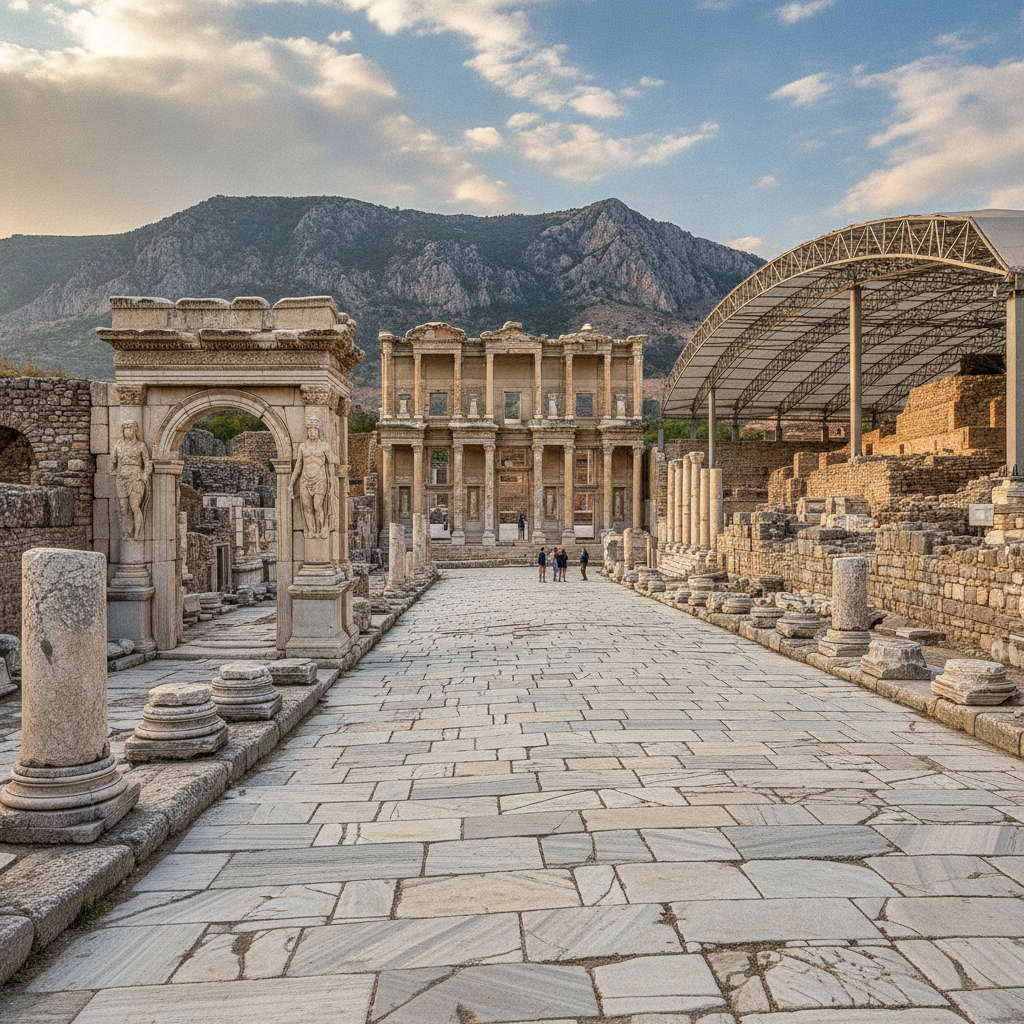
The Curetes Street, the principal monumental street of Roman Ephesus connecting the Hercules Gate to the Library of Celsus and the commercial agora, is paved with the original marble slabs worn smooth by the sandals of the Roman citizens and the chariot wheels of the 1st to 6th centuries AD. The street is lined with the column stumps, the honorary statue bases with the inscriptions identifying the benefactors, the public latrine, and the Hadrian Temple facade that provide the most complete surviving picture of the Roman monumental street in Asia Minor.
- 4
Ancient Public Fountains: The Trajan Nymphaeum
The Trajan Nymphaeum on the Curetes Street, the monumental public fountain of approximately 100 AD with the 2-story facade of columns and niches and the central statue of the emperor Trajan standing on a globe of the world, is the most architecturally ambitious of the Ephesus fountains and the best example of the Roman imperial propaganda use of the public water infrastructure. The water system that supplied the Ephesus fountains, the baths, and the private houses was one of the most sophisticated urban water distribution systems in the ancient world.
- 5
Ephesus Social Life: The Brothel and the Latrine
The Ephesus brothel, identified by the archaeologists from the erotic mosaic, the phallus carved into the pavement to indicate the direction, and the proximity to the commercial agora and the harbour, and the public latrine adjacent to the brothel where the Roman citizens sat together on the marble seats above the channels flushed by the running water, provide the most direct access to the social life of the ancient Roman city that the monumental architecture of the temples and the library tends to obscure. The latrine marble seats with the carved holes are the most photographed single object in Ephesus.
- 6
Marble Road: The Processional Route to the Theatre
The Marble Road, the main processional street that connected the commercial agora and the Library of Celsus area to the Great Theatre, was the most heavily trafficked street in Ephesus and the route of the Artemis processions that the entire city population attended in the religious festivals. The Marble Road carving with the advertisement for the brothel - the footprint, the female figure, and the heart shape that the tour guides interpret as the world earliest commercial advertisement - is the most frequently cited example of ancient Roman commercial marketing in the popular media.
Walk this route with audio
Stories play automatically as you reach each stop — no tapping needed.
More in Ephesus
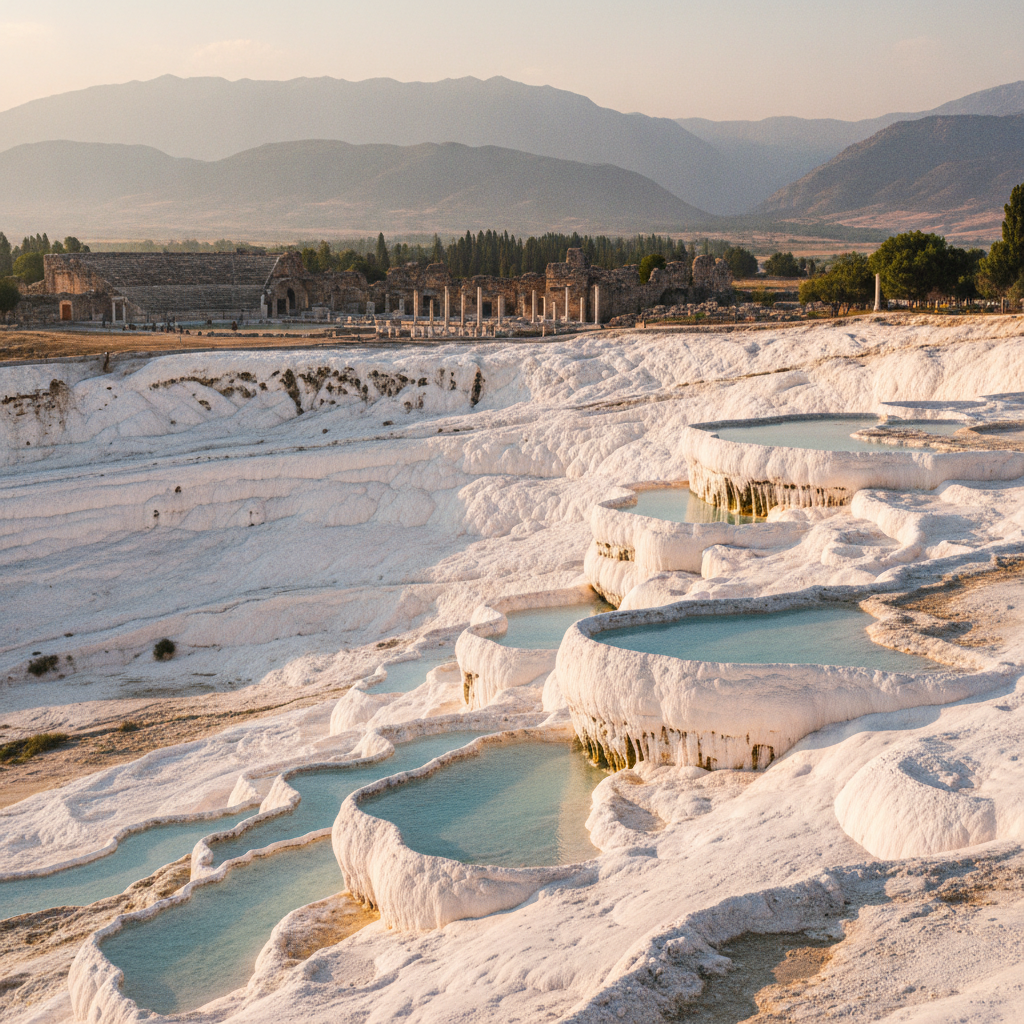
Ephesus to Pamukkale: The Travertine Cotton Castle, Hierapolis Roman Spa City, the Necropolis, Sacred Pool of Cleopatra, Calcium Terraces Natural Wonder, and the Ephesus-Pamukkale Day Circuit
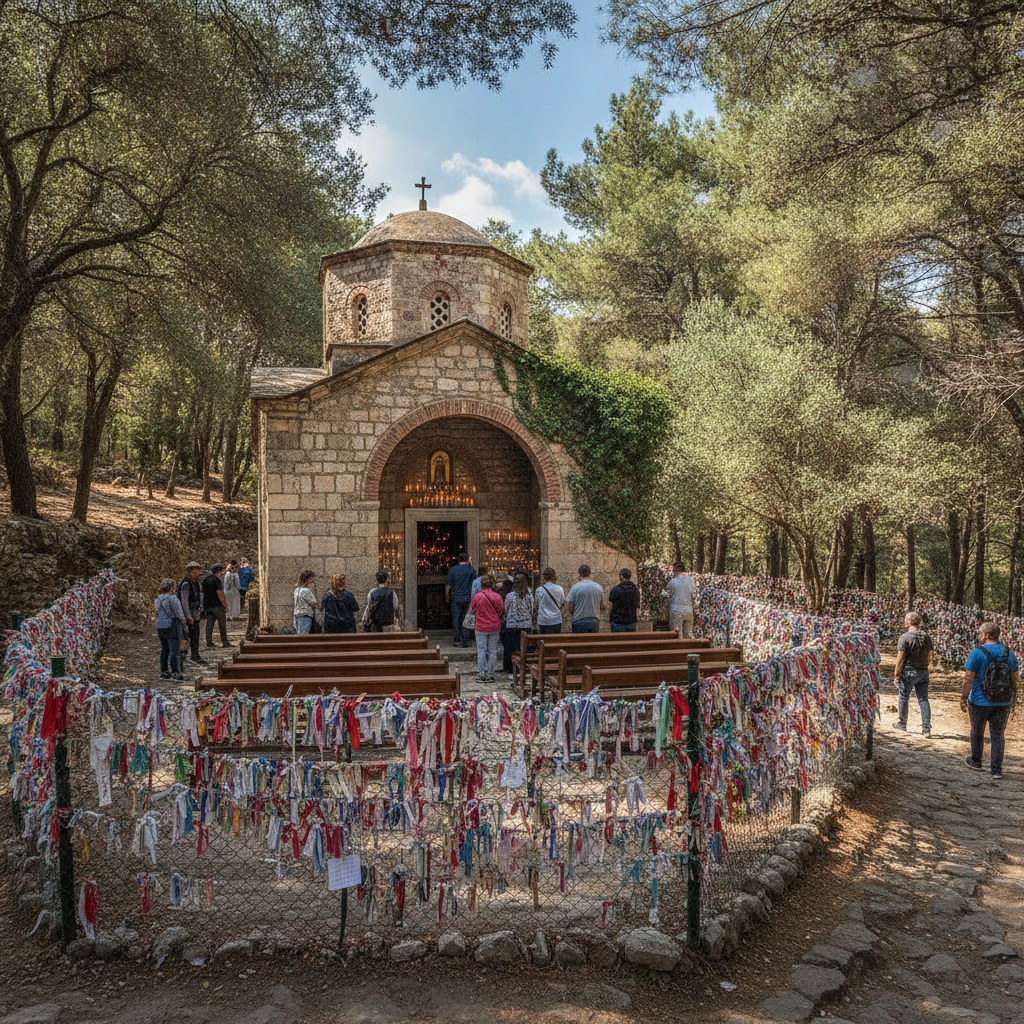
Ephesus and Early Christianity: Paul the Apostle Missions, the House of the Virgin Mary at Meryemana, Cave of the Seven Sleepers, John Gospel in Ephesus, Christian Pilgrimage Circuit, and the Acts of the Apostles
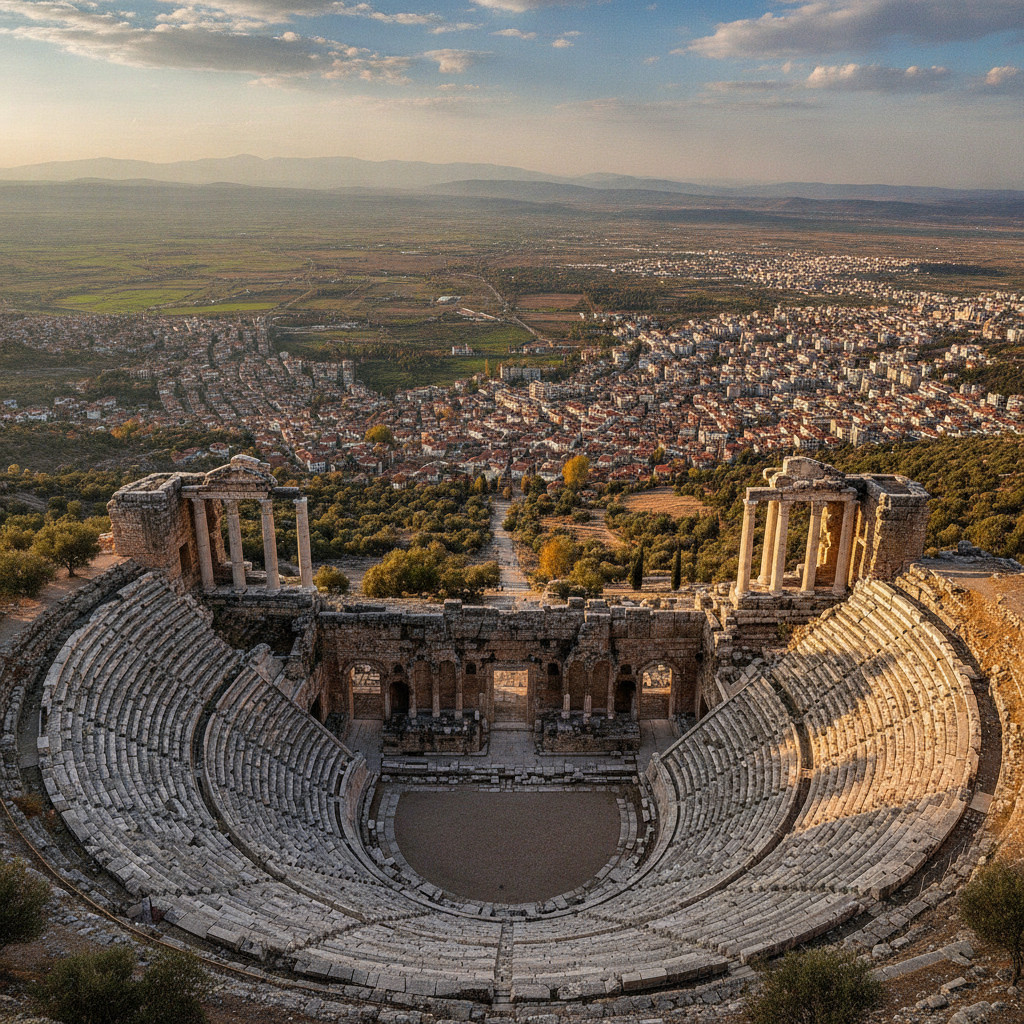
Ephesus to Pergamon: The Asklepion Medical Center, Bergama Acropolis Sheer Theatre, Red Basilica, Zeus Altar Berlin Museum, Pergamon Library, and the Aegean Archaeological Circuit
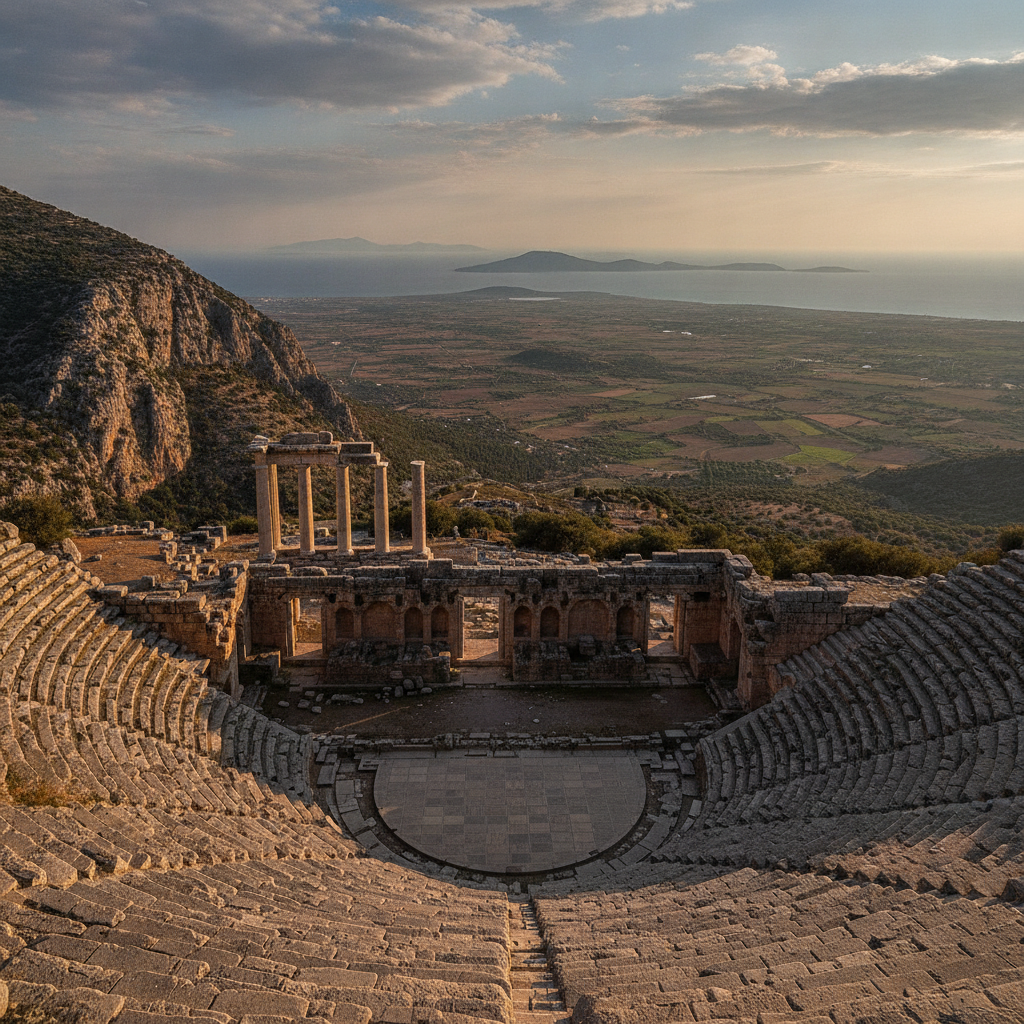
Ephesus Coast and Day Trips: Kusadasi Cruise Port Bazaar, Dilek Peninsula National Park, Amazon Beach, Priene Ancient City, Miletus Theatre, Didyma Apollo Temple Oracle, and the Maeander Valley Circuit
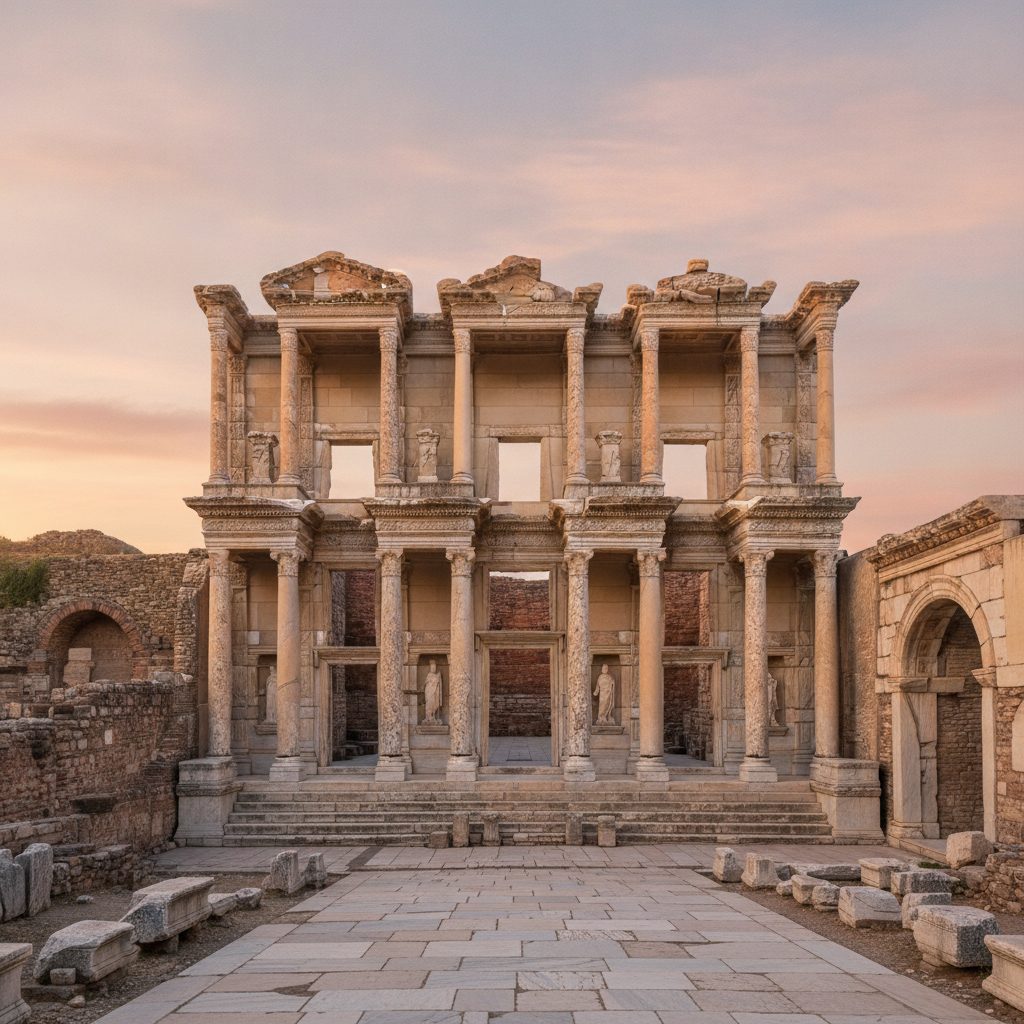
Ephesus Essential: Library of Celsus, the Great Theatre, Artemision Wonder of the World, Terrace Houses of the Wealthy, Roman Agora, and Saint John Basilica on Ayasuluk Hill