Fiesole, the Chianti Hills & the Tuscan Countryside above Florence
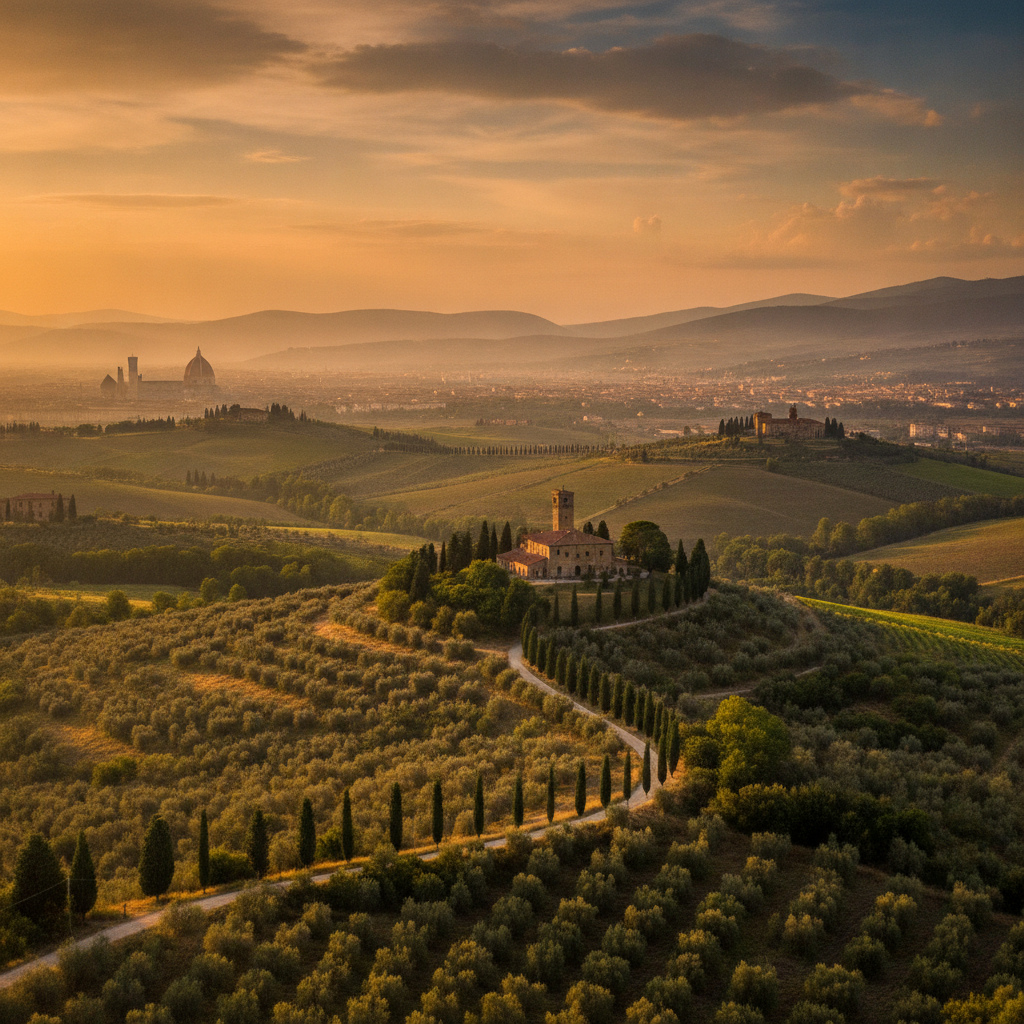
The hills immediately surrounding Florence — the Arno valley rim that defines the visual context of the city and that has been the preferred location of aristocratic and intellectual retreat since the Etruscan period — contain the ancient hilltop town of Fiesole (an Etruscan and Roman settlement predating Florence itself), the Chianti wine region stretching south through the hills toward Siena, and the legendary Tuscan landscape of cypresses, olive groves, and terracotta-roofed farmhouses that has shaped the Western imagination of rural beauty since the Renaissance.
- 1
Fiesole — The Etruscan Hill Town above Florence
Fiesole (the hilltop town approximately 8 kilometres northeast of Florence, accessible by Bus 7 from Piazza San Marco — approximately 25 minutes — or on foot via a 3-4 hour walk up the Via Vecchia Fiesolana through the olive-grove-covered hillside): Fiesole is the Etruscan predecessor of Florence, established as a major Etruscan settlement (Faesulae) in the 7th-6th centuries BC on the strategic hilltop above the Arno valley, and subsequently a prosperous Roman municipality; the town contains a Roman Theatre and archaeological complex (Teatro Romano, 1st century BC, largely excavated in the 19th and 20th centuries, still used for outdoor performances in summer) and a Roman thermal bath complex (Terme Romane) adjacent to the theatre; the Museo Civico Fiesolano presents the Etruscan and Roman archaeological finds from the area; the Bandini Museum contains a collection of medieval Tuscan art; and the Cathedral of San Romolo (founded 1028, rebuilt in the Romanesque style in the 13th century) contains the carved marble choir by Mino da Fiesole (1461-1466).
- 2
Villa Medici di Fiesole & the Humanist Villa Landscape
The Villa Medici di Fiesole (Via Beato Angelico 2, Fiesole — the Medici villa built c.1455-1461 by Michelozzo di Bartolomeo for Cosimo de' Medici the Elder, the earliest Renaissance villa in Italy and the model for the entire tradition of the Italian country villa): the Villa Medici is the prototype of the Italian Renaissance garden villa — a country retreat combining architectural residence, formal garden terraces (giardini pensili — hanging gardens stepped down the hillside in a series of terraced levels), a productive agricultural landscape of olive trees and vines, and a philosophical retreat for learned conversation; it was here that Cosimo de' Medici established the Platonic Academy (Accademia Platonica) under the direction of Marsilio Ficino — the informal gathering of Florentine humanists dedicated to the study and translation of Plato that represents the intellectual center of the 15th-century Florentine Renaissance; the villa is privately owned (by various successive owners including the Ghirardelli chocolate family) but the gardens are occasionally open.
- 3
Settignano & the Quarry Villages of the Florentine Hills
Settignano (the hilltop village approximately 5 kilometres east of Florence, accessible by Bus 10 from the Duomo or by a 1.5-2 hour walk from Florence via the Via Poggio Gherardo): Settignano is one of the quarry villages of the Florentine hills, where the pietra serena (the blue-grey sandstone quarried from the surrounding hills that is the defining material of Florentine Renaissance architecture) was extracted and worked by generations of stonecutters and sculptors; the village is closely associated with Desiderio da Settignano (c.1430-1464), one of the most sensitive marble carvers of the 15th century, and the village where Michelangelo was sent as a child to be wet-nursed (he attributed his mastery of sculpture to having 'drunk the marble dust with his nurse's milk' — the stonecutters' village as the origin of artistic talent); the villa complex of the Gamberaia (Villa Gamberaia, Via del Rossellino 72, Settignano, one of the finest Renaissance and Baroque garden compositions in Tuscany) has spectacular views over the Arno valley.
- 4
Chianti Wine Country — The Vine-Covered Hills South of Florence
The Chianti Classico wine region (the DOCG wine zone between Florence and Siena, covering approximately 72,000 hectares in the provinces of Florence and Siena, defined by the 1967 DOC regulations and the 1984 DOCG classification): the Chianti Classico zone — the historic core of the Chianti wine region, distinguishable by the Black Rooster (Gallo Nero) seal on the bottle neck — produces wine from the Sangiovese grape (minimum 80%) grown on the limestone and clay soils of the Florentine and Sienese hills at altitudes of 250-600 metres; the most accessible Chianti Classico estates from Florence include the historic Antinori estate at Tignanello, the Castello di Brolio (the ancestral home of Baron Bettino Ricasoli, the 19th-century statesman credited with defining the modern Chianti formula), and the Castello di Volpaia; the Via Chiantigiana (the SR222 road running south from Florence through Greve in Chianti, Panzano, Radda in Chianti and Gaiole in Chianti to Siena) is one of the most scenic drives in Italy.
- 5
Piazzale Michelangelo at Dawn — Florence Before the Crowds
Piazzale Michelangelo at Dawn (the panoramic belvedere on the south Oltrarno bank of the Arno, approximately 60-70 metres above the city, in the hour before sunrise when the city is empty and the sky above the Duomo transitions from dark blue to rose gold): the Piazzale Michelangelo at first light — before the tour buses arrive at approximately 7-8am — is one of the most emotionally affecting experiences Florence offers: the city laid out below in the early morning air, the Arno reflecting the pre-dawn sky, the dome of the cathedral and the tower of the Palazzo Vecchio the only landmarks breaking the roof-level horizon, the bells of San Miniato al Monte (immediately above the piazzale) sounding the canonical hours; the Monks at San Miniato sing Gregorian chant at Vespers (approximately 5:30pm-6pm in summer, 5pm in winter) — an experience available free of charge and one of the most extraordinary encounters with living medieval culture available to any visitor in Europe.
- 6
Certosa di Galluzzo & the Carthusian Monastery Circuit
The Certosa di Galluzzo (the Carthusian Monastery of Galluzzo, Via di Bozzetto 1, approximately 5 kilometres south of Florence on the Via Cassia, accessible by bus from the Piazza Santa Maria Novella or from the Porta Romana): the Certosa was founded in 1341 by Niccolò Acciaioli, a Florentine banker and Grand Seneschal of the Kingdom of Naples, on a strategic hilltop controlling the Via Cassia (the road to Rome); the complex includes a church (Palatine Chapel), a Gothic palace, cloisters, individual monks' cells (with private gardens), a museum with five sinopie (preliminary red-ochre underdrawings) for Pontormo's lost frescoes of the Passion (c.1523-1525), and a winery producing Certosa wine; the monastery is still inhabited by a small community of Cistercian monks (the Cistercians replaced the original Carthusians in 1958) who conduct guided tours of the conventual buildings at fixed hours.
Walk this route with audio
Stories play automatically as you reach each stop — no tapping needed.
More in florence
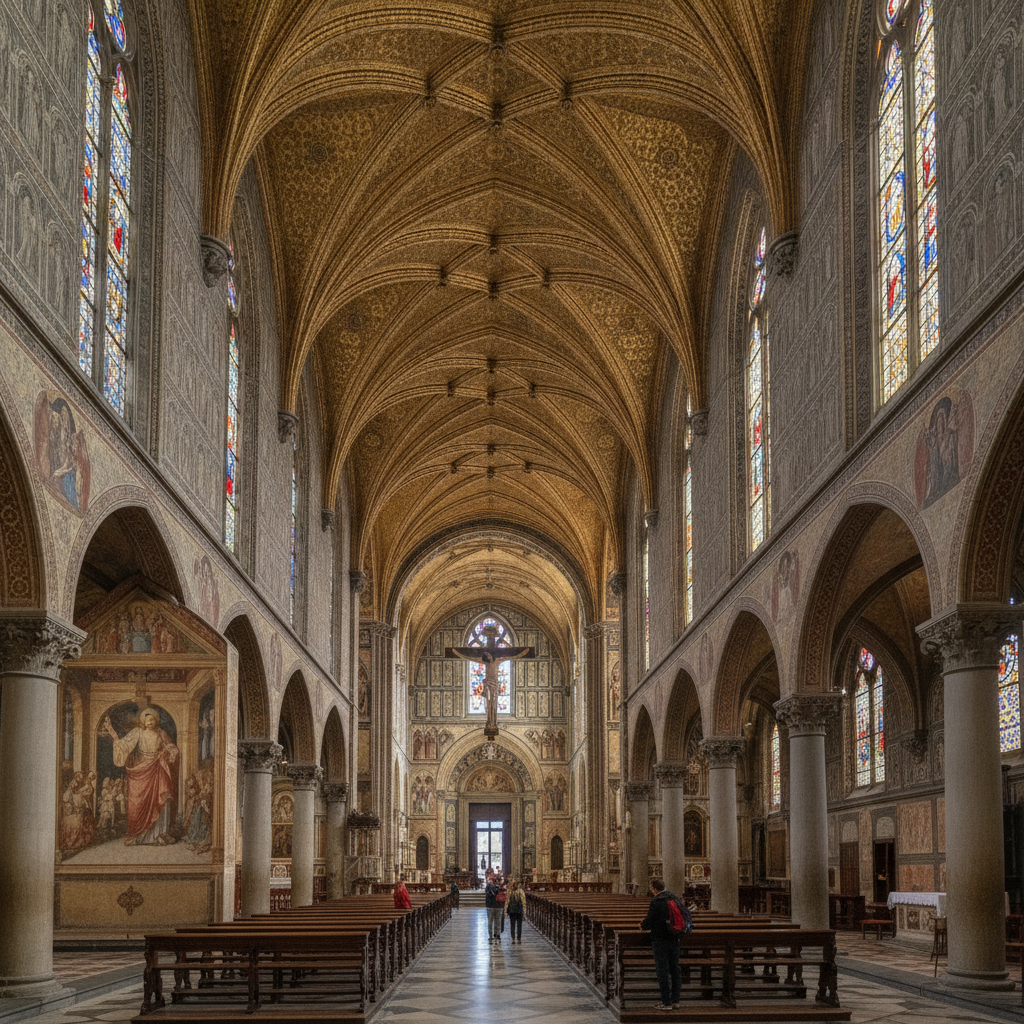
Santa Maria Novella, Via Tornabuoni & Ghirlandaio's Florence
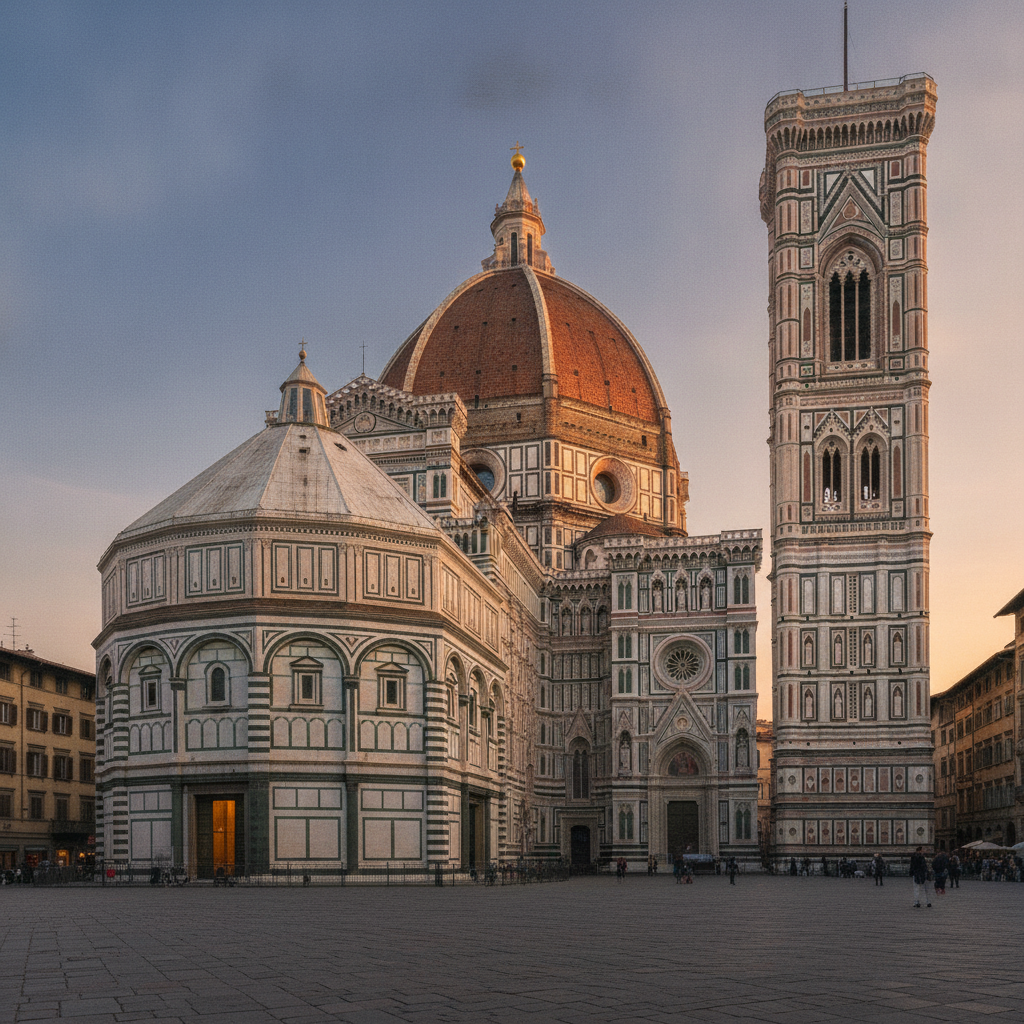
The Duomo, Baptistery & Giotto's Campanile — Piazza del Duomo
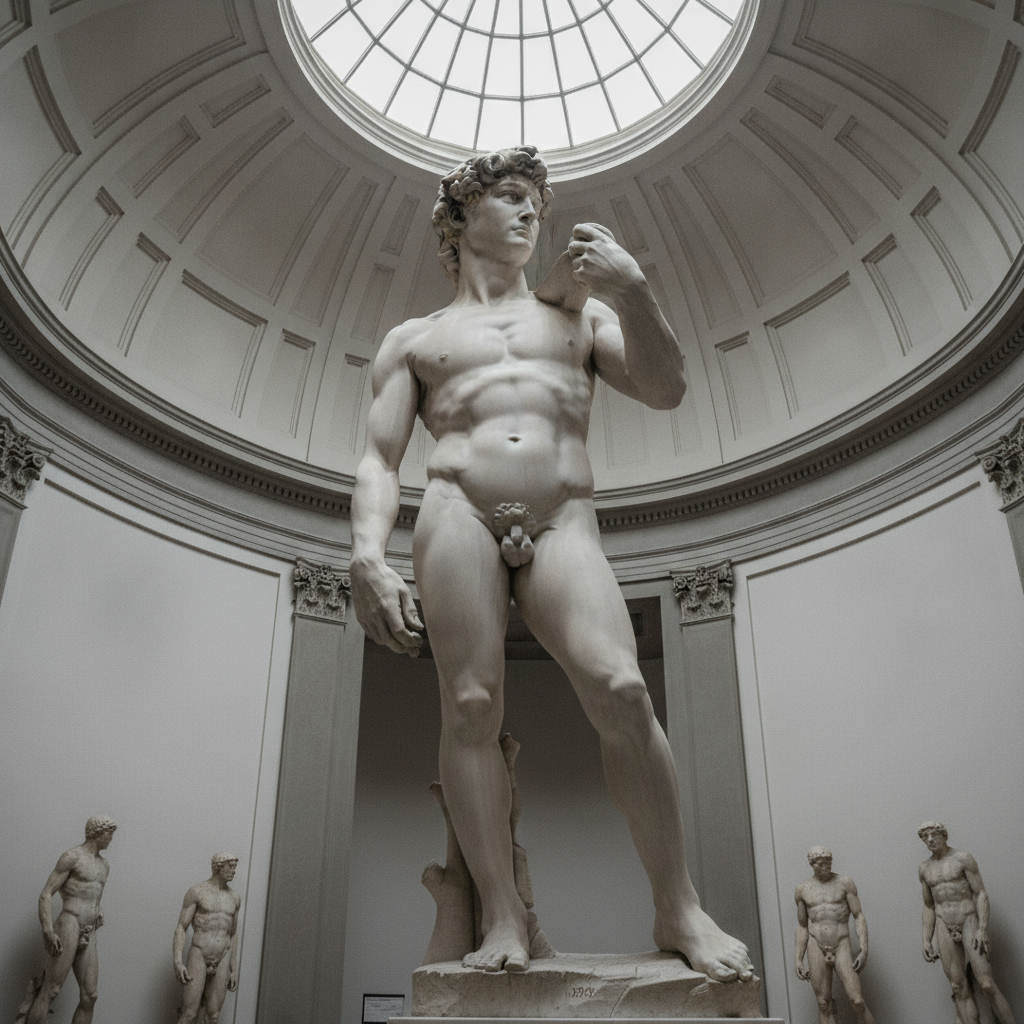
Galleria dell'Accademia, Michelangelo's David & the Convent of San Marco
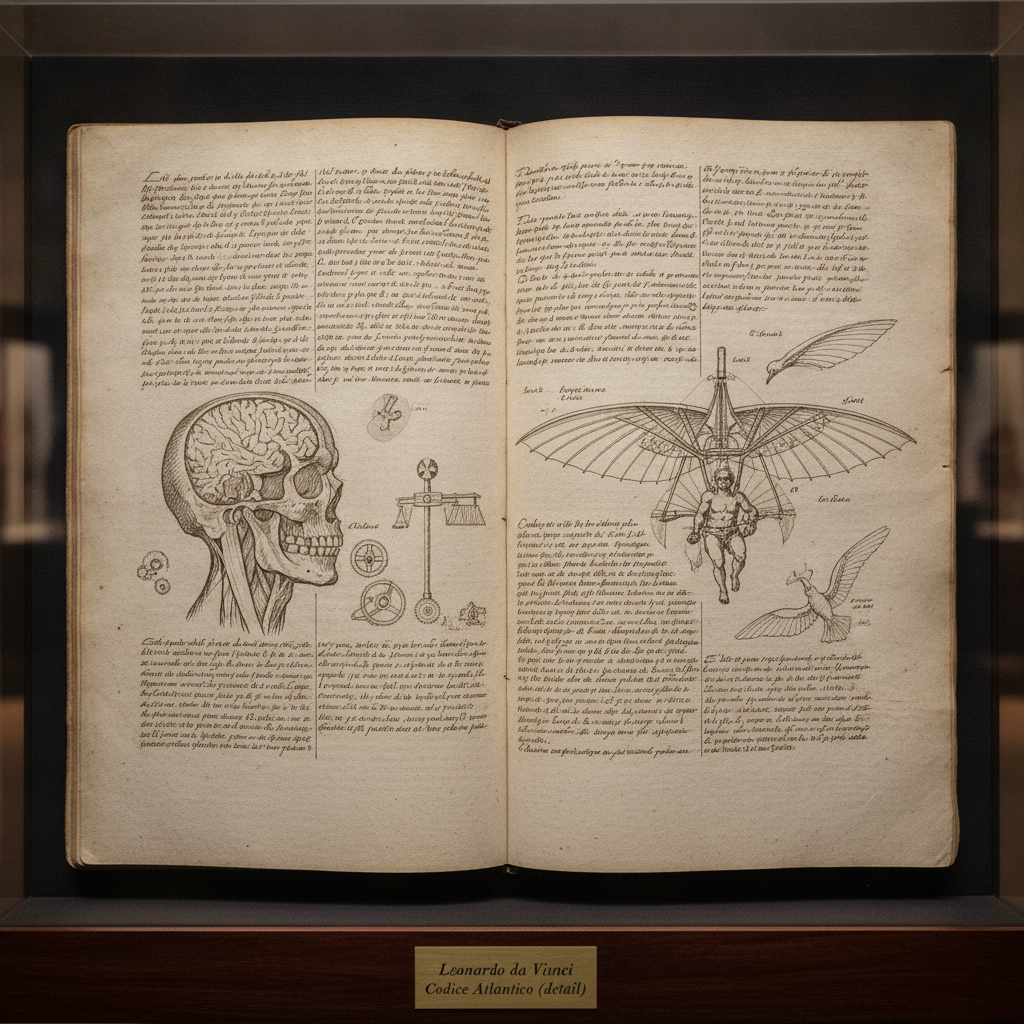
Museo Galileo, the Florentine Jewish Ghetto & the Via dei Benci
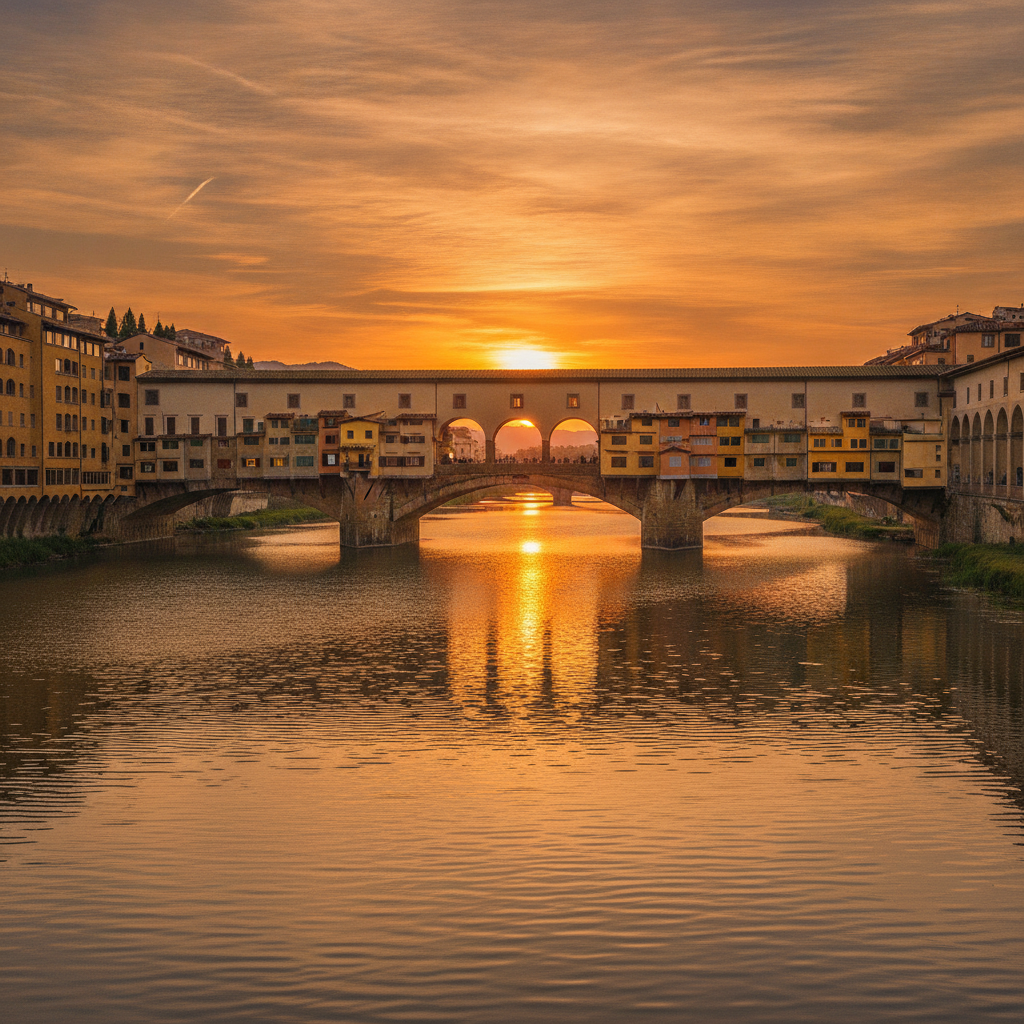
The Uffizi Gallery, Ponte Vecchio & Piazzale Michelangelo