Florianopolis Food and Culture: Oysters, Tainha Fishing, Santa Catarina Wine, and the New Brazilian Cuisine
The food culture of Florianopolis combines the extraordinary Santa Catarina oyster production, the traditional tainha mullet fishing of the island's western coast, the Serra Catarinense highland wines, and the innovative restaurant scene that has made Florianopolis one of the most interesting gastronomic cities in the south of Brazil.
- 1
Oyster Culture: Santa Catarina Seafood
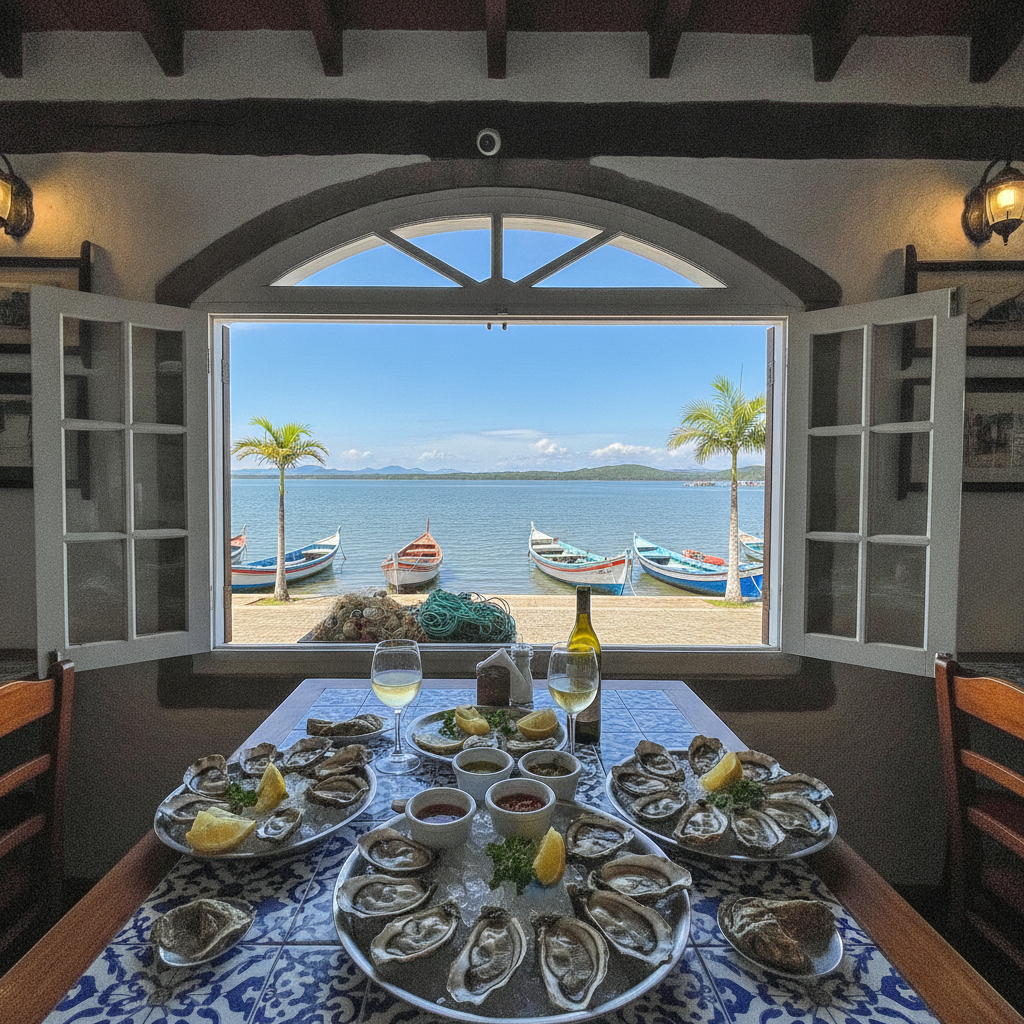
Santa Catarina state produces 95 percent of the oysters consumed in Brazil, with the oyster farms of the Florianopolis island bays and the adjacent coastal municipalities operating in the relatively cold and clean water of the Santa Catarina coast. The oyster restaurants of Santo Antonio de Lisboa and Ribeirao da Ilha, where oysters are served by the dozen from boats that have just pulled the cages from the water, provide the freshest oyster experience in Brazil.
- 2
Tainha: The Traditional Winter Fishing
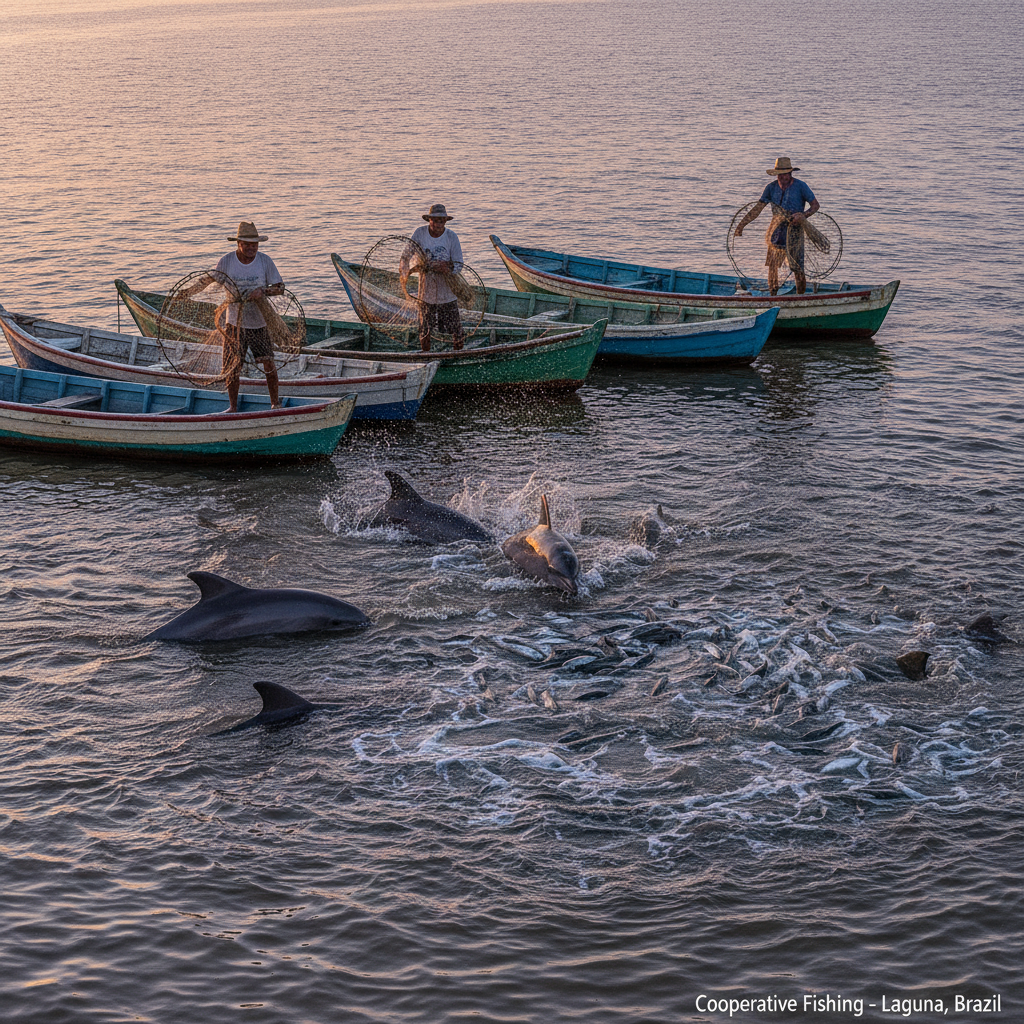
The tainha, the mullet that migrates northward along the Santa Catarina coast in large schools in June and July, is the subject of the traditional net fishing practiced by the fishing communities of the island's western coast, where the fishermen watch from elevated observation points for the arrival of the mullet schools and launch their canoes in coordination to deploy the large nets. The tainha festival of June is the most important culinary celebration of the Florianopolis traditional culture.
- 3
Barreado from the Morretes Route
Barreado, the slow-braised beef dish of the Parana coast that is prepared in a sealed clay pot for up to 24 hours over a wood fire, is accessible from Florianopolis via the day trip or overnight to the colonial town of Morretes in the Serra do Mar, where the train journey from Curitiba through the Atlantic forest descends to the colonial coastal town and its barreado restaurants. The train journey itself is one of the finest railway experiences in South America.
- 4
Cachaca and the South Brazilian Grape
Santa Catarina state is one of the leading wine-producing states of Brazil, with the Serra Gaucha highlands of Rio Grande do Sul and the Vale do Sao Francisco of the northeast, with the mountain vineyards of the Serra Catarinense around Sao Joaquim producing the finest and most cold-climate wines in Brazil from Cabernet Franc, Merlot, and the Goethe white grape that is unique to the Santa Catarina coast area of Urussanga. Wine tourism from Florianopolis to the Serra Catarinense vineyards is a growing circuit.
- 5
Florianopolis Restaurant Scene: New Brazilian Cuisine
Florianopolis has established itself as one of the most innovative restaurant cities in Brazil, with a generation of young chefs who combine the Santa Catarina seafood resources, the oyster and tainha traditions, the German and Italian food heritage of the Santa Catarina interior, and the contemporary technique of the Brazilian gastronomic movement. The restaurant concentration around Lagoa da Conceicao and the upscale neighborhoods of the island provides the most diverse dining options.
- 6
German and Italian Heritage: The Santa Catarina Interior
The Santa Catarina interior, settled by German and Italian immigrants from the mid-19th century onward in communities that maintained their languages and cultures with greater continuity than almost anywhere else in Brazil, provides a cultural hinterland for Florianopolis that is accessible in the day trips to the German colonial city of Blumenau, the Italian-descended wine towns of the Vale do Rio do Peixe, and the mountain resort of Gramado on the Rio Grande do Sul border.
Walk this route with audio
Stories play automatically as you reach each stop — no tapping needed.
More in Florianopolis
Florianopolis Economy and Urban Life: UFSC, the Startup Scene, Sport Tourism, Real Estate, and Joinville
Florianopolis Practical Guide: Airport, Seasons, Island Transport, Digital Nomad Scene, and Argentine Summer
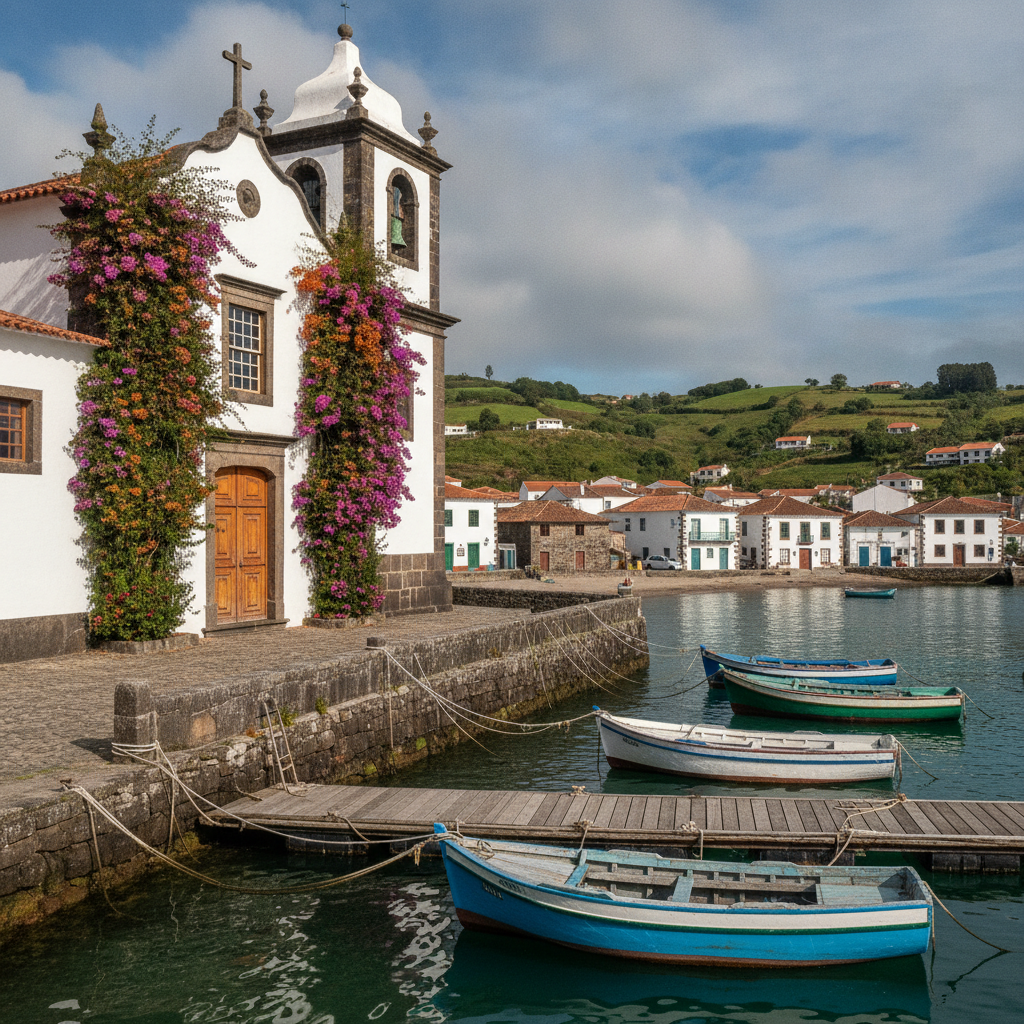
Florianopolis Heritage: Azorean Fishing Villages, Lacemaking, Blumenau Oktoberfest, and the European Mountain Towns
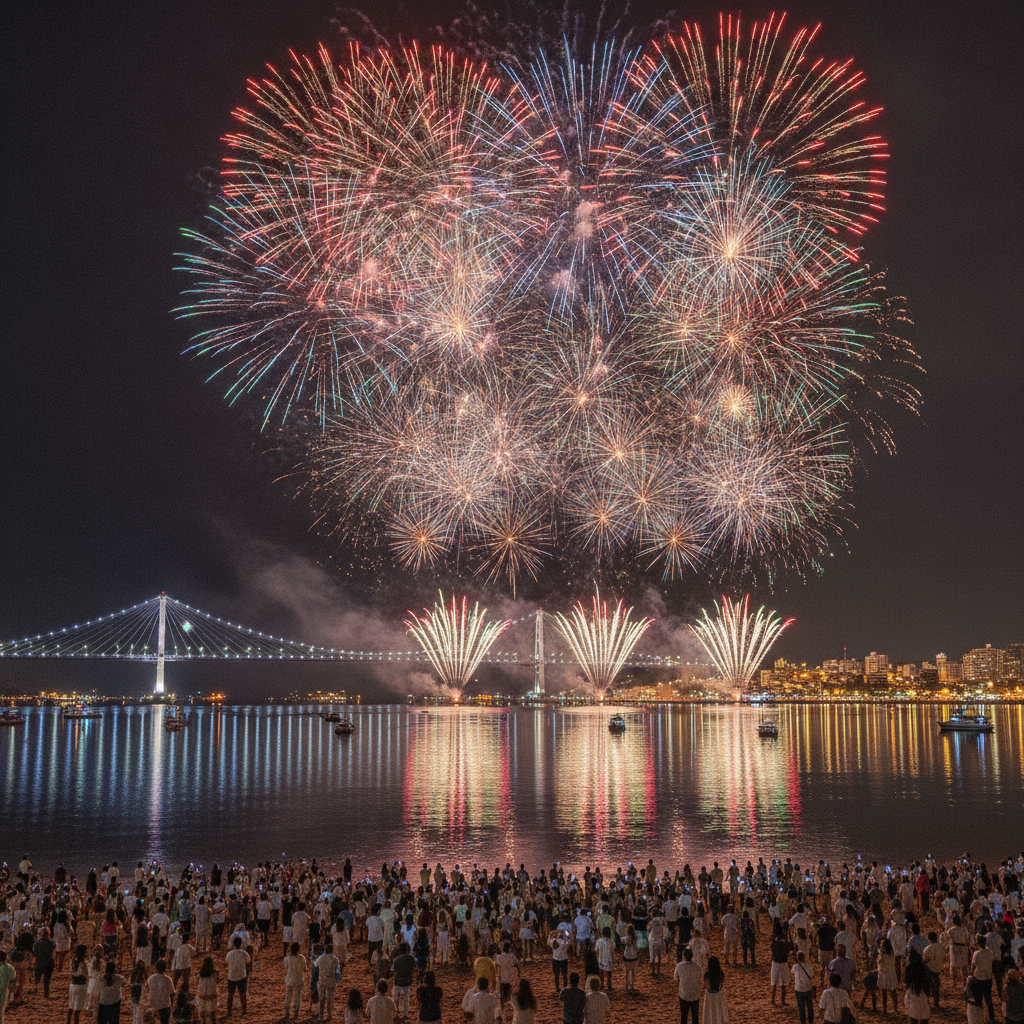
Florianopolis Festivals and Social Life: New Year, Carnival, Oktoberfest, Iemanjá, and the Gay Beach
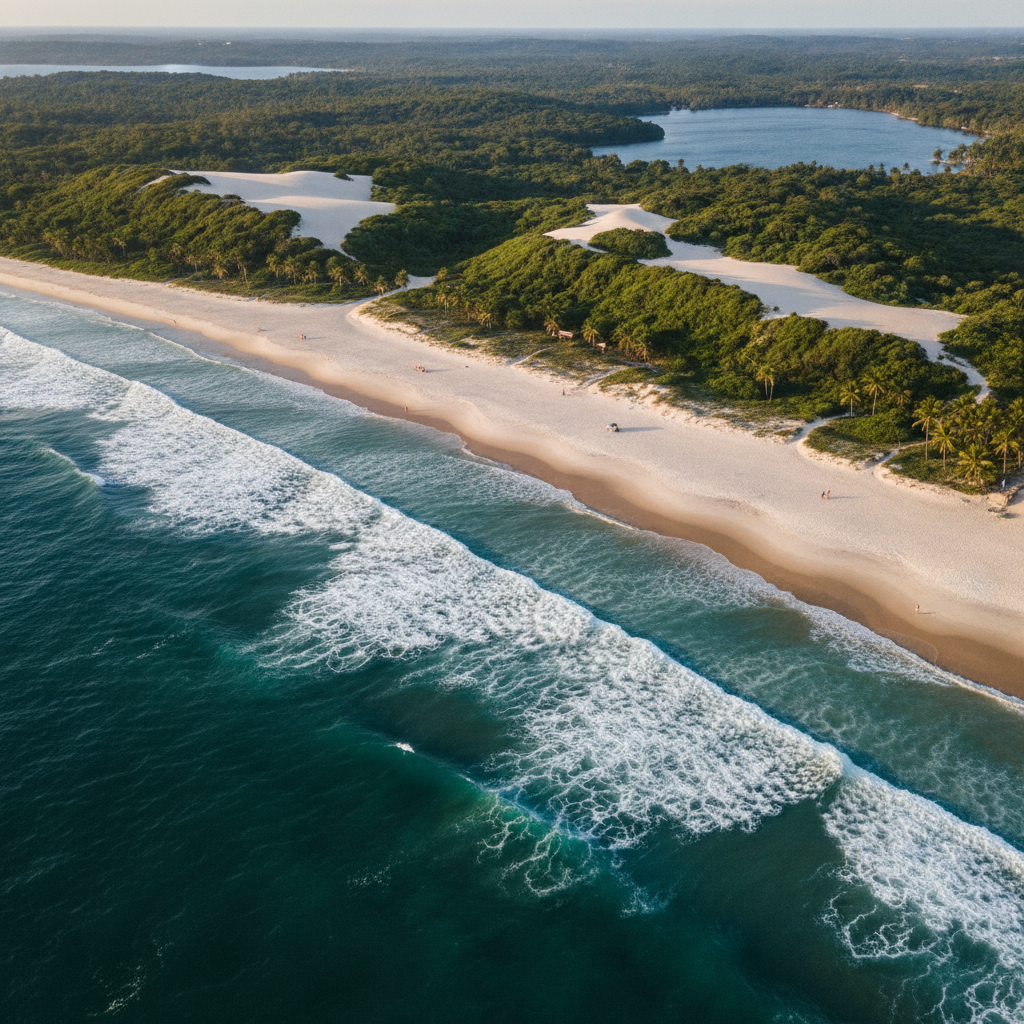
Florianopolis: Surf Beaches, the Lagoon Social Scene, Azorean Villages, and the Island Lifestyle