Fortaleza: Northeast Beaches, Kite Surfing, Jericoacoara, and the Culture of Ceara
Fortaleza, the capital of Ceara state, is the gateway to the finest beach coastline in Brazil, from the kite surfing paradise of Cumbuco to the car-free village of Jericoacoara, anchored by the city's own vibrant beach promenade and the cultural energy of the Dragao do Mar center.
- 1
Iracema Beach and the Birth of Fortaleza Tourism
Iracema Beach, named after Jose de Alencar's 19th-century novel about the Tabajara indigenous princess, is the historic heart of Fortaleza's nightlife and beach culture and the neighborhood where the city's transformation from a colonial port to a beach tourism destination began. The beach itself is not the finest swimming beach in the Ceara coastline, but the Ponte dos Ingleses pier, the seafront bars, and the historic Vila do Mar hotel give Iracema a cultural weight that the newer beach neighborhoods do not have.
- 2
Meireles and Mucuripe: The Main Beach Strip
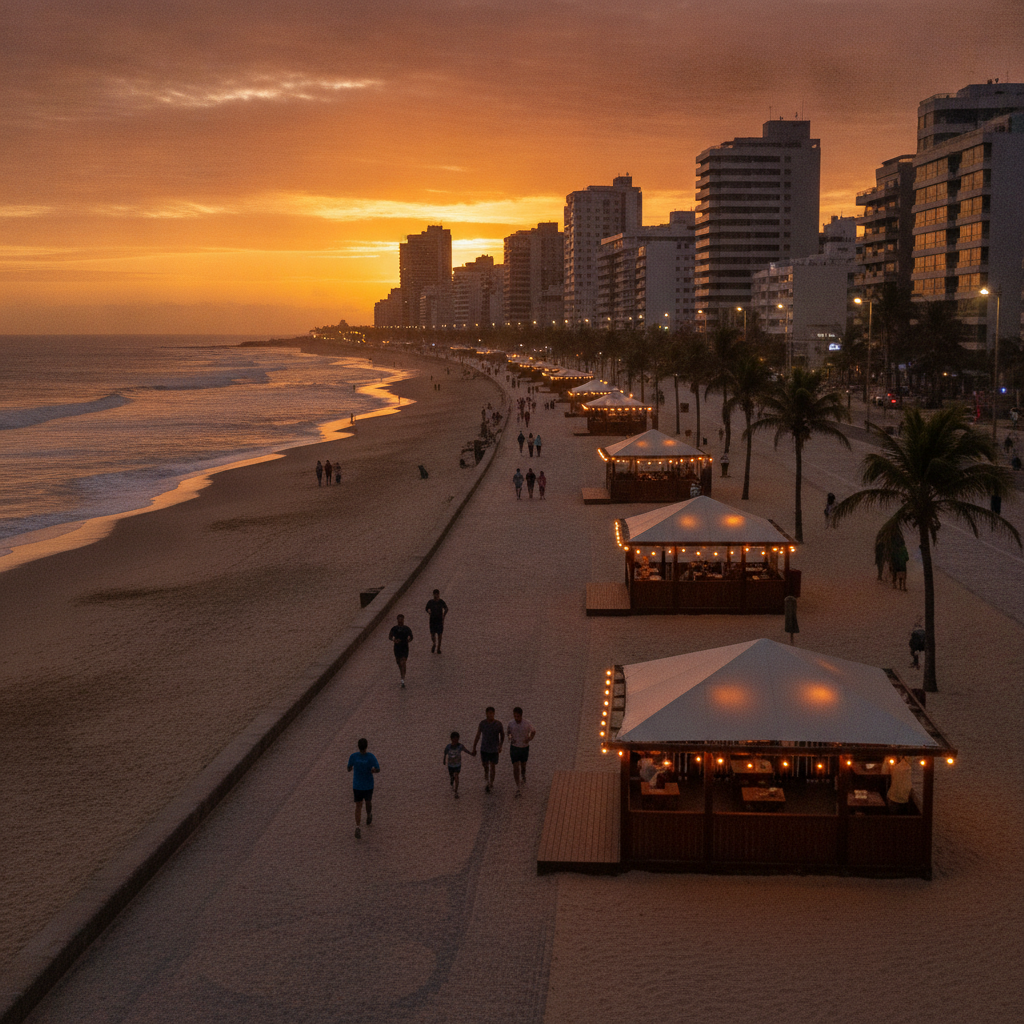
Meireles is the principal beach promenade of Fortaleza, a broad seafront avenue lined with hotels, juice bars, and the distinctive covered kiosks that serve caldo de cana and coconut water to the beach-going population. The Mucuripe lighthouse and the adjacent fish market, where the traditional jangada fishing rafts still return in the morning with their catch, preserve the fishing village character within the organized chaos of the urban beach.
- 3
Beaches Beyond the City: Cumbuco and Canoa Quebrada
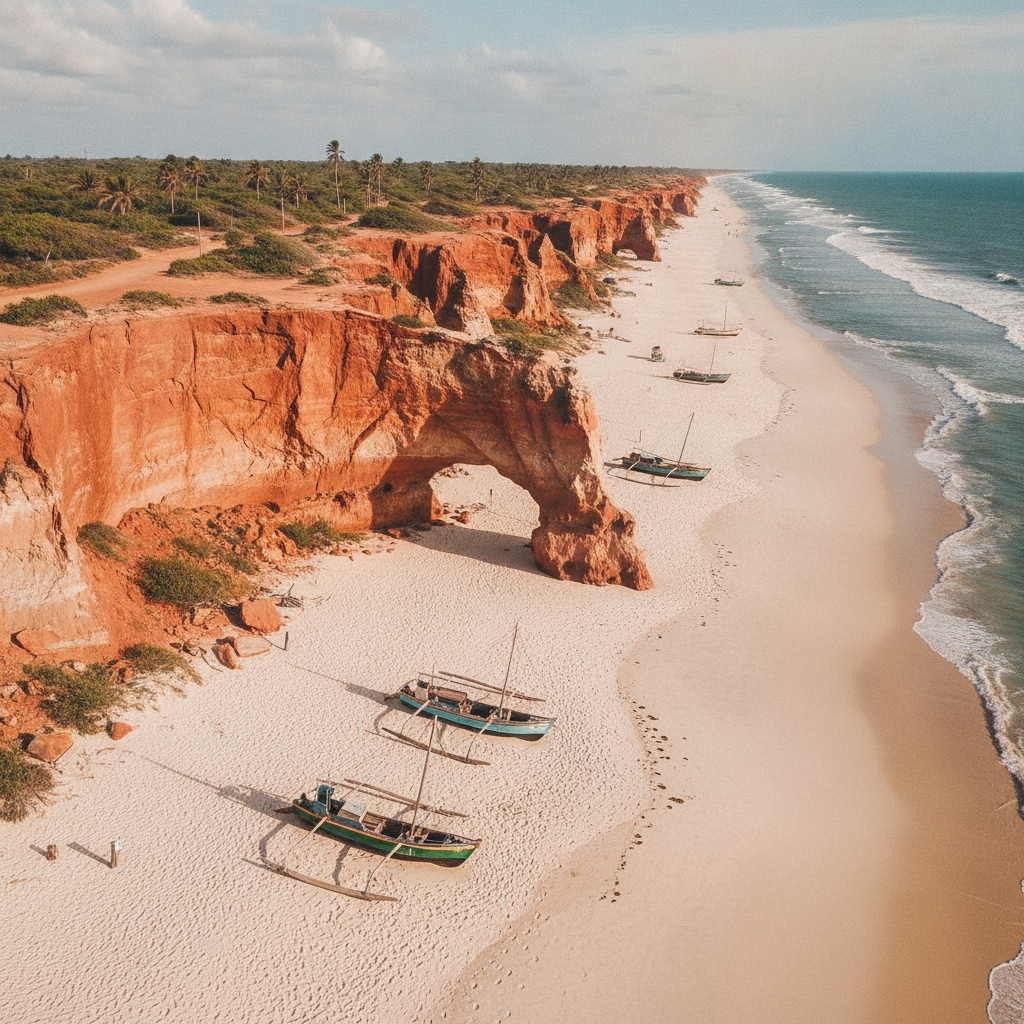
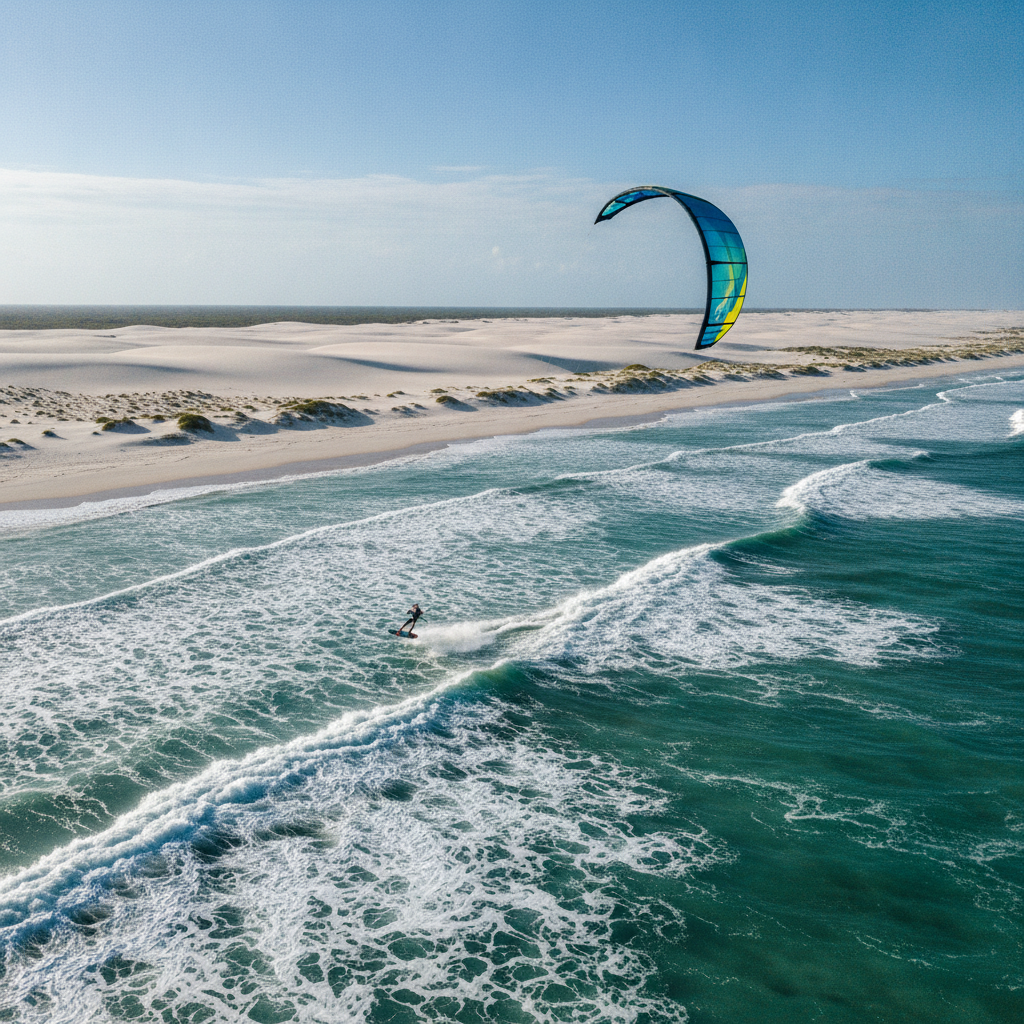
Cumbuco, 30 kilometers west of Fortaleza, is the most accessible kite surfing destination near the city, exploiting the constant northeast trade winds that blow parallel to the Ceara coast from July to January. The red sandstone cliffs of Canoa Quebrada to the east of Fortaleza, a former hippie retreat that became a backpacker and then an international beach destination, retain their dramatic visual character despite the growth of the tourism infrastructure.
- 4
Dragao do Mar: The Cultural Center
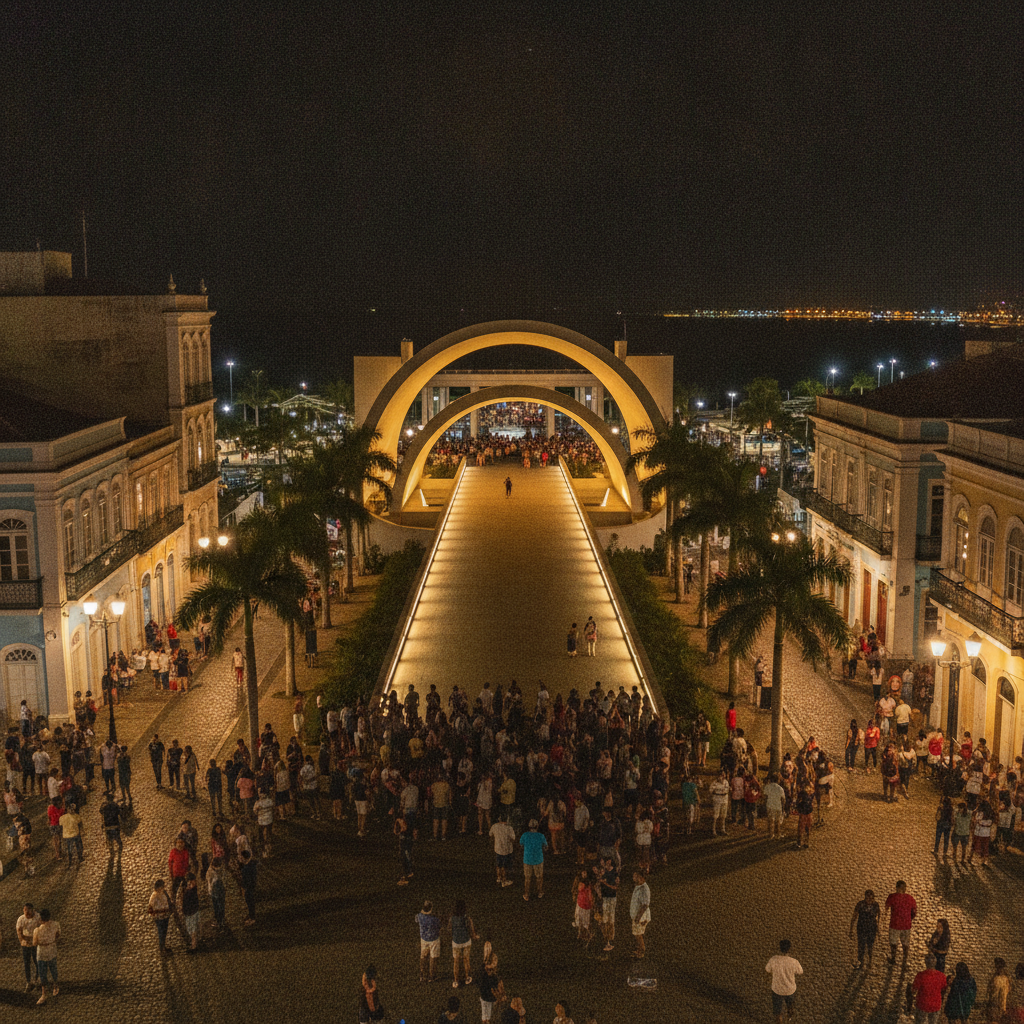
The Centro Dragao do Mar de Arte e Cultura, a boldly designed complex of museums, cinemas, and performance spaces built over and around the historic Praia de Iracema neighborhood, is the cultural anchor of Fortaleza and the venue for the concentrated nightlife and street food scene that takes over the surrounding streets on weekend evenings. The Jose de Alencar theater adjacent to the complex, a 19th century cast-iron structure imported from England, is the finest colonial theater in the northeast.
- 5
Fortaleza Food: Carne de Sol, Baiao de Dois, and Cashew
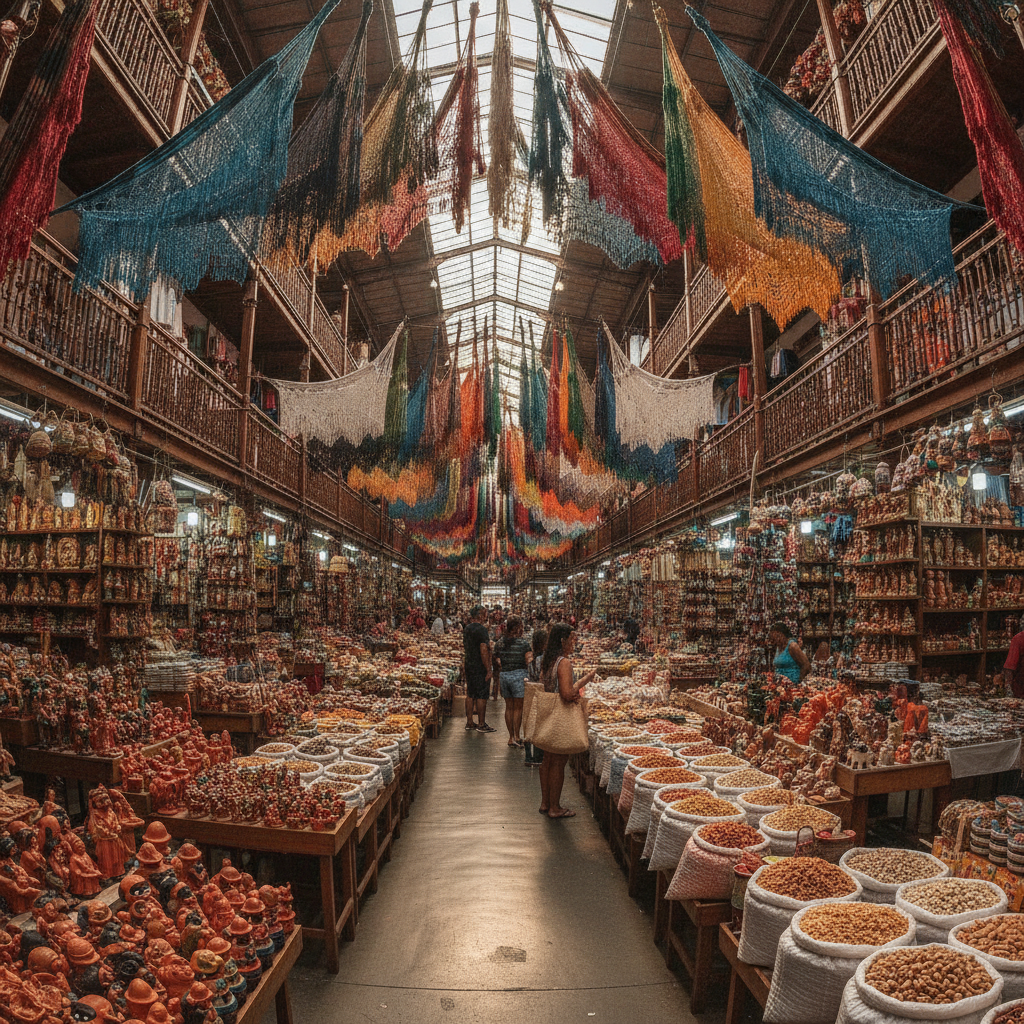
The food culture of Fortaleza and Ceara state centers on the carne de sol, the sun-dried salted beef unique to the northeast interior, the baiao de dois rice and bean combination flavored with coalho cheese and dried meat, and the cashew juice and cashew nut products derived from the cashew apple that is native to the Ceara coast. The Central Market is the most concentrated expression of the regional food culture with its floors of dried beef, spices, handicrafts, and the casual lunchrooms serving traditional plates.
- 6
Jericoacoara: The Dune and Lagoon Jewel
Jericoacoara, the car-free village on the Ceara coast accessible from Fortaleza by bus and 4x4 transfer, is considered one of the finest beach destinations in Brazil for the combination of the main beach, the sunset dune with its view over the ocean, and the freshwater lagoons of Lagoa Azul and the Lagoa do Paraiso accessible by buggy excursion. The village's ban on paved roads preserves the sand-street character that distinguishes Jericoacoara from the developed beach resorts of the northeast.
Walk this route with audio
Stories play automatically as you reach each stop — no tapping needed.
More in Fortaleza
Fortaleza Practical Guide: Getting There, When to Visit, Neighborhoods, and Coastal Transport
Ceara Coastline: Kite Surfing, Lencois Maranhenses, and the White Dune Coast
Fortaleza Arts and Culture: Dragao do Mar, the Iron Theater, Northeast Carnival, and Padre Cicero
Fortaleza History: The Dutch Fort, the Great Drought, and the Capital of Brazilian Abolition
Fortaleza Food and Culture: Carne de Sol, Cashew, Forro Music, and Northeast Crafts