Fortaleza History: The Dutch Fort, the Great Drought, and the Capital of Brazilian Abolition
The history of Fortaleza encompasses the Dutch colonial fort that named the city, the catastrophic 1877 drought that shaped the northeast's social history, and the remarkable distinction of being the first Brazilian province to abolish slavery.
- 1
Fortaleza History: The Dutch Fort and the Colonial Foundation
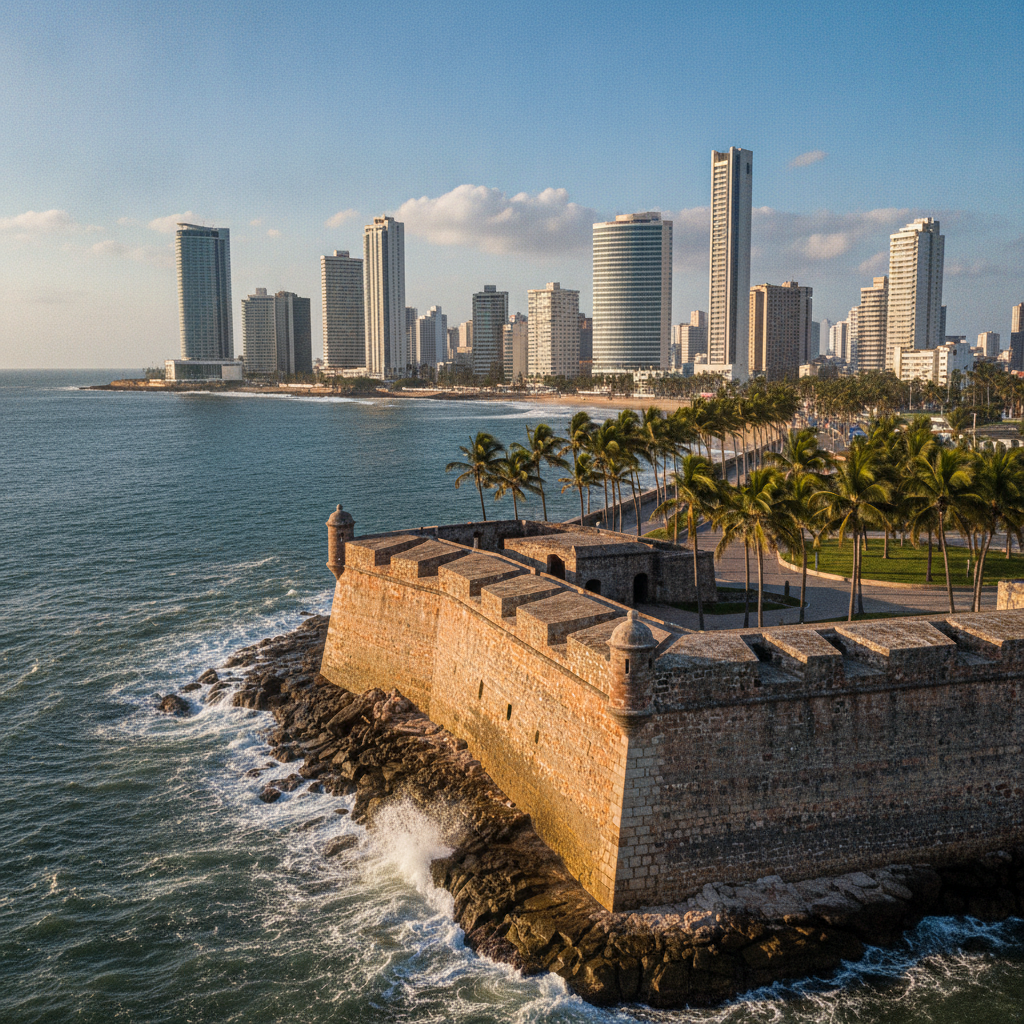
Fortaleza takes its name from the Forte Nossa Senhora de Assuncao, the fort built by the Dutch during their occupation of the northeast from 1637 to 1654 and subsequently enlarged by the Portuguese as the military anchor of the Ceara captaincy. The fort survives on the Fortaleza seafront as the Forte de Fortaleza and houses the Museo do Ceara, providing the historical foundation for the understanding of the city's colonial and post-colonial development.
- 2
The Great Drought of 1877: The Defining Catastrophe
The great drought of 1877 to 1879, which killed an estimated 500,000 people in Ceara and forced a massive migration of nordestinos toward the Amazon rubber boom and the southern cities, defined the relationship between the Ceara population and the semi-arid environment that has shaped the state's political and social development throughout the 20th century. The drought history explains the massive hydraulic infrastructure investment of the 20th century and the political centrality of water in Ceara public life.
- 3
Abolition Capital: Ceara's Anti-Slavery History
Ceara declared the abolition of slavery in 1884, four years before the national abolition law of 1888, making it the first province in Brazil to end the institution. The jangadeiro leader Francisco Jose do Nascimento, known as Dragao do Mar, who refused to transport enslaved people on his raft, is the defining historical hero of the Ceara abolition movement and gives his name to the Dragao do Mar cultural center.
- 4
Nordestino Migration: The Great Internal Movement
The movement of nordestinos from Ceara and the neighboring semi-arid states to Sao Paulo, Rio de Janeiro, and the Amazon from the late 19th century through the mid-20th century is one of the largest internal migration movements in South American history, reshaping the demographics and cultural character of the destination cities and creating the diaspora communities that maintain the northeastern food and music traditions throughout Brazil.
- 5
Contemporary Ceara: Digital Economy and Water Infrastructure
Contemporary Fortaleza has developed a significant digital technology sector built around the Pecém submarine cable landing station, which connects Brazil to Europe and the United States and has positioned the city as a data center hub for the South Atlantic cable system. The Castanhao reservoir, one of the largest in the southern hemisphere, represents the hydraulic infrastructure investment that has reduced but not eliminated Ceara's vulnerability to drought.
- 6
Iracema: The Novel that Named the Beach
Jose de Alencar's 1865 novel Iracema, the romantic story of the indigenous Tabajara princess and the Portuguese explorer and the origin of the phrase Brasil, is one of the founding texts of Brazilian romantic literature and is set in the Ceara coast landscape. Alencar's birthplace in Mecejana is now a museum, and his work remains central to the Ceara cultural identity expressed in the naming of the city's principal beach neighborhood.
Walk this route with audio
Stories play automatically as you reach each stop — no tapping needed.
More in Fortaleza
Fortaleza Practical Guide: Getting There, When to Visit, Neighborhoods, and Coastal Transport
Ceara Coastline: Kite Surfing, Lencois Maranhenses, and the White Dune Coast
Fortaleza Arts and Culture: Dragao do Mar, the Iron Theater, Northeast Carnival, and Padre Cicero
Fortaleza Food and Culture: Carne de Sol, Cashew, Forro Music, and Northeast Crafts
Fortaleza: Northeast Beaches, Kite Surfing, Jericoacoara, and the Culture of Ceara