Fremantle Prison UNESCO Heritage Walk
Tour Fremantle Prison — a UNESCO World Heritage Site built by convict labour between 1850 and 1859 — for a walk through the cells, gallows, and tunnels of Australia's most intact convict-era prison, operational until 1991.
- 1
Fremantle Prison Main Entrance
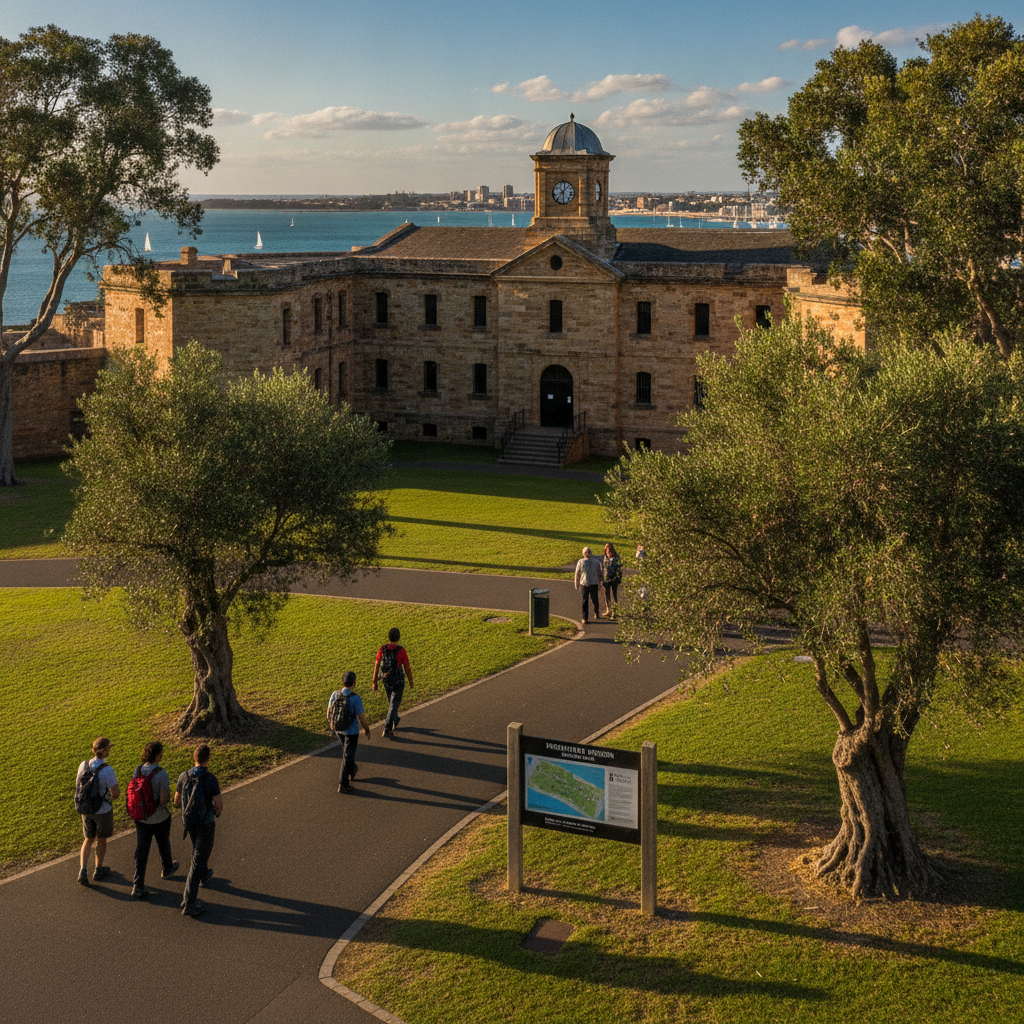
Fremantle Prison's imposing limestone gatehouse (1859) is the defining image of convict-era Western Australia — the prison was built by the convicts themselves using local limestone, and the gatehouse's solidity expressed the colonial government's authority.
- 2
Cell Block Tour
The cell blocks of Fremantle Prison contain rows of small cells unchanged since the convict era — the prison held convicts, then colonial prisoners, and finally criminal prisoners until its closure in 1991, with conditions deteriorating through each era.
- 3
The Gallows
The Fremantle Prison gallows executed 43 people between 1888 and 1964 — the restoration of the execution chamber with its trapdoor mechanism is one of the most confronting heritage experiences in Australia.
- 4
Fremantle Prison Tunnels
The prison's water tunnels excavated by convicts run 65 metres underground — the torch-lit boat tour through the 19th century water supply tunnels is one of Fremantle's most popular heritage experiences, accessible only by guided tour.
- 5
Prison Chapel & Exercise Yard
The prison chapel (1865) and exercise yards show the structure of convict daily life — the hour of outdoor exercise in the octagonal yards, the mandatory chapel attendance, and the industrial work sheds define the disciplinary regime the Victorians designed.
- 6
Fremantle Prison Museum
The Fremantle Prison Museum tells the stories of the convicts, warders, and prisoners who inhabited the complex — the collection of prisoner artwork, escape attempts, and the 1988 riot documents a living institution that became a heritage site only after controversy.
Walk this route with audio
Stories play automatically as you reach each stop — no tapping needed.