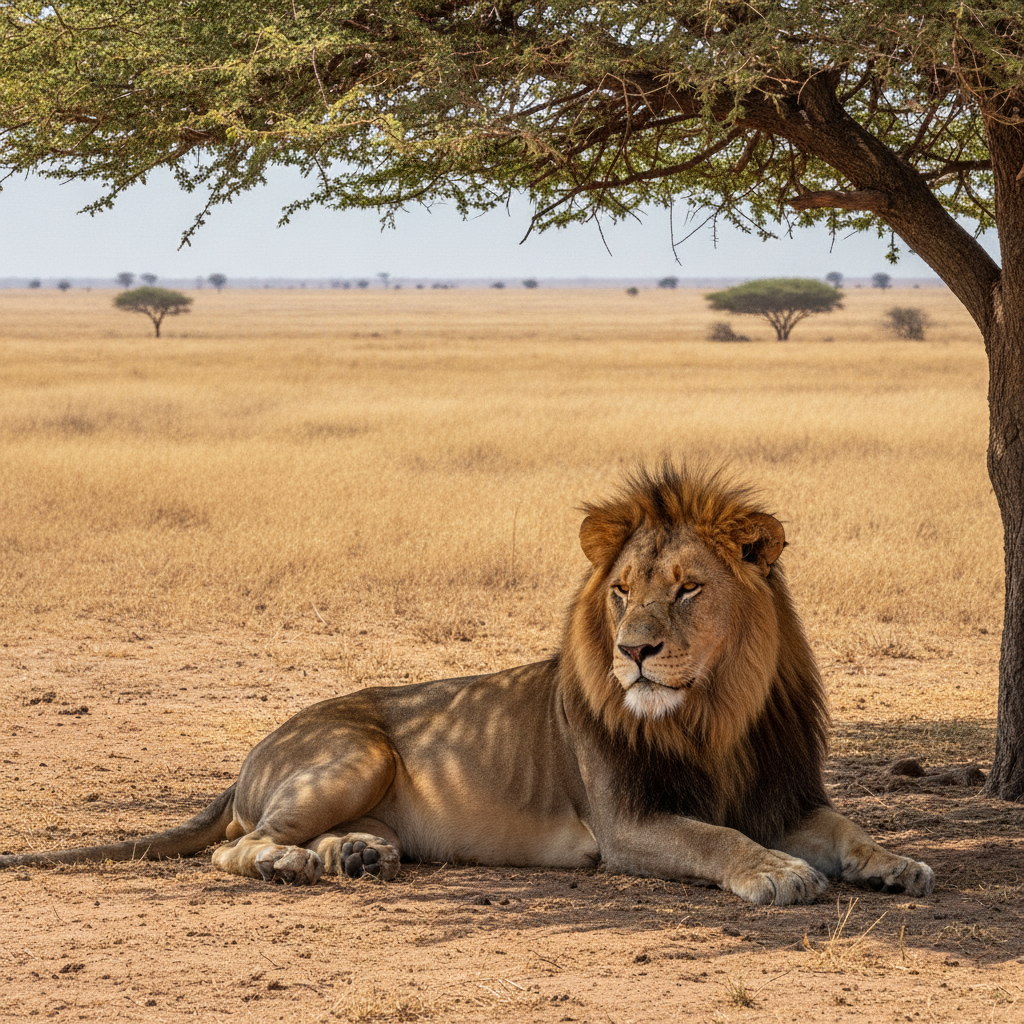
Gaborone: Chobe Elephants, Moremi Game Reserve, Tswana Culture, Tsodilo Hills UNESCO Rock Art, and Makgadikgadi Salt Pans
Botswana nature and culture: Chobe National Park elephant concentration, Moremi Game Reserve in the Okavango, the Tswana people and the kgotla democratic institution, the Tsodilo Hills San rock art UNESCO site, and the Makgadikgadi salt pans with zebra migration and meerkats.
- 1
Chobe National Park from Gaborone - The Elephant Kingdom
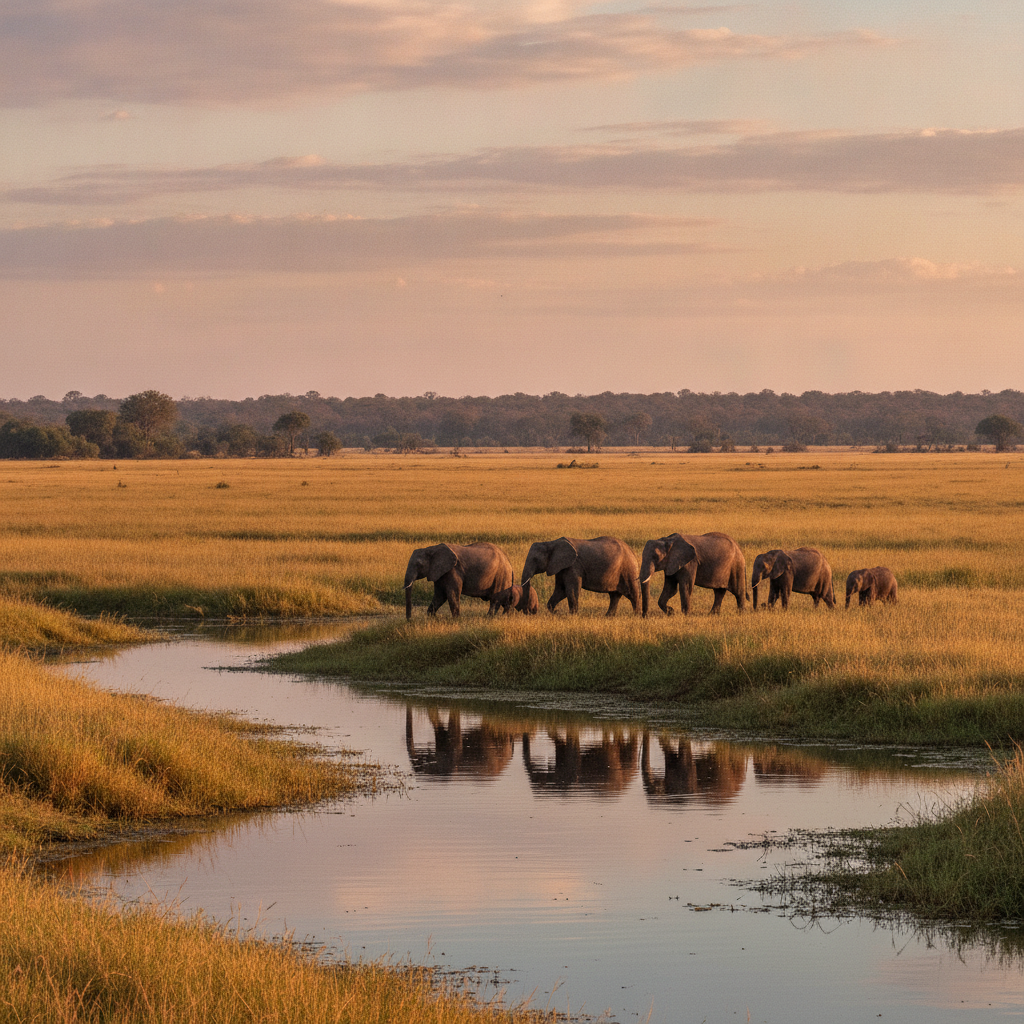
Chobe National Park (approximately 950 km north of Gaborone by road, or 1.5 hours by air to Kasane): the most wildlife-rich national park in Botswana, with the largest elephant concentration in Africa. The Chobe River frontage (the northern boundary of the park): the primary game viewing area. The Chobe elephant population: estimated 120,000-130,000 elephants in the broader Chobe ecosystem, the highest density of elephant anywhere in Africa. The elephant impact on the Chobe vegetation: the enormous elephant population has stripped and transformed the riparian forest along the Chobe River; the ecological debate about the effect of elephant overabundance on the ecosystem is one of the most discussed wildlife management questions in Africa. The Savute Channel (the western section of Chobe, connected to the park by 4x4 tracks): the famous dry channel that mysteriously stopped flowing in the 1980s and began flowing again in 2010, creating an extraordinary ecosystem transition.
- 2
Moremi Game Reserve - The Jewel of the Okavango
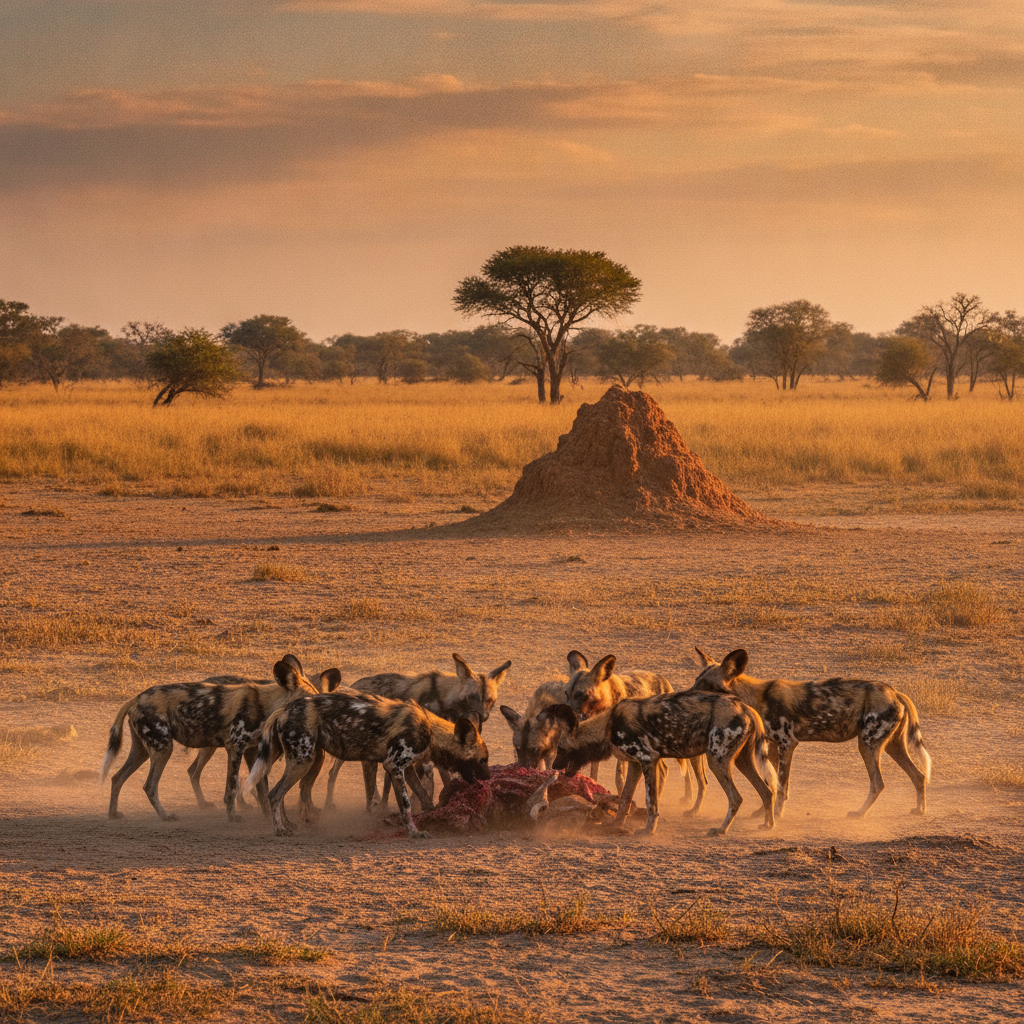
The Moremi Game Reserve: the government-protected inner area of the Okavango Delta (approximately 4,870 sq km, approximately 35% of the total Okavango Delta area). The Moremi is one of the finest all-round wildlife destinations in Africa: all Big Five (the black rhino is rare but present; the other four are reliably seen), plus large wild dog packs, cheetah, bat-eared fox, and hundreds of bird species including the African fish eagle, the Pel giant kingfisher, and the African skimmer. Chief Island (the central island of Moremi): the primary wildlife concentration point, accessible only by charter flight or by mokoro and motorboat from the Khwai and Mopane areas. The Khwai Community Concession (adjacent to Moremi, operated by the Khwai community): one of the most celebrated community-based wildlife tourism models in Africa. The Third Bridge area (the most accessible part of Moremi by road from Maun): the camp at the mokoro crossing point.
- 3
The Tswana People - The Majority Culture of Botswana
The Tswana (Batswana): the dominant ethnic group of Botswana, comprising approximately 79% of the population. The Tswana are a Bantu-speaking people who migrated to the area of modern Botswana from the north approximately 1,000-2,000 years ago. The Tswana social structure: the kgotla (the traditional village council and court): the kgotla is the most significant democratic institution of Tswana culture, where the chief and community members meet to discuss issues and resolve disputes. The kgotla principle has been incorporated into the Botswana democratic political culture: public consultation before major decisions is a cultural norm. The Tswana architecture: the traditional Tswana homestead (the mokopu or lolwapa: the circular courtyard enclosed by low mud walls, with the decorated walls painted in geometric patterns by the women). The Tswana cattle culture: cattle remain the primary form of wealth and social status in rural Tswana communities (the setswana proverb: a person is his cattle).
- 4
The Tsodilo Hills - The Louvre of the Desert and San Rock Art UNESCO Site
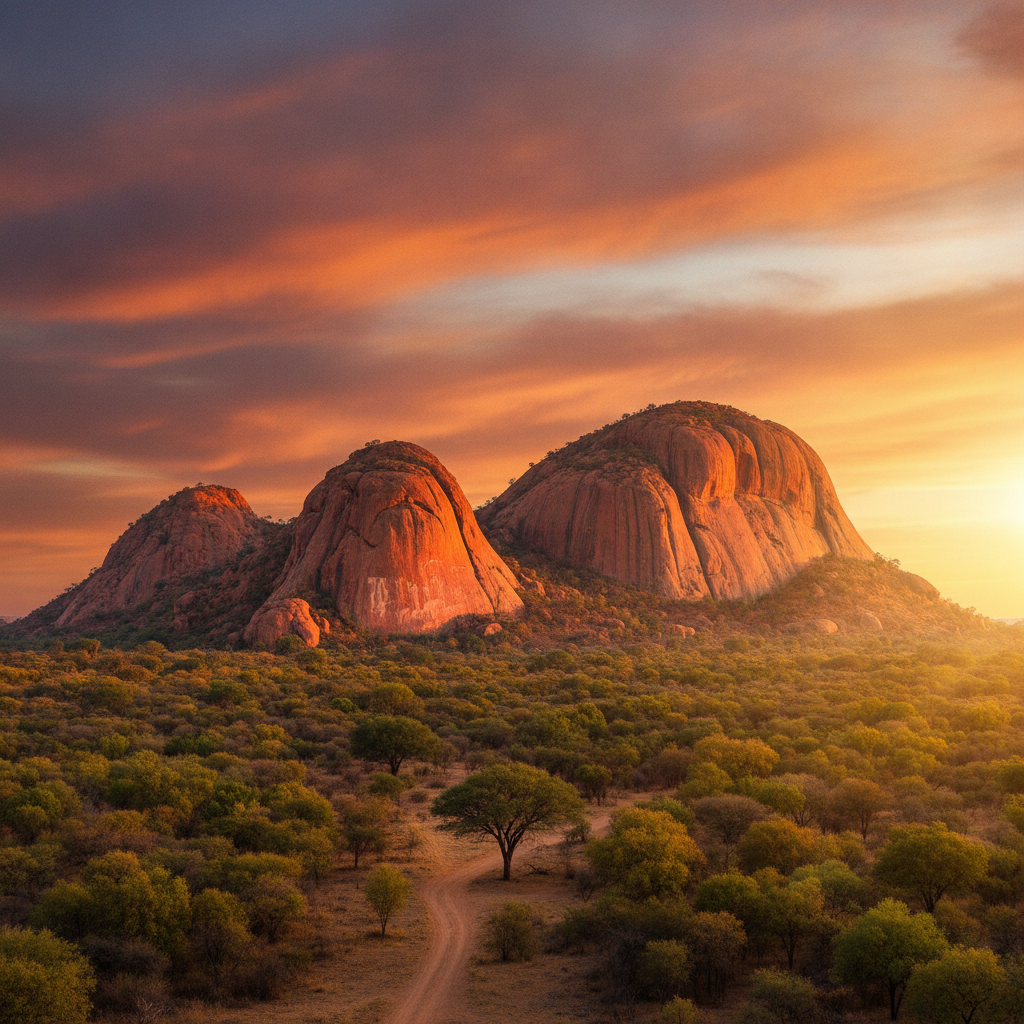
The Tsodilo Hills (UNESCO World Heritage Site): four hills rising dramatically from the flat Kalahari sands of northwestern Botswana (approximately 400 km northwest of Gaborone near the Namibia border). The Tsodilo Hills contain approximately 4,500 individual rock paintings attributed to the San people (the oldest dating back approximately 24,000 years), making this the most significant concentration of rock art in the world by number. The four hills are named in the local Hambukushu language: Male, Female, Child, and the uninhabited North Hill. The San regard the Tsodilo Hills as a sacred mountain and the dwelling place of their ancestral spirits; they call it the Louvre of the Desert. The rhino paintings (the rhinoceros is depicted in the Tsodilo paintings but became extinct in the area approximately 2,000 years ago: the paintings are therefore significant evidence of the historical range of the black rhino). Getting there: approximately 40 km on a 4x4 track from the D964 road, requiring a high-clearance vehicle.
- 5
The Makgadikgadi Pans - The Largest Salt Pans in the World
The Makgadikgadi Pans (the Makgadikgadi Pans National Park and the adjacent Game Reserve): the largest salt pans in the world (approximately 12,000 sq km), the remnant of an ancient lake (the Makgadikgadi Lake) that covered much of northern Botswana before drying approximately 10,000-16,000 years ago. The baobab trees of the Makgadikgadi (the ancient trees on the islands within the pan system): the Chapman baobab (near Gweta) was one of the largest baobabs in Africa, visited by explorers including David Livingstone (it collapsed in 2016). The Makgadikgadi meerkats: the habituated meerkat groups in the Makgadikgadi area (the meerkats at the Jack Tent Camp and other camps have been habituated to human presence and can be observed at close range at dawn as they warm themselves before foraging). The zebra migration: the second-largest land animal migration in Africa (after the Serengeti wildebeest) occurs in the Makgadikgadi during the wet season (December-April): an estimated 25,000-30,000 zebras migrate from the Chobe-Linyanti area to the Makgadikgadi grasslands.
- 6
Gaborone and Botswana Two-Route Legacy Summary
Gaborone two routes complete. Route 1: the Botswana miracle (from poorest to upper-middle-income in 50 years), Debswana diamonds (Jwaneng the richest mine by value, Orapa the largest by area), Seretse Khama and the interracial marriage, Okavango Delta, Central Kalahari and San people, practical guide (pula, climate, airport). Route 2 (this route): Chobe National Park (120,000 elephants), Moremi Game Reserve (the jewel of the Okavango), Tswana people and the kgotla democratic tradition, Tsodilo Hills UNESCO rock art (the Louvre of the Desert, 4,500 paintings), Makgadikgadi salt pans (largest in the world), zebra migration and meerkats. Routes 3-6 still needed. Botswana overview: population approximately 2.6 million, area approximately 582,000 sq km, independence 1966 (the shortest transition to independence in the British Commonwealth, approximately 6 months from announcement to independence day). The Botswana model: low corruption (Transparency International ranks Botswana consistently among the top 30 least corrupt countries globally, the highest in Africa), diamond revenue fiscal management, and investment in human capital.
Walk this route with audio
Stories play automatically as you reach each stop — no tapping needed.
More in gaborone
Gaborone: The Pula Currency, Maun Safari Hub, Linyanti Marshes, Khama Rhino Sanctuary, and Botswana Birding
Gaborone Final Legacy: Okavango Flood Cycle, Safari Photography, Francistown, A1 Highway, Kalahari Stars, and Complete Reference
Gaborone: The Botswana Miracle, Diamond Industry, Seretse Khama, Okavango Delta, Kalahari Desert, and Practical Guide
Gaborone: Botswana Anti-Poaching, San Land Rights, African Wild Dog, Tswana Culture, and Democracy Record