Galapagos Islands: Evolution Laboratory and the Most Fearless Wildlife on Earth
The Galapagos Islands, a volcanic archipelago straddling the equator 1,000 kilometers west of mainland Ecuador, host the most fearless wildlife on earth. Animals that evolved in the absence of terrestrial predators have no instinctive fear of humans, allowing approach to within arm reach of sea lions, marine iguanas, blue-footed boobies, and giant tortoises. Charles Darwin visited in 1835 and the observations he made here contributed directly to his development of the theory of natural selection. The 18 main islands, formed by the Galapagos hotspot still active today, are managed as a national park covering 97 percent of the land area and a marine reserve of 133,000 square kilometers. This route covers the foundational natural history and the essential wildlife encounters of the archipelago.
- 1
Darwin and Evolution: What the Galapagos Actually Showed
Charles Darwin spent five weeks in the Galapagos in September and October 1835 as part of the five-year voyage of the HMS Beagle. He collected specimens from multiple islands including mockingbirds, finches, tortoises, iguanas, and plants. The insight that different mockingbirds on different islands might represent distinct species rather than varieties, and that giant tortoises from different islands had shells of different shapes adapted to local vegetation, planted the seed of the ideas he would develop over the following two decades into On the Origin of Species, published in 1859. The famous Darwin finches, 13 species that radiated from a single founding ancestor, became the textbook example of adaptive radiation following his description of them. The islands are now understood as a living laboratory of evolution because the isolation and the varied environments of different islands replicated the conditions that produce species divergence on observable timescales.
- 2
Santa Cruz Island: The Hub of Galapagos Tourism and the Tortoise Reserve
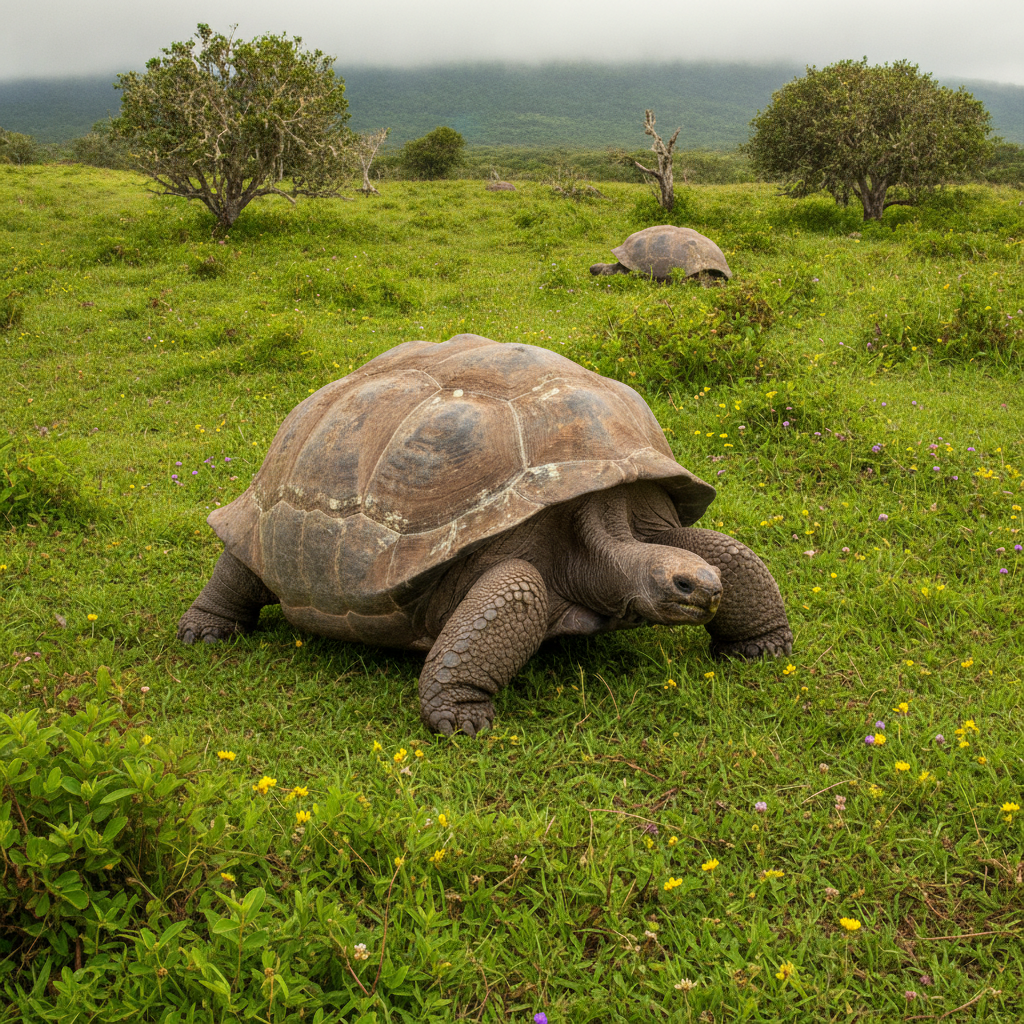
Santa Cruz is the most populous island and the tourism hub of the Galapagos, with Puerto Ayora serving as the main town and service center for the archipelago. The Charles Darwin Research Station on the outskirts of Puerto Ayora maintains breeding programs for giant tortoises including the subspecies that were reduced to near extinction; Lonesome George, the last Pinta Island tortoise who died in 2012, lived here. The Tortuga Bay beach west of town is one of the finest beaches in the archipelago, accessible by a 45-minute walk through cactus scrub. The giant tortoise reserve at El Chato allows visitors to walk among free-roaming tortoises in the highland interior of the island, where the animals are most active during the wet season. The lava tunnels near Puerto Ayora are geological features created by flowing lava that hardened on the outside while the interior continued to drain, leaving hollow tubes of volcanic rock.
- 3
Espanola Island: Blue-Footed Boobies and the Waved Albatross Colony
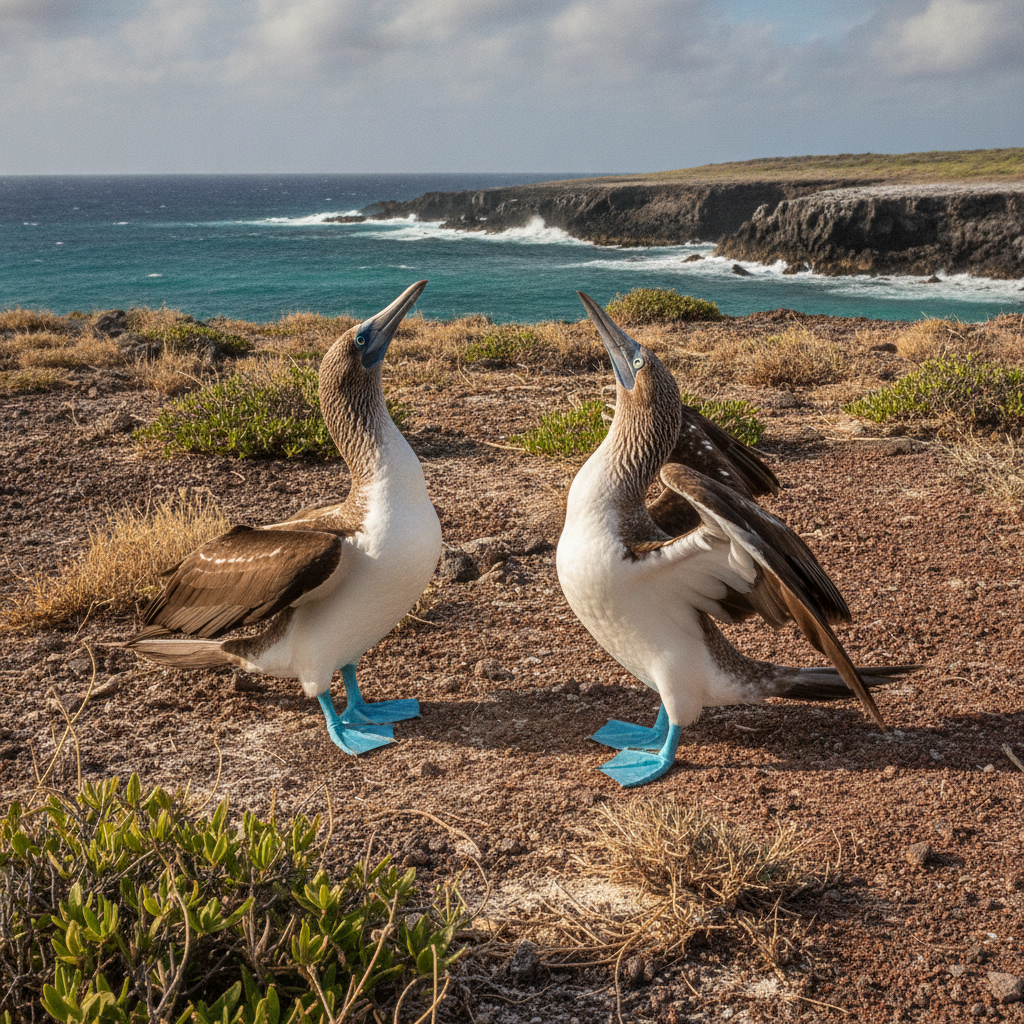
Espanola, the southernmost and oldest island in the Galapagos, is the only breeding site in the world for the waved albatross, a bird with a wingspan of 2.5 meters that arrives to nest from April through December and performs its elaborate head-waving courtship dance at close range to visitors. The Punta Suarez visitor site also contains the largest and most accessible blue-footed booby colony in the Galapagos, where the birds perform their high-stepping blue-foot display dance on the trail in front of observers. Nazca boobies, marine iguanas unique to the island in black and red coloration, and Espanola mockingbirds also populate the trail. Espanola is accessible only by cruise boat due to its distance from the main islands; it is one of the most celebrated wildlife experiences in the archipelago and a primary reason to choose a cruise over land-based touring.
- 4
Marine Life: Sea Lions, Marine Iguanas, and Snorkeling
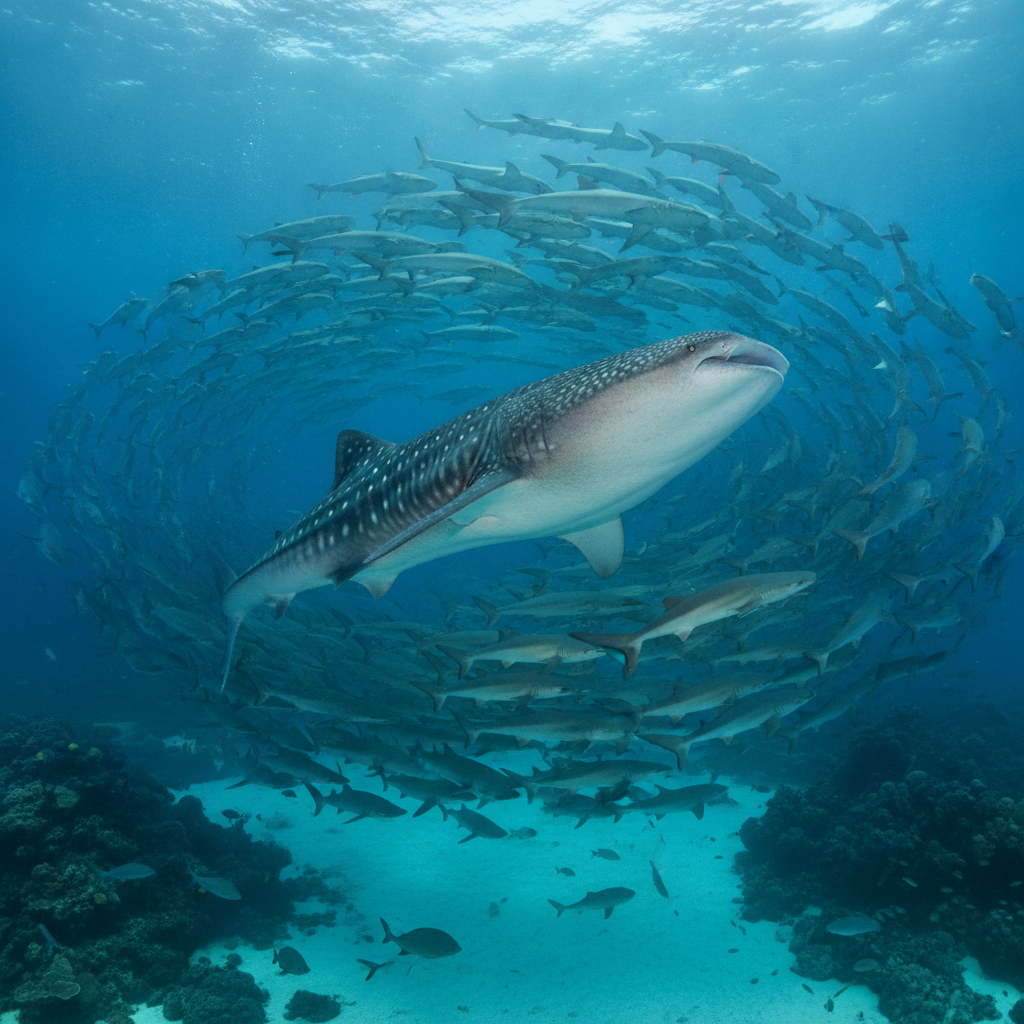
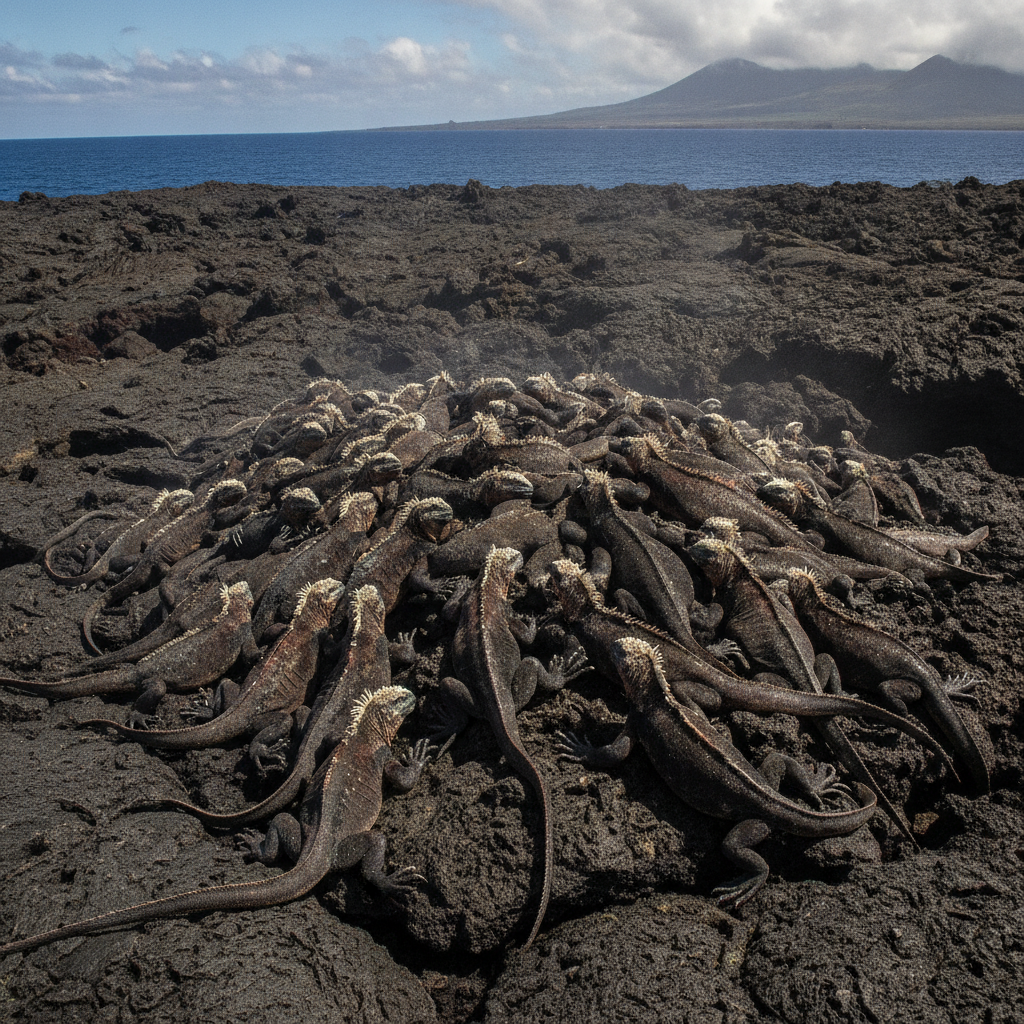
The marine environment of the Galapagos is as extraordinary as the land wildlife, influenced by the meeting of cold Humboldt Current waters from the south, cool deep-upwelling Cromwell Current, and warm Panama Current from the north. This mixing creates the nutrient-rich water that supports the food chain underlying the large animal populations. Galapagos sea lions haul out on every beach and dock, including inside restaurants and on the benches of Puerto Ayora; they enter the water with snorkelers and have been known to body-check divers playfully. Marine iguanas, the only sea-going lizards on earth, forage on underwater algae and warm themselves in enormous communal piles on the black lava shores. Snorkeling from any visitor site encounters sea turtles, reef sharks, eagle rays, and seasonal whale sharks in the northern islands. The snorkeling at Kicker Rock off San Cristobal and at Darwin and Wolf islands in the north provides some of the richest diving encounters on earth.
- 5
Fernandina and Isabela: The Active Western Islands
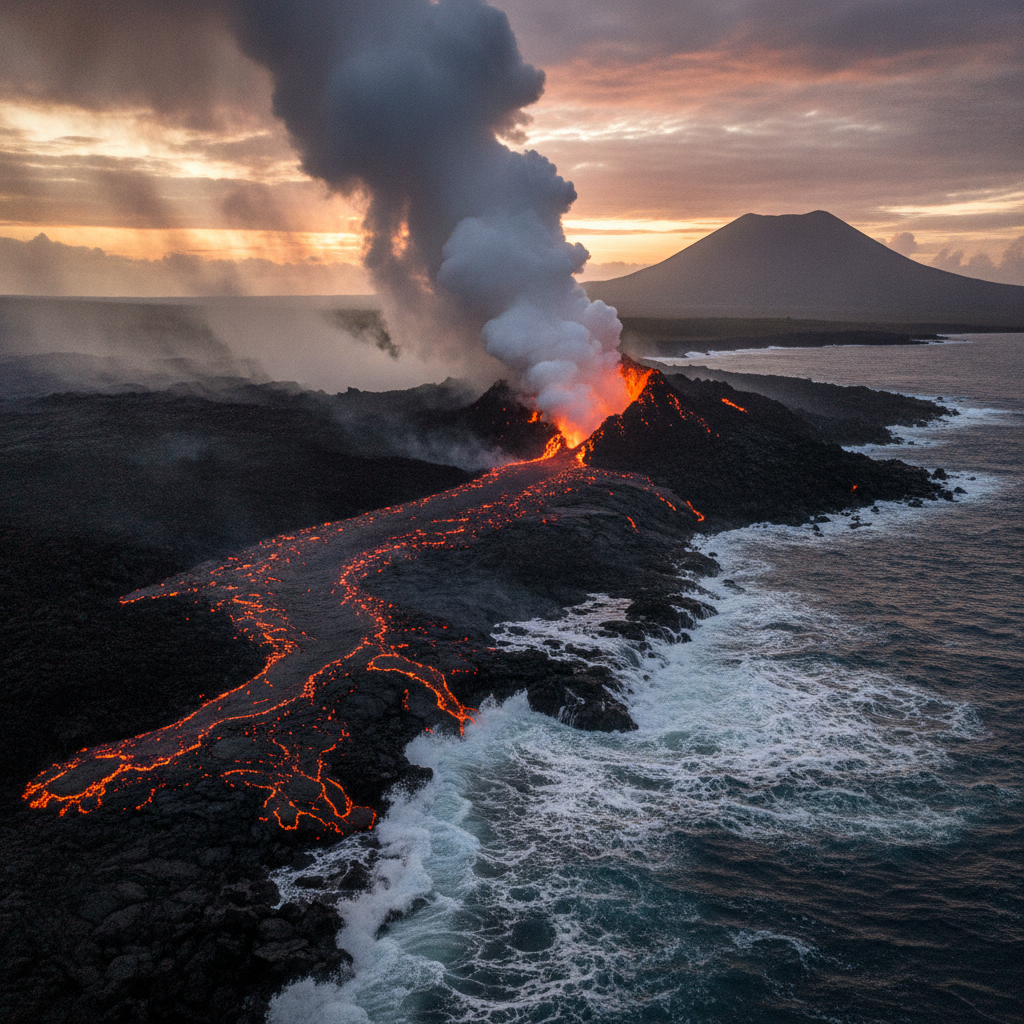
The westernmost islands of Fernandina and Isabela are the youngest in the archipelago, still being built by the active Galapagos hotspot, and are the most volcanically active. Fernandina last erupted in 2020. The visitor site at Punta Espinosa on Fernandina contains the largest marine iguana colony in the Galapagos, with thousands of iguanas piled in mounds on the black lava alongside flightless cormorants drying their vestigial wings and Galapagos penguins walking the shoreline. The flightless cormorant is found only on Fernandina and Isabela; it evolved from flying ancestors and lost the ability to fly having no aerial predators while gaining enhanced diving capability for hunting fish. Isabela, the largest island, contains five separate shield volcanoes and the only population of penguins found north of the equator. The snorkeling at Isabela east coast sites with penguin and sea lion encounters is exceptional.
- 6
Genovesa and the Northern Islands: The Bird Islands
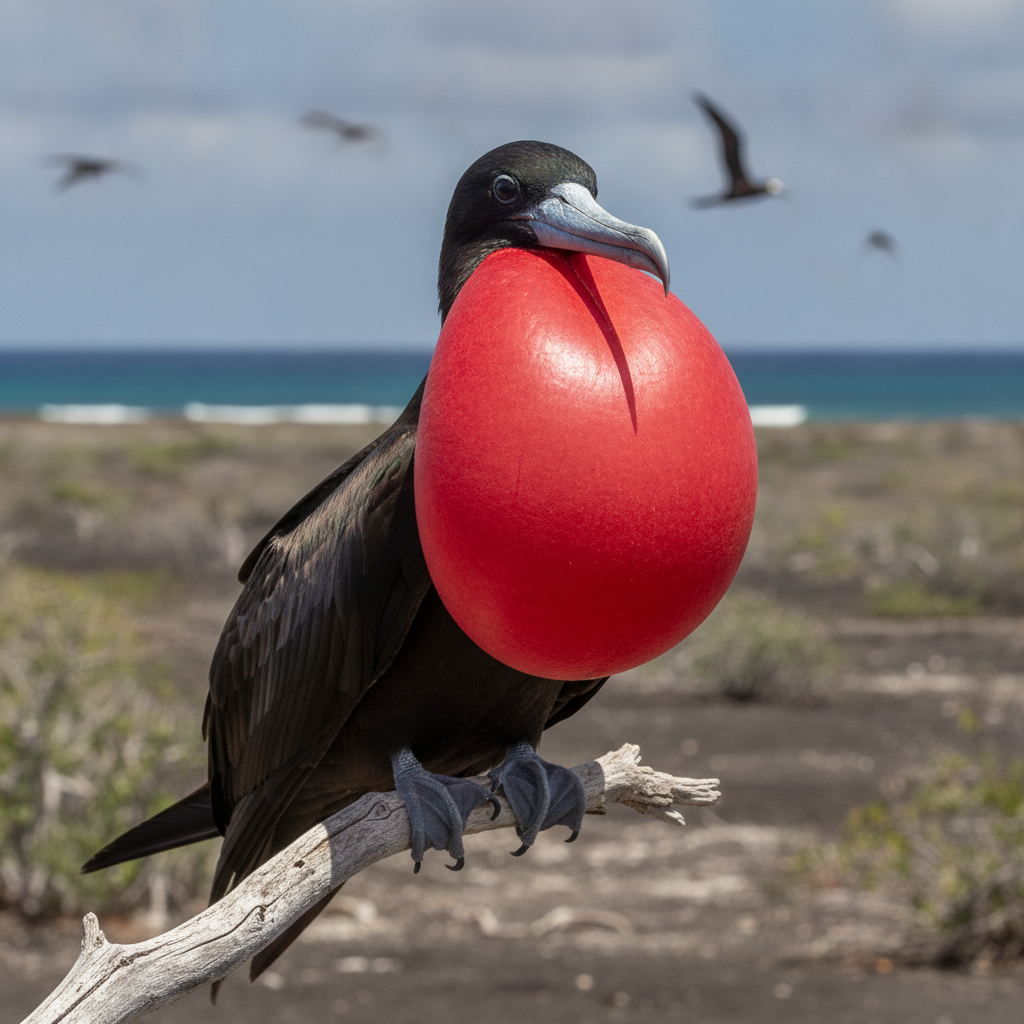
Genovesa, called Tower Island by early mariners, is a horseshoe-shaped remnant caldera island in the far northeast of the archipelago accessible only by overnight cruise, typically on a five-day or longer itinerary. The island contains one of the largest red-footed booby colonies in the world, with thousands of birds nesting in the palo santo trees along the visitor trails, alongside Nazca boobies, swallow-tailed gulls, great frigatebirds, and short-eared owls that hunt storm petrels by day. The Prince Philip Steps trail ascends the caldera rim through the dense nesting colony. Darwin and Wolf islands at the extreme northwest of the archipelago are dive-only sites accessible on liveaboard dive cruises; they are considered among the top five diving sites in the world for encounters with whale sharks, schooling hammerhead sharks, and large pelagic fish concentrations during the cold-water season from June through November.
Walk this route with audio
Stories play automatically as you reach each stop — no tapping needed.
More in Galapagos
Galapagos Geology: Hotspot Volcanism and the Making of the Islands
Galapagos Giant Tortoises: Natural History, Near Extinction, and Recovery
Galapagos Diving and Snorkeling: Shark Aggregations and Underwater Wildlife
Galapagos Reptiles: Marine Iguanas, Land Iguanas, and Lava Lizards
Galapagos Conservation: The Human Presence, Tourism Management, and Future Threats