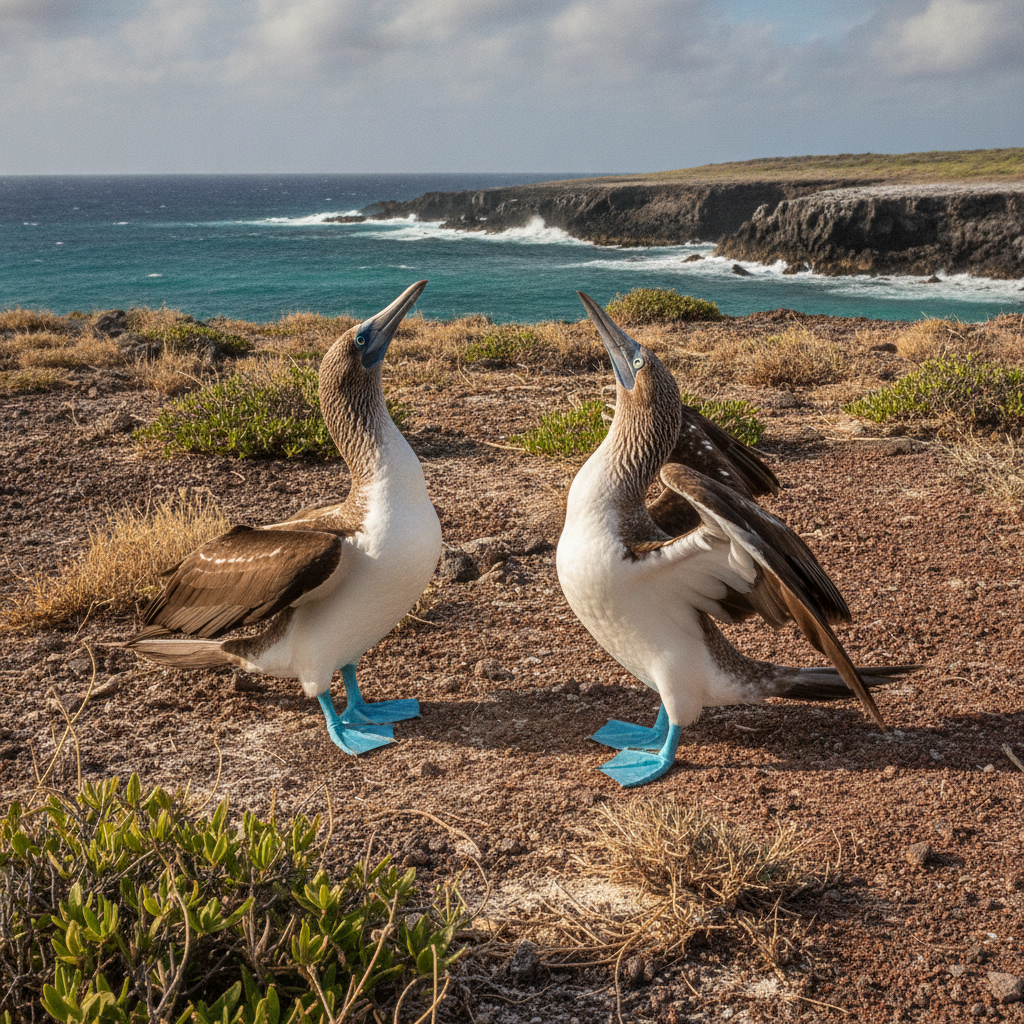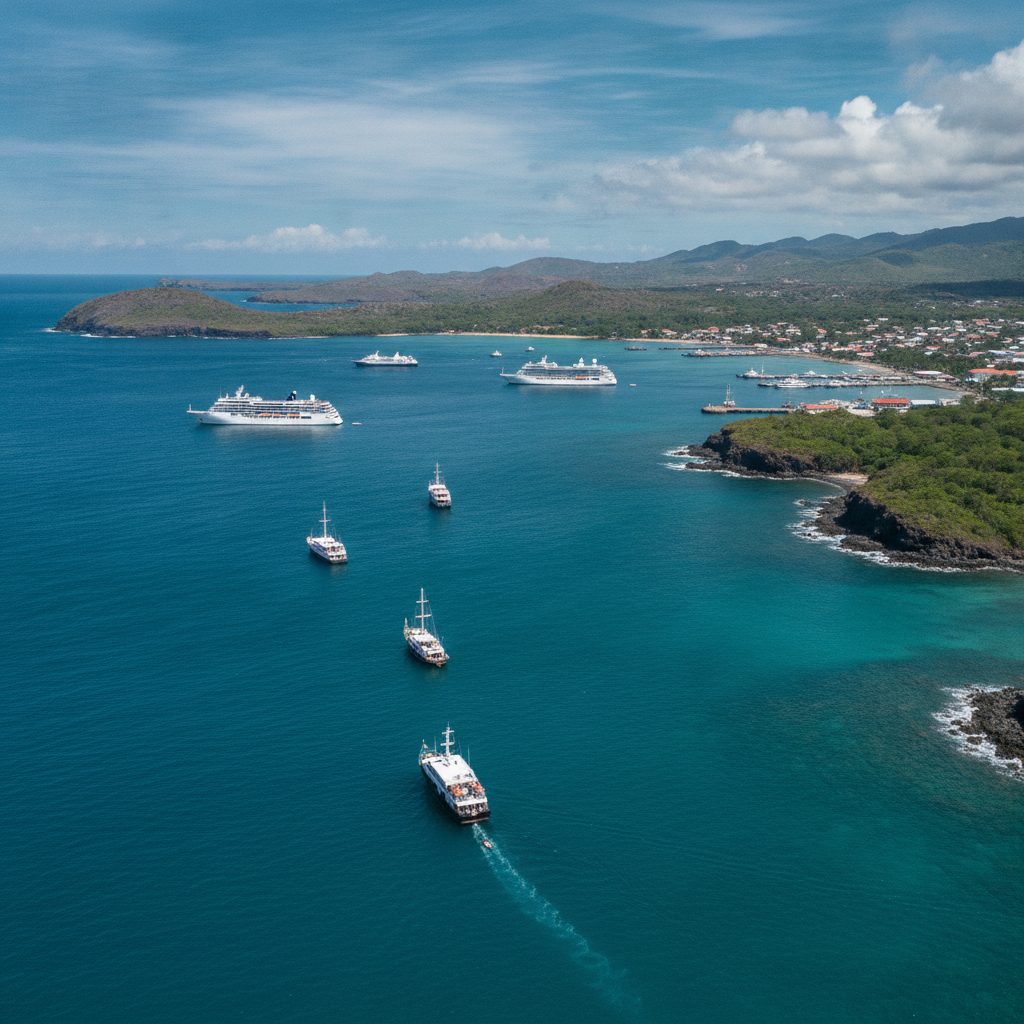
Galapagos Practical Guide: Cruise vs Land-Based, Costs, and Which Islands to Visit
Planning a Galapagos trip involves more decisions than almost any other travel destination of comparable size. The fundamental question of cruise versus land-based touring determines budget, which islands are accessible, and the character of the experience. The time of year affects which species are most active. The duration from four days to three weeks determines how much of the archipelago is reachable. This route consolidates the practical planning information needed to make confident decisions before booking.
- 1
When to Visit: Seasonal Wildlife Patterns by Month
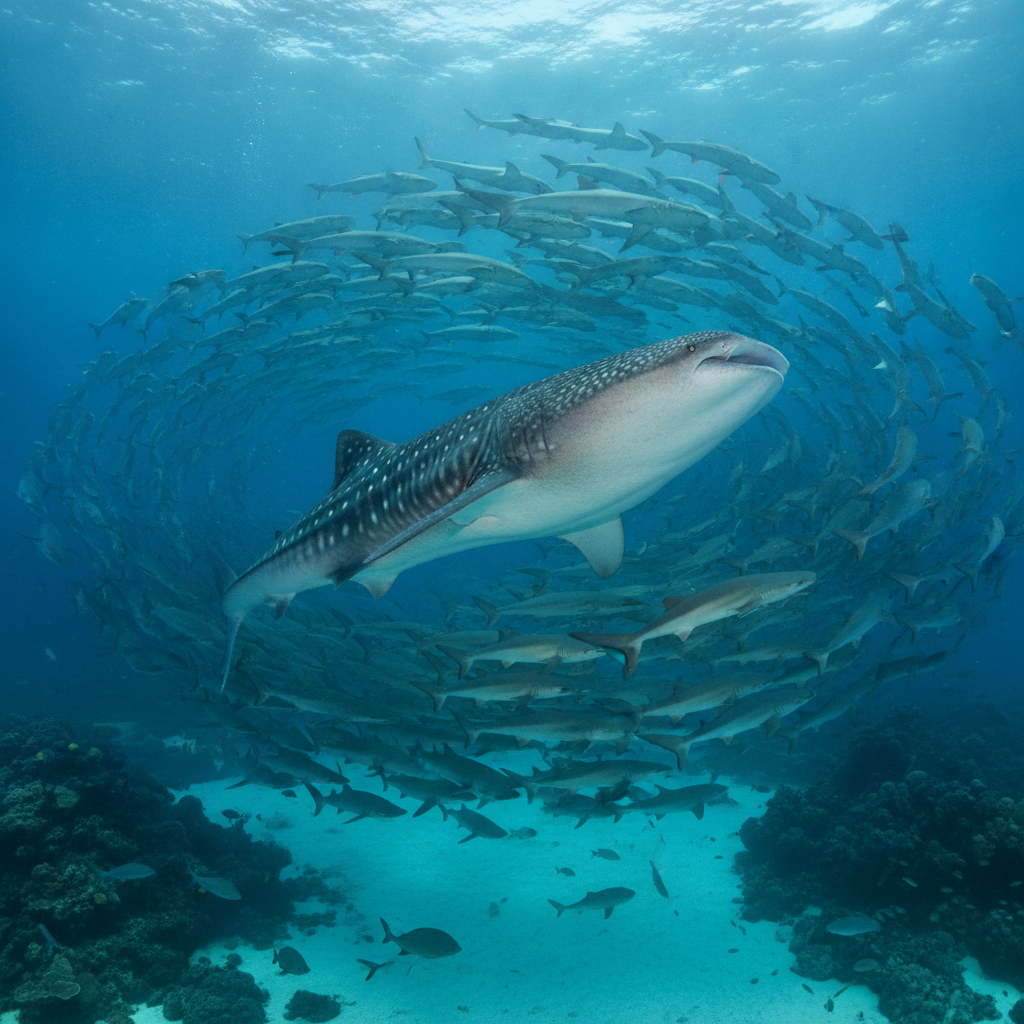
The Galapagos has two broad seasons with different wildlife highlights. The warm season from January through May brings higher air and water temperatures, calm seas, lush green vegetation on the islands, active courtship displays from many bird species including waved albatrosses beginning in April, and baby sea lions born from May through July. Marine visibility can be reduced by plankton blooms. The cool-dry season from June through December brings colder water temperatures, rougher seas, and spectacular wildlife: whale shark aggregations at Darwin and Wolf from June through November, penguin courtship and hatching, active fur seal colonies, Galapagos hawk mating flights, and cleaner marine visibility for diving. Sea conditions are rougher in the July through September period, which matters for visitors prone to motion sickness. Both seasons are excellent; the cool season offers better marine wildlife, the warm season better weather for land activities.
- 2
Cruise Types: Economy, Tourist, First Class, and Luxury Vessels
Galapagos cruise vessels are officially classified into four categories that determine cabin quality and onboard amenities. Economy class vessels, typically older boats, offer shared bathrooms and basic food; they are rarely marketed to international travelers. Tourist class vessels are the most common, with private en-suite cabins, a single dining room, and naturalist guide quality as the primary variable. First class vessels offer higher food quality, more comfortable cabin appointments, and typically smaller passenger numbers. Luxury vessels including the exclusive catamarans and converted expedition ships offer hotel-equivalent room quality, high-end cuisine, and occasionally exclusive access to specific sites. The distinction that matters most for wildlife experience is the quality of the naturalist guide rather than the vessel category; a passionate and knowledgeable guide on a tourist class boat exceeds a mediocre guide on a luxury vessel in terms of the quality of the actual wildlife encounter.
- 3
Land-Based Touring: Using Puerto Ayora, San Cristobal, and Isabela as Bases
Land-based touring using the inhabited towns as bases is substantially less expensive than cruise touring and allows a more genuine connection with the Galapagos human community. Puerto Ayora on Santa Cruz is the main service center with the widest accommodation range, best restaurant selection, and most tour operator choices; day trips access Tortuga Bay, El Chato tortoise reserve, the Darwin Station, and nearby small islands. Puerto Baquerizo Moreno on San Cristobal, the capital of the province, offers a slightly smaller range of services but excellent surfing and the Kicker Rock snorkel site. Puerto Villamil on Isabela, the smallest of the inhabited ports, provides the most remote feel of the three main towns and access to snorkeling with penguins and flightless cormorants at nearby sites. The main islands not accessible from land bases are the most distant: Espanola, Genovesa, Fernandina, and the northern islands require cruise access.
- 4
Budget Planning: What the Galapagos Actually Costs
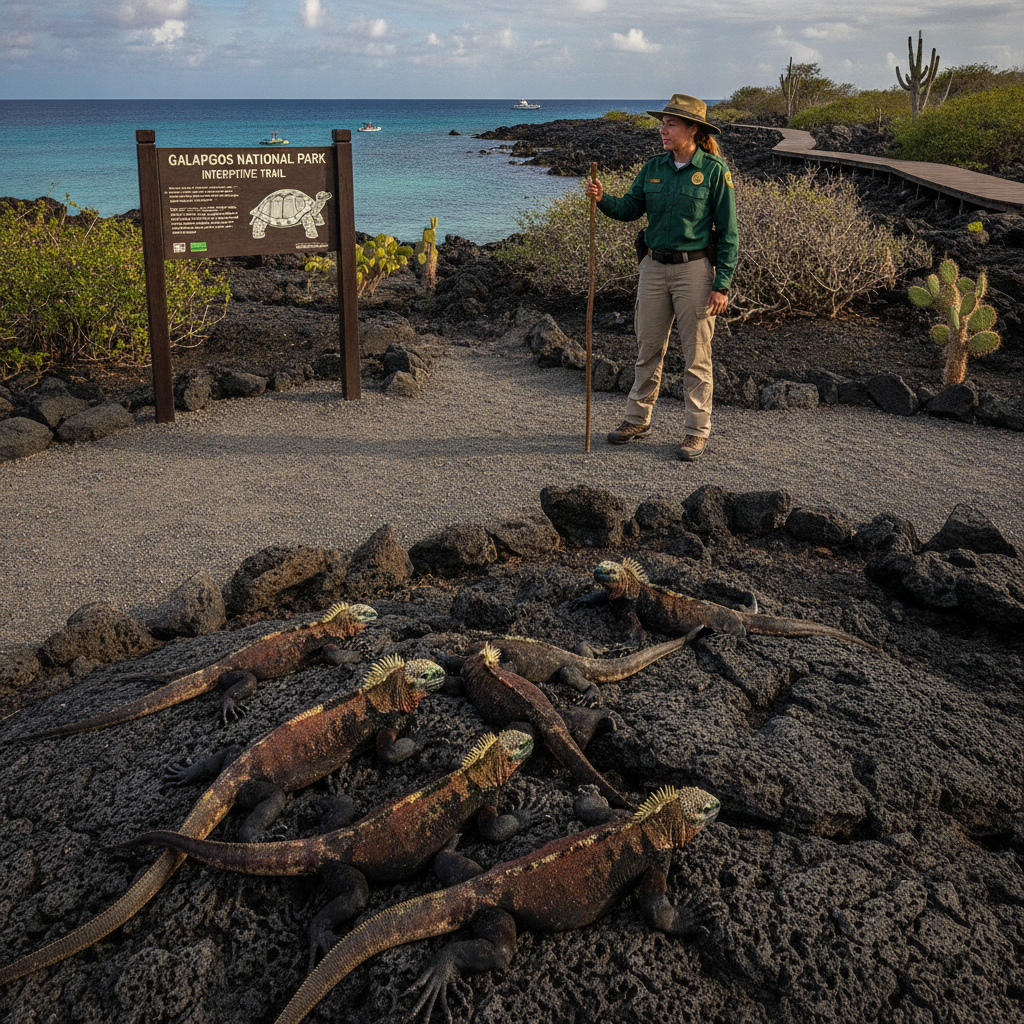
Budget planning for the Galapagos should account for the mandatory costs before accommodation and food. The Galapagos National Park entrance fee is 100 USD for most international visitors, paid in cash on arrival. The Transit Control Card is approximately 20 USD, purchased at the mainland airport. Return flights from Quito or Guayaquil to the islands typically cost 300 to 500 USD per person. Adding these fixed costs to accommodation means the minimum realistic daily budget for land-based touring with a shared hostel room is approximately 70 to 100 USD per day excluding tour costs. Day tours to visitor sites cost 60 to 150 USD per trip. A four-day budget cruise starts at approximately 800 to 1,000 USD per person in economy or low tourist class. A mid-range eight-day cruise runs 2,500 to 4,000 USD per person. Luxury liveaboard cruises to Darwin and Wolf for serious divers run 5,000 to 8,000 USD for seven nights. Last-minute deals from Quito agencies can reduce cruise prices by 30 to 50 percent for flexible travelers.
- 5
Inter-Island Transport: Speedboats and Flights
Travel between the main inhabited islands, Santa Cruz, San Cristobal, and Isabela, is available by speedboat (called inter-island ferry locally) and occasionally by small aircraft. The speedboat connections take approximately 2 hours between Santa Cruz and San Cristobal, and 2.5 hours between Santa Cruz and Isabela, departing from the main docks in each town in the early morning. Sea conditions can make these crossings uncomfortable in the rough season from July through September; motion sickness medication is strongly advised. Small aircraft connections operated by Emetebe serve the inter-island routes as an expensive but much faster alternative. All visits to uninhabited visitor sites on the main islands require hiring a day tour or being on a cruise. The only way to visit the outer islands including Espanola, Genovesa, Marchena, and the northern islands is by cruise boat; no regular inter-island ferry or day tour reaches these destinations.
- 6
The Human History of the Galapagos: Pirates, Whalers, and Settlers
The Galapagos was officially claimed by Ecuador in 1832, having previously been visited but not settled by Spanish colonizers, pirates using the islands as a base, and whalers who found the islands a convenient resupply point in the 19th century Pacific whaling industry. The whalers documented and decimated the giant tortoise populations, taking hundreds of thousands of animals as provision over decades. The first permanent settlement was established on Floreana in the 1830s and the island has had a colorful if often tragic history of colonists including several eccentric European settlers in the 1930s whose disappearances and probable murders have never been fully explained and are the subject of books and documentaries. The current human settlement pattern was established through deliberate government colonization programs from the 1940s through 1960s intended to assert Ecuadorian sovereignty over the islands. The history of the human Galapagos is as strange and compelling as its natural history.
Walk this route with audio
Stories play automatically as you reach each stop — no tapping needed.
More in Galapagos
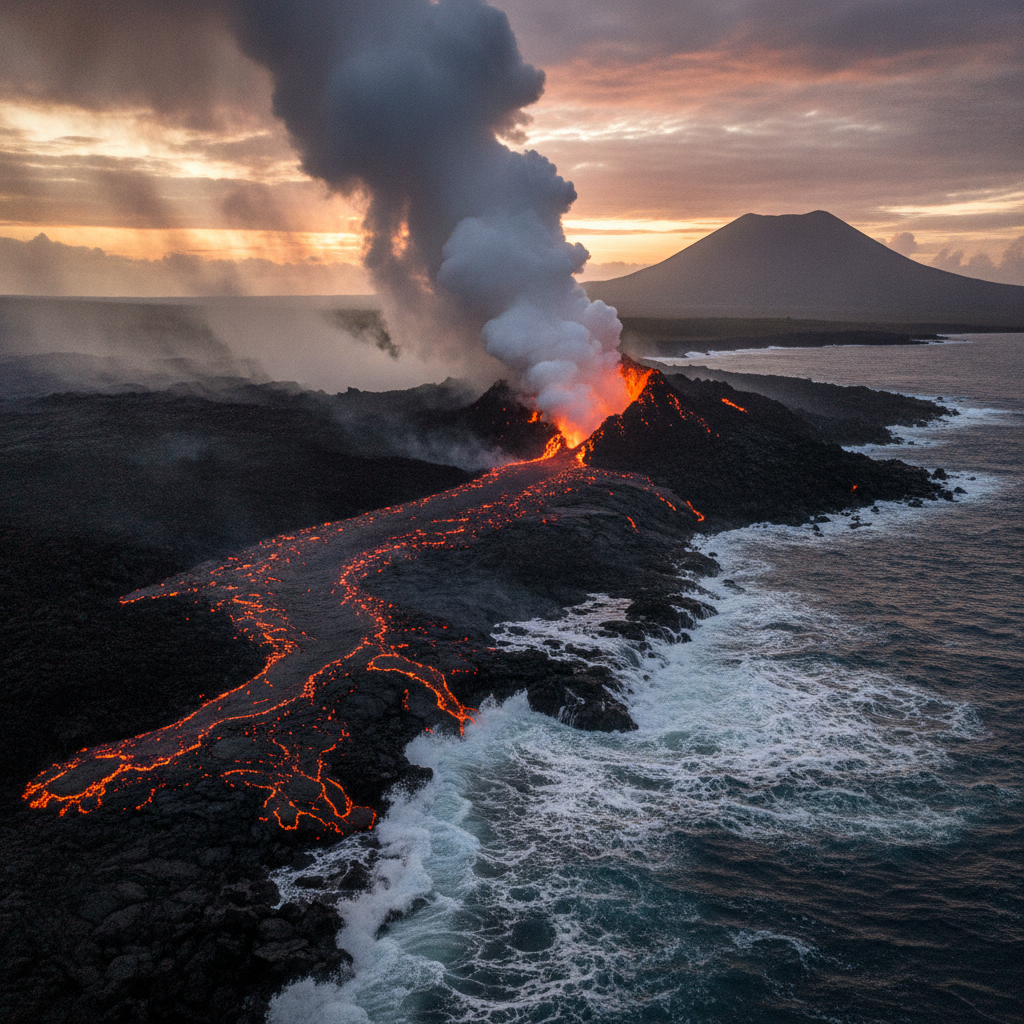
Galapagos Geology: Hotspot Volcanism and the Making of the Islands
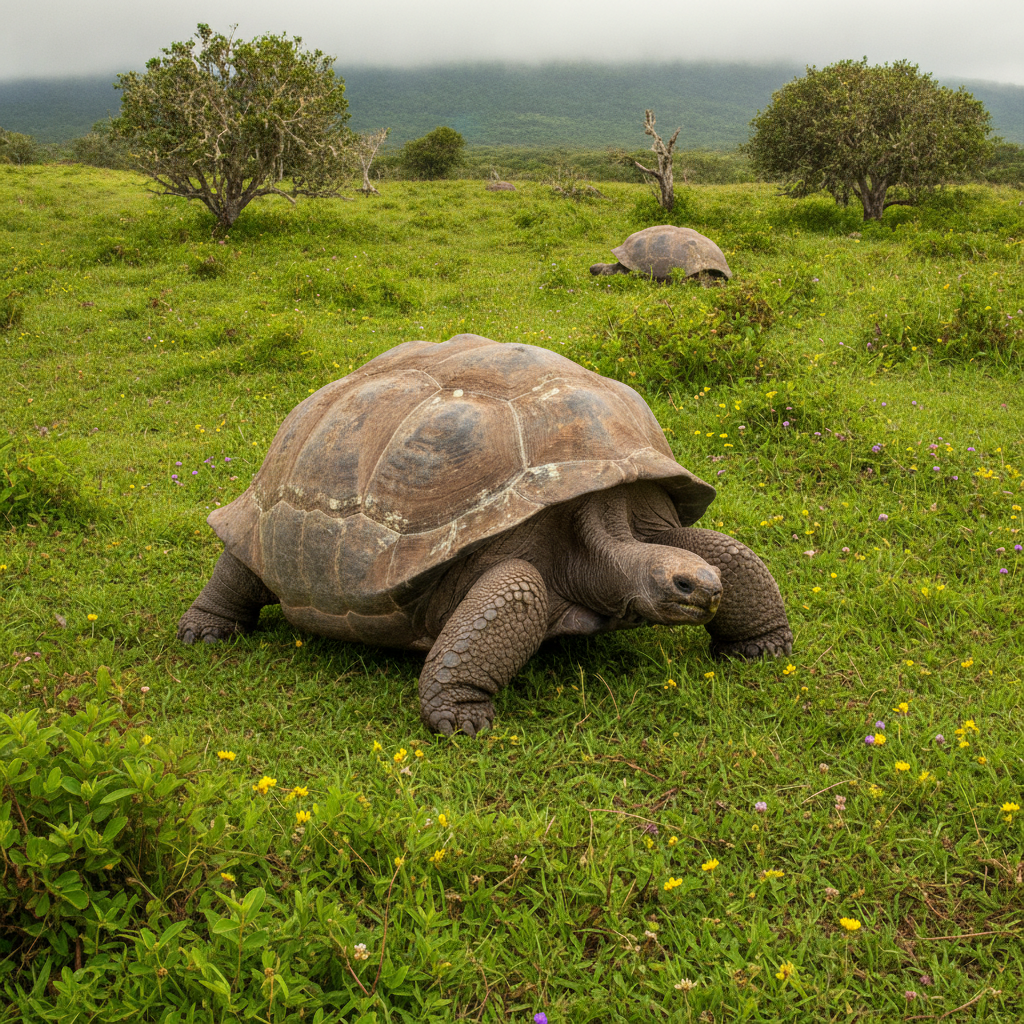
Galapagos Giant Tortoises: Natural History, Near Extinction, and Recovery
Galapagos Diving and Snorkeling: Shark Aggregations and Underwater Wildlife
Galapagos Reptiles: Marine Iguanas, Land Iguanas, and Lava Lizards
Galapagos Conservation: The Human Presence, Tourism Management, and Future Threats