Gitega National Museum: Burundian Kingdom & Colonial History
The Gitega National Museum — in a former Belgian colonial building on the royal hill — holds the most important collection of Burundian royal objects, documenting the kingdom that survived into the modern era
- 1
Royal Collection
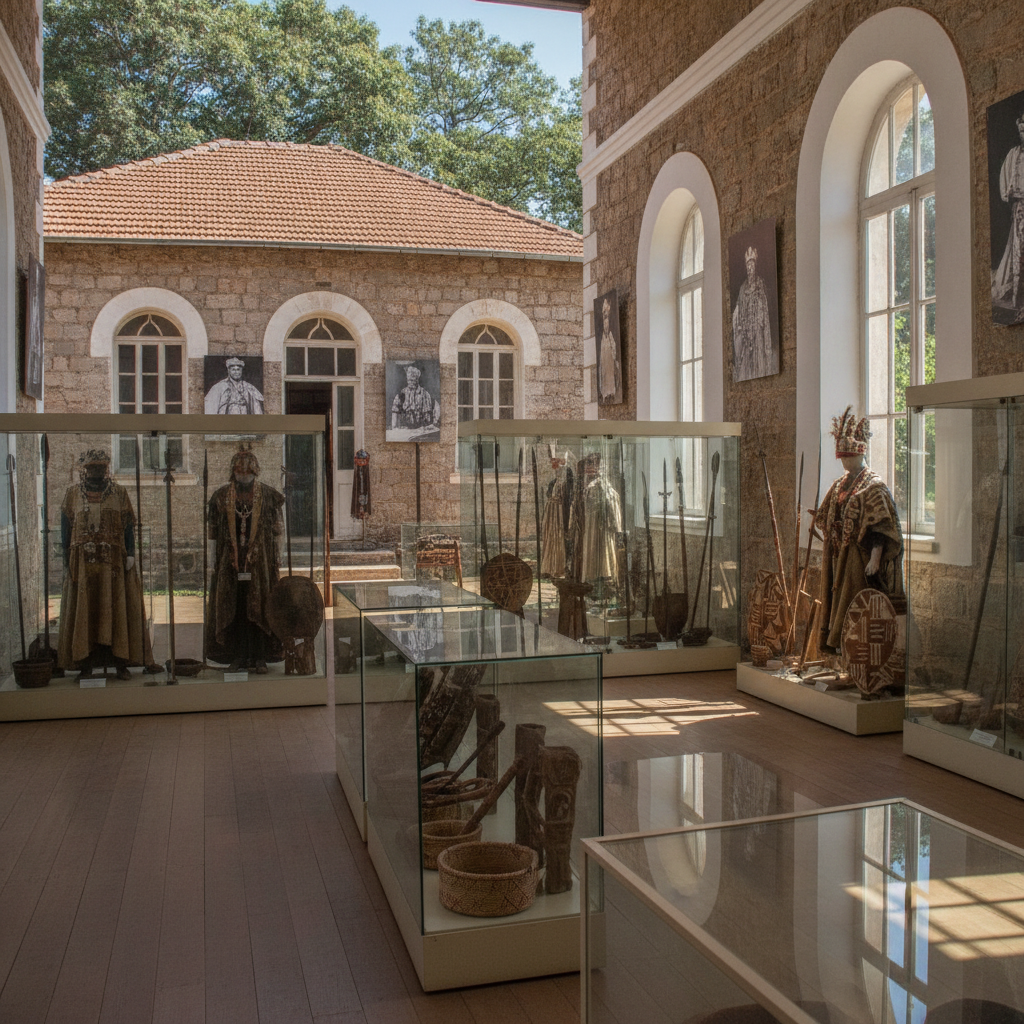
The museum's collection of royal artefacts – drums, shields, spears, royal garments and the regalia of the Burundian Mwami kings – represents the kingdom's material culture in unparalleled completeness
- 2
Mwami ancestry documentation
The royal genealogies of Burundian kings are documented in the museum – the oral histories, now transcribed, trace the kingdom's history back to the pre-colonial era in remarkable detail
- 3
Belgian Colonial Period
The museum's colonial history department documents the Belgian period (1916-1962) — including the colonial transformation of the kingdom, the use of ethnic categories and the independence process
- 4
Traditional Burundian Society
The ethnographic collection documents the social structure of traditional Burundian society – the ganwa princely class, the Hutu farmers, the Tutsi herdsmen and the Twa innkeepers, and their complex relationships
- 5
Independence and Republic
The transition from kingdom to republic in 1966 – when the first Hutu president proclaimed a republic after a coup – is documented in the museum's contemporary history section
- 6
Museum Architecture on Royal Hill
The Belgian colonial building that houses the museum was built on the royal hill — the colonial appropriation of the kingdom's most sacred geography and its transformation into a museum is itself a historical artifact
Walk this route with audio
Stories play automatically as you reach each stop — no tapping needed.
More in Gitega
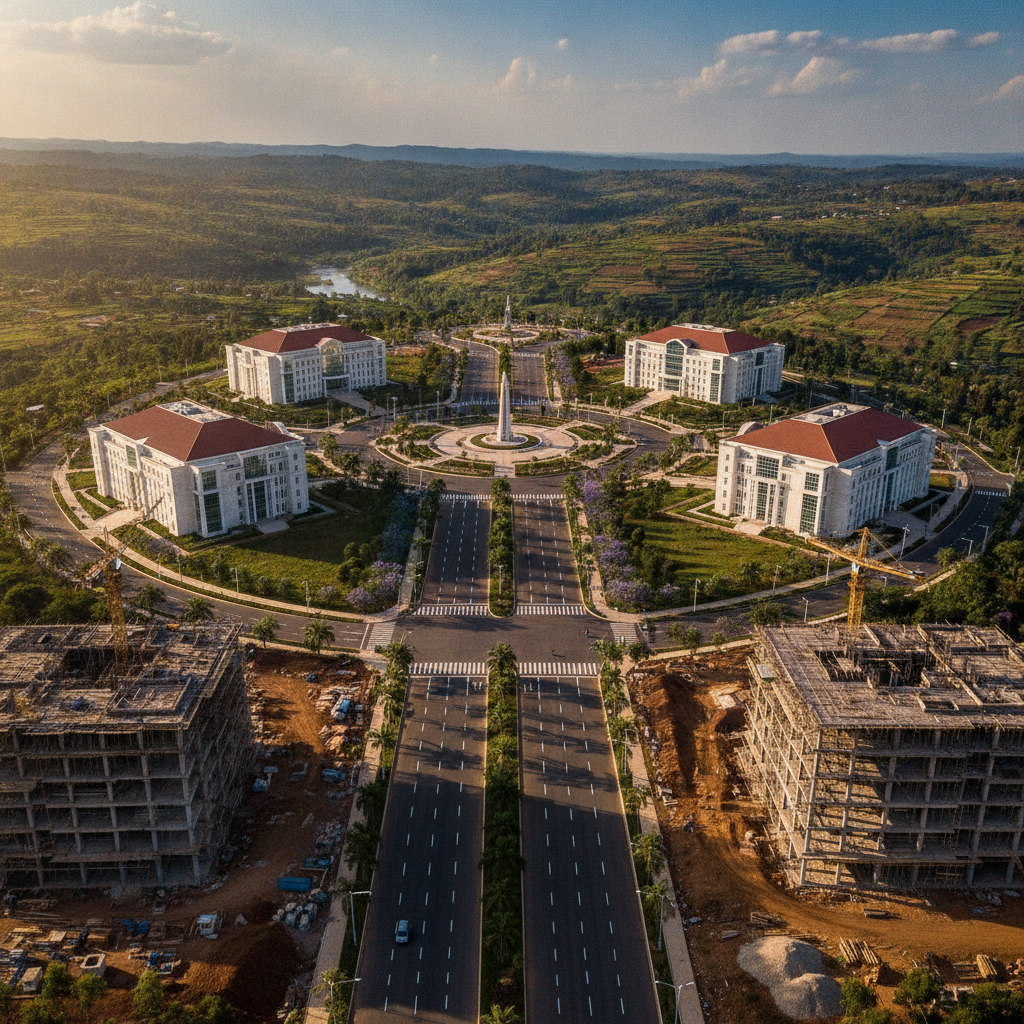
Gitega: From Historic Kingdom to New National Capital
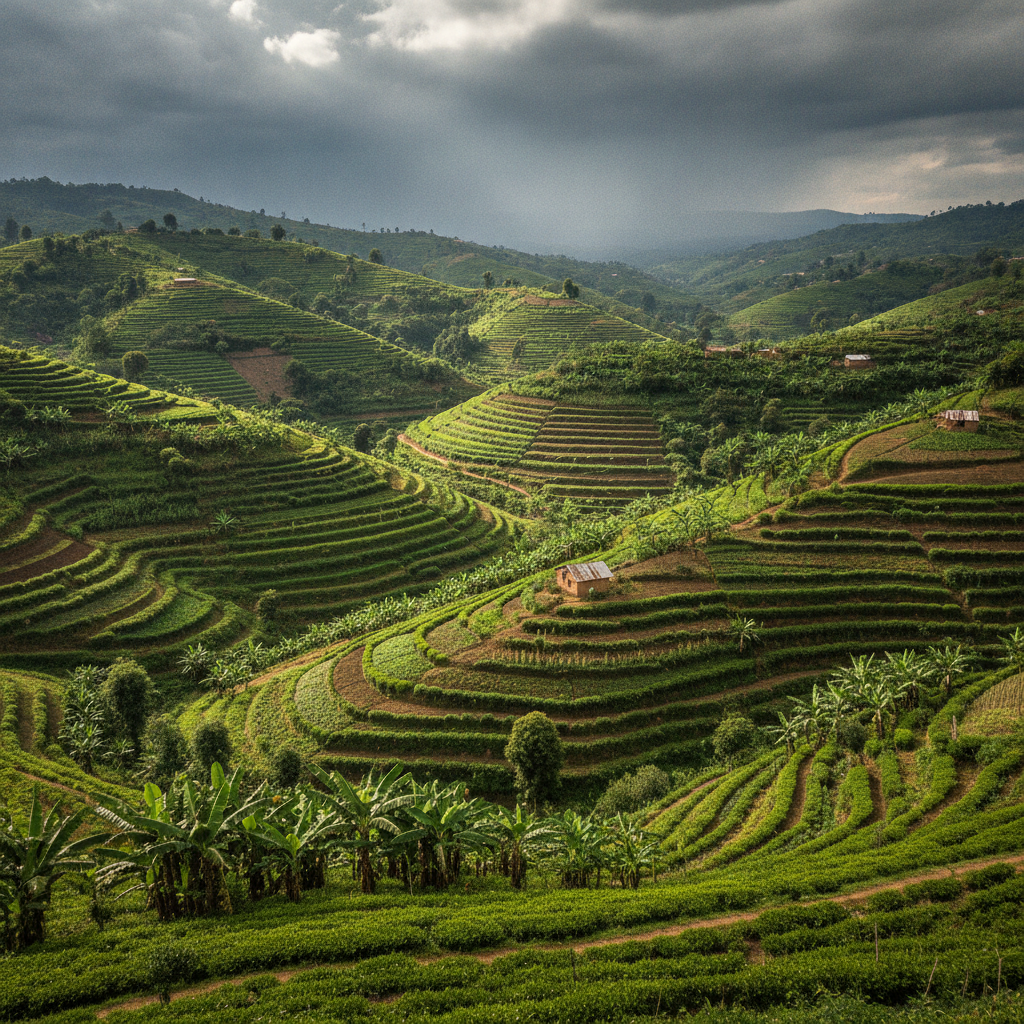
Gitega's Highland Landscape: Africa's Dense Hill Country
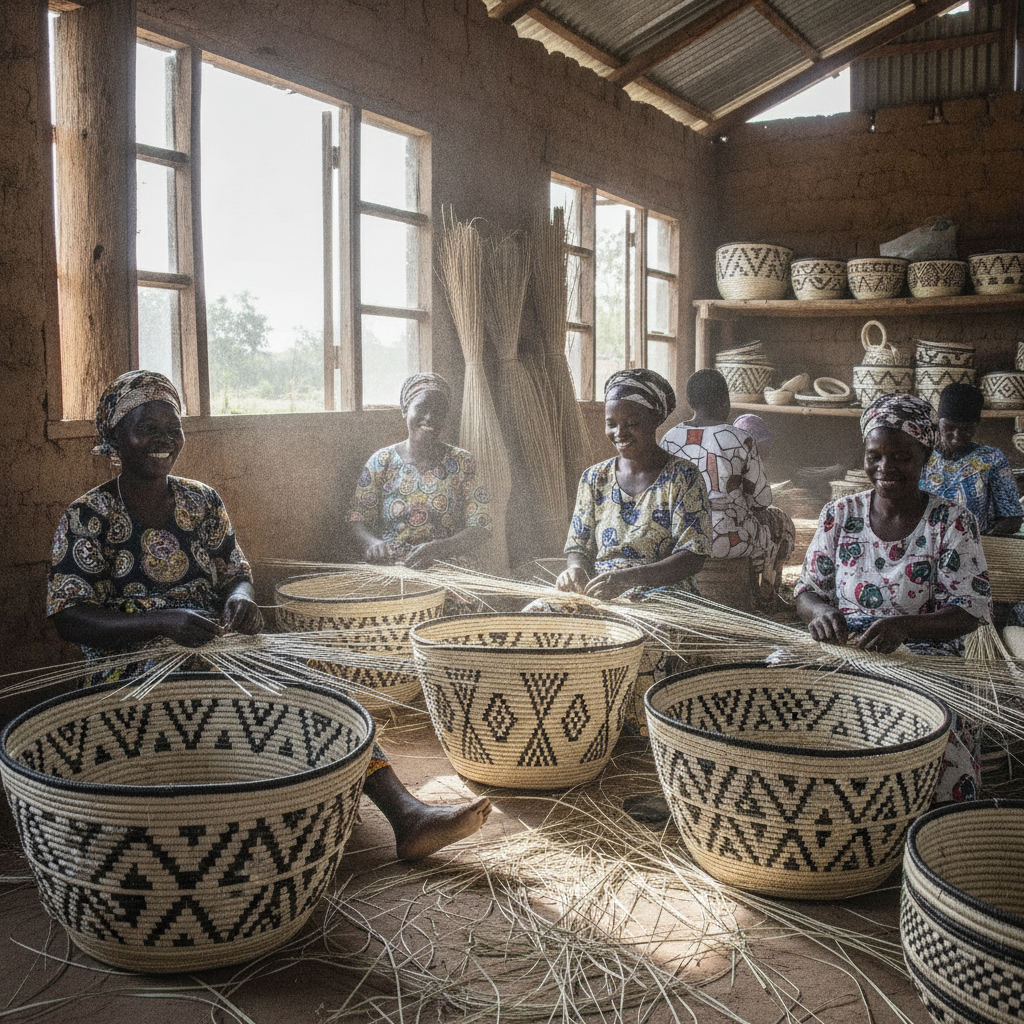
Burundian Crafts: Woven Baskets & Traditional Arts
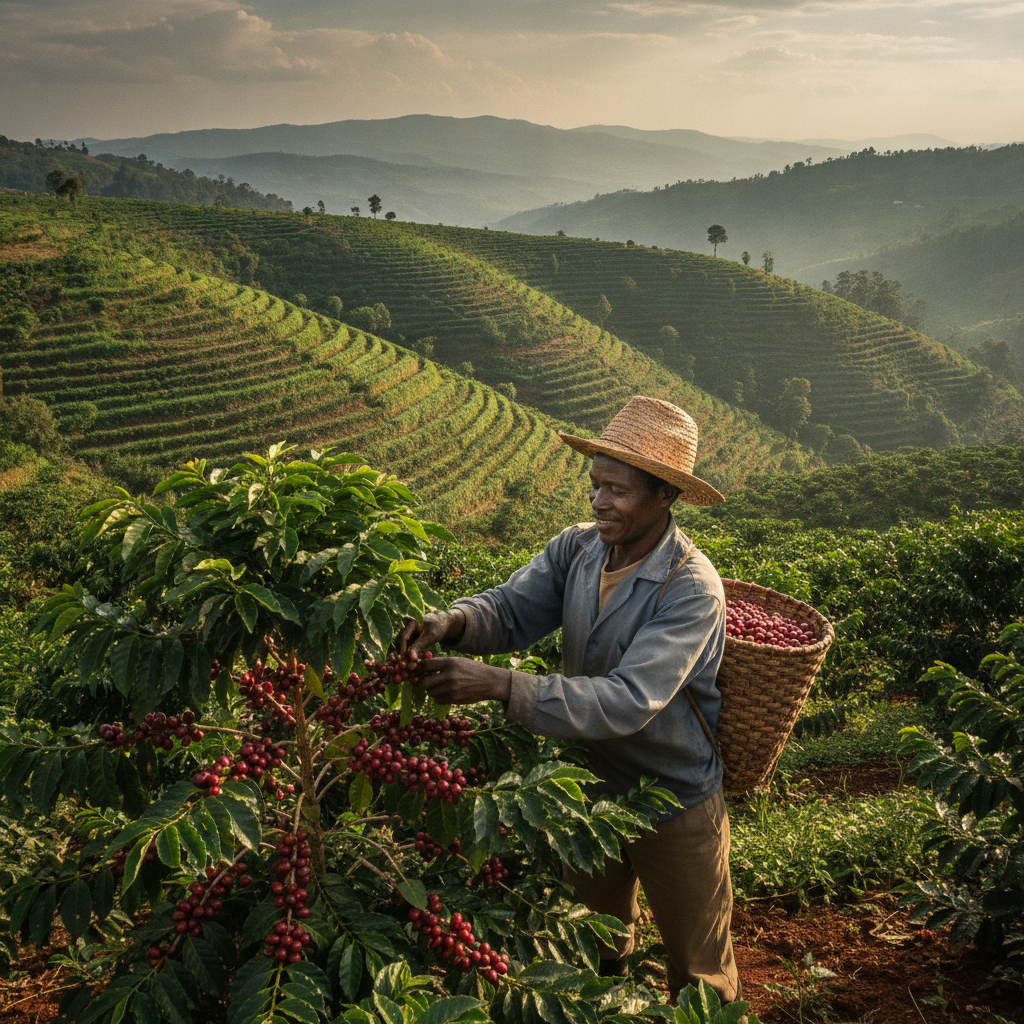
Gitega Coffee Country: Highland Arabica at Altitude
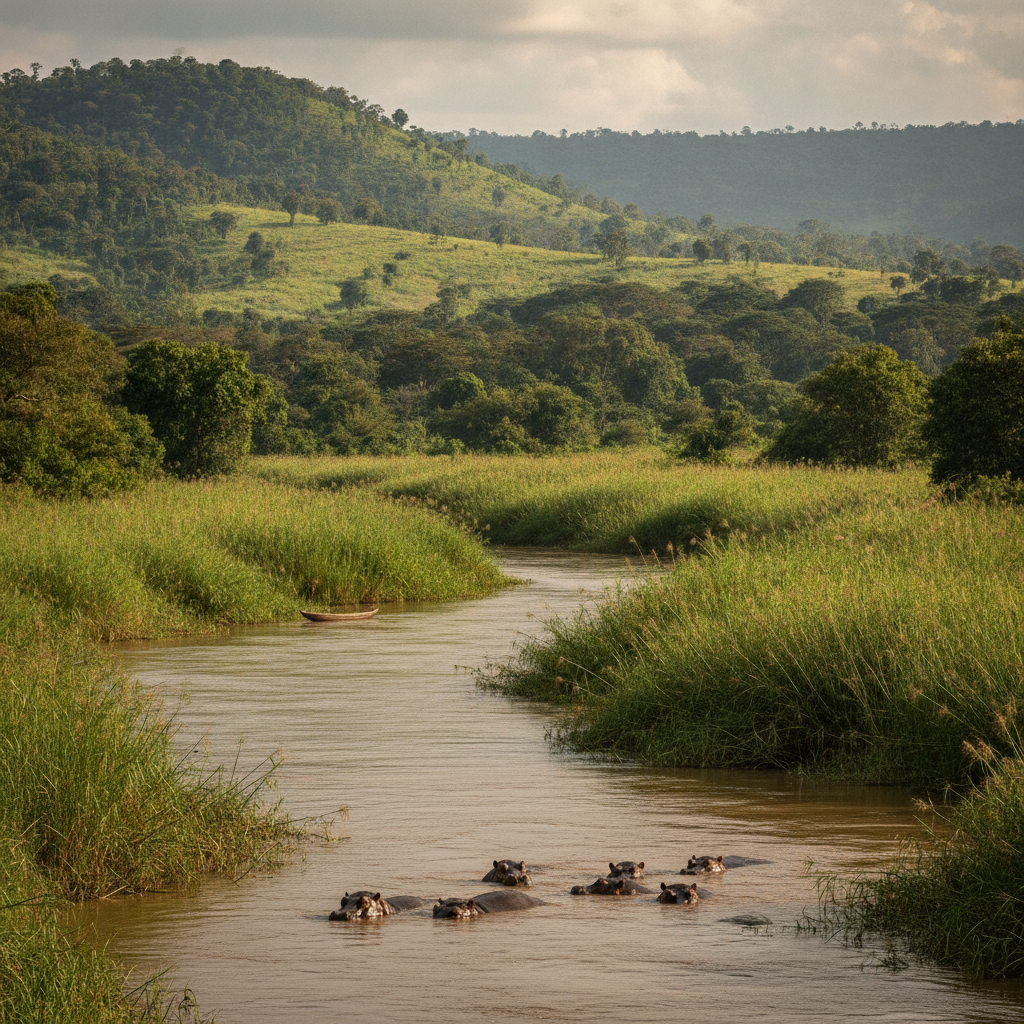
Ruvubu National Park: Burundi's Wild Highland River