Goa Unfiltered: The 1510 Spice-Trade Conquest, Brazil's Cashew Tree Transforming Goa's Economy & Choosing Your Beach
Cut through the Goa clichés—Albuquerque didn't conquer Goa for the sunsets but for the spice route monopoly that made pepper worth its weight in silver, the Brazilian cashew tree brought by Portuguese sailors for erosion control that now produces 25% of India's nut harvest and all its feni, how to choose between Arambol's drum circles and Arossim's Taj Exotica (with every beach type mapped by traveller style), the Goa-versus-Kerala comparison that every visitor eventually makes, and the civil society organisations fighting to keep the 200-metre coastal exclusion zone from becoming a hotel development incentive.
- 1
Goa's Beaches for Different Travellers
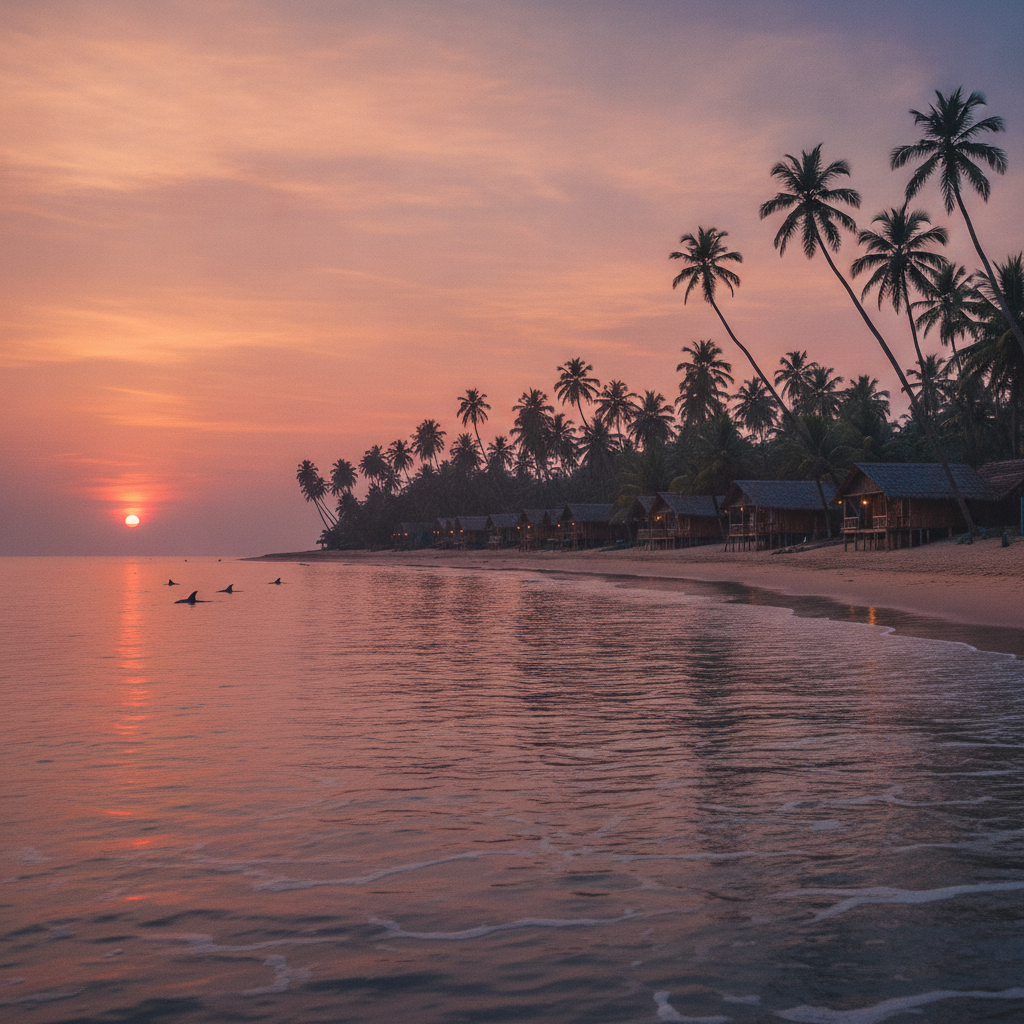
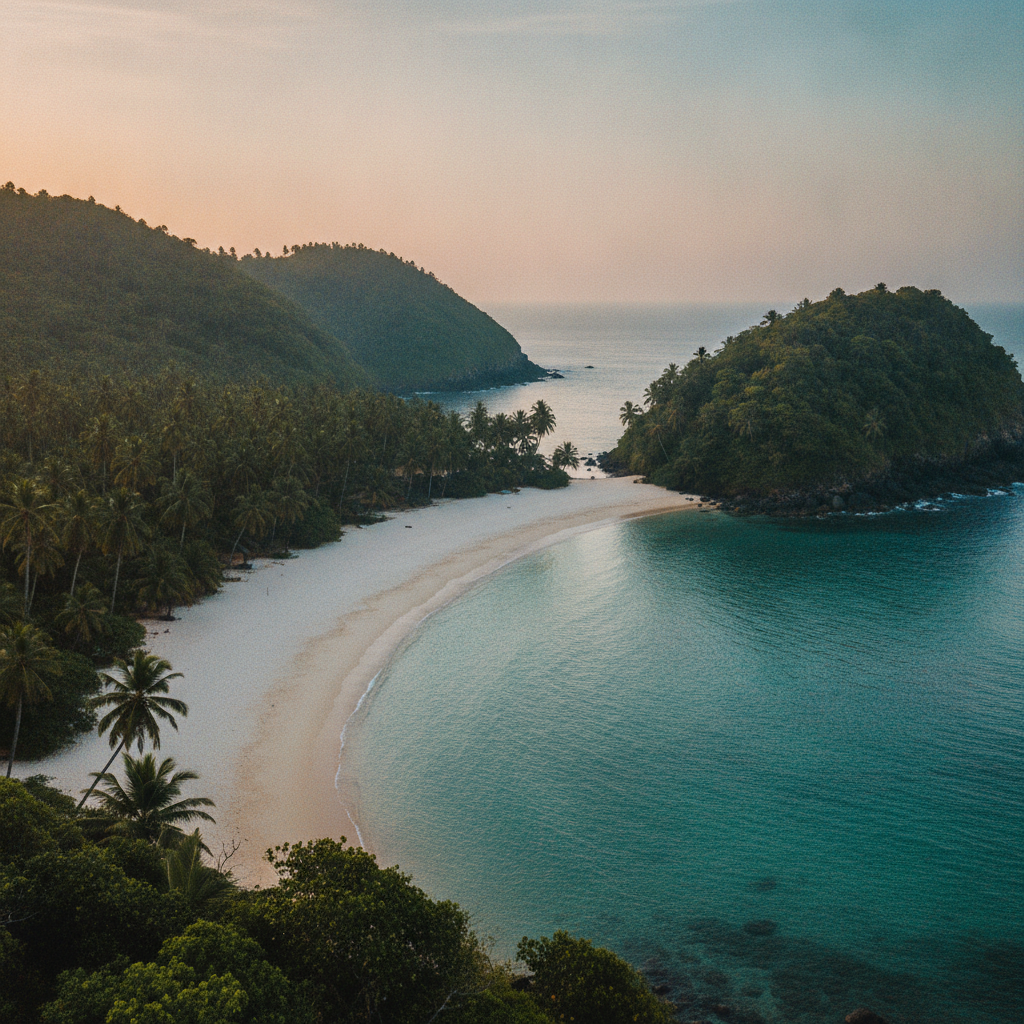
Goa's 101 km coastline contains beaches suited to almost every travel style. For budget backpackers: Arambol (northernmost, drum circles, cheapest food and accommodation, longest-staying hippie community). For couples: Agonda or Patnem (South Goa, quiet, beautiful, small). For families: Candolim or Sinquerim (North Goa, calm water, easy beach infrastructure, good hotel options). For nightlife: Baga or Anjuna (loud, beach bars, clubs nearby). For luxury: Arossim or Cavelossim (South Goa, 5-star resort zone, Leela, Taj Exotica). For surfing: there is no established surf scene in Goa—the Arabian Sea doesn't produce consistent surf; the nearest surf is at Kovalam (Kerala) or the Andaman Islands. For snorkelling: the rocky headlands at Anjuna, Vagator, and Butterfly Beach (near Palolem, boat access only) have the best underwater life in Goa.
- 2
The Albuquerque Conquest – 1510 & the Building of Portuguese Goa
Afonso de Albuquerque—the Portuguese governor of India who conquered Goa from the Bijapur Sultanate on 25 November 1510 (the feast day of St Catherine, who subsequently became the patron saint of Old Goa's Sé Cathedral)—established Portuguese India's capital. Albuquerque's strategy was distinctive: he encouraged his soldiers to marry local women (converting them first), creating a mixed-race Goan Catholic population that became the administrative backbone of Portuguese India. The Old Goa that grew from this conquest became the 'Rome of the Orient': Viceroy's palace, 80+ religious establishments, the richest port in Asia. Albuquerque himself died in Goa harbour in December 1515, reportedly of grief after being recalled by the Portuguese King Manuel I; his tomb is in the Church of Our Lady of Grace in Old Goa.
- 3
Goa's Cashew Economy – From Brazilian Import to State Cash Crop
The cashew tree (Anacardium occidentale)—native to Brazil, brought to Goa by the Portuguese in the 16th century as a cash crop for coastal erosion control—has become one of Goa's most important agricultural products. Goa produces approximately 31,000 tonnes of cashew nuts annually (25% of India's total production). The cashew harvest season (February–May) is when the cashew apple (the fleshy fruit attached to the nut) is also pressed for feni production. The cashew industry—including processing, export, and feni distillation—employs tens of thousands in Goa. The Cashew Festival is held in March at Old Goa, celebrating the harvest. India is the world's largest processor (if not producer) of cashews; Goa's raw cashews are shipped alongside those from West Africa for processing.
- 4
Goa's Spice – The Original Purpose of India's Most Visited State
The Portuguese didn't conquer Goa for its beaches—they came for spices. The 16th-century spice trade (pepper, cardamom, nutmeg, cloves, cinnamon) was the most valuable commodity trade in the world; controlling the Eastern spice routes was the strategic objective that drove Vasco da Gama's 1498 voyage to India and Albuquerque's 1510 conquest of Goa. Goa became the transshipment point for spices from the Malabar Coast (Kerala), the Maluku Islands (Indonesia), and Sri Lanka to Portugal and the rest of Europe. The Portuguese Estado da India (State of India) controlled the spice trade for over a century before Dutch and English competition eroded their monopoly. The spice legacy survives in Goan cuisine: the use of cloves, nutmeg, cinnamon, and black pepper in Goan pork dishes is a direct inheritance of the spice trade.
- 5
Goa vs Kerala – Two Coastal Indian States Compared
Goa and Kerala are India's two most internationally recognised coastal states, often compared by visitors choosing between them. Key differences: Goa is smaller (3,702 km² vs Kerala's 38,852 km²), more beach-focused, with a Portuguese colonial heritage and party culture; Kerala has the backwaters (Alleppey/Alappuzha—rivers and canals navigated by houseboat), tea and spice plantations (Munnar), better Ayurveda (the Kerala tradition, Thiruvananthapuram), and a different Hindu-Christian-Muslim cultural mix. Kerala has India's highest literacy rate (96.2%), lowest infant mortality, and most effective state government by development metrics—often cited as the 'Kerala model' of development. Goa has India's highest per-capita income. Both have excellent seafood; Kerala's is different (coconut-milk fish curry vs Goa's kokum and tomato fish curry).
- 6
Sustainable Goa – Plastic-Free Beaches & Community Tourism
Goa's environmental challenges—plastic waste on beaches, untreated sewage in the sea near popular beaches, coral degradation, and development pressure—have generated an active civil society response. The Goa Foundation's 'Mine Goa' campaign (fighting illegal mining in the Western Ghats hinterland), the Coastal Action Network (fighting CRZ violations), and numerous beach cleanup groups operate year-round. The 'Plastic-Free Goa' movement has achieved partial success: single-use plastics are banned in Goa since 2017 (enforcement is inconsistent). Community-based tourism in the villages of interior Goa (organised through the Goa Tourism Development Corporation's rural tourism programme) offers authentic contact with Goan village life—fishing communities, spice gardens, Konkani Catholic homes—as an alternative to the coastal strip's commercial tourism. These village-stay programmes support local economies directly.
Walk this route with audio
Stories play automatically as you reach each stop — no tapping needed.
More in Goa
Goa's Complexities: The 252-Year Inquisition, Konkani's Four Scripts & the CRZ Laws Defending the Coastline
Goa's Hidden Layers: Hindu Temples Rebuilt After the Inquisition, the Taxi War That Expelled Uber & Divar Island's Untouched Villages
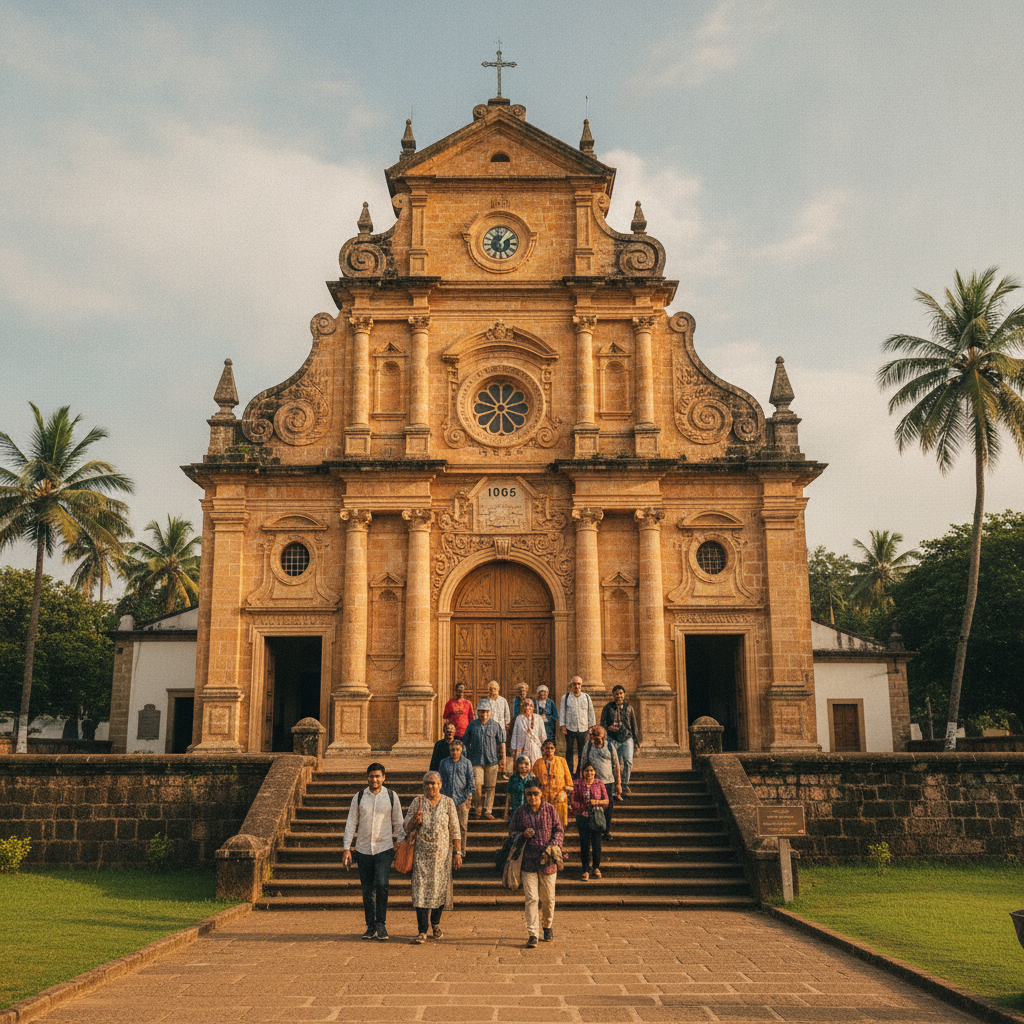
Goa's History: 451 Years of Portuguese Rule, St Francis Xavier's Incorrupt Body & India's Only Surviving Carnival
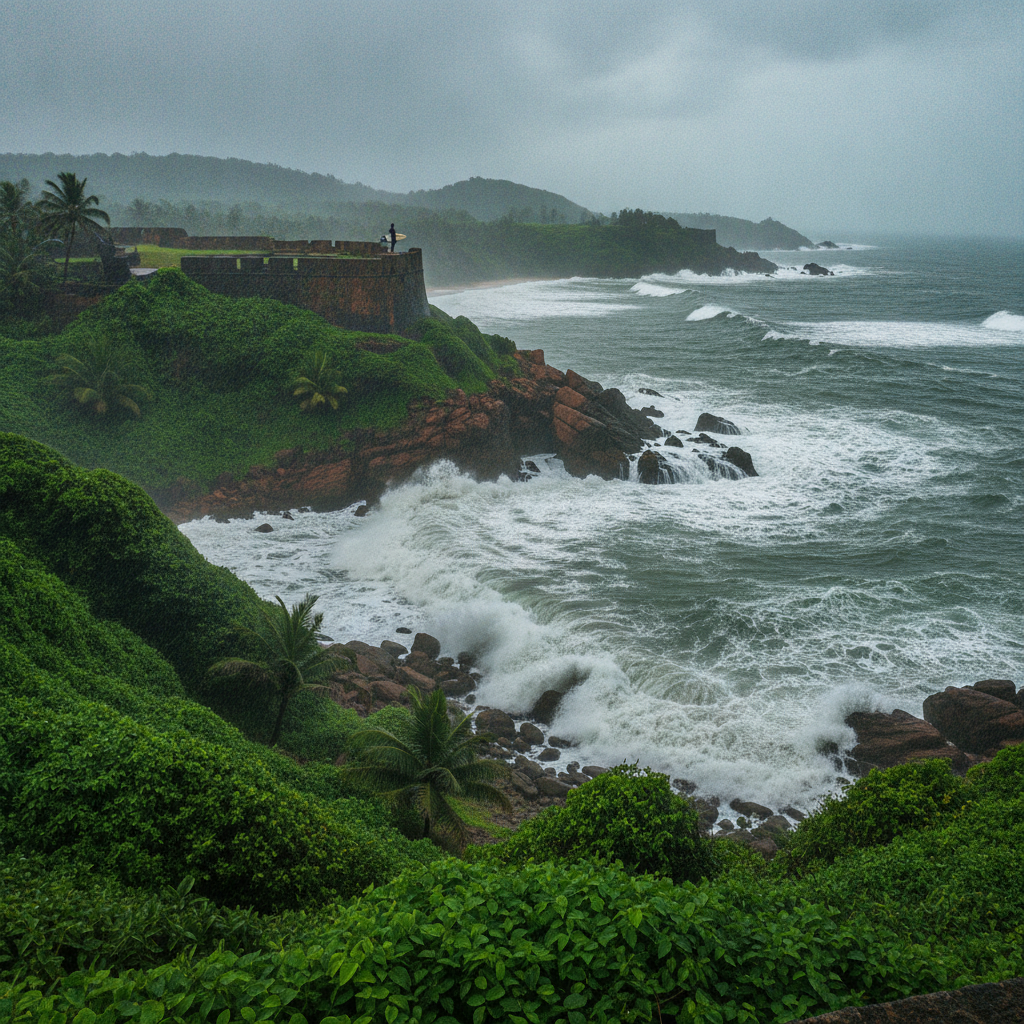
Goa Complete: Monsoon Magic, Cashew Feni Distilleries, Sunburn Festival & Konkani Catholic Christmas Midnight Mass