Goa Essentials: Palolem's Perfect Bay, Old Goa's UNESCO Baroque Churches & Fish Curry Rice with Bebinca
Discover India's smallest and most hedonistic state—the hippie beaches of Anjuna and Vagator where Goa trance was born under full moons, Palolem's palm-fringed crescent bay with dolphin-spotting and beach huts instead of hotels, Old Goa's ghost city of Baroque churches that housed 200,000 people before the plague (the body of St Francis Xavier has been here since 1554), Goan fish curry rice twice a day as the non-negotiable state religion, Panjim's yellow-and-blue Portuguese colonial lanes, and the IFFI film festival that draws more attendance than any other film festival in Asia.
- 1
North Goa's Beaches – Anjuna, Vagator & the Arambol Stretch
North Goa's beaches form a continuous crescent of sand from Calangute (the most commercialised, 'Queen of Beaches') through Baga (beach shacks, nightlife), Anjuna (famous flea market every Wednesday, rocky headlands, cliff bars), Vagator (two small coves below the Chapora Fort—Ozran and Big Vagator, with the distinctive red laterite cliff), and Morjim (nesting site of the Olive Ridley sea turtle) to Arambol (the northernmost tourist beach, bohemian atmosphere, drum circles at sunset, budget guesthouses, cheapest food). Anjuna and Vagator were the original hippie colony beaches (1960s–70s); the famous full-moon parties of Goa originated on Anjuna and Vagator before migrating to private venues.
- 2
South Goa's Beaches – Colva, Palolem & the Quiet South
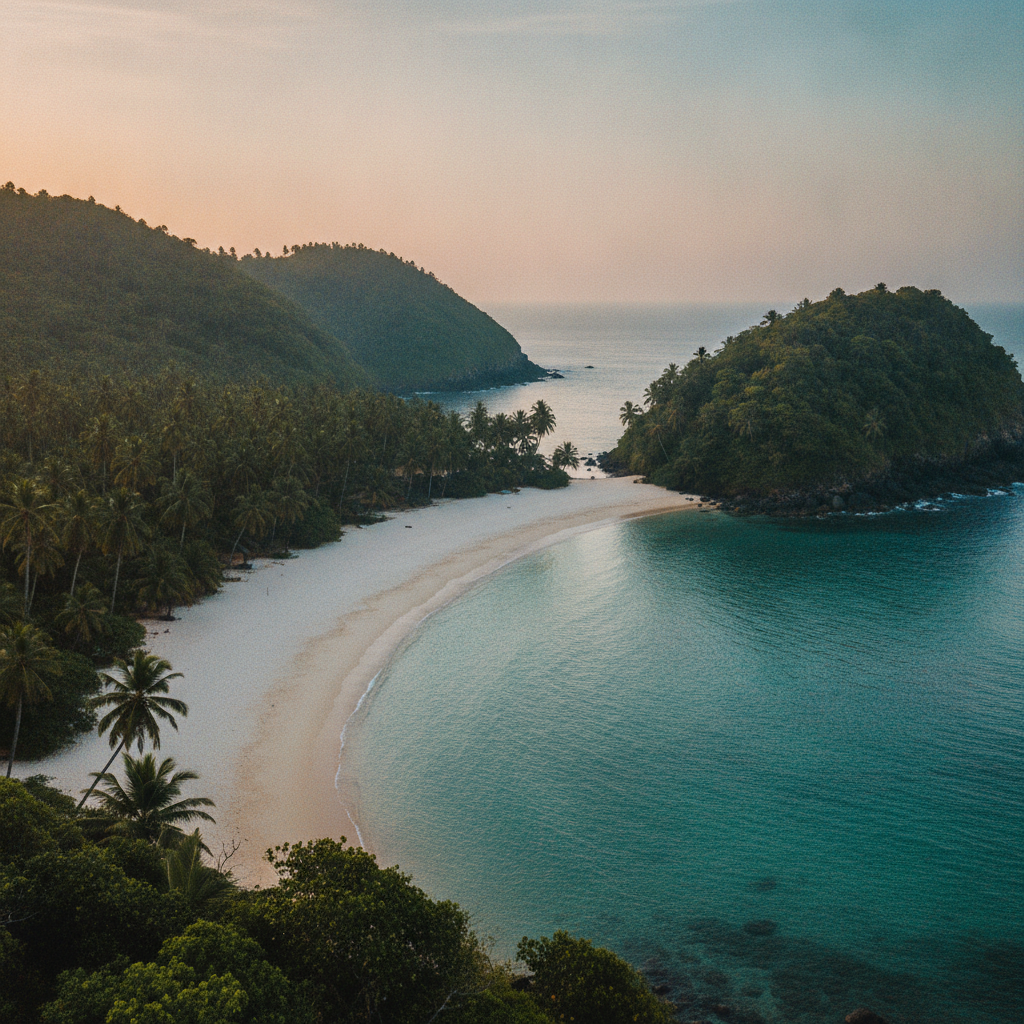
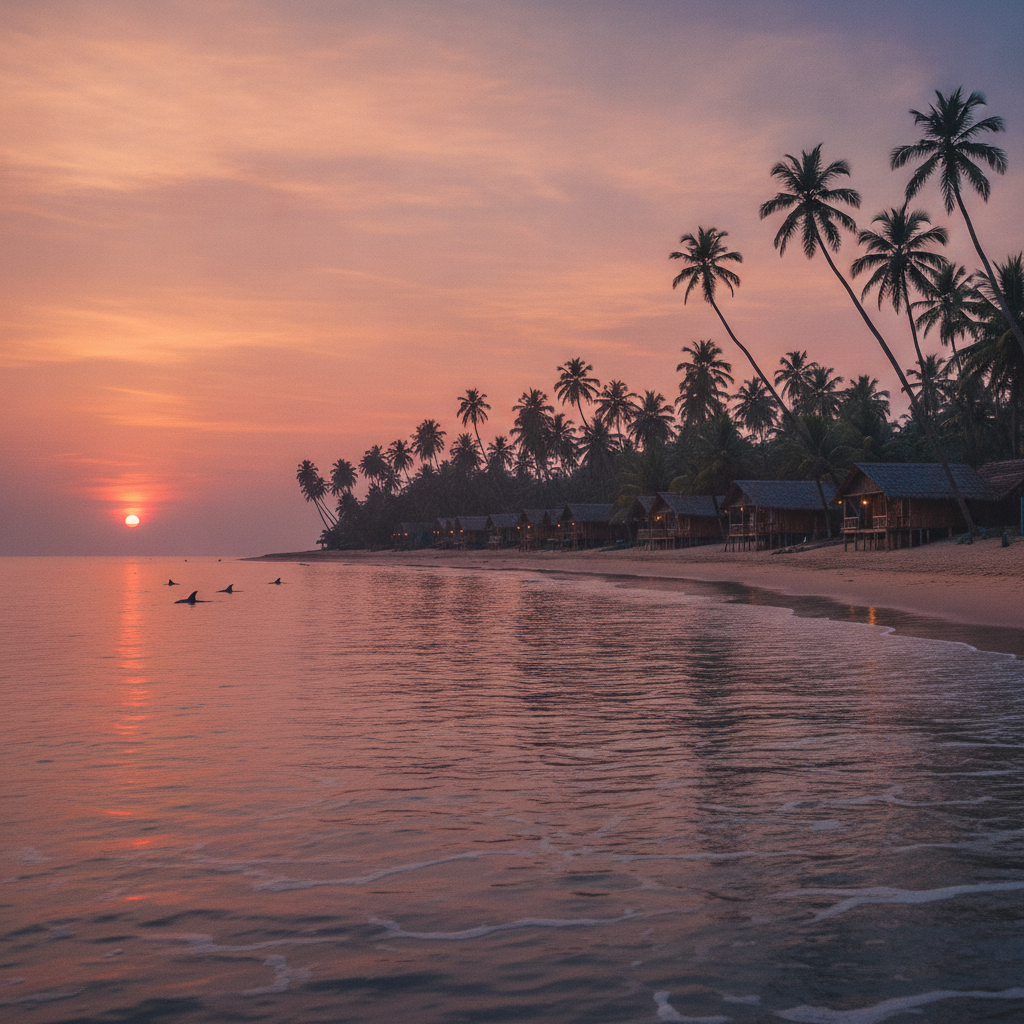
South Goa is quieter, more upmarket, and more natural than the north. Palolem—a palm-fringed crescent bay with calm water, no large hotels (huts only on the beach), and good dolphin-spotting boat trips—is consistently rated the most beautiful beach in Goa and one of the finest in India. Agonda (15 km north of Palolem, smaller and even more tranquil) is the quietest mainstream beach in Goa. Colva (South Goa's largest beach, 25 km from Panjim) is a 2 km of wide beach with mid-range hotels. Patnem (immediately south of Palolem) is the family-friendly alternative. The Cabo de Rama Fort ruins (Portuguese, 17th century) sit dramatically on a headland above a pristine beach 30 km north of Palolem.
- 3
Old Goa – The Rome of the Orient
Old Goa (Velha Goa)—10 km east of Panjim, UNESCO World Heritage Site (1986)—was the capital of Portuguese India and at its peak in the 16th–17th centuries was the fourth largest city in the world (population 200,000), rivalling Lisbon and London. Today it is a ghost city: the population fled after plague epidemics in the 17th century; the buildings that survive are ecclesiastical—the Basilica of Bom Jesus (completed 1605, containing the preserved body of St Francis Xavier), the Sé Cathedral (the largest church in Asia), and a cluster of Baroque churches, convents, and chapels that constitute the finest Portuguese colonial religious architecture outside Portugal.
- 4
Goan Cuisine – Fish Curry Rice, Vindaloo & Bebinca
Goan cuisine is the most distinctive regional cuisine in India—a product of 450 years of Portuguese colonisation layered over Konkani Hindu and Muslim food traditions. Fish curry rice (the Goan staple: fresh fish in a coconut and kokum [Garcinia indica] curry, eaten with white rice twice daily) is the dish that defines Goan identity. Vindaloo—the fiery pork curry known worldwide in British-Indian restaurant form—is a specifically Portuguese-Goan hybrid: the Portuguese 'carne de vinha d'alhos' (meat marinated in wine and garlic) was adapted with Indian spices and rice vinegar; British Indian restaurants intensified the chilli and removed the vinegar. Bebinca (a layered coconut-milk and egg pudding, 7–16 layers, baked over hours) is Goa's most celebrated dessert, made only for Christmas and special occasions by traditional Goan families.
- 5
Goa's Portuguese Heritage – Panjim & the Latin Quarter
Panjim (Panaji)—Goa's state capital, population 114,000—is the smallest and most charming state capital in India: a compact riverside town with Portuguese colonial architecture, a Baroque church on the main square, and the Fontainhas Latin Quarter (narrow lanes of Portuguese-era houses painted yellow, blue, and green, with terracotta roof tiles and wrought-iron balconies—the best-preserved Portuguese colonial streetscape in India). The Goa State Museum traces Goa's pre-Portuguese, Portuguese, and post-liberation (1961) history. The International Film Festival of India (IFFI)—held annually in November–December in Panjim—is the largest film festival in Asia by attendance, showing 200+ films from 50 countries over 10 days.
- 6
Goa's Party Scene – From Hippies to EDM & Responsible Choices
Goa's party identity began with the Western hippie influx of the 1960s–70s, when Anjuna and Vagator became extended campsites for travellers who never left. Full-moon parties on Anjuna beach (pioneered in the 1980s by DJ Laurent from France and others) created 'Goa trance'—a specific genre of psychedelic electronic music (120–150 BPM, heavily influenced by Indian classical music structures) that spread globally. The scene moved indoors and to private properties after noise regulations in the 1990s–2000s; the current party infrastructure includes Curlies (Anjuna), Hilltop (Vagator), and numerous private warehouse venues. The party scene is associated with drug availability (MDMA, ketamine, cannabis, LSD are all present); the Goa police conduct regular raids; drug possession carries severe Indian criminal penalties.
Walk this route with audio
Stories play automatically as you reach each stop — no tapping needed.
More in Goa
Goa's Complexities: The 252-Year Inquisition, Konkani's Four Scripts & the CRZ Laws Defending the Coastline
Goa's Hidden Layers: Hindu Temples Rebuilt After the Inquisition, the Taxi War That Expelled Uber & Divar Island's Untouched Villages
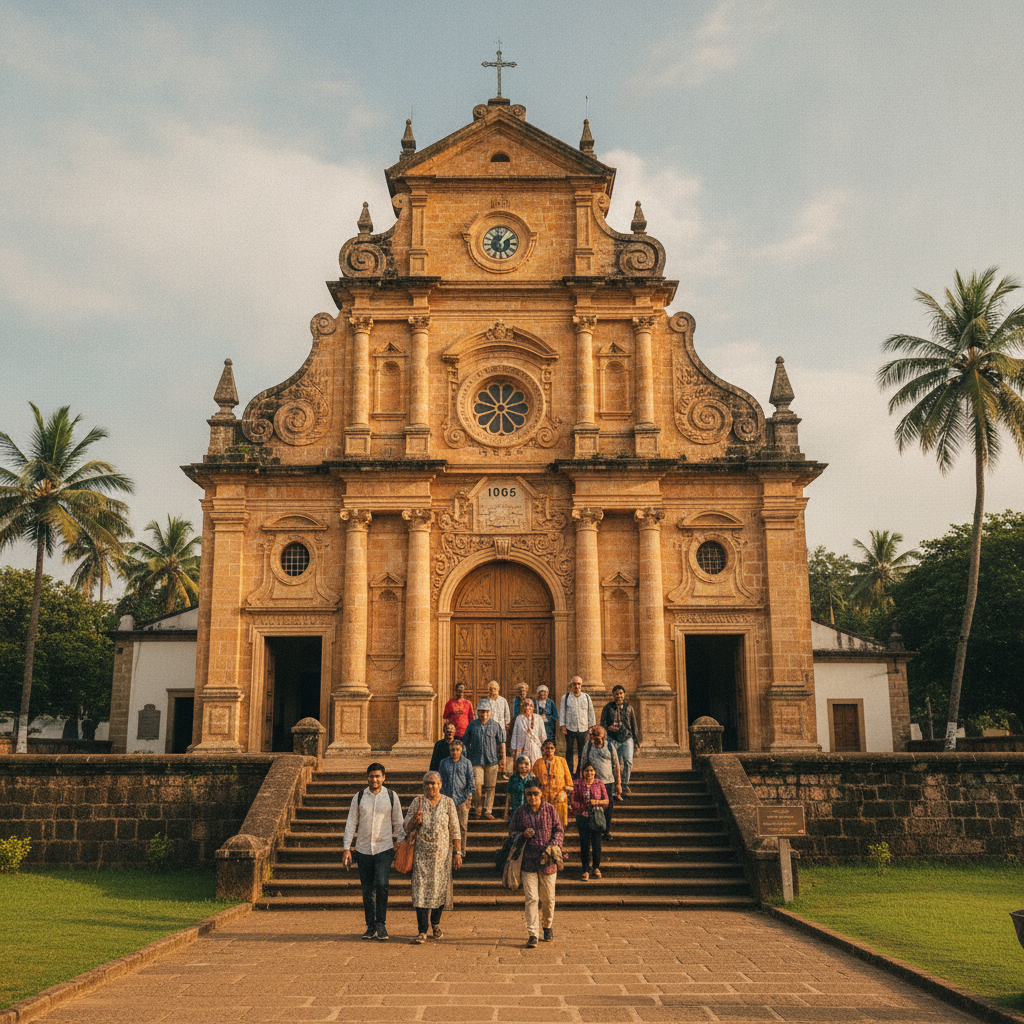
Goa's History: 451 Years of Portuguese Rule, St Francis Xavier's Incorrupt Body & India's Only Surviving Carnival
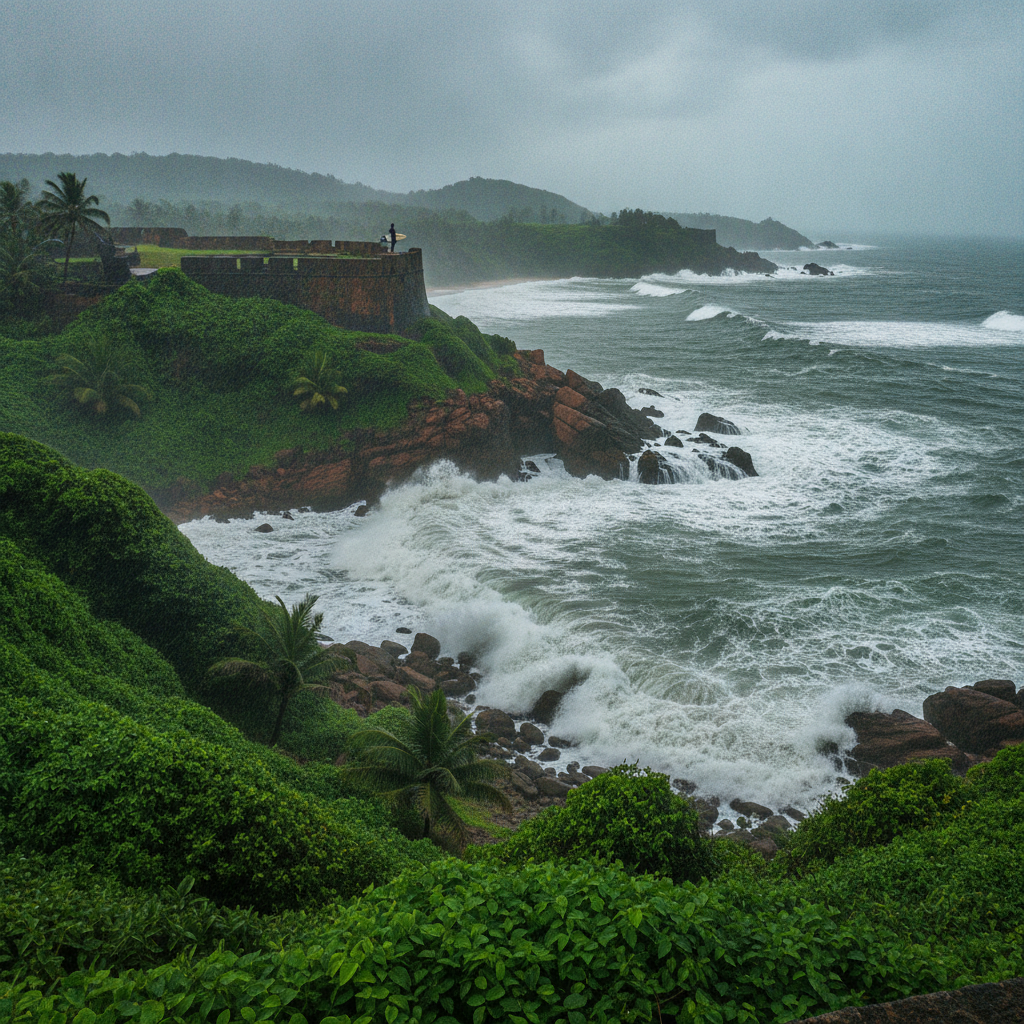
Goa Complete: Monsoon Magic, Cashew Feni Distilleries, Sunburn Festival & Konkani Catholic Christmas Midnight Mass