Goa Complete: Monsoon Magic, Cashew Feni Distilleries, Sunburn Festival & Konkani Catholic Christmas Midnight Mass
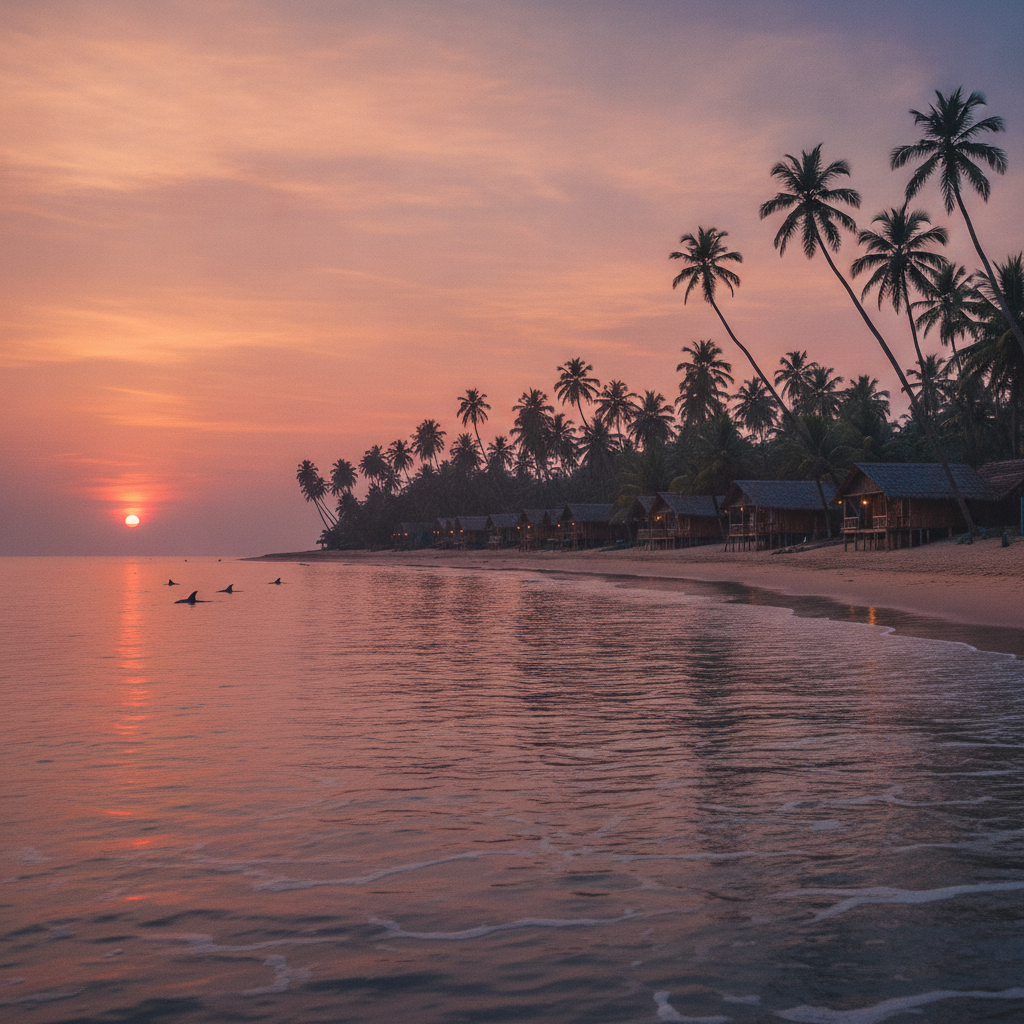
Get the full Goa—why monsoon Goa (60% cheaper, lush green hills, Dudhsagar at full flow) is preferred by people who live here over peak-season Goa, the GI-tagged cashew feni distilled in copper stills from the fruit India everywhere else discards, Olive Ridley turtles nesting at Morjim and leopards in the Western Ghats 30 km from the beach, Goa trance's 1985 Anjuna beach origin story and Sunburn Festival's 50,000 EDM attendees in December, Konkani Catholic families celebrating Christmas with sorpotel pork offal and midnight mass in village churches, and the GoaMiles taxi situation that replaced Ola after local driver protests.
- 1
Goa's Seasons – Monsoon Magic & Peak Season Crowds
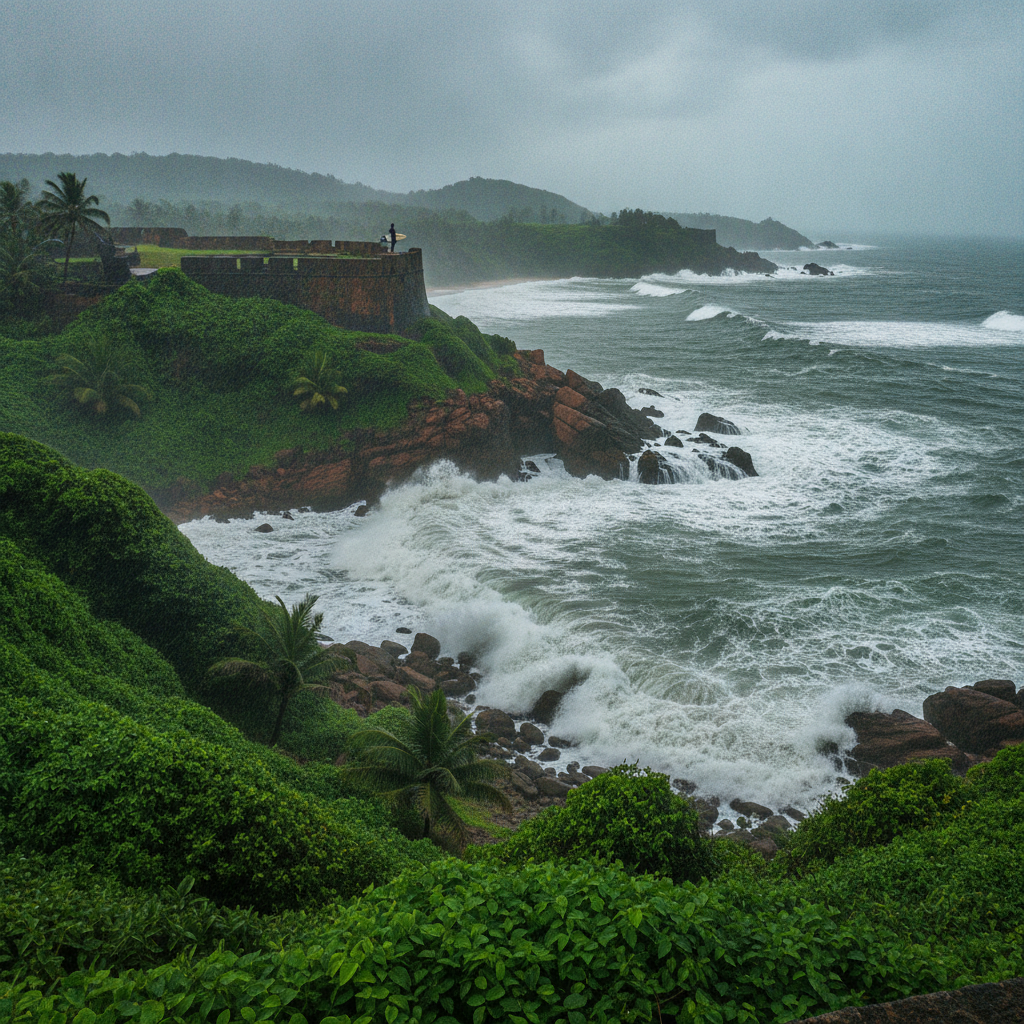
Goa has two distinct seasons that create almost opposite experiences. Peak season (October–April): sunny, dry, temperatures 25–33°C, crowded beaches, maximum prices (December–January peak: beach hut prices 3x the off-season rate). Monsoon season (June–September): the Arabian Sea transforms, waves pound the beaches (swimming dangerous/prohibited at most beaches), the landscape turns lush and intensely green, waterfalls appear, and tourist crowds evaporate. Monsoon Goa is beloved by long-term Goa residents and budget travellers: accommodation prices drop 60–70%, the air is cool and clean, and the bars and cafes that remain open have the town to themselves. The Dudhsagar Falls are most spectacular during July–August (peak flow); the spice plantation guided tours are most atmospheric in the green season.
- 2
Feni – Goa's Indigenous Spirit
Feni—Goa's distinctive distilled spirit, made from either cashew fruit (cashew feni, the most common) or coconut palm toddy (coconut feni)—is specific to Goa and has a GI (Geographical Indication) tag that prohibits production elsewhere. Cashew feni production: the cashew apple (the fruit attached to the cashew nut, not the nut itself—often discarded elsewhere in India) is pressed for juice, fermented for 2–3 days, then distilled in a traditional copper still (bhann) to 45% alcohol. The resulting spirit has a distinctive fruity, funky character. Single-distilled feni (urrak) at 15% is the lighter version consumed in Goa itself; double-distilled feni at 40–45% is exported. The Goa Feni Heritage Walk (Panjim) and several distillery visits are offered to visitors. Cocktail mixing with feni has become fashionable in Goan restaurants.
- 3
Goa's Wildlife – Turtles, Leopards & Hornbills
Goa hosts surprising biodiversity despite its small size (3,702 km²—the smallest Indian state). Morjim and Galgibag beaches are nesting sites for Olive Ridley sea turtles (October–March); beach lighting and tourist presence are carefully managed during nesting season. The Bhagwan Mahavir Wildlife Sanctuary and Mollem National Park (eastern Goa) protect 240 km² of Western Ghats forest; leopard sightings are recorded but rare. The Cotigao Wildlife Sanctuary (South Goa) has the highest density of Indian gaur (bison) in Goa; treetop watchtowers overlook watering holes. Birdwatching in Goa is exceptional: 479 bird species have been recorded, including the Malabar pied hornbill, paradise flycatcher, and Sri Lanka frogmouth. The Salim Ali Bird Sanctuary (Chorao Island, Panjim) protects mangroves with outstanding kingfisher and heron populations.
- 4
Goa's Music Scene – Goa Trance, Sunburn Festival & Local Bands
Goa's electronic music legacy is global: 'Goa trance' (developed 1985–1995 by DJs Goa Gil, Laurent, and Ray Castle at Anjuna and Vagator full-moon parties) was the predecessor to psytrance and influenced the broader development of electronic music in the 1990s. The current scene has three layers: the international EDM circuit (Sunburn Festival, held annually in December at Vagator, one of Asia's largest EDM events with 50,000+ attendees and headliners including major international DJs), the continuing Goa trance underground (full-moon and new-moon parties at private venues), and a Konkani and Portuguese-influenced local music scene (Konkani pop, mando music—a specific Portuguese-Goan musical form, slow and melodic, traditionally sung at Catholic family celebrations). The Kala Academy in Panjim promotes Konkani arts and music with year-round programming.
- 5
Konkani Catholics – Goa's Distinctive Christian Community
Goa's Christian community (approximately 25–27% of the population, predominantly Catholic, primarily Konkani-speaking) is the product of 451 years of Portuguese colonisation and Jesuit missionary activity. The Goan Catholic community has a distinctive culture: Goan Catholics celebrate Christmas (Natal) and Easter as their primary festivals; the Christmas celebrations in Panjim and the village churches (Midnight Mass, decorated with stars and lights in every home and church, a community celebration comparable in scale to Diwali in Hindu communities) are the most atmospheric in India. Konkani Catholics have distinct food traditions (pork and beef consumption is central, unlike Hindu Goan cuisine; sorpotel—spiced pork offal—and chouriço—Goan pork sausage—are the Christmas feast foods). The Catholic diaspora from Goa is substantial: large Goan Catholic communities in Mumbai, East Africa, the UK, and Portugal.
- 6
Practical Goa – When to Go, Getting Around & Responsible Beach Tourism
Goa's Dabolim Airport (GOI, 30 km south of Panjim) receives direct charter and scheduled flights from Europe (UK, Germany, Russia) and India. In peak season (December–January), accommodation must be booked months in advance; prices are at maximum. Getting around Goa: hire a scooter (₹300–500/€3.30–5.50 per day—the local standard, requires an Indian or international licence), rent a car with driver (₹2,000–3,000/€22–33 per day), or use app-based taxis (Goa Miles, GoaMiles) which replaced Ola and Uber in Goa after local taxi operator protests. Responsible beach tourism issues: plastic waste on beaches (cleanup volunteers active at multiple beaches), coral degradation from water sports boat anchors (use mooring buoys), and the exploitation of children selling trinkets (buy from adult artisan shops instead). The beach shack culture (temporary restaurants erected on the beach October–May, removed before monsoon) is Goa's most distinctive social institution.
Walk this route with audio
Stories play automatically as you reach each stop — no tapping needed.
More in Goa
Goa's Complexities: The 252-Year Inquisition, Konkani's Four Scripts & the CRZ Laws Defending the Coastline
Goa's Hidden Layers: Hindu Temples Rebuilt After the Inquisition, the Taxi War That Expelled Uber & Divar Island's Untouched Villages
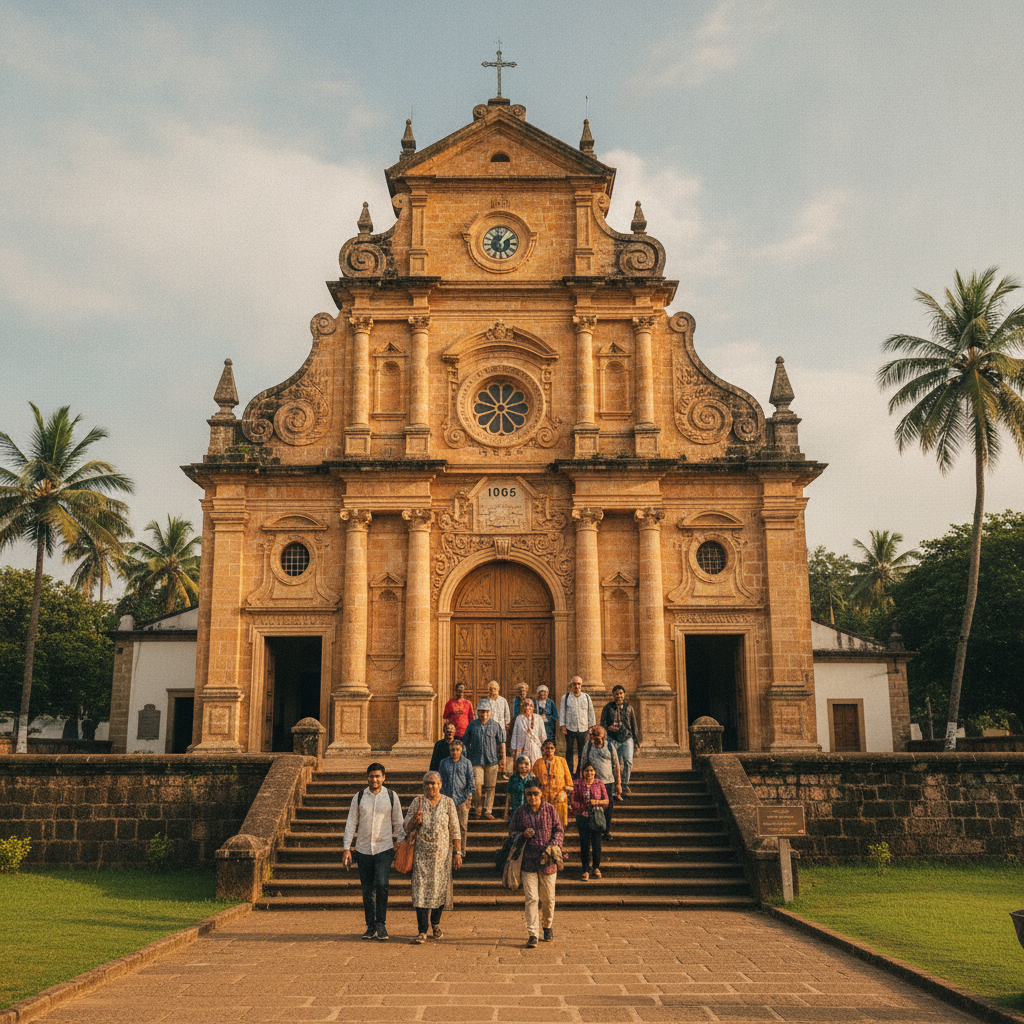
Goa's History: 451 Years of Portuguese Rule, St Francis Xavier's Incorrupt Body & India's Only Surviving Carnival
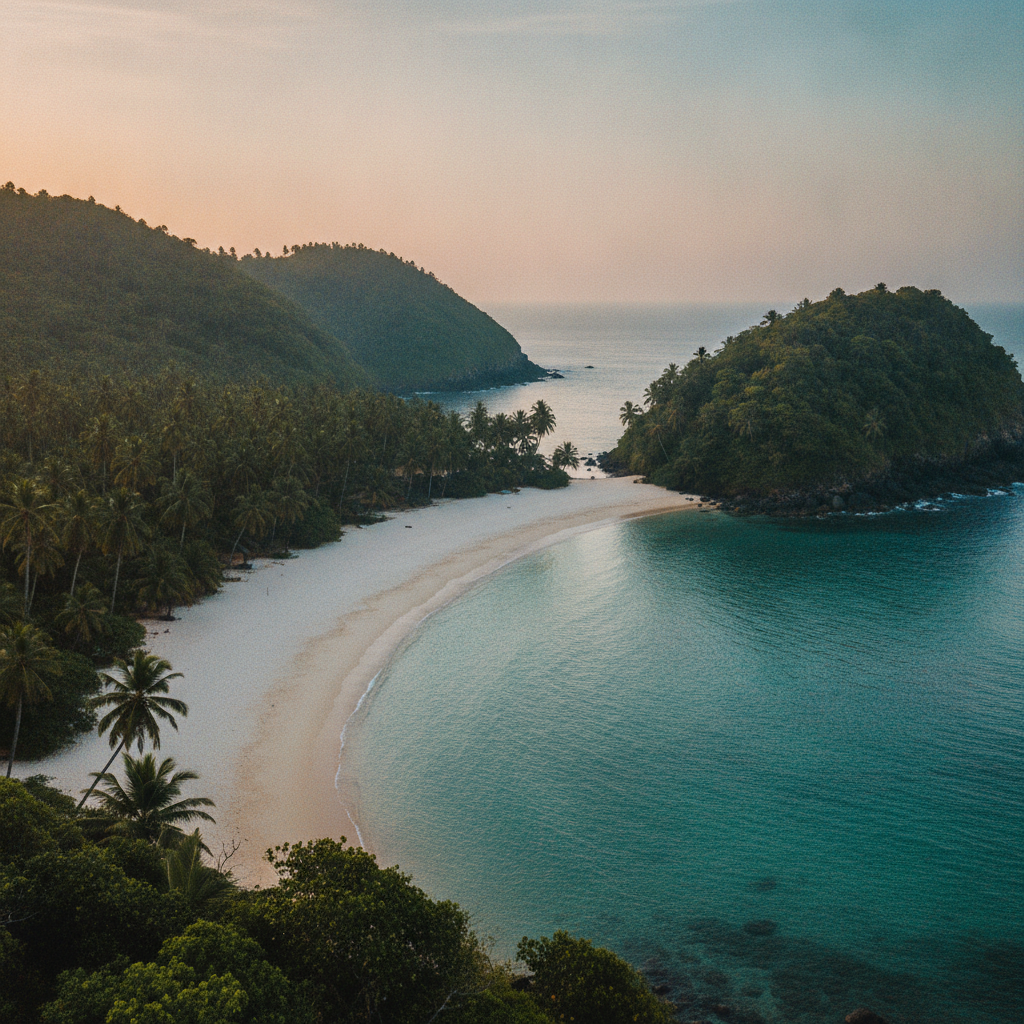
Goa Unfiltered: The 1510 Spice-Trade Conquest, Brazil's Cashew Tree Transforming Goa's Economy & Choosing Your Beach