Goa's History: 451 Years of Portuguese Rule, St Francis Xavier's Incorrupt Body & India's Only Surviving Carnival
Unpack Goa's layered identity—the Spanish Jesuit whose incorrupt body has been displayed in the Basilica of Bom Jesus since 1554 and draws 2 million pilgrims every decade, Nehru's 1961 26-hour military operation that ended the last European colony in Asia (descendants of 1961 Goan citizens can still claim EU passports today), the UNESCO-listed Western Ghats forests hiding leopards and king cobras behind the beach resort strip, the February Carnival that is the only surviving Portuguese colonial carnival in Asia, the Russian influx that put Cyrillic restaurant menus in Anjuna, and wreck diving at 30 metres on the Scotia off Baga.
- 1
St Francis Xavier – The Incorrupt Missionary of Goa
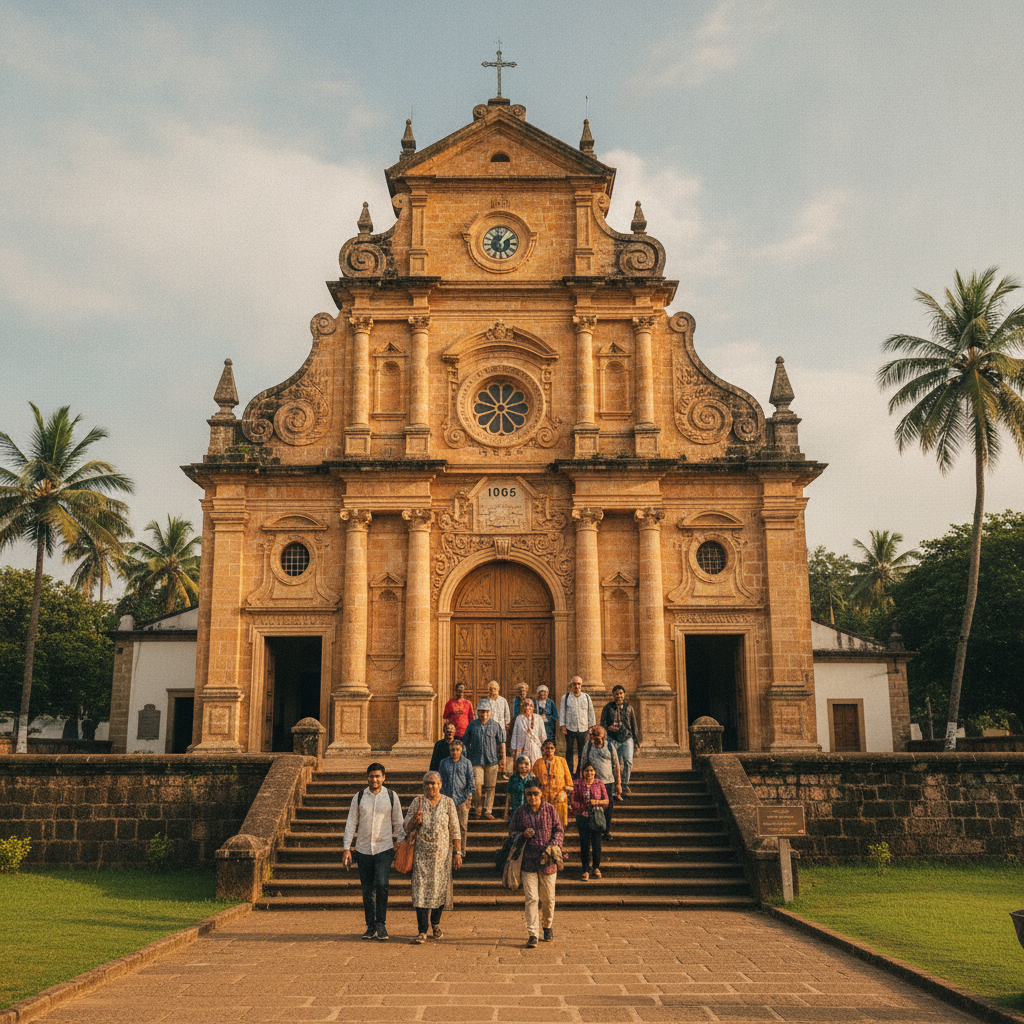
St Francis Xavier (1506–1552)—the Spanish Jesuit missionary who spent his life in Asia (India, Malacca, Japan, and China), baptising tens of thousands and establishing the Catholic Church's presence in the East—died on Shangchuan Island off the coast of China in December 1552, before reaching mainland China. His body was brought to Goa in 1554 and has been displayed in the Basilica of Bom Jesus ever since. The body is described as 'incorrupt'—not mummified but somehow preserved without embalming, though in heavily deteriorated condition. The Exposition of the relics (every 10 years, the next in 2024, when the body is displayed for public veneration for 6 weeks) draws 1–2 million pilgrims from India and around the world. St Francis Xavier is the patron saint of Goa, India, and several other Asian countries.
- 2
Goa's Liberation – 1961 & the End of Portuguese India
Portugal held Goa as a colony from 1510 to 1961—451 years, the longest European colonial possession in Asia. India achieved independence from Britain in 1947 but Nehru initially attempted diplomatic negotiations with Portugal for Goa's transfer; the Salazar regime refused any discussion. On December 19, 1961, the Indian Army conducted 'Operation Vijay'—a 26-hour military action involving 45,000 Indian troops against 3,306 Portuguese defenders; the Portuguese surrendered without significant resistance. 36 Indian soldiers and 22 Portuguese soldiers died. Portugal did not recognise Indian sovereignty over Goa until 1975; Goans who had Portuguese citizenship before 1961 (and their descendants) can apply for Portuguese citizenship today—an EU passport that is actively pursued by Goan families.
- 3
Spice Plantations & the Goan Interior
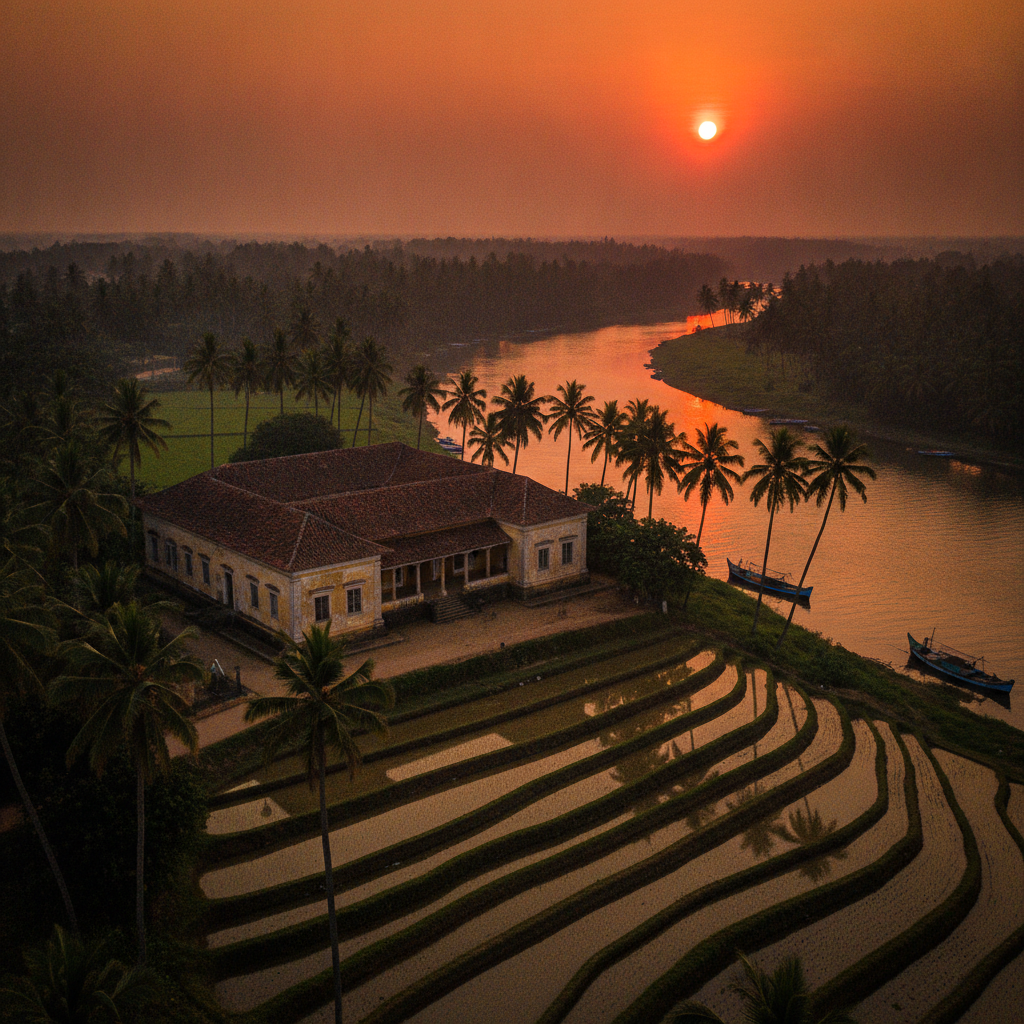
Goa's interior—the forested ghats and river valleys inland from the coastal tourist strip—is largely unknown to the majority of tourists who visit only the beaches. The Sahyadri (Western Ghats) that form Goa's eastern boundary are a UNESCO World Heritage Site (Western Ghats, 2012) of exceptional biodiversity: tropical wet forests containing Indian gaur (bison), leopards, sloth bears, king cobras, Malabar pied hornbills, and the endangered lion-tailed macaque. Spice plantations in the interior (Sahakari, Savoi, and Tropical Spice Plantation are the most visited) offer guided tours of pepper, cardamom, nutmeg, vanilla, cocoa, and cashew cultivation, with traditional Goan lunch included. The Dudhsagar Falls (60 km east of Panjim, 310 metres high—India's fifth tallest waterfall) are accessible by 4WD jeep through the Bhagwan Mahavir Wildlife Sanctuary.
- 4
Goa's Carnival – Four Days of Portuguese-Heritage Celebration
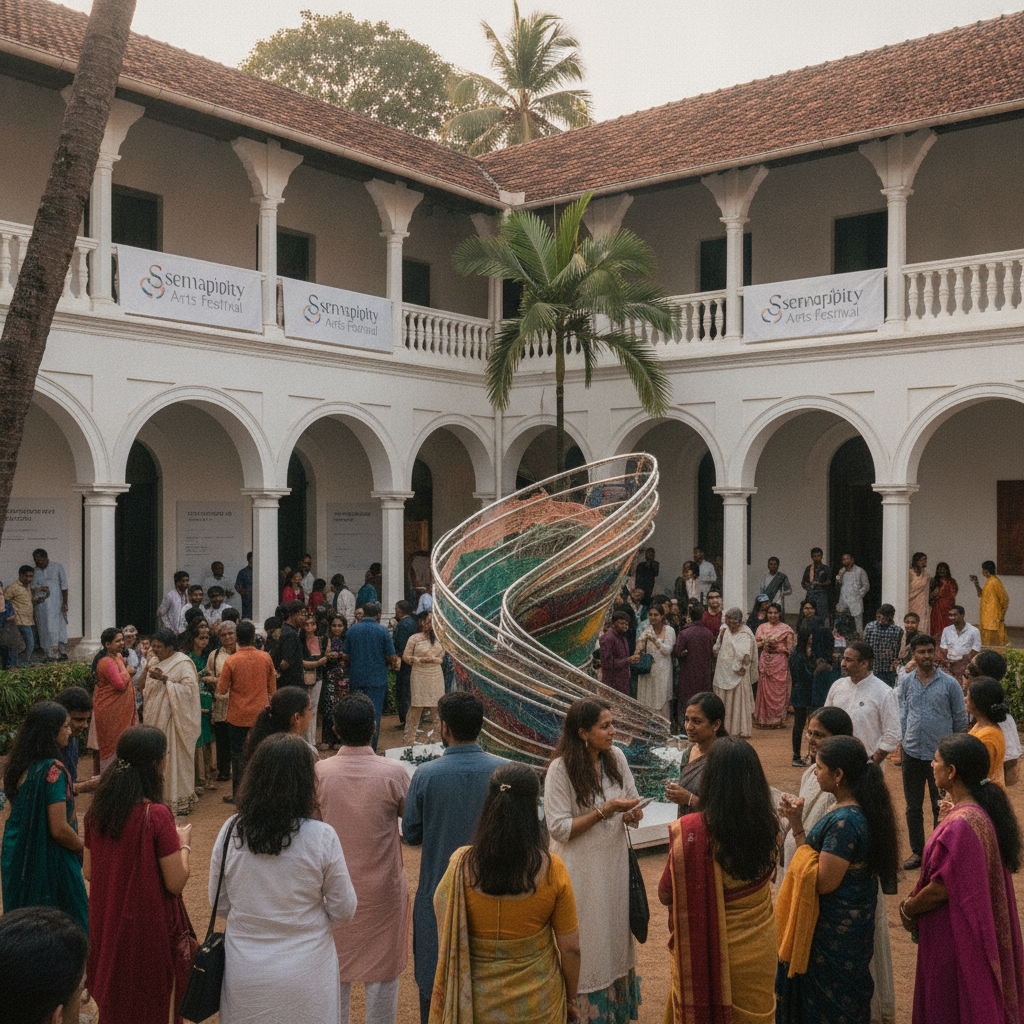
Goa's Carnival—held annually in February–March in the three days before Ash Wednesday (Lent)—is the largest and most vibrant carnival in India and the only surviving example of a Portuguese colonial carnival tradition in Asia. The Panjim carnival parade (the main event) involves elaborate floats, costumed revellers, and the election of King Momo (the spirit of Carnival); smaller parades occur in Margao, Mapusa, and Vasco. The tradition has been maintained since the Portuguese colonial period; its flavour is more Mediterranean than the Rio or Notting Hill models. Goa's Carnival overlaps with the Konkani Catholic community's own celebration traditions—Konkani Christians make up approximately 25% of Goa's population.
- 5
Goa's Real Estate & Russian Influx
Goa's property market has been transformed by waves of international buyers: the British 'long-stay' community of the 1990s–2000s (largely in North Goa, particularly Anjuna and Vagator), and a massive Russian influx after 2022 (following the Ukraine invasion and Western sanctions, when Russian nationals sought warm-weather locations with direct flight access and Indian rupee economy). By 2023, Russian nationals had become the largest foreign-nationality community in North Goa; Russian-language restaurant menus, Russian-owned businesses, and Russian schools had appeared in the Anjuna-Morjim corridor. The influx created a secondary market in property rentals and small businesses; it has also created resentment among established Goan, Indian, and Western long-term residents who perceive a change in the area's character.
- 6
Goa's Water Sports & Adventure Activities
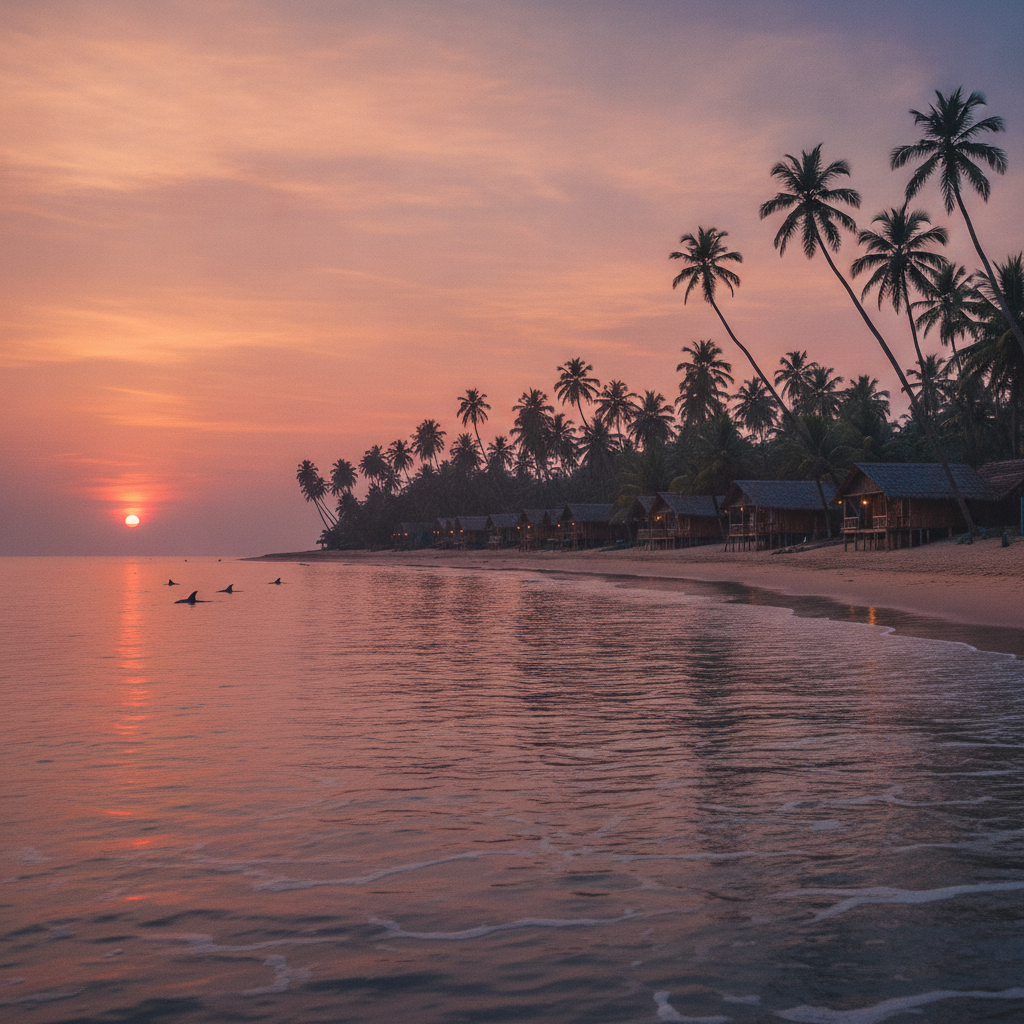
Goa's beaches are the centre of India's water sports industry. Activities available from beach operators (principally at Baga, Calangute, Anjuna, and Colva): parasailing, jet skiing, banana boat rides, kayaking, stand-up paddleboarding, and wakeboarding. Scuba diving is offered from several operators (Barracuda Diving, Goa Diving) at dive sites including the MV Scotia wreck (30 metres depth, 15 km offshore—the best wreck dive in Goa), the Suzy's Wreck, and several rocky reefs with good coral. Water visibility in Goa (Arabian Sea) is 5–15 metres depending on season; October–May is the diving season (monsoon June–September closes most dive operators). Dolphin-watching boat trips (approximately ₹400–600/€4.40–6.60 per person, 1.5–2 hours) depart from multiple beaches; spinner dolphins and common dolphins are regularly seen.
Walk this route with audio
Stories play automatically as you reach each stop — no tapping needed.
More in Goa
Goa's Complexities: The 252-Year Inquisition, Konkani's Four Scripts & the CRZ Laws Defending the Coastline
Goa's Hidden Layers: Hindu Temples Rebuilt After the Inquisition, the Taxi War That Expelled Uber & Divar Island's Untouched Villages
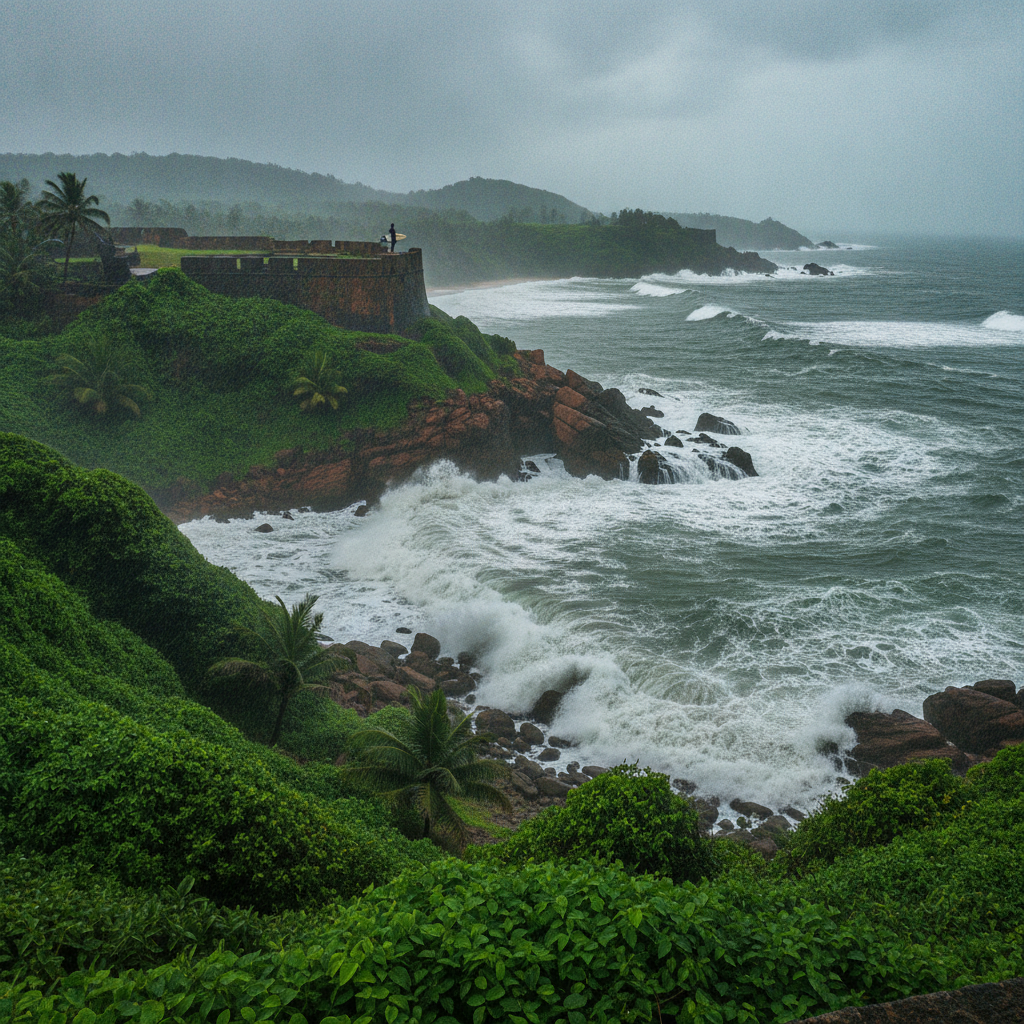
Goa Complete: Monsoon Magic, Cashew Feni Distilleries, Sunburn Festival & Konkani Catholic Christmas Midnight Mass
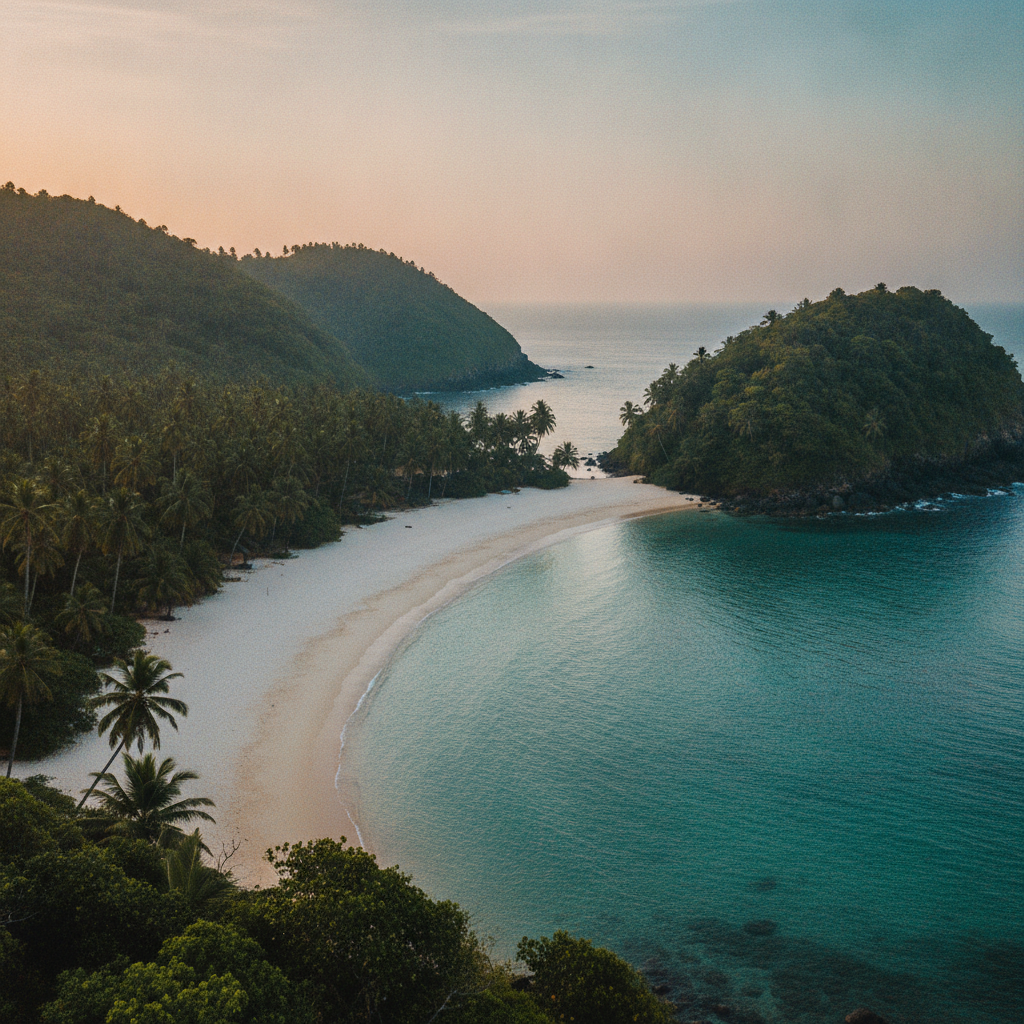
Goa Unfiltered: The 1510 Spice-Trade Conquest, Brazil's Cashew Tree Transforming Goa's Economy & Choosing Your Beach