Albaicín, Sacromonte & Granada's Moorish Quarter
The Albaicín (the 'Albayzín' — the UNESCO World Heritage Site Moorish quarter of Granada on the hill directly facing the Alhambra, the most intact medieval Islamic urban quarter in Western Europe) and the Sacromonte (the cave neighbourhood of the Gitano community of Granada on the hill adjacent to the Albaicín, the birthplace of Granadan flamenco) together preserve the most extraordinary heritage of Islamic and Gitano culture in Spain.
1. Mirador de San Nicolás — The Most Beautiful View in Spain
- 1
Mirador de San Nicolás — The Most Beautiful View in Spain
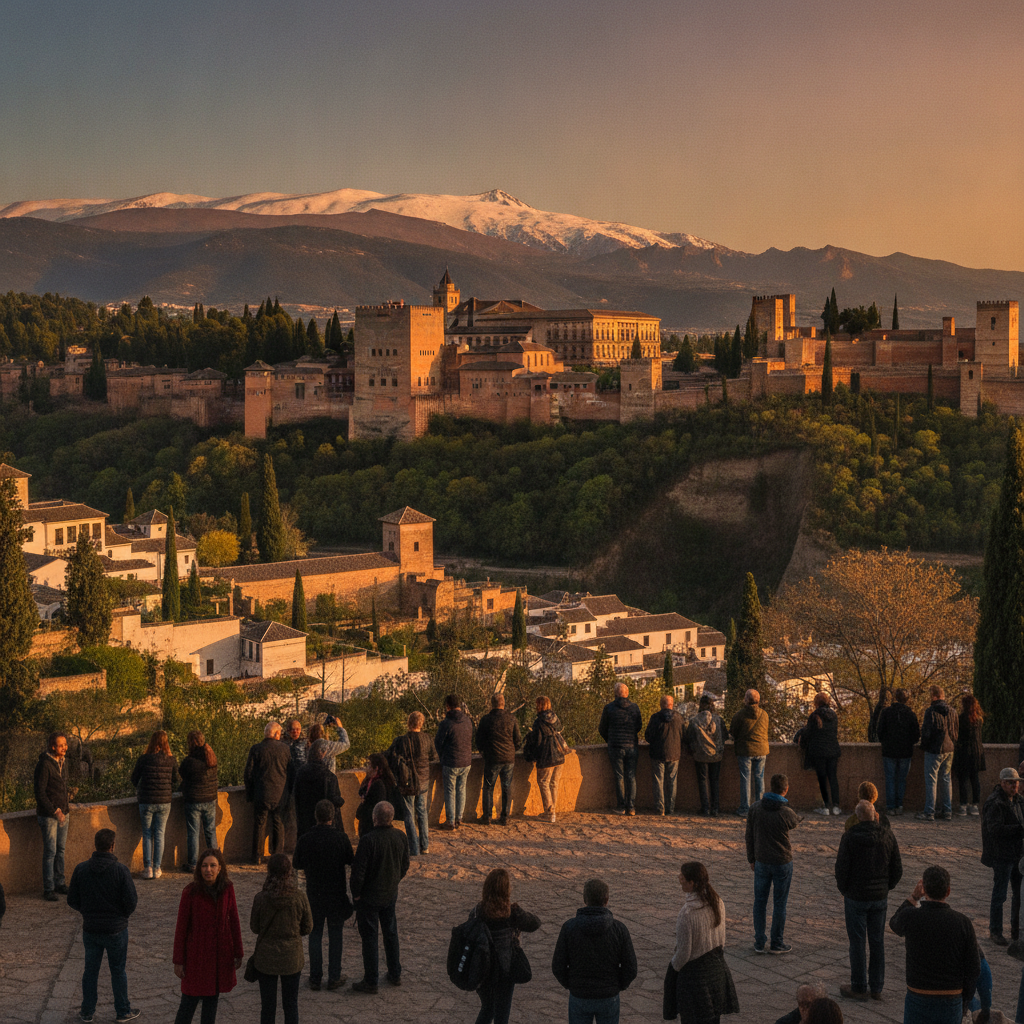
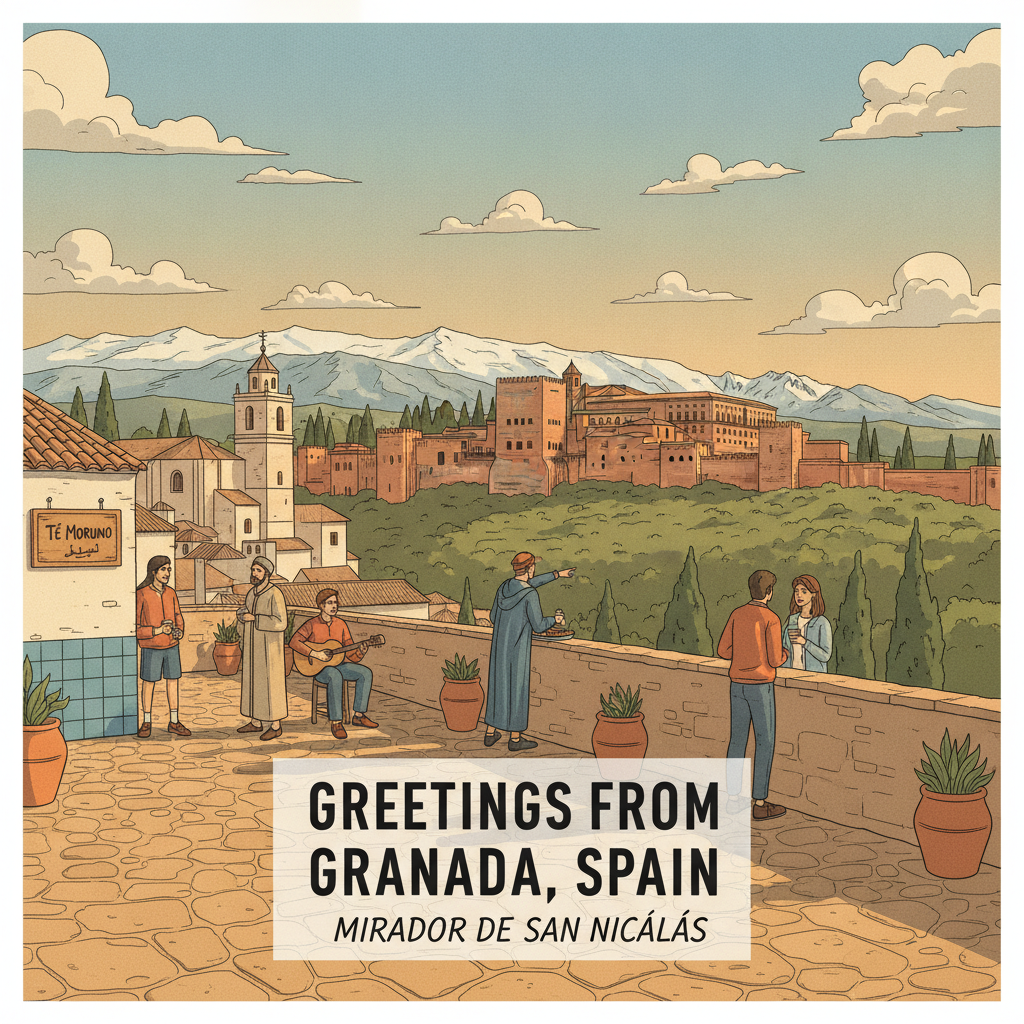
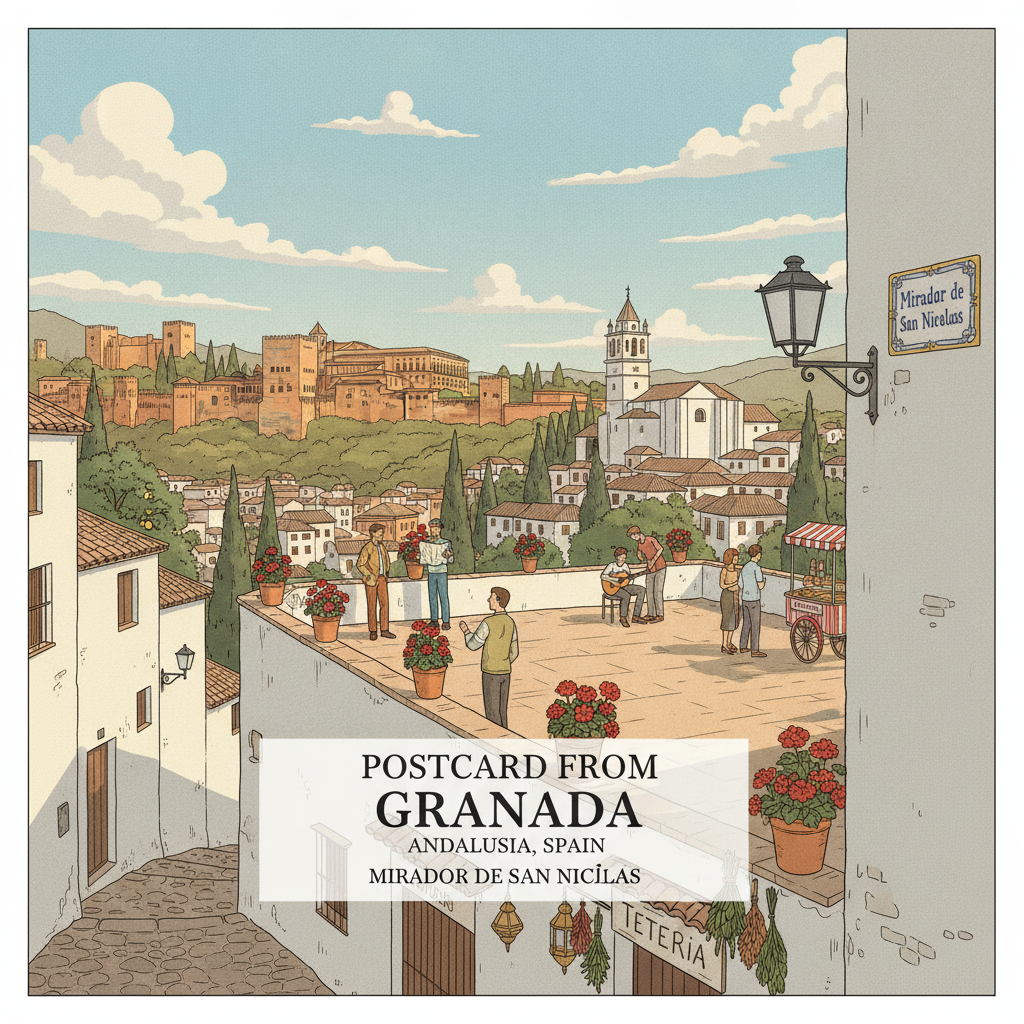
The Mirador de San Nicolás (the viewpoint on the hilltop of the Albaicín neighbourhood of Granada, the most celebrated urban viewpoint in Spain): the view (the view from the Mirador de San Nicolás — the panoramic view across the Darro River valley to the Alhambra palace-fortress on the Sabika hill directly opposite, with the Sierra Nevada mountain range as the backdrop: the view that is consistently cited as the most beautiful urban view in Spain and one of the most beautiful urban views in the world — the combination of the extraordinary Islamic monument (the Alhambra), the natural landscape (the Sierra Nevada), and the foreground (the Albaicín rooftops and the terrace of the mirador) that make this view universally admired): the church of San Nicolás (the 'Iglesia de San Nicolás' — the 16th-century church on the edge of the Mirador de San Nicolás, built in the early years of the Christian occupation of Granada (1492-1526) on the site of the former mosque of the Albaicín neighbourhood): the mirador experience (the experience of the Mirador de San Nicolás — the terrace where the visitors gather at sunset to watch the western light illuminate the red walls of the Alhambra, the mirador where the street musicians perform and the tourists buy the Moroccan tea ('té moruno') from the Moroccan tea shops ('teterías') on the nearby Calle Nueva de San Nicolás).
- 2
The Albaicín — Granada's Moorish Hill Quarter
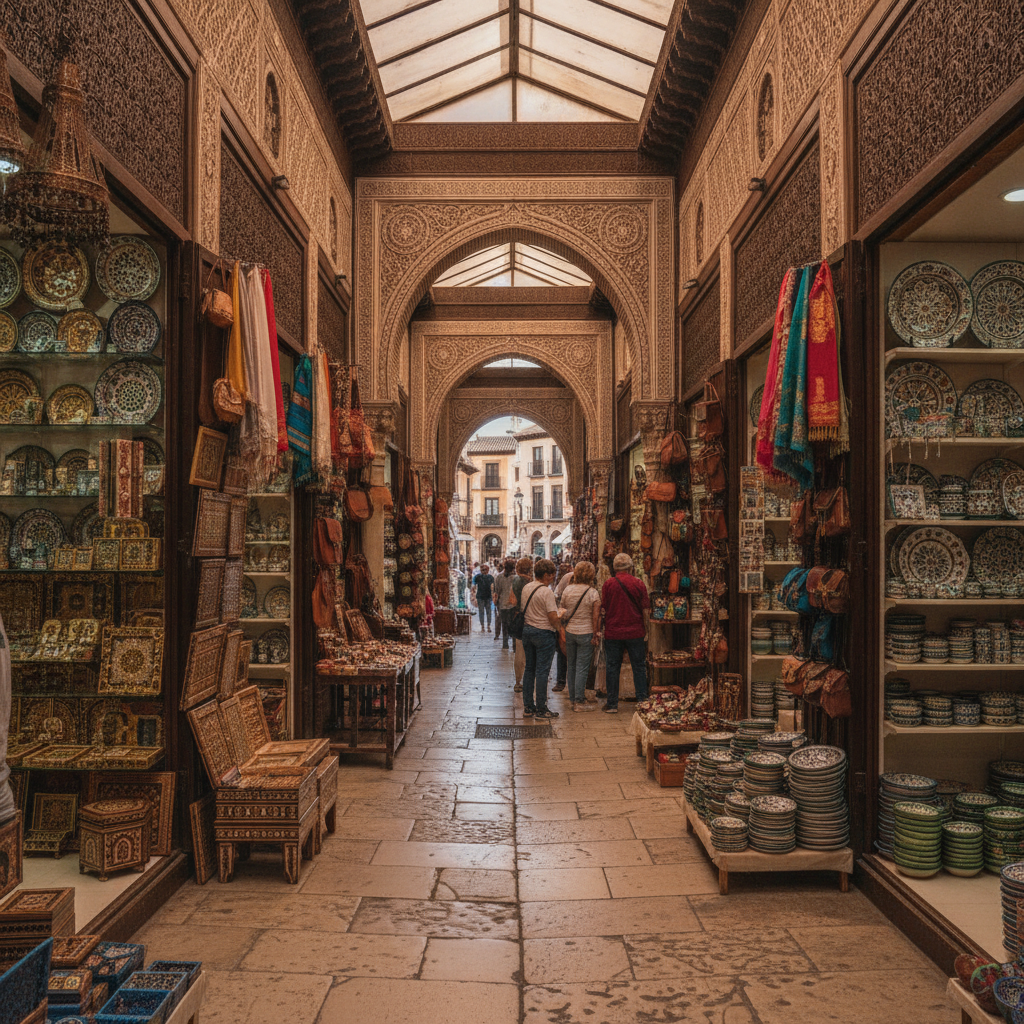
The Albaicín (the 'Albayzín' — the Moorish hill quarter of Granada, the UNESCO World Heritage Site (designated 1994, as part of the 'Alhambra, Generalife and Albayzín of Granada' inscription), the most intact medieval Islamic urban quarter in Western Europe): the history (the Albaicín — the neighbourhood of Granada that was the main residential area of the Islamic city of Granada from the 11th century to 1492 (the fall of the Nasrid Emirate), the neighbourhood that continued to be inhabited predominantly by the 'Moriscos' (the Muslim converts to Christianity, the 'New Christians' who retained Islamic cultural practices) until the Morisco Revolt of 1568-1571 and the expulsion of the Moriscos from Granada ordered by Philip II in 1571): the urban fabric (the urban fabric of the Albaicín — the labyrinthine network of narrow cobbled streets ('callejuelas'), blind alleys ('adarves'), and hidden plazas ('plazuelas') that climbs the steep hillside of the Albaicín from the Río Darro at the base to the Mirador de San Nicolás at the summit, the neighbourhood of the white-washed walls, the 'carmen' (the enclosed garden of the Granada house type — the house with the private walled garden 'carmen', planted with the lemon trees, the roses, the jasmine, and the fountains in the tradition of the Islamic garden)), and the remains of the medieval Islamic buildings (the 'cármenes' (the private garden houses), the 'minarete' (the minaret — the few surviving minarets of the Albaicín mosques, converted to church bell towers after 1492), and the remains of the Nasrid-period city walls ('murallas ziridas'))): the teterías (the Moroccan tea houses ('teterías') of the Calle Calderería Nueva — the street in the lower Albaicín known as the 'Moroccan street', where the cluster of Moroccan tea houses, spice shops, and handicraft stores serves as the social centre of the large North African student and immigrant community of Granada and as a popular exotic attraction for the city's visitors).
- 3
Sacromonte — The Cave Neighbourhood & Zambra Flamenco
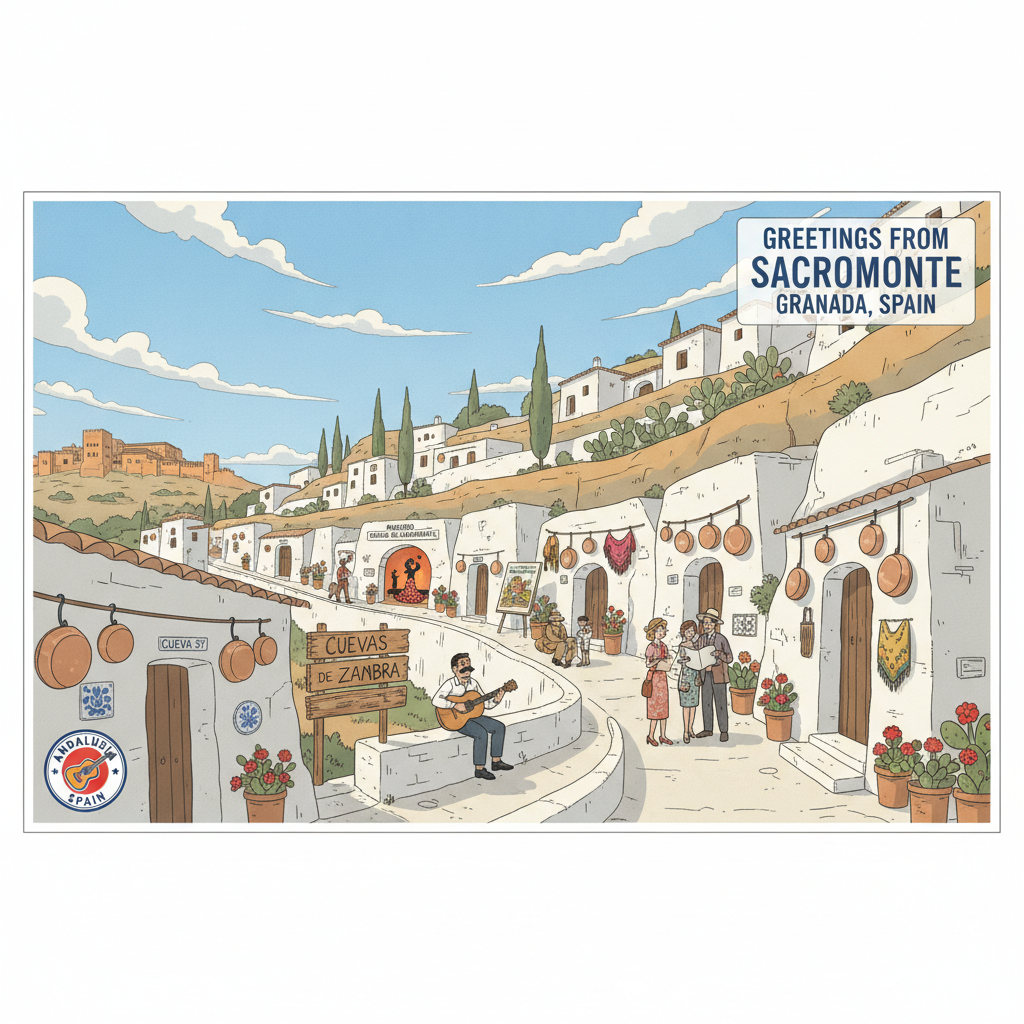
The Sacromonte (the 'Sacred Mountain' — the neighbourhood on the hill adjacent to the Albaicín, the cave neighbourhood inhabited by the Gitano community of Granada and the birthplace of the 'zambra' (the Granada variant of flamenco)): the caves (the 'cuevas' — the cave dwellings carved into the soft 'toba' (tufa — the compacted volcanic ash that forms the substrate of the Sacromonte hills), the whitewashed cave homes that have been the primary dwelling type of the Sacromonte Gitano community since the 15th century (the Gitanos arriving in Granada in the late 15th century after the Reconquista expelled the Moriscos from the city, the Gitanos occupying the cave dwellings of the Sacromonte hill in the space left by the departure of the Moorish population)): the zambra (the 'zambra' — the Granada flamenco form that is specific to the Sacromonte neighbourhood, the dance form that combines the flamenco tradition with the elements of the pre-Islamic Moorish dance tradition that the Granada Gitanos preserved (the 'zambra mora' — the 'Moorish zambra', the ancient Granada dance whose origins predate the flamenco): the zambra flamenco venues ('cuevas de zambra') of the Sacromonte — the cave nightclubs where the zambra performances are staged for the tourists every evening (the Cueva de la Rocío, the Cueva del Sacromonte, and others), the performances that combine the flamenco dance with the hospitality of the cave setting (the whitewashed cave walls, the low ceiling, the copper pots and the decorative tiles): the Museo Cuevas del Sacromonte (the museum in the Sacromonte devoted to the history and culture of the Sacromonte Gitano community).
- 4
Río Darro Walk & the Paseo de los Tristes
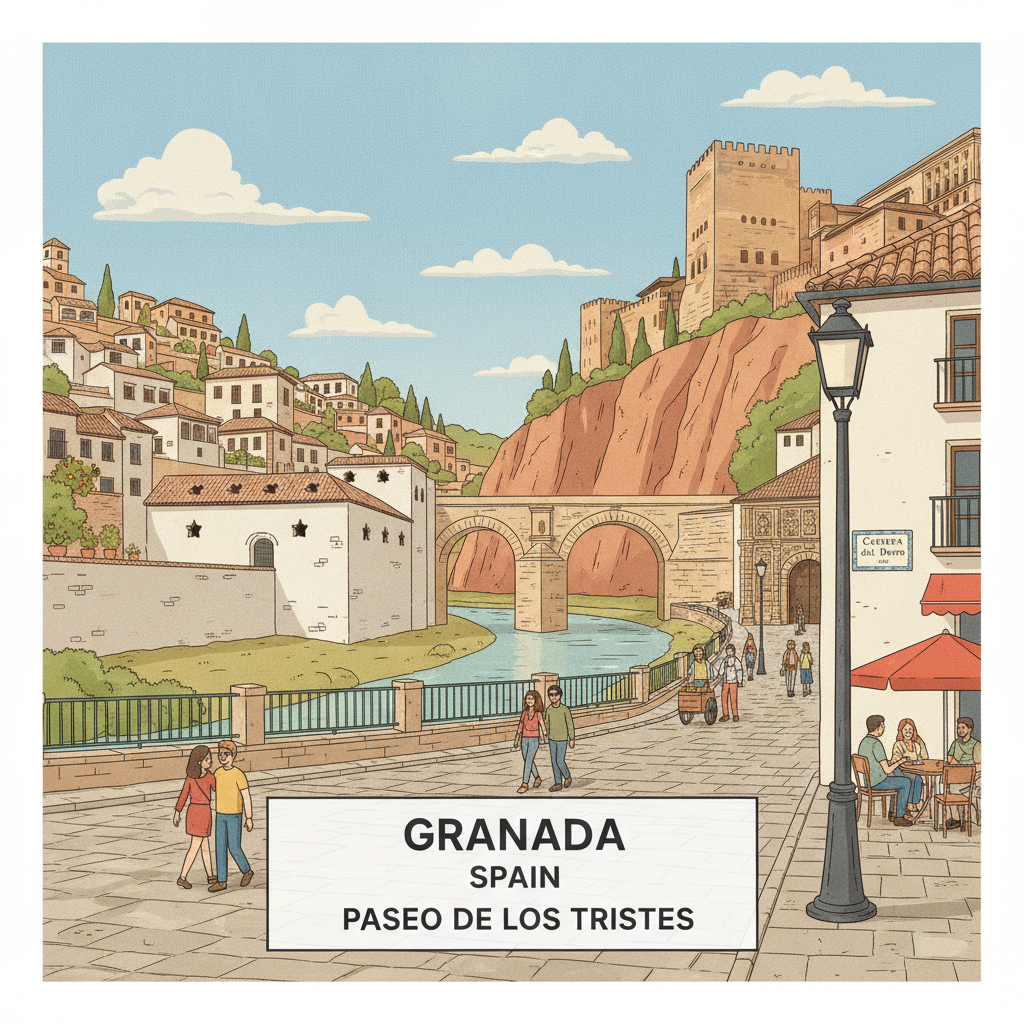
The Río Darro (the 'Darro River' — the small river that flows through the valley between the Albaicín hill and the Alhambra hill, the river that separates the old Moorish quarter of Granada from the palace fortress on the opposite hill): the Paseo del Padre Manjón (known as the 'Paseo de los Tristes' — the 'Promenade of the Sad Ones': the riverbank walk along the north bank of the Río Darro from the Plaza Nueva to the Puente del Cadí (the medieval bridge at the base of the Alhambra hill), the promenade that is one of the most beautiful and most atmospheric walks in Granada): the medieval bridges (the medieval bridges over the Río Darro — the 'Puente de Espinosa' (the 17th-century stone bridge), the 'Puente del Carbón' (the 'Coal Bridge' — the medieval bridge at the entrance to the Paseo de los Tristes), and the 'Puente del Cadí' (the 'Judge's Bridge' — the Nasrid-period bridge at the upper end of the walk)): the Arab baths (the 'Bañuelo' — the 11th-century Moorish bath (hammam) on the Carrera del Darro, the best-preserved Arab bath in Spain and one of the best-preserved examples of Andalusian Islamic architecture outside of the Alhambra, the building with the star-shaped skylights in the barrel-vaulted ceiling that are the most characteristic feature of the Islamic hammam): the Palacio de los Córdova (the 16th-century Renaissance palace on the Carrera del Darro — the palace that now serves as the Municipal Archive of Granada, the building with the carved stone portal and the inner courtyard visible from the street).
- 5
Federico García Lorca & Granada's Literary Soul
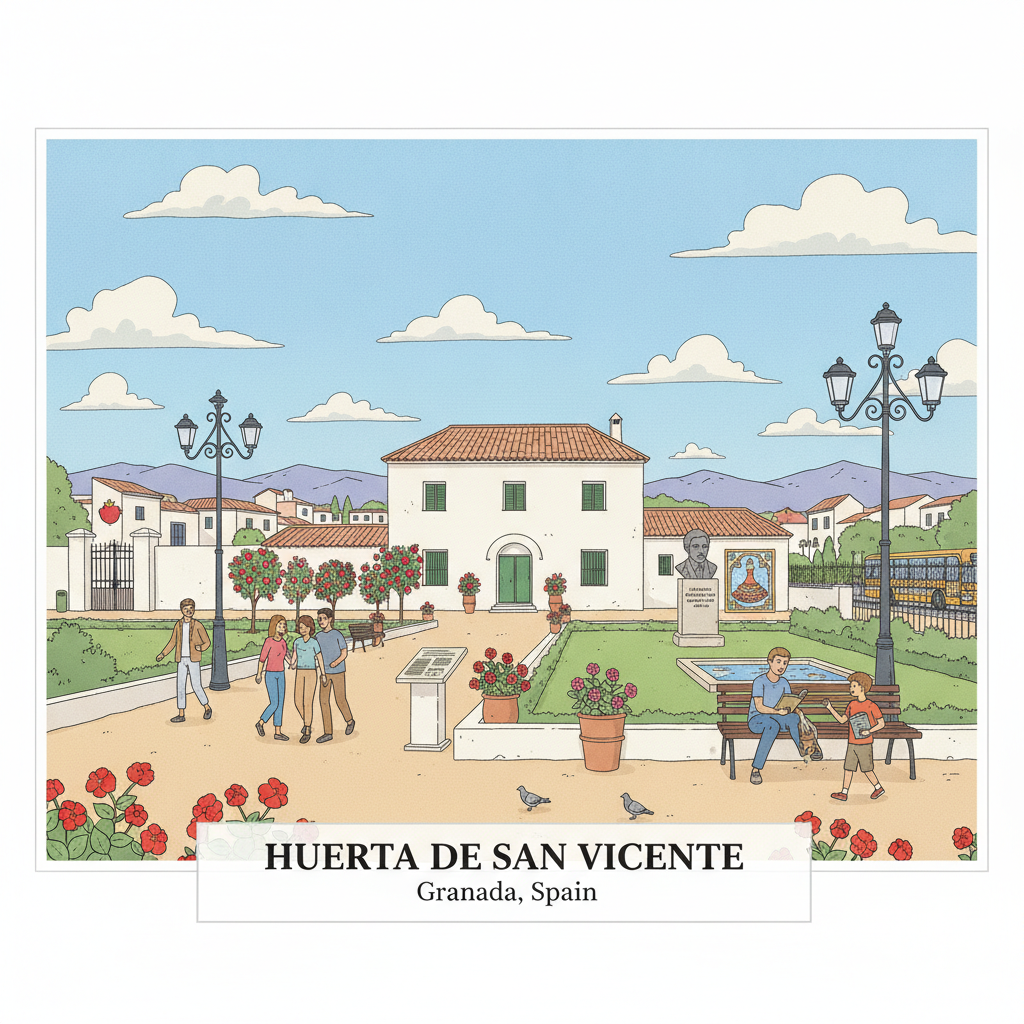
Federico García Lorca (the poet and playwright Federico García Lorca (1898-1936) — the most important Spanish-language poet of the 20th century, born in Fuente Vaqueros (a village 17 km west of Granada), educated and formed in Granada, the poet who is the most famous literary son of Andalusia and whose work is inseparable from the landscapes, the culture, and the people of Granada): the works (the major literary works of García Lorca that are most connected to Granada and Andalusia — the poetry collection 'Romancero Gitano' (1928) (the 'Gypsy Ballads' — the collection of 18 ballads based on the Gitano culture and the folk mythologies of Andalusia, the collection that made García Lorca internationally famous overnight and that is the most widely read book of Spanish poetry of the 20th century), the 'Poema del Cante Jondo' (1931) (the 'Poem of the Deep Song' — the collection of poems inspired by the flamenco 'cante jondo' tradition and by the musical atmosphere of the Sacromonte and the Albaicín), the 'Lorca-Falla Cante Jondo Competition' (the 1922 'Concurso de Cante Jondo' organised by Lorca and the composer Manuel de Falla in Granada — the competition that launched the modern revival of the 'cante jondo' flamenco tradition), the play 'La Casa de Bernarda Alba' (1936) (the most performed Spanish play of the 20th century), and the play 'Bodas de Sangre' ('Blood Wedding')): the Casa-Museo Federico García Lorca (the 'Huerta de San Vicente' — the summer house of the García Lorca family on the outskirts of Granada (now within the city's Federico García Lorca Park), the house where García Lorca spent his summers from 1926 to 1936 and where he wrote many of his most important works, now a museum dedicated to his life and work).
- 6
The Albaicín Cármenes & Moorish Gardens
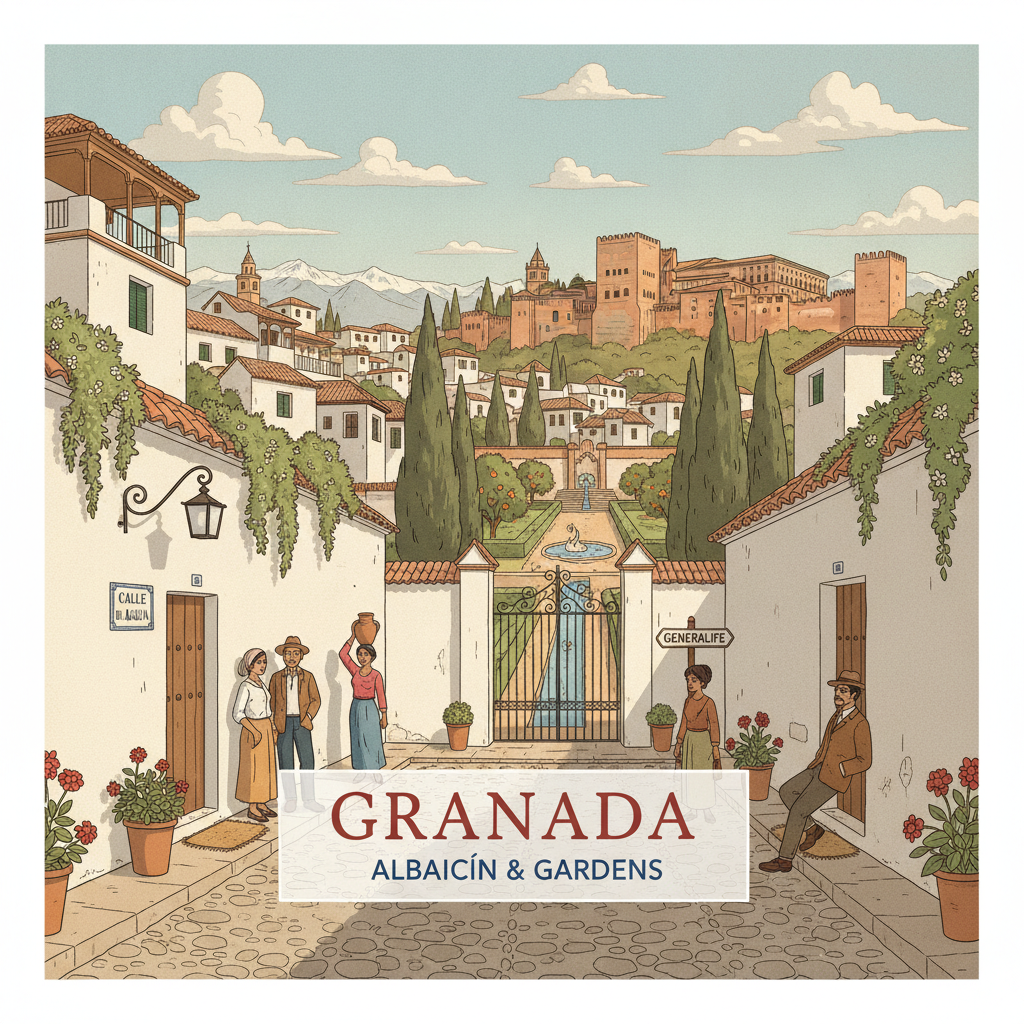
The 'cármenes' of the Albaicín (the 'carmen' — the distinctive house type of the Albaicín neighbourhood of Granada: the house with the private walled garden, the enclosed 'huerta' (the kitchen garden and the ornamental garden) behind the white-washed wall that faces the street, the house type that combines the Moorish garden tradition (the 'rawda' — the Islamic paradise garden of water, shade, and fragrance) with the Renaissance garden tradition): the Moorish garden tradition in Granada (the Islamic garden tradition that created the extraordinary gardens of the Alhambra and the Generalife — the garden philosophy of the water (the 'agua' — the central element of the Islamic garden, the sound and the sight of the running water in the channels and the fountains that transform the dry Andalusian landscape), the shade (the 'sombra' — the shade provided by the cypress trees, the laurels, the orange trees, and the jasmine), and the fragrance (the 'perfume' — the fragrance of the jasmine, the rose, and the orange blossom that fills the Albaicín gardens in the spring and early summer)): the Jardines del Generalife (the gardens of the Generalife — the model for the Albaicín 'carmen' garden, the formal terraced garden with the water channels and the jets, the rose beds and the hedges of myrtle, the cypress allées and the pergolas of the vine (the 'parra' — the overhead pergola of grapevines that provides the shade in the Andalusian garden summer): the Carmen de los Mártires (the most celebrated of the Albaicín 'cármenes' — the 19th-century garden below the Alhambra hill, the garden now open to the public, the garden with the Nasrid-period water channels, the Romantic garden elements (the pond with the swan island, the topiary garden), and the view of the Alhambra from the garden terraces).
Walk this route with audio
Stories play automatically as you reach each stop — no tapping needed.
More in granada
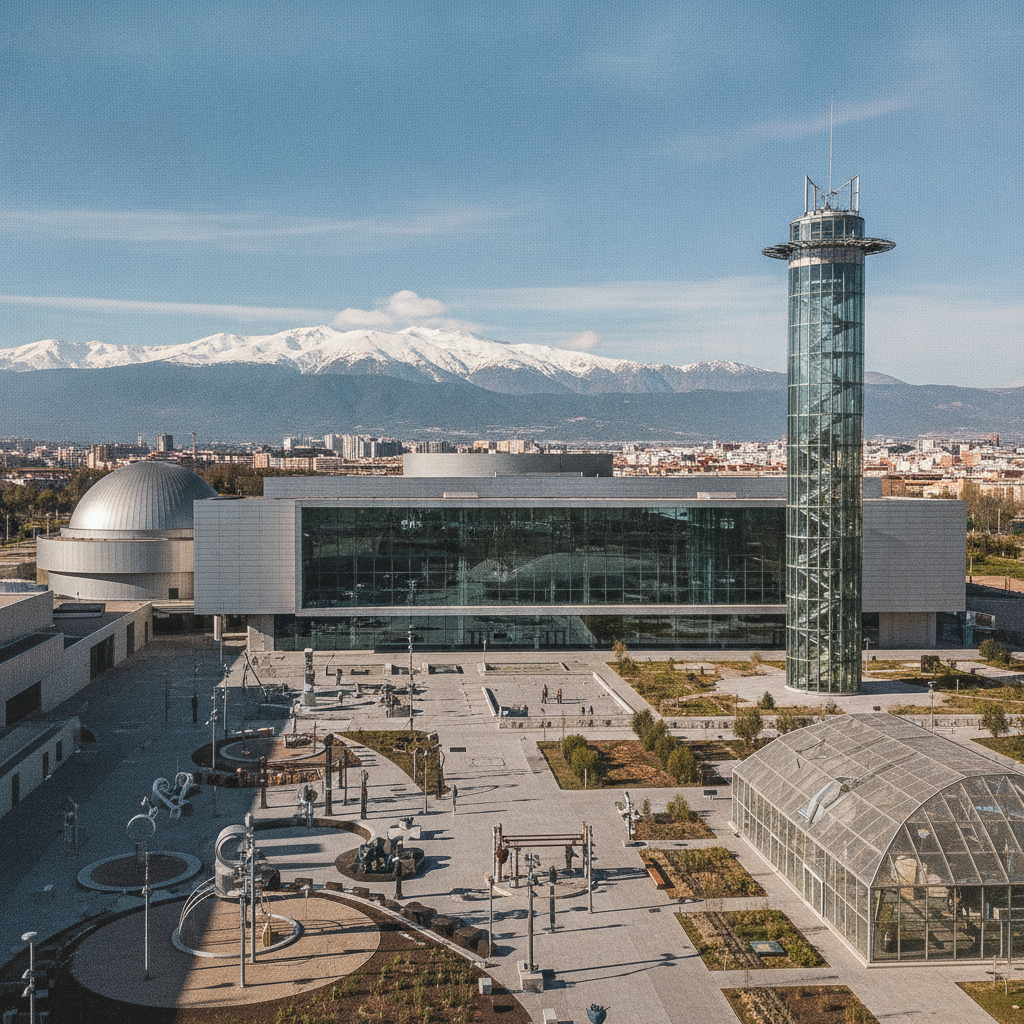
Parque de las Ciencias, University of Granada & Modern City
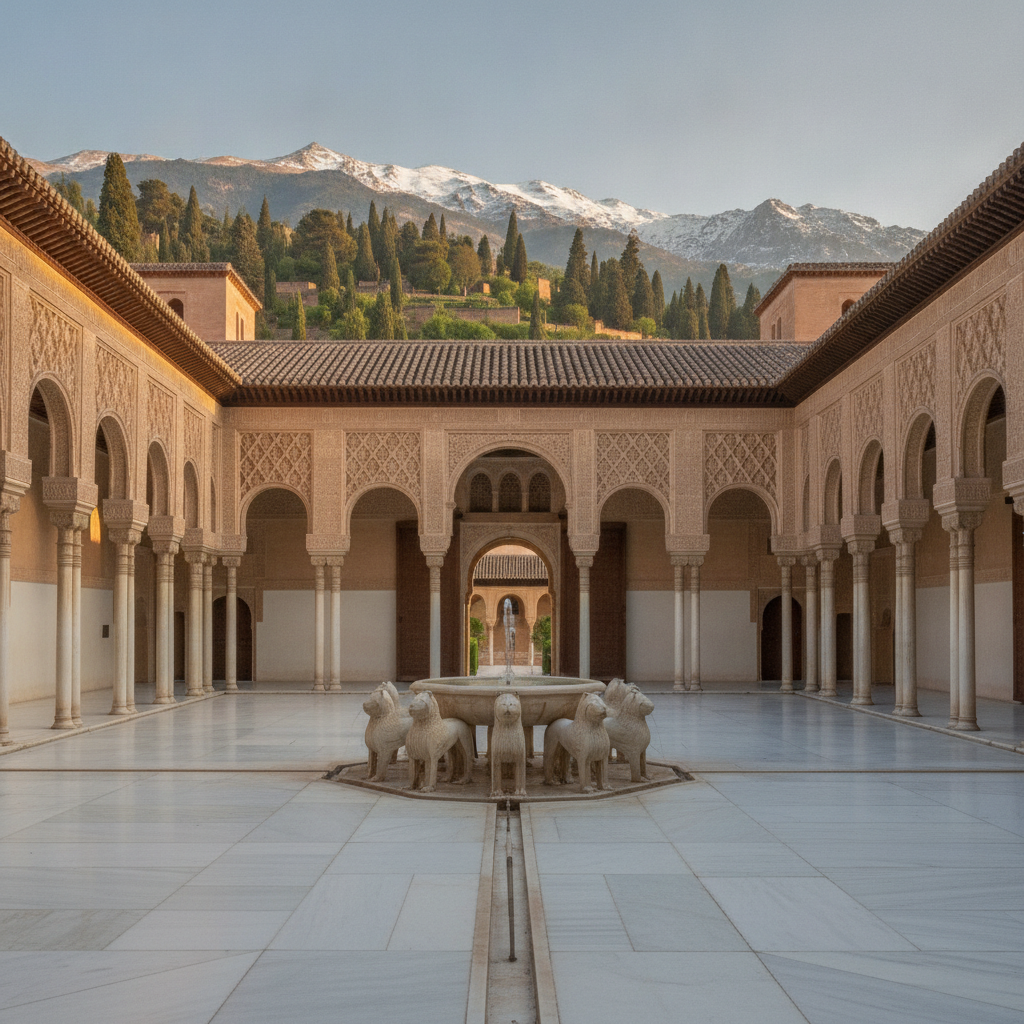
The Alhambra, Nasrid Palaces & the Generalife Gardens
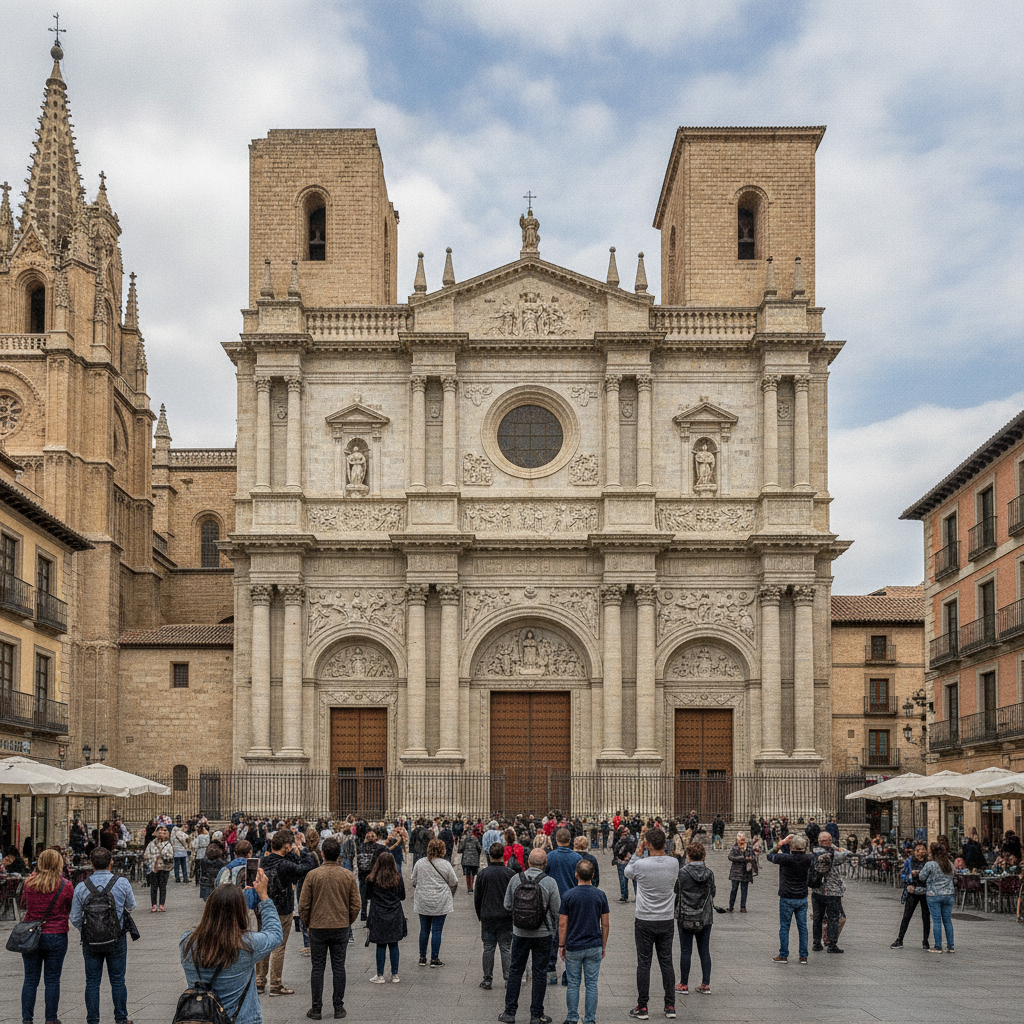
Granada Cathedral, Royal Chapel & the End of the Reconquista
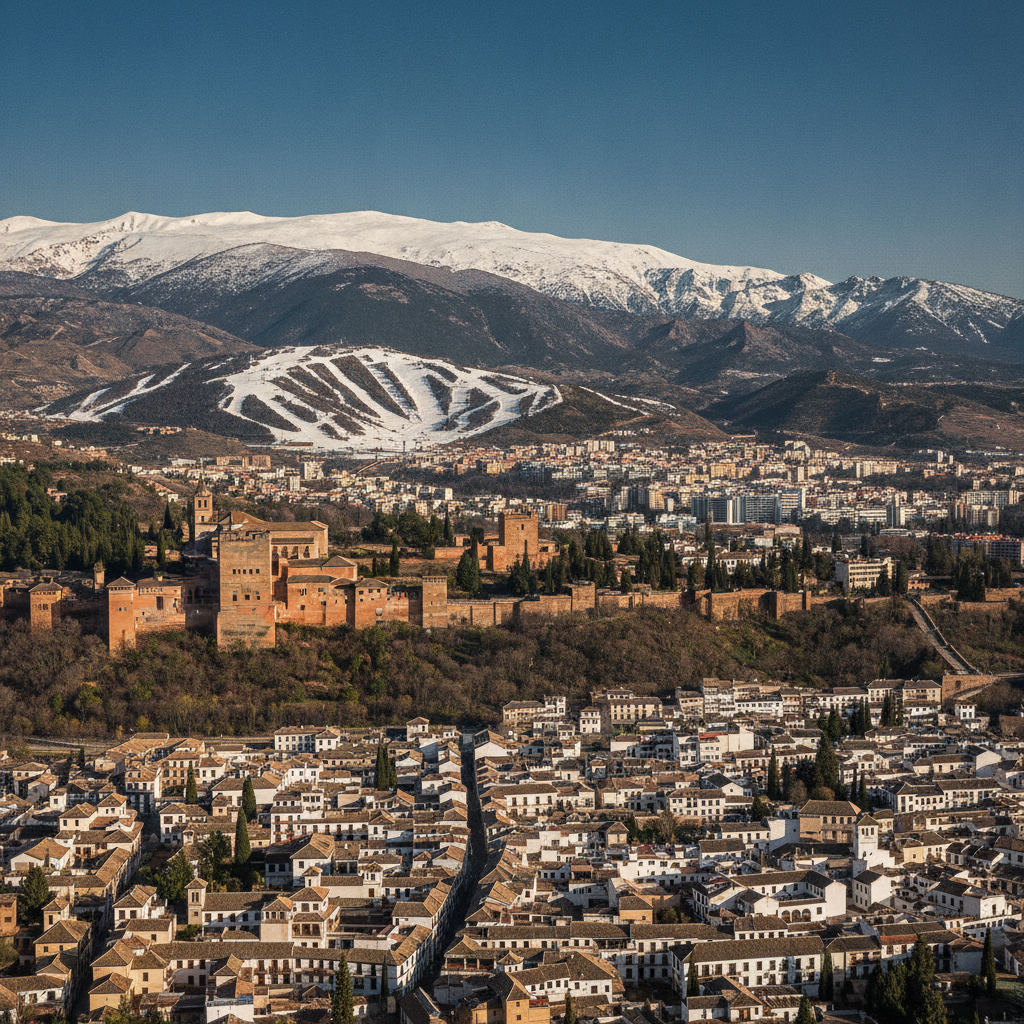
Sierra Nevada, Ski Resort & Granada's Mountain Wilderness
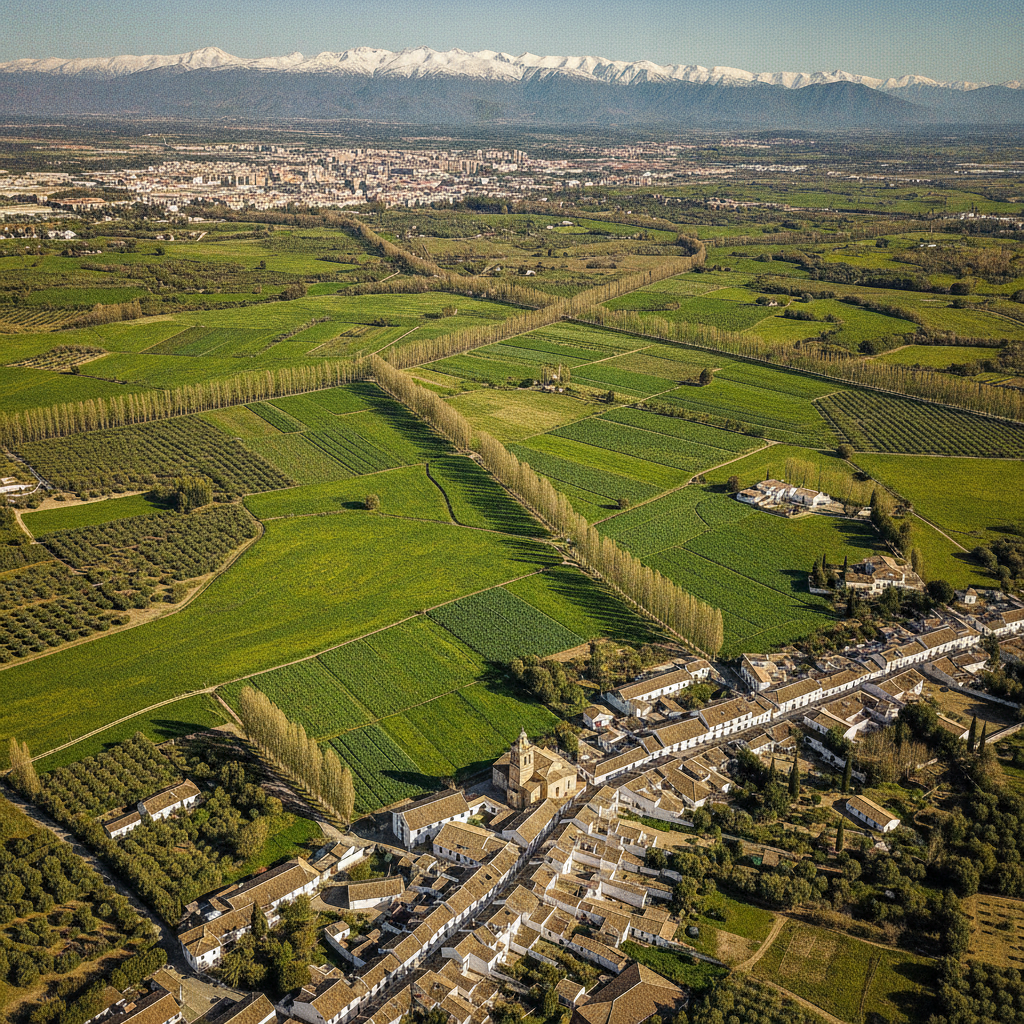
Lorca's Granada, Fuente Vaqueros & the Vega Countryside