Lake Chapala and the Guadalajara Day Trips: The Largest Lake in Mexico One Hour South, the Highland Town of Mazamitla Two Hours Southeast, and the Barranca de Huentitan Canyon Inside the City
Guadalajara sits at 1,560 metres elevation on the western edge of the central Mexican plateau with the Sierra Madre Occidental mountains visible to the north and west, and the lake-filled basin of Lake Chapala 50 kilometres to the south, making day trips from the city available in every direction through landscapes that shift rapidly from the dense urban metropolitan area into agricultural country, colonial towns, and the dramatic canyon topography of the Barrancas that cut through the volcanic rock of the Jalisco highlands. Lake Chapala, at 1,100 square kilometres the largest lake in Mexico, sits at 1,524 metres elevation on a tectonic plate boundary, has an average depth of only 4.5 metres that has made it vulnerable to water extraction by Guadalajara and agricultural irrigation, and has been the primary retirement destination for North American expatriates in Mexico since the 1960s when artists and writers discovered the mild climate and low cost of the north shore towns of Ajijic and Chapala. The expatriate community in the Chapala-Ajijic corridor, estimated at 20,000 to 30,000 primarily English-speaking residents, is the largest concentration of North American retirees in Mexico and has generated a secondary economy of English-language services, art galleries, yoga studios, and wine bars alongside the traditional fishing and farming economy of the lake shore communities. The Barranca de Huentitan, a canyon 200 metres deep cut by the Rio Santiago through the northern edge of the Guadalajara metropolitan area, is accessible from the city in under 30 minutes and provides hiking and wildlife observation within the urban area.
- 1
Lake Chapala Shore and Expat Community
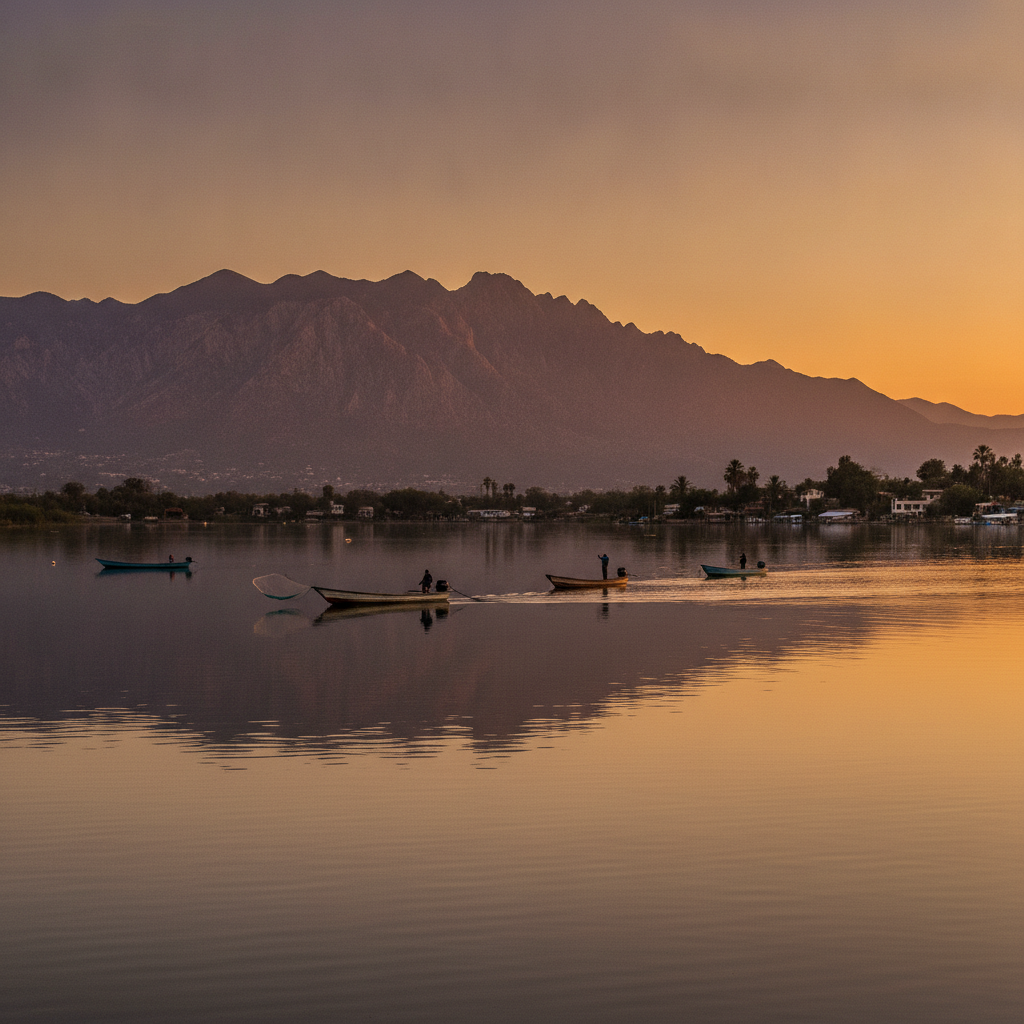
Lake Chapala, the largest lake in Mexico at approximately 1,100 square kilometres extending 80 kilometres from east to west and reaching 18 kilometres in width at its broadest point, lies 50 kilometres south of Guadalajara and has served as the primary recreational and retirement landscape for the city's population since the late 19th century when Porfirio Diaz visited the shore and the railway connection from Guadalajara opened the lake to weekend tourism. The north shore towns of Chapala and Ajijic developed the largest expatriate community in Mexico, with an estimated 20,000 to 30,000 primarily US and Canadian retirees drawn by the climate described as eternal spring, the low cost relative to North America, the medical services available in Guadalajara one hour away, and the established English-speaking social infrastructure of clubs, English-language newspapers, restaurants, and cultural organizations. The lake has faced severe water level decline from Guadalajara water extraction and agricultural irrigation drawing from its feeder rivers, with the water level falling by over 3 metres between the 1960s and the late 1990s, causing the lake shoreline to recede hundreds of metres from the established piers and waterfront promenades. A series of wet years in the early 2000s partially restored levels. The Chapala boardwalk malcon offers views across the lake to the Sierra de Guadalajara mountains on the north shore and the Sierra de Tapalpa to the south.
- 2
Ajijic Art Colony and Cultural Life
Ajijic, the village 8 kilometres west of Chapala on the north shore of Lake Chapala, developed as an art colony beginning in the 1930s and 1940s when Mexican and foreign artists attracted by the light quality, the low cost of living, and the established village infrastructure created studios and galleries in the colonial stone buildings of the village center. The Ajijic art tradition attracted D.H. Lawrence, who lived briefly in the nearby village of Chapala in 1923 and used the experience in his novel The Plumed Serpent, and later attracted a steady flow of North American and European painters, writers, and musicians who established a creative community that persists as one of the most active art markets in Mexico outside the major cities. The Ajijic art scene operates through a network of galleries on the streets near the central plaza, an open studio program during the winter high season, and the Ajijic Art Show held annually. The village itself retains cobblestone streets, colonial fountain plazas, and hacienda-style architecture behind whitewashed walls that provide the traditional visual backdrop that has attracted artists for generations. The cultural life of the expatriate community has generated an active performing arts calendar including English-language theater, classical music concerts, and opera performances at the Lakeside Little Theater and the Auditorio de la Ribera.
- 3
Barranca de Huentitan Urban Canyon
The Barranca de Huentitan, a canyon carved by the Rio Santiago through the northern edge of the Guadalajara metropolitan area to depths of 200 metres below the urban plateau, is one of the most dramatic natural features within any major Mexican city and serves as the northern limit of the urban fabric while providing hiking, wildlife observation, and landscape access within 30 minutes of the historic center. The canyon walls expose the volcanic geology of the region, with basalt flows, volcanic ash deposits, and the remnants of the ancient lake beds that filled the Guadalajara basin before the Rio Santiago found its current course through the barranca to the Pacific. The Huentitan plateau above the canyon's northern rim contains the Guadalajara Zoo, one of the largest in Latin America, and the Selva Magica amusement park, both positioned to take advantage of the dramatic canyon views from the plateau edge. The hiking trails into the barranca descend through subtropical dry forest vegetation that differs completely from the urban landscape above, with fig trees, cactus, and agave growing on the canyon walls alongside the Rio Santiago rapids at the bottom. The canyon serves as a wildlife corridor connecting more extensive natural habitat west and east of the city, with coyotes, coatis, and various raptor species observed from the rim. The Parque Mirador Independencia provides the most accessible viewpoint over the canyon from within the city.
- 4
Mazamitla Highland Town and Sierra Tapalpa
Mazamitla, a highland town 120 kilometres southeast of Guadalajara at 2,150 metres elevation in the Sierra del Tigre mountains, is designated a Pueblo Magico for its well-preserved 19th-century wooden architecture, cobblestone streets, and pine forest setting that makes it the primary mountain escape destination for Guadalajara residents seeking cool temperatures and rural character. The wooden architecture of Mazamitla, using the log and plank construction techniques of the highland pine forest regions of Jalisco, is unusual within Mexico where adobe and stone construction dominate colonial-era buildings and gives the town a visual character unlike any other Pueblo Magico. The town produces mezcal from the wild agave species of the Sierra del Tigre, goat cheese from local herds, and the regional sweets made from pine nuts and fruit preserves. The Sierra de Tapalpa, another highland zone 80 kilometres south of Guadalajara containing the towns of Tapalpa and Atemajac de Brizuela, offers similar pine forest hiking and rural village experiences at slightly lower elevations. The horseback riding culture of the Jalisco highlands is accessible from both Mazamitla and Tapalpa, with ranches offering guided rides through the pine forests and ranchero cooking at the end. Weekend visitors from Guadalajara fill both towns, particularly during the December holiday period when the cool mountain air and log fire restaurants create an atmosphere that Tapatios describe as a Guadalajaran Christmas tradition.
- 5
Guadalajara Music Scene Beyond Mariachi
The contemporary music scene of Guadalajara extends beyond the mariachi tradition to encompass one of the most active rock, electronic, and independent music scenes in Mexico, with the city producing several internationally recognized acts including the rock bands Maná, whose 1990s arena rock achieved a commercial scale rivaled in Mexico only by Luis Miguel and the Tigres del Norte, and Natalia Lafourcade, who won multiple Latin Grammy awards and whose musical trajectory from pop to Mexican folk revival reflects the broader rediscovery of Mexican traditional music by the urban creative class. The Guadalajara live music scene operates through a network of venues in Colonia Americana and the Zona Rosa including medium-capacity clubs, rooftop bars with live music, and the concert halls of the cultural institutions including the Conjunto Santander de Artes Escenicas, which hosts classical and contemporary performances. The Festival Internacional de Cine en Guadalajara, the largest film festival in Latin America, is held in March and has created a parallel cultural event calendar that brings international cinema culture to a city that produced several significant Mexican filmmakers. The Guadalajara music conservatory and the cultural programs of the University of Guadalajara train classical musicians who populate orchestras throughout western Mexico.
- 6
Guadalajara Practical Guide and Metropolitan Navigation
Guadalajara operates as a confederation of municipalities including Guadalajara proper, Zapopan to the northwest, Tlaquepaque and Tonala to the southeast, and Tlajomulco de Zuniga to the south, connected by the Tren Ligero light rail, the Macrobus rapid transit bus system, and an expanding metro network that in 2023 includes three lines connecting the historic center to the major residential and commercial zones. The historic center is compact and walkable, with the major monuments and museums within 15 minutes walking of each other, but the satellite destinations of Tlaquepaque, Tonala, and Zapopan require public transit or taxi. The Uber-equivalent services function efficiently in Guadalajara and are generally recommended over street taxis for safety and price predictability. The hotel market in the historic center includes luxury hotels in restored colonial buildings including the One Hotel and the Demetria Hotel, mid-range options in the Chapultepec and Colonia Americana neighborhoods, and budget hostels. The climate of Guadalajara is subtropical highland with a dry season from November through May and a rainy season from June through October, with daytime temperatures ranging from 22 to 30 Celsius year-round, making it one of the most comfortable major city climates in Mexico and the basis for Guadalajara's own claim to eternal spring alongside Medellín Colombia as cities that dispute this specific meteorological marketing phrase.
Walk this route with audio
Stories play automatically as you reach each stop — no tapping needed.
More in Guadalajara
Guadalajara and the Mexican Revolution: How Jalisco Shaped the Cristero War, the Dorados of Pancho Villa and the Ley Fuga Executions That Made the Revolution in the West More Violent Than the History Books Record
Guadalajara: The City That Gave Mexico Tequila Mariachi and the Charro Horseman, the UNESCO-Listed Murals in a Former Orphanage and the Craft Capital Where Every Artisan in Mexico Eventually Shows Up
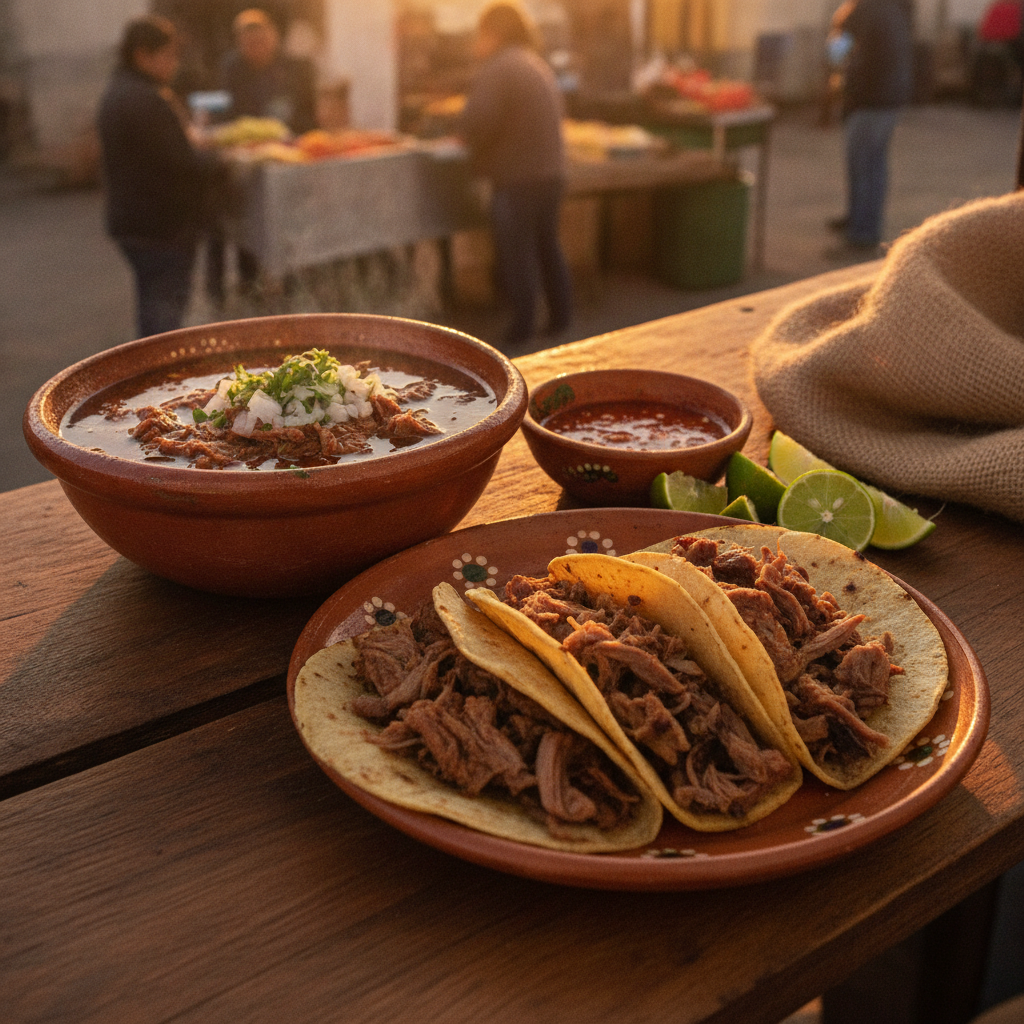
Tapatian Food Culture: Birria Taco Stands at Dawn, Tejuino Cart Vendors, Torta Ahogada Drowned in Chile Sauce and the Tequila Ritual That Defines Jalisco at the Table
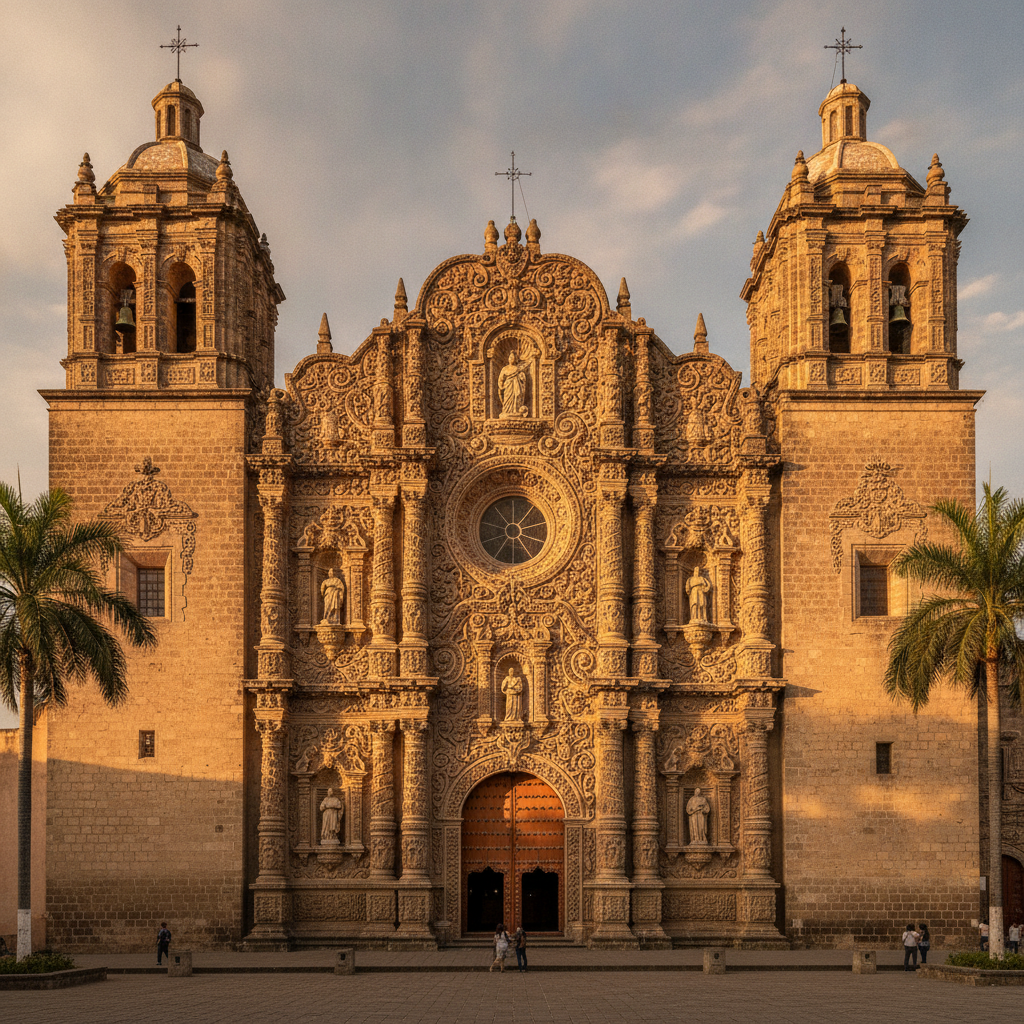
Guadalajara Colonial Churches Convents and the Ecclesiastical Architecture of New Galicia: From the Franciscan Missionaries Who Built the First Permanent Structures to the Baroque Elaboration of the 18th Century
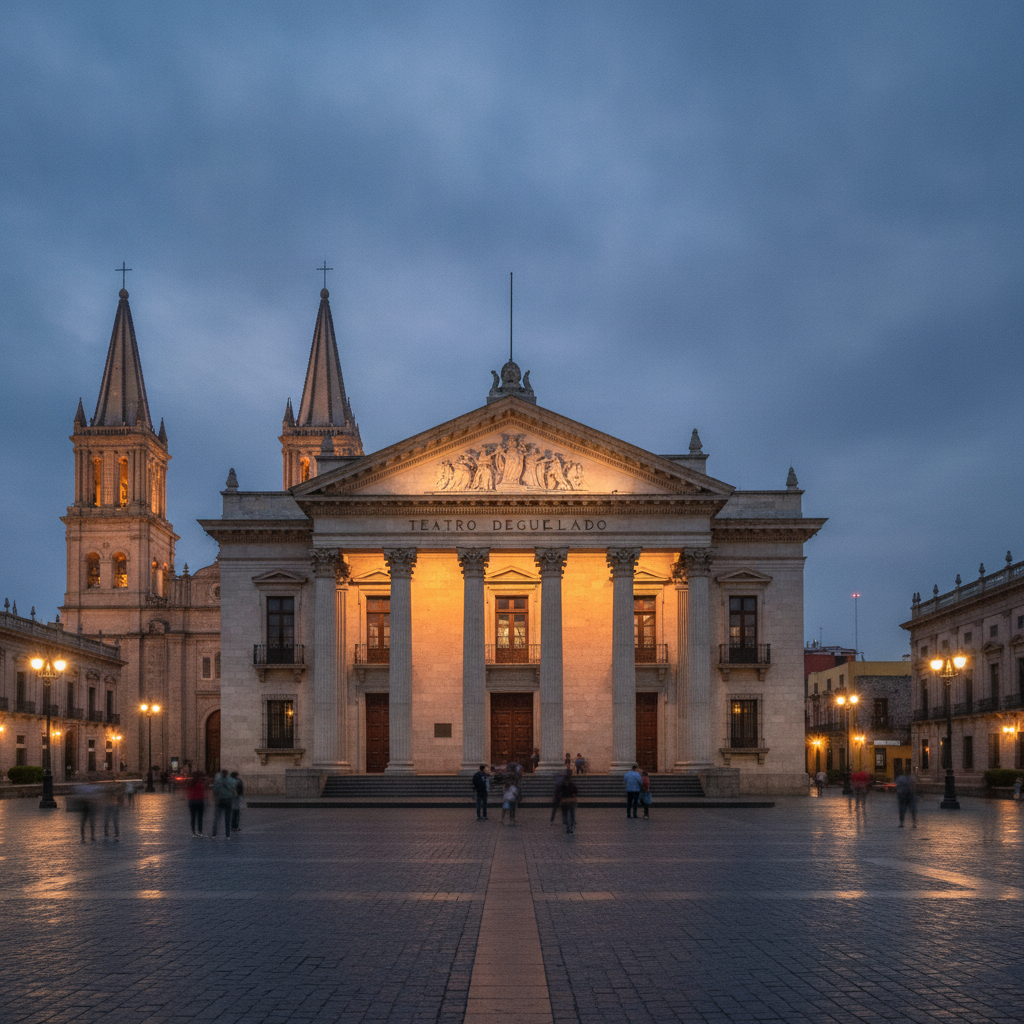
Guadalajara Muralism Art Nouveau and the Orozco Legacy: Walking the City That Produced the Most Searing Political Art in Mexican History While Rivaling Mexico City in Colonial Architecture