Guanajuato Walking the Callejones by Night Romantic Legends Ghost Stories and the Social Life of a Canyon City Where Every Alley Has a Story and Every Stairway Leads to a Different Century
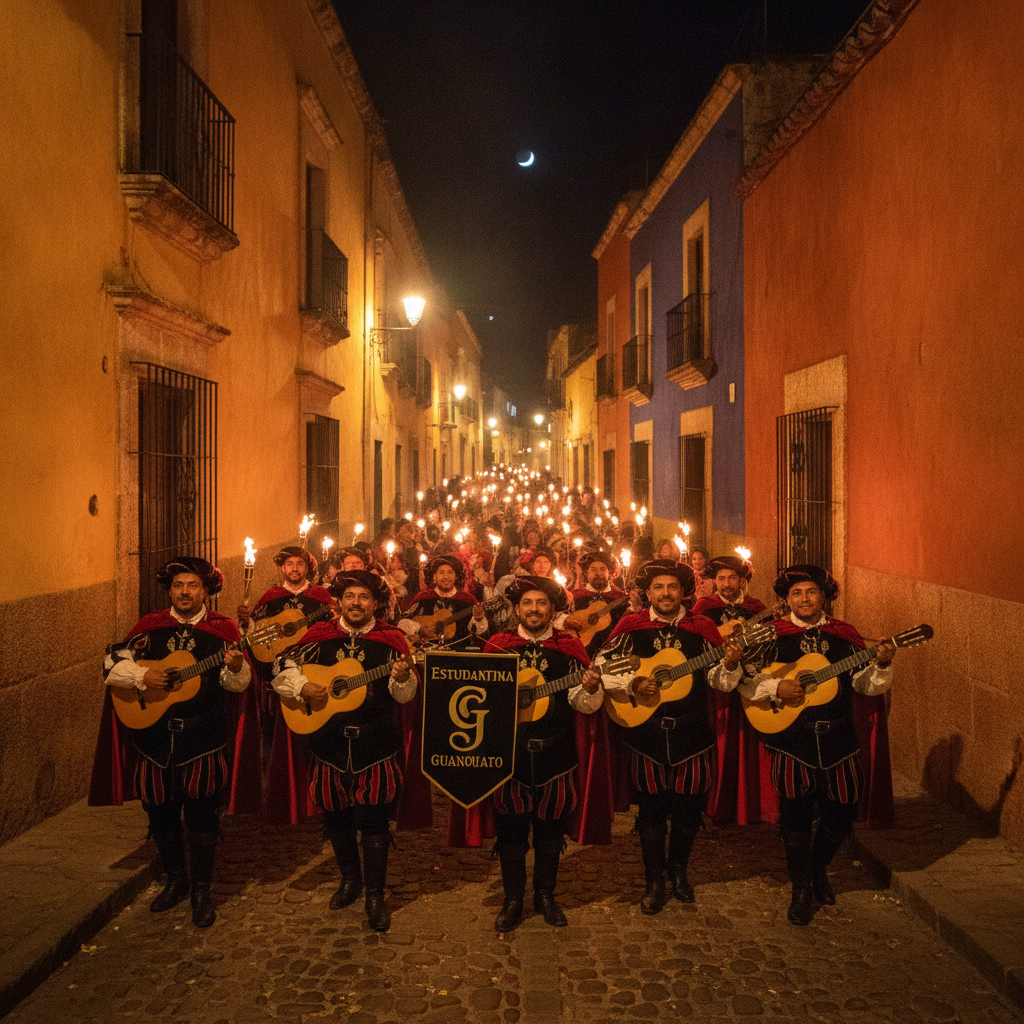
Guanajuato is the most experientially rich walking city in Mexico, a canyon labyrinth of callejones, stairways, plazas, and underground passages where the act of navigation is itself the entertainment, and where the density of history, legend, and social life compressed into the silver mining canyon produces the feeling that each turn of a narrow alley opens onto a different period of Mexican history. The callejoneadas, the guided night walks through the callejones led by estudiantina musicians in medieval costume, are the defining tourism experience of Guanajuato, a participatory performance in which the music, the torchlight, the legends of tragic love and colonial ghosts, and the social energy of the group moving through the dark alleys creates the atmosphere that the city's architecture sets the stage for. The ghost legend tradition of Guanajuato, rooted in the city's history of plague, mining accidents, executions, and the dramatic display of the mummified bodies in the Pantheon, is one of the richest in Mexico, with specific haunted locations in the callejones, the Alhondiga, the former convent buildings, and the underground tunnels that the estudiantina guides incorporate into the callejoneada narrative. The Callejon del Beso, the Callejon de la Condesa, the Callejon del Estudiante, and the Callejon de la Cantarranas each carry their own legend and their own social character, from the romantic tradition of the kissing balconies to the student bar energy of the cantarrana frog district. The night walk culture of Guanajuato, with the plazas animated by street musicians, the cantina doors open to the sounds of the estudiantinas and the ranchera music, and the food vendors lighting up the callejon entrances with their gas stove flames, constitutes the sensory experience that most visitors remember as the essential Guanajuato.
- 1
Callejoneadas the Night Walk Tradition
The callejoneada is the tourism experience that Guanajuato has developed from the estudiantina tradition of street music performance, a guided night walk through the historic center callejones led by a group of musicians in medieval Spanish costume who play the cobla instrumental pieces of the Spanish tunas tradition and sing the coplas verses that the audience is encouraged to join, pausing at significant locations in the callejon network for the guide to narrate the legends of the street and the buildings. The experience begins at the Jardin Union, where the estudiantina assembles the group and distributes the wine leather bota bag that is the traditional refreshment of the callejoneada walk, and moves through a route that typically includes the Callejon del Beso, the Plazuela de los Angeles, the Jardin de la Union passage behind the Teatro Juarez, and the upper callejones of the university neighborhood before returning to the starting point. The callejoneada tradition is offered nightly by multiple student and professional organizations, with the University of Guanajuato student estudiantinas operating on the most economical basis and the commercial operators offering more elaborate programs with costumes, guides who narrate in both Spanish and English, and longer routes through neighborhoods beyond the tourist circuit. The social energy of the callejoneada, which typically draws 20 to 60 participants who are strangers at the start and companions by the end, represents the participatory cultural tourism model that the Guanajuato estudiantina tradition pioneered and that other Mexican colonial cities have attempted to replicate without matching the original. The wine bota, the singing, the dark callejon passages, and the pauses at the balcony of the Callejon del Beso for the kissing tradition create the ritual structure of the callejoneada as a social ceremony.
- 2
Ghost Legends and Haunted Guanajuato
The ghost legend tradition of Guanajuato, one of the richest in Mexico, draws on the city's history as a place of extreme wealth and extreme poverty, dramatic public executions, mining accidents, periodic plague outbreaks, and the unsettling spectacle of the naturally mummified bodies that were displayed in the Pantheon from the 19th century. The most famous ghost legend of Guanajuato is the Callejon del Beso version of the star-crossed lovers story, in which the spirit of the young noblewoman stabbed by her father for her liaison with the mestizo miner across the alley is said to haunt the balcony where the romance was conducted, appearing to visitors who do not properly perform the third-step kissing ritual. The Alhondiga de Granaditas, site of the independence massacre and the display of the rebel heads, carries the most historically grounded ghost tradition, with reported sightings of colonial-era figures and the particular atmosphere of a massive stone building that has witnessed extreme violence creating the psychological environment that ghost experiences require. The tunnel system of Guanajuato, the underground vehicle roads that replaced the diverted river channel, has generated its own ghost legends connected to the workers who drowned in the historic floods of the Guanajuato River before the tunnel project was completed. The Pantheon Municipal, the cemetery where the mummies were discovered, is the location of ghost walks organized during the Day of the Dead season, when the decorated graves of the Guanajuato families are illuminated and the mummy stories acquire additional resonance in the context of the celebration that honors the dead.
- 3
Plazas and the Social Architecture of the Canyon City
The plazas of Guanajuato, carved into the canyon terrain at various levels and connected by the callejones, constitute the social architecture of a city that has no conventional grid of wide streets and open squares but instead a network of intimate outdoor rooms that serve as the gathering places for specific communities and activities. The Jardin Union, the central triangular garden, is the general social space where the all-ages mixing of University students, tourists, street musicians, food vendors, and the permanent elderly gentlemen of the cast-iron benches creates the background hum of Guanajuato urban life throughout the day and evening. The Plazuela de San Roque, the small square where the Entremeses Cervantinos were first performed and where the Cervantino festival stages its most intimate outdoor performances, is the student cultural space par excellence, its modest scale and direct sight lines making it perfect for theatrical performance in a way that the grand plazas of other cities cannot achieve. The Plazuela de los Angeles, the tiny triangular plaza at the junction of two callejones near the Callejon del Beso, is the romantic meeting point of the callejon network, its benches and lanterns creating the atmosphere of an intimate room rather than a public space. The Plazuela de Mexiamora and the Plazuela de Baratillo, less visited by tourists but essential to the residential life of the canyon neighborhoods, represent the neighborhood plazas where the local community gathers for the Sunday morning market and the evening social hour that the plaza tradition of Mexican cities maintains as a civic institution regardless of the tourist economy that the central plazas have been absorbed into.
- 4
Student Bars and the Cantarranas Nightlife District
The Cantarranas district of Guanajuato, named for the frogs that once populated the stream that ran through the lower callejon before it was channeled underground, is the student bar and nightlife neighborhood of the city, a network of cantinas, bars, and music venues in the callejones above the Mercado Hidalgo where the University of Guanajuato population concentrates in the evening hours. The cantinas of the Cantarranas district operate in the traditional Mexican format, with tables served by waiters who bring rounds of drinks accompanied by botanas, the free snacks that range from peanuts and chicharrones to more elaborate plates of cheese, tostadas, and pickled vegetables depending on the establishment and the consumption rate of the table. The cover band and original music venues of the Cantarranas area provide live music from Thursday through Saturday, with a mix of norteño, rock en espanol, cumbia, and jazz that reflects the diverse musical tastes of a university student population. The craft beer movement has arrived in Guanajuato through the taprooms of local breweries including Guanajuato Brewing Company and the brewpubs of the tourist restaurant district, offering a product category that the student market and the tourist market both support. The late-night taco stands that set up at the callejon entrances of the Cantarranas from midnight through 3 am serve the after-bar eating that the Guanajuato nightlife culture requires, with the pastor tacos, the frijoles de olla, and the hot atole of the portable fonda providing the social gathering point where the streets empty of bar customers and fill with street food customers.
- 5
Guanajuato Day of the Dead Altar Tradition and Cemetery Culture
The Day of the Dead celebration in Guanajuato, held on November 1 and 2 to coincide with the Catholic feast of All Saints and All Souls, draws on the colonial and pre-Hispanic traditions of honoring the dead that Mexican communities maintain as a living cultural practice rather than a historical relic, with the Pantheon Municipal and the family grave sites throughout the city decorated with marigold flowers, candles, photographs, and the food and objects that the deceased enjoyed in life. The altar tradition of Guanajuato, displayed in family homes, the Mercado Hidalgo, and in the public spaces of the historic center during the Day of the Dead season, follows the multi-level structure of the traditional ofrenda, with the different levels representing the spiritual hierarchy of water, earth, wind, and fire, decorated with the marigold petals that create the path guiding the returning spirits to the altar. The night visit to the Pantheon on November 2, when families gather at the graves of their relatives to share food, drink, and music in a vigil that lasts through the night, is the most intimate and authentic expression of the Day of the Dead tradition, accessible to visitors who approach respectfully and with the awareness that they are participating in a family religious observance rather than a staged tourism event. The Mummy Museum proximity to the Day of the Dead creates an unusual juxtaposition of the historical mummification tradition with the contemporary celebration of the dead, as visitors who tour the mummies in the preceding weeks find the Guanajuato relationship with death present in both the commercialized museum format and the family-centered cemetery tradition. The Day of the Dead altar competition in the Teatro Juarez and the Alhondiga museum, open to public viewing, represents the institutional participation in the tradition that complements the domestic practice.
- 6
Guanajuato Romance Travel and the Wedding Destination Economy
Guanajuato has developed a significant wedding and honeymoon tourism market that capitalizes on the romantic atmosphere of the callejones, the baroque church settings, and the boutique hotel conversions of colonial mansions, positioning the city as Mexico's most picturesque wedding destination for couples seeking a backdrop of colonial architecture, candlelit callejones, and the estudiantina serenade tradition that the callejoneada provides as an optional entertainment for wedding parties. The wedding venue market of Guanajuato operates primarily in the converted haciendas of the surrounding countryside, the former convent buildings of the historic center, and the gardens of the colonial hotel properties, with ceremonies often held in the baroque churches whose interior decoration and colonial atmosphere create the visual environment that destination wedding clients pay premium prices to access. The honeymoon tourism package that Guanajuato hotels offer combines the colonial mansion accommodation experience, the callejoneada night walk, the romantic legend of the Callejon del Beso, and the restaurant circuit of the Jardin Union area into a curated romantic itinerary that positions Guanajuato against the beach destination alternative that dominates the Mexican honeymoon market. The Valentine's Day period in February and the posadas season of December are secondary peaks in the Guanajuato romance tourism calendar, when the callejon decorations and the social energy of the festival seasons amplify the ambient romanticism that the city's physical environment provides year-round. The estudiantina serenade, in which a couple can hire a small music group to perform under the balcony of their partner in the tradition of the Spanish tuna street music, is the quintessential Guanajuato romantic experience and one of the few tourism products that maintains an authentic connection to the cultural tradition it draws on rather than being a fully commercialized repackaging.
Walk this route with audio
Stories play automatically as you reach each stop — no tapping needed.
More in Guanajuato
Guanajuato Day Trips Sierra Gorda Queretaro Dolores Hidalgo and the Bajio Heritage Circuit Connecting Colonial Silver Cities Mountains and Hot Springs in the Heart of Central Mexico
The Guanajuato Independence Conspiracy Miguel Hidalgo Ignacio Allende and the Bajio Network That Launched the Mexican War of Independence From a Silver Mining City in September 1810
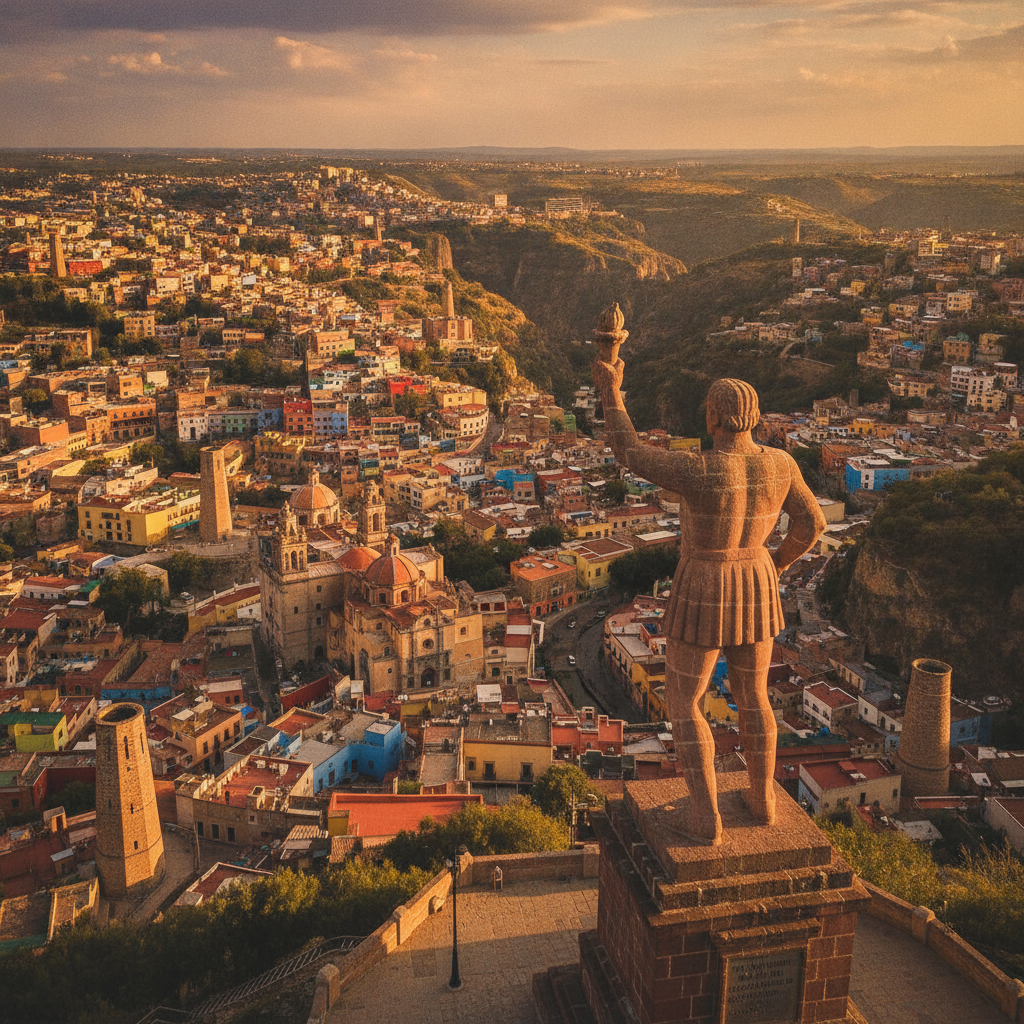
Guanajuato Practical Guide Getting There Navigation Tips Neighborhoods Safety Climate and How to Survive the Underground Tunnels the Cobblestone Callejones and the Most Disorienting Colonial City in Mexico
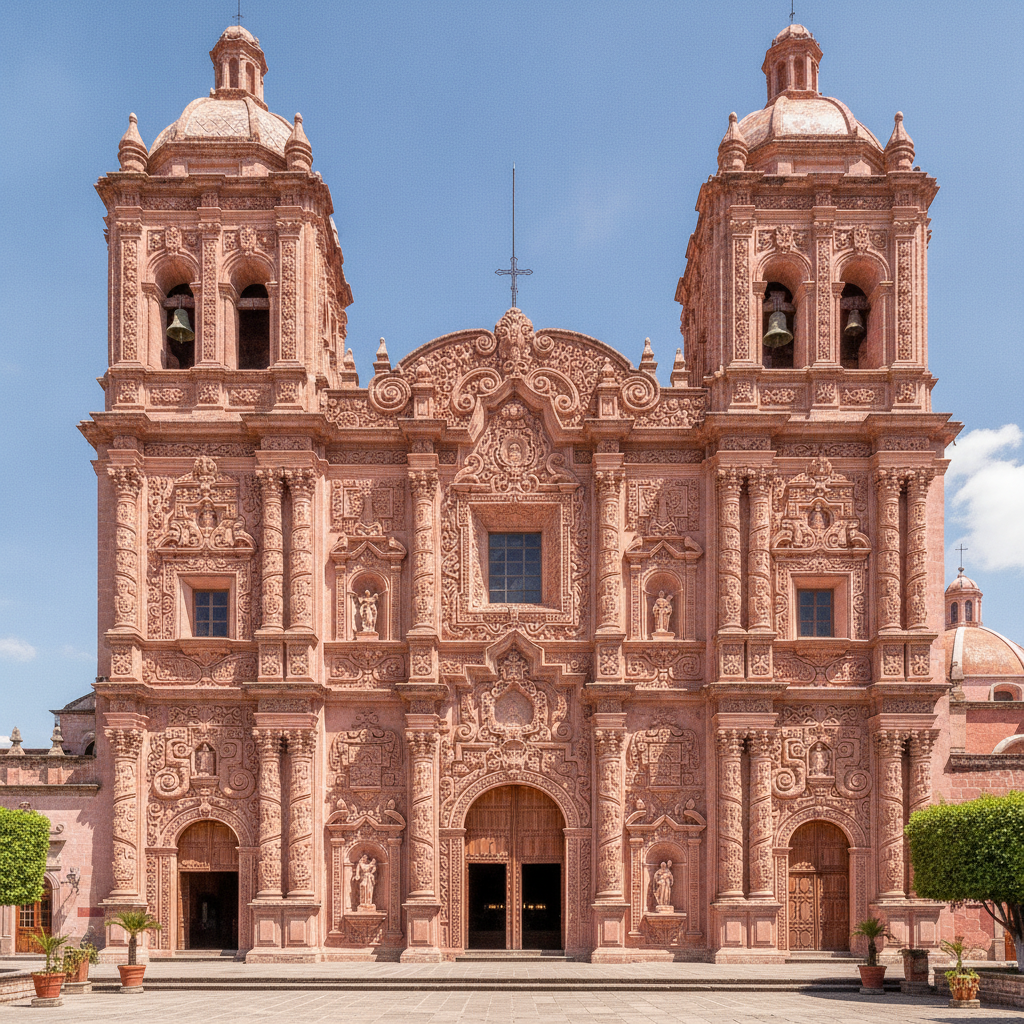
Guanajuato Baroque Art Churrigueresque Architecture La Valenciana Church and the Artistic Legacy of a Colonial City That Built the Most Elaborate Religious Buildings in Mexico With Silver Money
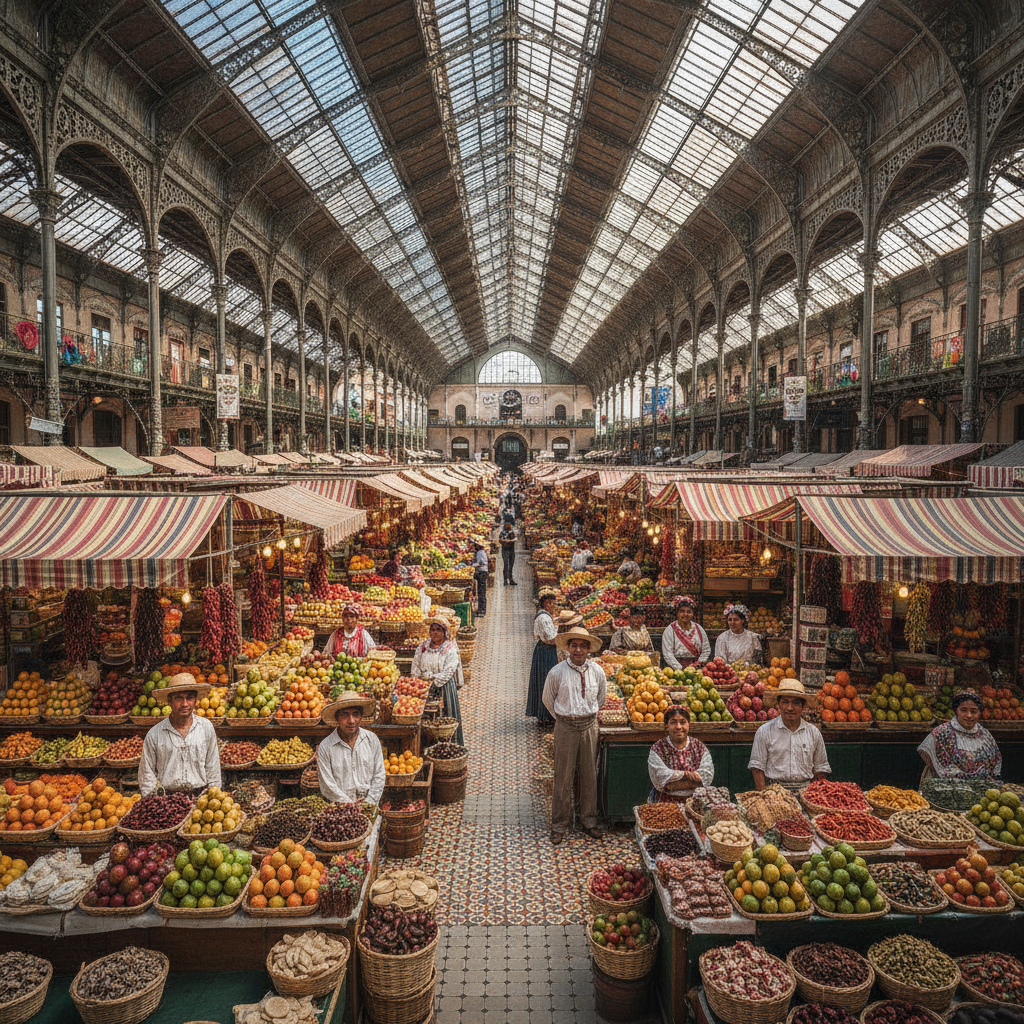
Guanajuato Food Cajeta Enchiladas Mineras Mercado Hidalgo and the Working Class Cuisine of a Silver Mining City Where the Miners Diet and the Aristocrats Table Developed Side by Side for Three Centuries